Business RadioX ®

  • Home
  • Business RadioX ® Communities
    • Southeast
      • Alabama
        • Birmingham
      • Florida
        • Orlando
        • Pensacola
        • South Florida
        • Tampa
        • Tallahassee
      • Georgia
        • Atlanta
        • Cherokee
        • Forsyth
        • Greater Perimeter
        • Gwinnett
        • North Fulton
        • North Georgia
        • Northeast Georgia
        • Rome
        • Savannah
      • Louisiana
        • New Orleans
      • North Carolina
        • Charlotte
        • Raleigh
      • Tennessee
        • Chattanooga
        • Nashville
      • Virginia
        • Richmond
    • South Central
      • Arkansas
        • Northwest Arkansas
    • Midwest
      • Illinois
        • Chicago
      • Michigan
        • Detroit
      • Minnesota
        • Minneapolis St. Paul
      • Missouri
        • St. Louis
      • Ohio
        • Cleveland
        • Columbus
        • Dayton
    • Southwest
      • Arizona
        • Phoenix
        • Tucson
        • Valley
      • Texas
        • Austin
        • Dallas
        • Houston
    • West
      • California
        • Bay Area
        • LA
        • Pasadena
      • Colorado
        • Denver
      • Hawaii
        • Oahu
  • FAQs
  • About Us
    • Our Mission
    • Our Audience
    • Why It Works
    • What People Are Saying
    • BRX in the News
  • Resources
    • BRX Pro Tips
    • B2B Marketing: The 4Rs
    • High Velocity Selling Habits
    • Why Most B2B Media Strategies Fail
    • 9 Reasons To Sponsor A Business RadioX ® Show
  • Partner With Us
  • Veteran Business RadioX ®

Your Weight and How to Deal With It- Episode 42, To Your Health With Dr. Jim Morrow

October 14, 2020 by John Ray

weight and how to deal with it
North Fulton Studio
Your Weight and How to Deal With It- Episode 42, To Your Health With Dr. Jim Morrow
Loading
00:00 /
RSS Feed
Share
Link
Embed

Download file

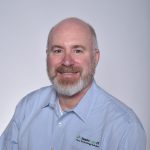
Dr. Jim Morrow, Morrow Family Medicine

Your Weight and How to Deal With It- Episode 42, To Your Health With Dr. Jim Morrow

On this episode of “To Your Health,” Dr. Morrow discusses weight and how to deal with it, including the genetic and lifestyle factors that influence it. He also talks about how our weight has been impacted by the life changes made during the pandemic. “To Your Health” is brought to you by Morrow Family Medicine, which brings the CARE back to healthcare.

About Morrow Family Medicine and Dr. Jim Morrow

Morrow Family Medicine is an award-winning, state-of-the-art family practice with offices in Cumming and Milton, Georgia. The practice combines healthcare information technology with old-fashioned care to provide the type of care that many are in search of today. Two physicians, three physician assistants and two nurse practitioners are supported by a knowledgeable and friendly staff to make your visit to Morrow Family Medicine one that will remind you of the way healthcare should be.  At Morrow Family Medicine, we like to say we are “bringing the care back to healthcare!”  Morrow Family Medicine has been named the “Best of Forsyth” in Family Medicine in all five years of the award, is a three-time consecutive winner of the “Best of North Atlanta” by readers of Appen Media, and the 2019 winner of “Best of Life” in North Fulton County.

Dr. Jim Morrow, Morrow Family Medicine, and Host of “To Your Health With Dr. Jim Morrow”

Covid-19 misconceptionsDr. Jim Morrow is the founder and CEO of Morrow Family Medicine. He has been a trailblazer and evangelist in the area of healthcare information technology, was named Physician IT Leader of the Year by HIMSS, a HIMSS Davies Award Winner, the Cumming-Forsyth Chamber of Commerce Steve Bloom Award Winner as Entrepreneur of the Year and he received a Phoenix Award as Community Leader of the Year from the Metro Atlanta Chamber of Commerce.  He is married to Peggie Morrow and together they founded the Forsyth BYOT Benefit, a charity in Forsyth County to support students in need of technology and devices. They have two Goldendoodles, a gaggle of grandchildren and enjoy life on and around Lake Lanier.

Facebook: https://www.facebook.com/MorrowFamMed/

LinkedIn: https://www.linkedin.com/company/7788088/admin/

Twitter: https://twitter.com/toyourhealthMD

The complete show archive of “To Your Health with Dr. Jim Morrow” addresses a wide range of health and wellness topics, and can be found at www.toyourhealthradio.com.

Dr. Morrow’s Show Notes

Complications of Covid-19

  • Acute Respiratory Failure
  • Pneumonia
  • Acute Respiratory Distress Syndrome (ARDS)
  • Acute Liver Injury
  • Acute Cardiac Injury
  • Secondary Infection
  • Acute Kidney Injury
  • Septic Shock
  • Disseminated Intravascular Coagulation
  • Blood Clots
  • Multi-system Inflammatory Syndrome in Children
  • Chronic Fatigue
  • Rhabdomyolysis

Your Weight and How to Deal With It 

  • For years, I have explained to patients about their weight using a term called Ideal Body Weight.
    • It’s a terrible number, an almost unreachable number.
    • Especially in the state of Georgia.
      • The obesity rate in Georgia is close to the highest in the country, about 11th highest when last counted.
    • However, I am not one to preach to people that they need to get down to a certain level. Because it is so dog gone hard.
    • These days the usual way to determine if a person is “obese” is using their Body Mass Index, or BMI.
      • BMI, unlike ideal body weight, takes into consideration the person’s height.
      • To determine your BMI, multiply your height by 703. Divide that number by your height in inches. Divide that number again by your height in inches.


·      BMI·      Category·      What it means
·      Below 19·      Underweight·      You might need to gain some weight. Talk to your doctor.
·      19 to 24·      Healthy·      You are at a healthy weight. Try to maintain this weight.
·      25 to 29·      Overweight·      Don’t gain any more weight. You may need to lose weight. Check with your doctor.
·      30 or higher·      Obese·      You probably need to lose weight. Talk to your doctor about the best ways to lose weight.


  • So… according to this, if your BMI is over 25, you are overweight
    • and if it is over 30 you are obese.
    • If it is above 35, you are considered morbidly obese.
    • If that is the case, then the conversation in my exam room will likely be slightly different form if the number is closer to 30-32.
  • I see people every day who are upset about their weight.
    • I mean, I live in Georgia right.
    • When I do see one who is thinner than average,
    • I will tell them that if they plan to stay in Georgia,
    • they’re going to have to lose some weight.
  • The visit where weight comes up might be with a man or a woman.
    • If it is a man, there is usually woman who has forced him to bring it up.
  • Men are very fortunate.
    • When they put their minds to it,
      • they can, at nearly any age, lose weight.
      • Woman have a MUCH harder time losing weight.
      • And here’s the thing that patients really hate to hear me say:

If you are a post-menopausal woman,

you are incredibly unlikely to really lose weight.

  • It’s just so hard. And there are two primary reasons for this:
    • Genetics:
      • When I go to a family reunion, there is a room full of people there who look just like me.
      • I love these people, but we all share the same genes and some of those genes make us bigger than others.
      • It is just the way it is.
      • And you can’t change anything about this.
      • You can work really hard to exercise as much as you can.
      • You can try to be as active as you can.
      • But you are not going to change the impact that genetics has on your weight.
        • Period.
          • You just aren’t.
  • Lifestyle:
    • This is the one that really gets people.
    • Sure, you can change your lifestyle.
    • You can start doing things differently.
    • You can join a gym,
      • you can start running (although another thing that people hate to hear me say is that if you are over 40 you are too old to run).
    • Back in the 80’s I wrote a diet booklet to give to patients.
      • It had a substitution diet in it, like a diabetic diet,
        • with various plans for different calorie intakes each day.
        • It said two things that are still important today:
      • The word diet has two definitions:
        • It is the food you eat on a regular basis
        • It is a plan you begin in an effort to lose weight.
      • The problem is that what people are thinking about is the second definition.
        • They think, and heaven knows I have done this more times than I could ever count,
          • “Man, I can’t wait to get to my goal weight so I can get off this damn diet!”
  • Years ago I did Weight Watchers, for the first time.
    • I went to meetings.
    • I counted points.
    • I was religious about it.
    • It was one of those times when I had just had it with my weight.
      • Finally, after several months, I hit my goal weight and at that meeting they made such a big deal out of me doing that and me receiving my Lifetime Membership Award.
      • It felt so much like “graduation” that I basically graduated from WW that night.
      • And I never looked at points again.
        • Having lost 42 pounds, I gained 50 in less than a year.
      • I have probably lost a thousand pounds in my life.
      • So… what does this mean for you?
      • Here is the way I feel about this.
  • If you are overweight or obese,
    • you should be a lot more concerned about not gaining weight year after year, than trying to lose weight.
    • If you are a youngster, sure go ahead and try to get down to where you feel you should be.
    • But if you are one of those post-menopausal women I see, or a man over 55 – 60, pay more attention to not gaining weight.
  • If you come for a physical every year, like you should,
    • and you gain five pounds, be careful.
      • A month ago, I saw a gentleman for his yearly physical.
      • He asked about this weight and when I said he had gained five pounds, he was so happy.
      • Pumped his fist and said “YES! YES!”.
    • I said, slow your roll there big guy, you have said that 7 years in a row.
      • So, quick math, he had gained 35 pounds since we started seeing him 7 years earlier.
    • I admire anyone who is interested in making themselves healthier.
      • It is what we should all be doing.
      • But when I see people who are devastated by their inability to lose weight, it concerns me.
      • Often these are people who would otherwise be perfectly happy in their lives.
      • But instead they are depressed or at a minimum upset about their weight.
    • Bottom line in this for me is:
      • Be who you are.
      • Try to be happy with who you are, and be the healthiest version of who you are that you can be.

Tagged With: Dr. Jim Morrow, Morrow Family Medicine, obesity, overweight, pandemic, To Your Health With Dr. Jim Morrow, weight

Navigating the Current Economic Climate, with Gregg Burkhalter, “The LinkedIn Guy” and Personal Branding Coach

October 14, 2020 by John Ray

North Fulton Studio
North Fulton Studio
Navigating the Current Economic Climate, with Gregg Burkhalter, "The LinkedIn Guy" and Personal Branding Coach
Loading
00:00 /
RSS Feed
Share
Link
Embed

Download file

NEWEST-Gregg-Small
Gregg Burkhalter, “The LinkedIn Guy” and Personal Branding Authority

Navigating the Current Economic Climate, with Gregg Burkhalter, “The LinkedIn Guy” and Personal Branding Coach

John Ray: [00:00:00] And hello, everyone. We’re here on the phone with Gregg Burkhalter, better known as the LinkedIn Guy and also personal branding expert. Gregg, what advice would you give entrepreneurs and business owners to deal with the current crisis that is facing all of us?

Gregg Burkhalter: [00:00:21] The first word that comes to mind with our current situation is the word “empathy.” With what we’re dealing with right now, we kinda get into a silo because we’re all feeling like we’re dealing with our own issues that no one else is dealing with. And what we don’t realize is, is that others are potentially dealing with much bigger issues than we are.

Gregg Burkhalter: [00:00:41] And in fact, as the business climate now is, your client relationship has changed. It’s not that dollar/cents relationships that we’re used to in business terminology, it’s much more than that. It is turning to a relationship of compassion, a relationship of empathy, because not only are you, as a provider, dealing with your issues, but your clients are dealing with issues too. And they depend on you to give them the support they need, whether it’s the product they need, the advice they need or the support they need. And the value you bring right now during this very trying time will have a long range impact on that relationship with that client.

Gregg Burkhalter: [00:01:23] As a small business owner, I’m a one-person operation. I understand the stress that people feel as a one-person business. But you can imagine the stress of someone that’s a five-person business. Not only are they responsible for their own livelihood, they have five other people depending on them too. Immense amount of stress.

Gregg Burkhalter: [00:01:43] We are all in this together. Please take time, help other people, encourage other people. We have a perfect platform for staying in touch with people at LinkedIn. We didn’t have that decades ago, but we have that right now. LinkedIn is a great tool for maintaining those relationships, sharing information of value with your community and staying present with other people as we all handle this challenge.

Gregg Burkhalter: [00:02:09] Again, we’re all in it together. We will succeed in the long run. Walk the path, show compassion, share empathy, help others, and we will get through this.

John Ray: [00:02:25] Terrific. Thank you, Gregg.

Gregg Burkhalter, “The LinkedIn Guy” and Personal Branding Authority

Gregg Burkhalter is a recognized authority on Personal Branding and LinkedIn. He has helped countless professionals in the U.S. and abroad define and grow their Personal Brand using LinkedIn.

Gregg spent the first part of his professional career behind the microphone at radio stations in Savannah, Jacksonville, Charleston, and Atlanta. Following his radio years, Gregg worked in national music marketing and distribution.

Today, Gregg is known by many as “The LinkedIn Guy”. He provides Personal Branding Coaching and LinkedIn Training via one-on-one and group training sessions, corporate presentations and webinars.

To learn more, visit Gregg’s website. You can also connect with Gregg on LinkedIn, or call him at 770-313-2385.

Listen to the complete North Fulton Business Radio interview with Gregg here.


The “One Minute Interview” series is produced by John Ray and in the North Fulton studio of Business RadioX® in Alpharetta. You can find the full archive of shows by following this link.

Renasant Bank has humble roots, starting in 1904 as a $100,000 bank in a Lee County, Mississippi, bakery. Since then, Renasant has grown to become one of the Southeast’s strongest financial institutions with over $13 billion in assets and more than 190 banking, lending, wealth management and financial services offices in Mississippi, Alabama, Tennessee, Georgia and Florida. All of Renasant’s success stems from each of their banker’s commitment to investing in their communities as a way of better understanding the people they serve. At Renasant Bank, they understand you because they work and live alongside you every day.

Tagged With: gregg burkhalter, personal branding authority, the linkedin guy

Choosing a Leader’s Mindset to Confront Uncertain Economic Times, with Joe Iarocci, Cairnway

October 14, 2020 by John Ray

servant leadership in a pandemic
North Fulton Studio
Choosing a Leader's Mindset to Confront Uncertain Economic Times, with Joe Iarocci, Cairnway
Loading
00:00 /
RSS Feed
Share
Link
Embed

Download file

servant leadership in a pandemic
Joe Iarocci, Founder,  Cairnway Coaching

Choosing a Leader’s Mindset to Confront Uncertain Economic Times, with Joe Iarocci, Cairnway

John Ray: [00:00:00] And hello again, folks. I’m John Ray with Business RadioX, and I’m here with Joe Iarocci. And Joe is the founder of Cairnway Coaching. And Joe, what advice would you give to business owners and leaders as they navigate this pandemic environment?

Joe Iarocci: [00:00:23] You know, John, there’s so much that we can’t choose in this environment. There are so many tactics that people are proposing to leaders in this environment. Some are realistic and some aren’t. There is one thing, though, that every leader can choose, and that’s the leader’s mindset. That is the mindset, it’s an attitude, an inclination approach to the problem, the crisis, the leadership. Every leader can choose a mindset. And I would hope leaders choose a mindset of abundance, not scarcity. Abundance, “How can we grow the pie?” not “How can we afford toilet paper?”

Joe Iarocci: [00:01:07] I would suggest the best mindset is an asset-based mindset, not a liability-based mindset. What do we have going for us, not what going against us? What assets can we build on, not what deficits are we worried about?

Joe Iarocci: [00:01:24] And then, finally, an antifragile mindset. That’s where, in times of crisis, I’m not going to hunker down, or retreat, or shrink, but instead I’m going to grow, and blossom and bloom. And if we look at the great leaders of the history, and the world and business, so many of them emerged out of, bloomed out of crisis and were relatively unknown before that. So, choose an antifragile mindset. All those things are within your choice.

Joe Iarocci, Founder,  Cairnway Coaching

servant leadership in a pandemic
Joe Iarocci, Cairnway Coaching

Joe Iarocci is the Founder of Cairnway Coaching. Joe founded Cairnway after serving as CEO of the Robert K. Greenleaf Center for Servant Leadership. Before joining the Greenleaf Center, Joe spent thirteen years with CARE USA, one of the world’s largest international nongovernmental organizations dedicated to ending extreme poverty. Joe served CARE as General Counsel, Chief Financial Officer and Chief of Staff. Joe practiced business law prior to joining CARE, representing individual entrepreneurs as well as multinational corporations. Joe currently serves on the boards of Social Accountability International, the Georgia Center for Nonprofits and the Foundation Center-Atlanta. Joe is uniquely passionate about spreading awareness and increasing implementation of servant leadership practices organizations and individuals.

Cairnway is a firm that coaches executives, teams and boards of directors, taking a servant leadership approach. The firm promotes servant leadership in the workplace through speaking, teaching and corporate events.

The evidence shows that organizations applying servant leadership have exceptional employee engagement, customer experience and team effectiveness. Servant leadership improves performance on more than one bottom line.

Joe and the Cairnway team bring a servant leadership approach to their coaching work. That means we measure our success by the success of those they serve.

Listen to the complete North Fulton Business Radio interview with Joe here. 


The “One Minute Interview” series is produced by John Ray and in the North Fulton studio of Business RadioX® in Alpharetta. You can find the full archive of shows by following this link.

Renasant Bank has humble roots, starting in 1904 as a $100,000 bank in a Lee County, Mississippi, bakery. Since then, Renasant has grown to become one of the Southeast’s strongest financial institutions with over $13 billion in assets and more than 190 banking, lending, wealth management and financial services offices in Mississippi, Alabama, Tennessee, Georgia and Florida. All of Renasant’s success stems from each of their banker’s commitment to investing in their communities as a way of better understanding the people they serve. At Renasant Bank, they understand you because they work and live alongside you every day.

Tagged With: Cairnway Coaching, Joe Iarocci

Keeping Our Eyes Open to the Positives, with Bill McDermott, McDermott Financial Solutions

October 14, 2020 by John Ray

Bill-McDermott
North Fulton Studio
Keeping Our Eyes Open to the Positives, with Bill McDermott, McDermott Financial Solutions
Loading
00:00 /
RSS Feed
Share
Link
Embed

Download file

Bill-McDermott
Bill McDermott, Founder and CEO of McDermott Financial Solutions

Keeping Our Eyes Open to the Positives, with Bill McDermott, McDermott Financial Solutions

Bill McDermott: [00:00:00] I’m going to tell a little story on myself, John. As you know, I’m pretty transparent. I watch the TV news, I see the number of cases of COVID-19, I see the deaths, I see the spread to Italy, to Spain, now to the United States. And what I was seeing was all the things that were happening, but what I was blind to is the fact that despite the building number of cases, despite the deaths, there are things going on that I just wasn’t seeing.

Bill McDermott: [00:00:45] There are manufacturing concerns that have totally changed their operation for manufacturing cologne to sanitizer or excuse me, yeah, hand sanitizer. There are companies that have totally revamped their manufacturing process to make ventilators. I heard of a company yesterday that donated two million masks to FEMA to help with disasters and to have people so that they can be protected.

Bill McDermott: [00:01:18] And so, what I wasn’t seeing, what I was blind to is all of the great things that America is doing to come together during this crisis. And so, what I would encourage, I would just encourage everybody is I’ve encouraged myself, don’t be blind to the things that are going on in the United States, where we’re coming together, where we’re building community, where we’re striving to achieve the greater good. There are great things going on despite this coronavirus that are making America better and stronger. And we just need to have our eyes open to see those things.

Bill McDermott, Founder and CEO of McDermott Financial Solutions

Bill McDermott graduated from Wake Forest University and launched a career in banking that spanned 32 years. He first started out as the “repo man” as part of Wachovia Bank’s management training program before locating to Atlanta to work for Peachtree Bank, which later became SunTrust. There, he distinguished himself as a great producer of loans and deposits for the bank, climbing the ranks to ultimately become a Group Vice President in the Commercial Banking division. In 2001, Bill’s group won the SunTrust Cup for being the highest performing commercial banking group in the company.

Over the next 8 years, Bill worked in community banking, becoming a top producer for IronStone Bank and later helping to double Embassy National Bank’s initial capital in loan production within 15 months. However, in early 2009 as the Great Recession was rapidly altering the economy, Bill’s position as Chief Commercial Lender was eliminated.

As Bill searched for what was “next”, he realized that he had built a treasure trove of knowledge of banking and financial acumen and had a desire to share it. Bill combined his sales success from his banking/insurance experience with his deep financial/analytical skills and launched McDermott Financial Solutions in April 2009. His purpose quickly became “making business owners better financial managers”. Over the past 11 years he has served over 200 clients by delivering results-oriented insights, helping to take them from financial confusion to financial clarity.

Bill currently sits on the board of directors for Pinnacle Bank, as well as the board for the Peachtree Corners Business Association, where he serves as vice president. He also hosts a monthly podcast, ProfitSense, which features stories of successful business owners and the professionals that advise them. When Bill is not working, you can find him on the golf course, gardening, spending time with his family, and leading a small group at his local church.

Bill is the host of “ProfitSense with Bill McDermott.” To find the show archive, go to ProfitSenseRadio.com.


The “One Minute Interview” series is produced by John Ray and in the North Fulton studio of Business RadioX® in Alpharetta. You can find the full archive of shows by following this link.

Renasant Bank has humble roots, starting in 1904 as a $100,000 bank in a Lee County, Mississippi, bakery. Since then, Renasant has grown to become one of the Southeast’s strongest financial institutions with over $13 billion in assets and more than 190 banking, lending, wealth management and financial services offices in Mississippi, Alabama, Tennessee, Georgia and Florida. All of Renasant’s success stems from each of their banker’s commitment to investing in their communities as a way of better understanding the people they serve. At Renasant Bank, they understand you because they work and live alongside you every day.

Tagged With: Bill McDermott, McDermott Financial Solutions

Advice for Entrepreneurs Confronting a Pandemic Environment, with Mike Blake, Brady Ware & Company

October 14, 2020 by John Ray

Mike-Blake
North Fulton Studio
Advice for Entrepreneurs Confronting a Pandemic Environment, with Mike Blake, Brady Ware & Company
Loading
00:00 /
RSS Feed
Share
Link
Embed

Download file

Mike-Blake
Mike Blake, Brady Ware & Company

Advice for Entrepreneurs Confronting a Pandemic Environment, with Mike Blake, Brady Ware & Company

John Ray: [00:00:00] And hello again, everyone. I’m John Ray with North Fulton Business Radio, North Fulton Business RadioX. I’m here with Mike Blake. Mike is the host of Decision Vision and a Director at Brady Ware & Company. And Mike, I asked you a question we’re asking everyone, what advice would you give entrepreneurs, business owners as they navigate today’s business crisis?

Mike Blake: [00:00:23] So, I’m going to share an observation that I gleaned from a podcast I just recorded that you haven’t put live yet. And since I’m stealing this idea, it’s from Shane Metcalf of 15Five out in Silicon Valley. And I think the smartest piece of advice that I’ve heard and I like is think about what the opportunity is that this disruption creates.

John Ray: [00:00:49] And this is a very Silicon Valley way of thinking of things any time things go weird, broken, awry, unexpected. And sometimes, Silicon Valley is the instigator that other times, some things just sort of fall off the rails. And the Silicon Valley way of thinking about this is, “How do I capitalize this? What is the opportunity? Is there a new business? Is there a new business model? Do you sharpen your tools in some other fashion?”

Mike Blake: [00:01:16] For example, I’ll give a sneak preview. One example Shane gave was we’re all going to get better at working with video chat, and I’ve resisted video chat. Even though I’m a tech guy, I’ve never really liked video chat. Podcasting is a great venue for me because you don’t have to look at me talk to you. So, I’ve never been a huge fan of video but there really is a great opportunity to sharpen your skills, and your tools, and your acumen in alternative media. But that’s part of a larger concept.

John Ray: [00:01:57] Think about the other side already. And the other benefit to that too is that it’s positive. This will end. I’m confident this is not an Armageddon moment. This is not one of the seven seals. This is not the plague of locusts, any of that stuff. We are going to come out on the other side. So, if you need kind of a pick-me-up, and I know that people are kind of down right now, but a great way to kind of turn lemons into lemonade is to think about what disruption is occurring right now that I can take advantage of.

John Ray: [00:02:32] You and I have spoken a little bit about a new business offering in terms of risk management that I want to launch through Brady Ware.

Mike Blake: [00:02:39] Yes.

Mike Blake: [00:02:40] Is there a is there a better time ever? I mean, I think even more than ’08 where people are now thinking more about risk management in our lifetime, basically, right?

John Ray: [00:02:40] True.

Mike Blake: [00:02:51] So, yes, there’s widespread suffering, and there is misery, and there is death, none of which I can control other than living outside of my basement, like all I do is go to Star Trek conventions. But what I can do is I can identify this market now and the sentiment that is having driven home like a railroad spike, how important risk management is, and that a sophisticated approach to risk management is something that is key to long-term business survival.

Mike Blake: [00:03:24] So, to sum up, think about the long game or Simon Sinek would write, think about the infinite game. And that infinite game means, what opportunities are going to be created for you, for your business to get better, to be better, to be different, so that on the other side that you are actually better for it, you actually do reflect that notion that what does not kill you makes you stronger.

John Ray: [00:03:48] Great advice, Mike. Thanks for giving us that perspective.

Mike Blake: [00:03:51] Any time.

Michael Blake, Brady Ware & Company

Michael Blake is Host of the “Decision Vision” podcast series and a Director of Brady Ware & Company. Mike specializes in the valuation of intellectual property-driven firms, such as software firms, aerospace firms and professional services firms, most frequently in the capacity as a transaction advisor, helping clients obtain great outcomes from complex transaction opportunities. He is also a specialist in the appraisal of intellectual properties as stand-alone assets, such as software, trade secrets, and patents.

Mike has been a full-time business appraiser for 13 years with public accounting firms, boutique business appraisal firms, and an owner of his own firm. Prior to that, he spent 8 years in venture capital and investment banking, including transactions in the U.S., Israel, Russia, Ukraine, and Belarus.

Mike is the host of “Decision Vision.” To find the show archive, go to DecisionVisionPodcast.com.


The “One Minute Interview” series is produced by John Ray and in the North Fulton studio of Business RadioX® in Alpharetta. You can find the full archive of shows by following this link.

Renasant Bank has humble roots, starting in 1904 as a $100,000 bank in a Lee County, Mississippi, bakery. Since then, Renasant has grown to become one of the Southeast’s strongest financial institutions with over $13 billion in assets and more than 190 banking, lending, wealth management and financial services offices in Mississippi, Alabama, Tennessee, Georgia and Florida. All of Renasant’s success stems from each of their banker’s commitment to investing in their communities as a way of better understanding the people they serve. At Renasant Bank, they understand you because they work and live alongside you every day.
Tagged With: Brady Ware, Mike Blake

Opportunities for Change and Growth in a Pandemic Economy, with Alan Najjar, Smith & Howard

October 14, 2020 by John Ray

Alan-Najjar
North Fulton Studio
Opportunities for Change and Growth in a Pandemic Economy, with Alan Najjar, Smith & Howard
Loading
00:00 /
RSS Feed
Share
Link
Embed

Download file

Alan-Najjar
Alan Najjar, Director of Business Development with Smith & Howard

Opportunities for Change and Growth in a Pandemic Economy, with Alan Najjar, Smith & Howard

Alan Najjar: [00:00:00] I’d start with saying that all red lights eventually turn green. While there is uncertainty about the duration of this coronavirus pandemic, we will get through with. Our democratic system has put elected government leaders in place. I’m a little annoyed with some of what I hear in reporting medias. What we need to do is let them do their job. And if we, the people, are not pleased, we’ll have another opportunity to say so at the ballot box later this year.

Alan Najjar: [00:00:28] I think that we should be pleased and impressed with the global cooperation of health experts to isolate and deal with this global issue. It is a serious situation and we are seeing the most aggressive and comprehensive worldwide effort ever to confront a foreign virus. As I mentioned a while ago, we’re being bombarded with info from every communication channel out there and much of it’s negative event. So, then, we should selectively review what we hear and see several times a day and listen carefully for the good news. There is some good news out there. Our scientific community is making some great strides in dealing with this health care crisis. And so far, recoveries are outnumbering infections.

Alan Najjar: [00:01:08] I’d also say stay home unless it’s absolutely necessary. If you’re sick, stay home, period. Benefit of that is think about the carbon dioxide and monoxide that we’re not putting into the atmosphere. The reality of the coronavirus is that it’s making us work remotely or from home. This is a chance to be creative on doing our job responsibly by following our company’s protocols. I think each of us needs to be accountable that we focus on our job just as if we were in the workplace.

Alan Najjar: [00:01:37] I would also say it’s not a time to panic and go buy groceries or household goods. We can help our country continue to operate by not adding stress to an already impacted logistics system. I think in these kind of times too, we need to remain fluid. We’ve all embarked on a new way of working with our teams and our customers. This is a great opportunity to take advantage of this imposed opportunity to find ways to work smarter and better. It’s a chance to fortify our employers by transforming how we deliver its goods and services.

Alan Najjar: [00:02:09] It’s also a great time to consider those less fortunate than us and to give generously to the community organizations that help those in need, especially food banks. I think it’s a time to dust off our to-do list now that we have some isolation and solitary time. In doing that, we should take short breaks out to move around, rehydrate, step outside, get some fresh air, and if we’re lucky, maybe a little sunshine. It’s a great time to take some time that we’re saving by not commuting and doing something for our physical or mental health by walking around, exercising or reading.

Alan Najjar: [00:02:44] One of the most significant contributors to physical and emotional well-being is sleep. And I think it’s a great opportunity to use the extra hours that we’re not commuting to use it wisely and to our full benefit.

Alan Najjar: [00:02:55] I guess lastly, John, I would say it’s time to be patient. Let technology be our friends and stay in contact with our friends and our co-workers. We will get through it. It is some uncertain time. I think we need to trust the systems we put in place and let’s just see how it works.

Alan Najjar, Director of Business Development, Smith & Howard

Alan Najjar has overseen the business development efforts of Smith & Howard since 2011. A veteran of the Atlanta banking and business community, Alan has held executive level leadership positions at SunTrust Bank and other Georgia financial institutions. Prior to joining Smith & Howard, he was the EVP and Chief Operating Officer of an Atlanta-based financial services company.

Alan is a graduate of the University of Georgia and the Stonier Graduate School of Banking at Rutgers University. He is a veteran who served in the U.S. Marine Corps.

Alan is the 2020 Chairman for the Greater North Fulton Chamber of Commerce and serves on its Board of Directors. He is a trustee emeritus for Georgia Gwinnett College Foundation and Community Foundation for Northeast Georgia. He is active in numerous civic, social and academic organizations. Alan and his wife, Donna, are long-time residents of Gwinnett County and when away from the office, Alan most enjoys sunrises on the lake and time with his family.

Listen to the complete GNFCC 400 Insider Radio interview Alan Paul here. 


The “One Minute Interview” series is produced by John Ray and in the North Fulton studio of Business RadioX® in Alpharetta. You can find the full archive of shows by following this link.

Renasant Bank has humble roots, starting in 1904 as a $100,000 bank in a Lee County, Mississippi, bakery. Since then, Renasant has grown to become one of the Southeast’s strongest financial institutions with over $13 billion in assets and more than 190 banking, lending, wealth management and financial services offices in Mississippi, Alabama, Tennessee, Georgia and Florida. All of Renasant’s success stems from each of their banker’s commitment to investing in their communities as a way of better understanding the people they serve. At Renasant Bank, they understand you because they work and live alongside you every day.

Tagged With: Alan Najjar, Smith & Howard

What Advice Would You Give Business Owners as They Deal with an Uncertain Business Climate? – Kali Boatright, Greater North Fulton Chamber of Commerce

October 9, 2020 by John Ray

Kali Boatright
North Fulton Studio
What Advice Would You Give Business Owners as They Deal with an Uncertain Business Climate? - Kali Boatright, Greater North Fulton Chamber of Commerce
Loading
00:00 /
RSS Feed
Share
Link
Embed

Download file

Kali Boatright
Kali Boatright, President and CEO of GNFCC

What Advice Would You Give Business Owners as They Deal with an Uncertain Business Climate? – Kali Boatright, Greater North Fulton Chamber of Commerce

John Ray: [00:00:00] And hello again, folks, I’m John Ray again here at North Fulton Business Radio, and I’m here with Kali Boatright, and Kali is the CEO of the Greater North Fulton Chamber of Commerce. So, Kali, I ask you, what’s the one piece of advice you would give business owners right now on dealing with this current chaos?

Kali Boatright: [00:00:17] You know, mine probably is not going to be what most people would think a Chamber President would go out there with. But it’s it’s certainly what I’m seeing both with businesses and in my neighborhood, John, I’m a hugger. And so social distancing is particularly hard for those of us who really are relationship oriented. And so while we cannot touch or be huggers at this moment, I think be remembering that we have to stay connected to our family and our friends and being real with each other and making phone calls and checking in. You know, we can give virtual hugs by reminding each other why we do what we do and being supportive of one another. And I guess I could call that my virtual hug is that, you know, to remember that, you know, you love a lot of people out there. And while you may not be able to physically show them at this time, you certainly can show them by communicating.

John Ray: [00:01:12] Great advice. Thanks, Kali.

Kali Boatright: [00:01:14] My pleasure.

Kali Boatright, CEO, Greater North Fulton Chamber of Commerce

Kali Boatright joined the Greater North Fulton Chamber of Commerce as President and CEO in 2018. As an expert in nonprofit management and a proven leader in organizational growth and strategy execution, she is most proud of her history of growing individuals on her team and collaboration with similar mission-driven organizations. Prior to taking the helm at GNFCC, she served as the CEO of the Douglas County Chamber of Commerce from 2004-2018 and before that as Chief Operating Officer of the Golden Key International Honour Society.

Boatright is a graduate of the US Chamber’s Institute for Organizational Management and is a Georgia Certified Chamber Executive. In addition, she serves as chair of the Georgia Chamber Federation on the Georgia Chamber Board of Directors, as an executive board member of the Regional Business Coalition, as a board member of Tech Alpharetta and as past Chair of the Georgia Association of Chamber of Commerce Executives.

In 2017, Boatright was honored by the chamber industry when she received the Georgia Association of Chamber of Commerce Executives Legacy Award. As the association’s most prestigious award, it recognizes long-term executives who have excelled over a period of years in leading and innovatively building their Chamber. The award is based on the demonstration of excellence in areas of chamber leadership, organizational management, service to the profession, community reputation/involvement, and personal attributes.

Kali is a graduate of the University of Missouri School of Journalism. She and her high school sweetheart David have recently become empty nesters with their oldest adulting ITP and only their youngest, a sophomore at Georgia Tech, remaining on payroll. David is a Chemistry Teacher at Cambridge HS in Alpharetta, Georgia.

Kali is the host of “GNFCC 400 Insider.” To find the show archive, go to GNFCC400Insider.com.


The “One Minute Interview” series is produced by John Ray and in the North Fulton studio of Business RadioX® in Alpharetta. You can find the full archive of shows by following this link.

Renasant Bank has humble roots, starting in 1904 as a $100,000 bank in a Lee County, Mississippi, bakery. Since then, Renasant has grown to become one of the Southeast’s strongest financial institutions with over $13 billion in assets and more than 190 banking, lending, wealth management and financial services offices in Mississippi, Alabama, Tennessee, Georgia and Florida. All of Renasant’s success stems from each of their banker’s commitment to investing in their communities as a way of better understanding the people they serve. At Renasant Bank, they understand you because they work and live alongside you every day.
Tagged With: GNFCC, Greater North Fulton Chamber of Commerce, Kali Boatright

John Muse, DDS, Georgia Oral Surgery

October 8, 2020 by John Ray

John-Muse-Georgia-Oral-Surgery
Dental Business Radio
John Muse, DDS, Georgia Oral Surgery
Loading
00:00 /
RSS Feed
Share
Link
Embed

Download file

Georgia Oral Surgery
Dr. John Muse

Dr. John Muse, Georgia Oral Surgery (“Dental Business Radio,” Episode 6)

On this edition of “Dental Business Radio,” Dr. John Muse joins host Patrick O’Rourke to discuss his practice, Georgia Oral Surgery, why it’s important to understand different patient types, improving carrier reimbursement, and much more. He also shares his near death experience which completely changed his priorities. “Dental Business Radio” is underwritten and presented by Practice Quotient: PPO Negotiations & Analysis and produced by the North Fulton studio of Business RadioX®.

Georgia Oral Surgery

Georgia Oral Surgery practices a full scope of oral and maxillofacial surgery with expertise ranging from biopsies to wisdom tooth removal. They can also diagnose and treat facial pain, facial injuries and perform a full range of dental implant and bone grafting procedures. For more information, visit their website.

Dr. John Muse, DDS

Georgia Oral Surgery
Dr. John Muse, Georgia Oral Surgery

Dr. John Muse is a native Atlantan. He attended Druid Hills High School and received a Bachelors Degree in Biology from Wake Forest University, where he graduated with academic honors and was also a ROTC Distinguished Military Graduate. Dr. Muse received his dental degree from Emory University School of Dentistry, also with honors, and was inducted into the Omicron Kappa Upsilon Dental Honor Society. After graduating from dental school, Dr. Muse joined the United States Army and completed a one-year general dentistry practice residency at Fort Riley, Kansas. He then served as a General Dental Officer for five years in Germany and in the United States. Dr. Muse then completed his surgical residency training at Eisenhower Army Medical Center in Augusta, Georgia.

After completing his residency program, Dr. Muse was assigned to Fort Hood, Texas, one of the largest military installations in the world, where he served as Chief of Oral and Maxillofacial Surgery at Darmall Army Hospital. He also served as Chief of Oral Surgery for the Two-Year General Practice Residency Program. While on active duty, Dr. Muse received numerous awards and honors, to include two Meritorious Service Medals. Dr. Muse left the Army in 1999 as a Lieutenant Colonel, returned home to Atlanta, and bought Dr. Perry Brickman’s practice in June of 2000. Dr. Muse has a special interest in dental implant surgery and he has spoken both nationally and internationally on this subject.

Dr. Muse is Board Certified in Oral and Maxillofacial Surgery and is a Diplomate of the American Board of Oral and Maxillofacial Surgeons. Dr. Muse is a member of numerous professional organizations including:

  • American Association of Oral and Maxillofacial Surgeons
  • Georgia Society of Oral and Maxillofacial Surgeons
  • American Dental Association
  • International Congress of Oral Implantologists
  • The Academy of Osseointegration

Dr. Muse maintains his certification in Basic Life Support (BLS) and Advanced Cardiac Life Support (ACLS).

Connect with Dr. Muse on LinkedIn.

Show Transcript

Intro: [00:00:03] Live from the Business RadioX Studio in Atlanta, it’s time for Dental Business Radio. Brought to you by Practice Quotient. Practice Quotient bridges the gap between the provider and payer communities. Now, here’s your host, Patrick O’Rourke.

Patrick O’Rourke: [00:00:18] Hi there, friends of the dental business community. This is your host, Patrick O’Rourke. Thank you for joining us today. This show is brought to you by Practice Quotient, PPO negotiations and analysis. When you need professional guidance and there’s a lot of money at stake, then you need the best, call Practice Quotient. So, welcome, Dr. John Muse. How are you today, sir?

John Muse: [00:00:41] Thanks, Pat. Thanks for having me. Happy to be here.

Patrick O’Rourke: [00:00:43] It is a real pleasure to see you. John is an old friend and a legacy client of ours. And I met John, probably, in 2012, 2013.

John Muse: [00:00:56] Sounds about right.

Patrick O’Rourke: [00:00:56] Sounds about right. And, first, I met Susie Dean. So, shout out to Susie Dean.

John Muse: [00:01:02] Susie is awesome.

Patrick O’Rourke: [00:01:03] She’s an all-star. And Susie is very protective of you, you know. And Susie was like, “I’m going to get you a lunch meeting with Dr. Muse. But if anything goes bad, I am going to cut you with a scalpel. I want you to know that.” Now, she may not have said that with her words, but she definitely said it with her eyes.

John Muse: [00:01:24] Very protective.

Patrick O’Rourke: [00:01:25] Yeah. So, she’s awesome. So, Dr. John Muse is a respected oral surgeon here in Atlanta, Decatur – the Decatur section of Metro. And he’s been there for quite a while. A retired military veteran, very respected ties to Emory, which we’ll get into later. And John also speaks on a regular basis across the country about balance in life and what’s important, and we’ll get into that a little bit. I think we should probably start the show by kind of what was our origin, the two of us, right? So, when I first met you, I came into your practice. It was down there in – what’s the name of the hospital? Is the hospital still there?

John Muse: [00:02:13] Yeah. Decatur Hospital right there in downtown Decatur.

Patrick O’Rourke: [00:02:16] Okay. And so, I came down there and Susie Dean had said, “Well, listen. We’re having some issues. You know, we’re not getting paid appropriately from the insurance companies.” And I got down there and I looked at the contracts and I was like, “This is awful.” They really took advantage of you, right? And so, I got to know you and then I met you, and I’m like, “Well, this is a retired Army guy. This guy could probably kick my ass.” And I think that you were a little bit suspect of me, at least initially, at that lunch that we had. And I’ve said, “Well, look. Here’s the deal, you’re not being treated fairly.” And I’m being polite when I said it was unfair. I mean, you were getting burned. It made me mad. I was angry about it. And so, I had to go do something about it.

Patrick O’Rourke: [00:03:09] And what we were able to do in your case, really, was part of my purpose, because it makes me happy to see you happy and that we were able to relieve some of that pressure. So, that’s kind of how I tell this story, where you were a fee for service only practice. And then, in 2008, the bottom fell out of the economy. And then, you had to take a bunch of plans. Nobody knew what they were doing. And the insurance companies knew that you were, you know, kind of desperate. And so, you got stuck. And then, over a period of years, you continued to not be paid equitably – I’m being polite – until I got involved. Does that sound about right? What did I get wrong? What am I missing?

John Muse: [00:03:57] No. I think you’re spot on. I got out of the Army in 2000 and started growing my practice there in Decatur and things were going well. It’s fee for service practice and we didn’t work for the insurance companies. We worked with the insurance companies. So, the patient had a bill of $2,000, and the insurance was going to pick up 1,500 of it and the patient was responsible for the remaining 500. And so, I was whole at the end of the day. The recession literally kicked our butts. Practice was going downhill, drastically. I lost a lot of money and I panicked. And that’s a great word, I think that’s the word you used. We signed up for a bunch of plans. Put the forms in front of me and I signed them, you know, which sounds really stupid at the time, but we needed to get people in.

Patrick O’Rourke: [00:04:43] It’s not uncommon.

John Muse: [00:04:45] We just try to get, you know, more about quantity, not quality. And we got involved with all these plans. And, you know, the only thing I would disagree with is that, I looked at you with suspicion. I think I saw the value of what you were bringing almost immediately when you kind of said, “John, you’re getting screwed here.” And I realized that I needed to delegate this to someone who had the expertise, the knowledge, the background, and the personality to fight for me. And I think in that same lunch meeting I said to you, “Hey, I need a lieutenant colonel out there kicking some ass for me. And I don’t have time to deal with this and you’re going to be my guy. And go forth and tell me what to be on, tell me what to be not on, and help me refine this.” And it turned out to be a huge win-win. And so, not only did my income go up, but my peace of mind went up having great people work for me. That’s what it’s all about.

Patrick O’Rourke: [00:05:40] Sure. Absolutely.

John Muse: [00:05:41] So, thank you.

Patrick O’Rourke: [00:05:43] No. t was my pleasure. Thank you.

John Muse: [00:05:44] And just a bit as a side to that or a continuation of that, it has been a great ongoing relationship. And I think our immediate contract was for a year. And I think I came to you and said, “Hey, you figure out a way that I want you on my team on an annual basis. What do I have to pay you to help me modify this every year or every other year?” That went for, like, a couple of years, I think. And then, you came to me after, maybe, two or three years and said, “John, you don’t need to pay me this year. You have no contracts coming up. You’re good to go for a year. We’ll step back. You’re not writing me a check this year. And we’re going to come back and we’ll reevaluate when you need me.” And I don’t know if anything could speak higher to your integrity and the value that you bring to my practice than looking out for me, so thank you.

Patrick O’Rourke: [00:06:30] It’s my pleasure. It is truly my pleasure, John.

John Muse: [00:06:33] It’s been great.

Patrick O’Rourke: [00:06:37] From that particular experience, you introduced me to Hank over at Georgia Society of OMS. Hank is an awesome guy.

John Muse: [00:06:52] Hank is the man.

Patrick O’Rourke: [00:06:54] Hank is the man, that is for sure. And then, we started to work with a couple of other oral surgeons, and then AAOMS called. And then, AAOMS was like, “Who are you?” And I was like, “I’m Patrick O’Rourke. Who are you?” And they’re like, “We’re AAOMS.” And I was like, “Who’s AAOMS?” And so, that has turned out to be a really, really good relationship, of which you were the origin and the catalyst for making that happen, really, on a national level. And so, your story is a case study, in my mind – we’re not going to spend the whole show talking about our business – but fee for service only, panicked, too many plans.

Patrick O’Rourke: [00:07:39] This is happening right now, so this is why it’s important. There’s a lot of fee for service only practices that are feeling pressure that they need to take plans. There’s also a quasi fee for service only movement where people are getting off of plans. You also need to be careful with that. And so, understanding the contracts, this is complex. It really is.

John Muse: [00:08:02] It’s huge. It’s beyond me. And it’s very, very difficult.

Patrick O’Rourke: [00:08:04] And you’re dealing with folks that this is what they get paid to do, they’re professionals. And it doesn’t make them bad people, by the way. It just makes them good at their job. They go to church and have families just like the rest of us. But that’s really what they’re focused on, is bringing their cost of care down or – what I’ve heard lately – best pricing. That was pretty clever marketing department, whoever came up with that.

John Muse: [00:08:23] And best pricing can frequently made 50 cents on the dollar.

Patrick O’Rourke: [00:08:26] Fifty cents on the dollar. So, another thing that’s kind of happened – and this is anecdotal only from my experience – so our clients tend to be more established. And so, I think the practices that we’re struggling pre-COVID are probably struggling now. Our clients, because our job is to convince insurance companies to pay them more than everyone else, which I know it sounds crazy. You’re just not in a hurry to do.

John Muse: [00:08:57] Imagine that.

Patrick O’Rourke: [00:08:58] Crazy. So, most of our clients are established. And for some nutty reason, they were willing to take 50 cents on the dollar before.

John Muse: [00:09:11] Probably, we didn’t know like I was. You know, you don’t really know what you’re getting. You know, you just submitting the forms at the end of the day and you don’t know whether it’s 50 cents or 75 cents. You just know that it’s something. And then, it takes someone like you and your company to dive into and say, “Hey, do you know -” because that’s what you did for me “- do you know that you’re making this on this patient or on this contract?” I go, “No, I didn’t know it was so bad.” So, there’s a little bit of education that’s got to take place there.

Patrick O’Rourke: [00:09:35] Right. And even when we went and said you’re making 50 cents on the dollar or less and then I would go, “Well, what’s your overhead?” You know, overhead is typically 60, 65 percent, right?

John Muse: [00:09:45] Well, yeah. The national average, I think, for a well-run oral surgery practice is somewhere between 65 and 70. So, when you tell people, they say, “Really? You’re overhead is 70 cents on the dollar?” Yeah. That’s not a badly run oral surgery practice.

Patrick O’Rourke: [00:09:59] If you’re paying your people well.

John Muse: [00:10:00] Well, yeah. You got to pay. People are valuable. When you have a good practice, you’ve got to have good people.

Patrick O’Rourke: [00:10:05] Amen.

John Muse: [00:10:05] You know, they’re the most valuable asset. You know, if you’re paying your people 50 cents on the dollar, you probably have good people working for you who are dedicated. So, you got to take care of your people. But, once again, I’m not a finance guy, but if your overhead is 70 cents on the dollar and you’re getting reimbursed 50 to 60 cents on the dollar, you’re better off in your office drinking a cup of coffee. As opposed to taking all the liability, because what we do is dangerous. We’re very well paid ditch diggers at times. We work by the hour, but you got to control your risk. And it’s all about risk and reward.

Patrick O’Rourke: [00:10:37] Ditch diggers. That’s one thing I’ll never forget that you have brought up to me. I’m going to come back to that in a little bit. But there’s always risk in an oral surgery practice, that when somebody comes in, you’re putting them to sleep, right? So, there’s risk, there’s liability. That’s why you have malpractice, et cetera. I mean, this is kind of a dumb question, I guess, but there’s obviously more risk now, right, with COVID?

John Muse: [00:11:07] Well, sure. There’s more risk with COVID. There’s no doubt about it. But we’re used to controlling that risk. The thing with risk for me is that, you know, it’s risk and reward. So, prerecession back in 2006, 2007, whatever that was, you know, you have a degree of risk associated with any job or what you do. And you’re willing to accept that as long as you feel like you’re being compensated for that risk. But if the risk remains the same and the reward is going down, then you kind of start questioning your sanity a little bit. And so, that’s what’s happened to my practice. You know, you’ve certainly helped tremendously with it.

John Muse: [00:11:45] But day-to day, the risk stays the same. And then, day in, day out year-and-year, your reward goes down, it starts to wear on you. And it wears on you – what we do is very physical. I don’t know that a lot of non-dental people realize that, but dentistry or oral surgery is a physical job, it’s tough on your neck and your shoulders, and it’s emotionally tough. And you’re willing to accept that as long as you feel like you’re being rewarded. You know, no one’s going to do something that’s risk free, but you’ve got to be compensated for that. And so, when you have someone like you in my court, then you feel like, “Okay. You know, ideal perfect world, I like to be fee for service.” Well, that’s not the case.

John Muse: [00:12:21] But, now, I’m on these plans or a lot less plans than I used to be – thanks to you -but, at least, I know that I’m getting compensated for that. And I’m not trying to put a dollar sign on anybody’s forehead that’s a patient. It’s patients first. That’s what we do. We’re health care providers, it’s their well-being first. But at the end of the day, we also have to take care of our staff. My landlord likes to be paid. I have kids to take care of, imagine that. So, it is a business. And the less that we can decrease, at least in my personal opinion, the business load on my mind, then I can focus on delivering health care. And that’s why I went into it. You know, I went into this to take care of people.

Patrick O’Rourke: [00:13:02] I don’t think that a lot of people realize the physical and mental toll. I really don’t. To the lay people out there, myself included, you know, I’ve learned a lot over the years. Like now, I know the difference between a coronectomy and a 7240, and why coronectomy should get reimbursed higher.

John Muse: [00:13:22] There you go.

Patrick O’Rourke: [00:13:24] I have a client give me a dissertation on that.

John Muse: [00:13:26] But, certainly, the public doesn’t realize that. So, just to talk around numbers that say the public goes to the doctor 500 bucks. Well, they assume that $500 is going in the doctor’s pocket, and he’s going to go out and buy a new Porsche 911 using that money. I know it’s not a perfect example, but, you know, that doesn’t go to the doctor. Especially if that $500 is really being reimbursed by the insurance company at 70 cents. It gets whittled down real quickly.

John Muse: [00:13:57] I don’t like making health care a financial discussion, but to survive and have good people go into health care, that’s a whole another genre of discussion because you want the smartest and the brightest going in to take care of your family. And that they’re deciding not to go into medicine or surgery or dentistry. Well, who’s going to be taking care of our kids?

Patrick O’Rourke: [00:14:14] Amen. One of my theories about politics is that, the reason that we don’t have any really good people in politics is because it doesn’t pay well.

John Muse: [00:14:21] I’m not even going to touch on that. Can I touch on something else though?

Patrick O’Rourke: [00:14:32] Sure.

John Muse: [00:14:32] Yeah. I do want to circle back to what you said about Hank Holderfield. Hank Holderfield is a lifelong friend of mine. I’ve known him since I was 12 years old. Hank runs multiple oral surgery societies, Georgia, Florida, Tennessee, and runs the Southeastern Society of Oral and Maxillofacial Surgeons. So, he’s very, very well connected in that environment and he’s very well connected with our national organization, AAOMS, you know, American Association Oral and Maxillofacial Surgeons. And so, Hank’s job is to look out for us, the individual oral surgeons. He’s very protective of us. And he’s also known on a national basis among, you know, those people who are highly, highly respected.

John Muse: [00:15:12] So, for Hank – where I’m going with this – to see the value of what you did and to bring you in to his fold so that you can be exposed to his clients is a huge, huge compliment. So, you know, you are able to ascend that ladder, one, because of your personality, your expertise, and your reputation. And Hank was a big facilitator of that. The only reason he did that, he didn’t do that for any – just yahoo is what I’m trying to say.

Patrick O’Rourke: [00:15:39] I picked up on that. And thank you to you and thank you to Hank. Hank, I hope you’ll listen to this show.

John Muse: [00:15:47] We’ll send him a tape, would we not?

Patrick O’Rourke: [00:15:49] And maybe we’ll put you on the show.

John Muse: [00:15:50] You should.

Patrick O’Rourke: [00:15:51] Maybe you should come in here.

John Muse: [00:15:52] He would give a great perspective to what’s going on in health care, especially the dental region or, specifically, the oral and maxillofacial surgery region. And Hank also represents cardiologists and other health care groups. So, he’ll be a great, great guest on your show.

Patrick O’Rourke: [00:16:09] Hank, standing invitation. So, I’m going to switch gears back to where I’m going to combine the two things with the clients that during the shutdown they had more time, okay? And some clients don’t always go hands off like what you had described, what you did. You said, “Pat, I’m going to do whatever it is you say. And trust that it’s going to be fine.” And I wish more clients did that. A lot of times they fret, right? And I understand and there’s no one size fits all solution. But, generally speaking, you know, you can’t take 45 cents on the dollar. That’s Groupon territory. And we had clients that, back in January, I’m like, “Listen, this is just not profitable. You need to get out.” And they’re like, “Oh, we’re going to lose patients.” And I’m like, “Yeah.” “How much? How many?” They’re like, “I don’t know.” Like, “Well, I don’t know either. Do you think you’re going to lose half?” And they’re like, “Oh. That would be a disaster. That would be terrible. Awful.” And I’m like, “No, it wouldn’t. Even if you lost half, you wouldn’t make the same amount of money.”

Patrick O’Rourke: [00:17:20] And so, they didn’t pick up what I was putting down really before. But, now, they’re coming back, they open back up, now they’re slammed. Now, their busy schedule is full. And, now, there’s a perception, at least, that they are putting, not just their usual liability, but also their personal safety now, their family’s safety, their staff’s safety. And they’re just not willing to do that anymore. And so, I’ve seen a material shift, not in all of our clients, but certainly more than half that they’re not willing to do that anymore.

Patrick O’Rourke: [00:17:56] And earlier today, pre-show, you had made a really good point about the types of patients. That, when you’re on all the plans and you’re afraid that you might lose a patient, that there are certain patient types that kind of come in that are picking somebody on their directory. And they may come in and those are the ones that want the cheapest. They may not be accepting of your recommendations – did I kind of pick up on that right? – and/or are the most likely to sue you.

John Muse: [00:18:30] Right. You know, you’ve got to take care of everybody that you can. But at the end of the day, you have to take care of yourself. You’ve got to take care of your family. You got to take care of your staff. And for those people who are on those plans and you’re making 50 cents on the dollar – I know we’re kind of repeating ourselves here a little bit – you’re accepting all the liability without any of the reward. And so, you really are better off not treating that patient in that financial reimbursement scenario. I don’t want to say –

Patrick O’Rourke: [00:19:02] That was good dancing. I love that.

John Muse: [00:19:04] You know, you don’t want to say we’re turning people away because we don’t. I mean, our job -.

Patrick O’Rourke: [00:19:07] No. You can still see them. It’s up to them. It’s their decision. Because a PPO by definition, they can still go out of network.

John Muse: [00:19:12] Well, you don’t go into Kroger and get a gallon of milk and they give it to you for 50 cents when you’re at the counter – or 50 cents on the dollar. And so, health care – we’ll kind of get off the rails here a little bit – because there is a segment of the population that think health care should be for free. And I’m all for that, as long as you want to train me for free and run my practice for free. So, I think one of the struggles with health care today is that we are training our physicians, surgeons, dentists in a capitalistic environment. Dental school is not free. Oral surgery training is not free.

Patrick O’Rourke: [00:19:45] It’s not.

John Muse: [00:19:46] No. No. You pay with blood for that. Nonetheless, so we are educated in a capitalistic environment, but then we’re expected to practice in a socialist system. And I’m very familiar with both sides of that. I worked for the biggest socialistic health care delivery system in the world called the United States Army. And that’s fine. That’s fine. But the Army is going to take care of your salary, and your overhead, and all that kind of stuff. That’s fine. But you cannot expect our doctors to be educated in a capitalistic society and then practice in a socialistic one. Pick one or the other. Well, we’re getting way off the rails on that, so sorry.

Patrick O’Rourke: [00:20:24] Yeah. Well, you know, the great thing about this show is that there are no rails.

John Muse: [00:20:27] That’s good. That’s good.

Patrick O’Rourke: [00:20:28] That’s why I created my own show. And I can talk about whatever I want.

John Muse: [00:20:31] And I don’t like to put my home address because I really don’t want death threats, you know, if I say something.

Patrick O’Rourke: [00:20:37] John Muse is well-armed and he was in the Army, so I don’t recommend that.

John Muse: [00:20:40] Thank you for that. I could go off the rails there, too, Pat.

Patrick O’Rourke: [00:20:43] Right. Ratatat. That’s not a BB gun, baby. So, I’m going to say this and then I’ll bring it back in. Because I do hear this a lot out there, I’m very entrenched in health care and have been my entire adult life. When people say, number one, free and anything should never go together and certainly not health care. There is no free health care. And then, when people are like, “We should have one health care system. You know, single payer.” And I’m like, “Buddy, you already got single payer right now. Okay? All of us, me, you, everybody in Business RadioX pays into it on payroll. In fact, your taxes is called Medicare.”

Patrick O’Rourke: [00:21:28] And Medicare is there right now. And Medicare, between the entire 100 hundred percent – let’s say, here’s the population. And those on the radio can’t see me, but I’m holding up my hands, all right? So, let’s say, it’s about a foot long. And so, here’s the population of the country. How many people are covered under Medicare or Medicaid? So, let’s call it ten percent, maybe. How much of the federal budget right now is spent on Medicare? Not Medicaid, Medicare – well, half of Medicaid. Thirty percent. So, if you multiply 10 by 10 and you multiply 30 by 10, what happens? So then, you don’t have enough money for education, tanks, roads, everything else, parks that you care about. So, there is single payer and it’s going broke and so we already have it. And so, trusting Uncle Sam with something more when they’re already screwing up. It’s like hiring a financial adviser. We lost all of your money and they said, “Hey, you know what? If you just give me some more money, I won’t go to the horse track.” “What? Are you crazy?”

John Muse: [00:22:50] Well, coming to your point about a financial adviser, I think for us, as practitioners at least, you know, somebody really smarter than I am once said to me – and he’s very, very successful. He’s actually not a surgeon, but is in the finance business. I always thought he was a big role model in my life and I always looked up to him. And I thought he was an AA plus, plus plus smart kind of guy. He sent me down one day and he goes, “John, you know, I’m really not that smart. I’m probably B to B plus smart. But I got a great work ethic. I think one of the keys to my success is I try to surround myself by A plus people.” So, I think I’m the same way. I’m a B, B plus kind of guy. I’ll outwork anybody on this earth. But I think it helps and it’s instrumental, it’s essential to surround yourself by A plus people, be that your staff, be that your accountant, the lawyer, Practice Quotient. So, I would know more than negotiate the lease of my office space on my own. I don’t understand those contracts. I would know more if I go out –

Patrick O’Rourke: [00:23:58]  I wouldn’t do that either, negotiate for a living.

John Muse: [00:24:02] Right. And so, for someone to think that they can negotiate with insurance companies to get the best rate on their own, I think they’re smoking dope. Sorry. You know what I mean?

Patrick O’Rourke: [00:24:13] That’s legal in some states.

John Muse: [00:24:16] So, why would you do that, especially when the reward is going to be significant? So, you can go negotiate your lease, but you don’t know whether you’re going to get the right deal or not. In subparagraph 59C, you could say, you know, we own you. You don’t know what you’re signing unless you’re going to spend hours doing that. And so, for me to get on the phone and negotiate a rate with an insurance company, I’m not going to have the patience to sit there and listen to get to the right person. If I can get to the right person, I don’t know the vocabulary to use, I don’t know when to push, I don’t know when to accept, I don’t know when to leave.

John Muse: [00:24:49] And so, to engage with someone like you who has worked on the other side is kind of like, you know these people. And some of them, you know personally. And so, you know what to say, and you know what’s fair, and you know what’s not fair, and you know when to say, “Hey, we’re out of here.” or “We’re staying, John. This is the best we can do. You’re good.” And so, I don’t know why someone just wouldn’t immediately sign up for that. And especially – what’s the number, Pat? I mean, you know my practice better than I do in terms of we’re not talking thousands of dollars here. We’re talking tens of thousands of dollars that you have brought to my bottom line.

Patrick O’Rourke: [00:25:23] Six figures.

John Muse: [00:25:24] Right. Right. That’s six. Yeah. Yeah. So, that’s huge. That’s huge.

Patrick O’Rourke: [00:25:29] Now, I’m not setting that expectation for everybody. But, certainly, if you ever hear me say this is a slam dunk or you’re getting burned, you should move forward immediately. You know, there’s been a lot of other firms that pop up, too, and they do things cheap. And, you know, sometimes I get calls and they’re like, “Well, somebody called and they said they’ll do it for X amount of money and they’ll get it done in six months.” And I’m like, “Really? You know, you want it done cheap and dirty? Well, we’re not the right people.”

John Muse: [00:25:56] You get what you pay for. And I’ve also heard you say to clients, “I’ve evaluated and done initial consultation and, you know, you’re good. You don’t really need me.” And I do the same thing for my patients. I say, “No. You don’t need me. You’re fine.”

Patrick O’Rourke: [00:26:11] So, one thing that I want to talk about today is your experience with Emory. The Emory story, to me, is very compelling in how you became a national speaker on your own now, where you are speaking to groups about balance and work-life balance. And keep in mind that right now, AAOMS, the AAOMS Show, the annual show is going on – the annual event – it’s virtual. So, technically, I’m actually in the booth right this second.

John Muse: [00:26:49] Look at you.

Patrick O’Rourke: [00:26:49] I’m multitasking. And so, we’ll probably send this out. And this could be heard by several of our clients and prospective clients and, really, oral surgeons over there.

John Muse: [00:26:49] I hope so. I hope so.

Patrick O’Rourke: [00:26:49] And it’s not just us though. The message that you deliver about work-life balance, can you, in your own words, just describe what happened back then and your experience with Emory, and why that’s led you to preach the gospel that you preach today?

John Muse: [00:27:25] Well, sure. Thank you for asking. The presentation is called Stress, Life Balance, and Second Chances. It’s usually an hour to tell the story. So, I’m going to try to tell it in two or three minutes.

Patrick O’Rourke: [00:27:40] Well, you need to bring them on. So, just give us, like, the trailer.

John Muse: [00:27:45] The trailer is, I had a massive heart attack in my office on a Wednesday afternoon during lunch. I began running the preliminary aspects of a Navy SEAL US code on myself with my nurse. And I kept myself alive, basically, until we got to Emory Hospital. The paramedics showed up to take me and they’re not used to, I don’t think, a surgeon running their own code and telling them what to do. But I was telling them what to do. They didn’t like that a whole lot at first or so, that I’m told. And they wanted to take me to a hospital that was closer by. And I said, “No. We’re going to Emory.” And they said, “That’s five minutes further away.” I said, “I’m willing to take the chance.” And they go, “We’re going to this other hospital.” I said, “You take me to Emory. If you don’t, I’m going to get off this gurney and my nurse will drive me to Emory.”

John Muse: [00:28:32] So, I won that argument. I got to Emory. I said to my nurse in the ambulance – because she wouldn’t leave my side – I said, “You tell my kids that I love them.” Because I was pretty sure I wasn’t going to make it. I mean, it was bad. It was really bad. And she looked at me and she said, “You’re not dying on me today you son of a bitch.” That was a pretty much a direct quote. She’s great. So, I say that as we head to Emory at the E.R. and had stabilized and I was looking okay. And we had a whole lot going on at that time, you know, they just kind of brought me on the gurney and my nurse, Ann, and was saying, “You got to put him in the room. You got to put him in the room. Something is going to go bad.” And sure enough, I turned around, my eyes rolled up in the back of my head and I went into V-fib, which is a non-perfusing cardiac arrhythmia.

Patrick O’Rourke: [00:29:15] Sorry. That sounds bad.

John Muse: [00:29:18] That’s bad. And so, they started running ACLS on me. And for those of you who’ve been involved in those codes, it’s pretty much controlled chaos. It can be kind of nasty, you know, tubes everywhere, shocking you multiple times. And when you’re running a code, it doesn’t get exponentially better with time nor with the degree of shocks. Usually, as a general rule, if you’ve shocked somebody about the third time, you kind of gone through the list of meds once or twice, it’s pretty much over. And my nurse, Ann, was sitting there watching all this. So, you can imagine it’s pretty traumatic for her and my staff.

John Muse: [00:29:55] The young resident emergency room doc didn’t give up on me. She calls the cath lab and says, “I think we’ve got somebody for a cardiac reperfusion catheterization.” And the interventional cardiologist says, “Does he have a pulse and blood pressure?” And she goes, “No.” And he goes, “Don’t send him up unless you get one.” She kept working on me. And after the seventh shock, they got a pulse and a blood pressure, they sent me up to the cath lab. They almost lost me twice more up there. Long story short, after five days, I walked out of Emory Hospital with no brain damage, which is unusual because they did CPR on me for at least 45 minutes. Well, I like to say there is brain damage, but that existed pre-event, if you will. And I think I have a 0.5 percent muscular damage to some tissue in my heart and that’s unheard of.

John Muse: [00:30:51] So, I’m a big, big fan of Emory University. If I had a billion dollars, I would build them a new wing or whatever they wanted. People over there are amazing. And so, I came out of that event. I missed a week of work. And people said, “Well, why did you go back to work so soon?” I said, “There’s one name on the door. It’s my name. If I don’t go to work, people don’t get paid. People don’t go to college. Payroll don’t get handled.” But it really kind of jolted me.

Patrick O’Rourke: [00:31:15] For sure.

John Muse: [00:31:16] That’s the first time I’ve used that word, pun intended, I guess. And really made me start looking a lot closer at my life. It’s a big wake up call. And a year or two went by and kind of someone said, “Hey, tell your story.” I said, “I don’t do that kind of stuff. It’s pretty personal.” And the presentation gets real personal, much more so that I’m sharing today. And that I realized people really enjoy the message and they got a lot out of it. I got a lot of positive feedback from that. So, I’ve given that message to the various study clubs I’ve taught nationally on it. And I enjoy doing that probably more than I do enjoy oral surgery, because I feel like I’m touching a lot of people at one time and it’s fun.

John Muse: [00:31:53] And when you can kind of tell that with a personal twist, and I kind of go into things that I’ve changed since then, and they’ve been not insignificant reduction of stuff, divorce, I quit doing a lot of my study club and extracurricular activities at Stakeholder Field. I will tell you, I was over committed to multiple organizations and run around with my hair on fire, you know, every night after work to go to boys clubs or surgery meetings or northern district society meetings. And so, I really kind of said, “Hey, life is a little too short to go down this road again.” So, that’s probably in a nutshell. So, life is short. So, I have my golf balls that say “Life is short, play hard.” That doesn’t mean I’m good at golf. It’s just that life is short, play hard. And then, take care of the people that you love and associate with good people.

Patrick O’Rourke: [00:32:43] Let’s give a plug to that wonderful country club that you remember of down there.

John Muse: [00:32:47] Oh, yeah. Druid Hulls is a great place. Good friends down there.

Patrick O’Rourke: [00:32:49] Druid Hills Country Club, also a terrific place to play golf. But you can’t get in there, I guess, without an invitation. They don’t let me in unless I use your name and you have to be there.

John Muse: [00:32:59] Yeah. I did notice that my club bill was significantly higher last month. And they described some yahoo in there, it sounded like you. So, we’ll settle up on that after the show.

Patrick O’Rourke: [00:33:12] I can either – no comment.

John Muse: [00:33:16] No comment.

Patrick O’Rourke: [00:33:17] So, John, thank you very much for being on the show.

John Muse: [00:33:22] Thanks for having me, Pat. It’s been a pleasure.

Patrick O’Rourke: [00:33:25] It’s been my pleasure. And then, you know, for everybody at AAOMS, remember work-life balance. When we went up to the Virginia Society of Oral and Maxillofacial Surgeons – shout out to Dipa Patel, Laura Givens, Frank Yeh, Tim Gocke, everybody up there. And Nova Commonwealth, Sean Rye. Thank you for allowing a little shout out. I love the people in Virginia. So, there’s certain states where people work collectively together, and I think that that’s one of them. And so, what do you think is the biggest concern that folks are worried about in your profession right now?

John Muse: [00:34:20] I think the biggest concern is just adapting to the new norm. The post-COVID new normal and whatever that environment may be. And it seems to change on a daily basis regarding regulations and what’s required, what’s needed, what’s not needed. There’s a lot of unproven science that’s driving a lot of decisions out there that are very politically motivated, in my humble opinion, and not scientifically based. But adapting to that new patient flow and expectations. You know, obviously, keeping the patient safe, keeping ourselves safe, and keeping our family safe, and our staff safe. So, just figuring that out is a big, big concern for everybody.

John Muse: [00:35:04] And just to use myself as an example, and you mentioned like everybody is up and running again. Well, you know, we were shut down for two months. That number would be zero on the income side of the house. And, again, I’m not a finance guy, but when the income is zero and the outgo is still the same, it’s significant.

Patrick O’Rourke: [00:35:22] Zero is not good.

John Muse: [00:35:23] Right. So, we got back up and running. But, you know, just full disclosure, we’re probably 80 percent month-on-month compared to year-to-year. And so, my brother said, “Wow. John, that’s great. You’re back up and running. You’re at 80 percent.” “Yeah. That’s good.” But if you’ve got the preceding two months at zero, then the following six to 12 months don’t need to be at 80. I’m pretty sure they need to be somewhere around 120. So, yeah, we’re back up and running. And I think most practices around the country are. But, you know, we’re still paying for getting shut down. And you say, “Oh, we got PPP money.” Yeah. Well, that helped, but it only kind of slowed the bleeding down. It didn’t allow us to be whole, if you will.

John Muse: [00:36:04] So, I think that new balance to the practice, it’s a challenge. But at the end of the day, I think most surgeons and health care providers, you know, we’re thankful to have a job. And there’s a lot of people in this country that don’t. My staff is thankful to have a job. We’re alive and vertical, right? Nobody’s dying here, you know, at least as far as the buyers goes in terms of my practice and everything. But what I meant by that, just in terms of life, you know, it’s good to be alive. And so, I think I would encourage people to say, “Okay. We’ve got some challenges ahead of us.” But we still have people that love us and we can take care of. And kind of simplify life a little bit. And maybe try to turn something bad into a good message and kind of smell the roses a little bit.

John Muse: [00:36:52] And, of course, I’m preaching to myself as much as I am. I don’t preach to people. I’m not smart enough to preach to anybody. So, I’m looking in the mirror when I say things like this. Like, “It’s going to be okay.” It may be a new norm, but it’s going to be okay. I’ve seen it in my practice, this post-COVID thing, patients are so appreciative of us just being there. Honestly, the patient is not going to get the virus from me or one of my staff members. We’re the ones that are at risk big time.

Patrick O’Rourke: [00:37:21] You guys have been set up in a sterile environment to handle anything, AIDS –

John Muse: [00:37:29] We’re fine. We’re going to be fine.

Patrick O’Rourke: [00:37:31] – like infectious diseases, all of that.

John Muse: [00:37:33] Yeah. You know, and one of my buddies who it’s not in the health care industry goes, “Well, I can assure you’ll have to wear mask, you know, a lot now.” And I go, “Yeah. It’s really interesting. We started wearing masks. And then, last week, we actually started sterilizing our instruments too.” Being smart ass. You know, it’s like, “Come on, come on, come on. We can handle this. It’s going to be okay.” And I think we’ve proven to the public that we can treat people in a safe environment, that they’re going to be well taken care of. And I think we’ve proved to the government the powers of these, that we are an essential service. People need us and. And we’re not going to be shut down again. I’m not going to be shut down again. I’m here to take care of people, to include my staff, and my family. And it’s going to be a new norm. You know, the flow of money is going to be different. Our obligations are going to be different. Our overhead is going to go up. And with that, to circle back around spontaneously, our reimbursement needs to, at least, stay the same because our cost of delivering care is going up.

Patrick O’Rourke: [00:38:33] And they can’t be going down. Do you hear that, my friends in the industry?

John Muse: [00:38:36] We cannot be going down low enough.

Patrick O’Rourke: [00:38:37] I will be calling –

John Muse: [00:38:38] Call Pat. Well, I wasn’t expecting that to tie in to a shout out to you, but there you go.

Patrick O’Rourke: [00:38:43] Well, I think we can probably end on that because we need to thank our sponsor, Practice Quotient, PPO negotiations and analysis, contract review and strategic guidance. Special thanks to Practice Quotient, to my partner, Scott Marquardt, Nikki, and everybody on the PQ team, Melissa, Brianna, Brittany, and Tony, Donald, and Jordan. Thank you from Patrick. Thank you to John Ray and thank you to Business RadioX. This is the first time, actually, that we have done this show live. We are in person down in Atlanta, Georgia with my friend Dr. John Muse.

Patrick O’Rourke: [00:39:25] John, if somebody wanted to reach you – I know not to go to your house – but how would they reach you if they want you to speak at – you know, I know you are going to go to Hyndman, but that got postponed or so this year.

John Muse: [00:39:40] Yeah. I’m speaking there next year.

Patrick O’Rourke: [00:39:41] Yeah. So, how would folks find you?

John Muse: [00:39:45] Oh, it’s easy. Just Google John Muse Decatur and John Muse oral surgery Decatur, something like that, you’ll find me.

Patrick O’Rourke: [00:39:51] All right. So, Dr. John Muse of Georgia Oral Surgery, thank you so much. And thank you all of you listeners. If you enjoyed the content, please hit the five star rating on it and share this with a friend. If you did not like this content, then you can email John Ray at jray@businessradiox. All right. Thank you so much for listening. This is your host, Patrick O’Rourke. Until next time.

Patrick O’Rourke, Host of Dental Business Radio

Patrick O’Rourke, Host of “Dental Business Radio”

Patrick O’Rourke began his career in operations management at a dental & vision insurance company in Florida, which after several acquisitions and mergers, is now MetLife. He spent five years at Humana in Atlanta selling in the large group segment (100+ employees). In addition to several awards throughout his career, he has earned many professional certifications.

Understanding the nuances involved with all aspects of risk management helped business partners rely on his expertise to guide client recommendations. He is an insurance insider that has built dental networks, worked in operations management, designed dental plans, and opened markets.

In 2013, he founded Practice Quotient, which specializes in dental insurance PPO network contract analytics and reimbursement guidance, representing the dental provider.

As a national public speaker, Patrick educates doctors on how dental managed care participation impacts more than 50% of practice revenue, the importance of diligent contract management, and how to develop criteria specific to a patient acquisition strategy for choosing the best carrier business partners.

Questions/Topics Discussed on the Show Include:

  • John’s background and an overview of Georgia Oral Surgery
  • The economics of an oral surgery practice
  • Understanding the different types of patients and how they affect a practice
  • Improving reimbursement from dental insurance carriers.
  • John’s near death experience which led to a reordering of his priorities
  • AAOMS
  • Patrick and John give a shout-out to Hank Holderfield of the Georgia Society of Oral and Maxillofacial Surgeons and Southeastern Society of Oral and Maxillofacial Surgeons

About Dental Business Radio

“Dental Business Radio” covers the business side of dentistry. Host Patrick O’Rourke and his guests cover industry trends, insights, success stories, and more in this wide-ranging show. The show’s guests will include successful doctors across the spectrum of dental practice providers, as well as trusted advisors and noted industry participants. “Dental Business Radio” is underwritten and presented by Practice Quotient and produced by the North Fulton studio of Business RadioX®.

Practice Quotient

“Dental Business Radio” is sponsored by Practice Quotient. Practice Quotient, Inc. serves as a bridge between the payor and provider communities. Their clients include general dentist and dental specialty practices across the nation of all sizes, from completely fee-for-service-only to active network participation with every dental plan possible. They work with independent practices, emerging multi-practice entities, and various large ownership entities in the dental space. Their PPO negotiations and analysis projects evaluate the merits of the various in-network participation contract options specific to your Practice’s patient acquisition strategy. There is no one-size-fits-all solution.

Connect with Practice Quotient:

Website

LinkedIn

Facebook

Twitter

Tagged With: AAOMS, DDS, Dr. John Muse, Georgia Oral Surgery, Georgia Society of Oral and Maxillofacial Surgeons, Hank Holderfield, oral surgery, Patrick O'Rourke, PPO Negotiations & Analysis, Practice Quotient, Southeastern Society of Oral and Maxillofacial Surgeons

Decision Vision Episode 86: Should I Sell my Business During the Covid-19 Pandemic? – An Interview with Cliff Bishop, Brady Ware Capital

October 8, 2020 by John Ray

Brady Ware Capital
Decision Vision
Decision Vision Episode 86: Should I Sell my Business During the Covid-19 Pandemic? - An Interview with Cliff Bishop, Brady Ware Capital
Loading
00:00 /
RSS Feed
Share
Link
Embed

Download file

Brady Ware Capital

Decision Vision Episode 86: Should I Sell my Business During the Covid-19 Pandemic? – An Interview with Cliff Bishop, Brady Ware Capital

Cliff Bishop of Brady Ware Capital joins host Mike Blake to discuss the pros and cons of selling a company in today’s business climate, how attractive targets for buyers have changed, due diligence issues sellers should be aware of, and much more. “Decision Vision” is  presented by Brady Ware & Company.

Cliff Bishop, President, Brady Ware Capital

Cliff Bishop joined Brady Ware’s Mergers & Acquisition’s team in 2004 and is President of Brady Ware Capital. Cliff has more than 20 years of experience working with middle-market companies. Formerly a Senior Vice President in commercial banking with a large regional bank, Cliff provides creative solutions relating to mergers, acquisitions, and capital raising projects. Cliff’s creativity combined with his extensive experience in structuring, negotiating, and executing transactions equates to exceptional results for Brady Ware clients.

Cliff earned his undergraduate degree in finance from Indiana University and his MBA from the University of Dayton. He also holds the Series 7 and 24 securities registrations. Cliff was chosen as one of Dayton’s “Forty Under 40” business leader award recipients and is a graduate of Leadership Dayton.

Cliff is an active volunteer/board member with the YMCA of Metropolitan Dayton and currently serves as the Chair of its Board of Directors. He has also been a volunteer for Big Brothers/Big Sisters of the Miami Valley and Junior Achievement in the Dayton Public Schools.

For more on Brady Ware Capital, visit their website.

Michael Blake, Brady Ware & Company

Mike Blake, Host of the “Decision Vision” podcast series

Michael Blake is Host of the “Decision Vision” podcast series and a Director of Brady Ware & Company. Mike specializes in the valuation of intellectual property-driven firms, such as software firms, aerospace firms and professional services firms, most frequently in the capacity as a transaction advisor, helping clients obtain great outcomes from complex transaction opportunities. He is also a specialist in the appraisal of intellectual properties as stand-alone assets, such as software, trade secrets, and patents.

Mike has been a full-time business appraiser for 13 years with public accounting firms, boutique business appraisal firms, and an owner of his own firm. Prior to that, he spent 8 years in venture capital and investment banking, including transactions in the U.S., Israel, Russia, Ukraine, and Belarus.

Brady Ware & Company

Brady Ware & Company is a regional full-service accounting and advisory firm which helps businesses and entrepreneurs make visions a reality. Brady Ware services clients nationally from its offices in Alpharetta, GA; Columbus and Dayton, OH; and Richmond, IN. The firm is growth minded, committed to the regions in which they operate, and most importantly, they make significant investments in their people and service offerings to meet the changing financial needs of those they are privileged to serve. The firm is dedicated to providing results that make a difference for its clients.

Decision Vision Podcast Series

“Decision Vision” is a podcast covering topics and issues facing small business owners and connecting them with solutions from leading experts. This series is presented by Brady Ware & Company. If you are a decision maker for a small business, we’d love to hear from you. Contact us at decisionvision@bradyware.com and make sure to listen to every Thursday to the “Decision Vision” podcast.

Past episodes of “Decision Vision” can be found at decisionvisionpodcast.com. “Decision Vision” is produced and broadcast by the North Fulton studio of Business RadioX®.

Visit Brady Ware & Company on social media:

LinkedIn:  https://www.linkedin.com/company/brady-ware/

Facebook: https://www.facebook.com/bradywareCPAs/

Twitter: https://twitter.com/BradyWare

Instagram: https://www.instagram.com/bradywarecompany/

Show Transcript

Intro: [00:00:04] Welcome to Decision Vision, a podcast series focusing on critical business decisions. Brought to you by Brady Ware & Company. Brady Ware is a regional full service accounting and advisory firm that helps businesses and entrepreneurs make visions a reality.

Mike Blake: [00:00:24] Welcome to Decision Vision, a podcast giving you, the listener, clear vision to make great decisions. In each episode, we discuss the process of decision making on a different topic from the business owner’s or executive’s perspective. We aren’t necessarily telling you what to do, but we can put you in a position to make an informed decision on your own and understand when you might need help along the way.

Mike Blake: [00:00:43] My name is Mike Blake and I’m your host for today’s program. I’m a director at Brady Ware & Company, a full service accounting firm based in Dayton, Ohio, with offices in Dayton, Columbus, Ohio, Richmond, Indiana, and Alpharetta, Georgia. Brady Ware is sponsoring this podcast, which is being recorded in Atlanta for social distancing protocols. If you like this podcast, please subscribe on your favorite podcast aggregator and please consider leaving a review of the podcast as well.

Mike Blake: [00:01:08] So, today’s topic is, should I try to sell my business during the COVID epidemic? And we did a show fairly early on in the series, probably back in April of — year, which would be 2019, relatively speaking, with Roger Furrer of Brady Ware Capital. And we talked about, you know, should I hire somebody to help me sell my business? And I thought that was a useful conversation. Given the download metrics, it seems like a lot of you felt that that was a useful conversation as well.

Mike Blake: [00:01:45] And I wanted to return to the topic of of selling your business in a more specific way. And as most of you know, who have been longtime listeners or consistent listeners, we’ve done a series of COVID specific tactical podcasts. And they’re a little bit different than the normal fare we have in the Decision Vision podcast. But we felt that it was necessary to acknowledge that the world was changing, continues to change, and will have changed in many material ways that will necessitate a different decision making process and offer different decision making inputs into some very important decisions that have to be made.

Mike Blake: [00:02:34] And there are fewer decisions that are more important than selling your business. For most people who are business owners, the business is their primary, perhaps, even their sole source of wealth. And so, clearly, you have to get that right because it has an impact on your financial future and, perhaps, even the financial future of ongoing generations. And it’s also, frankly, a decision that is very hard to reverse. Once you sell a business, generally speaking, it’s no givesies backsies. And if you don’t like the deal that you’ve got a year after the fact, generally speaking, that’s kind of tough. I guess there are some ways you can kind of clause something back. But those are very hard. They’re very expensive. And those have very uncertain outcomes.

Mike Blake: [00:03:29] And as somebody who is in the business of appraising businesses and also does transaction advisory, but not in the way Brady Ware Capital does, because I don’t actually go out and market a business. I just advise people on kind of how to position a business for sale and advise them on how to select representation and so forth. But I used to do what they do, but I hated it, so I stopped doing it. I like the role that I’m in much better as a referee more than an advocate.

Mike Blake: [00:04:04] But the question comes up now that, is it worthwhile to try to sell my business? It’s a reasonable position to take to think that with all this uncertainty, perhaps, are cautious that they’re much more choosy or that prices are depressed because, maybe, everybody wants to sell their business, right? You may want to sell your business because you’re planning to sell — whatever age was your target age. And then, this virus had the audacity to show up and mess up your plans. It could be that, you know, you just don’t see kind of what the path forward is and the way that you want to pursue it.

Mike Blake: [00:04:51] I think it’s perfectly reasonable to kind of look at this environment and say, “Look, man, I didn’t sign up for this. I like running a business but when I did so, I really didn’t count on having to manage through a period of global once in a century pandemic, massive social upheaval, and murder hornets. Really, it’s not what I signed up for.” But maybe somebody else wants to sign up for it and you’re going to sell the business. Or maybe, you know, you just don’t know what to do and you’re not sure you’re the person to kind of lead your business through that and have the resources to absorb what may be very slow revenues coming in, particularly, if you’re in the hospitality industry and you kind of want to get what you can and get out. Or there may be other reasons as well.

Mike Blake: [00:05:43] But the point is that, I think there’s likely an assumption out there that you just can’t sell a business. But I think we’re going to learn that life is going on. It’s adapting for sure. But, you know, commerce does go on in this country. You know, even with lockdowns, commerce does go on. Capital needs to be deployed, wants to generate a return. But you may have to temper your expectations and you may have to approach this differently.

Mike Blake: [00:06:15] So, anyway, I hope I’ve convinced you that this is a worthwhile topic and you’ll keep listening through the end. Because I do think this is going to be a very interesting conversation and it’s going to give you a lot of great information as you think about whether trying to sell your business at this particular point in time is a worthwhile exercise to pursue.

Mike Blake: [00:06:34] And joining us to help talk us through this is my colleague and friend, Cliff Bishop, who is president of Brady Ware Capital, the boutique investment banking arm of Brady Ware & Company. Brady Ware Capital’s mergers and acquisitions specialists help business owners and entrepreneurs understand, increase, and unlock the value of their businesses. Business owners often find that managing the complexities of transactions and overwhelming experience. You need an advocate who has your best interests in mind to evaluate the opportunity to find the right partner, structure, and close the deal. Brady Ware’s business brokers are here to ease the challenges and allow you to continue running your business — throughout the transaction. And as we learned with Roger, selling your business on your own, you can do it but it’s hard. There’s a reason investment bankers make the fees they do. It’s not because we’re all just nice guys.

Mike Blake: [00:07:28] Cliff has more than 20 years of experience working with middle market companies. Formerly a senior vice-president in commercial banking with a large regional bank, Cliff provides creative solutions relating to mergers, acquisitions, and capital raising projects. Cliff’s creativity combined with his extensive experience in structuring, negotiating, and executing transactions equates to exceptional results for Brady Ware clients.

Mike Blake: [00:07:50] Cliff earned his undergraduate degree in finance from Indiana University. His MBA from the University of Dayton – go Flyers. He holds the Series 7 and 24 securities registrations. Cliff was chosen as one of Dayton’s 40 under 40 Business Leader Award recipients and is a graduate of Leadership Dayton. Cliff is an active volunteer board member with the YMCA of Metropolitan Dayton and currently serves as a chair of its board of directors. I did not know that. He has also been a volunteer for Big Brothers Big Sisters of the Miami Valley. And junior achievement in the Dayton Public Schools. Cliff, welcome to the program.

Cliff Bishop: [00:08:26] — Mike. Thank you for having me. I look forward to our conversation.

Mike Blake: [00:08:30] So, you heard the intro and we’ve talked about this online. But let’s sort of dive right in. Talk about, you know, from where you sit as somebody who does transactions day to day is really sort of in it. You know, how are valuations for business acquisitions – maybe generally, how are conditions for business acquisitions changed or have they changed due to the pandemic?

Cliff Bishop: [00:08:57] Well, Mike, it’s a question that we get all the time recently. And we spent a lot of time talking to people about it. I would say, big picture, it depends. But more specifically, I think surprisingly, valuations have held up very, very well. And I think there’s a couple of things driving that. There’s actually more capital out there than there is good deals. So, simple supply and demand. There’s a trillion dollars of private equity money out there looking to find a home to find good businesses. Public companies have record amounts of capital cash on their balance sheet. And it’s just not as many good companies now out there going to market.

Cliff Bishop: [00:09:36] So, we’re pleasantly surprised on valuations. We closed one transaction in the middle of the onset of the pandemic in March, early April at a strong multiple. And we just attended virtually a private equity conference earlier this week. We talked to 40 different private equity groups who all confirmed, “We’re ready and open for business. We want to find good fundamentally sound companies.” So, deal flow is good and we’re very optimistic about valuations.

Mike Blake: [00:10:11] I’m seeing something similar. We’ve been doing research to kind of just track multiples because we thought that multiples might be coming down a bit. And so far, estate and gifting clients, this is a great time to make transfers to trust. And you can burn less of your lifetime exemption. Or if you’re already above that, to incur less gift tax. But we’re actually finding out that valuations are holding up as well.

Mike Blake: [00:10:38] And I think I agree with you that, you know, there’s just capital out there and the capital is sitting on the sidelines. And the the weird thing about capital, the way the way that works – I know you know this, but for the benefit of our audience – is that, you know, a lot of that capital is sort of earmarked for acquisitions. Because the way mandates work for private equity firms and so forth, you can’t easily say, “Well, we’re just going to switch and dump it into tech stocks or real estate or alpaca farms or something like that.” It’s having to chase acquisitions, isn’t it?

Cliff Bishop: [00:11:21] Absolutely. And its organic growth is even more challenging now than it was before. So, growth is what drives all values of businesses. So, if you’re going to pursue that strategy, you probably need to be in the acquisition mode.

Mike Blake: [00:11:37] A question that, I think, must come up a lot is certainly one that I think about a lot and I do encounter sometimes is, if you’re going to sell a business in this environment, do you have to be nearly perfect in order to be saleable? Do you have to be basically work free in order to stand a chance of being sold?

Cliff Bishop: [00:11:58] No. Absolutely not. And if there was a near perfect company that we sold, it would be the first one. Every company, without exception, has some issues that need to be addressed or could be addressed or less than perfect. That’s the nature of business and buyers understand that. So, we think the key is to be self-reflective and understand what those are going into the process. And if we can work with a business owner, you know, three, six months, a year before they go to market, we can address most of those issues. And we’re used to working with them. Buyers understand that there’s going to be issues. But we can always find a way to get over those hurdles.

Cliff Bishop: [00:12:41] One thing that’s very dangerous, though, is to ignore them and wait until the end of a transaction. And a couple of weeks before a potential closing, a buyer uncovers something that they weren’t aware of. And that’s going to do one of two things. Either end the transaction because of a lack of trust or it’s going to have a very detrimental effect on the valuation.

Cliff Bishop: [00:13:02] But we enjoy working with companies that have some challenges. We think that we can be creative and help them address those and have had some very successful transactions with companies who, quite frankly, when they talk to us, said, “Well, we’re nowhere close to being ready.”

Mike Blake: [00:13:19] You know, one thing I’ve observed over the years is, investors will and buyers can accept bad news if you’re transparent about it. But they really don’t like bad news that is surprising and late. That makes it ten times more damaging to the transaction than the bad news otherwise normally would be, right?

Cliff Bishop: [00:13:42] Yeah. Absolutely. I guess it’s a little bit like buying a house. If you tell someone there’s a small leak in the roof that needs to be fixed or you go and fix it beforehand, that’s okay. If you tell them everything is okay and they walk through the day after a rain and there’s puddles in the house, they’re probably going to move on to the next house.

Mike Blake: [00:14:00] So, let’s settle here on this topic for a minute, because I think there’s a lot of valuable stuff to get into. And that is, you know, I know you like to and are good at helping businesses kind of take a self-inventory and figure out, you know, what are those leaky holes in the roof, so to speak, and how do you patch them up? So, you know, what are the most common things that businesses ought to be looking at doing in terms of sprucing up their own business for acquisition that can reasonably address in a short term timeframe?

Cliff Bishop: [00:14:40] Great question. I wish more people would ask that – more business owners. But a couple of things. I think number one is the accounting records. And it doesn’t just mean you have good audited statements or tax returns or something like that. I would say it’s more of the management information reporting. So, for example, most buyers are going to ask a company, “Can you break down your gross profit by customer? Can you break down your gross profit by line of business or product?” And things like that. Things that may not relate directly to the bottom line income or being correct or incorrect, but it’s how you get to that bottom line income.

Cliff Bishop: [00:15:20] So, for example, if somebody has a customer that’s a 30 percent concentration of their total revenue, the buyer wants to know what does that result in 50 percent of the total profit. Or, is it a low margin business that even if they went away, it won’t have much effect? I would say over 50 percent of the companies that we deal with can’t answer that kind of bellwether question, gross profit by customer product. But it’s something that can be, maybe not easily, but it can certainly be addressed.

Mike Blake: [00:15:52] You know, interestingly, in my world, one of the questions I always ask is, what are your key performance indicators? And, you know, a lot of companies don’t really have one. At least they don’t have them explicitly. The business owner, I think, internalizes them. But they don’t really have a process for recording and tracking them over time. And along those lines, that is something in terms of management information, that’s something that’s a hanging fruit that you ought to be able to adapt or update yourself or with relatively little cost, bring in outsourced CFO control or something, and have — kind of track that.

Mike Blake: [00:16:35] And I agree with you, that’s the kind of thing that can really generate a high ROI. Because it also helps the buyer understand the gears and cogs of how the business works, too, doesn’t it?

Cliff Bishop: [00:16:49] Absolutely. And it helps them identify risk. So, buyers are looking for two things, the growth opportunities, they want to understand that, and they also want to understand the risk, you know, what could go wrong with the deal. So, that’s one way to help them understand it. And it’s really revealing sometimes to the business owner when we dig into that. And even if we don’t get the perfect number, we can, at least, directionally help them understand where it is. And they’ll say, “Wow. I had no idea that I was doing all that work for that one customer and not making any money.” It changes the way they view their own business. To be clear, not everyone we work with ends up selling the business right now. They may be looking a year or two years out. And in the interim, they say, “Well, gosh, I can do these couple of things to really make a much better result.”

Cliff Bishop: [00:17:40] And, Mike, the second topic you asked, where are the things that can be addressed? The one thing that we really see sometimes being ignored is the second level management team. So, if you’re the owner and selling the business and you want to exit the business, then it’s really imperative that we have a good second level team. Because if you’re going to leave the business and you have all the customer relationships, all the supplier relationships, you handle HR and everything else. But yet we tell a seller this person is going to walk away 90 days after closing. That doesn’t make people very confident. But if we can present a solid management team where there’s three, or four, or five people who handle all the day to day operations, and know the business, and know the customers, and almost make the selling shareholder irrelevant, that’s a much better story to tell than the former.

Mike Blake: [00:18:40] So, I’d like to drill down with that if I can, because I think that’s a very important observation. How do you set it up so that you can ensure or, at least, strongly encourage the continuity of that management level, that second tier, or the bench part of the management? And assume for the moment maybe nothing’s been done yet in terms of noncompete agreements or anything like that. As a business owner, what would the to-do list look like to kind of tick off that risk item?

Cliff Bishop: [00:19:18] Yeah. I think it’s basically bringing the rest of the management team under the tent, so to speak. You know, one of the challenges we have is a lot of owners say at the beginning, “I want to keep this quiet. I don’t want anyone to know.” So, at that point, we make it an economic exercise, Mike. It’s like, “Okay. We can do that.” But if you take that approach, we think, for instance, your business is going to be worth $8 million. I’m picking a number, obviously. If we can bring in that second level management team and show the continuity and the growth, your business might be worth $12 million. So, you can do some things. You can have your employees sign nondisclosure agreements, put some incentives out there for them to get the transaction closed.

Cliff Bishop: [00:20:02] Surprisingly, most business owners think as soon as employees find out there’s going to be a transaction, that they’re going to put their resumes out and leave. Surprisingly, it sometimes energizes that second level management because they’re saying, “Wow. This is my opportunity to shine. I can step up. I can be the main person. I’m going to have more resources.” So, it can really be empowering to them. And just by including them in conversations, we see a lot of energy injected into the process most of the time.

Mike Blake: [00:20:34] Now, what about more concrete steps? Putting things in like noncompete agreements and/or stay bonuses or change of control bonus programs or something? Have you seen those? Are those also tools that you can do to manage that risk on behalf of the buyer?

Cliff Bishop: [00:20:54] Absolutely. And it’s very important because almost every business we deal with is heavily dependent on a handful of people or even less, whether that be the [inaudible] owner or the day to day manager, minority shareholder. So, to be able to tie those people up and know that the continuity is going to be there is extremely important. The noncompete, as you mentioned, Mike, I think that’s something that is not addressed very often by business owners. In my opinion, that should be in place whether you’re selling the business or not, because there’s such a heavy, heavy reliance on key people on a privately owned business.

Mike Blake: [00:21:30] Yeah. And the problem is, once you reveal that you’re going to sell, the employee then, all of a sudden, has a lot of leverage. So, you know, the longer you wait to do that, the more expensive getting somebody to sign those agreements is going to be. So, getting out in front of that today or yesterday is most likely going to be the easiest path for you as opposed to, “Hey, I want to sell my business. Would you please sign this agreement that’s going to commit you to work for the business so that I can get rich?” You know, they’re going to want their piece of that as well.

Cliff Bishop: [00:22:06] No question. And sometimes that can be done, as you said earlier, in conjunction with year-end bonus, maybe some incentive plans that get put in place, the stay bonuses that you talked about. All very good tools. Are good, quite frankly, though, for the owner and the employee. It’s not a one way street if you do it right. And we’ve also seen, you know, there’s a big reluctance for an owner to bring other people under the tent, as I said. But if they present it to employees, “Hey. Not that I’m selling the business and leaving, but we’ve grown this business together as far as we can. I’ve decided that to take it to the next level, we need to bring in outside capital. And I’m going to go explore options to bring in partners who could provide money and expertise to help us grow this business quicker and farther than I could do it on my own.” That’s a heck of a lot better story than saying I just put the business up for sale and who knows what’s going to happen.

Cliff Bishop: [00:23:02] So, that message is really important. And quite honestly, it’s a true story. I mean, the buyer coming in is typically going to put more resources than they’re going to hire more people. It’s probably – in this concert, it’s not probably. It is a misconception that buyers are going to come in and cut cost. And the vast majority of situations are coming in and adding employees. They’re adding equipment, they’re adding infrastructure, I.T. capabilities. It’s a net-net positive for the employees that stay most of the time. Not always, but most of the time.

Mike Blake: [00:23:37] So, let’s switch gears here. What kind of businesses are relatively attractive, generally? And when I say type of business, I guess, maybe I’m thinking about both a minimum size profile as well as the nature of the industry or the nature of the business itself. And is that profile at all changing because of the impact of the pandemic?

Cliff Bishop: [00:24:02] Another great question. And, again, I’m going to start by saying it depends. I’m going to get into a little bit more detail. I think what we’ve learned and it hasn’t changed with the pandemic is the biggest thing that drives value – well, two things, growth and repeatability. So, I think most business owners are probably trained to look at their financials by their banker who is always looking in the rearview mirror. What did you do last year? Did you meet your covenants? All the banker cares about, did you make the minimum amount of money possible and to pay the debt back?

Cliff Bishop: [00:24:36] A buyer is taking a totally different approach. They’re going to look at the history as kind of a starting point, but they care about what the business is going to be worth three, five, seven years out. So, if it’s doing 20 million in revenue, their question is, what can we do to make this a $50 million revenue business over time, even if they have to invest more money. So, that’s by far the most important thing that’s going to get a higher multiple.

Cliff Bishop: [00:25:00] Mike, the second is the predictability and repeatability. So, if a company has consistent earnings and grows 5, 10, 15 percent a year every year, that’s easier to put a value on than if they make $4 million dollars one year, two the next, and six, and then five, and three. And it’s project related and bumps all around. Consistent earnings, consistent customers. For instance, a security type company where clients are sending in a check every month, month after month after month. And you can go back five years and see it’s the same customer base. That company is going to be worth a lot more than a construction company who builds a hospital this year and has to go find a big school to build next year. And it’s not a repeat customer. So, again, I can’t stress enough, growth and repeatability and consistency is what people are looking for.

Mike Blake: [00:25:59] So, you touched on something of the start of this conversation. I want to go back and address it explicitly. And that’s about liquidity in the markets. Most of us remember the last big recession, it wasn’t that long ago. It’s about a little bit over a decade ago. You know, the banks and financing sources really just sort of seized up. Like, throwing sand inside of a machine, basically. I think it’s tempting to make an assumption that that’s the case this time around. But you tell me, is it the same where it’s hard to find liquidity, find acquisitions? Or, are capital sources or liquidity providers, are they still on the hunt for deals?

Cliff Bishop: [00:26:42] Yeah. It’s totally different from 2008 and other situations before that. The capital is abundant. We’re, as I said at the beginning, pleasantly surprised. Very surprised in some cases. The liquidity in the market, both from the private sector and what the government has put in, the PPP loans, things like that, it causes the market not [inaudible]. We have seen senior banks, the commercial banks have become a little bit more conservative. They’ve been busy with PPP loans. They’re always going to be more cautious. So, they’re not being quite as aggressive on acquisition related loans. But others are stepping up to fill the gaps. The mezzanine lenders, which without getting in a lot of details, are the private groups that will put money in that’s kind of between the senior data and the equity. That capital is flowing very strong. We talked to five or six of those just last week that confirmed that’s the case.

Cliff Bishop: [00:27:41] And then, buyers are willing to put more equity in that deal, Mike, than they used to. Because they have all the liquidity, the funds that have been raised, they need to put that money to work. If they think they can double the size of the business, it doesn’t bother them to put in an extra 10 or 15 percent of equity to fill that gap that the senior debt used to have. So, you know, very strong driver of the market. And I know I’m not a stock market guy, but I think that’s what we’ve seen in the stock market, too. People don’t have anywhere else to put their money.

Mike Blake: [00:28:15] So, I’m sure a question you get asked all the time, and certainly I do very frequently, is, say, somebody does make a decision that, “Yeah. I’d like to sell my business. Let’s go.” How long does that process take? And are you finding that that time frame is different from what it was pre-pandemic?

Cliff Bishop: [00:28:36] Yeah. It depends on how organized a company is, to start with. I mean, we’ve been involved in situations where, maybe, one company has approached a client and said, “We want to put a deal together.” That can be done in 90 days or less. I would say, typically, from the time that we start talking to somebody to get a transaction done, it’s six months to a year. But it’s driven by how prepared they are, those items I talked about earlier. If their accounting and everything is in good shape and they’re ready to go, we can move pretty quickly. I would say the timing for a deal has maybe extended 30 days from what it was before the pandemic. But not a lot.

Cliff Bishop: [00:29:20] I think we’ve talked – and I’m sure Roger did in your conversation earlier – due diligence is stringent. It’s brutal. There’s a lot of buyers, valuations are good, but you better be ready because the due diligence is unrelenting. They’re going to bring in outside accounting firms, outside I.T. firms, environmental. It’s not unusual for private equity to bring in a firm to do psychological profiles on the management team. I mean, it is a tough process. And part of that is a game where, one, they want to make sure that they’re buying the company they think they’re buying. But, two, they’re trying to drive down the price. And if they can come in and find those those holes in the roof, they’ll do it. Again, we’re going to prepare and make sure that’s not the case. But it is a tough process. And I’m coming from a biased position that I’d hate to navigate that without some help.

Mike Blake: [00:30:20] You know, you mentioned the types of due diligence action. That brings actually brings up a question I’d like to kind of run by you. I’m seeing more buyers now also retain cyber due diligence specialists, because data security, it’s become important, it’s become expensive. And, you know, not a lot of companies have probably paid as much attention to it as they need to. Are you seeing the same thing? Is that also a big deal, especially if you’re selling a company where people are working from home?

Cliff Bishop: [00:30:56] You know, Mike, we haven’t seen that a lot in the lower or middle market. Some people touch on it. I’m surprised that it hasn’t become more prevalent because – I agree with you – it’s really important. I think people are starting to ask the question more and more, though, with people working from home and the safety and security of the data.

Mike Blake: [00:31:16] So, let me ask this just sort of generally, I think there’s a psychology that, at least, some potential seller where they say, “You know what? One of the reasons I’m selling is because there’s this pandemic, I don’t want to deal with it.” So, if I don’t want the business, why would anybody else, right? Why would anybody want to buy in a pandemic? And I appreciate this is a little bit repetitive of what we’ve talked about, but I think it’s worth kind of driving that point home. Can you explain kind of the mentality of how buyers are generally looking at the pandemic, maybe because they feel like it’s a temporary phenomenon or a risk that can be managed or some other perspective. But when you get inside the head of the typical buyer that you work with, how do they view the pandemic generally in the context of acquisitions?

Cliff Bishop: [00:32:12] Yeah. Okay. And if I can, I’m going to touch on something else that you mentioned as a lead in there, the mentality of the seller as well. We are seeing a lot of sellers that kind of say, “I’m tired of this now.” Or maybe the opposite. Maybe they’ve been away from the office a little bit, working remotely, and say, “You know, I like this. It’s time for me to move on if I can get the value for my business.” And I think it’s so important as a seller – I think there’s a lot of business owners listening to this – it’s not all about dollars and cents. There’s a lot of emotion and personal preference in this.

Cliff Bishop: [00:32:48] So, you might ask Mike and I, “When should I sell my business?” We can’t answer that. We can educate you on some of the facts, but it’s a very personal decision. When is it time to walk away? We have some owners that are 80 years old that it’s their life. They’re never going to sell and I would tell them they shouldn’t, because they come in every day. It keeps them vibrant. It’s what they like to do. There’s others that are 45 that say, “I view this as just like buying a stock. If you can give me the right number, I’m going to sell it.”
Cliff Bishop: [00:33:15] I have a passion about that though. As a seller, you need to think about your life after selling. But, honestly, most people when they sell are going to have enough money to live happily ever after if we do our jobs right, which we will. But from a lifestyle and day to day “what am I going to do?” That’s really important.

Cliff Bishop: [00:33:36] Sorry to take a detour there. But the buyers are looking for what platform is there? What are the fundamentals of the business? And is there a good platform there that we can take and we can grow it? So, they’re looking at that second level management team. They’re looking at customers. They’re looking at what’s there when the owner leaves. So, I don’t think the pandemic itself hasn’t affected the mentality of buyers. It makes them a little bit more critical. I’m looking and digging into the business and saying, what’s the long term effect of the pandemic going to be on this business? If they’re looking to buy a hotel, they may look at that differently than they did six months ago because the question is, “Is business travel ever going to come back to where it did?” But somebody that’s manufacturing parts for cars, you know, cars are going to be manufactured next year and the year after and ten years after. They’re going to dig in a little bit deeper to see what those levels may be. But still, the mentality is that there’s pretty critical businesses out there that are going to be steady.
Mike Blake: [00:34:46] So, let’s switch gears here to something else. You know, in my world, of course, I’m a business appraiser, so I’m in the business of trying to help clients understand the value of either what they’ve got or what they’d like to acquire. And, you know, an often overlooked and, I think, frequently underappreciated element of any transaction is the terms of that transaction. And in fact, a dear friend of mine years ago taught me that you can sell at almost any valuation you want as long as you’re willing to completely roll over on the terms. The terms are important. They’re not as sexy as the headline number but they can offset or outweigh any value advantage you may think that you’re getting. And one of the most important terms that you see, particularly in the sale of a small closely held business, is that earnout provision.
Mike Blake: [00:35:42] And so, that’s a long winded preamble to the short question, which is this, how prevalent are earnouts generally and how have earnouts changed, if at all, due to the pandemic conditions out there?

Cliff Bishop: [00:36:00] That’s a great question, because earnouts usually get discussed in those deals that we’re involved in. I’ll tell you, we’re pushed back very hard against that. We want to make sure that the cash upfront is sufficient to meet all the goals of our seller. Earnouts are tough. We’ve certainly seen some that work well, but it’s tough. It’s slanted to the buyer because they’re going to be the one keeping score. So, we really work hard to minimize that. That being said, they’re inevitable on some deals.

Cliff Bishop: [00:36:29] And, Mike, the thing that’s going to almost always result in an earnout are a couple of things. One, being a high customer concentration. So, if a company has 70 percent of their revenue to one customer, the buyer, and probably rightly so, is going to say, “Hey, if I come in there and that relationship goes away completely or starts to decline, I can’t make that up quick enough to get the value out of the business.” So, what we’re going to do in that situation now is try and structure that on an earnout based on revenue. As we say, we like to have earnouts based on the numbers higher up in the income statement versus the EBITDA down at the bottom of the income statement, because a lot of funny things can go into that to calculate it once the transaction happens.

Cliff Bishop: [00:37:20] The second thing would be back to the topic we talked about earlier, Mike, would be the predictability. If a buyer is looking at a business that seems to jump around year after year, they’re going to want to put more into the earnout.

Mike Blake: [00:37:38] You know, and you mentioned the customer concentration. I think that when our team performs business appraisals – putting startups aside because start ups are different animals – if it’s an established operating business, I think that the biggest source or the biggest driver behind a risk adjustment to value is customer concentration. And, unfortunately, customer concentration is not something that’s easy to change in the short term. The best you can do maybe is to convince the buyer that wants – if it’s an existing buyer that’s synergistic, then maybe the customer concentration issue isn’t as big a deal because it’s in a larger portfolio. But, yeah, that customer concentration issue is big.

Mike Blake: [00:38:27] There are several takeaways that people should be taking out of this conversation. But one, generally, even if you’re not going to sell your business today, is, if you have a customer concentration issue – and I’m curious, Cliff, I’ll ask you to define that if you can. I define that as, I think, customer concentration starts to become an issue when you have one customer that accounts for at least ten percent of annual revenue or more. And then, it goes up from there. You need to be thinking a lot about how do you reduce your reliance on that one customer? Because, you know, over time, that can de-risk the business significantly and get you a lot of value.

Mike Blake: [00:39:10] So, Cliff, actually, I’d love to get your perspective, if you can. I didn’t prepare you for this question and it may be entirely unfair. But sort of gut feeling, at what point in your mind does customer concentration start to become an issue? Do you generally agree with me or do you have a different sort of trigger point?

Cliff Bishop: [00:39:31] Yeah. I think it depends on the whole makeup of the customers. But I’d say, probably, 15, 20 percent really gets on somebody’s radar. That depends. You know, if there’s a 30 percent concentration, but the other 70 percent is from 20 customers, then that’s not as big of a deal. If there’s 30 percent and the remaining is only another seven or eight, that’s going to be a bigger issue. But I’ll say, it’s very typical. Most businesses started out supporting one customer and you’re not going to say no to a customer. So, we would never recommend, “Hey, turn business away from this customer to reduce reliance on them.” Hopefully, you can go grow the rest of the business to make it a lower number. But it’s a tough issue.

Cliff Bishop: [00:40:17] I will say and, I guess, follow up the last question I think you’d ask about specifically the pandemic and if that’s changed things, I think earnouts are a little bit more prevalent now just because earnings are a little bit less predictable. It goes back to that issue of predictability. If the company has performed consistently throughout the pandemic, then our position would be it doesn’t warrant an earnout and we’re going to push pretty hard to structure a deal that doesn’t have an earnout or minimizes it, certainly.

Cliff Bishop: [00:40:49] And, again, I think this is really important from my perspective and experience and seeing how earnouts work out. If an earnout can be structured as icing on the cake, then we can usually accept that, and we can move ahead, and we can protect it, and do a pretty good job of getting most of the earnouts. If you’re relying on that earnout, as I say, live happily ever after and that if I don’t get this earnout, I don’t have enough money to live the way I want to live. Then, I won’t do the deal. Because you’re going to bring in more stress to yourself. You’re not going to be able to control it. And you’re really in a position of weakness at that point.

Cliff Bishop: [00:41:23] Now, most of the time, we can stretch [inaudible] that there’s enough cash up front and protections going forward. But, Mike, as an advisor and I’ve advised people to walk away from deals, even though it means the deal not happening and the fee not happening. You know, if the earnout is too much and you know you’re relying on it, you got to take a hard look at it.

Mike Blake: [00:41:48] That’s a good point, because, you know, there is a certain point after which if there’s so much of a backend earnout, then you’re not really selling a business so much as you are taking a job with a heavy bonus component. And if that’s your goal, fine. But it’s important to understand what you’re actually doing. Some earnout can be so heavy that it’s really taking a job disguised as a business sale. And that may not necessarily be what you —

Cliff Bishop: [00:42:26] We’re talking with Cliff Bishop of Brady Ware Capital on the Decision Vision podcast about, should I try to sell my business during the COVID epidemic? And we just have time for a couple more questions before we got to let you get out of here and help some more clients. But one question I want to make sure we get to before we get out of here – it’s a technical question – is, have you seen any change on behalf of buyers in terms of their preference of asset purchases versus stock purchases? Has the pandemic changed kind of how they view their preferences in that regard? Or is that still purely tax driven?

Cliff Bishop: [00:43:12] I would say it’s very tax and risks driven. We haven’t seen a change specific to the pandemic. I would say, informally, you know, over the last three or four years, it’s probably about 50 percent stock and 50 percent asset. That our sellers, typically, want to do stock and it can be for tax reasons. But I’ll be honest, if it’s structured the right way, there’s not always as much difference between stock and asset as a seller may think.

Cliff Bishop: [00:43:43] Back to your point about structure, we can do an asset sale and still get them a lot of the tax treatments by purchase price allocation and things like that. So, again, that’s why it’s really important to understand those things going into a transaction. Because if we’re proactive on telling potential buyers, “This is how we expect it to be structured and this is how you need to make your offer,” then we’re more likely to get that result than if we just throw it out there and hope for the best.

Mike Blake: [00:44:15] So, Cliff, we are — time, but, as usual, I haven’t gotten close through all the questions that I’d like to ask and probably that our listeners have. If somebody wants to follow up with you and ask questions about potentially selling their business during the pandemic, what’s the best way for them to contact you?

Cliff Bishop: [00:44:33] Yeah. Thanks, Mike. I love to talk to people. I really enjoy talking to business owners on this topic, whether they’re ready to sell tomorrow or next year or five years from now. It’s a conversation that can really set the stage for a successful transaction. But I enjoy doing it. So, I encourage any of you listening, I’m happy to talk to you formally or informally. I would say we’re pretty good at being able to tell you what’s going to happen before it happens. And some of these topics we’ve had valuations, what earnouts might be, what some of the challenges you might have in your business, how we can do those things. But feel free to reach out to us, either be me or some of our other team who have expertise in different industries. You can reach me by email, it’s on our website. It’s cbishop, C-B-I-S-H-O-P, @bradyware.com. And my direct phone number is 937-913-2538. But sincerely, feel free to reach out to us and I’d love to talk to you.

Mike Blake: [00:45:39] Great. Thank you, Cliff. That’s going to wrap it up for today’s program. I’d like to thank Cliff Bishop so much for joining us and sharing his expertise with us. We’ll be exploring a new topic each week, so please tune in so that when you’re faced with your next executive decision, you have clear vision when making it. If you enjoy these podcasts — aggregator. It helps people find us that we can help them. Once again, this is Mike Blake. Our sponsor is Brady Ware & Company. And this has been the Decision Vision podcast.

Tagged With: Brady Ware & Company, Brady Ware Capital, Cliff Bishop, Mike Blake, selling a business

  • « Previous Page
  • 1
  • …
  • 221
  • 222
  • 223
  • 224
  • 225
  • …
  • 275
  • Next Page »

Business RadioX ® Network


Our Most Recent Episode

CONNECT WITH US

  • Email
  • Facebook
  • LinkedIn
  • Twitter
  • YouTube

Our Mission

We help local business leaders get the word out about the important work they’re doing to serve their market, their community, and their profession.

We support and celebrate business by sharing positive business stories that traditional media ignores. Some media leans left. Some media leans right. We lean business.

Sponsor a Show

Build Relationships and Grow Your Business. Click here for more details.

Partner With Us

Discover More Here

Terms and Conditions
Privacy Policy

Connect with us

Want to keep up with the latest in pro-business news across the network? Follow us on social media for the latest stories!
  • Email
  • Facebook
  • Google+
  • LinkedIn
  • Twitter
  • YouTube

Business RadioX® Headquarters
1000 Abernathy Rd. NE
Building 400, Suite L-10
Sandy Springs, GA 30328

© 2026 Business RadioX ® · Rainmaker Platform

BRXStudioCoversLA

Wait! Don’t Miss an Episode of LA Business Radio

BRXStudioCoversDENVER

Wait! Don’t Miss an Episode of Denver Business Radio

BRXStudioCoversPENSACOLA

Wait! Don’t Miss an Episode of Pensacola Business Radio

BRXStudioCoversBIRMINGHAM

Wait! Don’t Miss an Episode of Birmingham Business Radio

BRXStudioCoversTALLAHASSEE

Wait! Don’t Miss an Episode of Tallahassee Business Radio

BRXStudioCoversRALEIGH

Wait! Don’t Miss an Episode of Raleigh Business Radio

BRXStudioCoversRICHMONDNoWhite

Wait! Don’t Miss an Episode of Richmond Business Radio

BRXStudioCoversNASHVILLENoWhite

Wait! Don’t Miss an Episode of Nashville Business Radio

BRXStudioCoversDETROIT

Wait! Don’t Miss an Episode of Detroit Business Radio

BRXStudioCoversSTLOUIS

Wait! Don’t Miss an Episode of St. Louis Business Radio

BRXStudioCoversCOLUMBUS-small

Wait! Don’t Miss an Episode of Columbus Business Radio

Coachthecoach-08-08

Wait! Don’t Miss an Episode of Coach the Coach

BRXStudioCoversBAYAREA

Wait! Don’t Miss an Episode of Bay Area Business Radio

BRXStudioCoversCHICAGO

Wait! Don’t Miss an Episode of Chicago Business Radio

Wait! Don’t Miss an Episode of Atlanta Business Radio