Business RadioX ®

  • Home
  • Business RadioX ® Communities
    • Southeast
      • Alabama
        • Birmingham
      • Florida
        • Orlando
        • Pensacola
        • South Florida
        • Tampa
        • Tallahassee
      • Georgia
        • Atlanta
        • Cherokee
        • Forsyth
        • Greater Perimeter
        • Gwinnett
        • North Fulton
        • North Georgia
        • Northeast Georgia
        • Rome
        • Savannah
      • Louisiana
        • New Orleans
      • North Carolina
        • Charlotte
        • Raleigh
      • Tennessee
        • Chattanooga
        • Nashville
      • Virginia
        • Richmond
    • South Central
      • Arkansas
        • Northwest Arkansas
    • Midwest
      • Illinois
        • Chicago
      • Michigan
        • Detroit
      • Minnesota
        • Minneapolis St. Paul
      • Missouri
        • St. Louis
      • Ohio
        • Cleveland
        • Columbus
        • Dayton
    • Southwest
      • Arizona
        • Phoenix
        • Tucson
        • Valley
      • Texas
        • Austin
        • Dallas
        • Houston
    • West
      • California
        • Bay Area
        • LA
        • Pasadena
      • Colorado
        • Denver
      • Hawaii
        • Oahu
  • FAQs
  • About Us
    • Our Mission
    • Our Audience
    • Why It Works
    • What People Are Saying
    • BRX in the News
  • Resources
    • BRX Pro Tips
    • B2B Marketing: The 4Rs
    • High Velocity Selling Habits
    • Why Most B2B Media Strategies Fail
    • 9 Reasons To Sponsor A Business RadioX ® Show
  • Partner With Us
  • Veteran Business RadioX ®

Alpharetta Tech Talk: Karen Cashion, Tech Alpharetta

January 24, 2020 by John Ray

Karen Cashion
Alpharetta Tech Talk
Alpharetta Tech Talk: Karen Cashion, Tech Alpharetta
Loading
00:00 /
RSS Feed
Share
Link
Embed

Download file

Karen Cashion
Karen Cashion, CEO, Tech Alpharetta

“Alpharetta Tech Talk,” Episode 7: Karen Cashion, Tech Alpharetta

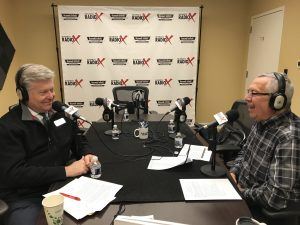
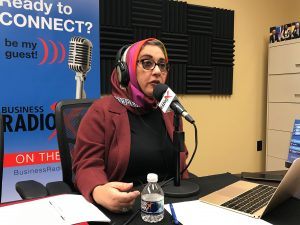
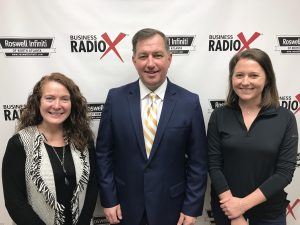
Tech Alpharetta CEO Karen Cashion joined “Alpharetta Tech Talk” to discuss Tech Alpharetta’s mission to create a fertile environment for the technology sector in Alpharetta. “Alpharetta Tech Talk” is hosted by John Ray and broadcast from the North Fulton Business RadioX® studio inside Renasant Bank in Alpharetta.

Karen Cashion, Tech Alpharetta

Karen Cashion
Karen Cashion

Karen Cashion is CEO of Tech Alpharetta, an independent nonprofit organization whose mission is to help grow technology and innovation in Alpharetta, GA. Karen develops and implements strategic initiatives for Tech Alpharetta, operates the Innovation Center, and reports to the Tech Alpharetta Board. Tech Alpharetta has three service pillars: a strategic advisory board; a startup incubator; and an events arm that holds locally-based educational and networking events for technology executives. The City of Alpharetta formed Alpharetta Technology Commission in 2012, and was granted 501c(6) nonprofit trade association status in 2015. The advisory board is comprised of some of the leading local technology companies, including emerging, intermediate and enterprise-sized businesses, along with community partner organizations and an investment firm.

Karen is a technology attorney with twenty years of legal experience. Karen received her undergraduate degree from Emory University summa cum laude, and she graduated from Duke Law School with high honors. Karen, who has served as both in-house counsel and outside counsel to numerous technology companies, including Travelport and EarthLink, is also the founder of the Greater Alpharetta Tech Network (“GATN”), which she founded in 2013, and which merged into Tech Alpharetta in late 2017.

For more information, you can contact Karen through LinkedIn. To learn more on Tech Alpharetta, you can find their website here.

Karen Cashion
John Ray and Karen Cashion

“Alpharetta Tech Talk” is broadcast from the North Fulton studio of Business RadioX®, located inside Renasant Bank in Alpharetta. Renasant Bank has humble roots, starting in 1904 as a $100,000 bank in a Lee County, Mississippi, bakery. Since then, Renasant has grown to become one of the Southeast’s strongest financial institutions with approximately $12.9 billion in assets and more than 190 banking, lending, wealth management and financial services offices in Mississippi, Alabama, Tennessee, Georgia and Florida. All of Renasant’s success stems from each of their banker’s commitment to investing in their communities as a way of better understanding the people they serve. At Renasant Bank, they understand you.

Tagged With: Greater Alpharetta Tech Network, Karen Cashion, North Fulton Business Radio, North Fulton Studio, silicon valley, startups, STEM, Tech Alpharetta, Tech Alpharetta Women's Forum, Tech Artificial Intelligence, tech ecosystem, tech funding, tech investors, tech startups, Women In Technology, women in technology atlanta

To Your Health With Dr. Jim Morrow: Episode 25: Intermittent Fasting

January 23, 2020 by John Ray

intermittent fasting
North Fulton Studio
To Your Health With Dr. Jim Morrow: Episode 25: Intermittent Fasting
Loading
00:00 /
RSS Feed
Share
Link
Embed

Download file

intermittent fasting
Dr. Jim Morrow

To Your Health With Dr. Jim Morrow: Episode 25: Intermittent Fasting

On this edition of “To Your Health with Dr. Jim Morrow,” Dr. Morrow discusses the current intermittent fasting trend and healthy ways to approach dieting in this fashion. “To Your Health” is brought to you by Morrow Family Medicine, which brings the CARE  back to healthcare.

About Morrow Family Medicine and Dr. Jim Morrow

Morrow Family Medicine is an award-winning, state-of-the-art family practice with offices in Cumming and Milton, Georgia. The practice combines healthcare information technology with old-fashioned care to provide the type of care that many are in search of today. Two physicians, three physician assistants and two nurse practitioners are supported by a knowledgeable and friendly staff to make your visit to Morrow Family Medicine one that will remind you of the way healthcare should be.  At Morrow Family Medicine, we like to say we are “bringing the care back to healthcare!”  Morrow Family Medicine has been named the “Best of Forsyth” in Family Medicine in all five years of the award, is a three-time consecutive winner of the “Best of North Atlanta” by readers of Appen Media, and the 2019 winner of “Best of Life” in North Fulton County.

Dr. Jim Morrow, Morrow Family Medicine, and Host of “To Your Health With Dr. Jim Morrow”

intermittent fasting
Dr. Jim Morrow, Morrow Family Medicine and Host of “To Your Health”

Dr. Jim Morrow is the founder and CEO of Morrow Family Medicine. He has been a trailblazer and evangelist in the area of healthcare information technology, was named Physician IT Leader of the Year by HIMSS, a HIMSS Davies Award Winner, the Cumming-Forsyth Chamber of Commerce Steve Bloom Award Winner as Entrepreneur of the Year and he received a Phoenix Award as Community Leader of the Year from the Metro Atlanta Chamber of Commerce.  He is married to Peggie Morrow and together they founded the Forsyth BYOT Benefit, a charity in Forsyth County to support students in need of technology and devices. They have two Goldendoodles, a gaggle of grandchildren and enjoy life on and around Lake Lanier.

Facebook: https://www.facebook.com/MorrowFamMed/

LinkedIn: https://www.linkedin.com/company/7788088/admin/

Twitter: https://twitter.com/toyourhealthMD

The complete show archive of “To Your Health with Dr. Jim Morrow” addresses a wide range of health and wellness topics, and can be found at www.toyourhealthradio.com.

Dr. Morrow’s Show Notes

  • If you thought fasting was just for religious purposes, think again.
    • A newer phenomenon in the weight loss world called Intermittent Fasting (IF) is growing into a popular health and fitness trend.
    • During IF, you alternate between periods of eating and fasting. This type of eating is often described as “patterns” or “cycles” of fasting.
    • There are several effective approaches to IF, but it all comes down to personal preference.
  • Some people find it easy to fast for 16 hours and confine meals to just eight hours of the day, such as 9 a.m. to 5 p.m., while others have a hard time and need to shorten their fasting window.
  • But is intermittent fasting good for you?
    • While some researchhas shown the benefits of IF, such as weight loss, lower blood pressure and improved metabolic health, more investigatioxan is still needed, especially regarding long-term outcomes of IF.
    • There is also the aspect of sustainability.
      • Severely restricting calories or not eating for long periods at a time isn’t for everyone.
      • Some researcheven shows that those who do intermittent fasting don’t usually stick with it as compared with those trying to lose weight on more traditional diets.
  • Still, IF has been shown to be an effective form of weight loss – but so have other options like eating a well-balanced diet paired with exercise.
    • One studysuggests that IF is not more effective at supporting weight loss or improving blood sugars than other well-balanced approaches.
  • If you want to try IF, you’ll first need to figure out how you are going to incorporate this style of eating into your life, especially when it comes to things like social events and staying active.
  • Ready to explore your options?
  • The twice-a-week method – 5:2
    • This approach to IF focuses on capping your calories at 500 for two days a week.
    • During the other five days of the week, you maintain a healthy and normal diet.
    • On fasting days, this approach usually includes a 200-calorie meal and a 300-calorie meal.
    • It’s important to focus on high-fiber and high-protein foods to help fill you up, but to also keep calories low when fasting.
    • You can choose whichever two fasting days (say, Tuesdays and Thursdays) as long as there is a non-fasting day between them.
    • Be sure to eat the same amount of food you normally would on non-fasting days. 
  • Alternate day fasting
    • This variation involves “modified” fasting every other day.
    • For instance, limit your calories on fasting days to 500 ― or about 25% of your normal intake.
    • On non-fasting days, resume your regular, healthy diet.
      • (There are also strict variations to this approach that include consuming 0 calories on alternate days instead of 500.)
    • Interesting finding of note:
      • One studyshowed people following this pattern of IF for six months had significantly elevated LDL (or bad) cholesterol levels after another six months off the diet. 
  • Time-restricted eating (example: 16/8 or 14/10 method)
    • In this option, you have set fasting and eating windows.
    • For example, you fast for 16 hours of the day and are able to eat for only eight hours of the day.
    • Since most people already fast while they sleep, this method is popular.
    • It’s convenient as you extend the overnight fast by skipping breakfast and not eating until lunch.
    • Some of the most common ways?
      • 16/8 method:Only eating between 11 a.m. and 7 p.m. or noon and 8 p.m.
      • 14/10 method:Only eating between 10 a.m. and 8 p.m.
    • This method of IF can be repeated as often as you’d like or even done once or twice a week – whatever your personal preference is.
    • Finding the right eating and fasting windows for this method might take a few days to figure out, especially if you’re very active or if you wake up hungry for breakfast.
    • This form of fasting is a safer bet for many people who are interested in trying IF for the first time.
  • The 24-hour fast (or eat: stop: eat method)
    • This method involves fasting completely for a full 24 hours.
    • Often times, it’s only done once or twice a week.
    • Most people fast from breakfast to breakfast or lunch to lunch.
    • With this version of IF, the side effects can be extreme, such as fatigue, headaches, irritability, hunger and low energy.
    • If you follow this method, you should return to a normal, healthy diet on your non-fasting days.
  • Intermittent fasting is not a magic pill
    • Whether you are doing IF, keto, low carb, high protein, vegetarian, the Mediterranean diet– you name it – it all comes down to the quality of your calories and how much you’re consuming.
    • The bottom line with IF? Although the jury is still out and long-term effects are still being studied, it’s crucial to eat a healthy, well-balanced diet while following IF.
    • You can’t eat junk food and excessive calories on non-fasting days and expect to lose weight.
  • Side effects & risks
    • Intermittent fasting is not safe for some people, including pregnant women, children, people at risk for hypoglycemia, or people with certain chronic diseases.
    • If you’re at risk for an eating disorder, you shouldn’t attempt any sort of fasting diet. IF has also been known to increase the likelihood of binge eating in some people because of the restriction.
  • If you’re interested in trying IF, you should also be aware of some not-so-pretty side effects.
    • IF can be associated with
      • irritability,
      • low energy,
      • persistent hunger,
      • temperature sensitivity and
      • poor work and activity performance.

Where to start?

  • Consider a simple form of IF when starting out.
    • Start with a more moderate approach of time restricted eating,
    • Start by cutting out nighttime eating and snacking and then start to limit your ‘eating window’ each day – such as only eating from 8 a.m. to 6 p.m.
    • As you progress and monitor how you feel, you may choose to gradually increase your fasting window.

What is Autophagy?

  • In 2016, Japanese cell biologist Yoshinori Ohsumi won the Nobel Prize in Medicine for his research on how cells recycle and renew their content, a process called autophagy.
    • Fasting activates autophagy, which helps slow down the aging process and has a positive impact on cell renewal.
  • During starvation, cells break down proteins and other cell components and use them for energy.
    • During autophagy, cells destroy viruses and bacteria and get rid of damaged structures.
    • It’s a process that is critical for cell health, renewal, and survival.

Ohsumi’s Work

  • Ohsumi created a whole new field of science with his work studying autophagy in yeast.
    • He discovered that the autophagy genes are used by higher organisms including humans, and that mutations in these genes can cause disease.
    • Animals, plants, and single cell organisms rely on autophagy to withstand famines.
  • Although first discovered in the 1960s, Ohsumi’s research from the late 1980s and early 1990s through today has shown autophagy has a role in protection against inflammation and in diseases like dementia and Parkinson’s.
    • When Ohsumi started researching autophagy, there were fewer than 20 papers published each year on the subject; now there are more than 5,000 each year, as it is the subject of diverse fields including cancer and longevity studies.

Fasting for Health

  • Scientists have found that fasting for 12+ to 24+ hours triggers autophagy, and is thought to be one of the reasons that fasting is associated with longevity.
    • There is a large body of research that connects fasting with improved blood sugar control, reduced inflammation, weight loss, and improved brain function;
    • Oshumi’s research provides some of the “how” to this research.
    • Exercise can also induce autophagy in some cells, allowing cells to start the repair and renewal process.

Myths About Intermittent Fasting

  • Myth 1: Intermittent fasting is a starvation diet
    • Fact: You won’t starve if you skip a meal — or even if you fast for 24 or 48 hours.
    • Research suggests you have to fast more than 60 hours straight before your resting metabolic rate drops.
    • In fact, one study showed this rate increased from 3.6 to 10 percent after 36 to 48 hours of fasting.
    • We humans know how to fast.
      • It’s helped us survive famines for centuries
      • But starvation is something different.
        • It’s defined as suffering or death caused by hunger.
        • In starvation, your fat stores are depleted, so your body must break down muscle tissue for energy.
      • In intermittent fasting, your body releases energy stored as fat — and muscle and lean tissue are spared.
        • So unless you’re constantly running marathons and have fat levels below 4 percent, intermittent fasting won’t affect lean tissue — as long as you do it correctly and work with a dietitian or physician.
      • Another reason you’re unlikely to starve is that an alternating pattern of eating and then fasting is beneficial.
        • In one study, animals that feasted on fatty foods for eight hours and fasted for the rest of the day did not develop obesity or dangerously high insulin levels.
      • Myth 2: You’ll be hungry all day long.
        • Fact: Research shows that on fast days, hunger can actually decrease.
        • By the second week of intermittent fasting, obese individuals experienced less hunger, and their hunger remained low.
        • Other research shows that eating enough calories on non-fasting days is actually more of a struggle than hunger.
      • Myth 3: On off days, you can eat whatever you want.
        • Fact: You won’t lose weight on a fasting diet if you exceed your maintenance calories on off days.
        • On off days, you still follow a healthy eating pattern, but you don’t need to restrict yourself to a specific number of calories.
        • I suggest that my patients listen to their hunger, rather than measure and limit.
        • To keep from overeating, eat a balanced diet that includes fruits, vegetables and whole grains. I
          • f you don’t have dietary restrictions, consider lean meats, poultry, fish, beans, eggs and nuts.
        • But focus on real foods.
          • Avoid processed products, and don’t be fooled by “healthy” or “organic” marketing claims.
          • Scan the ingredients list on every label for refined carbs, hidden trans fat, chemicals and added sugars.
        • Myth 4: Once you start an intermittent fasting plan, you’re stuck doing it for life.
          • The beauty of intermittent fasting is that it alters your cravings and hunger.
          • So after you’ve gone without that midnight snack of potato chips or licorice long enough, you’ll eventually no longer want it — without having to work hard to not want it.
          • The key is training your taste buds to love good food and to reject the foods most likely to lead to weight gain and chronic disease.
          • Ready to try intermittent fasting?
            • Now that you’re armed with the facts, you’ve got a much better chance of success.

Note: Fasting for long periods should always be done under the supervision of a doctor.


Tagged With: Cumming doctor, Cumming family care, Cumming family doctor, Cumming family medicine, Cumming family physician, Cumming family practice, Cumming md, Cumming physician, cut calories, diet, Dr. Jim Morrow, fasting, fasting and weight loss, fasting cycles, inflammation, intermittent fasting, managing blood sugar, midnight snacks, Milton doctor, Milton family care, Milton family doctor, Milton family medicine, Milton family physician, Milton family practice, Milton md, Milton physician, Morrow Family Medicine, North Fulton Business Radio, North Fulton Studio, To Your Health, To Your Health With Dr. Jim Morrow, Weight Loss, Yoshinori Ohsumi

Decision Vision Episode 48: Should I Hire a Business Development Professional? – An Interview with Susan O’Dwyer, Aprio, and Ann McDonald, Morris Manning & Martin, LLP

January 23, 2020 by John Ray

Should I Hire a Business Development Professional
Decision Vision
Decision Vision Episode 48: Should I Hire a Business Development Professional? - An Interview with Susan O'Dwyer, Aprio, and Ann McDonald, Morris Manning & Martin, LLP
Loading
00:00 /
RSS Feed
Share
Link
Embed

Download file

Should I Hire a Business Development Professional
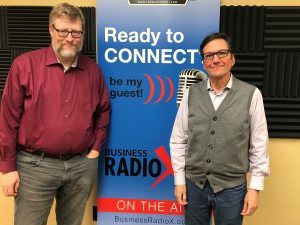
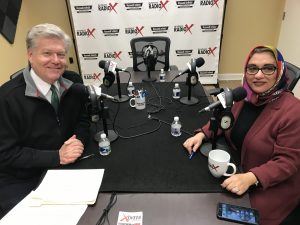
Susan O’Dwyer and Ann McDonald

Decision Vision Episode 48: Should I Hire a Business Development Professional? – An Interview with Susan O’Dwyer, Aprio, and Ann McDonald, Morris Manning & Martin, LLP

What qualities should I look for in a business development professional? What makes a business development professional successful? The answers to these questions and much more come in this discussion with two accomplished business development professionals:  Susan O’Dwyer, Aprio, and Ann McDonald, Morris Manning & Martin, LLP. “Decision Vision” is hosted by Mike Blake and presented by Brady Ware & Company.

Susan O’Dwyer, Aprio

Susan O’Dwyer

Susan O’Dwyer is Director of Corporate Citizenship and Community Relations at Aprio. Susan’s specialty lies in the technology and venture capital industries, two industries that go together hand-in-hand. She is known throughout the Atlanta business community for her passion for connections, which resulted in Susan being recognized as one of the Top 50 women you need to know in Atlanta by the Atlanta Business Chronicle, as one of the 100 most influential people in the tech community and as a finalist for the 2012 Turknett Leadership Character Awards.

Some of her affiliations include the American-Israel Public Affairs Committee, Board Member of the Ron Clark Academy, and the Metro Atlanta Chamber of Commerce’s Technology Marketing Committee’s Venture Capital Program Chairperson. In addition, Susan and her son led efforts for relief for Tuscaloosa, Alabama, after their devastating tornadoes in 2011.

Since their founding in 1952, Aprio has grown to be the largest independent, full-service CPA-led professional services firm based in Atlanta, Georgia. Their over 450 partners and associates provide their best thinking and personal commitment to every client, demonstrating a passion for their work that fuels client success.

Aprio provides advisory, assurance, tax, cloud accounting and private client services across a variety of sectors, including insurance, manufacturing and distribution, non-profit, education, professional services, real estate, construction, retail, franchise, hospitality, technology, and biosciences.

You can find Susan on LinkedIn, and for more information on Aprio, go to their website.

Ann McDonald, Morris, Manning & Martin, LLP

Ann McDonald

Ann McDonald is a Director of Business Development of Corporate Technology and Healthcare IT at Morris, Manning & Martin, LLP. Prior to Morris Manning, Ann was been a regional sales director at INVeSHARE, a managing consultant for Gallup Organization, and vice president of marketing, e-commerce and various roles at Walsh Healthcare Solutions for over 10 years. Some of Ann’s affiliations’ activities include Chair of the Board of Directors of the Technology Executives Roundtable, member of the Board of Directors of the FinTech Society, the Technology Association of Georgia, member of the Board of Directors at the Southeastern Software Association of the Technology Association of Georgia, and past chair of the Southeast Medical Device Association Annual Conference.

Morris, Manning & Martin is an American law 200 law firm with national and international reach. They dedicate themselves to the constant pursuit of their clients’ success. To provide their clients with optimal value, they combined market-leading legal services with a total understanding of their needs to maximize effectiveness, efficiency, and opportunity. Morris Manning enjoys national prominence for its real estate, corporate litigation, technology, health care, intellectual property, energy and infrastructure capital markets, environmental, international trade, and insurance practices. Morris Manning has offices in Atlanta, Raleigh-Durham, Savannah, Columbus, GA, Washington, DC, and Beijing.

You can find Ann on LinkedIn, and for more information on Morris Manning, go to their website.

Michael Blake, Brady Ware & Company

Mike Blake, Host of “Decision Vision”

Michael Blake is Host of the “Decision Vision” podcast series and a Director of Brady Ware & Company. Mike specializes in the valuation of intellectual property-driven firms, such as software firms, aerospace firms and professional services firms, most frequently in the capacity as a transaction advisor, helping clients obtain great outcomes from complex transaction opportunities. He is also a specialist in the appraisal of intellectual properties as stand-alone assets, such as software, trade secrets, and patents.

Mike has been a full-time business appraiser for 13 years with public accounting firms, boutique business appraisal firms, and an owner of his own firm. Prior to that, he spent 8 years in venture capital and investment banking, including transactions in the U.S., Israel, Russia, Ukraine, and Belarus.

Brady Ware & Company

Brady Ware & Company is a regional full-service accounting and advisory firm which helps businesses and entrepreneurs make visions a reality. Brady Ware services clients nationally from its offices in Alpharetta, GA; Columbus and Dayton, OH; and Richmond, IN. The firm is growth minded, committed to the regions in which they operate, and most importantly, they make significant investments in their people and service offerings to meet the changing financial needs of those they are privileged to serve. The firm is dedicated to providing results that make a difference for its clients.

Decision Vision Podcast Series

should i hire a business development professional“Decision Vision” is a podcast covering topics and issues facing small business owners and connecting them with solutions from leading experts. This series is presented by Brady Ware & Company. If you are a decision maker for a small business, we’d love to hear from you. Contact us at decisionvision@bradyware.com and make sure to listen to every Thursday to the “Decision Vision” podcast. Past episodes of “Decision Vision” can be found here. “Decision Vision” is produced and broadcast by the North Fulton studio of Business RadioX®.

Visit Brady Ware & Company on social media:

LinkedIn:  https://www.linkedin.com/company/brady-ware/

Facebook: https://www.facebook.com/bradywareCPAs/

Twitter: https://twitter.com/BradyWare

Instagram: https://www.instagram.com/bradywarecompany/

Show Transcript

Intro: [00:00:01] Welcome to Decision Vision, a podcast series focusing on critical business decisions brought to you by Brady Ware & Company. Brady Ware is a regional full-service accounting and advisory firm that helps businesses and entrepreneurs make visions a reality.

Mike Blake: [00:00:20] And welcome to Decision Vision, a podcast giving you, the listener, clear vision to make great decisions. In each episode, we discuss the process of decision making on a different topic from the business owners or executives’ perspective. We aren’t necessarily telling you what to do, but we can put you in a position to make an informed decision on your own and understand when you might need help along the way.

Mike Blake: [00:00:39] My name is Mike Blake and I’m your host for today’s program. I’m a director at Brady Ware & Company, a full-service accounting firm based in Dayton, Ohio, with offices in Dayton, Columbus, Ohio, Richmond, Indiana, and Alpharetta, Georgia, which is where we are recording today. Brady Ware is sponsoring this podcast. If you like this podcast, please subscribe on your favorite podcast aggregator and please consider leaving a review of the podcast as well.

Mike Blake: [00:01:02] So, today, we’re going to talk about hiring a dedicated business development professional. And I started to become interested in this topic a couple of years ago when I read a book called Built to Sell. And I forget who wrote it but if you Google it, you’ll find it. And if you’re interested in kind of the process of building a business that has value that can be sold and monetized, I highly recommend it as it is not a technical book.

Mike Blake: [00:01:29] In fact, it’s basically a book that sets up a hypothetical marketing services firm and walks through the conversations that take place to understand where value comes from and what it takes to build a business to sell it. And one of the things that struck me about one of the pieces of advice they give in that book is, does your company have the ability to sell when the owner themselves is not doing the selling?

Mike Blake: [00:01:57] And I think that’s a really smart point, because if the revenue is primarily dependent upon the owner, then when the owner sells and drops her keys off and they move to a condo in Costa Rica, then, you know, what value remains in the business? Perhaps some, but not a whole lot. And so, what I found myself doing as I appraise businesses myself and as I advise people on building their businesses and preparing to sell them is to think about very early, you know, how can you create systems and resources and processes and assets that generate revenue when you’re away, right?

Mike Blake: [00:02:38] And the litmus test, I often ask people and I’ll ask this in a management interview, you know, if you go away and you’re abroad and your cellphone breaks for six weeks, what happens to your business? And sometimes, yeah, the business is great. In other times as well, I probably don’t have a business when I come back. And that’s very telling. And typically, the reason that you don’t have a business when you come back is because you don’t have somebody that is a full-time salesperson.

Mike Blake: [00:03:06] So, to me, that’s a very important inflection point. Now, here’s the challenge and the other reason I think this is a very interesting topic, as I approach my 50th trip around the sun here, I’ve seen a lot of salespeople come and go in a number of roles, a number of places where I’ve been, where there’s been services, venture capital, technology, and so forth. And one conclusion I’ve drawn over the years is I think that the hardest role to hire for in any company is sales.

Mike Blake: [00:03:41] And the reason I think that is, you know, not only because I’ve seen a pretty high failure rate over the years, but because quite candidly, salespeople may not necessarily be successful selling what they’re supposed to sell, but they’re often very good at selling themselves. And so, as a business owner, how do you kind of cut through the veneer and the facade and find out not only can that person sell, are they willing to sell? It’s amazing.

Mike Blake: [00:04:13] If you read sales books, you’ll read about how salespeople themselves are reluctant to sell, right? It’s something called call reluctance and so forth. And that’s what they signed up for. But it’s still hard to get salespeople to do that. So, you know, step one is the side that you want to have a dedicated business development person. Second then is, how do you make an assessment as to whether or not that person can and is actually willing to do what is asked of them in that role?

Mike Blake: [00:04:40] And then, third and finally and I see this in professional services, how do you hire somebody and structure that role? So that if you’re not a practitioner, you can still have success in that role. And I being in the accounting industry, we’re certainly guilty of this. It’s tempting to fall into the trap of saying, well, you know, unless you can give technical advice on the spot, you can’t possibly sell. It has to be someone that’s a really good account lawyer, business appraiser, foundation repair specialist, whatever it is, but that’s not necessarily the case.

Mike Blake: [00:05:22] I’m not saying that’s easy. It’s hard, but there’s a big difference between hard and impossible. So, I hope with that preamble, I’ve convinced you that this is a rich topic. And if you’re a business owner and executive decision maker, I think you’re going to learn a lot today from the two guests that we have. So, without further ado, I’d like to introduce our guests. And these are two people that have been good friends of mine in the community for a very long time.

Mike Blake: [00:05:51] I consider them not only friends, but I consider them the mentors. And often, even if I don’t necessarily speak with them as often as I would like, I think of them a lot, especially when I have a decision that I have to make, I think. And I ask myself, you know, what would they do? If I were talking to them, what would they say? And I know them well enough that I know what they’re going to say. If I have to ask the question, I’ve already failed.

Mike Blake: [00:06:12] So, first up, in no particular order, then I just simply decide to write these bios in that order is my dear friend Susan O’Dwyer, who is a Director at Aprio, which of whom I’m an alumnus and they’re are friendly competitor of ours and is a Director of Corporate Citizenship and Community Relations. Aprio is a premier CPA-led professional services firm, where thriving associates serve thriving clients. And on a side note, I’ve always thought that re-branding is fantastic and very effective.

Mike Blake: [00:06:43] Their purpose is clear. They advise clients that they can achieve what’s next, whatever that may be. Since its founding in 1952, Aprio has grown to be the largest independent full-service CPA-led professional services firm based in Atlanta, Georgia. They have over 450 partners and associates that provide their best thinking and personal commitment to every client demonstrating a passion for their work that fuels their client’s success. Susan’s specialty lies in the technology and venture capital industries.

Mike Blake: [00:07:09] And she’s one of the founders of something called Shaking the Money Tree from PWC. And if you’ve ever read or relied upon that publication, that is at least, in part, her brainchild. So, thank her. She’s known throughout the Atlanta business community for her passion for connections, which resulted in Susan being recognized one of the top 50 women you need to know in Atlanta by the Atlanta Business Chronicle as one of the 100 most influential people in the tech community and as a finalist for the 2012 Turknett Leadership Character Awards.

Mike Blake: [00:07:41] As a director of corporate citizenship and community relations, Susan access the main point of coordination regarding civic and community activities throughout the firm. Her role is to maintain open communication with civic leaders and community partners, creating goodwill on behalf of Aprio. So, having read that, why is she here? Well, before she took that role, she was a director of business development I’m guessing for about seven or eight years or so-

Susan O’Dwyer: [00:08:03] Eleven….

Mike Blake: [00:08:04] … where frankly, she kicked butt. And then, she was later promoted into this particular role. But don’t let the kind face fool you, she understands her stuff. Some of her affiliations are the American-Israel Public Affairs Committee, the Ron Clark Academy, where she’s a board member and a big cheerleader for that organization, the Metro Atlanta Chamber of Commerce’s Technology Marketing Committee’s Venture Capital Program chairperson. And she and her son also led efforts for relief for Tuscaloosa, Alabama, after their devastating tornadoes in 2011. And I wish we had time because I would love to get her to talk about her Lady Gaga story, which I tell all the time and it just bust a gut. But maybe, we’ll have to have her back for a second podcast. So, Susan, thanks for coming on the program.

Susan O’Dwyer: [00:08:52] Thank you for having me, Mike. It’s a pleasure to be here.

Mike Blake: [00:08:55] And sitting to her left is my other dear friend, Ann McDonald, who is Director of Business Development of Corporate Technology and HealthcareIT at Morris, Manning & Martin, a role she has held for 13 years. Like Susan, Ann is one of the most respected people in the Atlanta technology community. Morris, Manning & Martin is an American law 200 law firm with national and international reach. They dedicate themselves to the constant pursuit of their clients’ success.

Mike Blake: [00:09:20] To provide their clients with optimal value, they combined market-leading legal services with a total understanding of their needs to maximize effectiveness, efficiency, and opportunity. Morris Manning enjoys national prominence for its real estate, corporate litigation, technology, health care, intellectual property, energy and infrastructure capital markets, environmental, international trade, and insurance practices. Basically, everything. Morris Manning has offices in and around Atlanta, Raleigh, Durham, Savannah and Washington, D.C. Man, I would love a chance to tour the Savannah office, I love that city.

Mike Blake: [00:09:51] Prior to the role at Morris Manning, Ann has been a regional sales director at INVeSHARE, a managing consultant for Gallup Organization and vice president of marketing, e-commerce and various roles at Walsh Healthcare Solutions for over 10 years. Some of Ann’s affiliations’ activities include chair of the Board of Directors of Technology Executives Roundtable, member of the Board of Directors of the FinTech Society, the Technology Association of Georgia, member of the Board of Directors at the Southeastern Software Association of the Technology Association of Georgia, and past chair of the Southeast Medical Device Association Annual Conference. Ann, thanks for coming on.

Ann McDonald: [00:10:26] Thank you.

Mike Blake: [00:10:27] So, you guys are pretty busy, so thank you for finding time to come on the program and come out here to be on it. Asking people to travel in Atlanta is in itself a big ask. So, Ann, let me start with you. I mean, we’ve done sort of the formal introductions, but how would you describe your role at Morris Manning? When you do your own elevator pitch, what do you say?

Ann McDonald: [00:10:49] Well, let’s look at, what do I get paid to do?

Mike Blake: [00:10:54] Okay.

Ann McDonald: [00:10:54] So, I can tell you my title, but really, I get paid to help bring in new clients. And that’s through lead generation. It’s meeting with referral sources, strategic partners, it’s being part of technology, the technology ecosystem and community to meet companies and refer those companies into our firm for legal services.

Mike Blake: [00:11:18] And Susan, how about you? And let’s talk more. I’d like to start with your current role and then, kind of go back to your prior role in terms of business development. How do you describe your current role at Aprio?

Susan O’Dwyer: [00:11:29] So, my current role is to identify nonprofits where we can make a difference through my colleagues’ financial background by serving on those boards. And as a result, further our reach, our footprint across the community and identify new opportunities where we might not have met those executives in their role as a CEO or CFO of whatever company it is, but instead, through a mutual-shared passion for whatever the cause of the nonprofit is, people have the opportunity to connect.

Mike Blake: [00:12:05] And before that, you were director of business development and you were the grand poobah of sales for-

Susan O’Dwyer: [00:12:13] Hardly.

Mike Blake: [00:12:13] … Aprio, formerly known as Habif, Arogeti & Wynne, talk about that role.

Susan O’Dwyer: [00:12:18] So, that role started because the firm realized that if they were going to grow the way they wanted to at the time that I joined the firm 12 years ago, I don’t think there were even 100 people there. And if the firm wanted to grow the way they wanted to, they’re going to need to cast a much wider net. So, I was recommended to the firm and joined to open doors that they had not even thought to knock on before. My Rolodex is very different than the Rolodex of the people that were already there. My job is not to supplant the partners, my job still is to supplement what they are working, who they were working with by identifying just like an additional client, prospects referral sources that can bring new business to the firm.

Mike Blake: [00:13:13] And to be clear, Susan, you’re not an accountant and you’re not a lawyer, correct?

Susan O’Dwyer: [00:13:18] That’s correct. CPA is just three letters in the alphabet to me. No, I’m not an accountant.

Mike Blake: [00:13:22] Yeah. And same here, right? I tell people, if I answer an accounting question, it’s instantly a malpractice. I don’t even do my own taxes. So, as non-practitioners, how do you think that impacted or impacts your ability to communicate the value of what you’re selling to the marketplace? Do you think that gives you a different perspective that is helpful? Do you think it holds you back in some way? What do you guys think? Ann, why don’t you start?

Ann McDonald: [00:13:53] Okay. Well, I have a background in business and I’ve, as you said, never worked for a law firm before. But when I talk to companies, I talk about their business with them, ask them questions about it, and find out what their needs are and then, refer them to the subject matter expert within our firm who can help their businesses grow through legal practices. Also, one of the things that I do is to help prevent the value-added services that we’re known for.

Ann McDonald: [00:14:30] So, I leverage my network of relationships to help that company grow as one of our clients. So, it could be introductions to sources of capital, it could be introductions to organizations where they will meet prospects, strategic partners of their own and then, also introduce them to potential clients who are also clients of ours. So, those are things that don’t have to do with providing legal services, but it’s a value add for our clients.

Mike Blake: [00:15:08] And Susan, how about yourself? Was not being a CPA, that gives you any kind of advantage in the market? And were there times where you felt like maybe it held you back in some way?

Susan O’Dwyer: [00:15:21] So, I was a journalism major. I never took a class in business in my life. But what I was taught was how to get the story out of a person so that we could tell it to our readers. Okay. So, I ask a lot of questions. I don’t talk a lot other than to ask questions. And as Ann suggested, that’s really just to identify what colleague would be the best source of answer for whatever it is their question is. In some ways, I think it’s been a benefit not being an accountant, because I don’t have a clue what the answer is. So, I can really focus on figuring out what their question is.

Susan O’Dwyer: [00:16:01] Sometimes, the client doesn’t exactly know, but by me rephrasing back to them what I hear them saying, sometimes, we’ve redirected what it was they thought they needed to something else. The other thing I would say is that I obviously can’t speak for lawyers, but for the accountants that I work with, sometimes, I think they can be very focused on what it is they know, but they’re not so comfortable with maybe what our other colleagues do. So, it’s being able to recognize opportunity for anybody in the firm as just opposed to what it is they specifically are able to do, which means we have a lot better shot of bringing them in as a client.

Mike Blake: [00:16:49] And that’s something. So, I want to follow-up on that. When you’re a practitioner and I am a practitioner, it is easy to fall into the trap that no matter what you see, it looks like something you do, right? There’s a saying that when you’re a hammer, everything looks like a nail, right? So, if I was an auditor and I’m talking to a potential client, then I’m thinking in terms of, how would an audit help this client, right?

Mike Blake: [00:17:15] Because that’s how I’m wired. Not that you’re a bad person, but that’s just sort of what your world view is, whereas the proper treatment of that conversation is to probe and maybe audit falls out of that, maybe tax falls out of that, maybe something entirely different falls out of that. And as more of a generalist, if I can use that for lack of a better term, that positions you and empowers you to, I guess, becoming more broadly curious.

Susan O’Dwyer: [00:17:42] The other thing I would say is that, well, it’s my job to help identify what the issue is and who the right subject matter expert is. I don’t have to know how to do what it is the subject matter experts do, I just have to listen for what are the trigger words for opportunity for every single line of service or business skill set that we have and then, be able to direct them to that. So, I can give you an example if you would like.

Mike Blake: [00:18:14] Yeah. Great. We love war stories.

Susan O’Dwyer: [00:18:15] Okay. So, I am sitting at a table for a dinner that has assigned seats at a nonprofit that I’ve been on the board of for 20-something years. And I sit next to a person who I have no idea how I miss this man, but in 20-something years, I’ve never, ever laid eyes on him. And I asked him about what he did and how long he’d been involved in the organization, so and so forth. And he tells me about his company. It’s a software company.

Susan O’Dwyer: [00:18:39] And almost as a throwaway line, the very last thing that he says to me after he’s described his company is, “We just invested $5 million in a new software that we’re going to be rolling out to our clients, which are national in the next couple of months.” And I said, “Oh, did you get the R&D tax credit?” He said, “I don’t know what that is.” And I said, “Well, the State will give you money back if your developers are in Georgia.

Susan O’Dwyer: [00:19:06] So, if you send the work to be done in another country or another state, they’re not going to pay, but if it’s here in Georgia-” He says, “Well, yeah. It’s here in Georgia”, and he named the town. And he said, “Tell me more.” And I said, “I have just told you everything I know about it. But tomorrow morning, I can have one of my colleagues, we have 25 people who specialize in this area help you. Here’s my number, call me at 8 o’clock.” Okay. I don’t ever have a problem finding a colleague who’s available for an opportunity-

Mike Blake: [00:19:37] Yeah. Sure.

Susan O’Dwyer: [00:19:37] Okay. That’s not a problem.

Mike Blake: [00:19:37] Yeah.

Susan O’Dwyer: [00:19:39] So, I didn’t have to know how to do the tax credit study, I just had to recognize the opportunity when he said we just invested $5 million.

Mike Blake: [00:19:49] Yeah.

Susan O’Dwyer: [00:19:49] So-

Mike Blake: [00:19:51] Okay. So, Ann, I want to ask you this question, Susan touched upon this about five minutes ago, but I’m curious and I’ve never asked kind of your origin story, how did you come to land at Morris Manning?

Ann McDonald: [00:20:04] Well, it’s interesting. I came to Atlanta in 2004. I worked for the Gallup Organization as a consultant and executive coach. And then, I was here for about a year working for Gallup, then was attracted to another startup in the FinTech area and worked there for about a year. And I work for John Yates and a friend of John’s who I also knew had heard that John was looking for someone who had sales background and was not an attorney, but understood the sales process. And so, he put us together and I interviewed with John and he was looking for someone. So, that’s how it happened.

Mike Blake: [00:20:56] And why did you feel, at that time, that that was a good role for you, that that was a platform where you could be successful?

Ann McDonald: [00:21:04] That’s interesting, because I don’t know that I could ever do that for another law firm. It was John. John Yates’ personality, is how dynamic he ran his sales processes. It was operated more like a real corporation rather than sort of a slow process. I was used to very fast, very successful operations. And it was the way he viewed the market. Also, the way they view their clients. This group is much more than a transactional law firm, they believe in relationships. And look at new clients or look at all the clients as, “How can I make your business grow? What can I do to help you in areas other than, ‘Well, just call us when you need a transaction of some means.'” So, that was a big difference and the reason I was attracted to working for an industry that was foreign to me.

Mike Blake: [00:22:20] So, an interesting thing that’s already emerging is you two likes to ask a lot of questions.

Ann McDonald: [00:22:27] Yes.

Mike Blake: [00:22:27] Right? And I think that’s an important point. It gets back to, how do you interview somebody for a role like this? We both know there are people out in the marketplace that sell by telling basically.

Ann McDonald: [00:22:40] Yes.

Mike Blake: [00:22:40] Right? And, you know, maybe the 1960s and ’70s, there’s some effectiveness to that, but I’m not sure that’s very successful-

Ann McDonald: [00:22:48] No.

Mike Blake: [00:22:50] … today. And I think that most people I observe who try to sell by telling, I think you get some people that bite on that, but I think that the success rate is a lot less. So, is it fair to say that if I’m looking to hire somebody like you, probing for somebody that likes to ask a lot of questions might be a good thing to look for? Is that fair?

Susan O’Dwyer: [00:23:11] Not only is it fair, but I think maybe another way to say it, Mike, is it’s far better to be someone who is interested and interesting. I don’t ever want to make it about me. I was going to make it about the other person. And so, I’m not the story. My colleagues are the story. But in order to get the story, I have to find out what it is that person really needs. And like I said before, sometimes, the prospect doesn’t even know exactly what it is they need or they think they know what they need. But by asking of questions, you find out that that’s maybe not exactly what the issue is.

Mike Blake: [00:23:50] And, you know, talk about that journalism background being helpful, right? I mean, journalism is the practice of asking questions often from people who don’t want to answer questions.

Susan O’Dwyer: [00:24:00] Well, I try not to be Mike Wallace.

Mike Blake: [00:24:01] Right.

Susan O’Dwyer: [00:24:04] But-

Mike Blake: [00:24:04] So, let me go back, too, because Ann said something that segues nicely into this. You know, you’re successful. I know how successful you were and have been at Aprio. And I’m curious, what about that platform, when you’re in that role, puts you in a position to be successful? And I ask that because if I’m a listener, I’m thinking, gee, I’d love somebody like Susan or Ann to come to my company, but it’s just not to hire, I think I’ve got to create an environment for them to be successful.

Susan O’Dwyer: [00:24:35] So, the way a public accounting firm works is that there are X number of partners that are all co-owners of the firm. And at Aprio, the way it works is there is a place for partners who, obviously, they’re all very good technically, but some of them are just more outgoing than others. So, it kind of became accepted practice that some of them were very, very good at rainmaking and others would probably rather eat a box of rocks than have to go out and talk to, you know, prospects.

Susan O’Dwyer: [00:25:11] So, because I just have never really been afraid of talking to people I don’t know, it doesn’t scare me, my role was to open doors where they hadn’t been before. We had a technology practice. They didn’t know before I came very many venture capitalists. Interestingly enough, venture capital was kind of maybe is not as strong today as private equity was, but 20-something years ago, that was the flip. And so, because of my prior role, I knew a lot of those people.

Susan O’Dwyer: [00:25:56] And it was just a question of trading on your name, honestly, to open doors for the new firm. And if you do what you say you’re going to do. Even if people know she’s a salesperson, but they don’t view me that way because they view me as, when I call them, I’m calling them with something for them, usually not asking for something. In this case, I was asking for a meeting to make an introduction and all that could come from it would be more business for both sides, right? So, it’s a win-win.

Mike Blake: [00:26:33] Yeah.

Susan O’Dwyer: [00:26:34] So, that’s what I did was I just opened doors. And I had had a 20-plus-year career at one big four firm before I came to Aprio and before that, a 10-year career at another big four firm. So, I’ve always been a words person in the number’s world.

Mike Blake: [00:26:52] So, in those firms that you worked in, was there anything they did or maybe could have done better to put you in a position to be more successful? And I’ve asked that question because I’d like to try to drill down to if one of our listeners decides that they want to go the route of hiring somebody like you or maybe it doesn’t matter, maybe I’m asking a question that I think I know the answer to and I actually don’t, does it matter? Or, is hiring the right person with the right approach, with the right Rolodex so important that maybe it’s just, get out of their way and let them do their thing?

Susan O’Dwyer: [00:27:31] So, to answer a couple questions or comments that you’ve made, the first is I made sure it was never about me. It’s always about helping others. And you alluded to the fact that there’s been a very high turnover rate among salespeople, typically. I think there are some people that want it to be about them. I didn’t know that there was an expression. I mean, this was 30-something years ago, which I don’t know that had been exactly coined yet or I hadn’t heard it called servant leadership.

Susan O’Dwyer: [00:28:03] It’s never about me, it’s always about taking care of other people, hopefully. And that’s where I get my satisfaction from. I don’t need to be the star. As a matter of fact, I don’t even want to be on stage. I’m way more happy to be behind the curtain pulling the levers and strings. So, that’s number one. Number two, I would say, is I think you have to be willing to let others be the star and too many salespeople, my observation why they’re not successful is that they want to be the star.

Susan O’Dwyer: [00:28:37] And that just isn’t helpful for either our colleagues who really are the stars, because as Ann referred to them as subject matter experts, they’re the ones who have the answers, not me. And then, the other thing is, really, it needs to be all about the client or prospect, not about the salesperson. So, just turn the I pronoun out of your vocabulary and just pretend it doesn’t exist. And that’s the way to think about it.

Mike Blake: [00:29:10] So, Ann, you’ve been in your role for a long time and I suspect but don’t know, you’ve probably seen others in that role, whether it’s in your firm where others sort of come and go. Why are you different? Why do you think you’re different? I’m not going to use the word special, because you’ll never let me get away with that.

Ann McDonald: [00:29:29] No.

Susan O’Dwyer: [00:29:29] But she’s wonderful.

Mike Blake: [00:29:29] But I think you’ll get away with different.

Ann McDonald: [00:29:30] No.

Susan O’Dwyer: [00:29:30] She is wonderful.

Ann McDonald: [00:29:32] Thank you.

Mike Blake: [00:29:32] But there is something different, right? You know, it’s, if you’re around, say, a year longer than everybody else, that’s a statistical anomaly. When it’s a lot longer than anybody else, clearly, there’s something structural there. And if you want to talk about yourself, that’s fine. Maybe just contrast with what others have done, where they have not been successful, what mistakes do you see other salespeople make?

Ann McDonald: [00:29:56] Well, I think Susan touched on it. I think it’s important as a business developer salesperson that you have the maturity to understand the sales process with a service organization. And the important person or people in the equation will be the company and the attorney who they had the relationship with or attorneys, multiple relationships. And for a sales person, you have to understand, as Susan said, you are not the key person. You are not the key personality. You are the go-between and the facilitator for the relationship.

Ann McDonald: [00:30:47] The company has to have the primary relationship with the attorney in our case. And because that’s who they will trust, who they are relying on to help them make very important decisions about the future of their company and their employees. And so, the business developer or salesperson has to understand that. It’s also a different role than I have had as a salesperson in the past. And I don’t close the relationship. I don’t close the win. I make the introduction to our attorney. And then, it’s a hand-off. And I can’t close the win.

Mike Blake: [00:31:40] Right.

Ann McDonald: [00:31:41] So, that takes another level, I think, of understanding and-

Susan O’Dwyer: [00:31:52] Acceptance.

Ann McDonald: [00:31:52] … actions. In that, I help coach the attorney. You know, it’s such a hard position to be the one who’s making the widget, the one who’s providing the service and then, also the salesperson. And you have those two distinct roles in companies, but you don’t as attorneys. So, I help coach the attorney. I mean, they’re working on deals. They’re creating the legal product. But then, they also need to nurture the relationships of prospects. And as I tell them, “Don’t dig the well when you’re thirsty. You need to be part of the sales process all along, even though you’re very busy with providing the services.” But I will coach attorneys and help them with closing the deal, getting the client in. But that primary relationship is with them.

Mike Blake: [00:32:54] So, one thing that falls out of both of what you said and another kind of talking point is I think a common thread is humility. And I’m sure it sounds intuitive to the two of you, but if you think about how we portray somebody who’s in sales in the media, right? Good thing about Glengarry Glen Ross, right? Always be closing hard-charging high-ego, right? And you sort of have to own everything.

Mike Blake: [00:33:27] But in my experience, I’m curious about if you agree, you know, in a lot of way, in a lot of respects, business development can kind of be like trying to swing a baseball bat to tighter your grip at the less while it works, right? The harder you try, in some respects, the less it works, right? So, is it fair to say that if I’m interviewing somebody for that role, another thing I would look for, besides curiosity and the ability and desire to ask questions, I guess is also, frankly, some humility to it.

Susan O’Dwyer: [00:33:59] It’s a funny line that you walk because you have to be confident enough that you can call on a CEO or a CFO and expect that that person is going to take your call because you have some prior relationship and respect with each other. But then, you also have to be willing to take a step back once that person has agreed to meet with you, that someone else is really the reason why they’re there. So, it is a little bit odd.

Susan O’Dwyer: [00:34:29] I think you’re also looking, for your listeners, for some ideas about what are things that are helpful when you are looking to hire a business development person. I would say the other thing is don’t look for someone who expects this to be a regular job, a 9:00 to 5:00 job, I mean. There are countless breakfasts and dinners that Ann and I have been at that require very, very long days. It’s almost like a school bus driver. You’re really busy in the morning, you’re really busy in the evening.

Susan O’Dwyer: [00:35:01] And then, your kind of in the middle of the day is when you’re doing all of your prep work for the next couple of meetings. But when you are going to these meetings, you’re not just walking in cold, you’re doing your homework ahead of time. What is the group about? Who can I expect to be there? Are there people that I am particularly looking for? How do I connect people who I meet there with resources that will be helpful for them? All of that is happening before or after meetings. But it is a lot of very long days and you have to find people who are willing to make those kinds of time commitments, I think.

Ann McDonald: [00:35:38] I also think there typically are two different kinds of salespeople, hunters and farmers. And I think this is a combination of those roles. You have to really be hungry and be a hunter, but you also have to be a farmer. In that, you’re nurturing relationships, you’re doing coaching. There are some additional characteristics besides just being the Glengarry Glen Ross. You know, dialing for dollars kind of-

Mike Blake: [00:36:13] Right. Coffees for closers.

Susan O’Dwyer: [00:36:15] Yes.

Mike Blake: [00:36:16] Yeah. And that balance is going to depend a lot, I think, on the nature of the industry that you’re-

Ann McDonald: [00:36:23] Yes.

Mike Blake: [00:36:23] Right? And professional services, a lot of farming because that person may or may not need that service to a particular point in time, right? For me, it can be a two-year sales cycle. Maybe accounting-less, because everybody needs to file a tax return or some someplace in the middle. On the other hand, if it’s somebody that does flood remediation, then that’s a very short-sale cycle, right?

Ann McDonald: [00:36:45] Yeah.

Mike Blake: [00:36:46] So, you sort of have to understand kind of where you fall on the continuum. I put one loaded question into the list, but you guys had a chance to see it, you didn’t tell me I couldn’t ask it, so I’m going to ask it, because I do think it’s relevant. The two of you happen to be women.

Ann McDonald: [00:37:03] I knew it wasn’t going to be question number eight.

Mike Blake: [00:37:04] The two of you happen to be women. Do you think that has impacted your ability to be successful in your respective roles, either in a positive or a negative way? I don’t want to go on me, too, but-

Susan O’Dwyer: [00:37:20] Since I’ve never been a man, I don’t know that I can answer that.

Mike Blake: [00:37:23] Okay.

Susan O’Dwyer: [00:37:24] But I can tell you that it became very clear when I was in my prior firm, working strictly with venture capitalists that when I would go to the National Venture Capital Association’s annual meeting, I was one of a handful of women in a room of a thousand people. And so, how are you going to stand out? And I chose to use bright colors. So, people who know me know that I never wear black or navy unless I’m going to a funeral.

Mike Blake: [00:38:00] That’s true. I’ve never seen you in either of those colors as long as I’ve known you. That’s right.

Ann McDonald: [00:38:03] Yeah.

Susan O’Dwyer: [00:38:04] And so, you have to do something to stand out in a crowd and be different, especially when there are competitors who do not have a business development person, but send their practitioners to the same events I’m at. How am I going to relate to people in a way that will be memorable when I personally can’t answer their questions, technical questions? And so, I’ve chosen to do it with being personal, asking about family, remembering things personally about that person.

Susan O’Dwyer: [00:38:40] Do I think a man would do that? I don’t think so. I’ve yet to meet one who ever remembers anything personal about other people. I mean, at a networking event, they just don’t or they don’t ask about it. And I think being a woman, it’s safer to ask those kinds of questions without feeling like maybe the person thinking, why is this person getting so personal? That it’s more accepted, I guess.

Mike Blake: [00:39:07] Yeah.

Susan O’Dwyer: [00:39:07] Ann, how about you?

Ann McDonald: [00:39:08] Oh, I really don’t think gender has much to do with it. I do think as far as salespeople go, I think women may have an edge for some of the reasons that Susan like said.

Mike Blake: [00:39:23] Well, especially in tech, right? I mean, there aren’t that many women in tech, period, yet.

Ann McDonald: [00:39:27] Oh, well, that’s true. But it’s interesting. And of course, we go to a lot of events and there are not a lot of women typically in the room. And I don’t notice it anymore.

Susan O’Dwyer: [00:39:39] I don’t either.

Ann McDonald: [00:39:40] It’s not even something that is a factor. But, you know, we are good about making connections and probing without seeming to be too direct and-

Mike Blake: [00:39:58] And maybe more natural empathy, too.

Ann McDonald: [00:39:59] And more natural empathy. I think that may be a factor.

Mike Blake: [00:40:03] So, another question I want to make sure we get through, we don’t have a ton of time left, but this is one I’ve got to make sure I ask, you know, Ann, you and I are talking a little bit about this before we came on, imagine that you’re going to hire your successor, what is an interview question you would make sure you want to ask your successor? What would they have to answer for you in a great way to say—you’ll tell John Yates, you know, “John, well, now, I’m ready to hang it up and I’m right to be on a beach in Tahiti. This is the person you got to hire because answered this question great.”

Ann McDonald: [00:40:42] Oh, Mike, that is a tough one. One question. How good are you at putting the client first, representing the client to the firm and then, representing the firm to the client? Instead of making this a personal quest, I mean, it has to be all about helping that company, that client grow and the depth of relationship. And I’d like to know about the experience that the interviewer or interviewee would have with those kinds of relationships. And then, the whole coaching factor of helping attorneys to be successful, because that’s a good part of what this job entails. And it’s providing tools for them, it’s providing answers, it’s providing coaching in a way that they can tolerate that’s nudges and not, “Here comes the wisdom.”

Mike Blake: [00:42:19] Yeah. And that’s really interesting because I’ve long thought of both of you as much as anything being air-traffic controllers, right?

Ann McDonald: [00:42:30] Yes.

Mike Blake: [00:42:32] Controlling connections and coordinations and stuff. And the way you described that role, I think, may be different than one of a lot of our listeners’ thought going in, because, you know, the notion of sales for many people when you think of it is a unidirectional process, right? I’ve got something, I’m going communicate to you, and you want to buy it. But the way you describe it is once you initiate that relationship, now, you’re representing the client back to the firm as well-

Ann McDonald: [00:43:04] Yes.

Mike Blake: [00:43:05] … and to make sure they’re treated well-

Ann McDonald: [00:43:06] Yes.

Mike Blake: [00:43:06] … and they’re treated appropriately and they get the right service. And even if I’m wrong, and I’m going to step out here, but I suspect this is true, even if sometimes, that may mean that you’re not the right firm to serve them-

Ann McDonald: [00:43:19] Yes.

Mike Blake: [00:43:19] … necessarily, right? You know, not all things to all people can’t be if you’re successful.

Ann McDonald: [00:43:23] That’s right.

Mike Blake: [00:43:23] And so, it’s very interesting. I think there’s a big learning point in there for that piece of advice and the way to ask that question. Susan, you have a bit of extra time to noodle on that. You’re interviewing the next director of business development for Aprio, what do you ask him?

Susan O’Dwyer: [00:43:42] Describe how when you were given a prospect’s name, a company or a nonprofit, not necessarily a person, and you don’t know a single person at that company, but you have to get in the door of the CEO, how would you do it? What are the steps you would take to open that door? And how long would it take you to get there?

Ann McDonald: [00:44:10] Oh, that’s good.

Mike Blake: [00:44:11] Now, that last part is loaded, I think, because the knee-jerk reaction may be, “Well, I could get in there in two weeks.”.

Susan O’Dwyer: [00:44:24] How would you do it?

Mike Blake: [00:44:25] Because you want to show that you’re quick and effective, right? And then, I can see on your face that SO face of skepticism like, “Uh-uh. In two weeks, man”, right? We’re talking months. You’re probably looking at months-

Susan O’Dwyer: [00:44:39] Well, what’s the right way?

Mike Blake: [00:44:39] … if you’re going to sound the way that you think that is appropriate and realistic, right?

Susan O’Dwyer: [00:44:43] Yeah.

Mike Blake: [00:44:44] Two weeks is boiler room territory.

Susan O’Dwyer: [00:44:46] Yeah. That’s just nonsense. And it’s not going to work. So, you’ve already identified yourself as a phony in my book.

Mike Blake: [00:44:54] So, two more questions and we’ve got to go and let you guys get back to your day jobs. How much has social media played a role in what you guys do? Are you guys social media people at all? I know the answer to this question to some extent, but our listeners don’t.

Susan O’Dwyer: [00:45:11] I’ll defer to Ann because for me, it’s irrelevant. So, I would just be in the office-

Mike Blake: [00:45:16] Well, but-

Susan O’Dwyer: [00:45:16] I mean, we have a marketing department that uses social media.

Mike Blake: [00:45:19] Right.

Susan O’Dwyer: [00:45:20] But I live on LinkedIn. And if that is considered social media-

Mike Blake: [00:45:26] Yeah, I think so.

Ann McDonald: [00:45:26] It is.

Susan O’Dwyer: [00:45:28] So, I live on that. But tweeting and posting stuff and all of that, I completely defer to the queen of it, which is Ann, because I don’t do any of that stuff. I use it to learn, but I don’t use it to push the company. Probably, I should, but I just don’t.

Mike Blake: [00:45:46] If I ever see a selfie of you on Instagram, I’m calling the police, because I know you’ve-

Susan O’Dwyer: [00:45:51] I’ve been kidnapped.

Mike Blake: [00:45:52] … clearly been kidnapped. And that is a cry for help. And somebody is going to be dropping $100,000 in a parking lot somewhere to get you back.

Ann McDonald: [00:46:01] There’s a newspaper next to her head just to show proof of life.

Susan O’Dwyer: [00:46:02] Yeah.

Mike Blake: [00:46:06] Exactly. Ann, how about you?

Ann McDonald: [00:46:07] Well, I use LinkedIn quite a bit.

Mike Blake: [00:46:09] Yeah.

Ann McDonald: [00:46:10] And for a lot of different things, do a lot of research on LinkedIn, I post articles that I find very interesting that I think will be of interest to the people I know. They’re usually business articles, really engaging ideas that I think will help companies grow based on my background. I post events for organizations that I belong to. I think that’s important in getting support for the things that I support. Of course, I’ll re-post all of the MMM items that I think people should know about. But I think it’s very valuable. I think that’s a great sort of lifeline that it helps bring life to what I’m trying to accomplish.

Mike Blake: [00:47:13] Yeah.

Ann McDonald: [00:47:13] It is a branding tool.

Mike Blake: [00:47:15] Yeah.

Ann McDonald: [00:47:17] And that lets people know me a little bit better, personally, because of the things that I say or post, especially the articles. I’ve had people approach me at events and say, “Oh, yeah, I recognize you. I’ve seen you on LinkedIn and I follow the articles that you post.” So, it’s been of some value that way.

Mike Blake: [00:47:38] Right. You get recognized.

Ann McDonald: [00:47:39] Yeah. Yes. And so, that’s a point of conversation then to get to know somebody, to get to know a company. So, you know, I give kudos to people and it’s a nice outlet. Now, when I post things on LinkedIn, I will then, sometimes, check the box for it to be posted on Twitter.

Mike Blake: [00:48:07] Yeah.

Ann McDonald: [00:48:08] And then, Facebook is purely social, really.

Mike Blake: [00:48:11] Yeah. Yeah. So, we are unfortunately out of time. I could easily lock the door and trap these ladies here for a couple more hours, but that would be unfair to them and also illegal, so we’re going to have to wrap up. There’s so much more we could talk about. But if somebody listening would like to contact you, they have questions about this process, can they do that?

Ann McDonald: [00:48:31] Absolutely.

Susan O’Dwyer: [00:48:31] Please.

Mike Blake: [00:48:32] And if so, Ann, how best to contact you?

Ann McDonald: [00:48:36] Email, amcdonald@mmmlaw.com.

Mike Blake: [00:48:43] Susan?

Susan O’Dwyer: [00:48:43] And I’m susan.o’dwyer, and yes, I do have an apostrophe in my email, it’s O-apostrophe-D-W-Y-E-R, @aprio, A-P-R-I-O, .com. And I would welcome your questions or any way I can help you.

Mike Blake: [00:48:59] That’s going to wrap it up for today’s program. I’d like to thank Ann McDonald and Susan O’Dwyer so much for joining us and sharing their expertise with us today. We’ll be exploring a new topic each week, so please tune in so that when you’re faced with your next executive decision, you have clear vision when making it. If you enjoy these podcasts, please consider leaving a review with your favorite podcast aggregator. It helps people find us so that we can help them. Once again, this is Mike Blake. Our sponsor is Brady Ware & Company. And this has been the Decision Vision podcast.

Tagged With: CPa, CPA firm, Dayton accounting, Dayton business advisory, Dayton CPA, Dayton CPA firm, Decision Vision, Michael Blake, Mike Blake, Morris Manning and Martin, professional services, Susan O'Dwyer

The GNFCC 400 Insider: Experts on North Fulton Development Trends, An Interview with Josh Barnes, Orkin & Associates and Dean Collins, Axis Companies

January 21, 2020 by John Ray

North Fulton development trends
North Fulton Studio
The GNFCC 400 Insider: Experts on North Fulton Development Trends, An Interview with Josh Barnes, Orkin & Associates and Dean Collins, Axis Companies
Loading
00:00 /
RSS Feed
Share
Link
Embed

Download file

North Fulton development trends
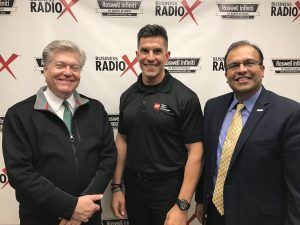
Josh Barnes, Kali Boatright, and Dean Collins

“The GNFCC 400 Insider,” Episode 32, Experts on North Fulton Development Trends: An Interview with Josh Barnes, Orkin & Associates and Dean Collins, Axis Companies

A discussion of North Fulton development trends was on the table on the latest “GNFCC 400 Insider,” including insight into developments of the Crabapple Market in Milton and Six Bridges Brewing in Johns Creek, Host Kali Boatright welcomed Josh Barnes, Vice President of Real Estate Investments at Orkin & Associates, and Dean Collins, Founder and President of Axis Companies. The “GNFCC 400 Insider” is presented by the Greater North Fulton Chamber of Commerce.

Josh Barnes, Orkin & Associates

Josh Barnes
Josh Barnes

Josh Barnes is the Vice President of Real Estate Investments at Orkin & Associates, in Milton, GA. He is responsible for asset management activities of Orkin’s real estate portfolio including acquisitions, dispositions, leasing and development.

Orkin is a third-generation, family-owned company that was founded in 1964. The company’s culture extends back to the late 1800s when Otto Orkin began what evolved into the world’s largest pest control company, Orkin Pest Control. Otto and his children operated the business until selling it to Rollins Inc. in September, 1964. At that time, his fourth child, William, established Orkin & Associates. In the years since, Orkin has grown from a raw land investment business to a multi-faceted company holding a diversified portfolio of real estate and other assets.

Josh, a native of the Atlanta area is a licensed real estate agent. He earned a Bachelor of Business Administration degree from the University of Georgia and an MBA from Georgia State University. He and his wife Whitney reside in Woodstock, GA with their two children.

For more information go to the Orkin & Associates website, or call Josh, 678.297.2700.

Dean Collins, Axis Companies

Dean Collins
Dean Collins

Dean Collins is Founder and President of Axis Companies. Axis offers a unique blend of services in land development, design, project management and construction management services. This Development Suite paired with significant industry experience, allows for services to reside under one professional management team. Clients have the flexibility to choose either individual services to supplement in-house staff, or turnkey services to manage an entire project or program. All projects from site selection and purchase/lease negotiations to general contractor bidding and construction project management are performed in-house.

In the early 1990s, Dean led the transportation design group for FRA Engineering where he prepared traffic studies, development plans, and roadway plans for McDonald’s, Rite Aid, CVS, Home Depot, Lowes, Walmart and several large shopping center developers around the country. In addition, he worked on single-family and multi-family residential complexes, office parks, and institutional and manufacturing facilities. In 2007, when FRA was acquired by international consulting firm T.Y. Lin International, Dean became Director for Facilities with responsibilities for all vertical planning, design and construction-related services throughout the Americas, China and Southeast Asia.

For more information go to the Axis Companies website, or call Dean, 678-395-4920.

About GNFCC and “The GNFCC 400 Insider”

“The GNFCC 400 Insider” (formerly “North Atlanta’s Bizlink”) is presented by the Greater North Fulton Chamber of Commerce (GNFCC) and is hosted by Kali Boatright, President and CEO of GNFCC. The Greater North Fulton Chamber of Commerce is a private, non-profit, member-driven organization comprised of over 1400 business enterprises, civic organizations, educational institutions and individuals.  Their service area includes Alpharetta, Johns Creek, Milton, Mountain Park, Roswell and Sandy Springs. GNFCC is the leading voice on economic development, business growth and quality of life issues in North Fulton County.

The GNFCC promotes the interests of our members by assuming a leadership role in making North Fulton an excellent place to work, live, play and stay. They provide one voice for all local businesses to influence decision makers, recommend legislation, and protect the valuable resources that make North Fulton a popular place to live.

For more information on GNFCC and its North Fulton County service area, follow this link or call (770) 993-8806.

For the complete show archive of “The GNFCC 400 Insider,” go to GNFCC400Insider.com. “The GNFCC 400 Insider is produced by the North Fulton studio of Business RadioX®.
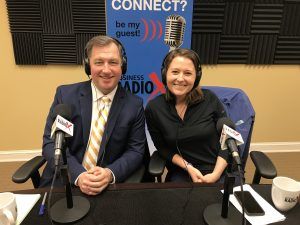
 

Tagged With: Crabapple Markets, dean collins, Development Suite, GNFCC, Greater North Fulton Chamber of Commerce, Kali Boatright, North Fulton Business Radio, North Fulton Development, North Fulton Studio, Orkin & Associates, Orkin Pest Control, Six Bridges Brewing

Frazier & Deeter’s Business Beat: Mike Cheng, Frazier & Deeter

January 21, 2020 by John Ray

Business Beat
Business Beat
Frazier & Deeter's Business Beat: Mike Cheng, Frazier & Deeter
Loading
00:00 /
RSS Feed
Share
Link
Embed

Download file

Mike Cheng
Roger Lusby, Mike Cheng, and Mike Sammond

Show Summary

Mike Cheng, Frazier & Deeter national professional tax partner, joins host Roger Lusby, CPA to discuss various types of complex accounting that can arise for business clients, and financial reporting issues, including lease accounting. “Business Beat” is brought to you by Alpharetta CPA firm Frazier & Deeter.

Mike Cheng, Frazier & Deeter

Mike Cheng
Mike Cheng, Frazier & Deeter

Mike Cheng joined Frazier & Deeter as a tax partner in spring 2019. He oversees the firm’s professional practices related to accounting and audit. Mike specializes in assisting clients with complex accounting and financial reporting issues, such as revenue recognition  and lease accounting. Prior to Frazier & Deeter, he served nearly 7 years as Senior Project Manager/Private Company Council Coordinator for the Financial Accounting Services Board, and close to nine years at PwC.

To find out more, go to the Frazier & Deeter website, email Mike, or call 404-573-4538.

Frazier & Deeter

The Alpharetta office of Frazier & Deeter is home to a thriving CPA tax practice, a growing advisory practice and an Employee Benefit Plan Services group. CPAs and advisors in the Frazier & Deeter Alpharetta office serve clients across North Georgia and around the country with services such as personal tax planning, estate planning, business tax planning, business tax compliance, state and local tax planning, financial statement reviews, financial statement audits, employee benefit plan audits, internal audit outsourcing, cyber security, data privacy, SOX and other regulatory compliance, mergers and acquisitions and more. Alpharetta CPAs serve clients ranging from business owners and executives to large corporations.

Roger Lusby
Roger Lusby, Partner in Charge of Alpharetta office, Frazier & Deeter

Roger Lusby, host of Frazier & Deeter’s “Business Beat,” is an Alpharetta CPA and Alpharetta Office Managing Partner for Frazier & Deeter. He is also a member of the Tax Department in charge of coordinating tax and accounting services for our clientele. His responsibilities include a review of a variety of tax returns with an emphasis in the individual, estate, and corporate areas. Client assistance is also provided in the areas of financial planning, executive compensation and stock option planning, estate and succession planning, international planning (FBAR, SFOP), health care, real estate, manufacturing, technology and service companies.

You can find Frazier & Deeter on social media:

LinkedIn: https://www.linkedin.com/company/frazier-&-deeter-llc/
Facebook: https://www.facebook.com/FrazierDeeter
Twitter: https://twitter.com/frazierdeeter

An episode archive of Frazier & Deeter’s “Business Beat” can be found here.

Tagged With: CPA tax practice, FASB, Financial Accounting Services Board, financial reporting, Frazier and Deeter, lease accounting, Mike Cheng, Mike Sammond, North Fulton Studio, North Futon Business Radio, revenue recognition, Roger Lusby, technical accounting

Patrick Lynch, CMP

January 21, 2020 by John Ray

Patrick Lynch
North Fulton Business Radio
Patrick Lynch, CMP
Loading
00:00 /
RSS Feed
Share
Link
Embed

Download file

Patrick Lynch
John Ray and Patrick Lynch

North Fulton Business Radio, Episode 191:  Patrick Lynch, CMP

Patrick Lynch talks about how he and his firm, CMP, help companies with talent acquisition, executive search, leadership development, & career transition. Pat is also President-Elect of the Society for Human Resource Management’s Atlanta (SHRM-Atlanta) chapter. “North Fulton Business Radio” is hosted by John Ray and is broadcast from inside Renasant Bank in Alpharetta.

Patrick Lynch, CMP

Patrick Lynch
Patrick Lynch, CMP

Patrick Lynch is President of the CMP Southeast region. CMP is a talent and transition firm in the business of developing people and organizations across the full talent lifecycle. In doing so, the firm combines decades of experience with a contemporary approach to building people and teams.

Patrick is responsible for strategy, marketing, and leadership at CMP. He also provides executive coaching to a wide range of senior leaders, helping them develop their strategic leadership skills, servant leadership, organizational engagement, emotional intelligence, and their ability to change themselves and others. Patrick is President-Elect for the Atlanta chapter of  Society for Human Resource Management. Known as SHRM-Atlanta, it’s one of the largest SHRM chapters in the U.S.

Prior to CMP, Patrick held senior leadership roles in marketing and sales with leading consumer product companies, such as Georgia Pacific, Kao Brands, Kraft/General Foods, and The HON Company. His certifications and training include The Birkman Method, MBTI, and the Adele Lynn EQ Leadership Institute. Patrick is also a basketball coach for the Special Olympics, a mentor for Year Up, and a board member of Special Pops Tennis: a non-profit that offers an adaptive tennis program specifically designed to share the sport with children and adults with intellectual disabilities.

To get in touch with Patrick, you can email him or call directly at 770-906-4113.  To learn more about CMP, visit their website. You can find out more about SHRM-Atlanta here.

North Fulton Business Radio” is broadcast from the North Fulton studio of Business RadioX®, located inside Renasant Bank in Alpharetta. Renasant Bank has humble roots, starting in 1904 as a $100,000 bank in a Lee County, Mississippi, bakery. Since then, Renasant has grown to become one of the Southeast’s strongest financial institutions with approximately $12.9 billion in assets and more than 190 banking, lending, wealth management and financial services offices in Mississippi, Alabama, Tennessee, Georgia and Florida. All of Renasant’s success stems from each of their banker’s commitment to investing in their communities as a way of better understanding the people they serve. At Renasant Bank, they understand you because they work and live alongside you every day.

Tagged With: Executive search firms, Human Resource, human resources support, leadership development, North Fulton Business Radio, North Fulton Studio, outsourcing Human Resources, Patrick Lynch, shrm, SHRM Atlanta, Society for Human Resource Management, special pops tennis, talent acquisition

Alpharetta Tech Talk: Carmen Allen, Allen Solvision, Inc.

January 17, 2020 by John Ray

Carmen Allen
Alpharetta Tech Talk
Alpharetta Tech Talk: Carmen Allen, Allen Solvision, Inc.
Loading
00:00 /
RSS Feed
Share
Link
Embed

Download file

John Ray and Carmen Allen

“Alpharetta Tech Talk,” Episode 6:  Carmen Allen, Allen Solvision, Inc.

Carmen Allen helps Fortune 500 companies monetize and bring their internally developed innovations to market. This former IBM Research and Accenture executive joined “Alpharetta Tech Talk” to discuss this work and much more. “Alpharetta Tech Talk” is hosted by John Ray and broadcast from the North Fulton Business RadioX® studio inside Renasant Bank in Alpharetta.

Carmen P. Allen, Allen Solvision, Inc.

Carmen Allen
Carmen Allen

Carmen P. Allen is founder of Allen Solvision, Inc. Her team is customer-focused and adept at business transformation, and product marketing and launch strategies. They work with senior leadership teams in Fortune 500 companies enabling organizations to achieve disruptive change and innovation. Solvision assists teams with re-thinking their product launch strategies, strategic alliances in the development of new markets and new business models. Clients are able to assess and beat their competition through accelerating change and establishing a culture of innovation.

Carmen also served as IBM Research Executive Director for six years until 2018, where she was an industry and go-to-market leader for a team of nearly 60 top research scientists. The scientists were inventing wireless, cognitive and AI innovations. Some became part of the IBM Watson portfolio of products. Her role was to assess the market for their innovations, and to assist them to find a route to market; enabling revenue growth for IBM either through the product portfolio or through the Global Services teams.

Carmen enjoys abstract oil painting as a hobby. She uses oil and mixed-media on round canvases. In addition, in 2020, Carmen plans to publish a book with a compilation of more than 200 folklore poems on 1950s Cuba, which were written in Spanish by her grandfather.

For more information, you can contact Carmen through LinkedIn.

Carmen Allen

“Alpharetta Tech Talk” is broadcast from the North Fulton studio of Business RadioX®, located inside Renasant Bank in Alpharetta. Renasant Bank has humble roots, starting in 1904 as a $100,000 bank in a Lee County, Mississippi, bakery. Since then, Renasant has grown to become one of the Southeast’s strongest financial institutions with approximately $12.9 billion in assets and more than 190 banking, lending, wealth management and financial services offices in Mississippi, Alabama, Tennessee, Georgia and Florida. All of Renasant’s success stems from each of their banker’s commitment to investing in their communities as a way of better understanding the people they serve. At Renasant Bank, they understand you because they work and live alongside you.

Tagged With: IBM Research, innovation team support, Innovations, North Fulton Business Radioo, product market teams, Tech Alpharetta, Tech in Alpharetta, tech talk, technology in Alpharetta, Technology product innovation

Decision Vision Episode 47: How Can I Get My Employees to Think Independently? – An Interview with Joanna Bloor, The Amplify Lab

January 16, 2020 by John Ray

how can i get my employees to think independently
Decision Vision
Decision Vision Episode 47: How Can I Get My Employees to Think Independently? - An Interview with Joanna Bloor, The Amplify Lab
Loading
00:00 /
RSS Feed
Share
Link
Embed

Download file

how do i get my employees to think independently
Mike Blake and Joanna Bloor

Decision Vision Episode 47: How Can I Get My Employees to Think Independently? – An Interview with Joanna Bloor

This episode took a right turn into a question many business owners struggle with:  “how can I get my employees to think independently?” Joanna Bloor and “Decision Vision” host Mike Blake veered into this important topic in a fascinating and insightful discussion. “Decision Vision” is presented by Brady Ware & Company.

Joanna Bloor, The Amplify Lab

how do I get my employees to think independently
Joanna Bloor

Introduction expert and Founder of The Amplify Lab, Joanna Bloor is on a mission to help us prepare for the big leap into the future. To uncover and articulate our value and our place in the next chapter of humankind. No big deal. Why? Because we all need to rethink how we prepare for the future of work. The what, where, when and how of work is changing – and so is the who.

And it all starts with understanding why and how you need to have a better answer to the question “What do you do?

An “eternal student of what is around the next technology corner” Joanna started her career by scaling the revenue strategies of brands such as Ticketmaster, Cars.com, OpenTable, and Pandora. Then a conversation in line at TED 2016 led to a realization that what we are known for has far-reaching impact as an individual and a leader.

In front of audiences that range from thinkers at TED, to technologists at Dreamforce, to entrepreneurs at Gathering of Titans – like a Fairy Godmother – Joanna’s known for “live amplification” of audience members while zinging the audience with moments of surprise and laughter. All wrapped up with the practical guidance of what you too, can do next.

“Joanna shines a light on long-forgotten ingredients that make up our secret sauce, reminding us that we’re not awesome by accident.” — Cristina Jones, EVP Trailblazer Marketing Salesforce.com.

You can learn more about Joanna at her website, or connect with her through social media on LinkedIn and on Twitter.

Michael Blake, Brady Ware & Company

Mike Blake, Host of “Decision Vision”

Michael Blake is Host of the “Decision Vision” podcast series and a Director of Brady Ware & Company. Mike specializes in the valuation of intellectual property-driven firms, such as software firms, aerospace firms and professional services firms, most frequently in the capacity as a transaction advisor, helping clients obtain great outcomes from complex transaction opportunities. He is also a specialist in the appraisal of intellectual properties as stand-alone assets, such as software, trade secrets, and patents.

Mike has been a full-time business appraiser for 13 years with public accounting firms, boutique business appraisal firms, and an owner of his own firm. Prior to that, he spent 8 years in venture capital and investment banking, including transactions in the U.S., Israel, Russia, Ukraine, and Belarus.

Brady Ware & Company

Brady Ware & Company is a regional full-service accounting and advisory firm which helps businesses and entrepreneurs make visions a reality. Brady Ware services clients nationally from its offices in Alpharetta, GA; Columbus and Dayton, OH; and Richmond, IN. The firm is growth minded, committed to the regions in which they operate, and most importantly, they make significant investments in their people and service offerings to meet the changing financial needs of those they are privileged to serve. The firm is dedicated to providing results that make a difference for its clients.

Decision Vision Podcast Series

“Decision Vision” is a podcast covering topics and issues facing small business owners and connecting them with solutions from leading experts. This series is presented by Brady Ware & Company. If you are a decision maker for a small business, we’d love to hear from you. Contact us at decisionvision@bradyware.com and make sure to listen to every Thursday to the “Decision Vision” podcast. Past episodes of “Decision Vision” can be found here. “Decision Vision” is produced and broadcast by the North Fulton studio of Business RadioX®.
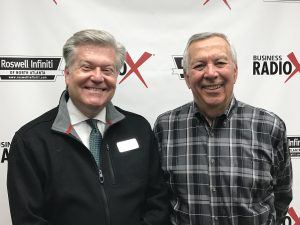
Visit Brady Ware & Company on social media:

LinkedIn:  https://www.linkedin.com/company/brady-ware/

Facebook: https://www.facebook.com/bradywareCPAs/

Twitter: https://twitter.com/BradyWare

Instagram: https://www.instagram.com/bradywarecompany/

Show Transcript

Mike Blake: [00:00:01] Hi and welcome to the Decision Vision podcast. We’re going to do a little of a prologue before you listen to this podcast, because I don’t want to be accused of false advertising. The discussion is about the nature of work and the changing nature of work. And we had a terrific discussion with Joanna Bloor. And I do hope that you’ll listen to this, even though the topic is a little bit different than the way it’s presented in the introduction.

Mike Blake: [00:00:29] We had originally thought that the discussion was going to be around labor models and to a lesser extent, employee engagement, but really adapting to new realities, generally, in the labor force. And the way that the conversation turned, and I decided that it was a good turn, so we just sort of ran with it, is really talking about, at a high-level, employee engagement and how do you unlock the full potential of your employees as thinking organic human beings.

Mike Blake: [00:01:02] And, you know, if you don’t think that’s a good thing, then you probably don’t want to listen to this podcast because we’re going to talk about things that you’re just not going to really jive with. But if you think that is something that’s worthwhile, I know a lot of people that come to me and say, you know, “Boy, I love to get my employees to think on their feet better. I love to get them more engaged. How do I do that?” Then, I think you’re going to find this conversation to be very interesting. It’s kind of like a TED talk but a little bit longer and with no slides, but I think a very high-level intellectual conversation.

Mike Blake: [00:01:35] So, we’ll go back and take another look with a different episode at actual models of work when we can do something a little bit more specifically. But, you know, I don’t want to have you go in 20 minutes and wonder kind of when is the topic that was advertised coming up and waste your time. And I want to be respectful of your time. So, if you’re going to listen to another podcast, thank you for doing that. Otherwise, you’re gonna stick around, sit back and relax and enjoy the infotainment.

Intro: [00:02:04] Welcome to Decision Vision, a podcast series focusing on critical business decisions brought to you by Brady Ware & Company. Brady Ware is a regional full-service accounting and advisory firm that helps businesses and entrepreneurs make visions a reality.

Mike Blake: [00:02:22] Welcome to Decision Vision, a podcast giving you, the listener, clear vision to make great decisions. In each episode, we discuss the process of decision making on a different topic from the business owners or executives’ perspective. We aren’t necessarily telling you what to do, but we can put you in a position to make an informed decision on your own and understand when you might need help along the way.

Mike Blake: [00:02:41] My name is Mike Blake and I’m your host for today’s program. I’m a director at Brady Ware & Company, a full-service accounting firm based in Dayton, Ohio, with offices in Dayton, Columbus, Ohio, Richmond, Indiana, and Alpharetta, Georgia, which is where we are recording today. Brady Ware is sponsoring this podcast. If you like this podcast, please subscribe on your favorite podcast aggregator and please consider leaving a review of the podcast as well.

Mike Blake: [00:03:05] Today, we’re going to talk about the nature of work. A seemingly esoteric topic, but one that is getting increasing attention and it’s receiving increased attention from a number of angles. One, there’s a macrosocial angle that is forcing us to revisit how we consider work, because we are finding increasingly that more and more of us are becoming, if not expendable, then certainly ancillary to technology that is now capable of performing more complex tasks than were even imaginable 10 to 15 years ago.

Mike Blake: [00:03:50] And to that end now, we are experimenting with different economic systems to help us cope with that, frankly, without necessarily having to sabotage technological progress, because there are very real reasons we want to do that. And, you know, the so-called Star Trek economy is great, but they don’t show you kind of the painful transition that gets you from this economy into that Star Trek economy. And that painful transition is, you know, what do people do when robots do everything that people want?

Mike Blake: [00:04:28] And, you know, some countries are now experimenting with something called a universal basic income. There’s at least one Democratic presidential candidate who is embracing that as a way to cushion the blow. But we’re forced to reexamine the role of labor, if you will, in our economy and our society because, you know, automation is not only expanding, but its rate of acceleration is increasing as well.

Mike Blake: [00:04:57] And then, on a micro-level, we’re being compelled to reexamine what work looks like because, you know, particularly in the American economy in an unprecedented level of competition in many areas, not every area, to be sure, but certainly, in professional services and other areas, you know, we have competition from places we never would have dreamed we’d have competition before, whether it’s China, whether it’s India, whether it’s startups, whether it’s, again, AI.

Mike Blake: [00:05:33] We are being forced to rethink what role labor is really meant to play in the workplace. And then, you know, at some point, because there’s really a limit to how much you can improve your labor force by simply raising pay and increase in the value that you extract from your labor force by doing that, it’s compelling us to rethink models of work, whether that’s working from home, whether it’s the four-day workweek or the four-hour workweek, as we sometimes hear about, job sharing, and flex time and the gig economy and so forth.

Mike Blake: [00:06:16] And they’ve all been around to some extent, but they have not been sort of up close, in person, and in our faces the way that they have become in the last five to 10 years or so. And if you’re a business owner or an executive and you’re not thinking about this, you need to start because this is a hard puzzle to solve. And if you do solve it, then you’re going to create a significant competitive advantage for yourself. And if your competitors solve it before you do, watch out.

Mike Blake: [00:06:46] So, as usual, with all of our topics, I’m not the subject matter expert, I’m just the person who brings on the person who is the subject matter expert. And to help us work through this today is Joanna Bloor, who is expert and founder of The Amplify Lab. Joanna Bloor is on a mission to help us prepare for the big leap into the future, to uncover and articulate our value and our place in the next chapter of humankind.

Mike Blake: [00:07:08] Why? Because we all need to rethink how we prepare for the future of work. The what, where, when, and however work is changing and so is the who and I would argue the why as well. And we’ll talk about that today. It all starts with the understanding of why and how you need to have a better answer to the question, what do you do? An eternal student of what is around the next technology corner, Joanna started her career by scaling the revenue strategies of brands such as Ticketmaster, cars.com, OpenTable and Pandora.

Mike Blake: [00:07:37] Then, a conversation online at a TED 2016 led to a realization of what we are known for as far reaching impact as an individual and as a leader. In front of audiences that range from thinkers at TED to technologists at Dreamforce to entrepreneurs, a gathering of titans like a fairy godmother, Joanna is known for live amplification of audience members while zinging the audience with moments of surprise and laughter.

Mike Blake: [00:08:00] And I can attest to that. We had a preliminary conversation to come on here. It seemed like it was two minutes, before we knew it, an-hour-and-a-half had gone by. I’ll wrap up with a practical guidance of what you, too, can do next. And as a testimonial, Joanna shines a light on long-forgotten ingredients that make up our secret sauce, reminding us that we’re not awesome by accident. And that was by an executive from salesforce.com. Joanna, welcome to the program.

Joanna Bloor: [00:08:28] Thank you so much for having me. I’m excited to continue our conversation.

Mike Blake: [00:08:32] Yeah. So, let’s get people caught up because otherwise, they’re gonna be jumping on a treadmill, going 30-miles-an-hour. Why are we having this conversation? I mean, you know, do what I say make sense in terms that we’re being confronted with just this need to reconsider the very nature of work?

Joanna Bloor: [00:08:49] Yes. Yes. Well, I was thinking about this as preparing and how do I kind of macro this up, because you talked about the Star Trek being future and how do we get there. And in looking at work, and I actually think there are lots of people talking about the future of work and how do we get there, the reality is, I think, we’re actually here today. And part of the challenge that we see our whole marketplace in, and I will start by saying what is really interesting about work is it’s a double-sided marketplace.

Joanna Bloor: [00:09:29] They are buyers. The employer chooses the employee, the employee chooses the employer, which adds a whole level of complexity and questions and everything to the entire thing. It’s not like you’re buying a pair of shoes that you get to walk out the store with. But what I was thinking about, this whole question about, well, what does work look like in the 21st century? I really actually took a step backwards and said, well, what has happened to work over time?

Joanna Bloor: [00:09:59] And then, separate it because how humans travel through work, how business is run, and how technology is run potentially have different patterns. And what I ultimately noticed was that, well, if you look at technology, most technology companies are running around and saying, you know, “We’re in the fourth industrial revolution.” And I go, okay. So, we’ve gotten from the original industrial revolution when we saw the shift from farming to factories and all those sorts of things.

Joanna Bloor: [00:10:34] And, you know, technology has had enormous play in that. But I would argue that the human revolution hasn’t happened yet. So, while technology has gone through major shifts and transformation and then, I would actually say that business has started to make major shifts and transformations, humans haven’t. So, let’s just say, okay, we’re just going to use the base model of the industrial revolution and how business and technology has run.

Joanna Bloor: [00:11:08] The past was very one dimensional and at best, binary. So, you think about how companies grew, it was all about supply chain optimization. It was all about operational efficiency. It’s all about growth and what does your P&L look like. And are you returning investment to whoever is investing to you, whether you’re public, private or whatever the financial structure is. And yet, if you look at technology, it’s gone from very ones and zeros to we’re now in the world of quantum and AI and gosh, robotics and all sorts of really multidimensional things and business has to.

Joanna Bloor: [00:11:56] And, you know, you talk to any company today and they’re starting to think about up to triple bottom-line economics. And so, both technology and business have become much more multidimensional. And when you look at the human element, all of the tools, the elements of humans, and these job descriptions, performance reviews, measurements of productivity, measurement of almost everything is still very binary. It’s still, do you have that skill set? Do you not have have that skill set?

Joanna Bloor: [00:12:35] And what I think everybody, and I know everybody who is listening is going, “Wait a second. I’m way more interesting than just a skill set.” And I go, “Yeah. Absolutely.” You look in a business and I think any business owner, any leader would say the most multidimensional interesting thing in my company are the humans and yet, all of the tools in the supply chain about, how do we navigate that marketplace? A very one and two-dimensional work in this multidimensional world.

Joanna Bloor: [00:13:07] So, I sit here and I say, so as human beings, we aren’t in the fourth industrial revolution. We’re still trying to get out of the first industrial revolution. And I think what we are starting to see with the gig economy and people really pushing back on companies around where are they investing with them and career path and all of the elements that come into play when you’re talking about humans are really beginning to change.

Joanna Bloor: [00:13:35] And the question then becomes as because it’s a double-sided marketplace as both a leader, a business owner, whatever your role is in this or as a team member, how do you start thinking about how to change the narrative about you and say, “Look, a resume isn’t the thing that tells me who I am, a job description isn’t the job.” And how do we start thinking about talent in much more of a multidimensional structure? Then, you start talking about like how all that happens.

Mike Blake: [00:14:10] So, although this is, I think, subsiding a little bit, I think we’re past the point of peak blame, but you still sort of hear it plenty, is that we’re only having this conversation because Millennials and Gen Zs are basically modern-day hippies without the tie-dye shirts and they don’t want to work hard. You know, how do you react to that? Is that a legitimate analysis or is that just a cop-out?

Joanna Bloor: [00:14:35] No. I think that is the same argument every older generation has about the generation before. Plus, let’s be real, because I wanted to say this, that like Millennials, Gen Z, Gen X, Boomer, it’s just a marketing category. This is just a sticker and a label that we have put on people. And yes, as human beings, we do need to categorize things, otherwise, our heads explode, unless the sticker is really, really good, like winner of X or the best at Ys, we don’t actually like to be labeled.

Joanna Bloor: [00:15:17] And so, first of all, I always talk to teams and say like, “Let’s step away from the stickers and let’s also recognize-“, you know, I was, for lack of a better term, it’s what a punk, 20-something-year old myself once upon a time. And I was running around saying, “Well, hang on, why are the rules the way they are? And what’s happening?” This happens, I think, with every single generation. But where I do come back is, and say like, “Where are the labels actually helpful?”

Joanna Bloor: [00:15:48] So, I’m now going to disagree with myself, is I do think as you were looking at the talent in your organization, we do need to actually give a bit of a nod to what has been, in essence, the career path. And I say this kind of airports around it of the talent that comes into your organization. And the reality is, for all of us, our career path actually starts when we’re little teeny tiny kids and start going to school.

Joanna Bloor: [00:16:19] So, I’ll give myself the sticker of Gen X. So, I was brought up in a generation in, you know, my formative years when I started to actually realize that it was more than just play out there, were in the ’80s. And if you think about what life is like for a Gen X’er in the ’80s, there wasn’t a lot of after-school programming. We were the first generation of parents of divorce. And so, there’s a concept of a latchkey kid, which is kids used to go home after school and let themselves into their own homes.

Joanna Bloor: [00:16:55] And while we all did just fine, we kind of had little to no parental supervision. And at the same time, for the boom and bust of the ’80s, you then roll those same people into the ’90s where the internet started to become a thing and technology became such a major part of young people’s lives. We were the first adapters of technology and were the first people to be described as digital first. What was true about that period, and especially for those of us, including myself, who got to really be in those early stage companies who were building the internet.

Joanna Bloor: [00:17:34] My first, I want to say, dot-com job was in 1995, but I had been playing with technology for fun for, gosh, almost a decade before that. And what was true about that era is there were no rules, you know, from, I’d say, 1995 until the present day. Every single job title I have had has been made up and every single job description I have had is made up. And I say this for myself, but that’s the same for my entire peer group of people who ran through that period of time.

Joanna Bloor: [00:18:13] And I say all of that because what I think it means is that anybody who that resonated with, can sit here and go, “Well, hang on a second. I’m really used to there not being rules and rules are made to be broken. And a job description is just a suggestion.” And really, I am going to sit here and say, “How can I play with technology as opposed to asking about career paths?” And then, I flip it around and say, “Well, what is that same narrative for people?”.

Joanna Bloor: [00:18:44] And instead of giving them a sticker, let’s say, you know, anywhere from 30 to 35 and younger, the reality is, it’s both their education and their entertainment, because it was the age of fairness. It was never about here’s the trophy for participation, it was a, here’s a trophy for playing as a team, in an age of what I call a fairness in their education and attainment. You have an entire generation of people who’ve been brought up both in school, where at the beginning of school, they’re told, “This is what you need to do to get an A. Here are the rules.”.

Joanna Bloor: [00:19:21] And you think about even sports and other games, it’s very rule-based. And this is what you do to succeed and level up in all of those sorts of things. And then, you look at entertainment, too, and even the most simple and basic video game—and I will absolutely own that I do play Candy Crush on airplanes while I’m passing out on the runway and it’s something to do to distract my mind. Very simple, basic video games.

Mike Blake: [00:19:46] I’m right there with you.

Joanna Bloor: [00:19:46] You’d think we’d find a little time to meditate or something during that period. I’m not worried about that. But you look at that and in video games, if you break the rules, you die. Oh, but FYI, you also get four more lives. And so, when I look at those pattern and then, also look at the boomer generation, and I sit here and I go, why are we surprised that the talent that is coming into our organization is sitting here saying, “Tell me what the rules are and I will do it. But then, I will expect to level up.”.

Joanna Bloor: [00:20:28] And then, you have an entire leadership team who says, “Hang on a second. Rules are made to be broken”, et cetera. And I sit here and I go, this is why I think there’s a bit of angst between some of the generations because we’ve had different experiences and different patterns. But I also sit here and say, on a much bigger level, I actually think the generations coming into the workplace have it right.

Joanna Bloor: [00:20:55] I do think that questions around what is the right measure of success are the right questions to have. What does success look like? I do think they’re right to come in, like I know that they’ve given that really terrible moniker of snowflake. But what’s true about that is every snowflake is scientifically different. But the reality is, as human beings, we are all incredibly different. And that’s actually what is amazing about human beings.

Joanna Bloor: [00:21:26] And so, I don’t sit here and say, well, hang on, we’re all right in this scenario. You should learn how to break the rules. And everybody is different. And so, I sit here and go, well, the supply chain of the industrial world, which is scalable, repeatable, mechanistic, is about productivity. It shouldn’t be applied to humans because with this, much more organic, evolving, changing things. And so, I say, kill the resume, kill the job description, kill all of it.

Joanna Bloor: [00:22:01] And I know the next question is like, what do you do then? And I actually start to look at, how do you look at your talent, which is, again, for any company, probably the most important thing that you have and say, well, how do we actually shift to the supply chain of human talent? And instead of coming in and saying it’s about stickers and badges and tenure and skills and all of those sorts of things and actually look back again in time to the world before the industrial revolution and say, wow, hang on a second.

Joanna Bloor: [00:22:35] When you or somebody in the workplace prior to, what is that, like late 1800s, they had the equivalent of an internship. We were all artisans and we all learned to craft and apprenticeships. And there was a lot more of almost currency transactions beyond currency when you went to go work for somebody. So, if you were an apprentice working with a master and I will say it was with more than four, there was an expectation that it was more than just a paycheck. And so, I suggest that, you know, the workplace actually becomes much more like school and say, okay.

Joanna Bloor: [00:23:28] As talent is coming in and as you’re having the conversation around the multidimensional changing human and the value of the human, how do you then start to think about, okay, so if the job description is actually trying to solve this problem, what is the combination of skills that we are looking for? But then, starting to ask the question of, what is the potential that we are looking for? Because you’re looking for somebody with ideas, you’re looking for somebody’s brain to come into the conversation. And that has much more of apprenticeship model than I think the employee model of today.

Mike Blake: [00:24:05] So, let me jump in on that, because-

Joanna Bloor: [00:24:09] Okay.

Mike Blake: [00:24:09] … I think there’s a lot to unpack there. And we may just spend the rest of our time kind of unpacking that, which is fine. But a thought that occurs based on what you just said that I think is a critical takeaway is that the nature of work and the way we structure it really is about making it easy to get rid of people, when you really boil right down to it, right? The job descriptions, the leveling up, so to speak. And I love that term, by the way. It’s really all about protecting the firm from being basically attacked by the employee, instead of, what if our approach was we’re just never going to be sued by an employee because we’re just going to focus our efforts on making them good. And therefore, they’d be nuts to sue us and we’d be nuts to fire them.

Joanna Bloor: [00:25:08] Yes. Yes, I’ve had this conversation with a couple of—like the conversation around—my first conversation was let’s get rid of the resume, because I think it’s such a single dimensional document and people spend far too much energy, and the HR executives I’ve talked to across the board have said, “Oh, but we need it so that we don’t get sued.” And while fairness in employment practice and appropriate employment practice, I think, is critically important and really understanding who a person is, is critically important, but any business owner would tell you that if you are putting into practice so that you don’t get sued, you’re actually limiting yourself rather than expanding the opportunity.

Mike Blake: [00:26:00] So, you know, let me ask this, is that tug of war? And one thing we’re hearing a lot more about now is mental health in the workplace. I’m a big advocate for mental health. I think it cannot be talked about too much. You know, is that tug of war between the desire of employees to grow and to develop versus the firm that is trying to protect itself from its own employees? Is that literally driving employees crazy?

Joanna Bloor: [00:26:41] That’s a really interesting question. Not a psychologist, not-

Mike Blake: [00:26:46] Me neither.

Joanna Bloor: [00:26:46] … a doctor.

Mike Blake: [00:26:47] Just you and me talking here.

Joanna Bloor: [00:26:49] It’s just you and me. Okay. My only inclination is to say, of course, it is. You know, there’s been endless studies around the whole carrot and stick science of reward for employees. And you come back to what I said earlier about how both, you know, the, what is it you need to do to get an A, how do you level up within your application, that feedback loop that we’ve all gotten a little bit addicted to. But well done. You got a gold star. You’re the champion on the leader board.

Joanna Bloor: [00:27:25] Like whatever it is, that feedback would just become so easy, that when we’re not getting that feedback looped within our workplace, we start to get anxiety around it. You know, am I doing okay? Is everything working? And then, you add on the fact that the challenge of business is there isn’t always a right answer, which speaks to that multidimensionality and the fact that unless I would argue, I think about like what is the product of the human being in the workplace.

Joanna Bloor: [00:28:12] And it’s their brain time. And even if you have an employee who is working in a retail store, you want them there to think critically as opposed to just being a robot and a machine. And yes, all of the things we have surrounding human’s process, the feedback loop, the, what are you doing, how are you doing it really talks to us more like we’re machines rather than as really interesting human beings.

Mike Blake: [00:28:44] And, you know, think about from a consumer’s perspective, if you have a question or a challenge, what’s the most infuriating thing you can hear? So, well, that’s the rule and I can’t break it, right?

Joanna Bloor: [00:28:56] Exactly.

Mike Blake: [00:28:57] Or if I do that for you, I get fired. And that, more than anything, it makes me want to take my phone and smash it, except it’s worth as much as my wife’s engagement ring, so I’m not going to do that. But, you know-

Joanna Bloor: [00:29:12] But you think about—yeah.

Mike Blake: [00:29:12] But that thinking-

Joanna Bloor: [00:29:14] So, I was think really thoughtfully.

Mike Blake: [00:29:14] … that brainpower is what leads to satisfaction.

Joanna Bloor: [00:29:16] Yeah. So, I just want to give a real example about this because I don’t want to sit completely esoteric on this whole scenario. So, I’m actually going to talk about a situation that I just encountered. So, I want to just lay the land of what’s out there. So, you have just a group of people who have been taught over and over and over again through time, follow the rules, follow the rules, follow the rules.

Joanna Bloor: [00:29:45] They come work for a company and I mean, use—I’m not actually going to say the name of the company since I just had a conversation with the CEO about this because I was curious, but it was a food service company that I was interacting with. And clearly, they had done a really innovative process with food that was part of the experience of the food eating process. That’s about as far as I can go on this. It was a really fun store and I was excited to be in there.

Joanna Bloor: [00:30:15] And I went in to buy the product and the person behind the counter said, “Well, what is your name?” And I said, “Well, I’m literally buying the product. You’re not making anything custom for me. It’s in this package. I just want to walk out the store. Why do you need my name?” And he goes, “But that’s what I’m supposed to do.” And I was like, well, I go and ask like, “Can we just do this?” I was in a rush, just do the credit card and run out.

Joanna Bloor: [00:30:39] Oh, that’s a very simple, easy transaction. What stuck with me afterwards is just like, gosh, if I was GM of this company, I was the CEO of this company, I’m not, what I would want my employee to know that they had the wiggle room to do is actually take the critical thinking and say, hey, look, this woman rolls in. It’s clearly moving at 100 miles an hour, kind of the pace that I operate at. Because she’s not getting something custom made for her, she’s actually just buying a thing off the shelf and literally wants to swipe and go.

Joanna Bloor: [00:31:13] Well, I’m just going to put Bob in the machine and who cares? Because it wasn’t going to take a point where it was, oh, they want my email address so they can send me marketing materials. It was literally to make that process work better. Do they have the bandwidth to break the rules to say, hey, I’m just going to skip the process and actually see that my customer across from me wants to move quickly and service that need as opposed to serving the need of company.

Joanna Bloor: [00:31:44] And I know that seems really myopic and individual and I sometimes wonder if when I describe it, I sound a bit like a whiny customer, which maybe I am. But I sit here and I say, as somebody who understands the retail experience as an example, I would much prefer the employee who understood that the rules could be broken there and that they wouldn’t actually get dinged, punished, whatever for not just being a cog in the machine, while it is a very complex machine that they are running because they’re doing all sorts of customizations and all lots of stuff.

Joanna Bloor: [00:32:19] And I sit here and I go, that this structure of, here is the job description, here are the rules, here is the process, here are the expectations, here’s what’s correct, here’s what’s incorrect is really making our employees into machines more than the amazing thing that they really are. And so, how do you actually help people understand that rules can be broken while also recognizing that we have brainwashed people into saying that you have to follow the rules. Like I think we’ve just roboticized the workforce because you might get sued, because you want to move faster, because of all of these sorts of things. And I come back to, okay, we have got to shift into this more multidimensional space. And again, I could go on, on all of these sorts of things.

Mike Blake: [00:33:10] Well, let’s drill into that actually. So, I’m just gonna tear up the script. And to be perfectly candid, we’re not talking about what I thought I would talk about today, but I think this is really cool and we’re just going to roll with it, okay?

Joanna Bloor: [00:33:20] Okay.

Mike Blake: [00:33:21] And that is because the question I’m really driving at, because you’ve uncovered something I think is important and I think that business people and executives and owners want to know is, how do you deroboticize your workforce? Right? Everybody is subject to this roboticism. And even the places where we don’t want people to be robots, look at customer service representatives, right? We all know they’re looking at a screen.

Mike Blake: [00:33:49] And based on what we tell the CSR on the other end of the phone, assuming they’re human, is that there’s an algorithm in front of them then telling them what the choices are they can give back to me in order to try to resolve whatever it is we’re trying to resolve, right? So, even there, they’re robots, it’s just that there’s a human interface to a robot, basically. So, maybe let’s go with number three, what are three things that an executive should be thinking about if they’re concerned that their workforce is too robotic, too going through the motions, too rigid, and encourage them to, you know, be the thoughtful, organic beings that is there in our nature.

Joanna Bloor: [00:34:34] Okay. Big question, but I will try and get it to three. So, the first one, I would say, is really looking at—so, if you know that you are currently getting roboticized humans, let’s just call them that for right now, the result that you were getting from your current processes of roboticized humans, then I sit here and I say like any products that you are looking at within your company, look at your purchase process.

Joanna Bloor: [00:35:03] You know, if you were buying software as an example, which is, in essence, it is the same thing you’re doing, you would have an RFP process and you would say like, were they nice to have, were they enough to have, like what is that entire purchase process that you are going through? And my guess is for any companies that if you really sat and broke it down and said like, what is—and let’s think about the sales process as a whole and the sale’s funnel starts with how you get into consideration sets.

Joanna Bloor: [00:35:38] What is that first step of consideration set for you? And is it what it is today for most people, which is resumes and keywords and all of those sorts of things. And maybe that is the right set of criteria to get somebody into consideration set. But then, I sit here and say, okay, then there’s the evaluation process of protecting somebody, which currently sits, sometimes, with recruiter, sometimes, with just the hiring manager and say like, are we actually interviewing, for lack of a better term, a robot or are we interviewing for critical thinking?

Joanna Bloor: [00:36:17] And then, the customer service world, like what is it you’re actually asking for and taking them through that? And so, really looking at your purchase process of somebody’s brain time and saying like, what are the different things that we should be looking for as opposed to what does the machine look like, which, I think, on the machine side, tends to lean more to, what are your experiences in the past? What is your skill set?

Joanna Bloor: [00:36:48] You know, I’ll actually use myself as an example of where I threw a purchase process completely out of the windows for a company when I was early in my career. You know, I was a manager of a high-end swimsuit store, where I think it was like $100 to $200 for a swimsuit sort of situation and had, through people that I knew, gotten an opportunity to interview for a dot-com, where I was going to shift from selling swimsuits to selling websites.

Joanna Bloor: [00:37:25] And in today’s world, I absolutely would have not made it through the consideration set because while sales was a consistent skill set, absolutely nothing else on my resume said anything about media, said anything about understanding how to sell to small to medium-sized business, like literally would have not made it through. But because I knew the right people, et cetera, I managed to get a meeting.

Joanna Bloor: [00:37:51] And in the process, and now, I look back on it, I could hear the VP himself really having a hard time trying to bridge my experience in the past with what he needed for me to be a critical thinker for in the future. And we were getting really stuck on a conversation about objection handling and did I know how to handle objections in the media space? And I remember saying to him quite sassily and I held my hands up and I said, “I’ve been selling a piece of fabric this big-“, put my hands fairly close together, “…to more than this big”, and I move my hands apart, then I said, “I’m making them feel great about themselves, at the end today, I don’t think objections are my problem.”.

Joanna Bloor: [00:38:34] And that started the whole hilarious conversation where we really talked about how we transferred, how I think about selling swimwear, and what was the decision-making process for a customer in a swimsuit store, and how did I bridge that to how that would also manifest in this whole internet world because the internet didn’t really exist and somehow, lots of stuff until I was given the opportunity to make that bridge and that required them to rethink their buying process.

Joanna Bloor: [00:39:02] And it worked out for all sorts of reasons. So, I sit here and I say, how do you think about how you were buying people and not necessarily saying, “Look, in my RFP process, they need to be this exact thing, go to this exact school, have this exact skill set.” Because unless you’re having that conversation, you can’t bridge. So, that’s the first one. The second one is really understanding as an employer, that your employers do their job, they don’t marry it.

Joanna Bloor: [00:39:35] It is a transaction. You are renting their brain. And right now, in the robot world, what if it’s just a cash transaction? Well, the only thing is like let’s look at how are you measuring success in the robot-based world. The only things that you can sit here and say like, this is where I can show success for the employee is compensation and title. And I sit here and I say, well, gosh, if you have a real conversation with an employee that, is compensation or title important? Absolutely. But is everything else important, too, because they’re multidimensional? Absolutely, as well.

Joanna Bloor: [00:40:20] And so, I look at it and I say like if you were working for somebody that you are an apprentice with us. And as an apprentice and you’re an apprentice for a, I don’t know how much time I’m going to get with you because it is a double-sided marketplace and my employee might choose to leave. And so, how do I sit here and say, where can I add value that actually helps them much more intrinsically to themselves.

Joanna Bloor: [00:40:48] As opposed to just saying, well, I’m going to add value by adding a ping pong table or bringing in lunch or whatever the pool sparkly thing is today or I’m in a different compensation and/or title and actually come back and say like, who is this human being and how can I actually help them? And I heard people say develop and grow, but it’s not just on their skills to make them more of a human, but actually development in their thinking approach. This brings back to my-

Mike Blake: [00:41:18] Yeah. How do you help them evolve?

Joanna Bloor: [00:41:20] Yeah. And now, I’m going to jump the shark for a second because I sit here and I say like I have been—I mean, I’ve been obsessed about this whole idea for decades and, you know, a lot of this whole narrative on how do you think about talent, which really forced upon me as an executive at Pandora, because I had a team that went from 30 to 400 over three years with revenue numbers that were around $100 million annually to $1 billion annually over that same period of time. And so, everything was moving at a ridiculous speed. And then, the majority of those 400 people were maybe second job out of college, 27, I think, was the average age. And what I realized really quickly was I couldn’t promote every single one of them every six months. Not physically possible.

Mike Blake: [00:42:16] Right.

Joanna Bloor: [00:42:17] I couldn’t give them a raise every single six months. So, coming back to this whole how do you have a conversation was about who they really are and what is their value to the organization completely shifted the narrative around who they were and what they were all about. And as the executive in charge, I would literally go around and be like, “This is why you are important and this is why you are important.” And we’d have a conversation around their value.

Joanna Bloor: [00:42:41] And it had a dramatic difference on their engagements, their tenure, their ability to collaborate with each other, all of those sorts of things. When I sit here and I say like, think about more as apprentices and that you get to borrow their brain. And how do you do that? But what I saw in not only getting our hand forced at Pandora but then, also, as I started to really study this phenomena out in the real world and started to build The Amplify Lab was that, I’d say, 99.9% of the people that I engage with, and it doesn’t matter if they are 18 or 60, have no idea who they want to be when they grow up.

Joanna Bloor: [00:43:27] There’s a tiny percent of people who go, “Oh, no, I have complete and utter clarity about who I want to be and how I can get there.” Well, actually, not necessarily how they can get there, but actually what that thing is or if they have an idea of who it is they want to be. And again, I’m going to come back to the, what are the experiences of the younger, and I say younger, I’m an old lady, younger generations is there’s so much feedback today. Like I just got tagged two times on Instagram today and I was like, “Well, look at that. I got an instant feedback.” There’s so much feedback on am I successful, et cetera. People are then also terrified of breaking the rules, which is also a part of the problem because we are these multidimensional people. So-

Mike Blake: [00:44:17] So-

Joanna Bloor: [00:44:17] I just sit here and I say, let’s-yeah, sorry, go ahead.

Mike Blake: [00:44:19] Well-

Joanna Bloor: [00:44:20] I really jumped the shark just on a bit there, but getting back in.

Mike Blake: [00:44:22] No. Well, actually, you segued because I think then the way to summarize that is, is that third principle is really get to know your employees.

Joanna Bloor: [00:44:29] Yeah.

Mike Blake: [00:44:30] And get to know them for who they are, not what their resumé says they are.

Joanna Bloor: [00:44:35] Right. And it’s not get to know them and say like, “How are your kids”, and all of that sort of stuff, it’s—and thank you for helping me bridge it back—just get to know them, but also help them see themselves and see what their potential could be. And I have absolutely no doubt that every single one of your listeners has a person, whether they have worked for them or not, but they have engaged with where they’ve gone, “Wow, this person has enormous potential and I’m going to put my relationship capital on the line for them and open doors for them and make connections and guide them.” Some people might call this mentors. I think that’s the wrong thing. I think that they are sponsors.

Mike Blake: [00:45:25] Yeah.

Joanna Bloor: [00:45:26] Because when you are putting your own capital on the line, it’s a little bit different. But we sit here and we look at this contract of potential and that is what we’re looking for. Reverse that transaction and say, okay, who are the people who saw that in your personal career path up? And I’ll tell you today, if any one of the people who opened doors for me, who taught me things that made me better, that said, “Gosh, Joanna. Here is your potential”, if they picked up the phone today and said, “Hey, Joanna, I need something from you” or “Hey, Joanna, will you come work with me on-“, whatever it is they’re doing, I would drop everything and go do stuff for them.

Joanna Bloor: [00:46:13] And you sit here and as a manager and you say, okay, how do I get my entire organization to be that excited to work with you? It’s because you have seen the potential in them. And, again, it’s coming back to that double-sided marketplace. And if anybody is listening who is an employee, I sit here and say like, consider that in who you’re working with and that, “Yes, we absolutely want you to do a good job and there’s stuff that needs to get done.”.

Joanna Bloor: [00:46:51] But we are hired, we are promoted, we are given opportunities based on our potential, and it is justified by our past. And so, having that whole conversation about potential and not only for the individual, but what is at their life that they want to go down? And how do you get to know them and know that it’s not just—although, again, because we live in this binary business construct, how do you take just title and compensation off the table and have a conversation about what will actually stretch you, help you grow, help you learn, you know, what is your potential, where am I seeing patterns of something that you’re uniquely good at that maybe you haven’t even considered them?

Joanna Bloor: [00:47:41] Instead of, you know, being almost myopic and saying, “I’m going to follow this career path to be X”. And of course, you want to be a physician and then, I think we will observe a bit different there. But how do you get off that path and actually start to pattern what has happened with business and technology, which again, I’ll say they have shifted and used some of the business constructs of agile developments and beta testing ideas and redeploying one part of the organization, another part of the organization. You would take all of these constructs and do them with human things as well, which allow for a much more multidimensional workplace.

Joanna Bloor: [00:48:26] Like some of my favorite team members in all of my jobs who worked with me were ones that I gave to other departments and said, “I think they’d be really great for you.” While, yes, they don’t have any experience in fill in the blank here, legal, finance, creative, employee development, didn’t matter, but they showed the potential in this space and helping them move into that space. I’ve now got an ally in another part of the company who we’ve got this great relationship with and it always ends up paying off and allows the person to actually start to make more of a portfolio of who they are.

Mike Blake: [00:49:07] So, Joanna, as I predicted, I blinked and about an hour has gone by, so we will have to continue this at some point. But I want to thank you so much for coming on and having this conversation. If somebody wants to pick this up with you, how can they best reach you?

Joanna Bloor: [00:49:24] Well, I am across all of the social medias at Joanna Bloor. I have them all, so come find me anywhere there or they can go to joannabloor.com and find out how to contact us there. Very easy to get through. Clearly, I can talk about all of this ad nauseam and like the nicest notes like say, we are all different, so we will have different questions. So, it’s important to think about how that looks for you.

Mike Blake: [00:49:54] So, before we go, I’m going to test your social media street cred. Do you have a TikTok account?

Joanna Bloor: [00:50:01] No.

Mike Blake: [00:50:03] That’s a shame.

Joanna Bloor: [00:50:04] I know. You know, I am too wary of data and data privacy issues. In my former life, I was an ad technology executive.

Mike Blake: [00:50:17] Okay.

Joanna Bloor: [00:50:19] I have yet to be convinced that that is an environment where the data of me is actually where I want it to be. And so, yeah, I’m going to hold off on TikTok. Yeah.

Mike Blake: [00:50:34] Well, when you do, hopefully, you’ll do something—

Joanna Bloor: [00:50:36] It is off at the moment.

Mike Blake: [00:50:36] When you do, since you’re a child of the ’80s, as am I, I’m hoping you’ll do a Pat Benatar cover and then, make that available.

Joanna Bloor: [00:50:45] Perfect. Done.

Mike Blake: [00:50:46] So, that’s going to wrap it up for today’s program. I’d like to thank Johanna Bloor so much for joining us and sharing her expertise with us. We’ll be exploring a new topic each week, so please tune in so that when you’re faced with your next executive decision, you have clear vision when making it. If you enjoy these podcasts, please consider leaving a review with your favorite podcast aggregator. It helps people find us so that we can help them. Once again, this is Mike Blake. Our sponsor is Brady Ware & Company. And this has been the Decision Vision podcast.

Tagged With: CPa, CPA firm, Dayton accounting, Dayton business advisory, Dayton CPA, Dayton CPA firm, Decision Vision, Employee Engagement, employee relations, Michael Blake, Mike Blake

Family Business Radio, Episode 6: Family-Owned Craft Breweries with Nick Tanner and Alisa Tanner-Wall, Cherry Street Brewing; Charles Gridley, Six Bridges Brewing, and Jason Sleeman, CIBC Bank US

January 15, 2020 by John Ray

family owned craft breweries
Family Business Radio
Family Business Radio, Episode 6: Family-Owned Craft Breweries with Nick Tanner and Alisa Tanner-Wall, Cherry Street Brewing; Charles Gridley, Six Bridges Brewing, and Jason Sleeman, CIBC Bank US
Loading
00:00 /
RSS Feed
Share
Link
Embed

Download file

family owned craft breweries

Family Business Radio, Episode 6: Family Owned Craft Breweries with Nick Tanner and Alisa Tanner-Wall, Cherry Street Brewing; Charles Gridley, Six Bridges Brewing, and Jason Sleeman, CIBC Bank US

How do family owned craft breweries start, get financing, and operate successfully? Lots of answers in this fascinating edition of “Family Business Radio” with host Anthony Chen and guests:  Jason Sleeman, CIBC Bank USA, Nick and Alisa Tanner, Cherry Street Brewpub at Halcyon, and Charles Gridley, Six Bridges Brewing.  “Family Business Radio” is broadcast from the North Fulton Studio of Business RadioX®.
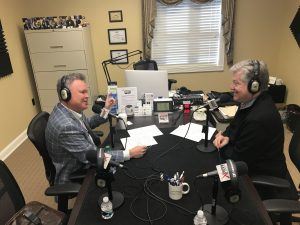
Jason Sleeman, CIBC Bank USA

family owned craft breweries
Jason Sleeman

Jason Sleeman is an associate managing director for CIBC’s Atlanta office. He is responsible for growing CIBC’s presence in the South Eastern United States. His clients have between $2-$50 Million in revenue. Jason provides SBA and conventional lending with a focus on owner-occupied commercial real estate, equipment financing, lines of credit, and merger and acquisition transactions.
Jason has also become an expert in brewery lending, and assists startup and expanding breweries in Georgia. The certified Dale Carnegie trainer has mentored leaders from such companies as UPS, Home Depot and the U.S. Department of Housing and Urban Development.

For more information visit the CIBC website. Jason can be reached by email, or call 404-353-0093.

Nick Tanner, Cherry Street Brewpub at Halcyon

family owned craft breweries
Nick Tanner

Nick Tanner is co-founder of Cherry Street Brewpub at Halcyon in Cumming, GA, with his sister, Alisa. He learned how to homebrew beer while attending college in Fort Collins, CO. Cherry Street Brewpub at Halcyon is an upscale brewery restaurant concept with a relaxed, family-friendly atmosphere, chef inspired food, and award winning beer. They also have the Brewhouse Bar for adults only, featuring a wide selection of bourbons and craft cocktails.

Nick and Alisa followed in the footsteps of their father, Atlanta restaurateur Rick Tanner.

For more information visit Cherry Street Brewpub website or call 770-696-4929. Cherry Street Brewpub is located in Halcyon at 6640 Town Sq, Ste 510, Alpharetta, GA 30005.

Alisa Tanner-Wall, Cherry Street Brewpub at Halcyon

family owned craft breweries
Alisa Tanner-Wall

Alisa Tanner is co-owner of of Cherry Street Brewpub at Halcyon in Cumming, GA, with her brother Nick. Growing up, Alisa hosted and washed dishes in her father’s restaurants, picking up on his entrepreneurial spirit and drive.

For more information visit Cherry Street Brewpub website or call 770-696-4929. Cherry Street Brewpub is located in Halcyon at 6640 Town Sq, Ste 510, Alpharetta, GA 30005.


Charles Gridley, Six Bridges Brewing

family owned craft breweries
Charles Gridley

Charles Gridley is CEO and co-founder of Six Bridges Brewing in Johns Creek, GA with his son, Clay. They were homebrewers for 10 years before opening Six Bridges Brewing in 2018. Six Bridges has a 2,000 square-foot tasting room, as well as a 2,000 square-foot beer garden. They brew on a 30 barrel brewhouse, and a 2 barrel pilot system.

Charles is a chemical engineer and graduate of Georgia Tech. He previously worked in production manufacturing for Heraeus Tenevo and Baldor Electric.

For more information visit the Six Bridges Brewing website or call 470-545-4199. Six Bridges Brewing is located at 11455 Lakefield Dr #300, Johns Creek, GA 30097

Anthony Chen, Host of “Family Business Radio”

family owned craft breweries
Anthony Chen

This show is sponsored and brought to you by Anthony Chen with Lighthouse Financial Network. Securities and advisory services offered through Royal Alliance Associates, Inc. (RAA), member FINRA/SIPC. RAA is separately owned and other entities and/or marketing names, products or services referenced here are independent of RAA. The main office address is 575 Broadhollow Rd. Melville, NY 11747. You can reach Anthony at 631-465-9090 ext 5075 or by email at anthonychen@lfnllc.com.

Anthony Chen started his career in financial services with MetLife in Buffalo, NY in 2008. Born and raised in Elmhurst, Queens, he considers himself a full-blooded New Yorker while now enjoying his Atlanta, GA home. Specializing in family businesses and their owners, Anthony works to protect what is most important to them. From preserving to creating wealth, Anthony partners with CPAs and attorneys to help address all of the concerns and help clients achieve their goals. By using a combination of financial products ranging from life, disability, and long term care insurance to many investment options through Royal Alliance. Anthony looks to be the eyes and ears for his client’s financial foundation. In his spare time, Anthony is an avid long-distance runner.

The complete show archive of “Family Business Radio” can be found at familybusinessradioshow.com.

family owned craft breweries

Tagged With: craft brewers, Family Business Radio, family owned craft breweries, family-owned breweries, georgia brewery, Halcyon, Nick Tanner, North Fulton Business Radio, North Fulton Studio, Six Bridges Brewing

  • « Previous Page
  • 1
  • …
  • 247
  • 248
  • 249
  • 250
  • 251
  • …
  • 275
  • Next Page »

Business RadioX ® Network


Our Most Recent Episode

CONNECT WITH US

  • Email
  • Facebook
  • LinkedIn
  • Twitter
  • YouTube

Our Mission

We help local business leaders get the word out about the important work they’re doing to serve their market, their community, and their profession.

We support and celebrate business by sharing positive business stories that traditional media ignores. Some media leans left. Some media leans right. We lean business.

Sponsor a Show

Build Relationships and Grow Your Business. Click here for more details.

Partner With Us

Discover More Here

Terms and Conditions
Privacy Policy

Connect with us

Want to keep up with the latest in pro-business news across the network? Follow us on social media for the latest stories!
  • Email
  • Facebook
  • Google+
  • LinkedIn
  • Twitter
  • YouTube

Business RadioX® Headquarters
1000 Abernathy Rd. NE
Building 400, Suite L-10
Sandy Springs, GA 30328

© 2025 Business RadioX ® · Rainmaker Platform

BRXStudioCoversLA

Wait! Don’t Miss an Episode of LA Business Radio

BRXStudioCoversDENVER

Wait! Don’t Miss an Episode of Denver Business Radio

BRXStudioCoversPENSACOLA

Wait! Don’t Miss an Episode of Pensacola Business Radio

BRXStudioCoversBIRMINGHAM

Wait! Don’t Miss an Episode of Birmingham Business Radio

BRXStudioCoversTALLAHASSEE

Wait! Don’t Miss an Episode of Tallahassee Business Radio

BRXStudioCoversRALEIGH

Wait! Don’t Miss an Episode of Raleigh Business Radio

BRXStudioCoversRICHMONDNoWhite

Wait! Don’t Miss an Episode of Richmond Business Radio

BRXStudioCoversNASHVILLENoWhite

Wait! Don’t Miss an Episode of Nashville Business Radio

BRXStudioCoversDETROIT

Wait! Don’t Miss an Episode of Detroit Business Radio

BRXStudioCoversSTLOUIS

Wait! Don’t Miss an Episode of St. Louis Business Radio

BRXStudioCoversCOLUMBUS-small

Wait! Don’t Miss an Episode of Columbus Business Radio

Coachthecoach-08-08

Wait! Don’t Miss an Episode of Coach the Coach

BRXStudioCoversBAYAREA

Wait! Don’t Miss an Episode of Bay Area Business Radio

BRXStudioCoversCHICAGO

Wait! Don’t Miss an Episode of Chicago Business Radio

Wait! Don’t Miss an Episode of Atlanta Business Radio