Business RadioX ®

  • Home
  • Business RadioX ® Communities
    • Southeast
      • Alabama
        • Birmingham
      • Florida
        • Orlando
        • Pensacola
        • South Florida
        • Tampa
        • Tallahassee
      • Georgia
        • Atlanta
        • Cherokee
        • Forsyth
        • Greater Perimeter
        • Gwinnett
        • North Fulton
        • North Georgia
        • Northeast Georgia
        • Rome
        • Savannah
      • Louisiana
        • New Orleans
      • North Carolina
        • Charlotte
        • Raleigh
      • Tennessee
        • Chattanooga
        • Nashville
      • Virginia
        • Richmond
    • South Central
      • Arkansas
        • Northwest Arkansas
    • Midwest
      • Illinois
        • Chicago
      • Michigan
        • Detroit
      • Minnesota
        • Minneapolis St. Paul
      • Missouri
        • St. Louis
      • Ohio
        • Cleveland
        • Columbus
        • Dayton
    • Southwest
      • Arizona
        • Phoenix
        • Tucson
        • Valley
      • Texas
        • Austin
        • Dallas
        • Houston
    • West
      • California
        • Bay Area
        • LA
        • Pasadena
      • Colorado
        • Denver
      • Hawaii
        • Oahu
  • FAQs
  • About Us
    • Our Mission
    • Our Audience
    • Why It Works
    • What People Are Saying
    • BRX in the News
  • Resources
    • BRX Pro Tips
    • B2B Marketing: The 4Rs
    • High Velocity Selling Habits
    • Why Most B2B Media Strategies Fail
    • 9 Reasons To Sponsor A Business RadioX ® Show
  • Partner With Us
  • Veteran Business RadioX ®

ProfitSense with Bill McDermott, Episode 3: Ken Madren, PermaTherm Inc.

December 12, 2019 by John Ray

ProfitSense with Bill McDermott
North Fulton Studio
ProfitSense with Bill McDermott, Episode 3: Ken Madren, PermaTherm Inc.
Loading
00:00 /
RSS Feed
Share
Link
Embed

Download file

ProfitSense with Bill McDermott
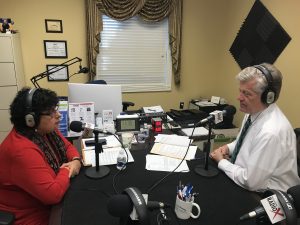
Bill McDermott and Ken Madren

ProfitSense with Bill McDermott, Episode 3: Ken Madren, PermaTherm Inc.

On this edition of “ProfitSense with Bill McDermott,” Ken Madren, CEO of PermaTherm, discusses the importance of managing by the numbers, maintaining a strong company culture, and much more. “ProfitSense with Bill McDermott” is broadcast from the North Fulton Studio of Business RadioX® in Alpharetta.

Ken Madren, PermaTherm Inc.

Ken Madren

Ken Madren is CEO of PermaTherm. Founded in 1988, PermaTherm is primarily a manufacturer of insulated metal panel products utilized in tightly controlled environments. The company manufactures other foam insulation products and materials for the packaging industry, and the general insulation markets. Clients are served in food production, cold storage, grow rooms, agricultural storage and commercial applications.

Before joining PermaTherm in 2005, Ken spent 13 years with mergers and acquisitions firm Forsch Partners, where he served as managing partner. He is also past President of Sandy Springs Youth Sports. The nonprofit directs a multi-sport youth recreation complex in partnership with the City of Sandy Springs.

For more information visit PermaTherm’s website. You can reach Ken by email or phone, 770-843-5363. Also connect with Ken on LinkedIn.

About Your Host, Bill McDermott

ProfitSense with Bill McDermott
Bill McDermott

Bill McDermott is Founder and CEO of McDermott Financial Solutions. After over three decades working for both national and community banks, Bill uses his expert knowledge to assist closely held companies with improving profitability, growing their business and finding financing. Bill is passionate about educating business owners about pertinent topics in the banking and finance arena.

He currently serves as Treasurer for the Atlanta Executive Forum and has held previous positions as board member for the Kennesaw State University Entrepreneurship Center and Gwinnett Habitat for Humanity and Treasurer for CEO NetWeavers. Bill is a graduate of Wake Forest University and he and his wife, Martha have called Atlanta home for over 40 years. Outside of work, Bill enjoys golf, traveling and gardening.

Connect with Bill on LinkedIn and Twitter and follow McDermott Financial Solutions on LinkedIn. The complete show archive for ProfitSense with Bill McDermott” can be found at profitsenseradio.com.

ProfitSense with Bill McDermott

Tagged With: construction projects, foam insulation products, general insulation markets, Insulated metal panels, Ken Madren, Leverage, North Fulton Business Radio, North Fulton Studio, packaging industry, prioritization planning, ProfitSense, ProfitSense with Bill McDermott, structural insulated panels

Decision Vision Episode 43: Should My Business Buy Real Estate? – An Interview with James Pitts, FRED – Fractional Real Estate Department

December 12, 2019 by John Ray

Decision Vision
Decision Vision
Decision Vision Episode 43: Should My Business Buy Real Estate? – An Interview with James Pitts, FRED - Fractional Real Estate Department
Loading
00:00 /
RSS Feed
Share
Link
Embed

Download file

should my business buy real estate?
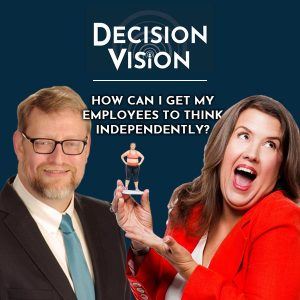
Mike Blake and James Pitts

Decision Vision Episode 43: Should My Business Buy Real Estate? – An Interview with James Pitts, FRED – Fractional Real Estate Department

Should I lease my real estate or buy? What are the factors to consider if I do buy? Answers to these questions and much more come from James Pitts, FRED – Fractional Real Estate Department, on this edition of “Decision Vision.” Mike Blake is the host of “Decision Vision,” presented by Brady Ware & Company.

James Pitts, FRED – Fractional Real Estate Department

James Pitts

James Pitts is the CEO of FRED – Fractional Real Estate Department. James is a 20 year corporate real estate professional with experience at Jones Lang Lasalle, Grubb & Ellis, Johnson Controls (JCI) Global Workplace Solutions, and Sheraton Hotels. Most notably, James worked as Solutions Development Director at JCI Global Workplace Solutions where he was responsible for the design of global and regional corporate real estate outsourcing solutions for companies such as Motorola, Barclays, HP, SunTrust Banks, HSBC with annual spends of $50M-$500M.

FRED – Fractional Real Estate Department is a corporate real estate services firm designed to serve middle market companies that don’t have a real estate department but need one. For most businesses, real estate is the second or third highest cost after people, and a lease or purchase of real estate can be one of the longest commitments a company makes. These strategic decisions have cost and business risk implications but are typically left to managers with non-real estate backgrounds and outside real estate brokers to handle. The FRED team is made up of former heads or managers of corporate real estate for Coca Cola, E&Y, Wells Fargo & AT&T with 30+ years of experience each. FRED doesn’t do real estate transactions; they provide analysis, strategy, and manage the client’s process and brokers on behalf of the business. They are paid on a project, cost savings or retainer basis and promise to provide trustworthy real estate expertise.

For more information, go to their website or email James directly.

Michael Blake, Brady Ware & Company

Mike Blake, Host of “Decision Vision”

Michael Blake is Host of the “Decision Vision” podcast series and a Director of Brady Ware & Company. Mike specializes in the valuation of intellectual property-driven firms, such as software firms, aerospace firms and professional services firms, most frequently in the capacity as a transaction advisor, helping clients obtain great outcomes from complex transaction opportunities. He is also a specialist in the appraisal of intellectual properties as stand-alone assets, such as software, trade secrets, and patents.

Mike has been a full-time business appraiser for 13 years with public accounting firms, boutique business appraisal firms, and an owner of his own firm. Prior to that, he spent 8 years in venture capital and investment banking, including transactions in the U.S., Israel, Russia, Ukraine, and Belarus.

Brady Ware & Company

Brady Ware & Company is a regional full-service accounting and advisory firm which helps businesses and entrepreneurs make visions a reality. Brady Ware services clients nationally from its offices in Alpharetta, GA; Columbus and Dayton, OH; and Richmond, IN. The firm is growth minded, committed to the regions in which they operate, and most importantly, they make significant investments in their people and service offerings to meet the changing financial needs of those they are privileged to serve. The firm is dedicated to providing results that make a difference for its clients.

Decision Vision Podcast Series

should my business buy real estate?“Decision Vision” is a podcast covering topics and issues facing small business owners and connecting them with solutions from leading experts. This series is presented by Brady Ware & Company. If you are a decision maker for a small business, we’d love to hear from you. Contact us at decisionvision@bradyware.com and make sure to listen to every Thursday to the “Decision Vision” podcast. Past episodes of “Decision Vision” can be found here. “Decision Vision” is produced and broadcast by the North Fulton studio of Business RadioX®.

Visit Brady Ware & Company on social media:

LinkedIn:  https://www.linkedin.com/company/brady-ware/

Facebook: https://www.facebook.com/bradywareCPAs/

Twitter: https://twitter.com/BradyWare

Instagram: https://www.instagram.com/bradywarecompany/

Show Transcript

Intro: [00:00:01] Welcome to Decision Vision, a podcast series focusing on critical business decisions brought to you by Brady Ware & Company. Brady Ware is a regional service accounting and advisory firm that helps businesses and entrepreneurs make visions a reality.

Michael Blake: [00:00:19] And welcome to Decision Vision, a podcast giving you, the listener, a clear vision to make great decisions. In each episode, we discuss the process of decision making on a different topic, rather than making recommendations because everyone’s circumstances are different. We talk to subject matter experts about how they would recommend thinking about that decision. My name is Mike Blake and I’m your host for today’s program.

Michael Blake: [00:00:40] I’m a director at Brady Ware & Company, a full-service accounting firm based in Dayton, Ohio, with offices in Dayton, Columbus, Ohio, Richmond, Indiana, and Alpharetta, Georgia, which is where we are recording today. Brady Ware is sponsoring this podcast. If you like this podcast, please subscribe in your favorite podcast aggregator and please consider leaving a review of the podcast as well.

Michael Blake: [00:01:02] Today, we’re going to talk about, should your business buy its real estate. And I’m prompted to this question because it comes up a lot. And interestingly enough, I’m actually seeing it come up more now with technology companies under the thesis that a technology company, by acquiring hard assets in some way, makes itself less risky in front of an investor and potentially, even a bank financing candidate.

Michael Blake: [00:01:35] Now, I’m not a real estate expert at all. In fact, I’m a disaster at Monopoly. Both my kids wiped me out. I think that’s because I’m a technology guy, by the way. Because I think in SAS terms, I’m always by the utilities and the railroads because there’s a more kind of recurring revenue as opposed to, you know, idiosyncratic by landing in a hotel in Boardwalk. But the problem is, and spoiler alert, if you do that in Monopoly, you basically die a slow death to your children who do a victory dance over you, by the way.

Michael Blake: [00:02:04] So, don’t be like me in Monopoly. But anyway, real estate is a different animal. And I get asked about real estate a lot because I’m in the appraisal business, but I’m in the business appraisal business. Again, I don’t know anything about real estate. We lucked out when we got a good deal on our house. I truly mean that with no sense of humility whatsoever, that is as factual an assessment as I can offer.

Michael Blake: [00:02:29] But, you know, especially in a market where you have loose credit, you have banks that very much want to lend. And frankly, you know, we are, especially in Atlanta, a real estate town. America’s a real estate society in terms of investment. The allure of buying real estate can have a very strong pull, but I’m not sure that that’s necessarily the right thing to do for many companies. And so, that’s what I want to talk about this day.

Michael Blake: [00:02:57] Because I’ll bet in the sound of my voice with someone who is listening to this podcast that somebody right now is looking at, they’re either looking at buying real estate or they’re going, “Why the heck did I buy that real estate? Now, I’ve got this albatross around my neck.” You know, “What made me do that and how do I get out of that?” And like I said, I’m not an expert on this. And for those of you who have been listeners to this podcast, you know that I know not a lot about much. And so, I bring in subject matter experts to help us figure that out. And helping us today is my friend James Pitts, who is CEO of Fractional Real Estate Development or FRED. That has-

James Pitts: [00:03:39] Fractional Real Estate Department.

Michael Blake: [00:03:40] Department, sorry. Department, FRED, a corporate real estate services firm designed to serve middle market companies that don’t have a real estate department, but need one. FRED’s team is made up of former heads and managers of corporate real estate for Coca-Cola, Ernst & Young, Wells Fargo, and AT&T with 30-plus years of experience in each. FRED doesn’t do real estate transactions but rather, they provide analysis, strategy, and manage the client’s process and brokers on behalf of the business. They get paid on a per project basis, cost savings or retainer, and provide real estate expertise that can be trusted.

Michael Blake: [00:04:18] Now, James himself has a 20-year corporate real estate professional with Jones Lang LaSalle, Grubb & Ellis, Johnson Controls Global Workplace Solutions, and Sheraton Hotels. Most notably, James worked as solutions development director at JCI Global Workplace Solutions, where he was responsible for the design of global and regional corporate real estate outsourcing solutions for companies such as Motorola, Barclays, HP, SunTrust Banks, and HSBC with annual spends of $50 million to $500 million. So, yeah, he’s an expert. James, thanks so much for coming on the program.

James Pitts: [00:04:54] Thanks, Mike.

Michael Blake: [00:04:54] And in spite of my botching the name, I think that the name itself is just awesome. FRED. And nobody’s ever called a Fred anymore, right? You don’t meet very many Freds, right? But it’s sort of just short and to the point and sounds very authoritative. Now, did you have Fred in mind and then, you built the words around it or did you just put those words in papers, “Hey, that spells Fred.”.

James Pitts: [00:05:17] The latter.

Michael Blake: [00:05:17] Is it really?

James Pitts: [00:05:19] Mm hmm.

Michael Blake: [00:05:19] So, my guess is both parts of your brain are working at that point and then, sort of put it down a piece of paper for you. So, well done. Frankly, it’s easier to remember than Brady Ware. So, you’ll get more mileage on this podcast than I will most likely. So, James, you’re obviously the resident expert on this, not just here, but just about any place you go. Why do companies want to buy real estate when they’re not in the business of real estate?

James Pitts: [00:05:45] Well, they typically want to buy it as an investment. Some see it as a hedge against risk. Some don’t like the idea of paying rent and they want to build equity. All valid points, but just not that simple.

Michael Blake: [00:05:58] And how compelling is that argument that real estate is an investment?

James Pitts: [00:06:04] Real estate in the nature of itself is an investment. The question is whether it’s a good investment, depends on the goals and the needs of the investor and what their alternative investment options are. It’s a good investment if the company doesn’t have a better alternative for investing its money. Also, a company has to ask itself if it’s in the real estate business or if it’s really going to be in its core business because real estate can really be a distraction to the core business.

James Pitts: [00:06:31] And I’d like to give you a quick example. We had a client that we worked with for years, lost contact with. They went out and bought their own real estate, built a building, overpaid for land, went through a business downturn, suddenly, couldn’t use all of the real estate. They were upside down in the building and the land that they bought. And they were trying to lease out the space and they had other businesses in their space. And the CEO literally said, “I can’t get any work done because I have all of these tenants.” So, suddenly, their core business was being distracted by the real estate business.

Michael Blake: [00:07:06] And, you know, I think that’s important because on the outside looking in, if you’re not in real estate, it must look easy, right? You buy a property, you own it. You just sit back and you let the income roll in or let the savings roll in. And then, at some point, you sort of dispose of it. But as a homeowner and not a very good one, by the way, it’s amazing I still have all of my fingers, frankly, owning real estate, even very basic real estate is an effort and there’s further costs in upkeep, right? So, that doesn’t go away just because now, you own a factory or a warehouse or an office building, right?

James Pitts: [00:07:46] Well, yes. And so, when the roof has a leak, that’s on you. When you have the HBC system go out, that’s now on the business. So, suddenly, instead of making a phone call, you’re managing that, paying for that, checking on that, and just dealing with that.
Michael Blake: [00:08:02] So, we talked a little bit about what are the reasons for wanting to own real estate. What conditions typically lead to a company finding that real estate ownership is beneficial to them? What does a company kind of look like that is a good candidate for that?

James Pitts: [00:08:19] Well, for example, you have a specialized use. So, maybe you need land or maybe you need a certain building that unless you own it, the landlord will not let you perform your operations at a core to your business. Let’s say there’s a specialized use of land or buildings that may require large capital outlay to construct. For instance, a movie studio with a purpose-built sound stages, water stage, back lots, et cetera, will want to own the real estate.

James Pitts: [00:08:49] We had a client from South Korea that needed to test its rubber treads on a proving ground. Imagine a Jeep obstacle course, three acres next door. Industrial buildings aren’t designed to have like a three-acre playground next door. So, they literally had to buy a building actually and then, buy the land next door, and build their proving ground. Otherwise, they wanted to lease. They didn’t want to get into the ownership. But because of their use, no one would let them do that.

Michael Blake: [00:09:24] Right. So, at some point, you got to be the person that gives yourself permission to do it, right?

James Pitts: [00:09:28] Exactly.

Michael Blake: [00:09:29] So, you have to own it in that case.

James Pitts: [00:09:29] Exactly.

Michael Blake: [00:09:30] Right? So, you know, in home ownership, there’s a rule of thumb, the basis, unless you’re going to be in the property for five, six years, don’t buy because by the time you factor in all the transaction costs and so forth, it just doesn’t make any sense, right? Keep on renting. Is there a similar rule of thumb time frame in the commercial business area?

James Pitts: [00:09:56] Well, real estate cycles are typically seven to 10 years long. If you want to talk about that cycle, you have declining prices, rents and construction, then that leads to absorption of excess supply, that leads to low vacancy, which leads to increasing prices and rents, which leads to accelerate new construction. At some point, as you go around the circle, you get to oversupply and then, you have high vacancies, which is typically when you want to buy at that lower end of the cycle. Right now, in Atlanta, we’re at the high end of the cycle. So, it’s really a landlord and sellers market. So, from a real estate cycle, if you’re going to be in it, at least seven to 10 years. And we’ll really talk about that probably and some of your other questions about the life cycle of a business as well.

Michael Blake: [00:10:44] So, I’m going to go off script a little bit, but I know it’s a question I want to get out and I think it’s going to be of a lot of interest, which is, you know, as you walk in as the Fractional Real Estate Department for your clients, how much of that work is taking over the management of their properties and how much of it is reversing buyer’s remorse and helping them kind of liquidate, you know, “What have I done?” And sort of get rid of that. How often do you encounter that latter scenario?

James Pitts: [00:11:14] We’re working with a client right now that the previous CEO leased three times as much space as they need. They are actually laying off people right now while they spend an extra $250,000 a year in excess real estate costs. So, sometimes, the first thing you have to do is come in and do an analysis and then, come back with a strategy of how do we fix what you’ve inherited. And the previous CEO signed an eleven-year lease, so they still have eight years of pain.

Michael Blake: [00:11:44] And so, I’ll continue off the script, but I’ve got to follow that question up. So, you know, in some cases, can you then lease that out to try to get a—you know, or sublease, or something like that?

James Pitts: [00:11:56] You can sublet it. You can sell it. You can try to work with the landlord to get out of it. The goal for FRED is to keep people from making these sorts of costly mistakes.

Michael Blake: [00:12:07] Yeah.

James Pitts: [00:12:07] And then, reduce the expense, increase EBITDA, and reduce risk. But what you find, and I used to manage some of the Fortune 500 real estate portfolios when I was at JLL, is that real estate’s the hidden dragon on earnings. And people just don’t realize it. And that even big companies make huge mistakes. And then, that gets multiplied across portfolios. And then, everyone says, “Well, why are we doing this?” “Well, because everyone else did it.” And that’s what it’s always been. We’ve been in this position, in this location for 20 years. And it doesn’t really match anything that the business is doing today.

Michael Blake: [00:12:41] And do you find that businesses may think they know more about real estate than they do because they’re good at the business, but real estate is just different animal? Like I said, I’m a business appraiser, but I’m not a real estate appraiser. Is real estate just fundamentally a different animal?

James Pitts: [00:12:55] Everyone other than you believes that because they bought a house that they’re a real estate mogul. So, they believe that they know a lot more about real estate. It’s something they don’t deal with every three to five years. And when you think about it, real estate is one of those commitments that a company makes that goes three to five years out. Most businesses can’t see that far. And who knows what your strategy or your operations or your sale is going to be in three to five years. And the real estate does not care.

Michael Blake: [00:13:21] No, it doesn’t, right? I’ve never seen the real estates, “Oh, man. I’m sorry”, you know.

James Pitts: [00:13:26] Yeah, the landlords-

Michael Blake: [00:13:27] We’ll just let you out.

James Pitts: [00:13:28] Oh, yeah. Yeah. “Sorry, you guys had a downtime.”

Michael Blake: [00:13:30] Have to reset.

James Pitts: [00:13:32] Yeah.

Michael Blake: [00:13:32] So, getting back to the primary conversation. So, we’re in a cheap money cycle right now. Feds just lowered interest rates three times in the last three or four months or so. How much should that be a factor in driving the real estate purchase decision? I mean, on some level, obviously financing is cheaper, but is it that simple or does that need to kind of be mixed in with some other considerations?

James Pitts: [00:14:00] So, great question. Depends on the cycle. Even before you get to that, you really have to look at, does a company have excess cash that it can’t really invest back in its operations? Are they stable? Like have they grown to the point where they aren’t going to outgrow the space that they buy? Because why buy it if you’re gonna outgrow it? Now, suddenly, you’re in the real estate business. And, you know, are you in some type of low-margin business where you get a greater return by putting your money in the real estate?

James Pitts: [00:14:32] But let’s talk about cheap money. So, the cheap money of the late 2007s and 2008s actually caused the real estate bubble. So, that led to that balloon. People who bought early in the cycle did well. People who came at the end with that cheap money and bought at the height of the cycle, like we are now, when prices were inflated, got hurt. After the crash, money tightened considerably and people with cash came back and bought things cheaply. Sold as the market was coming back up. And now, we’re back toward the top of market. So, I’d say that the cheap money is there, but it could lead you into bad decisions.

Michael Blake: [00:15:13] Yeah. So, the cheap money could be a sign, right, that maybe the timing is off. And again, I think that that requires a specific real estate expertise to really understand and read the market, right? Certainly, I can’t do it. So, now, there’s an argument out there that companies make that they want to own their real estate because it’s a hedge against risk. How do you respond to that? Is that often a reasonable argument or is that just somebody talking themselves into doing a real estate deal?

James Pitts: [00:15:44] The latter.

Michael Blake: [00:15:45] Is it?

James Pitts: [00:15:45] It could be. So, it depends on what risk you’re worried about, right? So, there’s investment risk and there’s business risk. So, if you have a basket of equities, fixed income, cash alternatives, alternative investments, and real estate, you are diversified. Real estate typically lacks business downturns by six to eight months. So, if there’s a general drop in the economy, then the real estate will eventually fill that. And if the company bought the high of the market, you can suddenly be under water with regards to the value of your property in which you paid for it.

James Pitts: [00:16:18] The mortgage payment is still the same. The company may have to downsize, but your costs are still the same for your real estate portfolio. And it’s hard to sell asset in the downturn as well. So, if you’re trying to use—real estate does follow business cycles. So, it’s not necessarily a risk against that. And you also have to say, “If buying real estate makes your business operations riskier, you shouldn’t do it.” But if you’re at a point where purchasing the real estate, you know, lessens risk or doesn’t impact your risk profile, then you can look at that as a separate investment.

Michael Blake: [00:16:53] And I think what you’re talking about is the operational risk-

James Pitts: [00:16:56] Exactly.

Michael Blake: [00:16:56] … of the company, right?

James Pitts: [00:16:57] And correct me if I’m wrong, but the way I interpret what you just said is that one of the dangers is a business can undertake gymnastics that they would not normally undertake in order to get into the real estate game just because there’s cheap money and they feel like that there’s sort of a momentary opportunity. That sounds like a path to trouble.

James Pitts: [00:17:20] We see it a lot where once people get into their brain, “I’d like to own something and build equity”, they will do unnatural things to accomplish that that may not be in the best interest of the business. So, for instance, we had a service company growing rapidly up to 60 people. They were leasing 2,600 square feet. People were literally on top of one another. The owner said, “I want to go out and buy something.” And we said, “Well, you’re still growing. So, let’s lease 13,000 square feet for five years. That gives you plenty of room to grow. And then, once you get to a point where you’re stable and you’re not growing, maybe that’s when you buy a specialized site for your business.” And I said, “Plus, you’re at the top of the cycle. So, why would you buy now? There’s no equity in it.”

Michael Blake: [00:18:07] Right. Buy high, sell low is not a successful business strategy for most, right?

James Pitts: [00:18:12] Exactly.

Michael Blake: [00:18:13] And, you know, that gets to something that I encounter a lot, which is, as you know, I do a fair bit of work in the emerging tech sector, right? And, you know, to me, buying a building when you think you’re going to grow, right? And tech companies grow rapidly. They don’t add two or three people, right? If they don’t catch fire, it doesn’t matter. But once they catch fire, they’re adding people at a hundred a time, right?

James Pitts: [00:18:37] Right.

Michael Blake: [00:18:37] I wouldn’t say you can’t, but, boy, it’s got to be hard just to buy your way out of that problem every time through.

James Pitts: [00:18:46] Exactly. It’s like buying a 15-year old boy a pair of $400 sneakers. Right. You’ll be out of them in two months.

Michael Blake: [00:18:54] Right. Right.

James Pitts: [00:18:56] So, why do it?

Michael Blake: [00:18:56] Right. Yeah. Now, that’s fair. That’s fair. So, let me ask this a little bit off script. But what about the lease-to-own deals? Do you see a lot of those? And if so, do they change the dynamic at all?

James Pitts: [00:19:12] Oh, lease-to-own. I don’t see a lot of that. Not at a corporate level. You see that more so in a residential level-

Michael Blake: [00:19:21] Okay.

James Pitts: [00:19:21] … who would do a lease-to-own. But now, some people may lease and they’ll have an option to purchase later.

Michael Blake: [00:19:28] Yeah.

James Pitts: [00:19:29] You know, if they think that they’re gonna really like the space. But you don’t see too many of those.

Michael Blake: [00:19:35] Okay. What are some of the hidden costs owning the real estate?

James Pitts: [00:19:40] Oh, so those are capital improvements that you weren’t expecting. If you’re in a building and you decide you don’t need all of it and you have a vacancy, so now, you’re inefficient. Maybe you did a floating rate loan or a swap loan and rates are changing on you, and they’re not going in your direction. We actually had a client that the rates right now, like if they were to sell the building that they’re in, they’d owe $200,000 versus if the rate stayed where they used to be, they’d get a check for $300,000 of repairs and maintenance.

James Pitts: [00:20:17] We did a project for a large nonprofit here in Atlanta that owned the building with very little debt. They had about $5 million in deferred maintenance on the property. They were trying to figure out what they would do with the building. They were in about half of it, in 40,000 square feet with three tenants. They weren’t getting any new tenants. And we did a study and looked at what their other costs were, including the maintenance people that they had on staff. And they didn’t realize all the hidden cost in it.

James Pitts: [00:20:47] And we ended up selling the building for them, reducing their space. They got $2 million above what the market was offering. And then, by reducing their space and making them more efficient, we save them $3 million on their lease. So, they were like, “How did you make leasing a building cheaper than owning a building and put $5 million in our pocket?” Like, you know, it was a lot of financial engineering. Just looking at—that the real estate didn’t match your needs, you know, financially or even their people.

Michael Blake: [00:21:18] Well, and that goes to knowing the real estate market, right? And knowing what the market will bear and kind of what the terms are, and, you know, being able to use that as a negotiation point, right?

James Pitts: [00:21:30] Mm hmm.

Michael Blake: [00:21:30] I mean, again, you know, real estate is one of those things, it bears repeating, it looks easy, but it ain’t.

James Pitts: [00:21:38] It is really not.

Michael Blake: [00:21:40] So, how much should an opportunity to acquire real estate is sort of like as a good deal? How much does that drive or should it drive the discussion? You know, maybe your building is just going to be sold. Maybe there’s an estate situation, divorce situation, like that, and the son has got to sell, so it’s going to—if you can kind of do the deal quickly, it’s going to go for below fair market or market value, how much should that play into that lease-versus-buy decision?

James Pitts: [00:22:13] And I think we have to make sure that if your core business is your priority, as long as you check all the boxes and purchasing the building does not impact your core business, which is really your bread winner, then you can consider it, if it’s a great deal. I mean, if it’s a deal that if, for some reason, you need to sell it or lease it out and you could lease out, say, maybe 70 percent and that would easily cover your mortgage, you should consider it. You know, but if it’s an arbitrage opportunity, you should consider it. If it’s a great deal, you should always consider that.

Michael Blake: [00:22:49] Okay. And what about the argument that real estate can be used as a way to diversify the assets of the company or sometimes, the assets of the owner that is not necessarily that clearly separated from the company because it’s sort of one of the same? How compelling is that argument?

James Pitts: [00:23:08] So, that can be a sticky wicket. It can also be a great strategy. Some owner, company owners purchase building and lease it back to the company, and let the company expense the rent payments while paying off the mortgage on the property, then the owner can personally tap the built up equity in the property without taxation. If the owner expects to sell the company, then they may have to unwind or restructure their intertwined real estate in their business to make it attractive to the buyer.

James Pitts: [00:23:38] We were talking to a private equity firm out in California and the owner sold—they bought a business, the owner sold it to them, and it was 150,000 square foot warehouse. They only need 50,000. He had them as part of the deal, signed a 10-year lease for 150,000. So, they were suddenly stuck with three times as much space as they needed. And they were lamenting that they didn’t make him unwind that. So, you have to be clear, if you’re trying to exit your business and you now have some real estate obligations, it could affect your valuation.

Michael Blake: [00:24:14] Now, we tussled on this a little bit before, but I want to make sure that we address this explicitly. How important is the decision whether or not you need to kind of build your own custom real estate? We talked about customizing a building that you own. But now, I want to kind of move kind of, you know, a step further. What about kind of building your own real estate versus buying something that may or may not suit you on the existing market? How often do you encounter that? Does that build versus buy change the business discussion at all?

James Pitts: [00:24:48] So, it can. If your movie studio is custom-built, then it’s really important to buy and build your own. Back to that one client of ours who built their own building, they bought the land too expensive. Right now, construction costs are really high in Atlanta. But they’ve done that in 2010. Much better deal, cheaper land, cheaper construction costs. So, what we found is that given the costs of construction right now with the steel tariffs and just the land costs, there’s a lot of existing buildings that you can buy that are actually cheaper than in building right now in this particular part of the cycle.

Michael Blake: [00:25:31] And-

James Pitts: [00:25:32] And it just depends on where you are in the cycle-

Michael Blake: [00:25:33] Sure.

James Pitts: [00:25:35] … basically.

Michael Blake: [00:25:35] Okay. And I guess to some extent, too, if you can actually find someone to build the building, right, at the top of the cycle-

James Pitts: [00:25:40] Right.

Michael Blake: [00:25:40] … it’s-

James Pitts: [00:25:41] Everybody’s busy. Right.

Michael Blake: [00:25:42] Everybody’s busy. Right. So, you don’t even get out of radar screen unless you have a big job to begin with.

James Pitts: [00:25:47] And for one of our South Korean clients, we actually did a study of, do you buy a building or do you build it? And it came out, it would be easier to buy a building, existing building, renovate it, and do what you needed to do next door than to just build from the ground up.

Michael Blake: [00:26:08] I wonder if there’s kind of a conceptual benefit there, too. You know, my parents built a house and the thing that I learned from that process, I’ll never build a house because it seems to me that if you’re trying to imagine a structure from the ground up, there’s just nothing there today. And then, a year from now or two years, you know, there’s going to be a building. Just seems like so many things can go wrong and there’s not going to be the way that you visualized or to make them the way that you visualize them is going to be prohibitively expensive along the way.

James Pitts: [00:26:42] Depends on where you are in the cycle.

Michael Blake: [00:26:43] Yeah.

James Pitts: [00:26:44] But you have architects for that.

Michael Blake: [00:26:45] Yeah.

James Pitts: [00:26:45] Architects and civil engineers, and they can deliver exactly what you want.

Michael Blake: [00:26:49] So, are there any rules of thumb around a company’s finances in terms of how much cash to have in the bank or how profitable they are or how, I don’t know, sort of reliable their profitability is that maybe goes into your calculus as to whether or not you advise a client to buy versus lease?

James Pitts: [00:27:08] So, in general, real estate as an investment, I’ve read somewhere, returns about 7 to 8 percent of the long-term as an investment. If the business return—if your margins on your business are 20 percent, and why wouldn’t you invest that in your business, if you still have the opportunity to grow? So, people get, “Oh, I want own real estate and I’m gonna build up equity.” But if you can put that money into your people, if you can leave the risk of ownership of real estate to a landlord so that if you shrink or grow, you can go elsewhere versus now, I have a building and I have to do the capital improvements. And I have to pay the taxes on it and if I grow or shrink, it stays the same. So, there’s a business risk there.

Michael Blake: [00:27:59] You know, I want to come back to that or stay on that, actually, because I think that’s a very important point. You know, many of the drivers I see for buying real estate lie in something else other than directly operationally imperative to the business, right? Sometimes is. And I think we’ve covered that. You know, rule number one is make sure that that decision is driven by the operational imperative-

James Pitts: [00:28:24] Right.

Michael Blake: [00:28:24] … not because of something else that you want to do. And, you know, there’s no law that says, if you have excess cash or even excess borrowing power that you have to buy real estate with it, right?

James Pitts: [00:28:36] Right.

Michael Blake: [00:28:36] Or if you want to buy real estate, you know, buy into a read, right? You can get real estate exposure that way.

James Pitts: [00:28:42] Or buy an actual investment property that’s not attached to your—if you have extra cash, maybe you go and buy another real building that has tenants in it.

Michael Blake: [00:28:54] Yeah.

James Pitts: [00:28:54] And you manage that as a separate investment. But now, you sort of linked your business to your real estate and they’re intertwined. Let’s say you have partners in your business, there’s three or four partners, and Ted decides to leave the company. And now, you know, you have to unwind the real estate side of it and the business side of it. And maybe Ted didn’t want to get out of the real estate side or, you know, you have to make sure all the interests are aligned on the real estate side as well.

Michael Blake: [00:29:22] So, one other question I want to ask as we move towards wrapping up here is, a company can accidentally acquire real estate through an acquisition, right? And although I’m confident in most cases, a company isn’t necessarily surprised that it owns real estate, but I think that I’ve certainly seen the case where the acquirer spend so much time performing due diligence in the company that they feel that the real estate is a sort of a side gig or a throw away or something. And then, all of a sudden, you wind up owning it and maybe they should have done due diligence on that or sometimes, you’re even forced to buy the real estate. The seller will not sell unless you take the whole thing, business and real estate. How often do you see that? And if you do see that a lot, in your mind, is that a complicating factor in the M&A process?

James Pitts: [00:30:15] I definitely think it’s a complicating factor. Part of what FRED services we offer to come in as a part of that M&A process is to look at the real estate and say, “Here are you trailing obligations from a real estate perspective and here’s how you need to account for that, because either you’re going to end up with some excess cost or some real estate that you don’t need, and maybe, you should make that a part of the negotiation” versus “You take this”, and suddenly, you basically paid the seller twice. And that you paid them for the business, you paid them for the real estate. Now, you take the loss on the real estate. And that’s not a choice that you make. You actually came there for the business.

Michael Blake: [00:30:56] So, if somebody wants to learn more about this process, they have a question about their own real estate decision they’re looking at, how can they contact you?

James Pitts: [00:31:05] Please feel free to e-mail me at james.pitts, P-I-T-T-S like in Pittsburgh, @fred, F-R-E-D,-solution.com. And love to hear from you.
Michael Blake: [00:31:19] All right. And that’s going to wrap it up for today’s program. I’d like to thank James Pitts so much for joining us and sharing his expertise with us and telling us about his company, FRED, Fractional Real Estate Department. We’ll be exploring a new topic each week. So, please tune in so that when you’re faced with your next business decision, you have clear vision when making it. If you enjoy these podcasts, please consider leaving a review with your favorite podcast aggregator. It helps people find us so that we can help them. Once again, this is Mike Blake, our sponsor is Brady Ware. And this has been the Decision Vision podcast.
Tagged With: CPa, CPA firm, Dayton accounting, Dayton business advisory, Dayton CPA, Dayton CPA firm, Decision Vision, diversification, diversification into real estate, Fractional Real Estate Department, FRED, hidden costs of real estate, lease to own, Michael Blake, Mike Blake, real estate

To Your Health With Dr. Jim Morrow: Episode 22, Seasonal Affective Disorder

December 12, 2019 by John Ray

North Fulton Studio
North Fulton Studio
To Your Health With Dr. Jim Morrow: Episode 22, Seasonal Affective Disorder
Loading
00:00 /
RSS Feed
Share
Link
Embed

Download file

seasonal affective disorder
Dr. Jim Morrow, Morrow Family Medicine, and Host of “To Your Health With Dr. Jim Morrow”

To Your Health With Dr. Jim Morrow:  Episode 22, Seasonal Affective Disorder

On this edition of “To Your Health with Dr. Jim Morrow,” Dr. Morrow discusses seasonal affective disorder, signs, symptoms and treatment. He also shares his own story of how he was affected by the Thanksgiving holiday. “To Your Health” is brought to you by Morrow Family Medicine, which brings the CARE  back to healthcare.

About Morrow Family Medicine and Dr. Jim Morrow

Morrow Family Medicine is an award-winning, state-of-the-art family practice with offices in Cumming and Milton, Georgia. The practice combines healthcare information technology with old-fashioned care to provide the type of care that many are in search of today. Two physicians, three physician assistants and two nurse practitioners are supported by a knowledgeable and friendly staff to make your visit to Morrow Family Medicine one that will remind you of the way healthcare should be.  At Morrow Family Medicine, we like to say we are “bringing the care back to healthcare!”  Morrow Family Medicine has been named the “Best of Forsyth” in Family Medicine in all five years of the award, is a three-time consecutive winner of the “Best of North Atlanta” by readers of Appen Media, and the 2019 winner of “Best of Life” in North Fulton County.

Dr. Jim Morrow, Morrow Family Medicine, and Host of “To Your Health With Dr. Jim Morrow”

Dr. Jim Morrow

Dr. Jim Morrow is the founder and CEO of Morrow Family Medicine. He has been a trailblazer and evangelist in the area of healthcare information technology, was named Physician IT Leader of the Year by HIMSS, a HIMSS Davies Award Winner, the Cumming-Forsyth Chamber of Commerce Steve Bloom Award Winner as Entrepreneur of the Year and he received a Phoenix Award as Community Leader of the Year from the Metro Atlanta Chamber of Commerce.  He is married to Peggie Morrow and together they founded the Forsyth BYOT Benefit, a charity in Forsyth County to support students in need of technology and devices. They have two Goldendoodles, a gaggle of grandchildren and enjoy life on and around Lake Lanier.

Facebook: https://www.facebook.com/MorrowFamMed/

LinkedIn: https://www.linkedin.com/company/7788088/admin/

Twitter: https://twitter.com/toyourhealthMD

The complete show archive of “To Your Health with Dr. Jim Morrow” addresses a wide range of health and wellness topics, and can be found at www.toyourhealthradio.com.

Dr. Morrow’s Show Notes

What is seasonal affective disorder?

  • Seasonal affective disorder (SAD) is a type of depression that is triggered by the seasons of the year.
    • Symptoms usually begin in late fall or early winter.
    • People with SAD usually feel better in the spring and summer.
    • It is thought that SAD is related to changes in the amount of daylight during different times of the year.
    • Some people have SAD with depressive episodes in the summer instead of winter. This is much less common.

How common is Seasonal Affective Disorder?

  • Between 4% and 6% of people in the United States suffer from SAD.
    • Another 10% to 20% may experience it in a milder form.
    • SAD is more common in women than in men.
    • Some children and teenagers get SAD.
    • But it usually doesn’t start in people younger than 20 years of age.
    • The risk of SAD decreases for adults as they age.
    • SAD is more common in northern regions of the United States.
    • Winters are typically longer and harsher there.
    • There is also less sunlight because they are farther away from the equator.

Symptoms of Seasonal Affective Disorder

  • Not everyone who has SAD experiences the same symptoms.
    • Common symptoms of winter-onset SAD include:
  • change in appetite, especially craving sweet or starchy foods
  • weight gain
  • fatigue
  • sleeping more than normal
  • difficulty concentrating
  • irritability and anxiety
  • increased sensitivity to rejection
  • avoidance of social situations
  • loss of interest in the activities you used to enjoy
  • feelings of guilt or hopelessness
  • physical problems, such as headaches.

Symptoms of summer-onset SAD include:

  • loss of appetite
  • weight loss
  • insomnia
  • irritability and anxiety
  • agitation

Symptoms of SAD tend to come back year after year.

    • They usually come and go at about the same time every year.
    • If you think this could be happening to you, call your family doctor.

What causes Seasonal Affective Disorder?

  • In most cases, SAD seems to be related to the loss of sunlight in the fall and winter.
    • Researchers have found that reduced sunlight can affect the body in ways that could contribute to SAD.
    • These include:
      • Circadian rhythm (biological clock) – The decrease in sunlight could disrupt your body’s natural rhythms.
        • This could lead to feelings of depression.
      • Serotonin levels – Serotonin is a brain chemical that affects your mood.
        • Reduced sunlight could cause serotonin levels to drop.
        • This could trigger depression.
      • Melatonin levels – Melatonin is a brain chemical that regulates sleep.
        • More darkness causes the body to produce more melatonin.
        • More melatonin could make you feel more tired and lethargic.
        • These are common symptoms of depression
  • Vitamin D levels – It is believed that vitamin D plays a role in serotonin levels.
    • Much of the vitamin D we get is from the sun.
    • Less sunlight could lead to a deficiency in vitamin D.
    • This can cause depression symptoms.
  • Some people have a higher risk of developing SAD.
    • Factors that increase risk include:
      • Being female.
        • Four times as many women are diagnosed with SAD than men.
      • Living far from the equator.
        • In the United States, living farther north increases your risk.
        • These areas get less sunlight in fall and winter.
      • Family history.
        • Having family members with SAD or other forms of depression increases your risk.
      • Having depression or bipolar disorder.
        • If you have one of these conditions, your symptoms may worsen with the seasons.
      • Young age.
        • SAD is more common among younger adults.
        • It has been reported in teens and children.
        • Your chances of getting it decrease as you get older.

How is SAD diagnosed?

  • Your doctor will ask you about your symptoms, thoughts, feelings, and behavior.
  • He or she may perform a physical exam.
  • They may request lab tests to rule out other conditions that cause symptoms similar to SAD.
  • They may refer you to a specialist to diagnose your condition.
    • This could be a psychologist or a psychiatrist.

Can SAD be prevented or avoided?

  • There’s not much you can do to avoid getting SAD.
  • But you can take steps to manage it so your symptoms don’t get worse.
  • Some people start treatment before their symptoms start.
  • They also continue treatment past the time that their symptoms normally go away.
  • Others need continuous treatment to control their symptoms

SAD treatment

  • The three main ways SAD is treated are with:
    • light therapy,
    • behavioral therapy, or
    • Your doctor may want to combine therapies if using one does not work for you.

Light therapy

  • Light therapy is designed to make up for the lack of sunlight during the fall and winter.
    • It has been used to treat SAD since the 1980s.
    • You sit in front of a special light box every day.
    • The box emits a bright white light that mimics natural sunlight.
      • It seems to make a change in brain chemicals that regulate your mood.
      • The amount of time you sit in front of the light box depends on the strength of the light.
      • It is usually between 20 and 60 minutes.
  • There are other types of light therapy.
    • Instead of sitting in front of a box, you can wear a visor that emits light.
    • Another kind is a “dawn simulator.”
      • This light turns on early in the morning in your bedroom.
      • It mimics a natural sunrise and gradually increases in brightness.
      • This allows you to wake up naturally, without using an alarm.
  • If light therapy helps, you’ll continue it until enough sunlight returns.
    • This usually happens in spring.
    • Stopping light therapy too soon can result in a return of symptoms.
  • When used properly, light therapy seems to have very few side effects.
    • Some side effects include eyestrain, headache, fatigue, and irritability.
    • If you use it too late in the day, you could have trouble sleeping.
    • Talk to your doctor before starting light therapy if you have:
      • bipolar disorder
      • skin that is sensitive to sunlight.
      • conditions that make your eyes vulnerable to sunlight damage.
  • Tanning beds should not be used to treat SAD.
    • The light sources in tanning beds are high in ultraviolet (UV) rays.
    • These harm your eyes and your skin.
    • They also cause skin cancer.

Behavioral therapy

  • Talk therapy or behavioral therapy can help you identify negative thoughts.
    • Then you replace those with more positive thoughts.
    • Therapy can help you learn healthy ways to manage your symptoms of SAD.
    • You can also learn how to manage stress.

Medicines

  • Your doctor might recommend you take medicine to help with your symptoms, especially if they are severe.
    • Selective Serotonin Reuptake Inhibitors (SSRIs) are often used to treat depression.
  • You may have to take the medicine for several weeks before you feel better.
    • You may have to try more than one medicine to find the one that works best for you.
  • You can also make lifestyle changes that can help your symptoms.
  • Let as much natural light as possible into your home or office.
    • Open blinds, sit close to windows, and keep your environments as bright as possible.
  • Get outside when you can.
    • Even if it’s cold or cloudy, the light can still benefit you.
  • Keep physically active.
    • Exercise and activity boost endorphins and relieve stress.
    • Both of these can keep you feeling better.

Living with Seasonal Affective Disorder

  • The keys to living with SAD are to plan ahead and to manage your symptoms.
  • Follow your treatment plan.
    • This includes going to appointments, taking medicines, and following up if things aren’t working.
  • Take care of your body.
    • Eat healthy foods and get enough sleep.
  • Exercise has been shown to have the same effect on depression as antidepressants.
  • Have a plan.
    • Know what you will do when your depression symptoms start to get worse.
    • Watch for early signs and take action before you feel bad.
  • Don’t turn to alcohol or drugs.
    • They make depression worse.
    • They can also have negative reactions with antidepressants.
  • Manage stress.
    • You can’t avoid stress, so you have to learn to manage it.
    • Talk to a counselor or read about ways to handle stress better.
  • Don’t isolate yourself.
    • It’s harder to be social when you’re depressed.
      • But being alone can make you feel worse.
      • Try to reach out as much as you can.
  • Start treatment early.
    • If you know your symptoms usually start in October, start your treatments in September, before symptoms start.
    • You might be able to prevent them.
  • Plan ahead.
    • Some people purposely plan their lives to be very busy during the time they normally feel down.
    • This helps prevent them from “hiding out” at home, because they have already made commitments.
  • Take a trip.
    • Plan a trip to a warmer, sunnier climate during the winter.
    • The positive feelings will extend before, during, and after your trip.

Questions to ask your doctor

  • What treatment is best for me?
  • Should I use light therapy?
  • What changes can I make at home to help myself?
  • What is causing my SAD?
  • How long will I have to continue treatment?
  • Should I talk with a counselor?
  • Should I make any changes to my diet?
  • Could exercise help me deal with SAD?


Tagged With: Cumming doctor, Cumming family care, Cumming family doctor, Cumming family medicine, Cumming family physician, Cumming family practice, Cumming md, Cumming physician, Depression, Dr. Jim Morrow, holiday blues, light therapy, Milton doctor, Milton family care, Milton family doctor, Milton family medicine, Milton family physician, Milton family practice, Milton md, Milton physician, Morrow Family Medicine, Pineal Gland, SAD, SAD symptoms, seasonal affective disorder, serotonin, To Your Health, vitamin d, vitamin D deficiency, winter doldrums

Inspiring Women, Episode 16: Becoming a Woman of Influence

December 11, 2019 by John Ray

Betty Collins, Brady Ware
Inspiring Women PodCast with Betty Collins
Inspiring Women, Episode 16: Becoming a Woman of Influence
Loading
00:00 /
RSS Feed
Share
Link
Embed

Download file


Betty Collins, Brady Ware
Betty Collins, Brady Ware & Company

Inspiring Women, Episode 16:  Becoming a Woman of Influence

Influence is merely the capability to have an effect on the character, development or behavior of something. Do you want to be that woman of influence? Host Betty Collins discusses what it takes to expand your influence on this edition of “Inspiring Women,” presented by Brady Ware & Company.

Betty Collins, CPA, Brady Ware & Company and Host of the “Inspiring Women” Podcast

Betty Collins, Brady WareBetty Collins is the Office Lead for Brady Ware’s Columbus office and a Shareholder in the firm. Betty joined Brady Ware & Company in 2012 through a merger with Nipps, Brown, Collins & Associates. She started her career in public accounting in 1988. Betty is co-leader of the Long Term Care service team, which helps providers of services to Individuals with Intellectual and Developmental Disabilities and nursing centers establish effective operational models that also maximize available funding. She consults with other small businesses, helping them prosper with advice on general operations management, cash flow optimization, and tax minimization strategies.

In addition, Betty serves on the Board of Directors for Brady Ware and Company. She leads Brady Ware’s Women’s Initiative, a program designed to empower female employees, allowing them to tap into unique resources and unleash their full potential.  Betty helps her colleagues create a work/life balance while inspiring them to set and reach personal and professional goals. The Women’s Initiative promotes women-to-women business relationships for clients and holds an annual conference that supports women business owners, women leaders, and other women who want to succeed. Betty actively participates in women-oriented conferences through speaking engagements and board activity.

Betty is a member of the National Association of Women Business Owners (NAWBO) and she is the President-elect for the Columbus Chapter. Brady Ware also partners with the Women’s Small Business Accelerator (WSBA), an organization designed to help female business owners develop and implement a strong business strategy through education and mentorship, and Betty participates in their mentor match program. She is passionate about WSBA because she believes in their acceleration program and matching women with the right advisors to help them achieve their business ownership goals. Betty supports the WSBA and NAWBO because these organizations deliver resources that help other women-owned and managed businesses thrive.

Betty is a graduate of Mount Vernon Nazarene College, a member of the American Institute of Certified Public Accountants, and a member of the Ohio Society of Certified Public Accountants. Betty is also the Board Chairwoman for the Gahanna Area Chamber of Commerce, and she serves on the Board of the Community Improvement Corporation of Gahanna as Treasurer.

“Inspiring Women” Podcast Series

“Inspiring Women” is THE podcast that advances women toward economic, social and political achievement. The show is hosted by Betty Collins, CPA, and presented by Brady Ware and Company. Brady Ware is committed to empowering women to go their distance in the workplace and at home. Other episodes of “Inspiring Women” can be found here.

Show Transcript

Betty Collins: [00:00:00] Today, becoming a person of influence … In fact, today, because this is Inspired Women, I’m going to say becoming a woman of influence, right? I’m going to start with this. I love a certain movie, and I bet I’ve watched this a hundred times; I’m not kidding. My husband will come home and can’t believe I still have this on, but it’s “Two Week Notice,” with Sandra Bullock, who plays Lucy Kelson, and Hugh Grant, who plays George Wade. Sandra Bullock is an activist and she is a “cause” – I’m putting that in quotes – per Hugh Grant in the movie.

Betty Collins: [00:00:32] He says that, at some point. She is very passionate about architecture and preserving historical buildings that have meaning. They’ve been in the community forever. How dare you take this down? Right? On the other hand, he’s a developer, and he tears down buildings, and he puts up new ones that are nothing like the historical buildings, of course, that she loves. He’s that big corporate America; she works for all these legal aid things and does all the good work. They are night and day. He grew up wealthy. She grew up poor. I mean, they have nothing in common, really.

Betty Collins: [00:01:08] Needless to say, her method is that she would protest, and take her protesters, and they would stand in front of buildings when they were trying to tear them down. For a while, it would work, and all three people that she had protesting with her … Then they would take them, and she would go into jail, and her parents would bail her out. One of those times, the parents were- they were coming, of course, out of the building- or out of jail, actually. The parents had paid her bail, and she looked at her parents and said, “Did they tear the building down?” They didn’t say yes. They didn’t have to. She just looked at her parents and said, “I’m just not getting through.” They said, “Let’s just go to dinner …” She goes, “No. I gotta go home and think about this one.” That line stayed with me – “I’m just not getting through.” In other words, she wasn’t influencing anything.

Betty Collins: [00:02:03] How many times have you had that passion, something in your heart and soul, right? And you have no results? You have that “I’m not getting through.” In reality, no influence. Influence can be applied to many things. Maybe you to influence and have a following. Maybe you want to push an agenda, be impactful. You have a passion. You have a cause, like Lucy Kelson. Today, we’re going to talk about becoming that person of influence.

Betty Collins: [00:02:31] Influence is merely … It’s the capability to have an effect on the character, development, or behavior of something. Do you want to be that woman of influence? I hope so. We’re counting on you, actually. The movie is not real life, of course it’s not. It’s not. It’s fictional. But Sandra Bullock acted out and was determined to have influence about historical buildings. She really wanted the community center where she grew up to stay intact. But she had enough insight in that moment, when she saw her parents look that they had torn down another building, that it was not working, so she changed the way or the approach to influence her agenda of historic preservation.

Betty Collins: [00:03:18] I don’t know what your historic preservation issue is, but I’m sure there’s something out there that you would like to have more influence on. Well, the approach was very uncomfortable, and she had a mindset change to her method to her madness. Instead of having her and three people go protest, she ends up approaching Hugh Grant, as George Wade; the rich kid, the playboy, the guy who’s kind of everything she can’t stand. She ends up working for the guy who’s tearing down the buildings. Now, it’s a movie, and I get that, and I would call … But if that was real life, and you decided, “I’m going to now get in and get with that person,” like I talked in my last podcast – the decision maker, the person who makes things happen – that’s exactly what she did. It was bold. It was tenacious. She wasn’t comfortable. Confidence- she was confident in her passion, but it took a lot of … She’d be courageous now.

Betty Collins: [00:04:18] Okay, it’s a movie, but it could be real if you applied it to your situation. How are you going to change your mindset? How are you going to change your method? Are you going to do something a little more bold and tenacious to make it happen? Of course, Lucy Kelson did that. More on Lucy Kelson later. But before we continue, I want to think about the influence you have now or that you would like to have. Are you just not getting through to some aspect of your life or a situation, maybe in your family, with your kids? You know how that is. Bosses, customers, the career path. Think on it. Don’t just listen to my podcast, but really think on it. Define it, put it on the table, write it down, and then say it out loud. “I want to influence …” and make some change to becoming that influencer, so you get through where you need to.

Betty Collins: [00:05:12] To influence others, in other words, it’s not really optional to do these things, and it’s a lot. So, listen closely and get the transcript on these next few things, because this is not for the weak; it is not for the weary. You must go beyond general expectations, and you must reach for limits above the norm. You must have total confidence in yourself and what you are attempting to achieve, but you also have to be courageous. It’s one thing to be confident, but to stand up in the room and say what you need to say, that takes courage. You’ve got to provide words and wisdom to others who are seeking to obtain it. Then, you have to understand the impact, yourself, of maybe that historical preservation/community center staying. I don’t know. Show others that these things can be realized. Again, this is not for the weak, and it is not for the weary.

Betty Collins: [00:06:07] I’m going to give you some tips on how do I get through? How do I become that woman of influence? Well, first, you’ve got to focus on resonating with the audience. You’ve got to know the person or the group you’re trying to influence. I think, in the movie, that’s what she was doing. “I’ve got to get to know George Wade, and who he is, and get beside him …” Of course she got … It’s a movie, so it’s kind of … Go watch it, and you’ll see what I’m talking about. In her case, she said, That’s what I got to do. It’s no longer enough. I got to get to know this person and figure it out.”

Betty Collins, Brady Ware: [00:06:40] Begin with your audience and create generosity for them. I know that when I speak publicly, if I don’t get to know that audience, I will not connect, I will not resonate, and they will be on their phones. You have to benefit. You have to give them some kind of positive experience. That’s really just called you’ve got to make a resignation. Here’s a great quote, when you’re figuring out that audience or that person of who you’re trying to get to. “If you talk to someone about themselves, they’ll listen for hours.” I’m going to say that again: “If you talk to someone about themselves, they’ll listen for hours.” People will immediately like you, if you show interest in them first. We don’t do that well, often, today.

Betty Collins: [00:07:27] You’ve got to learn about who they are, what they are, what they dislike, what their favorite sports are. Make yourself more likable, and maybe you’ll gain some trust. I have a great example that. I was interviewing a very large client, and I really wanted this client. I went in there not really having any ability to resonate with this person. The more I tried to sell myself, and sell my company, and talk about myself and all those things, the interview was over before it started. Fortunately, I was perceiving that. I had good perception.

Betty Collins: [00:08:12] Then, I realized I just need to wind this down. She’s not interested. I saw two pictures on her desk, and one of them was … It looked like a place I had gone to. So, I said, “Hey, do you travel a lot?” She goes, “We love to travel. We live to travel.” I said, “Oh, is that St. Lucia? She goes, “It is.” Completely different conversation. We talked travel for 10 minutes, and we talked about everywhere we had been. She talked about all over, and it was personal for her, because it was with her husband, and her children, and a lifetime of those things. I was able to now resonate with that audience. I made a connection. Then, at the end, she said, “Get me the contract, and let’s get started.” It was the most bizarre thing I’ve ever …

Betty Collins, Brady Ware: [00:09:01] But I learned from that, that first thing, I went in … I try to do this now. I look around the room. What is the audience? Even if it’s one person, what is in their office? What are they – what resonates with them? If you want to influence, you’ve got to resonate. You got to know your stuff. If you want to be an influential person, you’ve got to know your stuff, and you’ve got to be incredible.

Betty Collins: [00:09:23] Lucy Kelson, played by Sandra Bullock, knew her stuff about historical preservation. She just did. She could go on, and on, and on about it. Now, Hugh Grant didn’t hear her, but she knew her stuff. She gained knowledge. She knew her research. When it really came to the moment where she could actually work for somebody like him and be there, he then began to go, “She knows. She’s credible. She might be a liberal, and I’m a conservative. She might be frugal, and I’m excessive,” but she knew her stuff; she had credibility; that took her a long way, and it kind of- she gained some authority because of that.

Betty Collins: [00:09:58] It’s funny, in the movie, now, he can’t make a decision without her. Everything is what she thinks, right? But knowing and research, you have to do that. You have to know, if you want to be an influencer, and it doesn’t matter what it is. If you want to help someone at your church, and you want them to know the Bible; if you don’t know it, it means nothing that you’re trying to help them. If you are in a situation where you’re trying to help someone sell something, and you’ve never sold anything in your whole life; doesn’t help. You’ve got to know your stuff to be credible.

Betty Collins, Brady Ware: [00:10:27] It’s our nature to listen to those who know more. It also is our nature to not listen to people who know more. Sometimes, the smartest person in the room is “the expert,” and they get attention because you’re stuck with them, because they’re expert. You don’t want to be in that but know your stuff and be credible.

Betty Collins: [00:10:47] Build your strategy and process first. To become influential, you’ve got to be intentional. I’m sure you’ve heard that. But those who plan, influence; those who think first, influence; those who are paralyzed by the plan, don’t influence, by the way, so don’t get too wrapped up in that, because if the plan sits on a shelf and collects dust, it means nothing. In order to have a real plan, you’ve got to think it through, but then you’ve got to go, “Here’s how I’m going to process this,” and then you will influence.

Betty Collins: [00:11:16] I know in Brady Ware, with our women’s initiative, I really did sit back and go, “What is the purpose? What is the mission? How do I want this to go? What is it I really want to achieve at the end of the day?” Then, I began executing things in pieces, and in five years, Brady Ware can’t believe how we’ve grown this to what it is. But it took a lot of that. Now, I’m pretty influential in Brady Ware, when I go in and say, “I think we should do this for women.” A lot of times, it’s just a given, because I’ve done my homework, I know my stuff, and I have a credible reputation. But then, I build a strategy, and I continue to change the strategy.

Betty Collins, Brady Ware: [00:11:53] The other piece is you’ve got to find your unique voice, when you want to influence. You can be the norm. You can be like everybody. You can be a copy, or you can be original. You’ve probably heard that. The key difference between influencers who make it and those who don’t is really not about how hard you work. That’s good stuff. It may not be that you are the big producer … People wear that badge of honor and thump their chest – “I’m the biggest! I’m the best! I’m doing all this!” – but it doesn’t mean that they are always going to be heard. In fact, sometimes people don’t want to hear about how hard you work and how good you are. They will be inspired by you, if you have a unique voice or method in how you communicate or how you do something.

Betty Collins: [00:12:38] There’s a funny part in the movie. It’s the envelope part of the movie. Now, of course, Hugh Grant can’t make one decision without Sandra Bullock. She knows her stuff. She’s credible. She’s on it. She’s gained his trust. On and on … So ,he brings her these two envelopes, and she’s like, “These are the same envelopes. I don’t know what the debate is?” He’s describing it to her, and she’s still going, “I don’t know what the debate is? They’re both not made with recycled paper, so I wouldn’t buy either of them.”

Betty Collins: [00:13:07] Then she goes, and she licks the envelopes, and see how they seal. He goes, “What are you doing?” And she goes, “Well, you’ve got to see if they seal well,” and she’s licking to see how they taste. He was like, “I’ve asked a hundred people this same question, and you’re the only one who came up with this answer.” That stuck with me, because I just think about these things. I don’t know why … She just had a unique way of helping him make decisions or getting him to where he needed to go. Again, it’s a movie, but the principle is there. Never underestimate the uniqueness of how you leverage; your voice will be heard differently, versus just, “I work hard, so I should be heard,” or, “I’m the biggest producer, I should be heard.” Those are things that are out there.

Betty Collins: [00:13:48] You’ve got to be consistent, period. To create trust and connection, you’ve got to be consistent. Deviation is okay, but consistent rules the day. I’m sure you’ve heard this – if you want to be influenced … You want to be the influencer, and not be influenced. Not that that’s bad but being authentic and building trust; you’ve got to be the real deal. People can read through that. It’s critical to stay that way. It’s critical to be transparent. People want to connect with people who are the real deal and are trustworthy. I see that in all levels and positions at Brady Ware. When you have somebody who just- you know that they are going to be authentic, and you can trust them, you’ll deal with them a lot more, you’ll use them a lot more, and you’ll probably support them when they need it a lot more.

Betty Collins, Brady Ware: [00:14:37] Another thing I didn’t … As I was doing my research for this podcast today, focusing on the metrics that matter … It seems like all I hear about right now are metrics and measuring, but influencers having impact need to measure metrics, and they need to measure the right ones. My good friend, Sheri Jones, she has a company, Measurement Resources, that measures outcomes. She has convinced me, over and over, it’s important, and it’s valuable, because I see results with it. But, at times, as an influencer, you think if you are dealing with metrics like ‘I have this many employees, and my company’s bigger, and now I’ve gotten to this revenue; my office is now the corner, and it’s the biggest; or my LinkedIn connections have hit 1,500; or, hey, I make more money …’

Betty Collins: [00:15:27] Those are all good metrics and things to shoot for. But you probably will have better results as an influencer if you focus on two things. Engagement; engagement with employees, engagement with customers, people that totally … You’re engaged and, no matter what, there’s a strength in that. So, engagement is huge. You can do all you want for employees; if they aren’t engaged and own it, and they’re … It’s not nearly as effective. So, measuring engagement is proven to be something that’s huge. It’s not just that I saw five people and have five contacts; It’s did I engage with them? Did I make a connection with them? Going again back to I knew my audience, and I was able to talk about St. Lucia, and it all came to full circle. That’s engagement; not talking about what I do, and how hard I work, and what we can do for you.

Betty Collins: [00:16:20] Then, the return on your investment. There are things that you can do in any organization, where you might put a lot of metrics on volume and sales. If it’s the wrong sale, and you don’t make any money, it doesn’t matter. So, measure what is bringing back to you. I can make this much money on these things, so obviously, it’s adding to my cash, or paying off my debt, or it’s I now have reinvestment money. People who are pretty influential measure those things that matter. The two metrics are engagement, and the other one is return on investment.

Betty Collins: [00:16:59] You’ve got to be vulnerable but smart. Opening up about your struggles and fears; some people do that better than others, but it’s tough. Doing so, though, helps you connect to that audience. It definitely humanizes you, because we all are. I’m not saying that you need to tell your life story every day. Please don’t. The difficulties you share could be really relatable to that person. You never know. It also can be real negative, if you overdo it.

Betty Collins: [00:16:59] In the movie, Hugh Grant, who is more of a playboy, not over-serious, successful, living on his dad’s money, but yet, he’s influential because he’s successful. Of course, the activist of Sandra Bullock’s very harsh about him. Then, in this one moment in the movie, they’re in her favorite place, and they’re talking about expectations, and they’re going on and on. Then Hugh Grant just says, “Or maybe no one having any expectations at all …”

Betty Collins: [00:17:59] She understood, in that moment, because her parents had such high- that his parents probably had such low, so no wonder he didn’t get it. He didn’t get what she was totally driven with, right? I just found that an interesting line, because she heard him, and, at that point in the movie – again, this is not real – but she listened to him differently. She treated him differently, because she saw something in him. For her, for parents, or anyone around you to not have expectations of you was very, very foreign to her, because that was all her parents were about. So, she heard, and it changed her view – again, influence.

Betty Collins: [00:18:42] Don’t take shortcuts when you’re trying to be an influencer. In fact, it might put you three steps forward, two steps back. You can’t do it faster and easier. It has to be at a pace that works. Don’t put your reputation at risk. Definitely don’t do that. To become an influencer, you probably have built a lot of authority and trust that we’ve talked about. Do not lose that investment by going rogue or just dipping into something that you shouldn’t. In this movie, both characters were so opposite, but they really never compromised who they were, at the end; they just didn’t. She loved historical buildings, and he loved new ones, and there was nothing wrong with either side. They didn’t ever put their reputation at risk, because that’s who they are and it’s what they did.

Betty Collins: [00:19:28] Lastly, but not leastly, it’s not about you. When you’re trying to influence, it cannot be about you. It may be about you, in the end; it might be somebody you’re trying to influence to build a bigger company or influence your family to be a better- all those things. But it really is about the person. It’s less about you, and it’s more about cheering on the cause, or cheering on the people that you’re trying to influence. Becoming a woman of influence is not for the weary. It is not just for the strong, either. I’ve seen all kinds of women in all kinds of positions in all stages of life influence.

Betty Collins: [00:20:01] These are just a few quotes that I found. I always love to find quotes, and so I’m out there googling, but I thought some of them were interesting. “If you’re going to influence, associate yourself with people of good quality, for it’s better to be alone than in bad company.” Two, “You can be much more influential if people are not aware of your influence.” Again, I go back to my friend Caroline Worley, who’s such a master at being political savvy and such a master at influence and using it for the good. She was fantastic. “Influence is like a savings account. The less you use, the more you got.” Let that sink in. And, “The ability to influence people without irritating them is probably the best skill that you can ever learn.”.

Betty Collins: [00:20:45] So, today I’ve said a lot. Get the transcript. Get my notes, because there’s a lot there that you need to dig into. Influencing, becoming that person of influence is something that you can do. It takes work, and it takes intentionality, but it would be worth it in the end of whatever that you’re trying to accomplish. I’m Betty Collins. Thank you for listening today.

Tagged With: CPa, CPA firm, Dayton accounting, Dayton business advisory, Dayton CPA, Dayton CPA firm, influence, Influencers, Inspiring Women, Inspiring Women podcast, woman owned business, women entrepreneurs, Women in Business, women of influence, women-owned businesses

Andrew Bell, Affinity Bank

December 10, 2019 by John Ray

Andrew Bell, Affinity Bank
North Fulton Business Radio
Andrew Bell, Affinity Bank
Loading
00:00 /
RSS Feed
Share
Link
Embed

Download file

John Ray and Andrew Bell

North Fulton Business Radio, Episode 183:  Andrew Bell, Affinity Bank

Andrew Bell, Affinity Bank, joined “North Fulton Business Radio” to talk about Affinity’s expansion into North Fulton and how they serve business customers. “North Fulton Business Radio” is hosted by John Ray and is broadcast from inside Renasant Bank in Alpharetta.

Andrew Bell, Affinity Bank

Andrew Bell, Affinity Bank
Andrew Bell

Andrew Bell is Vice President in Commercial Business Development at Affinity Bank. He serves the north Atlanta business community with a high level “white glove” focus on service and a strong technology driven banking platform.

Affinity Bank was established in 2010, however the bank started as Atlanta Business Bank in 2002.  The full-service bank serves individual and business clients in Atlanta and across the Southeast through a technology-driven operating platform and personal service. Clients include medical and dental practices, attorney offices, churches, nonprofits, and more.

To learn more, go to the Affinity Bank website, email Andrew, or call directly 912-536-5875.

Andrew Bell, Affinity Bank

North Fulton Business Radio” is broadcast from the North Fulton studio of Business RadioX®, located inside Renasant Bank in Alpharetta. Renasant Bank has humble roots, starting in 1904 as a $100,000 bank in a Lee County, Mississippi, bakery. Since then, Renasant has grown to become one of the Southeast’s strongest financial institutions with approximately $12.9 billion in assets and more than 190 banking, lending, wealth management and financial services offices in Mississippi, Alabama, Tennessee, Georgia and Florida. All of Renasant’s success stems from each of their banker’s commitment to investing in their communities as a way of better understanding the people they serve. At Renasant Bank, they understand you because they work and live alongside you every day.


Tagged With: full-service banking, North Fulton Business Radio, North Fulton Studio, trusted bank advisor

James Daniel, The Advisory Firm, and Jeff Armacost, Whole Brain Brands

December 9, 2019 by John Ray

North Fulton Business Radio
James Daniel, The Advisory Firm, and Jeff Armacost, Whole Brain Brands
Loading
00:00 /
RSS Feed
Share
Link
Embed

Download file

Whole Brain Brands
John Ray, Jeff Armacost, and Jeff Daniel

North Fulton Business Radio, Episode 182:  James Daniel, The Advisory Firm, and Jeff Armacost, Whole Brain Brands

On this edition of “North Fulton Business Radio,” James Daniel of The Advisory Firm discussed the advantages of fee-only financial planning, while Jeff Armacost, Whole Brain Brands, offered both business and personal branding advice. “North Fulton Business Radio” is hosted by John Ray and is broadcast from inside Renasant Bank in Alpharetta.

James Daniel, The Advisory Firm

James Daniel

James Daniel owns The Advisory Firm, a fee-only fiduciary wealth management practice providing planning, investment and tax services to clients throughout North Georgia.

James is a former electrical engineer. He entered the financial services industry as a professional stock trader and transitioned to a full service broker/dealer. He started his Alpharetta-based firm in 2006, and has experience from the consumer perspective, as well as on the product sales side. James offers financial planning with no product selling. His approach to planning is about designing client strategy and educating you on what needs to be done to accomplish objectives.

To learn more, go to The Advisory Firm website, email James directly, or call 678-566-3711.

Jeff Armacost, Whole Brain Brands

Whole Brain Brands
Jeff Armacost

Jeff Armacost is the Chief Brand Guy for his firm, Whole Brain Brands. The company has offered brand identity, brand communications, website design and social media expertise to such clients as Coca-Cola, Emory University and the Jimmy Carter Library.

Jeff has decades of experience as a brand strategist. He and his team at Whole Brain Brands provide high-level project management, understanding that new technologies have fundamentally changed the way companies and consumers engage with brands. They create a strategy that develops as businesses grow and evolve, so clients are ready for new opportunities as they arise.

To learn more, go to the Whole Brain Brands website, email Jeff directly, or call 404-514-6588.

North Fulton Business Radio” is broadcast from the North Fulton studio of Business RadioX®, located inside Renasant Bank in Alpharetta. Renasant Bank has humble roots, starting in 1904 as a $100,000 bank in a Lee County, Mississippi, bakery. Since then, Renasant has grown to become one of the Southeast’s strongest financial institutions with approximately $12.9 billion in assets and more than 190 banking, lending, wealth management and financial services offices in Mississippi, Alabama, Tennessee, Georgia and Florida. All of Renasant’s success stems from each of their banker’s commitment to investing in their communities as a way of better understanding the people they serve. At Renasant Bank, they understand you because they work and live alongside you every day.

Tagged With: fee-only financial planner, fiduciary, financial advisor, financial planner, full service broker, North Fulton Business Radio, personal branding, stock broker, stock trader, The Advisory Firm, Whole Brain, Whole Brain Brands

Jack Murphy and Nancy Diamond, North Fulton Poverty Task Force

December 5, 2019 by John Ray

North Fulton Poverty Task Force
North Fulton Business Radio
Jack Murphy and Nancy Diamond, North Fulton Poverty Task Force
Loading
00:00 /
RSS Feed
Share
Link
Embed

Download file

Nancy Diamond and Jack Murphy

“North Fulton Business Radio,” Episode 181:  Jack Murphy and Nancy Diamond, North Fulton Poverty Task Force

Jack Murphy and Nancy Diamond of the North Fulton Poverty Task Force discuss the rising problems of financial vulnerability, home affordability, homelessness, and hunger in North Fulton, and how those problems affect the area’s business environment. Hosted by John Ray, “North Fulton Business Radio” is broadcast from the Business RadioX® studio inside Renasant Bank in Alpharetta.

North Fulton Poverty Task Force

The North Fulton Poverty Task Force was formed in 2014 and emerged from an assessment conducted by a team of nonprofits, corporate and other business partners, academics, spiritual leaders and their stakeholders. Independently, and collectively, they recognized a rise in people seeking services. Most notably was an increase temporary housing arrangements following evictions and foreclosures. They realized that our collective capacity couldn’t keep up with demand. They needed to find ways engage the broader North Fulton community in a response strategy.

Hence the work of the North Fulton Poverty Task Force began, and several critical actions emerged from this leadership team. Most notably, the Task Force determined that it was critical to establish a benchmark to identify whether the discoveries in North Fulton were anomalies or are factors underpinning this shift a potential threat to the labor market and familial stability or our community. Efforts included outreach to various national agencies whose work was professionally and scientifically confirmed and could serve as a credible sources to examine the shifts in our dynamics in North Fulton.

The report that follows demonstrates that the anecdotal information first seen by independent agencies and policy makers was in fact reality and widespread. What emerged is a series of drivers that impact the creation of financial vulnerability leading to temporary housing solutions and in some cases, to homelessness. Through an economic lens, this is concerning as these residents are our employees, our neighbors and the children attend schools with ours. While NO direct solutions are advanced, this purposeful approach articulates the data discovered and presents a case for rational consideration.

For more information, go to the website for the North Fulton Poverty Task Force. You can also read and download their 2019 report, Our Invisible Neighbors: Financial Vulnerability in North Fulton, here.

Jack Murphy

Jack Murphy

Jack Murphy is a volunteer with The Society of St. Vincent de Paul and is Chair of the North Fulton Poverty Task Force. He also is in his 17th year of working for the Metro Atlanta Chamber of Commerce.

Prior to the Chamber, Jack worked for and with Fortune 500 companies in operations, human resources, training, and quality areas. Jack was a senior adjunct profession for Quality & Operations Management at Keller Graduate School for 14 years.

He has served on both the National and Georgia Boards of The Society of St. Vincent de Paul, responsible for Diversity, Advocacy, & Systemic Change. Jack currently is national SVDP chair of Systemic Change and Advocacy.

Jack received a BA in psychology from Belmont Abbey College and a MEd. from the UNC-Greensboro.  Jack and his wife Nancy, a retired elementary school principal, have two grown daughters and two grandchildren.  They live in Alpharetta, GA.

Nancy Diamond

Nancy Diamond

Nancy Diamond is a Project Manager with Schmit & Associates, a real estate development firm, creating town center revitalization in communities all around the metro area.

Nancy served 8 years as a Roswell City Council Member, including a term as Mayor Pro Tem, with liaison positions with Community Development, Transportation, Recreation & Parks, and Public Safety.

She has been active in area non-profit organizations, including board leadership positions in the STAR House Foundation, WellStar North Fulton Hospital, Roswell Rotary Club, and the North Fulton Poverty Task Force.

A native of Atlanta, and 38-year North Fulton resident, Nancy worked at Turner Broadcasting in the early years of CNN, then became a freelancer in sports television graphics. While raising her two daughters, she worked from home, first developing a corporate gift service, and later as a mortgage loan originator.

Nancy and her husband, Glenn, now relish the role of grandparents to 4-year old Owen.

North Fulton Business Radio” is broadcast from the North Fulton studio of Business RadioX®, located inside Renasant Bank in Alpharetta. Renasant Bank has humble roots, starting in 1904 as a $100,000 bank in a Lee County, Mississippi, bakery. Since then, Renasant has grown to become one of the Southeast’s strongest financial institutions with approximately $13 billion in assets and more than 190 banking, lending, wealth management and financial services offices in Mississippi, Alabama, Tennessee, Georgia and Florida. All of Renasant’s success stems from each of their banker’s commitment to investing in their communities as a way of better understanding the people they serve. At Renasant Bank, they understand you because they work and live alongside you every day.

Tagged With: housing affordability, Jack Murphy, Nancy Diamond, north fulton business, north fulton business community, North Fulton Poverty Task Force

Decision Vision Episode 42: Should I Issue Equity to Employees? – An Interview with Scott Harris, Friend, Hudak & Harris

December 5, 2019 by John Ray

Should I Issue Equity to Employees?
Decision Vision
Decision Vision Episode 42: Should I Issue Equity to Employees? - An Interview with Scott Harris, Friend, Hudak & Harris
Loading
00:00 /
RSS Feed
Share
Link
Embed

Download file

Should I Issue Equity to Employees
Mike Blake and Scott Harris

Decision Vision Episode 42: Should I Issue Equity to Employees? – An Interview with Scott Harris, Friend, Hudak & Harris

Why should I even consider issuing stock to employees? If I do, what form of equity should I use? Business attorney Scott Harris answers these questions and much more as he speaks with host Mike Blake on this edition of “Decision Vision,” presented by Brady Ware & Company.

Scott Harris, Friend, Hudak & Harris

Should I Issue Equity to Employees?
Scott Harris

Scott Harris is a Partner with Friend, Hudak & Harris. Scott’s expertise is in business law. He concentrates his practice on corporate, transactional, licensing, intellectual property, merger and acquisition, joint venture, and finance law. By finding the right solutions to challenges and taking advantage of opportunities, Scott ensures that closely-held businesses and their owners grow and succeed.

Scott approaches his work differently. Rather than telling clients what they cannot do, he defines strategies to best accomplish their objectives. Instead of a detached legal assessor, Scott stands shoulder-to-shoulder as a client teammate. Based on solid judgment and decades of experience, he works to understand his clients’ businesses and provides them with successful alternatives.

Scott is admitted in Georgia and California. He has a B.A., cum laude, from Wake Forest University, and graduated from the Emory University School of Law with distinction.

For further information, go to the Friend, Hudak & Harris website or you can email Scott directly.

Michael Blake, Brady Ware & Company

Mike Blake, Host of “Decision Vision”

Michael Blake is Host of the “Decision Vision” podcast series and a Director of Brady Ware & Company. Mike specializes in the valuation of intellectual property-driven firms, such as software firms, aerospace firms and professional services firms, most frequently as a transaction advisor, helping clients obtain great outcomes from complex transaction opportunities. Mike is also a specialist in the appraisal of intellectual properties as stand-alone assets, such as software, trade secrets, and patents, and helps clients develop successful commercialization paths for such assets.

He has been a full-time business appraiser for 15 years with public accounting firms, boutique business appraisal firms, and as owner of his own firm. Prior to that, he spent 8 years in venture capital and investment banking, including transactions in the U.S., Israel, Russia, Ukraine, and Belarus.

Mike is very active in the Atlanta startup community. He is the co-founder of StartupLounge, a nonprofit that supports early stage technology entrepreneurs and investors, he teaches the technology valuation module in the Georgia Tech/Emory University TIGER program, and he has coached 6 teams to victory in various business plan competitions for a total of $350,000 in prize money and another entrepreneur who received funding through ABC’s Shark Tank.  He continues holding monthly office hours in Chamblee and Alpharetta.

Mike was named to the Atlanta Business Chronicle’s Top 40 Under 40 list in 2009 and is a graduate of the Leadership Atlanta Class of 2014.  Mike is also a semi-professional musician, playing keyboards and vocals for a classic rock cover band.

Brady Ware & Company

Brady Ware & Company is a regional full-service accounting and advisory firm which helps businesses and entrepreneurs make visions a reality. Brady Ware services clients nationally from its offices in Alpharetta, GA; Columbus and Dayton, OH; and Richmond, IN. The firm is growth minded, committed to the regions in which they operate, and most importantly, they make significant investments in their people and service offerings to meet the changing financial needs of those they are privileged to serve. The firm is dedicated to providing results that make a difference for its clients.

Decision Vision Podcast Series

“Decision Vision” is a podcast covering topics and issues facing small business owners and connecting them with solutions from leading experts. This series is presented by Brady Ware & Company. If you are a decision maker for a small business, we’d love to hear from you. Contact us at decisionvision@bradyware.com and make sure to listen to every Thursday to the “Decision Vision” podcast. Past episodes of “Decision Vision” can be found here. “Decision Vision” is produced and broadcast by the North Fulton studio of Business RadioX®.

Visit Brady Ware & Company on social media:

LinkedIn:  https://www.linkedin.com/company/brady-ware/

Facebook: https://www.facebook.com/bradywareCPAs/

Twitter: https://twitter.com/BradyWare

Instagram: https://www.instagram.com/bradywarecompany/

Show Transcript

Intro: [00:00:01] Welcome to Decision Vision, a podcast series focusing on critical business decisions brought to you by Brady Ware & Company. Brady Ware is a regional full-service accounting and advisory firm that helps businesses and entrepreneurs make visions a reality.

Michael Blake: [00:00:20] And welcome to Decision Vision, a podcast giving you, the listener, a clear vision to make great decisions. In each episode, we discuss the process of decision making on a different topic, rather than making recommendations because everyone’s circumstances are different. We talk to subject matter experts into how they would recommend thinking about that decision. My name is Mike Blake and I am your host for today’s podcast. I’m a director at Brady Ware & Company, a full-service accounting firm based in Dayton, Ohio, with offices in Dayton, Columbus, Ohio, Richmond, Indiana, and Alpharetta, Georgia, which is where we are recording today.

Michael Blake: [00:00:52] Brady Ware is sponsoring this podcast. If you like this podcast, please subscribe on your favorite podcast aggregator and please also consider leaving a review of the podcast, as well. The topic today is, should I consider issuing equity to employees? And I think there are few decisions in business that are of greater importance and greater depth. And I think many people make that decision with such care. Maybe they even become paralyzed and they don’t do something.

Michael Blake: [00:01:32] And I think, frankly, in other cases, particularly in the tech sphere, but not always that way, you kind of see that decision taken lightly. And, you know, there are people handing out stock and options, you know, more frequently than, you know, handing out replica phases at Comic-Con. And companies can sort of make or break themselves because when you invite someone to become a co-shareholder with you in your company, I think that that is about the most intimate relationship that there is in business.

Michael Blake: [00:02:06] Because once you make that commitment, like a marital divorce, that is not something that is easily done or undone by, you know, hitting control+Z and just trying to undo it. And, you know, I think in some cases, there’s a sense that in some businesses, again, in tech software, biotech, you have to make other people shareholders, you have to issue options or even give them stock or you’re just not going to go any place. There’s an expectation on the part of venture cap blushing and make plans to do that.

Michael Blake: [00:02:41] Others, you know, I think correctly assess this decision with a tremendous amount of caution. Because again, it’s not something that’s easy to do. And when a shareholder, even a relatively minor one kind of goes broken arrow on you, at a minimum, it is spiritually painful. And often, it is legally and financially painful as well. So, you know, a topic of this gravity deserves a guest of the high deal of gravitas.

Michael Blake: [00:03:17] And I can think of nobody better to invite to help us work through this than my pal, Scott Harris, who is a partner at Friend Hudak and Harris here in Atlanta, though he is joining us from their palatial and so far, thank God, safe Napa Valley office. Scott’s expertise is in business law and concentrates his practice on corporate transactional licensing, intellectual property, merger and acquisition, joint venture, and finance law.

Michael Blake: [00:03:45] He helps find the right solutions to challenges and taking advantage of opportunities. He ensures that closely held businesses and their owners grow and succeed, and approaches his work differently in that regard. And like our podcast actually, rather than just telling clients what they can and cannot do, he helps to find strategies to best accomplish their objectives. And as an aside, that’s what a good lawyer tells you.

Michael Blake: [00:04:08] That’s what a good lawyer is when they’re an adviser. They don’t just tell you what you can’t do but they lay out a menu of options of, you know, “Here’s what you could do and here’s what the cost benefits, risks, and potential returns are of doing so.” He stands shoulder-to-shoulder as a client teammate. And based on solid judgment, decades of experience, he works to understand his client’s businesses and provides them with successful alternatives.

Michael Blake: [00:04:35] He holds a bachelor’s degree, cum laude from Wake Forest University and his law degree with distinction from Emory University. During his off hours, Scott enjoys trail running and has a love for working with his hands restoring American muscle cars and making furniture. And, you know, I’ve known and worked with Scott for a long time and he’s a hell of an attorney and hell of a business advisor. Scott, welcome to the program. Thanks so much for coming on.

Scott Harris: [00:05:03] Well, thanks very much for including me, Mike. And thanks for that largely true introduction.

Michael Blake: [00:05:11] It’s the internet, doesn’t have to all be true. The rest, we had filled in by a Russian meme farm. So-

Scott Harris: [00:05:18] Well, thank you very much anyway.

Michael Blake: [00:05:20] Yeah. So, before I get into this, I have to ask you, what is the muscle car douceur?

Scott Harris: [00:05:28] Well, I’m between muscle cars, which is a sad situation. But the last three that I had were all Chrysler products back when Chrysler was American-owned. They were two ’71 Plymouth Cudas and a ’73 Dodge Charger that I really—was owned by my daughter, who followed in my footsteps of spending a lot of time and money underneath cars, as opposed to behind the wheel of cars. So, that’s been the trajectory so far.

Michael Blake: [00:06:12] Well, good for you. I have to come out there and get a ride with whatever the next muscle car is that’s coming down the line.

Scott Harris: [00:06:19] I’ll let you know.

Michael Blake: [00:06:20] Good. So, you know, you’ve worked with a lot of technology companies. I’ll bet you, there’s not a lot that you haven’t seen yet. But let’s start off with a very basic discussion here, because we want to help our listeners work through this question. You know, why do companies even consider issuing equity at all? I mean, it’s an enormous pain the neck. There’s some risk. Why would a company even want to approach that discussion at all?

Scott Harris: [00:06:49] Well, that is the threshold question and a good place for us to start. So, imagine yourself running a company and potential employees number 1, 2 and 3 come to you as we’ve experience out here as a bit of an archetype for technology companies. They’re very qualified people. They have long resumes and you need to make yourself stand out among other people vying for their skills. Your choices are, you could pay them a lot of money or being a startup, you may be a little bit cash-strapped, you may be self funding at this point, but you still would like to engage these people and attract them and retain them.

Scott Harris: [00:07:36] You know, how else do you do that if you can’t do it with money? Well, that’s when stock and what we call synthetic stock alternatives come in for employers. And the most and easiest to understand examples of stock are, “Hey, employee number 1, love you to come to work for me. I don’t have enough money to pay you your full salary. I’ll pay you some salary and I’ll just outright grant you X in equity of my company.” And X is a percentage or it could be a number of shares, but it’s a “chunk”. That’s an outright grant.

Scott Harris: [00:08:20] And you don’t have to do this inconsistently between them, but I’m just giving other illustrations. To employee B, you might say, “Look, in lieu of giving you a chunk of stock right now, I’d like to give you stock options or equity options to buy a set number of units of equity at a given time based on certain circumstances over a period.” The most obvious examples of those or just a typical example of those would be four-year options, vesting 25 percent of the total grant of exerciseable equity units, a quarter a year on each anniversary of the grant date.

Scott Harris: [00:09:15] So, you come to work for me today, that’s the same day that I give you these options. A year from now, you can buy 25 percent of the stock at a given price. Another year from now, you buy another 25 percent, et cetera, all the way to the fourth year. And the last example I’ll give you is something called synthetic equity. We’ll make that our third example of employee. And to that employee, we tell them, “Hey, look, I’d like you to come to work for me. I can’t afford to pay you the entire salary that you should demand somebody of your qualifications, but I’d like to give you”, let’s call them, “stock appreciation rights.”.

Scott Harris: [00:09:59] We could also call them phantom stock, but we’ll just use the general description of both of those. It’s not stock. You’re not going to end up with stock in my company, but you’re going to end up with the economic benefits of having that stock like the appreciation that you would see in stock price from today’s grant until when you exercise these or in the event the company is sold, we’re going to calculate what you get as compensation as a bonus based on the sale price of equity as if you own that equity.

Scott Harris: [00:10:38] And the benefit there to the company is you don’t actually have to deal with the headaches of issuing stock in the terms upon which it is held and having shareholder and/or member agreements, but the employee has a lot of the same economic benefits as if they were a shareholder without some of the downsides including a voting stake in the company. So, there are many ways to do it. I’ve just explained three different ways to do it.

Scott Harris: [00:11:07] What are the benefits of doing that? Well, to the employer, one of the primary benefits is in lieu of paying somebody cash, you’re giving them these bonuses that are basically in the form of stock or options or synthetic equity. You save cash. That’s a major benefit particularly to startup companies. There are other incentives as well. It causes employees often to think of their contributions to companies in terms of what does this do to entity valuation.

Scott Harris: [00:11:47] Is my contribution making the company more valuable or am I just getting a paycheck at the end of the day? Sometimes, the alignment in economic incentives between employers and employees is crucial for those companies getting off the ground. And it puts everybody largely on the same side of the company benefits and may benefit to part of the ledger as opposed to the tension between, you know, management, just labor.

Scott Harris: [00:12:20] Another plus for employers in using equity and equity-like compensation is the ability to attract people you might not otherwise be able to secure. Especially in today’s environment with 3 percent unemployment, it sure helps to have equity and equity kicker attraction to people that you’re looking to hire and/or maybe, you know, hire away from other engagements. At least, in the tech and in many other industries, it’s pretty much a standard.

Scott Harris: [00:12:59] And particularly with early stage companies and initial key employees, there are very few that operate without some sort of an equity incentive. And then, of course, the last—and I wouldn’t say it’s the last, but it’s the last one I’ll cover today. The last reason companies doing this is as compared with just giving somebody a paycheck twice a month or at the end of each month, when you have that equity compensation vests over a period of time, the ability to enjoy more of that benefit vests over a longer period of time, you tend to incentivize retention of employees.

Scott Harris: [00:13:41] “I’m not going to leave this week because at the end of the year, I’ve got a 25 percent vesting of my options that I would like to be entitled to. I’m going to hang out for a little bit longer.” And then, at the end of that year, somebody might say, “You know, I’ll stay on in another year because at the end of that year, I’ve got another chunk of this equity that’s going to vest with me”, as opposed to the paycheck that you just cashed and spent on your muscle car that week. So, those are some of the incentives for the employers.

Michael Blake: [00:14:19] Now, you know, the question I’m asked a lot and I’m sure you got a lot to when you’re talking about this is a concern about giving up control. You know, you mentioned three different approaches, equity, options, and synthetic equity. What are the different implications in terms of having to share control with the people to whom you are making those grants?

Scott Harris: [00:14:48] Well, let me try to be a little bit more concise in this answer than the previous answer that I gave. The difference between equity and non-equity or synthetic equity is technically speaking, the synthetic equity, it’s more of a bonus and it does not involve the issuing of stock or rights to purchase stock or equity. It’s really just a bonus that is tracked based on equity value. That’s the yardstick for it.

Scott Harris: [00:15:22] So, when you give it out, you’re not giving up voting control and there is no voting aspect to it. On the other hand, equity grants or options, those are either just the outright giving of stock or the outright giving of a right to buy stock in a future date based on certain conditions in any given price. If you give away too much of that, you could give away voting control of the company, but I’ve hardly ever seen that happen.

Scott Harris: [00:15:52] And that’s because there are many ways to deal with the loss of control as a result of granting equity-based options to employees. One is you just make sure you don’t give out enough of it to constitute a considerable percentage of voting equity. Another option is to give away non-voting equity, non-voting stock, or membership interest if you’re in an LLC. So, it can be done both ways. But generally speaking, it’s not a concern that you’re going to be giving up control in a properly constructed equity compensation plan.

Michael Blake: [00:16:37] Now, for purposes of our discussion, because I think that’s the nature of our listener base, companies that we’re covering are privately held probably on the smaller side. So, you know, if I’m an employee, why do I find these grants attractive? You know, it’s not like I can go on my E-Trade account and sell them. In fact, even if I could do that, in many cases, the grant agreements themselves put, you know, pretty heavy restrictions on the opportunity to sell. Why do employees find these instruments attractive in lieu of cash?

Scott Harris: [00:17:22] Well, the bottom line answer is economic upside. Nobody ever, at least that I’m aware, became a billionaire at Microsoft, Google, or Facebook based on salary alone. It was mostly because of the ability to process pay and the increase in value of the entity, AKA stock or options or synthetic equity. So, it has a quality all unto itself even though at the end of the day, it’s all dollars. Equity often is a multiple potential upside, rather than just typical bonuses or compensation. They can also have different—and I will caution this by saying you shouldn’t take any tax advice in the aggregate that is not based on a specific analysis of individual facts.

Scott Harris: [00:18:25] So, I will throw that out there as a caveat to anybody running off and doing something without proper advice. But generally speaking, equity can be taxed. But the upside of equity compensation is taxed at times differently than just straight cash compensation. Sometimes, it’s subject to capital gains, taxes which are at least federally and it’s generally a lower rate than in some states as well. So, it has a tax advantage to some employees over and above the same amount of just the general cash compensation. Those are just a couple of reasons.

Michael Blake: [00:19:11] Now, I associate these kinds of grants with some sort of technology company, though that just may be the myopic world in which I live. Do you see grants of this nature in other industries the same frequency, more frequency, less frequency? And if it’s more or less than tech, why do you think—or if a tech does indeed sort of lead in this regard, why do you think that is?

Scott Harris: [00:19:41] I guess I would say that, you know, these types of compensation arrangements can exist virtually in any company, in any field. They do tend to be—you know, they become so popularized as a result of tech that I think a lot of people think that they’re perhaps more prevalent in tech than other industries. I’ve seen them across, you know, many industries. But I think they have just become a standard particularly in tech, biotech, healthcare, you know, healthcare startup industries. And we tend to associate them as maybe being more prevalent, although I don’t have statistics on it.

Scott Harris: [00:20:30] So, the question is, do they fit with your business plan and what you want to do to incentivize your employees regardless of what company you’re in? I have clients in distribution businesses that have employee equity participation, got a lot of clients obviously in the tech and biotech sectors that do this almost all the time, invariably. But I can’t say that it is—I don’t have any specifics, although I would think that it is a practice that has become so standard in the tech industry and it had more of an effect on other industries as a result of that. I don’t have the numbers to back it up.

Michael Blake: [00:21:24] Okay. So, is there a relationship between companies issuing some form of equity to their employees and their later on capacity to raise money? For example, I’ve actually heard some time in some cases, there’s some VCs that require an option pull to be put in place that they just don’t believe they’ll ever be able to retain talent. Maybe there are instances where VCs don’t like a lot of options out there because they don’t want to have a big shareholder base. Do you think there’s a connection between sort of the capacity or attractiveness as a company to raise money and their activity or their propensity to issue equity in this regard?

Scott Harris: [00:22:16] I do. And I think it’s a direct and positive correlation, meaning that for the most part in my experience for my clients that I’ve dealt with and have had an exit in terms of a purchase by another entity, as you know, they’ve sold out, so to speak, in one form or another, either partially or wholly, I think acquirers like to retain the attributes of the business that have caused it to be successful in the past. One of the largest contributors of which is the employees. They tend to see equity compensation as the glue that holds a lot of, you know, talented people together and tends to make them loyal to giving it a single given entity.

Scott Harris: [00:23:04] So, I think it’s an attraction for a lot of companies that are acquired especially, you know, through venture funds. And of course, you see that because a lot of those funds give an incentive to employees that has previously held options in the company to either roll those existing options into the acquired company and/or to also be participants in stock plans with the employees in the acquired firm. So, it’s good as a retention pool and targets for acquirer owners and so much so that they use them themselves often once they’ve acquired those entities.

Michael Blake: [00:23:55] So, have you found that one format or another seems to be more popular with employees? And to remind, we’re talking about the choices between direct equity, synthetic, and options. Does one seem to be more popular than the others?

Scott Harris: [00:24:17] I think options are more prevalent and they have some attractions to employees. Employees tend to like to think they have some sort of voting control, if it is options for voting equity. It’s generally not enough to sway control one way or the other. Sometimes, they like it, but you can have options in both voting and unvoting shares. But I would say the advantage that options have is if done a certain way, they’re not taxable at the time of grant.

Scott Harris: [00:24:59] And imagine if you’re an employee not getting what you think you should be—the market might bear if you were just getting paid in cash alone, the last thing you want to do is get an option award and have to come out of pocket cash to pay the taxes on it when you’re really not getting that cash in this compensation anyway. It provides a cash flow pitch for the employee. So, options and some synthetic equity as well can provide upon grant a non-taxable event to the employee. They don’t have to come out of pocket money. And they can time when they exercise their option and when there might be a subsequent taxable event.

Scott Harris: [00:25:47] So, a grant of stock on the other hand while nice, they’re a little bit less prevalent. It’s nice to get a chunk of stock. The difficulty for the employee is that’s going to trigger a taxable event to them if the stock has value at the time it’s granted, which we would hope it does. And again, sometimes, that means—well, in all instances, that generally means that that’s going to come with a tax bill. That tends to be a disincentive for a lot of employees as I’ve seen it. Hence, the preference for options or synthetic equity that doesn’t have that tax bill that comes with receiving the grant before you’ve actually exercised everything.

Michael Blake: [00:26:37] Yeah, direct equity grant reminds me of the scenario in which somebody wins a car on a game show, right? You’re not really winning a car, you’re winning a discount to buy the car from the US government basically depending on what your tax rate is.

Scott Harris: [00:26:55] Exactly the same situation here. It’s the white elephant that you won but now, you have to pay taxes on.

Michael Blake: [00:27:03] Right. So, let’s say now that somebody is listening to this program and they’re thinking, “Okay. Well, I understand at a high level, you know, why it’s desirable to sort of spread some of the equity around and, you know, maybe we’ll do it in one format or another.” What do the administrative steps at a high level look like in order to actually execute an equity or equity-like instrument grant?

Scott Harris: [00:27:31] Okay. Well, they’re very similar for stock grants and options. Generally speaking, the company adopts an option plan or a grant plan. Then secondly, they issue individual option grants to individual employees, like employee A, B, and C in our previous example. And that allows those people the right to purchase a given number of units at a set price at a time in the future under certain conditions. And then, once those conditions are met, there’s an eligibility of vesting, so to speak, of ability to purchase those options.

Scott Harris: [00:28:20] And then, they may or may not be purchased, you know, at that time or later. But that’s kind of the way that the equity side of it works. The synthetic equity side of it, very similar. The company adopts a plan. It issues individual grants. They wait for the conditions for those grant’s exercise to occur. And then, the employee is entitled to a bonus typically without the need to pay for purchasing stock or equity, they’re entitled to that bonus payout when those conditions are met.

Michael Blake: [00:29:05] So, you know, another question that I see come up a lot is, in particular, if I was in issuing options or some sort of synthetic instrument, does that mean that my company has to have a certain corporate form, whether it’s a C corp, S corp, LLC, something else? You know, does that drive even whether it’s possible or does it change the mechanics of how such instruments might be issued?

Scott Harris: [00:29:36] No, it really doesn’t. We can make—the basic three flavors of entities that you see these days, especially small entities, when they’re starting out are corporations, whether they’re taxed as corporations or whether they’re taxed as partnerships. We separate those into the categories of C corps, taxed as corporations or sub-chapter S corporations that are more taxed like partnerships. And then, the other one is limited liability companies, LLCs. And long story short is both equity and synthetic equity grants can be done the same in each entity regardless of which one a company has at that time.

Michael Blake: [00:30:34] Okay.

Scott Harris: [00:30:34] So, the good news is we’re company form-agnostic.

Michael Blake: [00:30:40] So, certainly, Silicon Valley will appreciate that. So, I’m going to bring back a term that we don’t hear as much anymore interestingly of late, at least, I don’t, maybe you do, which is options backdating. And what is exactly options backdating and is it a bad thing? And if so, why?

Scott Harris: [00:31:04] Well, first of all, let’s get a little bit of background on what we’re talking about, so we can consider this question with a little bit more understanding of how it comes about. As I said before, an option grant is the ability to purchase equity at a later date at a specified price. Generally speaking, in order for those options not to be taxable to the employee at the time they’re granted, the specified purchase price has to be equal to or greater than the prevailing price of the same equity at the time of the option grant.

Scott Harris: [00:31:48] Now, let’s unpack that. That’s a whole lot of terms. Let’s look at it this way, if I grant you the right to buy for $50 a unit of equity that is on the day that I grant you that right worth $100, it’s really like me handing you a lot in 50-dollar per equity benefit. And that’s generally compensation to the employee and granting those types of options can also have tax consequences to the employer.

Scott Harris: [00:32:23] So, let’s talk about backdating an option. So, same situation, but I’m going to grant you this option to buy equities for $50. Today, let’s say the stock is worth $100. But six months ago, the stock was worth $50. If I backdate this option to you and date it six months ago and give you the right to buy stock that at that time of the backdated grant is worth $50 or $50, those tax situations that we talked about both for their employer and the employee do not exist in theory.

Scott Harris: [00:33:12] And therefore, the grants can be issued to you without those tax consequences. Well, that’s mostly true except for the parts that the backdating brings up other issues. And while backdating options is not, per se, illegal, it can be very problematic and it can bring taxes and other legal considerations and complications to this situation when it’s done. So, is it good? Is it bad? Well, people have different opinions on that.

Scott Harris: [00:33:48] Obviously, the executives receiving grants kind of like having that locked-in benefit to effectively have the right to buy something that is more valuable today for a price at a time when it was less valuable. The flip side of that is other shareholders say, “Hey, that’s kind of like taking money away from us”, the other shareholder, by giving somebody else the right to buy what today is more valuable. So, opinions vary. If it’s done, it needs to be done very carefully or it can raise a whole host of problems that you wouldn’t want to have.

Michael Blake: [00:34:27] Now, a term you and I both hear a lot and it’s a term that nobody likes, except for maybe some people like me, is the notion of what’s called a 409A valuation. And so, can you explain to my listeners what 409A kind of is and means in the context of a stock option or potentially, even a stock appreciation rights grant?

Scott Harris: [00:34:57] Well, I’m not sure I can, but I’ll do my best. It’s a very complicated concept. You need to figure out what it means to each individual based on the particulars of that person’s situation. But let’s try the 40,000 flip view. Section 409A is the section of the Internal Revenue Code that covers non-qualified deferred comp arrangements. So, those would be both options and synthetic equity or stock appreciation rights as an example, okay?

Scott Harris: [00:35:32] You either have a non-qualified deferred compensation plan under 409A that complies with 409A or it doesn’t comply. If it complies with 409A, you can avoid a lot of unfavorable tax consequences. If you don’t comply with 409A, you can be hit with a lot of punitive taxes that are really intended to be a disincentive to not qualify. So, what does it take to qualify or not qualify, generally speaking?

Scott Harris: [00:36:13] Well, one of these has to do with one of the factors that we talked about before, which was whether or not, whatever the exercise price is equal to or higher than the value of the equity on the date of grant. So, in other words, is there that locked-in gain or is there no locked-in gains? And therefore, no incentive to exercise the options on the day of grant even if you could. So, in situations where somebody issues their stock, their options, or their synthetic equity grant not in compliance with 409A as we talked about before, there could be a pretty considerable tax burden given to the company. So, you know, sure, the company-

Michael Blake: [00:37:17] And it’s the recipient too.

Scott Harris: [00:37:20] Well, into the recipient as well. That’s right. It’s a double whammy, it hits on both sides. So, the question, you know, may be, well, should we still issue these in spite of those disincentives? And all I can say is it’s the question that you need to deal with specifically under the conditions of your situation and those of the grantee, the party, the employee holding the option right because you wouldn’t want to step in anything. It could be expensive.

Michael Blake: [00:37:57] So, let’s say we’ve gone through the process of setting these things up administratively, we’ve got the tax aspect handled, we’re working with a good CPA firm and good law firm to get this thing handled. You know, what happens if an employee in spite of my best efforts to keep them and I’ve given them precious shares and options, you know, has the temerity to leave the company? What happens then, typically?

Scott Harris: [00:38:25] Well, again, it depends on the terms of their grants or their options or their synthetic equity. Some require that those be redeemed or exercised, the ones that are vested at the time of termination. Some give a period of time after termination for them to be exercised. Some would cause those rights to go away. So, it just depends on how the rights are constructed.

Michael Blake: [00:39:04] So the key there, I think the key takeaway is, you know, think of this problem at the start, don’t think of it when it actually happens because at the outset, you can and should kind of dictate what the outcome is if an employee leaves. In other words, there should really be no uncertainty if those agreements are drawn up and structured correctly.

Scott Harris: [00:39:29] Yes. And that’s why one of the first things that is done in constructing these plans is to draft and adopt the plan at the corporate level. And then, all of the awards granted under that plan or subject to it. And then, one of the terms that’s typical in those plans is what happens upon termination and the ability to exercise and whether those rights go away or not. Absolutely.

Michael Blake: [00:39:56] And it is at least 10 times harder and more expensive to change things afterwards than it is to do it the way you need it to be done at the outset, right?

Scott Harris: [00:40:07] You don’t even want to go there.

Michael Blake: [00:40:09] Right. You don’t even want to go there. Right. Exactly.

Scott Harris: [00:40:11] Yeah. Have a plan and follow your plan.

Michael Blake: [00:40:12] The only people benefit from that is you and me.

Scott Harris: [00:40:16] Well, as I say, have a plan and follow your plan.

Michael Blake: [00:40:21] There you go. So, you touched upon this before but I don’t think we gave a name to it. It’s an important concept that I think we make sure that the listener understands. And that is, you know, what is vesting and why is the notion of vesting typically part of the equity grant equation?

Scott Harris: [00:40:43] Retention is the one-word answer. The example of that was like the example I gave earlier, where somebody had one quarter of their entire grant able to be exercised at the end of each one year anniversary of their grant date, which may be their initial employee, the date or may be a different date. That gives me as an employee the incentive to keep chasing after that carrot to stay employed, to stay eligible to exercise those grants in the chunks that become vested, as opposed to just leaving the company, which typically terminates the ability for having any options to grant. So, it’s the carrot on the end of the ever extending stick. I get the first bite. After a year, maybe the second bite. After two years, three, and four or whatever the term of the vesting is.

Michael Blake: [00:41:51] Now, in my experience, typically—maybe typically is not the right word. But in my experience, much more often than not, the agreements that govern these equity grants have a provision that says something to the effect that if the employee leaves the company that, you know, they’ll either forfeit what they’ve got or they’ve got a sell back to the company in a fairly punitive rate. And in some cases, I think there’s a good term basis, if we fire you for cause, you do something, you know, really ass-headed, you get yourself put in jail or do something that’s going to hurt the company, right, then you might just forfeit them outright. Do you see things that are similar in your world as well?

Scott Harris: [00:42:38] Yes. Usually, the purpose of equity and equity-related compensation is to incentivize the behavior that you wanted in an employee that is valuable to the company. In the same respect, you’d like to disincentivize behavior that is harmful. One of the best ways to do that is to deal with the repurchase of either stock that’s already been bought as a result of the exercise of options or in the alternative, to terminate those options and the ability to participate and to exercise that behavior is not what the company wants to incentivize. So, yes.

Michael Blake: [00:43:26] Okay.

Scott Harris: [00:43:27] We see those and we see differences in prices depending on how parties might separate at the end of an employment term.

Michael Blake: [00:43:36] All right. We are getting close to our time limit and I know you’ve still got an afternoon of stuff you’ve got to do as we’re wrapping up here on the East Coast. But one of the last questions I have is what happens to these grants when the company is sold?

Scott Harris: [00:43:54] Okay. Well, we touched on this before.

Michael Blake: [00:43:57] Yeah.

Scott Harris: [00:44:00] And the answer is it depends on the plan. But typically speaking, one aspect of option grants vesting is pretty interesting and let’s cover that. Imagine the situation where, you know, you’re a four-year employee and you’re, you know, two years into your employment and in your vesting of your option, and they turn around and they sell the company. Well, generally speaking, absent any other provisions in the plan, you only got half of the stock that you were hoping to get and they sold a little “too early” for you to maximize your benefit.

Scott Harris: [00:44:44] And, you know, that may always weigh on you if you’re an employee when you’re worried about the company being sold. The way to alleviate that concern and something that many companies do is allow accelerated vesting of options in the event of certain dispositions of the company “selling out”. And the reason they do that obviously is to align the interests of the employee no matter where they are in their vesting schedule with the control group of shareholders. I get paid, you get paid, and you don’t have to continue to serve out your employment term.

Scott Harris: [00:45:31] Now, there could be exceptions to that. Some people that acquire companies would like options rolled in. They don’t want them to necessarily accelerate and allow an employee to, you know, cash out and walk away, and start, you know, buying their next yacht, and they want them to stick around. But generally speaking, the disposition of a company accelerates vesting so that an employee gets treated the same way with their full grants and ability to exercise those at the same time the company is part and essentially, participate in a shareholder in that disposition event just like the rest of the shareholders do.

Michael Blake: [00:46:15] All right. So, we’re running out the clock here. We’ve covered a lot of ground. There’s so much more to cover. We can’t do it justice, the scope of a 45-minute program. Maybe a 45-credit hour program, we could. But I think that this is going to give the listeners a pretty good idea at least of how to frame this discussion. If somebody would like to reach out to you to talk about this more, maybe they’re thinking about doing this with their own company and would like your help, what’s the best way for them to contact you?

Scott Harris: [00:46:49] Probably, the best way to contact me is email. My email address is sharris, no punctuation between that, spaces, underscores, dashes, anything, just sharris, all smooshed together, H-A-double R-I-S, @fh2, the letter F like Frank, the letter H like Harry, then Arabic number 2, looks like FH-squared, .com.

Michael Blake: [00:47:14] I love that domain name, by the way. I mean, I don’t think I know anybody else with a three-character domain name. That’s awesome. I got to hear the story of how you did that at some point. But, Scott, thank you so much for doing this. And, you know, I learned something and I know our listeners did too. It’s a very complex issue, but at least, this will give people a head start. That’s going to wrap it up for today’s program. I’d like to thank Scott Harris again so much for joining us and sharing his expertise with us today.

Michael Blake: [00:47:46] We’ll be exploring a new topic each week. So, please tune in so that when you’re faced with your next business decision, you have clear vision when making it. If you enjoy these podcasts, please consider leaving a review with your favorite podcasts aggregator. It helps people find us so that we can help them. Once again, this is Mike Blake. Our sponsor is Brady Ware & Company. And this has been the Decision Vision podcast.

Tagged With: CPa, CPA firm, Dayton accounting, Dayton business advisory, Dayton CPA, Dayton CPA firm, Decision Vision, Employee incentives, employee options, employee ownership, Friend Hudak Harris, issuing equity to employees, Michael Blake, Mike Blake, Scott Harris, stock grant, synthetic stock

Donna Beatty, Frazier & Deeter, and Bill Neglia, Neglia Insurance Group

December 3, 2019 by John Ray

Bill Neglia Insurance
North Fulton Business Radio
Donna Beatty, Frazier & Deeter, and Bill Neglia, Neglia Insurance Group
Loading
00:00 /
RSS Feed
Share
Link
Embed

Download file

Bill Neglia Insurance
John Ray, Donna Beatty, Bill Neglia

North Fulton Business Radio, Episode 180: Donna Beatty, Frazier & Deeter, and Bill Neglia, Neglia Insurance Group

Tax strategies and advice for small businesses and money-saving alternative individual and group health insurance coverage were the topics on this edition of “North Fulton Business Radio” as Donna Beatty, Frazier & Deeter, and Bill Neglia, Neglia Insurance Group joined the show. “North Fulton Business Radio” is hosted by John Ray and is broadcast from inside Renasant Bank in Alpharetta.

Donna Beatty, Frazier & Deeter

Donna Beatty Frazier & Deeter
Donna Beatty

Donna Beatty is a Tax Partner with Frazier & Deeter, a full service CPA tax, advisory and consulting firm. Frazier & Deeter has offices throughout the nation and in London, including locations in midtown Atlanta and Alpharetta, GA.

Donna lives in Roswell and graduated from the University of Georgia Terry School of Business. She has worked in public accounting for most of her career. Donna delights in helping clients to coordinate tax issues and related planning. Her expertise includes business income reported on individual returns, and how to manage the nuances of this tax paying structure.

To learn more go to the Frazier & Deeter website, email Donna, or call 404 573-4098.

Bill Neglia, Neglia Insurance Group

Bill Neglia Insurance
Bill Neglia

Bill Neglia owns Neglia Insurance Group and specializes in working with self employed individuals, families business owners and their employees. The firm’s primary focus is to provide advice and outside-the-box solutions regarding healthcare and other benefits insurance plans such as life, disability, long term care, dental, vision and Medicare supplements. Bill’s firm has access to all of the major insurance carriers as well as many smaller niche companies that offer plans and strategies that are not offered by the traditional insurance providers.

Because Neglia Insurance Group is individually owned and locally operated, you get the personal attention you deserve. You don’t have to talk to a machine or push buttons to get answers about your insurance questions.

To learn more go to the Neglia Insurance Group website, email Bill, or call 404-433-8838.

North Fulton Business Radio” is broadcast from the North Fulton studio of Business RadioX®, located inside Renasant Bank in Alpharetta. Renasant Bank has humble roots, starting in 1904 as a $100,000 bank in a Lee County, Mississippi, bakery. Since then, Renasant has grown to become one of the Southeast’s strongest financial institutions with approximately $12.9 billion in assets and more than 190 banking, lending, wealth management and financial services offices in Mississippi, Alabama, Tennessee, Georgia and Florida. All of Renasant’s success stems from each of their banker’s commitment to investing in their communities as a way of better understanding the people they serve. At Renasant Bank, they understand you because they work and live alongside you every day.

Tagged With: CPa, Donna Beatty, Entreprenuer, Flow through business, Frazier Deeter, give back tuesday, group health insurance, group health plans, group insurance, Health Benefits, health benefits advisors, health insurance, health insurance agent, health insurance premium, Healthcare, healthcare.gov, individual health insurance, international tax, level funded plans, level funding plans, Neglia Insurance Group, North Fulton Business Radio, obamacare, open enrollment, Qualified Business Deduction, Tax accounting, Tax Partner, tax returns, William Neglia

  • « Previous Page
  • 1
  • …
  • 250
  • 251
  • 252
  • 253
  • 254
  • …
  • 275
  • Next Page »

Business RadioX ® Network


Our Most Recent Episode

CONNECT WITH US

  • Email
  • Facebook
  • LinkedIn
  • Twitter
  • YouTube

Our Mission

We help local business leaders get the word out about the important work they’re doing to serve their market, their community, and their profession.

We support and celebrate business by sharing positive business stories that traditional media ignores. Some media leans left. Some media leans right. We lean business.

Sponsor a Show

Build Relationships and Grow Your Business. Click here for more details.

Partner With Us

Discover More Here

Terms and Conditions
Privacy Policy

Connect with us

Want to keep up with the latest in pro-business news across the network? Follow us on social media for the latest stories!
  • Email
  • Facebook
  • Google+
  • LinkedIn
  • Twitter
  • YouTube

Business RadioX® Headquarters
1000 Abernathy Rd. NE
Building 400, Suite L-10
Sandy Springs, GA 30328

© 2025 Business RadioX ® · Rainmaker Platform

BRXStudioCoversLA

Wait! Don’t Miss an Episode of LA Business Radio

BRXStudioCoversDENVER

Wait! Don’t Miss an Episode of Denver Business Radio

BRXStudioCoversPENSACOLA

Wait! Don’t Miss an Episode of Pensacola Business Radio

BRXStudioCoversBIRMINGHAM

Wait! Don’t Miss an Episode of Birmingham Business Radio

BRXStudioCoversTALLAHASSEE

Wait! Don’t Miss an Episode of Tallahassee Business Radio

BRXStudioCoversRALEIGH

Wait! Don’t Miss an Episode of Raleigh Business Radio

BRXStudioCoversRICHMONDNoWhite

Wait! Don’t Miss an Episode of Richmond Business Radio

BRXStudioCoversNASHVILLENoWhite

Wait! Don’t Miss an Episode of Nashville Business Radio

BRXStudioCoversDETROIT

Wait! Don’t Miss an Episode of Detroit Business Radio

BRXStudioCoversSTLOUIS

Wait! Don’t Miss an Episode of St. Louis Business Radio

BRXStudioCoversCOLUMBUS-small

Wait! Don’t Miss an Episode of Columbus Business Radio

Coachthecoach-08-08

Wait! Don’t Miss an Episode of Coach the Coach

BRXStudioCoversBAYAREA

Wait! Don’t Miss an Episode of Bay Area Business Radio

BRXStudioCoversCHICAGO

Wait! Don’t Miss an Episode of Chicago Business Radio

Wait! Don’t Miss an Episode of Atlanta Business Radio