Business RadioX ®

  • Home
  • Business RadioX ® Communities
    • Southeast
      • Alabama
        • Birmingham
      • Florida
        • Orlando
        • Pensacola
        • South Florida
        • Tampa
        • Tallahassee
      • Georgia
        • Atlanta
        • Cherokee
        • Forsyth
        • Greater Perimeter
        • Gwinnett
        • North Fulton
        • North Georgia
        • Northeast Georgia
        • Rome
        • Savannah
      • Louisiana
        • New Orleans
      • North Carolina
        • Charlotte
        • Raleigh
      • Tennessee
        • Chattanooga
        • Nashville
      • Virginia
        • Richmond
    • South Central
      • Arkansas
        • Northwest Arkansas
    • Midwest
      • Illinois
        • Chicago
      • Michigan
        • Detroit
      • Minnesota
        • Minneapolis St. Paul
      • Missouri
        • St. Louis
      • Ohio
        • Cleveland
        • Columbus
        • Dayton
    • Southwest
      • Arizona
        • Phoenix
        • Tucson
        • Valley
      • Texas
        • Austin
        • Dallas
        • Houston
    • West
      • California
        • Bay Area
        • LA
        • Pasadena
      • Colorado
        • Denver
      • Hawaii
        • Oahu
  • FAQs
  • About Us
    • Our Mission
    • Our Audience
    • Why It Works
    • What People Are Saying
    • BRX in the News
  • Resources
    • BRX Pro Tips
    • B2B Marketing: The 4Rs
    • High Velocity Selling Habits
    • Why Most B2B Media Strategies Fail
    • 9 Reasons To Sponsor A Business RadioX ® Show
  • Partner With Us
  • Veteran Business RadioX ®

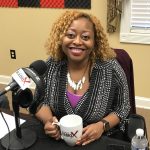
Gabrielle Mills, Sourced, and Becky Berry, Becky Berry Career Coaching

December 2, 2019 by John Ray

Becky Berry Coaching and Gabrielle Mills Sourced
North Fulton Business Radio
Gabrielle Mills, Sourced, and Becky Berry, Becky Berry Career Coaching
Loading
00:00 /
RSS Feed
Share
Link
Embed

Download file

Becky Berry Coaching and Gabrielle Mills Sourced
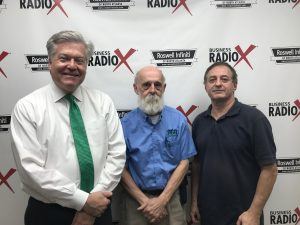
John Ray, Becky Berry, and Gabrielle Mills

North Fulton Business Radio, Episode 179: Gabrielle Mills, Sourced, and Becky Berry, Becky Berry Career Coaching

On this edition of “North Fulton Business Radio,” Gabrielle Mills of Sourced talked about her firm’s outsourced service offerings for small businesses, while Becky Berry of Becky Berry Career Coaching also joined the show to discuss how she helps individuals in their career journey. “North Fulton Business Radio” is hosted by John Ray and is broadcast from inside Renasant Bank in Alpharetta.

Gabrielle Mills, Sourced

Gabrielle Mills Sourced
Gabrielle Mills

Gabrielle Mills is co-owner of Sourced, which provides complete back office support for small businesses. Sourced solves two of the toughest problems for small business owners: lack of time and lack of resources. Their full-service, a la carte back office solution is designed to equip clients with customized support in the four most critical gaps within the back office operations: content marketing, bookkeeping, office assistance, and placement services. Their model allows small and medium business owners to have an entire multi-level team of support, all acutely focused on helping their clients achieve success, without overstretching their wallet.

Gabrielle’s mother, Chrissy, is her business partner. Prior to starting Sourced, Gabrielle spent five years working with the InterContinental Hotels Group in Brand Marketing Manager and other marketing positions.

To learn more, go to the Sourced website, email Gabrielle directly, or call 678-744-8877.

Becky Berry, Becky Berry Career Coaching

Becky Berry Coaching
Becky Berry

Becky Berry is owner of Becky Berry Career Coaching where she coaches women who are ready to own their careers and want to level it up at work. Her clients learn how to present their work, go after unexpected opportunities, and negotiate salaries that reflect their true value. After working with Becky, clients own their value and know how to sell that value to prospective employers. She has clients who’ve moved from earning $42,000 a year to earning $72,000 a year in one job change. Becky also works with executive women who lead teams and companies.

Becky formerly worked in Special Education for Fulton County Schools and served as Director of School Site Programs for the Star House Foundation.

To learn more go to the Becky Berry Career Coaching website, email Becky directly, or call 404-480-0849.

Becky Berry Coaching and Gabrielle Mills Sourced

North Fulton Business Radio” is broadcast from the North Fulton studio of Business RadioX®, located inside Renasant Bank in Alpharetta. Renasant Bank has humble roots, starting in 1904 as a $100,000 bank in a Lee County, Mississippi, bakery. Since then, Renasant has grown to become one of the Southeast’s strongest financial institutions with approximately $12.9 billion in assets and more than 190 banking, lending, wealth management and financial services offices in Mississippi, Alabama, Tennessee, Georgia and Florida. All of Renasant’s success stems from each of their banker’s commitment to investing in their communities as a way of better understanding the people they serve. At Renasant Bank, they understand you because they work and live alongside you every day.

Tagged With: content marketing, expert brander, Gabrielle Mills, Marketer, North Fulton Business Radio, North Fulton Studio, office administration support, outsourced accounting services, outsourced bookkeeping, outsourced marketing, outsourcing back office, Small Business Services, Sourced, women's career coach

To Your Health With Dr. Jim Morrow: Episode 21, Sexually Transmitted Infections

November 26, 2019 by John Ray

North Fulton Studio
North Fulton Studio
To Your Health With Dr. Jim Morrow: Episode 21, Sexually Transmitted Infections
Loading
00:00 /
RSS Feed
Share
Link
Embed

Download file

Dr. Jim Morrow

To Your Health With Dr. Jim Morrow:  Episode 21, Sexually Transmitted Infections

In this edition of “To Your Health with Dr. Jim Morrow,” Dr. Morrow discussed sexually transmitted infections, signs and symptoms, and how you should protect yourself. “To Your Health” is brought to you by Morrow Family Medicine, which brings the CARE  back to healthcare.

About Morrow Family Medicine and Dr. Jim Morrow

Morrow Family Medicine is an award-winning, state-of-the-art family practice with offices in Cumming and Milton, Georgia. The practice combines healthcare information technology with old-fashioned care to provide the type of care that many are in search of today. Two physicians, three physician assistants and two nurse practitioners are supported by a knowledgeable and friendly staff to make your visit to Morrow Family Medicine one that will remind you of the way healthcare should be.  At Morrow Family Medicine, we like to say we are “bringing the care back to healthcare!”  Morrow Family Medicine has been named the “Best of Forsyth” in Family Medicine in all five years of the award, is a three-time consecutive winner of the “Best of North Atlanta” by readers of Appen Media, and the 2019 winner of “Best of Life” in North Fulton County.

Dr. Jim Morrow, Morrow Family Medicine, and Host of “To Your Health With Dr. Jim Morrow”

Dr. Jim Morrow, Morrow Family Medicine, and Host of “To Your Health With Dr. Jim Morrow”

Dr. Jim Morrow is the founder and CEO of Morrow Family Medicine. He has been a trailblazer and evangelist in the area of healthcare information technology, was named Physician IT Leader of the Year by HIMSS, a HIMSS Davies Award Winner, the Cumming-Forsyth Chamber of Commerce Steve Bloom Award Winner as Entrepreneur of the Year and he received a Phoenix Award as Community Leader of the Year from the Metro Atlanta Chamber of Commerce.  He is married to Peggie Morrow and together they founded the Forsyth BYOT Benefit, a charity in Forsyth County to support students in need of technology and devices. They have two Goldendoodles, a gaggle of grandchildren and enjoy life on and around Lake Lanier.

Facebook: https://www.facebook.com/MorrowFamMed/

LinkedIn: https://www.linkedin.com/company/7788088/admin/

Twitter: https://twitter.com/toyourhealthMD

The complete show archive of “To Your Health with Dr. Jim Morrow” addresses a wide range of health and wellness topics, and can be found at www.toyourhealthradio.com.

Dr. Morrow’s Show Notes

What are sexually transmitted infections (STIs)?

  • Sexually transmitted infections (STIs) are infections you can get by having sex with someone who has an infection.
    • These infections are usually passed from person to person through vaginal intercourse.
    • They can also be passed through anal sex, oral sex, or skin-to-skin contact.
    • STIs can be caused by viruses or bacteria.
      • STIs caused by viruses include hepatitis B, herpes, HIV, and the human papilloma virus(HPV).
      • STIs caused by bacteria include chlamydia, gonorrhea, and syphilis.

How do I know if my partner has an STI?

    • Although it may be uncomfortable, talk to your partner before having any sexual contact.
    • Ask if he or she is at risk for having an STI.
    • Some of the risk factors are having sex with several partners, using injected drugs and having had an STI in the past.
    • To be safe, protect yourself no matter what the person says.
    • You must also tell your partner if you have an STI.
    • You aren’t doing yourself or your partner any favors by trying to hide it.

Symptoms of STIs

  • The most common symptoms of STIs include:
    • Itching around the vagina and/or discharge from the vagina for women.
    • Discharge from the penis for men.
    • Pain during sex or when urinating.

    • Pain in the pelvic area.
    • Sore throats in people who have oral sex.
    • Pain in or around the anus for people who have anal sex.
    • Chancre sores (painless red sores) on the genital area, anus, tongue, and/or throat.
    • A scaly rash on the palms of your hands and the soles of your feet.
    • Dark urine, loose, light-colored stools, and yellow eyes and skin.
    • Small blisters that turn into scabs on the genital area.
    • Swollen glands, fever, and body aches.
    • Unusual infections, unexplained fatigue, night sweats, and weight loss.
    • Soft, flesh-colored warts around the genital area.

What causes STIs?

  • If you’ve ever had sex, you may be at risk for having an STI.
  • Your risk is higher if you have had many sex partners, have had sex with someone who has had many partners, or have had sex without using condoms.

How are STIs diagnosed?

  • Most STIs can be diagnosed through an exam by your doctor, a culture of the secretions from your vagina or penis, or through a blood test.

Can STIs be prevented or avoided?

  • The only sure way to prevent STIs is by not having sex.
    • If you have sex, you can lower your risk of getting an STI by only having sex with someone who isn’t having sex with anyone else and who doesn’t have an STI.
    • You should always use condoms when having sex, including oral and anal sex.

Do condoms prevent STIs?

  • Male latex condoms can reduce your risk of getting an STI if used correctly.
    • Be sure to use them every time you have sex.
    • Female condoms aren’t as effective as male condoms.
    • However, you should use them when a man won’t use a male condom.
  • Remember, though, that condoms aren’t 100% safe.
    • They can’t protect you from coming into contact with some sores (such as those that can occur with herpes) or warts (which can be caused by HPV infection).

What else should I do to prevent STIs?

  • Limit the number of sex partners you have.
    • Ask your partner if he or she has, or has had, an STI.
    • Tell your partner if you have had one.
    • Talk about whether you’ve both been tested for STIs and whether you should be tested.
    • Look for signs of an STI in your sex partner.
    • But remember that STIs don’t always cause symptoms.
    • Don’t have sex if you or your partner are being treated for an STI.
    • Wash your genitals with soap and water and urinate soon after you have sex.
    • This may help clean away some germs before they have a chance to infect you.

Should I use a spermicide to help prevent STIs?

    • It was once thought that spermicides with nonoxynol-9 could help prevent STIs much like they help prevent pregnancy — by damaging the organisms that cause the diseases.
    • New research has shown that nonoxynol-9 can irritate a woman’s vagina and cervix, actually increasing the risk of STI infection.
    • Be sure to check the ingredients of any other sex-related products you own, such as lubricants and condoms.
      • Some brands of these products may have nonoxynol-9 added to them.
      • If you are unsure if your spermicide or any other product contains nonoxynol-9, ask your doctor before using it.

STI treatment

  • STIs that are caused by bacteria (such as chlamydia) can be cured with antibiotics.
    • But STIs caused by a virus (such as HIV or herpes) can’t be cured.
    • Your doctor can only treat the symptoms that the virus causes.
  • Don’t wait to be treated.
    • Early treatment helps prevent serious health problems.
    • Even if medicine can’t completely cure the STI, it can help keep you from getting really sick.
    • If you are given medicine for an STI, take it exactly as the doctor says.

Types of STIs

Chlamydia

  • What is it: 
    • Chlamydia is a bacterial infection that is easily cured.
    • Left untreated it can cause infertility in women.
  • Symptoms:
    • Women may have pain when urinating, itching around the vagina, yellow fluid (discharge) from the vagina, bleeding between periods, or pain in the lower abdomen.
    • Men may have a burning sensation when urinating and a milky colored discharge from the penis.
    • It can also cause painful swelling of the scrotum in men.
  • Treatment:
    • Both partners should be treated.

Gonorrhea

  • What is it: 
    • Gonorrhea is a bacterial infection.
    • Left untreated, it can cause serious health problems.
    • But it is easily cured.
  • Symptoms:
    • Women may have white, green, yellow or bloody discharge from the vagina, pain when urinating, bleeding between periods, heavy bleeding during a period, or a fever.
    • Both women and men can get sore throats if they’ve had oral contact with an infected person.
    • Men may have thick, yellow discharge from the penis and pain when urinating.

    • The opening of the penis may be sore.
    • Gonorrhea can cause serious complications if it’s not treated.
  • Treatment:
    • Both partners should be treated.

Herpes

  • What is it: 
    • Herpes is a viral infection that causes painful sores in the genital area.
    • It is spread through skin-to-skin contact.
    • Once you are infected, you have the virus for the rest of your life.
  • Symptoms:
    • Women and men may have tingling, pain, or itching around the vagina or penis.
    • They also may develop oral lesions (blisters) through sexual contact.
    • Small blisters can form in these areas and then break open. When they break open, the sores can cause a burning feeling.

    • It may hurt to urinate. Some people have swollen glands, fever, and body aches.
    • The sores and other symptoms go away, but this does not mean that the virus is gone.
    • The sores and blisters can come back periodically.
    • This is called an “outbreak.”
  • Treatment:
    • Medicine can treat symptoms but can’t cure herpes.
    • If one partner is infected, the other should by checked by a doctor.

HIV/AIDS

  • What is it: 
    • HIV (human immunodeficiency virus) is the virus that causes AIDS (acquired immunodeficiency syndrome).
    • HIV attacks the body’s immune system, making you more likely to get sick from other viruses or bacteria.
  • Symptoms:
    • HIV makes the body’s immune system weak so it can’t fight disease.
    • Symptoms may take years to develop.
      • When symptoms do appear, they can include swollen lymph nodes, diarrhea, fever, cough, shortness of breath, or unexplained weight loss.
      • Symptoms are often similar to those of other illnesses, such as the flu.
    • Treatment:
      • Medicines can treat symptoms but can’t cure HIV or AIDS.
      • If one partner is infected, the other should be checked by a doctor.

HPV/Genital Warts

  • What is it: 
    • HPV (human papillomavirus) is a family of more than 100 types of viruses.
    • Some don’t cause any symptoms.
    • Some types cause genital warts.
    • More aggressive types can cause cancer.
  • Symptoms:
    • HPV can cause warts in or around the vagina, penis, or rectum. In women, the warts can be on the cervix or in the vagina where you can’t see them.
    • Or they may be on the outside of the body, but may be too small to see.
    • The warts can be small or large, flat or raised.
    • They can appear singly or in groups.
    • They usually don’t hurt.
    • Most types of HPV, including those that cause cancer, do not have any symptoms.
  • Treatment:
    • No medicine cures HPV.
    • A doctor can remove external warts.
    • Warts on the cervix or in the vagina can cause changes that may lead to cervical cancer.
    • Doctors will watch for these changes.
    • If one partner is infected with HPV, the other should be checked by a doctor.
  • Some types of HPV can be prevented, including those that cause cancer.
  • There is a vaccine that can prevent some types of HPV in young men and women.
  • The Centers for Disease Control and Prevention (CDC) recommends that girls and boys between the ages of 11 and 12 receive the vaccine, before they become sexually active.
  • The vaccine is approved for men and women between the ages of 9 years and 26 years.

Syphilis

  • What is it: 
    • Syphilis is a serious bacterial infection that causes sores in the genital area.
    • It is passed by touching the blood or sores of an infected person.
  • Symptoms:
    • An early symptom is a red, painless sore, called a chancre.
    • The sore can be on the penis, vagina, rectum, tongue, or throat.
    • The glands near the sore may be swollen.
    • Without treatment, the infection can spread into your blood.
    • Then you may experience a fever, sore throat, headache, or pain in your joints.
    • Another symptom is a scaly rash on the palms of the hands or the bottom of the feet.
    • The sores and other symptoms go away, but this does not mean that the infection is gone.
    • It could come back many years later and cause problems in the brain and spinal cord, heart, or other organs.
  • Treatment:
    • Syphilis can cause serious health problems if it’s not treated.
    • Antibiotics should be taken as early as possible after infection.
    • If one partner is infected, the other should be tested.

STDs in Women and Infants

  • Complications of sexually transmitted infections disproportionately affect women of all ages, with important implications for women of reproductive age.
    • Undiagnosed and untreated STDs can lead to pelvic inflammatory disease (PID), ectopic pregnancy, as well as adverse fetal and neonatal outcomes.
    • STD-related morbidity disproportionately occurs in women for a number of reasons.
      • Women are biologically more susceptible than men to the acquisition of some STDs and more likely to suffer from complications.
    • It is also important to note that STDs are often asymptomatic in women, delaying diagnosis and treatment until there is a symptomatic complication.
    • A woman can also be placed at risk for STDs through her partner’s sexual encounter with an infected partner. Consequently, even a female who has only one partner may be obliged to practice safer sex, such as using condoms.

Impact on Women and Fertility

  • Human papillomavirus (HPV) is a common sexually transmitted infection in the United States.
    • Although most HPV infections in women appear to be transient and may not result in clinically significant sequelae, high-risk HPV-type infections can cause abnormal changes in the uterine cervical epithelium, which are detected by cytological examination of Pap smears.
    • Persistent high-risk HPV-type infections may lead to cervical cancer precursors, which if undetected can result in cancer, and excisional treatment of cervical lesions can increase risk for future preterm delivery.
    • Other low-risk HPV-type infections can cause genital warts, low-grade Pap smear abnormalities, laryngeal papillomas, and, rarely, recurrent respiratory papillomatosis in children born to infected mothers.
  • Starting in 2006, HPV vaccines have been recommended for routine use in United States females aged 11–12 years, with catch-up vaccination through age 26.
    • HPV vaccination also has been recommended for routine use in males since 2011.
    • In October 2018, the Food and Drug Administration (FDA) extended licensing approval of the vaccine for women and men aged 27–45 years, and in June 2019 the CDC’s Advisory Committee on Immunization Practices (ACIP) recommended that unvaccinated adults aged 27–45 years discuss receiving the HPV vaccine with their health care providers.

Things to consider

  • It’s common to feel guilty or ashamed when you are diagnosed with an STI.
    • You may feel that someone you thought you could trust has hurt you. You may feel sad or upset.
    • Talk to your family doctor about how you’re feeling.

    • In many cases, the STI can be cured.

  • Remember that you can take steps to prevent getting an STI.
    • The only sure way to prevent them is by not having sex.
    • But if you do have sex, you can lower your risk.
  • Limit your number of sex partners.
  • Avoid sex with people who have had many sex partners.
  • Use condoms consistently and correctly.
  • Ask your partner if he or she has, or has had, an STI.
    • Tell your partner if you have had one.
    • Talk about whether you’ve both been tested for STIs and whether you should be tested.
  • Look for signs of an STI in your sex partner.
    • But remember that STIs don’t always cause symptoms.
    • Don’t have sex if you or your partner are being treated for an STI.
  • Wash your genitals with soap and water and urinate soon after you have sex.
    • This may help clean away some germs before they have a chance to infect you.

Information courtesy of FamilyDoctor.org

Tagged With: Cumming doctor, Cumming family care, Cumming family doctor, Cumming family medicine, Cumming family physician, Cumming family practice, Cumming md, Cumming physician, Dr. Jim Morrow, genital warts, gonorrhea, Hepatitis, Hepatitis B, Herpes, HIV, HIV/AIDS, HPV, human papillomavirus, latex condoms, Milton doctor, Milton family care, Milton family doctor, Milton family medicine, Milton family physician, Milton family practice, Milton md, Milton physician, Morrow Family Medicine, North Fulton Business Radio, North Fulton Radio, pelvic inflammatory disease, pelvic pain, sexually transmitted diseases, sexually transmitted infections, spermicides, STDs, STI, STI symptoms, syphilis, To Your Health

Scott Siegel, Beacon Sales Advisors

November 26, 2019 by John Ray

Beacon Sales Advisors
North Fulton Business Radio
Scott Siegel, Beacon Sales Advisors
Loading
00:00 /
RSS Feed
Share
Link
Embed

Download file

Beacon Sales Advisors
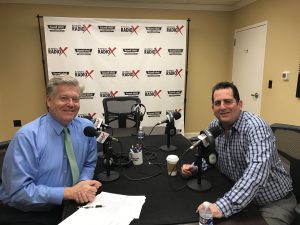
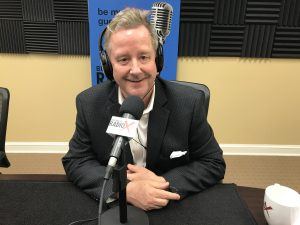
John Ray and Scott Siegel

North Fulton Business Radio, Episode 178:  Scott Siegel, Beacon Sales Advisors

Outsourced, fractional sales and sales management is discussed on this edition of “North Fulton Business Radio” as Scott Siegel, Beacon Sales Advisors, joined the show. “North Fulton Business Radio” is hosted by John Ray and is broadcast from inside Renasant Bank in Alpharetta.

Scott Siegel, Beacon Sales Advisors

Scott Siegel

Scott Siegel is the founder of Beacon Sales Advisors. He is an outsourced, fractional Vice President of Sales, who focuses on helping small and mid-size companies optimize their sales strategy, process, and execution. Scott helps companies with hiring and developing the sales force, transforming company sales culture, implementing new sales processes and procedures, and instilling best practices. He focuses not only at the strategic level but also at the tactical level; all to help companies achieve record-breaking sales.

Scott earned his bachelor’s from West Virginia Wesleyan and an MBA from the University of New Haven. He started his career with Frito-Lay and worked for Welch’s, Keurig Green Mountain and good2grow leading sales organizations ranging from $25 million to $3 billion. Scott’s held broad cross-functional leadership roles in national sales, field sales, operations, marketing and corporate strategy.
To learn more, go to the Beacon Sales Advisors website, email Scott, or call directly: 978-881-4069.

North Fulton Business Radio” is broadcast from the North Fulton studio of Business RadioX®, located inside Renasant Bank in Alpharetta. Renasant Bank has humble roots, starting in 1904 as a $100,000 bank in a Lee County, Mississippi, bakery. Since then, Renasant has grown to become one of the Southeast’s strongest financial institutions with approximately $13 billion in assets and more than 190 banking, lending, wealth management and financial services offices in Mississippi, Alabama, Tennessee, Georgia and Florida. All of Renasant’s success stems from each of their banker’s commitment to investing in their communities as a way of better understanding the people they serve. At Renasant Bank, they understand you because they work and live alongside you every day.

Tagged With: crm software, CRM system, North Fulton Business Radio, North Fulton Studio, outsourced fractional sales, Outsourced Sales, Sales, sales consultant, sales consultant company, sales expertise, sales management, sales processes, sales strategy, Scott Siegel, small to midsize businesses

Alpharetta Tech Talk: Tracey Grace, IBEX IT Business Experts

November 25, 2019 by John Ray

IBEX IT Business Experts
Alpharetta Tech Talk
Alpharetta Tech Talk: Tracey Grace, IBEX IT Business Experts
Loading
00:00 /
RSS Feed
Share
Link
Embed

Download file

Tracey Grace IBEX IT Business Experts
John Ray and Tracey Grace

“Alpharetta Tech Talk,” Episode 4:  Tracey Grace, IBEX IT Business Experts

Tracey Grace’s company, IBEX IT Business Experts, has been on the Inc. 5000 list of fastest growth companies for two years running. Tracey joins “Alpharetta Tech Talk” to talk about her company’s journey, working with federal government and healthcare clients, and their newly developed diversity supplier software system. “Alpharetta Tech Talk” is hosted by John Ray and broadcast from the North Fulton Business RadioX® studio inside Renasant Bank in Alpharetta.

Tracey Grace, IBEX IT Business Experts

Tracey Grace IBEX IT Business Experts
Tracey Grace

Tracey Grace is the Founder, President and CEO of IBEX IT Business Experts (IBEX) based in Sandy Springs, Georgia, and is a sought-after public speaker on Information Technology, Women in IT and diversity initiatives. She is originally from Morristown, New Jersey and attended the University of Pittsburgh where she received both her Bachelor’s in Economics and Master of Business Administration in Marketing. After a successful career in corporate America working for IT and consulting companies, Tracey started her own IT Services Firm with just one hospital system account.  In less than 8 years Tracey and Team IBEX has been nominated for and received numerous awards ranging from “Small Business Person of Excellence” from the Greater North Fulton (GA) Chamber of Commerce and the “On the Rise Contractor of the Year” National Award from American Express. In 2017, Tracey won the GMSDC “Eagle Award” for her commitment to Supplier Diversity, and an award in the Capital One Catapult Competition for the development of a Supplier Diversity Vendor Management System called “Certifiably Diverse” currently being utilized at the University of Pittsburgh Medical Center.  Forbes Magazine took notice and published an article in August of 2019;  Tracey Grace:  The Tech Sector needs more Women and Minorities.   In 2019, Owens & Minor, a Fortune 500 Company awarded Team IBEX the Earl G. Reubel Award for Diverse Enterprise of the Year and the Greater Women’s Business Council (GWBC) awarded Team IBEX with the LACE (Ladies Achieving Continuous Excellence) Trailblazer Award in Category III.

Tracey has been nominated to participate in leadership and diversity mentoring programs including the 2018 Goldman Sachs 10K Small Businesses program, and the Georgia Mentor Protégé Connection. Under her leadership in 2019, IBEX was named the 806th fastest growing privately-owned companies in America by Inc. 5000 and #50 in Georgia, after having placed #1897 in 2018. She regularly speaks to corporations large and small about utilizing minority suppliers and vendors in the procurement and purchasing process.

Today, IBEX has grown to 100 employees and is a Multi-Million Dollar IT Service & Support, Management Consulting, and Training Firm executing contracts for Healthcare, Military and Federal Government Agencies, Fortune 500 Companies and Educational Institutions.  The company is a proud Woman and Minority-owned firm, certified by the Small Business Administration, the National Minority Supplier Development Council, the Women’s Business Enterprise National Council, and the SBA 8(a) Business Development Program.

IBEX works with healthcare and government agencies including the US Army,  US Air Force, Defense Health Agency, National Aeronautics and Space Administration (NASA), Transportation Security Administration (TSA), General Services Administration (GSA), Centers for Disease Control (CDC), and Defense Threat Reduction Agency (DTRA). Corporate clients include:  The University of Pittsburgh Medical Center (UPMC), Tenet Healthcare, Cox Communications and Fulton County Schools.

Tracey and her husband Gary reside in Johns Creek, GA where they raised their family of 5 with only 1 left in college.  They spend their free time playing golf and tennis and serving on various boards focused on Adult Literacy and Advanced Degrees and Scholarship opportunities for Minority Students.

For more information on IBEX IT Business Experts, and in particular on their ITIL certification training, go to their website or call 678-752-7542.

IBEX IT Business Experts

“Alpharetta Tech Talk” is broadcast from the North Fulton studio of Business RadioX®, located inside Renasant Bank in Alpharetta. Renasant Bank has humble roots, starting in 1904 as a $100,000 bank in a Lee County, Mississippi, bakery. Since then, Renasant has grown to become one of the Southeast’s strongest financial institutions with approximately $12.9 billion in assets and more than 190 banking, lending, wealth management and financial services offices in Mississippi, Alabama, Tennessee, Georgia and Florida. All of Renasant’s success stems from each of their banker’s commitment to investing in their communities as a way of better understanding the people they serve. At Renasant Bank, they understand you because they work and live alongside you.

Tagged With: diversity suppliers, GA 400 technology, Greater Women's Business Council, healthcare information technology, Healthcare IT Services, hospital systems, IBEX IT, IBEX IT Business Experts, it services, IT training, ITIL, ITIL certification, management consulting, North Fulton technology, process improvement training, supplier diversity, supplier diversity council, Tech Alpharetta, Tech in Alpharetta, tech talk, technology GA 400, technology in Alpharetta, technology in Johns Creek, technology in North Fulton, Tracey Grace, Version 4 ITIL certification, Women In Technology, women in technology atlanta

ATL Developments with Geoff Smith: Frank Norton, Jr., The Norton Agency

November 21, 2019 by John Ray

Frank Norton Jr.
North Fulton Business Radio
ATL Developments with Geoff Smith: Frank Norton, Jr., The Norton Agency
Loading
00:00 /
RSS Feed
Share
Link
Embed

Download file

Frank Norton Jr.
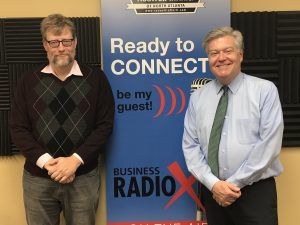
Geoff Smith and Frank Norton, Jr.

ATL Developments with Geoff Smith:  An Interview with Frank Norton, Jr., The Norton Agency

Host Geoff Smith speaks with Frank Norton Jr., Chairman and CEO of The Norton Agency, on the growth dynamics of Metro Atlanta and the North Georgia regions.

Frank Norton, Jr., The Norton Agency

Frank Norton Jr.
Frank Norton, Jr.

Frank Norton, Jr. is the Chairman and CEO of The Norton Agency. In 1986, Frank Norton Jr., joined the Norton Agency to direct the Commercial and Residential Real Estate Divisions of the Agency. His expertise, combined with his energy and creative imagination, has thrust the company forward at a faster pace. He was elected President of the firm by the Board of Directors in 1997 and Chairman in 2004.

The Norton Commercial and Acreage Group provides clients extensive resources and services associated with the purchase or sale of commercial property and large acreage tracts for development. Investment counseling, corporate relocation, in-depth development services, territory market analysis and an unparalleled customer base give clients confidence as they invest in the community.

In the field of commercial real estate, The Norton Agency’s professionalism, service and knowledge are unmatched. Investors and corporations have a wide range of real estate needs. The Norton Agency specializes in site selection for restaurants, industrial parks, retail centers, neighborhoods, resorts, multi-family and single family developments. In addition, The Norton Agency offers brokerage services for industrial sites and buildings and industrial park development.

The Norton Agency’s Commercial and Acreage Division is designed with the brokerage needs of the investor in mind. Eighty-five years of experience and unique resources unite to form the area’s most comprehensive brokerage service.

Since 1986, Frank has collected and interpreted community market research data through Norton Native Intelligence™ , and has developed consulting and strategic planning services for the firm. Norton Native Intelligence™ is a unique and powerful tool employed by Norton to power their client’s purchases, investments and portfolio strategies. This 30 year statistical database is sought out by relocating businesses, investors and developers alike. The material is modeled to strategically position banking, medical, retail, residential and industrial development and to provide a deeper understanding of ever-changing market dynamics.

Clients as diverse as Hall County School System, Valentine Farms, Northeast Georgia Medical Center, United Community Bank, Wendy’s, Walmart and Publix use the ever changing stream of data to secure strategic opportunities and better anticipate future growth directions.

Geoff Smith, Host of “ATL Developments with Geoff Smith”

Geoff Smith, Host of “ATL Developments with Geoff Smith”

“ATL Developments with Geoff Smith” covers all things economic development in the Atlanta Metro area. From everything inside the Beltline to Avalon and beyond, Geoff Smith interviews the movers and shakers making the ATL one of the best places to live, work and play. An archive of past episodes can be found here.

Geoff Smith is a mortgage banker with Assurance Financial working with Real Estate agents and homebuyers to help them get happily to their closing table. Geoff is an authority on the latest economic development trends shaping the Atlanta Metro area. His interviews reveal an inside perspective at how things get done in the ATL.

Geoff is an active member of his community serving on the Board of Directors of the Greater North Fulton Chamber of Commerce, as well as holding the position of chairman for the Chamber’s Education Committee. He is also Secretary of the Roswell Youth Baseball Association and coaches his sons in football, baseball and basketball. Geoff enjoys golf, camping and traveling with his wife and two sons. He is a graduate of the University of Georgia.

“ATL Developments with Geoff Smith” is broadcast from the North Fulton studio of Business RadioX®, located inside Renasant Bank in Alpharetta. Renasant Bank has humble roots, starting in 1904 as a $100,000 bank in a Lee County, Mississippi, bakery. Since then, Renasant has grown to become one of the Southeast’s strongest financial institutions with approximately $12.9 billion in assets and more than 190 banking, lending, wealth management and financial services offices in Mississippi, Alabama, Tennessee, Georgia and Florida. All of Renasant’s success stems from each of their banker’s commitment to investing in their communities as a way of better understanding the people they serve. At Renasant Bank, they understand you because they work and live alongside you every day.

Tagged With: corporate housing, corporate relocation, Forsyth County, Frank Norton, GA 400, Ga. 400 corridor, Gainesville, Geoff Smith, growth in Metro Atlanta, gwinnett county, Hall County, hall county real estate, housing affordability, housing inventory, internet deserts, Metro Atlanta, Metro Atlanta growth, North Georgia, North Georgia real estate, The Norton Agency

Decision Vision Episode 41: Should I Sell My Company to an ESOP? – An Interview with Andre Schnabl, Tenor Capital Partners

November 21, 2019 by John Ray

Decision Vision
Decision Vision
Decision Vision Episode 41: Should I Sell My Company to an ESOP? - An Interview with Andre Schnabl, Tenor Capital Partners
Loading
00:00 /
RSS Feed
Share
Link
Embed

Download file

should I sell my company to an esop
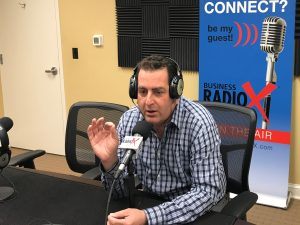
Mike Blake and Andre Schnabl

Decision Vision Episode 41: Should I Sell My Company to an ESOP? – An Interview with Andre Schnabl, Tenor Capital Partners

Is selling my business to employees through an ESOP advisable? What kind of businesses are the best candidates to sell to an ESOP? In this edition of “Decision Vision,” host Mike Blake discusses this question with Andre Schnabl, Tenor Capital Partners. “Decision Vision” is presented by Brady Ware & Company.

Andre Schnabl, Tenor Capital Partners

Andre Schnabl

Tenor Capital Partners is financial advisory firm focused exclusively on the design and installation of Employee Stock Ownership Plans (ESOPs). These transactions use employee ownership as a platform for business owners to realize the value of their businesses through the sale to an ESOP.

Andre Schnabl is a managing partner of TCP and leads the firm’s debt placement practice. Prior to joining TCP, Andre retired as Managing Partner of the Atlanta office of Grant Thornton LLP in 2012. Prior to his retirement he held a variety of positions within the firm in the firm’s offices in Zimbabwe, Montreal, Canada and Atlanta. During his career, he has consulted with mid market companies on a variety of matters, including mergers and acquisitions, debt and equity financings including public offerings. Since joining Tenor in 2013, Andre has been advising companies and shareholders in business succession using ESOP’s, including shareholder advocacy, structuring and leading the financing raises. Andre has a Bachelor of Science degree in Chemistry and Geology from the University of London and is a CPA. He serves on a number of corporate and not-for-profit boards.

For more information, visit the Tenor Capital Partners website or call Andre directly at 404-372-2759.

Michael Blake, Brady Ware & Company

Mike Blake, Host of “Decision Vision”

Michael Blake is Host of the “Decision Vision” podcast series and a Director of Brady Ware & Company. Mike specializes in the valuation of intellectual property-driven firms, such as software firms, aerospace firms and professional services firms, most frequently in the capacity as a transaction advisor, helping clients obtain great outcomes from complex transaction opportunities. He is also a specialist in the appraisal of intellectual properties as stand-alone assets, such as software, trade secrets, and patents.

Mike has been a full-time business appraiser for 13 years with public accounting firms, boutique business appraisal firms, and an owner of his own firm. Prior to that, he spent 8 years in venture capital and investment banking, including transactions in the U.S., Israel, Russia, Ukraine, and Belarus.

Brady Ware & Company

Brady Ware & Company is a regional full-service accounting and advisory firm which helps businesses and entrepreneurs make visions a reality. Brady Ware services clients nationally from its offices in Alpharetta, GA; Columbus and Dayton, OH; and Richmond, IN. The firm is growth minded, committed to the regions in which they operate, and most importantly, they make significant investments in their people and service offerings to meet the changing financial needs of those they are privileged to serve. The firm is dedicated to providing results that make a difference for its clients.

Decision Vision Podcast Series

“Decision Vision” is a podcast covering topics and issues facing small business owners and connecting them with solutions from leading experts. This series is presented by Brady Ware & Company. If you are a decision maker for a small business, we’d love to hear from you. Contact us at decisionvision@bradyware.com and make sure to listen to every Thursday to the “Decision Vision” podcast. Past episodes of “Decision Vision” can be found here. “Decision Vision” is produced and broadcast by the North Fulton studio of Business RadioX®.

Visit Brady Ware & Company on social media:

LinkedIn:  https://www.linkedin.com/company/brady-ware/

Facebook: https://www.facebook.com/bradywareCPAs/

Twitter: https://twitter.com/BradyWare

Instagram: https://www.instagram.com/bradywarecompany/

Show Transcript

Intro: [00:00:02] Welcome to Decision Vision, a podcast series focusing on critical business decisions brought to you by Brady Ware & Company. Brady Ware is a regional full-service accounting and advisory firm that helps businesses and entrepreneurs make visions a reality.

Michael Blake: [00:00:20] And welcome to Decision Vision, a podcast giving you, the listener, a clear vision to make great decisions. In each episode, we discuss the process of decision making on a different topic, rather than making recommendations because everyone’s circumstances are different. We talk to subject matter experts about how they would recommend thinking about that decision. My name is Mike Blake and I’m your host for today’s program. I’m a director at Brady Ware & Company, a full-service accounting firm based in Dayton, Ohio, with offices in Dayton, Columbus, Ohio; Richmond, Indiana; and Alpharetta, Georgia, which is where we are recording today.

Michael Blake: [00:00:53] Brady Ware is sponsoring this podcast. If you like this podcast, please subscribe on your favorite podcast aggregator and please also consider leaving a review of the podcast as well. Our topic today is, should I consider an ESOP? An ESOP is an acronym for employee stock ownership program. And, you know, this is a topic that sort of comes and goes. You kind of see waves of ESOP’s popularity in the marketplace. And I don’t frankly know for it a crust or a nadir of waves right now.

Michael Blake: [00:01:31] But what I do know is that ESOPs are interesting. They are complicated. They can be accompanied by some risk, but I also am convinced, in certain circumstances, they are, flat out, the best way for an owner to exit their business. There are tax advantages to doing so. In some cases, the ESOP is in a position to pay more for a business than any other buyer. And also, there are business owners out there who have an interest in giving their employees an opportunity to share in the wealth that the business has created will generate.

Michael Blake: [00:02:18] And that may be in the ongoing role of the owner or even after the owner sort of drops off the keys and retires some place to Costa Rica. And, you know, I don’t know if this is still true, there’s not tricks have emerged since, but for a long time, I think the largest ESOP in United States was United Airlines. And for a long time, they are an employee-owned company, merged I think with Continental. I can’t keep track now. They’re just all, in the United States, making airlines anyway.

Michael Blake: [00:02:55] But, you know, it’s probably a topic that at least some of you have had arise either as a business owner or an advisory capacity. And once you start getting into regulations, the mechanics, it can be dizzying. And I am far from being an expert on this, as I am with just about every topic that we bring on the program, which is why we do the program. And so, instead of my trying to fumble my way through it, I have brought on my friend and colleague, Andre Schnabl, who is a principal and managing partner of Tenor Capital Partners, a financial advisory firm that is focused exclusively on the design installation of employee stock ownership plans.

Michael Blake: [00:03:38] Prior to joining TCP, Andre retired as managing partner of the Atlanta office of Grant Thornton in 2012. And we’ve known each other long before then. We were sort of friendly quasi-competitors. Prior to his retirement, he held a variety of positions within the firm and the firm’s offices in Zimbabwe, Montreal, Canada, and Atlanta. During his career, he has consulted with mid-market companies in a variety of matters including mergers and acquisitions, debt and equity financings, including public offerings.

Michael Blake: [00:04:10] Since joining Tenor in 2013, again, a very busy retired guy, Andre had been advising companies and shareholders in business succession using ESOPs, including shareholder advocacy, structuring, and even the financing raises. Andre is a bachelor of science in chemistry and geology from the University of London and is a CPA. I did not know that you’re a scientist. He serves on a number of corporate and not for profit boards. He has the passionate belief that the advancement of women into leadership positions is not only the right thing to do, but also a business paradigm. I strongly agree with that.

Michael Blake: [00:04:44] He partnered with Women in Technology to help create the Women of the Year Technology Awards that began 17 years ago. For those of you who are not in Atlanta, that is a big deal. I think it is one of the two or three most important awards ceremonies on the Atlanta tech sector calendar. And I did not know that you helped start that, so good for you. And thank you for doing that. Andre continues his unwavering support for diversity and has been a frequent guest speaker for corporations and associations on the critical importance of diversity within leadership ranks. Women in Technology recognized Andre’s contributions in this regard with their legacy award. Andre, thanks for coming on the program.

Andre Schnabl: [00:05:22] Thank you, Mike.

Michael Blake: [00:05:24] So, let’s start with very basic—this first question I ask in almost every interview, it’s probably the most important interview for which I’m asking this question so we can set the vocabulary. What is an ESOP?

Andre Schnabl: [00:05:37] The acronym literally means employee stock ownership plan. I would like to say that the acronym unfortunately connotes a number of different things for different people. And to some extent, maybe it’s the press that it’s received has been unfortunate. What an ESOP essentially does, it creates a platform for employee ownership. So, this is a mechanism by which a shareholder, a founder, somebody who basically has built a business, it’s time for them to consider a variety of options on how to exit. They can either take it public. They can sell to a competitor. They can sell to a supplier and/or other strategic buyer or they can sell to a financial buyer, such as private equity. They seldom think about this other potential exit strategy, which is selling to an ESOP. And therein I guess is the basis of this conversation.

Michael Blake: [00:06:44] I’m glad you brought that up because in my line of work dealing with many companies, I hear people use the term ESOP in connection with stock options, right? And they’re calling it employee stock option program. And it’s descriptive but factually incorrect, right? So, it’s important because those two things are about as different. In fact, later today, we’re recording a podcast on stock option programs, but that’s not what we’re talking today. So, we’re selling to an ESOP. When we say selling to an ESOP, I mean, what exactly is ESOP? I mean, we talked about, you said that it is a vehicle for employees to own a company or a portion of a company. Can you expand upon that in terms of what the mechanics of an ESOP actually are?

Andre Schnabl: [00:07:34] Yes. Basically, what happens is one creates a trust, an employee stock ownership trust, and you sell all of the shares of the business from the selling shareholders or a portion of the shares to that trust. Can be anything from 1 percent to 100 percent into the trust for the benefit of all of the employees. And so, over time, the trust releases those shares into employee accounts. A little bit like a company’s match on a 401(k) plan. And by releasing those shares into employee accounts, over the years, those employees enjoy the benefit of the equity appreciation of the company.

Andre Schnabl: [00:08:27] And on their retirement, they can essentially sell back those shares at fair market value and have created value for themselves. And on the sell side, here is a way for selling shareholders to sell their shares at full value. They’re not leaving anything on the table or be it that they are doing something wonderful for their employees, they’re going to get full value. And they get paid out over time and the employees ultimately get ownership over time.

Michael Blake: [00:08:59] And the thing that strikes me over the head about an ESOP, one of the things that makes it so unique, is the fact that, in effect, you create your own buyer, when you think about it, right? And that just struck me. When you say you create a trust, you are, in effect, creating a vehicle that is going to be the buyer of your own company.

Andre Schnabl: [00:09:23] That is-

Michael Blake: [00:09:23] I cannot think of any other scenario in which that exists.

Andre Schnabl: [00:09:26] Well, you’re absolutely right. And let’s just think about this. I cannot tell you how many times we get a knock on the door and get brought into a potential ESOP opportunity because the potential selling shareholders have been let down or disappointed or left at the altar by a third-party buyer. There is enormous transactional risk when you start talking to a third party about buying your company. You have risk about whether it’ll ever close. You have risk that the original promise of price is actually met. You have a lot of warranties and reps and escrow.

Michael Blake: [00:10:12] In fact, the price probably won’t be met.

Andre Schnabl: [00:10:14] I was-

Michael Blake: [00:10:14] If we’re really honest about it, chances are that LOI price ain’t going to get paid.

Andre Schnabl: [00:10:18] That is exactly correct. In a case where you’ve created your own buyer, nothing in the business from an operational standpoint changes, whatsoever. So, employees don’t get unsettled that anything negative is to happen and you know the deal terms before you pull the trigger. So, there is no transaction risk. There’s no integration risk. It’s not as if a third party now has to integrate the buy, the business that they’ve just bought into their own business. And as a result, the trustee is prepared to pay total and full value in spite of the fact that the employees get a wonderful benefit over time.

Michael Blake: [00:11:02] And, you know, that last part, I don’t know how relevant it is to the podcast but it does bear highlighting. And that one of the greatest gifts that you can give I think anybody is a functioning operating viable business, right? And I say that I do a lot of work with succession planning and I strongly encourage people, whatever they can, if they have a business that they can keep it in the family to do so and maybe that’ll be a—and we’ve had a topic on succession planning.

Michael Blake: [00:11:38] But anyway, you know, giving that same thing to employees, especially in a time where retirement is very uncertain, right? Depending on your ideology, you may or may not think that Social Security and Medicaid/Medicare are going to be out there in 30 years. I’m not going to go down that rabbit hole. But one thing we do know for certain is that most of us are going to live longer than we ever thought we would, right? And one of the best hedges against that is ownership of a viable going concern.

Andre Schnabl: [00:12:14] Absolutely correct. And in addition to having ownership in a viable concern, there is significant empirical research that supports the fact that employee ownership, as opposed to selling to a third party and in particular, selling to private equity, will in fact create a business that outperforms a business owned by private equity. Productivity, employment, wage rates all move in the wrong direction when purchased by private equity. And I don’t want to be disparaging about private equity. There is a wonderful place in our macroeconomic equation-

Michael Blake: [00:13:02] Sure.

Andre Schnabl: [00:13:02] … for private equity and capital formation. But one of the negatives is that private equity, in order to enhance returns, do things, sometimes, that are very much negative for the performance of that business and the experience of employees.

Michael Blake: [00:13:20] You know, it brings up an interesting point. I’m going to take a little sidebar here. One of the things I’ve been studying a lot is business holding periods and one of the things I’m learning is that basically, the longer you hold on to a business, the better it performs. In fact, there’s data suggest that at a 20-year threshold, the average stock has less risk than the typical bond over the same period. And that’s St. Louis Fed data. And the thing that has struck me about private equity, and this is where this is relevant to the ESOP, is that private equity has a structural problem and that it has a countdown, right? Private equity must sell in some period of time. Very few private equity funds have more than a 10-year vintage.

Michael Blake: [00:14:12] You’re starting to see some 20-year, but those are very much kind of unicorns, which means that depending at what point in the firms, the PE fund’s life cycle the company’s been bought, the holding period may be somewhere between three to seven years. And that creates distortions, as opposed to an ESOP, which is definitionally a long-term owner, a buy and hold structure. If you accept my premise that the time horizon is meaningful to the business outcome, by definition then, the ESOP is structured to build that better outcome not because they’re better, smarter, more noble better motivated, but simply because they have more time.

Andre Schnabl: [00:14:57] Well, I wonder if I could provide a specific data point-.

Michael Blake: [00:15:02] Please.

Andre Schnabl: [00:15:02] … that takes that broad conceptual observation and brings it down to earth. We happen to be in a bank building. I have done about 10 transactions with this bank. This bank has provided the senior debt on a leveraged ESOP transaction. I don’t know the total number of millions of dollars that those 10 transactions aggregate. But the lead ESOP lender for this bank gave me an interesting statistic a few months ago. If you can consider 10 borrowers because essentially, these 10 companies that shareholders sold their stock to a trust, the company borrowed money to pay off the selling shareholders.

Andre Schnabl: [00:16:00] And so, we’ve got 10 companies who are 10 borrowers of this very bank. Of those 10 loans, each quarter, the bank measures covenants. And so, they are acutely tuned into the performance of these 10 companies. One of these borrowers had a covenant breach in one quarter. And so, over the six years that I have been doing this with this particular bank, those ten companies, they have ten performing loans and they are performing not only in accordance with the prescribed documents, but in fact, in every case, they’ve accelerated the delivering process because of this structure that an ESOP provides.

Michael Blake: [00:16:48] So, ESOP sounds great. Why is not every company an ESOP? Should every company be an ESOP?

Andre Schnabl: [00:16:58] No. I think that we design each transaction based on the priorities and strategic objectives of the selling shareholders. And not every company is either performing at the level that one needs in order to accomplish those objectives or the balance sheet of the company may not be strong enough to support the structure that we design. The growth rates may not be appropriate. There may be a number of reasons that a particular business is either not ready or not suited to this particular exit strategy. So, I’m not saying that there are an enormous number of hurdles to jump over in order to be eligible, but there are companies that are far more suitable for this transaction than others. But what I can tell you, for those that do fit nicely into this model, there is nothing that comes close to competing with it.

Michael Blake: [00:18:06] So, let’s dig into that because I think that’s really kind of the main course of this interview. Profile for me the characteristics of a great ESOP candidate, please.

Andre Schnabl: [00:18:20] A great ESOP candidate is a business that employs at least 20, 25 employees, these are general guidelines, is profitable, has been around for several years, so that they are an attractive borrower to a bank. And finally, the value of the business tracks with the business’s ability to throw off cash. In other words, if we have a business that is worth $100 million but isn’t profitable or is worth $100 million and throws off $1 or $2 million dollars in cash, it’s probably not the best candidate for an ESOP. So, we are looking for businesses where the enterprise value of the business is tied very closely to the cash that it throws off.

Andre Schnabl: [00:19:21] Generally, in this market, valuation somewhere between five and 10 times EBITDA, those are the kinds of businesses that really fit very, very well into this ESOP model. I’ll give you an example of something that doesn’t fit. If you’ve got a software company that has built an enormous amount of intellectual property that it hasn’t yet monetized. In other words, it’s early in its market cycle. I don’t think that’s a good ESOP candidate. A business that is a multi-generational manufacturer of widgets that has been profitable, that has got a very strong balance sheet, a perfect example of a wonderful candidate for an ESOP exit.

Michael Blake: [00:20:10] And so, you touched on valuation, which, of course, is a topic near and dear to my heart. And I want to explore that just a little bit with you because what you’re highlighting that I think is very important here is that not all values are alike. And your example I think is very apt. For example, that software company, if I were to perform an appraisal, may very well exhibit a value of say $20 million, right? But the thing may very well be pre-revenue, certainly pre-profit. And the value of that company is derived primarily from a strategic fit for a, you know, potential strategic buyer.

Michael Blake: [00:20:54] Basically, Google, Microsoft, Oracle, Facebook decides that they just sort of have to have it. And there’s nothing wrong with that value but the thesis of that value is inconsistent with the thesis of the ESOP because in effect, that market-based value, this gets in so many interesting questions, I got to keep my mind on topic, that thesis of value is sort of the flipper value, right, as opposed to an ESOP where a cash-driven value implies, again, a buy and hold strategy. And it must be able to support and sustain a buy and hold investment and ownership thesis.

Andre Schnabl: [00:21:33] And that is all correct. There are two elements within it, most ESOP structures and ESOP design transactions. The one is that the selling shareholders get paid over time, but they want a down payment. That down payment generally represents somewhere between 30 and 50 percent of the entire value of the business. And where does that money come from? It comes from a lender. The lender may sell to a software company pre-revenue, but it’s unlikely to. They would love to lend to a business that is cash flowing.

Andre Schnabl: [00:22:17] And so, with the added tax benefits, banks love to lend to ESOPs and that money goes into the pockets of the selling shareholders. And then, the remainder of the selling price will come from the profitability of the business going forward so that the selling shareholders are paid out in total over, let’s say, a five to seven-year period. There are a number of bells and whistles that we haven’t touched upon here that make the transaction even more attractive to the selling shareholder than them getting full and fair value over a multi-year payout.

Michael Blake: [00:22:58] And I want to touch upon that. But before I forget, I want to clarify or bring one issue into the characteristics of an ESOP to your attention or for your comment really. And that is that although the ideal candidate, as you said and I agree with this, certainly that, you know, multigenerational manufacturing company, lots of fixed assets is an ideal candidate, you don’t necessarily have to be that to be a viable ESOP.

Michael Blake: [00:23:25] For example, there is a stereotype that architecture and engineering firms seem to make very good ESOP candidates. And they’re unlikely to—they don’t manufacture things, they’re a professional services firm. But for whatever reason, they seem to find ESOPs as, there seems to be a match there with ESOPs. A, is that true? And B, why do you suppose that is? And then, C, if you can remember all these questions, is can that be applied to other services firms, maybe even accounting firms?

Andre Schnabl: [00:23:56] First of all, it is true. Secondly, the reason is why are ESOPs attractive to professional services? Professional service firm’s primary driver of growth, in addition to market conditions, is the attraction and retention of talent. And ESOP provides a unique opportunity for a future employee to look at two offers and say in one situation, “I’m simply going to get a paycheck”, in the other situation, “I’m going to get the same paycheck plus ownership over time”, which is more attractive.

Andre Schnabl: [00:24:41] And so, ESOP-owned professional service firms have got competitive advantage in attracting and retaining talent, which is the lifeblood of professional services. Now, in terms of what kinds of professional service firms work, in our firm, Tenor Capital, we’ve done architects and engineers, we’ve done general construction, we’ve done intermediaries, and consultants, marketing consultants, for example. And as you may recall, we’ve done one for your firm.

Michael Blake: [00:25:19] Yeah.

Andre Schnabl: [00:25:19] And they were a professional services firm themselves. Whether this would work for an accounting firm or for a law firm for that matter, the answer is yes. But there’s certain regulatory hurdles that one has to consider when you consider a law firm or an accounting firm. Because the regulators of those professions generally require that the shareholder or a principal in an accounting firm is an accountant. In an ESOP, everybody, including support staff, including the person at the front desk who answers the phone will be a shareholder and one has to navigate the regulatory environment, which one certainly can do before one can actually execute an effective transaction for professional services.

Michael Blake: [00:26:18] Now, why are banks interested in lending to such ESOPs? Because the fixed assets are not going to be there, right? The traditional collateral, as we would think about it, is not there. How do banks get comfortable with that?

Andre Schnabl: [00:26:35] Well, the fixed assets are not there in professional services.

Michael Blake: [00:26:39] Right.

Andre Schnabl: [00:26:40] The fixed assets are certainly there for other kinds of ESOP transactions. Banks become comfortable because they lend on collateral, yes, but they also lend on cash flows. And an ESOP transaction, the cash flows are actually enhanced when the owner of a company is an ESOP compared to a traditional individual like you and me. Most smaller businesses in the United States are S corporations.

Andre Schnabl: [00:27:19] And that means that the company itself is not a tax-paying entity, but the shareholders that own the business are. In order for those shareholders to pay their tax liability each year, to make a distribution of cash to those shareholders. Well, if instead of those shareholders, you replace those shareholders with a tax-exempt trust, which is what an employee stock ownership trust is, then overnight, you are no longer required to make tax distributions to your shareholder because your shareholder has no tax liability.

Andre Schnabl: [00:27:58] So, all of a sudden, 100 cents on the dollar that you make, you keep and can be used to pay off the bank as opposed to only 60 cents on the dollar or 70 cents on the dollar. So, you have immediately enhanced the borrowing power of a company, which is obviously very attractive to a lender. And that is why they look at these things and enjoy the possibility of lending to an ESOP, even if it is a professional service firm that doesn’t have hard collateral.

Michael Blake: [00:28:33] Okay. So, let’s say by now, we’ve convinced some of our listeners that an ESOP is a viable vehicle. What’s involved in setting one of these programs up?

Andre Schnabl: [00:28:47] Well, we’ve talked about the formation of a buyer, which is the trust itself.

Michael Blake: [00:28:52] Right.

Andre Schnabl: [00:28:53] And one needs to obtain a trustee. Now, the company itself could nominate an executive to be a trustee. It’s not something that I would recommend, but it can be done. So, let’s assume that you follow my recommendation and get an independent trustee. So, you need a trust and you need an independent trustee. And on an ongoing basis, you need a third-party administrator, who is the person that does a lot of the day to day mechanics, so that an employee, when they want to see how many shares they have in their account, they need an annual statement.

Andre Schnabl: [00:29:38] That annual statement is produced by a third-party administrator. So, those individuals have to be put in place. And there is an annual cost associated with those individuals. The cost is very manageable. And I will say that quite frankly, this is more a misconception than reality that this is a complicated affair to set in place. There is certain costs for a small business, let’s say, worth $25 million and less, the average annual cost is somewhere around $50,000 for all of these activities combined.

Michael Blake: [00:30:25] So, pretty reasonable, right? That’s-

Andre Schnabl: [00:30:27] Pretty reasonable.

Michael Blake: [00:30:28] … a junior employee, basically. And one other feature that I want to bring up, a tip also is that an ESOP, when it’s formed, is typically accompanied by some form of third-party appraisal, right, which is, in effect, a fairness opinion. And the role of that exercise is basically, in effect, to prove to the bank that the asset they’re buying is worth what they’re lending against, I think. And second, I think it also has something to do with communicating to the shareholders now what it is they’re actually receiving, then there’s an ongoing need for that as well. Can you talk a little bit more about that?

Andre Schnabl: [00:31:08] Yes. I apologize that I didn’t bring up the valuation firm at the outset as to their annual running costs. But you’re absolutely right. The trustee that is essentially representing the trust as the buyer, from a legal standpoint, cannot pay more than fair value for the shares. And so, they get a valuation firm to give them a valuation to ensure that they don’t overpay for the business. On an annual basis, that valuation is updated so that the employees know the value of the number of shares that they hold in their account. So that when they retire, they know the value that they’re going to get for those shares, so that they can then take that cash and use it to put bread on the table. So, yes, a valuation is required for the transaction itself, the sale. And it is required on an annual basis to maintain, essentially, the efficacy of the plan.

Michael Blake: [00:32:13] And that valuation on an ongoing basis will also serve as the basis for setting the price at which shares will be repurchased or, in fact, redeemed, correct?

Andre Schnabl: [00:32:24] That is correct. Yes.

Michael Blake: [00:32:25] So, you know, it’s a big deal in my experience that the valuation part is among, if not the most expensive part of the ESOP.

Andre Schnabl: [00:32:36] Well, I can give you some numbers and you know this business better than I do. The cost associated with giving the trustee what they need, that fairness opinion is heavily dependent on the target company. Generally speaking, the larger the transaction, the more expensive the valuation. But also, the complexity of the valuation may be driven by the kind of business that the company is in. The valuation therefore can be anything from $25,000 up, depending on the size and complexity. However, we haven’t talked about all the savings associated with this transaction-

Michael Blake: [00:33:24] Yes.

Andre Schnabl: [00:33:25] … which generally funds all of these expenses. And without getting ahead of myself, when we get to that point, you will very quickly see that selling to an ESOP is less expensive than selling to a third-party.

Michael Blake: [00:33:39] Well, you know what, it’s Friday. Let’s go ahead and get ahead of ourselves. So-

Andre Schnabl: [00:33:43] All right.

Michael Blake: [00:33:43] … let’s talk about what those cost savings look like because they are significant, but they’re also a little bit complicated. So, let’s walk through that a little bit.

Andre Schnabl: [00:33:52] Okay. Well, essentially, an ESOP-owned company gets a unique set of tax deductions that no other entity gets. We’ve already talked about the fact that if it’s an S corp, you don’t even care what tax deductions you’ve got because the company is effectively a tax-exempt entity. But let’s assume that it’s a C corp, the C corp gets a tax deduction equal to 25 percent of its payroll over and above its payroll itself.

Michael Blake: [00:34:31] Wow.

Andre Schnabl: [00:34:31] So, essentially, they get a tax deduction which represents 125 percent of its payroll. So, if a company is a professional services firm, where its primary cost of delivery is salaries and compensation, you can imagine that it’s very easy to drive down your taxable income to zero when you’ve got that tax deduction which represents 125 percent of your primary cost. In manufacturing, same thing, labor cost is huge. So, you’ve got a huge tax deduction. So, what is the value associated with that 25 percent tax deduction? It usually exceeds the cost of that valuation that you were talking about. And so, effectively, it is a very tax-efficient and cost-efficient way of selling your business.

Michael Blake: [00:35:29] Now, do all employees participate in ESOP? Is there an option to exclude some employees either from the owner side or from the employee side, if they choose they don’t want to be a member?

Andre Schnabl: [00:35:40] No, there is no choice.

Michael Blake: [00:35:41] Okay.

Andre Schnabl: [00:35:41] This is a qualified plan and you cannot discriminate. Everybody has to participate. Now, their level of participation is dependent on their personal compensation. So, not everybody participates at the same level, but everybody is required to participate at some level.

Michael Blake: [00:36:04] Okay. So, one of the other features of an ESOP that makes it so different is that it is a government-regulated entity, right, by the Department of Labor, if I’m not mistaken, under ERISA from the 1970’s Employee Retirement Income Security Act, if I did that correctly.

Andre Schnabl: [00:36:25] Well done, Michael.

Michael Blake: [00:36:25] Oh boy. So, what are the implications of that external regulation? Do they add a level of risk? Do they interfere in the business? Is there a lot of activity of the Department of Labor as taking actions against companies? How do you see that environment?

Andre Schnabl: [00:36:45] And let us consider the Department of Labor as you might consider the IRS. As a company that is a taxpayer, you’re always subject to potential audit. And if you’ve been doing something that is untoward or potentially illegal or irresponsible, you may get sideways with the IRS. The same thing with the Department of Labor. The Department of Labor has the right to audit the filings that an ESOP is required to file every year. But in the event that that filing doesn’t raise any questions, you don’t hear from the Department of Labor. If you’ve been doing something a little strange or something that raises a number of questions, then it is true, you’re subject to a Department of Labor audit.

Andre Schnabl: [00:37:37] And if they believe that there is something that is being done that is inappropriate, you are potentially subject to legal risk as a result of that. So, I don’t consider the risks to be enhanced any more than somebody who doesn’t pay their taxes and they should. So, there have been court cases brought against trustees and selling shareholders as a result of litigation brought by employees and third parties, but that is infrequent. And when you look at the history, the chances of that happening is as remote as you being thrown into jail because you were a bad boy by the IRS.

Michael Blake: [00:38:26] Okay. And I actually could touch on one question that I want to make sure we get back to, which is the ongoing role of the trustee, right? And for our listeners, you know, that the trustee’s role in ESOP, as I understand, is that of a fiduciary, meaning that the trustee is there to represent the interests of the employees who are the participants in the ESOP. How involved or engaged is a trustee in the business of the ESOP? Do they effectively serve as a board member? Do they have veto rights over certain corporate actions? What does that role look like?

Andre Schnabl: [00:39:03] That’s a great question, Mike. And we get that question a lot from selling shareholders. The reality is that the selling shareholder, although they have sold a part of their company or potentially 100 percent of their company, they still control the board of directors. The trustee has absolutely no interest in being a board member or in running the board or participating in running the business.

Andre Schnabl: [00:39:32] They know as well as anybody that the people who built this business are the best people to run this business. Having said that, there are certain items where trustee approval is required and where a vote of the shares held in the trust is required. An example would be if an ESOP-owned company is approached by a third party to buy the business, then the board of directors has to consider whether that offer would be good for all the shareholders, which includes the employees who are represented by the trustee.

Andre Schnabl: [00:40:15] And so, in the sale of a business to a third party, the trustee needs to support the transaction. Generally, what would happen, the board would evaluate the transaction, would conclude that this is a deal that they’d like to do and then, they would approach the trustee and show why this is good for all shareholders and the trustee would sign off. But on all operating decisions and most strategic decisions, the trustee has absolutely no interest.

Andre Schnabl: [00:40:48] In the absence of something nefarious occurring, if the trustee became suspicious that, for example, the selling shareholders had granted a bonus or a distribution to themselves outside of the agreed upon deal terms, then the trustee would have a right to demand an explanation. But they are, quite frankly, from a practical standpoint, invisible other than once a year reviewing the annual valuation that we talked about previously.

Michael Blake: [00:41:31] Okay. So, we’re running out of time. We have time for a couple more questions. One question I want to make sure I get out there is how permanent is an ESOP? If I decide, you know, I have a company that decided, “Can we go do an ESOP?” But I’m concerned, maybe five years from now, maybe I don’t like the ESOP so much. Can an ESOP be canceled, terminated like a benefit plan sometimes is or once it’s there, is it pretty much there, carved in stone?

Andre Schnabl: [00:42:07] The answer is once you’ve decided to sell your business to an ESOP, they are now the owners. And in the event that you want to buy back your business, which is absolutely within your power, you need to cut a deal with now the seller who is the trustee. Just as selling to a third party needs a trustee approval, if you want to buy it back, you need trustee approval. So, it is cast in stone in the sense that you can’t just tear up the documents and pretend it never happened. But you can very much reverse it by buying it back or selling to a third party.

Andre Schnabl: [00:42:54] In fact, an ESOP-owned company is a wonderful vehicle for an intermediate step in a roll up. For example, if you were a professional services firm, sell it to an ESOP, you now have a tax-exempt entity that has a lot of cash and a very attractive platform to be a buyer for other professional service firms. So, you can build a business, you can grow your business through acquisitions before you decide to sell the entire shooting match to a third party. So, it is a wonderful way to build wealth and then, flip it out to a third party using an ESOP platform to accelerate that growth because you preserve cash because of the tax efficiency we talked about.

Michael Blake: [00:43:47] So, in effect, it’s really no different than if you have another shareholder in your company to say, “Hey, I’d like to buy your share.” “Okay. Let’s talk” or “I’m not interested.” Same kind of conversation.

Andre Schnabl: [00:43:57] That is correct. That is correct. There is one thing that we haven’t talked about and because we are getting to the end of our time that I want to bring up, that the selling shareholders, they sell their company for fair value. But there is also an opportunity for them to get an amount over and above fair value. And that sounds a little bit too good to be true. Let me tell you how that happens. Because selling shareholders are waiting for all of their money, they get compensated for that wait. And they get compensated by being issued warrants in the business.

Andre Schnabl: [00:44:39] And a warrant is the right to buy shares in the business at a price that is agreed upon. And so, as the business grows after you’ve sold the business, their warrant position becomes more and more valuable. That warrant position can be as much as 20 or 30 percent of the entire business. So, if you just think about this, if you’ve got a growing business, that 20 or 30 percent will grow in a business that is no longer paying taxes. Very often over a decade, that 20 or 30 percent is worth more than the entire business was worth the day you sold it. So, that warrant position should not be forgotten. It is something that is unique to these ESOPs.

Michael Blake: [00:45:31] I’m glad you brought that up because candidly, I did not know that. And you’re right. It does sound too good to be true. It sounds very much like, you know, you’re literally getting two bites of the apple.

Andre Schnabl: [00:45:43] That’s right. This is-

Michael Blake: [00:45:43] You sell your company but you still maintain a foothold in the company so you participate in the upside.

Andre Schnabl: [00:45:49] Absolutely. It is the second bite of the apple. But you’re financing a transaction that is for the benefit of employees, you deserve compensation and you get that compensation through the warrant position we’ve been talking about.

Michael Blake: [00:46:04] Well, we’ve covered a lot of ground here. And thank you, Andre, for helping us work through what is a very technical and complex topic, a lot of moving parts. I suspect a few listeners will find that they want to learn more about ESOPs to see if it’s right for their company. How can they reach you to learn more about this topic?

Andre Schnabl: [00:46:24] Well, my name is Andre Schnabl and my telephone number, 404-372-2759. And pay tenorcapital.com a visit on the web and you’ll see how to get a hold of us by email and you get to learn a little bit more about our firm.

Michael Blake: [00:46:44] Okay. Well, that’s going to wrap it up for today’s program. I’d like to thank Andre Schnabl so much for joining us and sharing his expertise with us. We’ll be exploring a new topic each week. So, please tune in so that when you’re faced with your next business decision, you have clear vision when making it. If you enjoy these podcasts, please consider leaving a review through your favorite podcasts aggregator. It helps people find us so that we can help them. Once again, this is Mike Blake. Our sponsor is Brady Ware & Company and this has been the Decision Vision podcast.

Tagged With: CPa, CPA firm, Dayton accounting, Dayton business advisory, Dayton CPA, Dayton CPA firm, Decision Vision, employee owned business, employee stock ownership plan, ERISA, ERISA Legal Compliance, ESOP, exit strategy, exit strategy planning, fairness opinion, Michael Blake, Mike Blake, private equity, professional services firms, renasant bank, Tenor Capital Partners, United Airlines, warrants

Frazier & Deeter’s Business Beat: Carter Barrett, Affinity Bank and Dime Capital

November 20, 2019 by John Ray

Carter Barrett
Business Beat
Frazier & Deeter's Business Beat: Carter Barrett, Affinity Bank and Dime Capital
Loading
00:00 /
RSS Feed
Share
Link
Embed

Download file

Roger Lusby and Carter Barrett

Show Summary

Carter Barrett of Affinity Bank and Dime Capital joins host Roger Lusby, CPA to discuss how to make small businesses more valuable in a sale, the value of investing in relationships, the importance of great advisors, and much more. “Business Beat” is brought to you by Alpharetta CPA firm Frazier & Deeter.

Carter Barrett, Affinity Bank and Dime Capital

Carter Barrett
Carter Barrett

Carter Barrett is the Market President of North Atlanta for Affinity Bank as well as a Founding Partner of Dime Capital.

Carter has almost 30 years of commercial banking experience in North Atlanta serving in different roles, including Forsyth County Executive for Wachovia and as the Senior Lender for Regions Bank in Forsyth County.

In December of 2006 he and two associates made a decision to start their own bank and over the next year they wrote a business plan, recruited a management team and Board of Directors, raised $16.8 million in capital, and obtained the necessary regulatory approvals to open.

Community Business Bank (CBB) was opened in January of 2008, with Carter serving as the original President, Sr. Credit Officer, and member of the Board of Directors. Within 8 months he was named CEO of the organization.  Barrett led the bank during a tumultuous time for the industry and oversaw all aspects of day to day operations for the bank’s entire existence.  He negotiated the sale to Community and Southern Bank in May of 2015, delivering a solid outcome for his shareholders.

After selling the bank, he and two friends started an investment company called Dime Capital, which has consulted with companies to help them improve operations, profitability, and enterprise value. Dime makes strategic investments in real estate and in small businesses.

Today Carter serves as the Market President of North Atlanta for Affinity Bank, which is headquartered in Atlanta and is especially gifted at serving professionals, small to mid-sized companies, and real estate investors.   Carter and his associate, Andrew Bell, have been charged with planting a flag for Affinity Bank in North Atlanta and will focus on the GA 400 corridor.

Carter is honored to have served the community on various Boards of Directors including: United Way of Forsyth County; the Greater North Fulton Chamber of Commerce; and the Forsyth Chamber. He is a graduate of Leadership North Fulton and Leadership Forsyth, has served as President of the Lanier Forsyth Rotary Club and as Membership Chairman for Rotary District 6910.  He currently serves as Co-Chairman of the Advisory Committee of The Center for Entrepreneurship and Innovation at the University of North Georgia.

Carter Barrett is a 9th generation Georgian from Augusta.  He went to high school in Rome, Italy and has a BBA in Finance from the University of Georgia. He has been married to Jamie Harden Barrett since 1995 and has two daughters, Eleanor and Cornelia.

Frazier & Deeter

The Alpharetta office of Frazier & Deeter is home to a thriving CPA tax practice, a growing advisory practice and an Employee Benefit Plan Services group. CPAs and advisors in the Frazier & Deeter Alpharetta office serve clients across North Georgia and around the country with services such as personal tax planning, estate planning, business tax planning, business tax compliance, state and local tax planning, financial statement reviews, financial statement audits, employee benefit plan audits, internal audit outsourcing, cyber security, data privacy, SOX and other regulatory compliance, mergers and acquisitions and more. Alpharetta CPAs serve clients ranging from business owners and executives to large corporations.

Roger Lusby, Partner in Charge of Alpharetta office, Frazier & Deeter

Roger Lusby, host of Frazier & Deeter’s “Business Beat,” is an Alpharetta CPA and Alpharetta Office Managing Partner for Frazier & Deeter. He is also a member of the Tax Department in charge of coordinating tax and accounting services for our clientele. His responsibilities include a review of a variety of tax returns with an emphasis in the individual, estate, and corporate areas. Client assistance is also provided in the areas of financial planning, executive compensation and stock option planning, estate and succession planning, international planning (FBAR, SFOP), health care, real estate, manufacturing, technology and service companies.

You can find Frazier & Deeter on social media:

LinkedIn: https://www.linkedin.com/company/frazier-&-deeter-llc/
Facebook: https://www.facebook.com/FrazierDeeter
Twitter: https://twitter.com/frazierdeeter

An episode archive of Frazier & Deeter’s “Business Beat” can be found here.

Carter Barrett 

Tagged With: Dime Capital, Frazier & Deeter's Business Beat, Frazier and Deeter, Frazier Deeter, investing in relationships, relationships, Roger Lusby, Roger Lusby CPA, small business investing, Thrive Coworking, trusted business advisor

Stephanie Mitchell, The Rolling Mat

November 19, 2019 by John Ray

yoga corporate wellness
North Fulton Business Radio
Stephanie Mitchell, The Rolling Mat
Loading
00:00 /
RSS Feed
Share
Link
Embed

Download file

John Ray and Stephanie Mitchell

North Fulton Business Radio, Episode 177: Stephanie Mitchell, The Rolling Mat

Mobile yoga, bringing value to corporate wellness programs and mindfulness were just a few of the topics discussed on this edition of “North Fulton Business Radio” as Stephanie Mitchell, The Rolling Mat, joined the show. “North Fulton Business Radio” is hosted by John Ray and is broadcast from inside Renasant Bank in Alpharetta.

Stephanie Mitchell, The Rolling Mat

yoga corporate wellness
Stephanie Mitchell

Stephanie Mitchell is owner of The Rolling Mat mobile yoga studio which specializes in large scale community events, multi-level wellness programs for corporations, and small business mentorship for other yogis and heart-centered entrepreneurs. Equipped with mats, props, creative flows and music playlists, Steph brings the empowering and uplifting vibration of yoga outside the four walls of a studio space. Her mobile studio provides yoga, corporate wellness, and health-related services at festivals, offices  and large or small events nationwide.

Steph is also a business mentor who leads monthly workshops on mindful strategic planning for yoga and other businesses. Stephanie has a full college tour in the works to teach students dynamic practices on how to “Roll out their Journey” to career success.

To learn more go to The Rolling Mat website, email Steph, or call directly 770-310-5073.

The Rolling Mat

North Fulton Business Radio” is broadcast from the North Fulton studio of Business RadioX®, located inside Renasant Bank in Alpharetta. Renasant Bank has humble roots, starting in 1904 as a $100,000 bank in a Lee County, Mississippi, bakery. Since then, Renasant has grown to become one of the Southeast’s strongest financial institutions with approximately $13 billion in assets and more than 190 banking, lending, wealth management and financial services offices in Mississippi, Alabama, Tennessee, Georgia and Florida. All of Renasant’s success stems from each of their banker’s commitment to investing in their communities as a way of better understanding the people they serve. At Renasant Bank, they understand you because they work and live alongside you every day.

Tagged With: corporate health partners, corporate wellness, corporate wellness screenings, Corporate Yoga, Mindfulness @ Work, Mindfulness in the Workplace, mobile yoga studio, North Fulton Business Radio, Rollin Yogi, Stephanie Mitchell, stress, stress alleviation, The Rolling Mat, wellness, wellness program, yoga, Yoga and Mindfulness

The GNFCC 400 Insider: All Things Sandy Springs, An Interview With Jennifer Cruce, Visit Sandy Springs, and Andrea Worthy, City of Sandy Springs Economic Development

November 19, 2019 by John Ray

North Fulton Studio
North Fulton Studio
The GNFCC 400 Insider: All Things Sandy Springs, An Interview With Jennifer Cruce, Visit Sandy Springs, and Andrea Worthy, City of Sandy Springs Economic Development
Loading
00:00 /
RSS Feed
Share
Link
Embed

Download file

Jennifer Cruce, Kali Boatright, and Andrea Worthy

“The GNFCC 400 Insider,” Episode 30, All Things Sandy Springs: An Interview with Jennifer Cruce, Visit Sandy Springs, and Andrea Worthy, City of Sandy Springs Economic Development

The dynamic economic activity in the City of Sandy Springs was discussed on this edition of “GNFCC 400 Insider,” as host Kali Boatright interviewed Jennifer Cruce, Executive Director of Visit Sandy Springs, and Andrea Worthy, Economic Development Director for the City of Sandy Springs.

Jennifer Cruce, Executive Director of Visit Sandy Springs

Jennifer Cruce

Jennifer Cruce was named Executive Director of Visit Sandy Springs in 2014. Visit Sandy Springs is the Destination Marketing Organization for the North Fulton city. Sandy Springs incorporated in 2005 and prides itself on being a place where residents decided on the development they wanted to see and experience.

As the director of hospitality and tourism, Jennifer showcases Sandy Springs’ restaurants, arts, culture and attractions. Prior to her current role, Jennifer was senior manager of marketing for Inside CNN Studio Tours at Turner Broadcasting for more than 10 years.

For more information go to the Visit Sandy Springs website. Email Jennifer or call 770-206-1447.

Andrea Worthy, Economic Development Director for the City of Sandy Springs

Andrea Worthy

Andrea Worthy has served as Economic Development Director for the City of Sandy Springs since July 2018. For six years prior, she was Vice President of Economic Development for The Collaborative, which managed the city’s Economic Development until June 2018. Andrea is responsible for facilitating the location or expansion of local businesses.

Andrea is a former Redevelopment Director for Smyrna where she implemented the city’s Tax Allocation District. Her past economic development experience includes work as an independent consultant, as well as a manager of policy development at Mirant, an independent power producer and energy trading firm.

For more information go to the City of Sandy Springs website. Email Andrea or call 770-730-5600.

About GNFCC and “The GNFCC 400 Insider”

Kali Boatright

“The GNFCC 400 Insider” (formerly “North Atlanta’s Bizlink”) is presented by the Greater North Fulton Chamber of Commerce (GNFCC) and is hosted by Kali Boatright, President and CEO of GNFCC. The Greater North Fulton Chamber of Commerce is a private, non-profit, member-driven organization comprised of over 1400 business enterprises, civic organizations, educational institutions and individuals.  Their service area includes Alpharetta, Johns Creek, Milton, Mountain Park, Roswell and Sandy Springs. GNFCC is the leading voice on economic development, business growth and quality of life issues in North Fulton County.

The GNFCC promotes the interests of our members by assuming a leadership role in making North Fulton an excellent place to work, live, play and stay. They provide one voice for all local businesses to influence decision makers, recommend legislation, and protect the valuable resources that make North Fulton a popular place to live.

For more information on GNFCC and its North Fulton County service area, follow this link or call (770) 993-8806.

For the complete show archive of “The GNFCC 400 Insider,” go to GNFCC400Insider.com. “The GNFCC 400 Insider is produced by the North Fulton studio of Business RadioX®.

All Things Sandy Springs


Tagged With: Food that Rocks, GNFCC, GNFCC 400 Insider, gnfcc podcast, GNFCC President, gnfcc radio, gnfcc radio show, greater north fulton chamber, Greater North Fulton Chamber of Commerce, I-285 initiative, Kali Boatright, Movies by Moonlight, North Fulton, Roswell Road, Rumi's Persian Kitchen, Sandy Springs, Sandy Springs Affordable Housing, Sandy Springs Economic Development, Sandy Springs Restaurants, Sandy Springs sidewalk improvements, Sandy Springs Trail System, Sandy Springs Trails Master Plan, Sandy Springs TSPLOST, The Beltline, The Greater North Fulton Chamber of Commerce, Transportation SPLOST, Visit Sandy Springs

  • « Previous Page
  • 1
  • …
  • 251
  • 252
  • 253
  • 254
  • 255
  • …
  • 275
  • Next Page »

Business RadioX ® Network


Our Most Recent Episode

CONNECT WITH US

  • Email
  • Facebook
  • LinkedIn
  • Twitter
  • YouTube

Our Mission

We help local business leaders get the word out about the important work they’re doing to serve their market, their community, and their profession.

We support and celebrate business by sharing positive business stories that traditional media ignores. Some media leans left. Some media leans right. We lean business.

Sponsor a Show

Build Relationships and Grow Your Business. Click here for more details.

Partner With Us

Discover More Here

Terms and Conditions
Privacy Policy

Connect with us

Want to keep up with the latest in pro-business news across the network? Follow us on social media for the latest stories!
  • Email
  • Facebook
  • Google+
  • LinkedIn
  • Twitter
  • YouTube

Business RadioX® Headquarters
1000 Abernathy Rd. NE
Building 400, Suite L-10
Sandy Springs, GA 30328

© 2025 Business RadioX ® · Rainmaker Platform

BRXStudioCoversLA

Wait! Don’t Miss an Episode of LA Business Radio

BRXStudioCoversDENVER

Wait! Don’t Miss an Episode of Denver Business Radio

BRXStudioCoversPENSACOLA

Wait! Don’t Miss an Episode of Pensacola Business Radio

BRXStudioCoversBIRMINGHAM

Wait! Don’t Miss an Episode of Birmingham Business Radio

BRXStudioCoversTALLAHASSEE

Wait! Don’t Miss an Episode of Tallahassee Business Radio

BRXStudioCoversRALEIGH

Wait! Don’t Miss an Episode of Raleigh Business Radio

BRXStudioCoversRICHMONDNoWhite

Wait! Don’t Miss an Episode of Richmond Business Radio

BRXStudioCoversNASHVILLENoWhite

Wait! Don’t Miss an Episode of Nashville Business Radio

BRXStudioCoversDETROIT

Wait! Don’t Miss an Episode of Detroit Business Radio

BRXStudioCoversSTLOUIS

Wait! Don’t Miss an Episode of St. Louis Business Radio

BRXStudioCoversCOLUMBUS-small

Wait! Don’t Miss an Episode of Columbus Business Radio

Coachthecoach-08-08

Wait! Don’t Miss an Episode of Coach the Coach

BRXStudioCoversBAYAREA

Wait! Don’t Miss an Episode of Bay Area Business Radio

BRXStudioCoversCHICAGO

Wait! Don’t Miss an Episode of Chicago Business Radio

Wait! Don’t Miss an Episode of Atlanta Business Radio