Business RadioX ®

  • Home
  • Business RadioX ® Communities
    • Southeast
      • Alabama
        • Birmingham
      • Florida
        • Orlando
        • Pensacola
        • South Florida
        • Tampa
        • Tallahassee
      • Georgia
        • Atlanta
        • Cherokee
        • Forsyth
        • Greater Perimeter
        • Gwinnett
        • North Fulton
        • North Georgia
        • Northeast Georgia
        • Rome
        • Savannah
      • Louisiana
        • New Orleans
      • North Carolina
        • Charlotte
        • Raleigh
      • Tennessee
        • Chattanooga
        • Nashville
      • Virginia
        • Richmond
    • South Central
      • Arkansas
        • Northwest Arkansas
    • Midwest
      • Illinois
        • Chicago
      • Michigan
        • Detroit
      • Minnesota
        • Minneapolis St. Paul
      • Missouri
        • St. Louis
      • Ohio
        • Cleveland
        • Columbus
        • Dayton
    • Southwest
      • Arizona
        • Phoenix
        • Tucson
        • Valley
      • Texas
        • Austin
        • Dallas
        • Houston
    • West
      • California
        • Bay Area
        • LA
        • Pasadena
      • Colorado
        • Denver
      • Hawaii
        • Oahu
  • FAQs
  • About Us
    • Our Mission
    • Our Audience
    • Why It Works
    • What People Are Saying
    • BRX in the News
  • Resources
    • BRX Pro Tips
    • B2B Marketing: The 4Rs
    • High Velocity Selling Habits
    • Why Most B2B Media Strategies Fail
    • 9 Reasons To Sponsor A Business RadioX ® Show
  • Partner With Us
  • Veteran Business RadioX ®

Inspiring Women, Episode 14: Lifting Up The Next Generation of Women

October 17, 2019 by John Ray

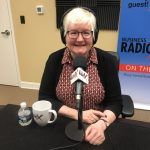
Inspiring Women PodCast with Betty Collins
Inspiring Women, Episode 14: Lifting Up The Next Generation of Women
Loading
00:00 /
RSS Feed
Share
Link
Embed

Download file

Lifting Up The Next Generation of Women

On this edition of “Inspiring Women,” host Betty Collins discusses lifting up the next generation of women. How do you create environments for women to thrive? What’s the best way to encourage the next generation of women? Betty discusses these questions and more in this edition of “Inspiring Women,” presented by Brady Ware & Company.

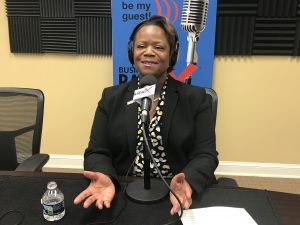
Betty Collins, CPA, Brady Ware & Company and Host of the “Inspiring Women” Podcast

Betty Collins, Brady Ware & Company

Betty Collins is the Office Lead for Brady Ware’s Columbus office and a Shareholder in the firm. Betty joined Brady Ware & Company in 2012 through a merger with Nipps, Brown, Collins & Associates. She started her career in public accounting in 1988. Betty is co-leader of the Long Term Care service team, which helps providers of services to Individuals with Intellectual and Developmental Disabilities and nursing centers establish effective operational models that also maximize available funding. She consults with other small businesses, helping them prosper with advice on general operations management, cash flow optimization, and tax minimization strategies.

In addition, Betty serves on the Board of Directors for Brady Ware and Company. She leads Brady Ware’s Women’s Initiative, a program designed to empower female employees, allowing them to tap into unique resources and unleash their full potential.  Betty helps her colleagues create a work/life balance while inspiring them to set and reach personal and professional goals. The Women’s Initiative promotes women-to-women business relationships for clients and holds an annual conference that supports women business owners, women leaders, and other women who want to succeed. Betty actively participates in women-oriented conferences through speaking engagements and board activity.

Betty is a member of the National Association of Women Business Owners (NAWBO) and she is the President-elect for the Columbus Chapter. Brady Ware also partners with the Women’s Small Business Accelerator (WSBA), an organization designed to help female business owners develop and implement a strong business strategy through education and mentorship, and Betty participates in their mentor match program. She is passionate about WSBA because she believes in their acceleration program and matching women with the right advisors to help them achieve their business ownership goals. Betty supports the WSBA and NAWBO because these organizations deliver resources that help other women-owned and managed businesses thrive.

Betty is a graduate of Mount Vernon Nazarene College, a member of the American Institute of Certified Public Accountants, and a member of the Ohio Society of Certified Public Accountants. Betty is also the Board Chairwoman for the Gahanna Area Chamber of Commerce, and she serves on the Board of the Community Improvement Corporation of Gahanna as Treasurer.

“Inspiring Women” Podcast Series

“Inspiring Women” is THE podcast that advances women toward economic, social and political achievement. The show is hosted by Betty Collins, CPA, and presented by Brady Ware and Company. Brady Ware is committed to empowering women to go their distance in the workplace and at home. Past episodes of “Inspiring Women” can be found here.

Show Transcript

Betty Collins: [00:00:00] Lifting the next generation of women … No, this is not a podcast on millennials. This is not a podcast on the 20-somethings. For me, I’m 56 years of age. I’m a young 56, but I am 56. And all the sudden, the word legacy starts being said out loud, because it’s kind of in your thoughts. It’s on your mind a little bit more. I think that 65 is a long way off. However, it’ll be here before I probably want it. Then what? I will tell you, without reservation, my CPA life will be completed. There is no question. The empowerment and the advancement of women is something I’m passionate about for many reasons, and it’s not just about success, or the rights; it’s just about a life well-lived on their terms. That can look different for everybody.

Betty Collins: [00:00:53] Lifting up the next generation of women is what I want for me to give and to be part of. It’s just part of my DNA, and it’s certainly something I want as part of my legacy, both in business and personal. There’s nothing like the energy of youth. I know, in my Columbus office, in Brady Ware, we have a lot of younger people, and we all love that. Watching from a distance, just the success of those 20-, 30-, and 40-somethings, just the energy, and just watching from a distance, that’s really not enough. Lifting them up – more, I’m going to talk more about the women part of it – is really a movement that I want to be a part of, and there’s no retirement to that. How do you just feed off that energy, maybe, and how do you maybe direct it; help them direct that energy? Then, how do you really get involved by not just being on the outskirts?

Betty Collins: [00:01:51] Again, this is not a podcast on millennials, although they are a part of the next generation. This is not even a podcast on my life, and now that it’s coming to a close, and it’s all ending, and my CPA career – I will never have to do accounting again … It’s not that. It’s just a podcast about having a discussion on how to lift up that next generation of women. Really, it goes beyond more than just sharing your experiences, because you’ve learned along the way, or mentoring. All that is important. It goes beyond even making sure that they don’t make your same mistakes, because they probably are going to make a lot of them. It’s important, obviously, to teach that. It goes really beyond, sure, that you’re not in this to change them, so that they do it your way; although you might know the way …

Betty Collins: [00:02:38] If you really want to uplift that next generation, you must determine what is the uplift; what is it that you want to uplift? Uplifting women in leadership? Is it about their careers? Is it about the potential? Maybe it’s about big choices in life – the significant other who you marry, parenting – maybe you are really good at that; faith, or core values. Whatever those things are, you’ve got to go, “This is what I really want to help that next generation be successful in.”

Betty Collins: [00:03:13] When you do that, you can start focusing in on that. Some of it is maybe you really help with what you are great at, or maybe what you’re not so great at, because that’s the one that you’d learn probably the most lesson from. You us those to uplift and get that next generation excited. Look around your life. What women uplifted you in the past, or are doing it right now? By the way, who are you uplifting? You need to think on that. If you got nothing, start making it part of your life, ASAP.

Betty Collins: [00:03:47] By the way, you don’t have to be 56 to be an uplifter of the next generation. I think we think it’s for gray-hairs, right? I read a really great article on what 30-somethings want 20-somethings to know. Chances are, a 30-something will resonate more with that 20-something than I would. Here are some examples. Be picky who you spend your time with. high school, it’s a popular contest; maybe even college, and then you start … You probably have some time where you need to whittle down some friendships. There’s only so much time in the day. That’s a 30-something telling that to 20s.

Betty Collins: [00:04:25] The 30-something is telling the 20-somethings to take more risk. I find that kind of comical, but that’s what they see. Here’s a good one – they say save more money. Your 401k is important. If I say, at 56, my 401k is important, like to my children, their response usually is, “Well, you have money to do that. You don’t have the bills I have,” and all that. Where a 30-, and 20-something, if a 30-something is starting to have success in that, the 20-something’s going to relate more.

Betty Collins: [00:04:58] Don’t dismiss your wild dreams. Slow down and be positive. Get rid of skinny jeans. I found that one to be funny, because I will tell you, when I see 56-year-old women looking like they’re trying to be 30, it really drives me crazy, so I found that one very interesting. They even said this in their article, “Don’t judge older women for spending money on eye cream.” They also agree that Sheryl Sandberg was right, you’ve got to have a lot of support. She was where she was because she acknowledged she had a great partner in life. I thought it was very interesting that I found more articles on 30-somethings wanting to give advice to 20-somethings. I didn’t find a lot about what you what 50-year-olds want 40s to know or even what 40-year-olds want 30s to know? I found that interesting.

Betty Collins: [00:05:51] Be aware, they may not want you lifting them up. Chances are, they’re not going to seek you out. Step up but be respectful. What inspires you may not inspire them. When I started a women’s initiative in Brady Ware, I thought, “Oh, Brady Ware’s so generous, they’re gonna let me buy books for all the women to read a book a month, or a book a quarter …” They didn’t want to read books. That was not them. I like a hard book with a highlighter. I always read about half of it. That didn’t interest them. It didn’t inspire them to help them.

Betty Collins: [00:06:26] You really have to figure out, then, too, what motivates them. My children are not motivated at the things I was motivated. They don’t care if they ever, really, a buy a house. They’re more into condo living in the downtown. When I was their age, that was the thing – you’ve got to get that 20 percent saved, so you could buy a house. You’ve got to get the house. What motivated maybe you or me, back in the time that they were their age is not probably the same.

Betty Collins: [00:07:00] These are things you have to be aware of. To uplift, you’ve got to be uplifting. You can’t be Debbie Downer, and go, “I’m gonna inspire you!” I remember one of my friends, her mom was really not doing very well; she was getting ready to pass away. She had cancer; they were in the hospital, and they were going around … They were sitting in the lobby just to get out of the room. Her mom was just a negative, negative person. She was not fun to be around at all. She saw somebody in the waiting room, and she leaned over to my friend, her daughter, and said, “I’m going to go help them. They shouldn’t be smoking, because this is what the result is.” She said, “Mom, you’re not gonna go do that,” because she knew that her mom was going to go over and just … It was not going to be a good conversation.

Betty Collins: [00:07:54] To be uplifting, man, you’ve got to be uplifting. It’s not about making you feel better. It’s about them. I’ll use this illustration – this may not make sense to you – there are preachers who are very preachy, fire and brimstone, and teach you, and tell you, and go on. Then there’s somebody who’s got a pastor’s heart. They’re that caregiver. They have compassion. Those are two different things. You’ve got to know the difference. Yeah, you can figure out what you want to uplift, because you’ve been good at it or you’ve been bad at it, but you’ve got to be aware of those things.

Betty Collins: [00:08:31] Then, you’ve got to be generous. Your mistakes, your barriers, your regrets – figure out a way to teach your life lessons to the next generation and learn from them. I know, with my kids, I was very determined that they were not going to work as much as I worked. They were not going to have to take care of things financially, like I had to do. That was my own little … I’m going to teach them that, man, life is good, and these are the things you can really aspire for, but I’m going to pay for all that and do that. They really kind of missed out on figuring out finances in life, like they should have. It took them a little time to do that, because I didn’t let them experience that. Instead, I was trying to take my mistakes and my barriers that I thought I had and just remove them from their life. Not a good thing.

Betty Collins: [00:09:20] Then, patience is required. You ever had that person in your life, you’ve got to be really patient with? Then, one day, they turn the corner, right? Being a mentor, and sponsoring someone, all those are important, but the informal, sometimes … Just that informal, day-to-day, shoot from the hip … Figure out what motivates them;  figure out what they need; figure out how to communicate to them – you might be surprised. I will tell you, I wish I would have known these things over the last 30 years. I wish I would have had some people in my life that said, “This next generation, man, Betty Collins probably could use this …” but these are things I really wish I would have known more of.

Betty Collins: [00:09:59] Cultivate the right attitude, no matter what you’re seeking. Sometimes, it was just I have to do this because I have to do this. Really? Or, I want to do this because I want to do this. Having that right attitude; that’s just one example of attitude, that I always did the “right” thing. I just always did what I was supposed to, instead of maybe this is what I really would like to do.

Betty Collins: [00:10:25] When all else fails, a plan is a good thing, but it may not always be reality. I was a big five-year planner in some of my years that I could have been a little more freer. Plans are good, and they probably are needed more in today … I see today’s generation behind me, and they really just go from thing to thing, but … Plans are good.

Betty Collins: [00:10:47] I did not learn this til later in life, and no one ever talked to me about it, or inspired me, but passion and the why are first, and then your how and your what. That’s been a big topic. Simon Sinek is big on it. I wish I would have known more about why I do things, or someone would have asked me those questions a little bit more, but they didn’t.

Betty Collins: [00:11:09] Mistakes are fruitful. If you’re not making mistakes, then you’re not doing anything. Okay, this is not my quote – it’s President Theodore Roosevelt – but it really is true. Sometimes, we’re buried in mistakes and just think, “Oh my goodness, how can I go on?” I was that way, and I didn’t want to go further. I would kind of hibernate a little bit more, instead of moving on, or learning from it. I wish, over the last 30 years, someone said, “If you want something, sometimes you gotta ask.” You’re not asking, so why should you … Other people around you are asking, so guess what they’re getting? Whatever that is. I just didn’t do it. I always thought, if you accept everything, accept your stuff around you, accept the position, accept the money, accept the status quo, then it’s a much more peaceful, good road. That’s not always the case. Questions are good. You know why? Because there’s going to be answers, probably, behind them. I wish I would have known that over the last 30 years.

Betty Collins: [00:12:11] Safety and security is awesome. It’s comfortable. It’s the safety net. I’ve never have to worry. There’s nothing to me like a full refrigerator, okay? But reckless, and that thing I call unruly, in my last … It’s not always a bad thing. Sometimes, hot dogs on fire at the last minute are just awesome. I’ve kind of learned to shake it up a little bit more with various things in my life. When I was 40 and went through things that changed a lot in my life, I ended up doing a tremendous amount of traveling from the age 40 to 50.

Betty Collins: [00:12:46] Man, I’m glad I did that. I’m so glad I said, “We’re gonna do this regardless.” We didn’t put as much money in a 401k. We didn’t do as much debt reduction on the house. But I probably can’t do a lot of the things I did, physically, for sure, on those trips and keep up. I’m just glad I was part of … Someone in my life, my husband, who said, “No, let’s go on an adventure. Let’s do something. We work hard all year. Let’s play hard.” Grateful for that. Most of my life, I didn’t ever hear those things. I’ve been married, and I’ve been divorced. I wish someone really would have emphasized the importance of that significant other, that spouse in your life.

Betty Collins: [00:13:32] Those are things that, over my last 30 years, when I was trying to figure out how would I help the next generation, these were things that matter to me now. These are things I would have never seen along the way. Hindsight’s really easy, but I’ve got to know that maybe someone doesn’t want to be married. So, finding your support to be your biggest fan isn’t going to help them. That’s why I go back to being aware in the different things I’ve talked about.

Betty Collins: [00:13:58] These are some things to think about when you’re wanting to uplift other women. Remember, surely, our seasons are all different. Your 20s are not your 30s, which are … Those are very different from your 40s; not to mention your 50s. Not sure what 60 holds, because I’m not 60. I’ve not been there, but I’m sure it’s different. The other thing about those different seasons are you may need to shift who you are being uplifted by or getting help from, because they are different. The 20-somethings can help the 55-year-old. It doesn’t always need to be, “Well, we’ve already been through this generation; we are helping here.” A lot of times, we can learn tremendously from them. It’s not a one-way thing.

Betty Collins: [00:14:44] Be aware of the women in your life that are around you. Start at home, in your extended family. Just sit and go, “Who is not making it? Who is not maybe living out their potential? Who could really use a friend, which can lead to help?” You can’t just go in with help, not knowing somebody. You have to have the relationship there. Be more intentional of it, and then keep it simple.

Betty Collins: [00:15:11] My previous podcast on building up women around you, I talked about that. Simple gestures; how you conduct yourself. Those familiar little simple random acts of kindness. Now, they have a hundred books on that. We live in a tough world with constant challenge; a lot of negativity; a lot of how are we ever going to do this? You’ve got to seize the opportunity now to uplift others. They really are intentional. They’re insightful about pleasure is a daily thing, because you don’t always have tomorrow. It’s not just for special occasions – fun, and pleasure, and contentment – it’s not just for holidays and weekends. Only two weeks out of the year is your vacation. You’ve got 50 other to do. Uplifting in a tough world right now is something that is so needed, and guiding that next generation, getting them where they need to be, even if they don’t know that they … Even if they don’t know that they need you.

Betty Collins: [00:16:07] I’m going to close this with some great sayings, because when I was out there on uplifting, a lot of times when I do podcasts, I Google certain words just to get ideas. Here are some things that you … I’m going to try to uplift you at the end here. “Do not dim your light for anybody. Darkness is no place to live.” I just  the way that quote sounded. This is a Betty Collins quote, by the way, “Leverage your uniqueness in life, but, remember, if you want to be funny and no one is laughing, you probably need to change what you are leveraging. Be aware.” “Today, you could be drinking the wine. Tomorrow, you could be picking the grapes.” You probably need to expect that to happen, so be ready, and learn, and try to enjoy both seasons. “There is power in purpose. Stuff is just stuff, for the sake of stuff.” We need to accept that we won’t always make right decisions, that we will screw up royally, sometimes; understanding that failure is not the opposite of success, it’s part of it.

Betty Collins: [00:17:11] Today, I hope you sit back and think, “Who can I help in that next generation? Who can I uplift, especially women I’m passionate about, if anyone?” Really sit and go, “How can I help, and be effective, and have that impact?” I’m Betty Collins, and I hope you enjoyed today. Thank you.


Tagged With: CPa, CPA firm, Dayton accounting, Dayton business advisory, Dayton CPA, Dayton CPA firm, Inspiring Women, Inspiring Women podcast, woman owned business, women entrepreneurs, Women in Business, women-owned businesses

Decision Vision Episode 36: How Do I Recession Proof My Business? – An Interview with Wes Gipe, Aileron

October 17, 2019 by John Ray

Decision Vision
Decision Vision
Decision Vision Episode 36: How Do I Recession Proof My Business? – An Interview with Wes Gipe, Aileron
Loading
00:00 /
RSS Feed
Share
Link
Embed

Download file

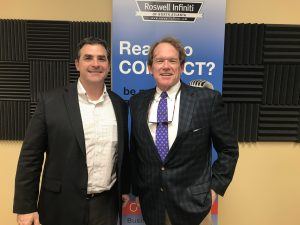
Host Mike Blake and Wes Gipe, Aileron

Decision Vision Episode 35:  How Do I Recession Proof My Business? – An Interview with Wes Gipe, Aileron

How do I manage my business so it’s able to withstand (and maybe even thrive in) a recession? In the edition of “Decision Vision,” host Mike Blake discusses this question with Wes Gipe of Aileron. “Decision Vision” is presented by Brady Ware & Company.

Wes Gipe, Aileron

Wes Gipe

Wes Gipe works with business owners and their teams as a trusted facilitator, business advisor and coach. Known for his enthusiasm and high-energy approach, Wes’s willingness to boldly approach tough issues and go the extra mile have gained him loyal clients who look to him for help with strategic planning, leadership and culture development, and conflict resolution.

Wes started his journey as an Aileron client in 2008. After applying Aileron’s Professional Management principles to build a self-managing company, he now spends much of his time helping other organizations—big and small—build a strategy that endures. Through this work, he has logged over 9,000 coaching hours with more than 500 individuals throughout North America and Europe. His work has been featured in Forbes as well as other national media outlets. Wes resides in Miami County, OH with his wife and three rambunctious boys.

For more information, go to the Aileron website.

Michael Blake, Brady Ware & Company

Mike Blake, Host of “Decision Vision”

Michael Blake is Host of the “Decision Vision” podcast series and a Director of Brady Ware & Company. Mike specializes in the valuation of intellectual property-driven firms, such as software firms, aerospace firms and professional services firms, most frequently in the capacity as a transaction advisor, helping clients obtain great outcomes from complex transaction opportunities. He is also a specialist in the appraisal of intellectual properties as stand-alone assets, such as software, trade secrets, and patents.

Mike has been a full-time business appraiser for 13 years with public accounting firms, boutique business appraisal firms, and an owner of his own firm. Prior to that, he spent 8 years in venture capital and investment banking, including transactions in the U.S., Israel, Russia, Ukraine, and Belarus.

Brady Ware & Company

Brady Ware & Company is a regional full-service accounting and advisory firm which helps businesses and entrepreneurs make visions a reality. Brady Ware services clients nationally from its offices in Alpharetta, GA; Columbus and Dayton, OH; and Richmond, IN. The firm is growth minded, committed to the regions in which they operate, and most importantly, they make significant investments in their people and service offerings to meet the changing financial needs of those they are privileged to serve. The firm is dedicated to providing results that make a difference for its clients.

Decision Vision Podcast Series

“Decision Vision” is a podcast covering topics and issues facing small business owners and connecting them with solutions from leading experts. This series is presented by Brady Ware & Company. If you are a decision maker for a small business, we’d love to hear from you. Contact us at decisionvision@bradyware.com and make sure to listen to every Thursday to the “Decision Vision” podcast. Past episodes of “Decision Vision” can be found here. “Decision Vision” is produced and broadcast by the North Fulton studio of Business RadioX®.

Visit Brady Ware & Company on social media:

LinkedIn:  https://www.linkedin.com/company/brady-ware/

Facebook: https://www.facebook.com/bradywareCPAs/

Twitter: https://twitter.com/BradyWare

Instagram: https://www.instagram.com/bradywarecompany/

Show Transcript

Intro: [00:00:02] Welcome to Decision Vision, a podcast series focusing on critical business decisions, brought to you by Brady Ware & Company. Brady Ware is a regional, full-service accounting and advisory firm that helps businesses and entrepreneurs make vision a reality.

Michael Blake: [00:00:21] And welcome to Decision Vision, the podcast giving you, the listener, clear vision to make great decisions. In each episode, we discuss the process of decision making on a different topic. Rather than making recommendations because everyone’s circumstances are different, we talk to subject matter experts about how they would recommend thinking about that decision.

Michael Blake: [00:00:38] My name is Mike Blake, and I’m your host for today’s podcast. I’m a director at Brady Ware & Company, a full-service accounting firm based in Dayton, Ohio, with offices in Dayton; Columbus, Ohio; Richmond, Indiana; and Alpharetta, Georgia, which is where we are recording today. Brady Ware is sponsoring this podcast. If you like this podcast, please subscribe in your favorite podcast aggregator. And please, also, consider leaving a review of the podcast as well.

Michael Blake: [00:01:03] So, our topic today is how can I recession proof my business? And, you know, in one respect, recession proofing sounds like the holy grail. It sounds like something that’s so great that it can’t possibly be done. I think we’re going to dispel that myth fairly quickly today. But you know that as business owners and business leaders, we are so involved in the day to day granular nature of our operations. And if you happen to be a business owner or a leader that truly can take a big picture view as often as you would like, congratulations. Let me know. I’d like to have you on the podcast. You can tell the rest of us how you do it.

Michael Blake: [00:01:44] But for most of us, you know where we’re—you know, for most of us, a week ahead of our calendars, the other side of our lives. And the fact of the matter is that our economy is not recession proof. Now, I think the data would show that our periods of expansion appear to be getting longer. And it’s unclear yet as to whether or not that means that when our recessions do happen, there’ll be that much more severe or if ’08, ’09 was simply an aberration.

Michael Blake: [00:02:14] But we do know that just as in gravity, whatever goes up must come down. And so, having a business that is able to weather a downturn that may be somewhat prolonged is an important way to establish that company’s value. Because if it’ s only viable during good times, then by definition, you know that your runway is finite. So, I think everybody is going to find this a fascinating and useful topic.

Michael Blake: [00:02:39] And joining us today to talk about this by phone is Wes Gipe of Aileron, a management consulting firm at Tipp City, Ohio. Wes works with business owners and their teams of trusted facilitator, business advisor and coach. Known for his enthusiasm and high energy approach, Wes’ willingness to boldly approach tough issues and go the extra mile have gained him loyal clients who look to him for help with strategic planning, leadership, and culture development, and conflict resolution.

Michael Blake: [00:03:07] Wes started his journey as an Aileron client in 2008. So, I guess he’s like Victor Kiam. He liked the Razor so much; he bought the company. After applying Aileron’s professional management principles to build a self-managing company, he now spends much of his time helping other organizations, big and small, build a strategy that endures through. Through this work, he has logged over 9000 coaching hours as one in 500 individuals throughout North America and Europe. His work has been featured in Forbes as well as other national media outlets. Wes resides in Miami County, Ohio with his wife and three rambunctious boys. Wes, welcome to the program. And rambunctious and boys sounds kind of redundant, doesn’t it?

Wes Gipe: [00:03:47] It does. It’s a loud house.

Michael Blake: [00:03:48] Loud house and probably with with increasingly unbreakable things.

Wes Gipe: [00:03:57] Indeed. Indeed. We just—we’ll have nice things sometime in the future.

Michael Blake: [00:04:02] So let’s jump into it and let’s talk about, you know, when you talk about a recession proof business, what does that mean? What—and is any business truly recession proof?

Wes Gipe: [00:04:16] Well, you know, a mentor of mine said that there’s no normal environment, only the one that you’re in and the one that you should be preparing for. So, I think there’s no one who looks up and says, gosh, my business is just totally recession proof. And if you do, I would suggest you take stock of where you really are. But there are those who do a good job of recognizing that things will not always be as they are today, whether they’re experiencing good times or challenging ones. And there is still work to be done if they are to adequately prepare for that next environment. I don’t think it’s as much about a destination as it is a continual awareness of the weaknesses and the strengths of the businesses and a reaction to that.

Michael Blake: [00:05:00] So, when a business owner thinks about, let’s call it being recession ready.

Wes Gipe: [00:05:06] Yeah.

Michael Blake: [00:05:06] Does that mean for most business owners, surviving a recession, just sort of making it to the next expansion limiting the damage of a recession or maybe even in some cases thriving in a recession?

Wes Gipe: [00:05:19] Yeah, it’s a great question because—and I think the answer is somewhat subjective. I think it depends, which is, of course, any consultant’s best answer, it depends. There are certainly-

Michael Blake: [00:05:32] Talking about business code.

Wes Gipe: [00:05:33] Right, yeah. And so—but what the observation I’ll make is there are certainly kinds of businesses that take harder hits than others when the economy changes. I mean, for example, the automotive market responds very different than the healthcare market, but both respond at the end of the day.

Wes Gipe: [00:05:52] And the good news is in that reality that all of your competitors that are in the same space as you are experiencing the exact same thing. You can’t control it. What you do control, though, is what you do while you wait for those external factors to recover. I think there’s always opportunity in a recession because everything goes on sale. People go on sale. Property goes on sale. Equipment goes on sale. Services go on sale. Nearly everything can be had at a discount and sometimes a huge discount. So, the question becomes, you know, what should we and can’t—what can we and should we buy now? What should we invest in that would be difficult or expensive to buy during the recovery?

Michael Blake: [00:06:32] So why aren’t all businesses making those kinds of plans? I mean why doesn’t every business kind of have that mentality?

Wes Gipe: [00:06:42] Well, I think it’s interesting. Well, the first thing I might point out that comes to mind is that some businesses actually boom with a recession. You know, we don’t necessarily think that way, but quick service restaurants, for example, what we might call fast food, they generally will see revenue growth during a recession because people are re-prioritizing their dollars. They have less disposable income. That sort of thing. So, I think, it depends. In some cases, things are pretty good when things are going well and they’re great when things go south.

Wes Gipe: [00:07:20] But I think while there are certainly outliers like that, I think those who endure the greatest harm from recession are those who acted as if the good times would last forever. If you know what I mean. The killer in a recession is not necessarily revenue decline, but it’s a failure to build a cost structure that’s able to scale down as a revenue declines without compromising the core competency of the business. Cutting fat but not muscle, if you will. And that kind of planning, I would point out, is far easier to do and is done with far more clarity when the economy is strong. Those are way to plan that way until we start to see the turn and we have the stress of revenue decline. We have the stress of those difficult conversations with our people and with our customers are far more susceptible to emotional and therefore far more risky decision making.

Michael Blake: [00:08:15] You know, essentially, you bring up McDonald’s. You know that’s a classic example of an economist would call so-called inferior good, that when the economy is doing badly, that the customers switch from whatever higher end restaurants, which they used to dine, you know, to a fast food kind of place. And interestingly, I credited the ’08, ’09 recession with launching the electric vehicle market, because back then the notion that you could drive without having to fill your car with gas, that was extremely attractive. And as we’ve emerged from that recession, you know, environmental concerns, whether you believe or not, they’ve not changed. But what has changed is now you know I was concerned about filling up your Ford F-150 with 25 bucks of gas or 25 gallons of gas.

Wes Gipe: [00:09:03] Yeah, yeah, it is fascinating to me as well, because I think we all see—to some degree we’re programmed to see the downside to something that the media and economists would paint a really negative light. I would go so far as to say that economists exist so that weatherman can be proud of their profession. I don’t think that they know anything more about where our economy going—is going than a business owner that’s got his or her head—ear to the ground and head—looking out ahead.

Wes Gipe: [00:09:38] But there is some truth to that. There are opportunities created. The truth that is perhaps not as obvious when it’s happening but no less true is that there are real opportunities created during recessions. You know, I focused earlier on the cost control and investment in things when they go on sale. But the other reality is that the business opportunities are created. Interestingly enough, my own journey in 2008, when 2008 hit, I had a mentor that came to me and said, you know, what you need to do here is spend while others are scared. And it was sort of a different take on Warren Buffet’s perspective in his letter to the shareholders some years ago, where we would do well to be cautious when others are greedy and greedy when others are cautious or something to that effect.

Wes Gipe: [00:10:34] And you know, what was interesting is we took that advice. And fortunately, in my case, we had a number of outsiders that were committed to being part of a board of advisors. And so, they helped me to maintain a focus on investing wisely during that time. And what was fascinating is that customer account grew. Consistently, revenue shrunk. And so you start looking at those numbers and most of this with any sort of rational thinking ability would say this is a terrible situation. But what was also true is people were spending emotionally. And so, there was pent up demand that was being created, particularly in the businesses that I was in that had to be released eventually. And so, that wave of revenue came but it didn’t come for two years after we spent the money, the time, and the effort on capturing those customers while they were being ignored by our competitors.

Michael Blake: [00:11:32] Well, yes, because when your competitors retrench, right, they’re leaving a vacuum in the market. And you know, you’re right. If you have kind of that dry powder, there’s tremendous opportunity to capture market share, to capture mind share, frankly, and also attract great talent because not just the employment, unemployment being higher, but also, you know, don’t you want to work for the company that’s on offense? Playing defense stinks is why we admire teams that do it. Playing offense and scoring is always more fun. So, if you’re playing offense in a defensive environment, you know I think that tends to attract aggressive, more successful business people.

Wes Gipe: [00:12:12] Yeah, I think that’s true. I think it’s also true, though, that it is very difficult to endure two years of that and just trust that the wind is going to come. And I think that’s where I found the outside board to be tremendously helpful. People that weren’t emotionally attached to the decision making, people that were older, wiser, had seen a few more cycles like that than I had, I think that’s what gave me the confidence to continue on when it seemed like we had done this for a really long time and I’m just trusting that this is all going to work out. But in the end, it does, because you’re caring for customers in a way that maybe your competitors can’t.

Michael Blake: [00:12:53] So, you know, let’s talk about the good old recession. It’s hard for me to believe it’s been over 10 years now since Lehman Brothers collapse.

Wes Gipe: [00:13:01] I know right.

Michael Blake: [00:13:01] Seems like two days ago. But it sounds like you’re of the mind that you know companies can position themselves to be successful even in a recession that was pretty profound. Not just financially but I think from a psyche perspective.

Wes Gipe: [00:13:18] Yeah. Yeah. So, I think they can. I think they can. There are certainly—now, what I don’t want to discount is there are certainly industries that just got decimated with that recession and through no fault of their own. I mean, the best laid plans and there were industries that just got hit so hard that it was very, very difficult, if not impossible, to recover. But those really, if you step back and look at the full picture of the economy, those were really, in my opinion, the exception rather than the rule. Most of the folks—there was a prediction made here at Aileron, interestingly enough, when we were in the throes of like I’ll say early ’09. And that was that we believed that there would be more companies actually fail on the upswing or in the recovery than did in the recession itself.

Wes Gipe: [00:14:11] And the reason for that thinking was that most people cut bone. They cut too far out of fear and out of emotional decision making. Or perhaps they cut just a little further than they should, failed to cast a vision, and the real talent and the best customers get nervous and leave. And that is—we saw some version of that come true. I won’t say that was universally true but we did see some version of that come true that we saw a lot of people, if not fail outright, really suffer. And I’ll say grow in fits and spurts as a result of having to rebuild core infrastructure before they could even think about scaling the business to take advantage of the recovery. So, I do think all that to today, I do think there’s a tremendous opportunity when the chips are down to think rationally and in an intellectually honest way about the business and look for opportunities.

Michael Blake: [00:15:11] You know what? One industry that comes to mind that really took it on the chin and serves I think as a missing object lesson is the legal industry.

Wes Gipe: [00:15:21] Yeah.

Michael Blake: [00:15:21] You know. For the first time that anybody can remember, firms on mass are not just cutting staff. They were cutting partners and even equity partners.

Wes Gipe: [00:15:31] Yeah, right. Yeah, long time. Yeah.

Michael Blake: [00:15:31] They certainly (inaudible) bone. And what’s happened since then is the fundamental business of law has changed in that, you know, now there’s a recognition that every lawyer who’s an equity partner must be a revenue generator in a profit center. If you’re not, you’re just never going to be a partner that’s going to be cut the next recession in the first place. So what they’ve done is although they’ve de-emphasize a technician and that’s been a tough pill to swallow for the technician because that work is becoming commoditized, the business of law itself is probably more resilient to the next recession because their model now is able to scale up and down much more easily than it did 10 years ago.

Wes Gipe: [00:16:16] Yeah, yeah. Well, and I think—I mean that’s sort of what I was referring to when I said that—when I made the comment about the issue not being declining revenue but the inability to scale cost with that change in revenue. And, you know, I think in law firms, that’s a labor heavy model. It’s a model that needed innovating. And what’s interesting, I was just sitting here thinking, as you were talking about the law space, I was thinking about Thomas Friedman in The World is Flat. I think that book was written in roughly 2000, something like that.

Wes Gipe: [00:16:55] And it’s interesting to me that it’s only now becoming really, really true. You know, we’ve now seen real examples of what he was positing back in 2000 that, you know, if you’re the middle accountant that never has any contact with customers, you’re in real danger of finding yourself outsourced versus if you’re in the business of relationship management or something that’s much more difficult to outsource to a nameless, faceless entity somewhere else in the world, that your job is not only going to be secure, it’s going to actually grow in value. And I think that’s what we saw in that industry and we’ve seen it in a lot of industries otherwise as well.

Michael Blake: [00:17:37] So let’s start talking at a more micro level. You know, in your experience, what are typically—what are companies typically lacking that makes them more recession vulnerable? And why do they need help from somebody like you to help them remediate those issues?

Wes Gipe: [00:17:56] Well, I often say, you know, [indiscernible], here is a client. And what I got at Aileron that I was unable to get anywhere else was the truth. The objective, they’re hard, harsh truth. Someone to look me in the eye and really challenge my thinking, not—of course accountants are good for this. Attorneys are good for this. But there are limits to the truth that they’re going to give you. And candidly, there are limits to what the scope of the sort of issues that they’re going to typically approach.

Wes Gipe: [00:18:38] And so what I got here at Aileron was not a replacement for any of those things but really someone to look me in the eye and help me think about my business and the decisions that I was making in an intellectually honest way. And I think those who are lacking something that makes it difficult to recession proof themselves, most often what I see is they lack the ability to be intellectually honest. They lie. And that only comes in my experience with an outsider that only has your best interests at heart. And so that’s what I got here. I’ve had this distinct memory of leaning against a post in the cafe, downers, coffee and snacks. And my business adviser sort of looked me in the eye and he said, how much money are you willing to spend to prove that you’re right?

Michael Blake: [00:19:37] That’s a question. That certainly puts your cards on the table kind of question, isn’t it?

Wes Gipe: [00:19:43] Oh, wow. Right. And I remember thinking after I considered running out of the building, what—where else could I get that? You know, they’re one of the precious, precious things that you learn. One of the things that you learn is very precious as a leader is those few people whom you deeply respect that are willing to look you in the eye and challenge the best of, even the best of your ideas. And some do it. You know, sometimes some do it in a very direct way. They call the baby ugly. Other cases, I’ve had situations where people were really good at pointing out all the pretty babies around mine and by virtue of that, letting me draw my own conclusions.

Wes Gipe: [00:20:30] And—but the net of it is it’s the truth, right. And you look at someone like Blockbuster, right. Man, I mean I would love to have been a fly on the wall in that boardroom, in the conversations that must have unfolded as that whole model was changing around them and they just doubled down on what they had already done.

Michael Blake: [00:20:58] That quote or that conversation reminds me one of my favorite quotes from an economist, John Maynard Keynes, who’s one of the architects of modern economics and was also, in his own right, one of the fathers of modern investment management as well. And he said that the market can remain irrational longer than you can stay solvent.

Wes Gipe: [00:21:21] Oh, that’s profound.

Michael Blake: [00:21:22] Isn’t it though?

Wes Gipe: [00:21:23] That’s just profound, right. And in—the other thing that’s true about that, what I love about that is there is always margin. Regardless of the economic reality, there is always margin where there is mystery. Always.

Michael Blake: [00:21:43] Yes.

Wes Gipe: [00:21:43] And yet what we tend to do when things get uncertain is to control the things we can and just hunker down and make ourselves unique just like everybody else. And so that’s profound. I haven’t heard that quote before but I love it.

Michael Blake: [00:22:00] Well, I wish I had said it, but all I can do is parrot it too. But—so when we look at recession proofing or making companies recession resilient, in your experience, is that more often involve making maybe a small number of massive changes or maybe a larger number of smaller changes? Or is there some other way to kind of think about the scope and depth of change that needs to occur in order to achieve that recession resistant property?

Wes Gipe: [00:22:32] Yeah, yeah, I think it is, again, I’ll use my favorite answer, it depends. I think it is somewhat situational. But in more cases than not, the big changes are simply changes that should have happened in most cases a long time ago. And the only reason they’re evident now is because we’ve got no choice. You know, sales growth causes—it covers a multitude of sins. And you want to—and so when that stops, particularly high growth, when that revenue curve inverts or leveled off plateaus, since they weren’t visible before become visible very quickly.

Wes Gipe: [00:23:19] Businesses that we’re in that we have no business being in, lines of business or customer relationships that are just plain unprofitable. Some of those are really big decisions like we got to get out of the line of business. Some of those are—or even perhaps part ways with a large client that we thought was more profitable than they were. Many of them, though, are small decisions. So, I would say the majority, the big decisions are just decisions that I have to make and should have, you know, a year, five years or maybe even longer ago. And they’re only now visible.

Wes Gipe: [00:23:57] But the things—and those have to happen to stop the bleeding, to keep the company solvent, that sort of thing. The path to recovery, though, often is a series of very small, intentional, low risk experiments, all of which, if coordinated appropriately, add up to meaningful and sustainable change.

Michael Blake: [00:24:20] So, it sounds like that, you know, for the most part, the changes a company makes are not sort of one-time fixes, but there are things that need to be consistent. I guess the way to best describe it would be of a structural nature.

Wes Gipe: [00:24:35] Yeah.

Michael Blake: [00:24:36] That’s superficial and cosmetic, but they’re really fundamental to how the company does businesses or even makes decisions.

Wes Gipe: [00:24:43] Yes, certainly. And I think the, you know, because you’ll get a couple of big wins. I mean, with any recession, things will stand out. Revenue curve inverts, things will stand out that have never—that haven’t stood out in the face of revenue, you know, significant revenue growth. But the things that, you know, those come and go pretty quickly and you get the win. The things that keep on giving are the things that make a $500 a month difference here, and $100 a month difference there, and $70. I mean many times, it’s really a lot of really, really small things that add up to monumental differences.

Wes Gipe: [00:25:24] And I think that’s hard to—it’s hard to remain disciplined in looking for those things when the world around is crumbling. And that, again, is where I would just really encourage people to think about, well, how can I surround myself with people who are not as emotionally attached to this thing as I am?

Michael Blake: [00:25:45] So, it’s sort of seeing sort of a psycho-graphic profile sort of coalesce here that, you know, being able to be cold and calculating is kind of critical to making the right decision in a high stress environment. So, I guess, in retrospect, it makes sense. But like so many things, when you’re, kind of, in the weeds, you don’t necessarily see the entire picture.

Wes Gipe: [00:26:08] Yeah. Yeah.

Michael Blake: [00:26:09] So are there businesses and certain kinds of industries that are easier to make recession proof than others? You know, for example, I would imagine the companies that have high operating leverage really would struggle because like you said, they just can’t scale the way that, ultimately, you’d like to. They’re kind of built—they’re built entirely to capture upside.

Wes Gipe: [00:26:32] Yeah. You know, it’s interesting. But even in those scenarios, there is substantial opportunity if you’re willing to step back and think logically and rationally and think about all right, where’s the margin? Where’s the mystery? And therefore, there’s got to be margin there. And how can I leverage that margin? Even if it’s something I’d rather not do in the long term, how can I leverage that margin to cover that high fixed cost if you are high capital cost, depreciation cost?

Wes Gipe: [00:27:00] What do I got to do to make it work to get through the other side of this thing? So, an example I might give you is I worked for a number of years with one of the largest egg producers in the world, 15, 16 million chickens, which is hard to even get your head around to begin with. And every one of these things lays an egg every 26 hours. Things you don’t think about unless you’re in this business, right? And so that’s 15 million eggs a day that come whether you want them or not. And 90—or excuse me. I think it’s a high 70 percent, 80 percent of the cost of that egg is in feed but yet you’ve got animals. It is a very complex industry and it is a feast and famine industry. You know, you’ll make a killing one year and then you’ll just lose your shorts for a couple of years. It’s an industry that takes a tremendous amount of resilience to be in.

Wes Gipe: [00:27:58] And so if you’ll recall, some number of years ago, we had the avian influenza epidemic and so bird flu hits. I mean, it’s something it’s—totally beyond your control. You can’t cover every pan. If you get 15 million chickens, you can’t physically enclose them. And so, duck flies by, goose flies by with AI, with avian influenza, lands in a flock, infects that flock. That flock comes into contact with the other flock. And pretty soon, you can find yourself in a situation, in this case, they lost half of their production in a series of very short period, around a couple of months. So, we go from, all of a sudden, 15, 16 million chickens to 8, right. So, we got all this incredible capital overhead.

Wes Gipe: [00:28:50] Now, you don’t just run down to the true value and say, hey, I’d like to order eight million, you know, layers. That’s just not how that works, right. So, all of a sudden, now, we’ve got rid of what we got in a safe way. We’ve got to sanitize all these environments. Now we’ve got to think about where do we get eight million birds and very quickly, because the bills keep coming, regardless of whether we have eggs to pay for them or not. And very, very, very difficult time.

Wes Gipe: [00:29:21] Fascinating. This leader at one of the best I’ve come into contact with just refused to see that as anything other than an inconvenience. And as a result, for a period of time, they actually became a government contractor that went to their egg, cleaned up their own mess, you know, euthanize the birds, turned them into actually, you know, product, either fertilizers, some other product that was actually salable. And they did so for their competitors.

Wes Gipe: [00:29:53] So while their competitors were freaking out over what are we going to do, they had pivoted. And was it pretty? No. Was it difficult? Absolutely. Was it stressful? It was ridiculously stressful. But you know what? They didn’t lay anybody off. And so, after they got over the hump, gotten, you know, they contracted with somebody to raise eight million more birds and got things cleaned up, they were back at it before their competitors were. So, they saw—again, they just refused to look at that as anything other than an inconvenience. It’s a factor. It’s not an excuse. And I think it’s that mindset, you know, that makes someone recession proof or recession resilient rather than any one thing that you can do.

Michael Blake: [00:30:40] So, you know, this segues nicely to the next question then, which is, I’m curious if you have a view, what’s harder about addressing or confronting a recession, knowing what to do or actually carrying it out?

Wes Gipe: [00:30:54] Yeah. Gosh. Yogi Bear, I love, gosh, I love that guy. If there’s somebody I could go back in history and beat, it would be—there’s a couple of people. I think him, Mark Twain, some other folks. But he famously quipped, you know, if you don’t know where you’re going, you’ll end up somewhere else. And so, I think they’re both hard. But if you don’t know what to do, chances are you’ll do something else. And the best time to decide what to do is not after the economy shift, it’s now. But I got to say, I think—I like to poke fun at economists, but I think there’s a fair consistency in the belief that the recession is not going to happen in the next three months.

Wes Gipe: [00:31:43] And I don’t think anybody believes it’s going to be on the order, the magnitude of 2008 barring some major world event or something to that effect. So, we’ve got some time. That’s the good news. And so, my incursion, we do something with that time. Don’t just sit here and think about it. You know, I think about even people like, oh, remember Captain Sully Sullenberger?

Michael Blake: [00:32:11] Sure.

Wes Gipe: [00:32:11] That guy saved 155 lives when he successfully landed a disabled plane on the Hudson. And I’ll guarantee you that he did not wait until that bird strike to start planning for the emergency. He already knew what to do. It’s just a matter of remaining calm and executing a plan. He had practiced that over and over and over and over. What are the chances that you lose two jet engines with some of the most reliable machines in the world that have ever been invented? You lose two of them that soon after takeoff, but nonetheless, remain disciplined. All right. No normal environment, there’s one I’m in, there’s one I should be preparing for. And he knew in that phase of flight that he should be preparing for that reality. So, he knew what to do. It’s just a matter of remaining calm executing the plan. And in keeping with that analogy, the best possible scenario if people listen to this podcast and don’t need it, right, they know what to do and they never even have to do it.

Michael Blake: [00:33:09] So, you know, I’m glad you brought up kind of this time because there’s a growing belief that a recession is likely between now and the end of next year. And so, you know, if that’s the case and let’s say I’m listening to this podcast and I’m convinced that A, recession proof is feasible and B, it’s something I should do. Is there enough time to do things and execute them for most businesses that, you know, can make a difference? Or do they kind of have to wait until the recession after that to really gain benefit?

Wes Gipe: [00:33:38] Oh, I absolutely think there’s plenty of time. And again, barring, you know, something major happening, some world event, or something that just wasn’t on the radar. I think there’s more than enough time, you know. And if you want to start to think that way, just take some real disciplined time, time that we would probably argue in this employment environment and just how hard it is to operate right now that we don’t have and model a scenario where you lose 20, 30, 40 percent of your revenue in a short time.

Wes Gipe: [00:34:10] Model that avian influenza, you know, your version of that avian influenza plan, could you survive? Would you still make money? If not, why not? And those questions are a great place to start, both to identify, as we were talking about earlier, you know, the big one hit things that might be really painful but, gosh, they provide a lot of, you know, a lot of benefit as well as you have a list of prioritized items that we would do. Again, all of which we might not enjoy, but build on those plans. Now, I think if you just model some sort of revenue correction that will reveal, start to reveal where you should start, I don’t think it has to be any more complicated than that.

Wes Gipe: [00:34:54] Because I will say—I’ll go there for just a second. I see people that get fixated and driven by fear. And I would just offer that that’s counterproductive. There’s these plans that I’m talking about, you know, as you build plans for what you might do in the case of emergency are, you know, a matter of a page or two or three maybe. We’re not talking about some, you know, a full execution manual or anything to that effect just because the reality around us is changing all the time. And so, if you try to make this too precise, chances are, you know, it will just end in frustration.

Michael Blake: [00:35:44] So let me ask this, just one or two more questions and we’ll let you get back to what you’re doing.

Wes Gipe: [00:35:50] Sure.

Michael Blake: [00:35:50] But can recessions offer kind of an—I guess we kind of talked about this a little bit, but I want to hit upon it because that fear that you talked about, I think is really important to master because I’ve read that people’s decision making, their effective IQ, decreases by as much as 30 percent when they’re in a state of fear, right, as they react to crisis. I don’t know if you read anything similar to that, but the benefit of having some sort of recession proofing is I think that it puts you in a place where more intelligent decision making can take place because your fear is kind of amped out a little bit. Does that make any sense to you or am I all whacked?

Wes Gipe: [00:36:33] No. No. I think I’ve read similar things. I hadn’t read that specific statistic, but it makes total sense given, you know, how I’ve seen some of the clients here. They don’t even respond to what I refer to as industry specific recessions that I’ve seen the last five or six years. And it is really interesting. The ability to think rationally is severely hampered by stress, uncertainty, fear, uncertainty, doubt.

Wes Gipe: [00:37:04] And that’s why I think there’s always opportunity. Shoot. We’ve got the bank coming at us. I happen to still remain a partner in the company that I founded back in 1997 and the bank recently said we’d like you to borrow some money and buy a business. And I said, you’ve got to be out of your mind. I mean, why on earth what—there are people demanding multiples as high as 50, 60, 70 percent higher than is even rational right now and you want me to borrow money from you likely based upon some sort of revenue model that makes absolutely no sense. Yes, you’re crazy.

Michael Blake: [00:37:50] What I’d rather do is—what conversations do we have—need to be having now so that when our financials don’t look as strong, when the outlook doesn’t look as rosy this year, as willing then to give me the money as you are now, what sort of indicators do you need to have from me to show you that we’re being responsible while we do have capital and access to capital so that you’ll trust that we’ll be as responsible or more so when the real opportunity exists?

Wes Gipe: [00:38:23] And so there are people around us making noise and all kinds of very candidly unhelpful—pushing us in unhelpful directions. And I think it comes down to, again, outside influence, whether it’s a board of advisors, whether it’s people that you rely on. And it can be people like your accountant—that aren’t—I mean, don’t discount that. You know, people that you may already be in conversations with. It’s just a matter of slowing down and asking them for real feedback, real and honest feedback, because that’s the intellectual honesty that will ultimately reveal the opportunities that exist.

Michael Blake: [00:39:05] Well, Wes, this has been great. And I realize that I’m probably one of your last to do things of the week here so I want to wrap up. But I do want to give some direction or some opportunity for our listeners to maybe follow up. If someone wants to talk to you about maybe making their business a bit more recession proof and have that conversation, what’s the best way for them to reach out to you?

Wes Gipe: [00:39:27] Yes. So, our website is www.aileron. That’s A-I-L-E-R-O-N.org, aileron.org. And if you just search discover session, we—actually business advisors or team members from our staff will actually sit down with a business owner and help explore where they are. And we’re not a fit for everyone but that’s the goal of that initial meeting. It’s just to sit down, ask a bunch of questions, learn about where they are, and connect them with anything here that they might find helpful. So, it’s been a delight and a pleasure to be a part of the program today. Thank you very much.

Michael Blake: [00:40:07] Well, thank you for coming on. And that’s going to wrap it up for today’s program. I’d like to thank Wes Gipe so much for joining us and sharing his expertise with us today. We’ll be exploring a new topic each week. So, please tune in so that when you’re faced with your next business decision, you have clear vision when making it. If you enjoy this podcast, please consider leaving a review of your favorite podcast aggregator. It helps people find us so that we can help them. Once again, this is Mike Blake. Our sponsor is Brady Ware & company. And this has been the Decision Vision podcast.

Tagged With: CPa, CPA firm, cutting expenses, Dayton accounting, Dayton business advisory, Dayton CPA, Dayton CPA firm, Decision Vision, economic recession, economic recovery, Michael Blake, Mike Blake, recession, recession proof, recession resistant, revenue decline, Wes Gipe

Tracy Jardine, Tributes by Tracy, and Jack Spicer, Kitchen Tune-Up Atlanta/Roswell

October 15, 2019 by John Ray

North Fulton Business Radio
Tracy Jardine, Tributes by Tracy, and Jack Spicer, Kitchen Tune-Up Atlanta/Roswell
Loading
00:00 /
RSS Feed
Share
Link
Embed

Download file

John Ray, Tracy Jardine, Jack Spicer

North Fulton Business Radio, Episode 170:  Tracy Jardine, Tributes by Tracy, and Jack Spicer, Kitchen Tune-Up Atlanta/Roswell

Choosing thoughtful executive gifts and upgrading your kitchen were just two of the topics featured on this edition of “North Fulton Business Radio” as we welcomed Tracy Jardine, Tributes by Tracy, and Jack Spicer, Kitchen Tune-Up. “North Fulton Business Radio” is hosted by John Ray and is broadcast from inside Renasant Bank in Alpharetta.

Tracy Jardine, Tributes by Tracy

Tracy Jardine

Tracy Jardine is the Owner of Tributes by Tracy – Executive Gifting & Holiday Giftables. Tracy guides business owners, human resource directors, marketing directors and other professionals to the perfect message and products that set them apart from competition. Their style of executive gifting helps companies increase referral streams and positively effect client/employee retention. Outsourcing executive gifting functions allows Tributes’ clients to focus on areas where they make the biggest impact  – revenue generating tasks.

To learn more, go to the Tributes by Tracy website, or call Tracy directly at 678-836-1558.

Jack Spicer, Kitchen Tune-Up

Jack Spicer

Jack Spicer owns Kitchen Tune-Up Atlanta/Roswell. The business offers five different levels of kitchen and bathroom remodeling with five different price points. Kitchen Tune-Up’s services range from cabinet/wood restoration to cabinet painting, cabinet redooring (changing out the existing doors and drawer fronts), cabinet refacing (putting on new doors, drawer fronts, and new veneers to give a brand new look to the kitchen while using the existing cabinet boxes) to installing completely new cabinets.

Services also include replacing countertops and backsplashes. Jack has emphasized that Kitchen Tune-Up differentiates itself from competitors by providing a much higher level of professionalism and customer service than the industry is known for.

In volunteer work, Jack has provided cabinetry for Habitat for Humanity for more than 20 years.

For more information, call Jack at 404-594-5050 or go to the Kitchen Tune-Up website.

“North Fulton Business Radio” is broadcast from the North Fulton studio of Business RadioX®, located inside Renasant Bank in Alpharetta. Renasant Bank has humble roots, starting in 1904 as a $100,000 bank in a Lee County, Mississippi, bakery. Since then, Renasant has grown to become one of the Southeast’s strongest financial institutions with approximately $12.9 billion in assets and more than 190 banking, lending, wealth management and financial services offices in Mississippi, Alabama, Tennessee, Georgia and Florida. All of Renasant’s success stems from each of their banker’s commitment to investing in their communities as a way of better understanding the people they serve. At Renasant Bank, they understand you because they work and live alongside you every day.

Tagged With: executive gifting, giftables, gifting, gifting partner, Gratitude Gifting, Habitat for Humanity, holiday giftables, home improvements, Jack Spicer, kitchen design, kitchen remodeling, Kitchen Tune-Up, north fulton business community, North Fulton Business Radio, outsource gifting, professional services firms, Tracy Jardine, Tributes by Tracy

Frazier and Deeter’s Business Beat: Mark Meersman, IPC Global

October 15, 2019 by John Ray

Business Beat
Business Beat
Frazier and Deeter's Business Beat: Mark Meersman, IPC Global
Loading
00:00 /
RSS Feed
Share
Link
Embed

Download file

Roger Lusby, Donna Beatty, and Mark Meersman

Show Summary

Managing Partner Mark Meersman and his team at IPC Global help companies gather their various collections of data, apply insightful analytics to that data, and makes those analytics easily accessible through cloud technology. He tells the IPC Global story on this edition of Frazier & Deeter’s “Business Beat,” presented by Alpharetta CPA firm Frazier & Deeter.

Mark Meersman, IPC Global

Mark Meersman

Mark Meersman is the founder of IPC Global. IPC Global is an enterprise system integrator of data + analytics + cloud solutions. We turn data into gold for numerous stakeholders. We leverage best in class technology, namely inProcess Data Factory, Qlik BI, DataRobot ML, and AWS Cloud.

Mark started IPC Global in 1998. The firm leverages best in class technology, namely inProcess Data Factory, Qlik BI, DataRobot ML, and AWS Cloud. IPC is a Value Added Reseller for Qlik and a Qlik Elite Solutions Provider.

The firm is an Enterprise Systems Integrator – as such they market, sell, service, train, support, host solutions for customers. IPC Global provides Enterprise Intelligence Solutions such as: Enterprise Applications for Business Users; Enterprise Data for Business Specialist; Enterprise Environments for IT Services and Enterprise Governance for Management.

To learn more, go to the IPC Global website. Email Mark or call 470-407-9100, ext. 101.

Frazier & Deeter

The Alpharetta office of Frazier & Deeter is home to a thriving CPA tax practice, a growing advisory practice and an Employee Benefit Plan Services group. CPAs and advisors in the Frazier & Deeter Alpharetta office serve clients across North Georgia and around the country with services such as personal tax planning, estate planning, business tax planning, business tax compliance, state and local tax planning, financial statement reviews, financial statement audits, employee benefit plan audits, internal audit outsourcing, cyber security, data privacy, SOX and other regulatory compliance, mergers and acquisitions and more. Alpharetta CPAs serve clients ranging from business owners and executives to large corporations.

Roger Lusby, Partner in Charge of Alpharetta office, Frazier & Deeter

Roger Lusby, host of Frazier & Deeter’s “Business Beat,” is an Alpharetta CPA and Alpharetta Office Managing Partner for Frazier & Deeter. He is also a member of the Tax Department in charge of coordinating tax and accounting services for our clientele. His responsibilities include a review of a variety of tax returns with an emphasis in the individual, estate, and corporate areas. Client assistance is also provided in the areas of financial planning, executive compensation and stock option planning, estate and succession planning, international planning (FBAR, SFOP), health care, real estate, manufacturing, technology and service companies.


 Find Frazier & Deeter on social media:

LinkedIn: https://www.linkedin.com/company/frazier-&-deeter-llc/
Facebook: https://www.facebook.com/FrazierDeeter
Twitter: https://twitter.com/frazierdeeter

Past episodes of Frazier & Deeter’s “Business Beat” can be found here.

Tagged With: cyber security, dashboarding, data collection, data integration, data privacy, data robot, data store, data warehousing, education data, EMR systems, enterprise data, enterprise data analytics, Frazier & Deeter's Business Beat, Frazier and Deeter, Frazier Deeter, gold data, healthcare data, IPC Global, Mark Meersman, modern technologies, multiple system integration, North Fulton Studio, quality information, Roger Lusby, Roger Lusby CPA, tax department

Decision Vision Episode 35: Should I Hire a Business Development Coach? – An Interview with Rod Burkert, Burkert Valuation Advisors

October 10, 2019 by John Ray

Decision Vision
Decision Vision
Decision Vision Episode 35: Should I Hire a Business Development Coach? – An Interview with Rod Burkert, Burkert Valuation Advisors
Loading
00:00 /
RSS Feed
Share
Link
Embed

Download file

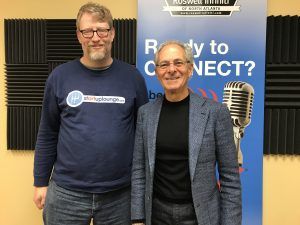
Mike Blake and Rod Burkert

Decision Vision Episode 35: Should I Hire a Business Development Coach? – An Interview with Rod Burkert, Burkert Valuation Advisors

Why should I hire a business development coach? What are the most important aspects of marketing my professional services? In this interview with “Decision Vision” host Mike Blake, Rod Burkert of Burkert Valuation Advisors answers these questions and much more. “Decision Vision” is presented by Brady Ware & Company.

Rod Burkert, Burkert Valuation Advisors

Rod Burkert, CPA, CVA, and his wife, Amy Burkert, CPA, CFA, with their dogs Buster, left, and Ty, stand in front of the RV that serves as their mobile office and their home.

Rod Burkert is the Founder and President of Burkert Valuation Advisors.

In one way, shape, or form, Rod has performed valuations since the late 1980s. In July 2000, he started Burkert Valuation Advisors in Philadelphia where he ran a “traditional” valuation practice for 10 years that focused on tax purpose valuations for manufacturers and distributors.

Based on that experience, in 2013 Rod began coaching BVFLS (business valuation and forensic legal services) professionals to mentor them in the marketing and positioning skills they need.

In March 2010, he began traveling full time throughout the US and Canada in an RV with his wife and dogs. Today his mobile consulting firm includes his valuation practice and a coaching business, all of which he built by leveraging his professional network, social media, and hiring virtual assistants to make the available technology work for him.

For more information, you can email him directly, go to his website, or you can find him on LinkedIn.

Michael Blake, Brady Ware & Company

Mike Blake, Host of “Decision Vision”

Michael Blake is Host of the “Decision Vision” podcast series and a Director of Brady Ware & Company. Mike specializes in the valuation of intellectual property-driven firms, such as software firms, aerospace firms and professional services firms, most frequently in the capacity as a transaction advisor, helping clients obtain great outcomes from complex transaction opportunities. He is also a specialist in the appraisal of intellectual properties as stand-alone assets, such as software, trade secrets, and patents.

Mike has been a full-time business appraiser for 13 years with public accounting firms, boutique business appraisal firms, and an owner of his own firm. Prior to that, he spent 8 years in venture capital and investment banking, including transactions in the U.S., Israel, Russia, Ukraine, and Belarus.

Brady Ware & Company

Brady Ware & Company is a regional full-service accounting and advisory firm which helps businesses and entrepreneurs make visions a reality. Brady Ware services clients nationally from its offices in Alpharetta, GA; Columbus and Dayton, OH; and Richmond, IN. The firm is growth minded, committed to the regions in which they operate, and most importantly, they make significant investments in their people and service offerings to meet the changing financial needs of those they are privileged to serve. The firm is dedicated to providing results that make a difference for its clients.

Decision Vision Podcast Series

“Decision Vision” is a podcast covering topics and issues facing small business owners and connecting them with solutions from leading experts. This series is presented by Brady Ware & Company. If you are a decision maker for a small business, we’d love to hear from you. Contact us at decisionvision@bradyware.com and make sure to listen to every Thursday to the “Decision Vision” podcast. Past episodes of “Decision Vision” can be found here. “Decision Vision” is produced and broadcast by the North Fulton studio of Business RadioX®.

Visit Brady Ware & Company on social media:

LinkedIn:  https://www.linkedin.com/company/brady-ware/

Facebook: https://www.facebook.com/bradywareCPAs/

Twitter: https://twitter.com/BradyWare

Instagram: https://www.instagram.com/bradywarecompany/

Show Transcript

Intro: [00:00:02] Welcome to Decision Vision, a podcast series focusing on critical business decisions, brought to you by Brady Ware & Company. Brady Ware is a regional, full-service, accounting and advisory firm that helps businesses and entrepreneurs make vision a reality.

Michael Blake: [00:00:20] And welcome to Decision Vision, a podcast giving you, the listener, clear vision to make great decisions. In each episode, we discuss the process of decision making on a different topic. Rather than making recommendations because everyone’s circumstances are different, we talk to subject matter experts on how they would recommend thinking about that decision.

Michael Blake: [00:00:39] My name is Mike Blake, and I’m your host for today’s program. I’m a Director at Brady Ware & Company, a full-service accounting firm based in Dayton, Ohio, with offices in Dayton; Columbus, Ohio; Richmond, Indiana; and Alpharetta, Georgia, which is where we are recording today. Brady Ware is sponsoring this podcast. If you like this podcast, please subscribe on your favorite podcast aggregator, and please also consider leaving a review of the podcast as well.

Michael Blake: [00:01:03] So, our topic today is, should I hire a business development coach? And I’ve picked this topic because, as most of you know, I’m a shareholder inside an accounting firm. And one of the hard—one of the struggles that almost every accounting firm faces is, how do we motivate people to develop business? How do we train people to develop business? Because at the end of the day, in the 21st Century economy, it’s all well and good to be a great technician, but if all you have in a firm is technicians, it’s like trying to win a baseball game with great pitching only, you wind up having zero to zero. And you can’t win that way. So, you’ve got to have people and a culture that drives the ability to generate revenue. And the accounting industry, in particular, is not one that is necessarily known for its outgoing, gregarious nature. And so, that’s a particular area that that we focus on.

Michael Blake: [00:02:08] And, for me, as a leader of a valuation and strategic advisory practice, at least 70% of what I do has something to do with business development. And I can tell you that the things on the mind of our partners all the time is, how do we get people excited, and not just excited, but also trained to generate revenue? Because it’s not fair to send a bunch of kids out there, or sometimes not kids say, you know, “Go back, get us some business. Go get them.” That’s not going to produce an outcome, except for the occasional outlier. There needs to be an important support system for that.

Michael Blake: [00:02:46] And I say this is not somebody to whom sales necessarily comes naturally. When I started my career in investment banking, I was the clock guy. I was the guy they locked into a room, and shoved in front of a spreadsheet, and left them with the textbooks, and just made sure it never ever got in front of the client because that was my role. We had other people that were much more comfortable than I. And then, over a number of years, working with coaches, including Rod, for a time, I’ve managed to become slightly below average, which doesn’t sound a lot, except when you understand the disaster I was when I started. And, actually, it’s quite a long way.

Michael Blake: [00:03:25] And joining us today by phone is is Rod Burkert, who is, I think, the best in the business when it comes to this kind of topic in the business valuation arena. And I’m proud to say that I was actually a client of his when I had my own practice for a little bit under a year, and I fired him for the best reason possible, is that I was generating so much business, I could not handle all of it. I had to turn off basically. And I give him a lot of credit for that, as well as another coach sort of earlier in my career. And I can’t think of a better endorsement than that. And it happens to be true.

Michael Blake: [00:04:03] But Rod is the founder of Burkert Valuation Advisors, a business valuation and litigation support firm. His assignments focus primarily on income, gift, and estate matters, specializing in closely held companies and private investment partnerships. He also provides report, review, and project consulting services to assist attorneys and other practitioners with their engagements between 1996 and 2025. Rod was a member of an elite instructor for the National Association of Certified Valuation Analysts – just rolls off the tongue – Consultants Training Institute. Missing the classroom environment, he rejoined the NACVA’s teaching circuit in 2011, championing the subject of Report Writing, another topic near and dear to my heart.

Michael Blake: [00:04:42] He is a recipient of various instructor awards, including the Circle of Light and Instructor of the Year. He is a past chairman of NACVA’s executive advisory board and education board, and has been named one of NACVA’s outstanding members. He is also a regular contributing author to Business Valuation Update, the Value Examiner, and Financial Valuation and Litigation Expert. If you’re not in valuation, you don’t know what those are, but those are basically the Sports Illustrated of the Valuation World, the New York Times of the valuation world. Rod is leveraging social media to build a mobile valuation consulting practice, allowing him to travel full time in an RV throughout the United States and Canada with his wife, Amy, and their two dogs. And Rob, thank you for taking time off the road to talk to us today.

Rod Burkert: [00:05:26] Hey, thanks, Mike, for having me. I appreciate it. I—gosh, until you read my bio, I didn’t realize how much I’ve done, but it sure sounds like a lot, doesn’t it?

Michael Blake: [00:05:38] Well, as I tell people, one of the benefits I see for myself having gray in my beard and two arthritic ankles is, at least, when you look behind in the rearview mirror, there’s some interesting stuff.

Rod Burkert: [00:05:49] Exactly, exactly.

Michael Blake: [00:05:51] So, you started out, I think, as did I, as a practitioner, giving out the work. Why did you decide that you’re going to develop, if you will, this persona or this new vocation of practice development training?

Rod Burkert: [00:06:13] Well, one of the things that you said in the beginning kind of struck me as pretty close to home is back in the day, when I started doing valuations, if someone said to me, “Describe your ideal day,” I would have said, “Sitting in front of a computer building an Excel model to help a client accomplish some—you know, or solve a valuation problem.” So, I was very much the nerd sitting in front of a computer as well, but I had my own practice, and I had to bring in work in order to build those kinds of models.

Rod Burkert: [00:06:50] And so, I’m kind of an outgoing person. I don’t mind getting out there. And I actually found that the more I did it, the more I enjoyed it. And then, I turned 60. So, I’m 63 now, but when I turned 60, I’m thinking my health is really good, I’m having a great time, I’m not thinking about retiring, I’ve got a long road ahead of me, and I have an opportunity really to embark on a second career. And for me, that second career piggybacked on what I know and what I do best, which is doing business valuation work. But instead of doing the work, I’m actually, as you said, helping people get the work because there is a lot of information out there that’s of a very technical nature. It tells us how to do the work, but nobody tells us how to get the work.

Rod Burkert: [00:07:47] And the last piece of why I’m doing what I’m doing, as you mentioned in the introduction two days ago, my wife and I officially crossed 9.5 years that we have lived full time in our RV, traveling throughout the United States and Canada with our two dogs. There’s no home. There’s no storage facility. Everything is in the RV. And I want to give that RV equivalent experience to other people in our profession. So, I don’t expect everybody to think that they’re going to pull up stakes and live in an RV like Amy and I do. But rhetorically speaking, Michael, what is your RV equivalent experience? What is it that you would like to do in tandem or in parallel with the business valuation work that you do? And one of my—kind of one of my success stories is a client that I am working with, and he really had a previous life as a painter and an artist. And we’ve restructured her practice to give that life back to her again.

Michael Blake: [00:09:00] So-

Rod Burkert: [00:09:00] That’s why I’m doing this.

Michael Blake: [00:09:02] Okay. So, yeah. And obviously, you’re helping a lot of a lot of people with it. So, before we go, I’m going to define a term because what we’re going to be talking about here is business valuation because that just happens to be my world. But I want to emphasize that Rod, also, helps people that are in the forensic and litigation services area, which generally means expert witnesses. And that that’s not an area which I play in. I’m on record saying that’s not my strength, to put it mildly. But a lot of what Rod does is he works with professionals like that as well.

Michael Blake: [00:09:38] So, when I say business valuation, because I don’t want to say that entire mouthful each and every single time, just imagine to yourself out in the audience that we’re also talking about forensic and litigation services. So, with that in mind, the question then is, can anyone do this? Can literally anyone who decides that, for whatever reason, for career development, or for survival, because they’ve got to eat, and they’ve got this practice, can anyone develop a business valuation practice?

Rod Burkert: [00:10:11] I think, to an extent, the answer to that question is yes with a huge but caveat. And that caveat is simply this, it’s that you have to be willing to keep showing up to try new things and always keep moving forward. And I think that’s the problem with many people in our profession. They don’t have that dedication to the consistency and persistency that’s required for the marketing that you need to build a practice.

Rod Burkert: [00:10:46] So, one of my coaching clients coined a really cool term. He’s been accused by his friends and colleagues of dolphin marketing. And what is dolphin marketing? Well, dolphin marketing is when you need work because everything in the pipeline is done, you come up for air, you breach out of the water, you grab a few new clients, and then you disappear under water, and nobody hears from you again until you need more work. That’s dolphin marketing.

Rod Burkert: [00:11:18] Anyone in our industry who we might call an industry titan, the seasoned professional, will tell you that you need to be out there marketing, if not every day, at least every week. And I think, given some of the mentality in our profession, we don’t want to do that. We convince ourselves—to me, we convince ourselves, “I’m a person that was never good in math,” and I had convinced myself that I will never be good in math. When actually, it’s a learned skill like anything else that we do. You can learn to be good in math, and you can learn to be good in marketing and practice development if you don’t talk yourself out of it.

Michael Blake: [00:12:05] What you talk about resonates with me. A podcast to which I listen fairly frequently is the Rosen Institute. You might have heard of it.

Rod Burkert: [00:12:14] Oh, yes.

Michael Blake: [00:12:15] Yeah. I mean, Lee Rosen is very much a kindred spirit of yours, except he goes global. And one of the things he says is that almost any marketing activity you do will be successful as long as you stick with it, and you’re consistent.

Rod Burkert: [00:12:31] And yes, I agree with that. And related to that, Michael. You have to like it. I mean, one of the things is what works for others may not work for you. And what works for you may not work for others. But the important thing is to play to your strengths. I would never advise a coaching client that they need to be out there speaking constantly if they didn’t really like speaking, or writing, or doing videos, or anything like that. You have to pick a marketing skill that you are halfway good at, so that you can learn to get better and enjoy doing or else, you won’t stick with it. And that goes back to being consistent and persistent.

Michael Blake: [00:13:14] So, why isn’t just being a great technician good enough? I mean, the little voice in my head that says the world in America is a meritocracy. Tell us. And maybe this is a rationalization that the marketing and sales are just fluff, but I’m a professional of substance, and I’m really good at the business valuation, et cetera, world. Why is that not good enough?

Rod Burkert: [00:13:39] Yeah. I mean, I used to think being a technician would be good enough. And then, I read Dale Carnegie’s book, How to Win Friends and Influence People. That book was written back in the 1930s. So, 80 some years ago, Dale Carnegie had this observation about the finance, about the success of the people that he was coaching. And he says, basically, it’s by observation that if you look at anyone who has achieved some level of financial success, 15% of that success is due to technical skills, and 85% of it would be due to what we would call today people engineering skills, the soft skills like good listening, having empathy, being patient. That has—I think, many times, we gravitate to somebody who can capture our imagination and tell us what they can do for us without, actually, supplying the mathematical solution for what they can do for us.

Michael Blake: [00:14:56] Now, sales, for people who don’t do it, and for me, I surprisingly found to my to my astonishment, really, that I get a big endorphin rush from it, but not everybody does. And some people—I think a lot of people still look at sales with a certain amount of apprehension, even dread. And I’m sure it comes across people’s minds, “Maybe I could just hire a salesperson or maybe partner up with a salesperson.” Is that. Is that a model that could work for a small firm, or is that just sort of putting a Band-Aid on a gunshot wound?

Rod Burkert: [00:15:32] Well, there are firms out there, even in our business valuation space, that have a team of salespeople only. They do not do valuation, or forensic accounting, or litigation services work at all. They go out and their job is to sell the work. And they have built an incredibly successful practice. I think they are five or six offices. They’ve been around for like 80 years, and they have used that model to some success.

Rod Burkert: [00:16:09] Rhetorically speaking, though, if you’re the prospect, at that point, because you haven’t signed on, this isn’t a widget that we’re selling. We’re selling a solution to an acute problem that could be the death of a family member, and their interest in the business needs to be valued for estate tax purposes. It could be the sale of your business, something that you’ve built over the course of your lifetime. And now, it represents the largest asset that you own. When it comes to interviewing somebody that’s going to help you solve that problem, do you want to meet somebody who’s selling the solution or somebody who is going to be preparing this solution?

Rod Burkert: [00:16:56] So, I’m not saying that the sales model where you’re wanting to hire somebody to outsource the sales piece of your practice development won’t work. But I think where we really fail most often is the people that do the work that we do, we don’t put ourselves in the shoes of the client. And how would we feel if we were going to have our problems solved by a salesperson as opposed to a person that’s going to actually do the work?

Rod Burkert: [00:17:27] You go to a doctor, there’s no salesman selling you the procedure that you need to have performed. There is the doctor that’s telling you the what, the why, and the how that this procedure needs to be performed. And I think with a professional service like ours, to me, prospects and clients want to meet with the person that’s going to be doing the work, not the person that’s just going to be selling the work.

Michael Blake: [00:17:57] Now, one of the objections, I’m sure, you face, and I certainly see with somebody who is confronted with the need to develop a business development mentality and business development practice, if you will, is a lack of time. I don’t have time to sit. I don’t have time to do X, Y and Z. And I’m curious, I would imagine that—I know this for a fact, as I’ve been a client of yours, is that it’s not a free ride to kind of jump on board the Rod Burkert training and become a coaching client, is it? I mean, there’s a there’s a time commitment and not just inside of school, if you will, but outside as well to prepare and build those skills, and build those business development muscle, isn’t there?

Rod Burkert: [00:18:45] There is. And I think, a big factor in all of this in what you said, Michael, is really how—first of all, well, how successful of a practice do you want? What does success mean to you? Because there are some people, you and I both know them, that have a successful practice simply by sitting in their office and aggressively waiting for the phone to ring. That’s a term that I used in coaching with you. And they are perfectly happy with that. They’ll never make high six figures doing that or it would be unusual to think that they could, but if they’re making a low six figure billing revenue and however you want to look at it, that may be all they need, and they’re not going to invest time with a coach like me.

Rod Burkert: [00:19:38] And on the other hand, there are people who want more for different reasons. And they’re not just necessarily saying more income. I’m saying more time, more money, more freedom. You have to put some systems in place to realize those things. And that’s what I would like to think that my coaching helps people do, not just more money but more money with more time and more freedom to use that money to, again, have that RV-equivalent experience.

Michael Blake: [00:20:12] And one of the time investment required by a coaching client of yours, let’s say, in a given week? How many hours do they expect to invest in their education that’s being led by you?

Rod Burkert: [00:20:25] I would say that there is a ramp up. In the beginning, it may be a few hours a week tailoring down. I mean, there’s two things, if you can bear with me here, Michael. Number one is it depends on when you come to me, how much authority, how much awareness that you have because there are people in the profession that don’t do marketing per se. They’re not out there networking like we think that they might do. Their networking is speaking and writing. And so, for them, they’re not investing any time in marketing, again, per se. They’re just doing what they like to do, which is speaking and writing.

Rod Burkert: [00:21:07] The other part of what this is, of what I teach, is something that you should be doing anyhow to build your practice. Let me give you a great example. I’m at a speaking event, someone says to me, “I’m a tax person. I would love to get a valuation practice up and running. And I just don’t—but I just don’t have the time.” And I was kind of blunt, and that’s my style. And my first question out of my mouth was, how much television do you watch a week? And he was all proud of the fact that he was a Cubs fan, and that during baseball season, he’s watching every game somehow streaming on television. And I said, “So, to me, an average baseball game is like three hours a week, three hours a game. And you’re watching multiple games a week. And now, you want to tell me that you don’t have time for marketing.”

Rod Burkert: [00:22:02] So, that enters into it as well. Meaning, how badly do you want this? Do you just want to gripe about your situation, or do you actually want to take time from other activities that really don’t contribute any value to get you to where you say you want to end up, and invest it in coaching time, and learning how to market and build a practice?

Michael Blake: [00:22:30] I remember reading that story. You put it on your mailings, at least, once. And it’s—yeah, it is a great story. And television is one of styles, sort of, t sucks too. You don’t realize how much time has gone until you—sometimes, you do wake up, but you look up, and you say, “Oh, my gosh. My whole evening is gone. I could have written an entire article in the four hours I just spent watching that TV.”.

Rod Burkert: [00:22:57] Right.

Michael Blake: [00:23:00] So-

Rod Burkert: [00:23:00] And if I can say, one of the last things—well, one of the things that I teach people is how to automate certain processes. Now, I don’t have a sales system or anything like that. But given what I know, given what I can teach people about platforms like Facebook and LinkedIn, there is a way to automate your connection requests. There’s a way to automate your scripts and use conversations on LinkedIn Messenger or Facebook Messenger to make it seem like you’re actually having a conversation until you get to the point where you find out that the person really does want to buy from you whatever they’re buying, and you take that conversation offline, and have—and call them, reach out, and phone, and have them have that real discussion.

Rod Burkert: [00:23:51] But there’s a lot of automation that can go on at the front end that you don’t have to be sitting at your computer to do or it happens for you. You’ve got to invest the time to set the system up. But man, once it’s running, it really works.

Michael Blake: [00:24:09] So, what about the duration of an optimal coaching relationship?

Rod Burkert: [00:24:14] And I’m supposing some of them may not be true. So, I’m likely going to learn something, but contrast with, say, a therapist, where—and I think part of what you do is therapy, good therapy, but there are some people that have lifelong relationships, or certainly years or decades-long relationships with therapists, is there ever a point in a coaching program such as the one that you run where your clients graduate, or is this something that you think that it’s a long term, maybe ideally a semi-permanent commitment to that relationship?

Rod Burkert: [00:24:51] Yeah, good question. And tongue in cheek, I think you stay with a coach as long as the return on investment is greater than or equal to the investment. And I think what really pivots people here is that our average engagement could be anywhere from at the really low end if you’re competing on the basis of price, maybe you’re doing work for $5000. But our engagements could easily go up to $25,000, $30,000, $50,000. $100,000 if you’re doing litigation support work, and it’s a big case. I mean, that happens.

Rod Burkert: [00:25:29] So, if I can teach you something that helps you get those kinds of—that kind of case work at those kinds of fees, and let’s say my coaching is $10,000 for an entire year, or that’s what it comes out to, because it’s close to that, but I’m helping you get three, four, five engagements at a multiple of $10,000, or $15,000, or $20,000 that you would not have otherwise gotten as a result of the coaching. Why wouldn’t you stick with me or any other coach, for that matter, that can help you develop that kind of a return on your investment?

Michael Blake: [00:26:08] Well, okay. So, yeah. So, there you go. So, I’d like to jog down to that a little bit because we’ve talked about the skill set that you help your clients acquire. And that’s a big part of what you’re offering. But my sense, also, is that’s for some people, you’re also just offering an accountability partner, so that people do, in fact, stay engaged, they stay motivated, they stay on task. (A), is that a fair characterization? And (B), if you had to guess, in many cases, is that accountability contribution even of equal value to the technique and skills contribution that you make?

Rod Burkert: [00:26:52] Yeah, it’s interesting that you put it that way, Michael, because if you think about it, we know – we know what we need to do to be successful because what it takes to be a success in an industry like ours hasn’t changed in generations. Quite frankly, it hasn’t changed in centuries. You get known for what you know by a combination of speaking and writing. And perhaps, in this day and age, video or podcasting. So, you see, you know what you should be doing. So, one of the big reasons people come to me is that accountability because they know that we’re going to have twice monthly meetings, and I’m going to ask them what progress that they’ve made towards the goals that they set for themselves to have the practice that they say that they want to have.

Rod Burkert: [00:27:48] So, accountability is a big thing. It’s not like I can’t teach you some things about, for example, something has come out in the last couple of weeks that has really changed the game about how people should be using LinkedIn. I can teach you that, but it doesn’t take away from the fact that you know you should be using LinkedIn in some way, shape, or form to help build your practice. Now, are you going to do it? Are you going to set aside 10 or 15 minutes every morning and every afternoon to use it? Well, that’s where accountability comes in because you know, as a coaching client, you’re going to have to report back to me about what you did and didn’t do in the last two weeks.

Michael Blake: [00:28:35] So, you’re a big proponent of your clients making themselves visible experts. And it’s important to note, there are there other marketing opportunities or channels available if you choose to. But you’re very much on the visible expert train. Why exactly is that as opposed to other potential marketing channels or approaches?

Rod Burkert: [00:28:59] A great question. And I think the answer is simple. If you put yourself—if we’re—if we put ourselves in the client’s shoes when we have a problem, we want a visible expert to solve it. I mean, if there’s something going on in your family, in your household, in your home, and it needs to be—and by that, it could be a medical emergency, all the way down to a plumbing emergency, do you want to call somebody that nobody has never heard of to solve your problem, or do you want to call somebody that you know of, or that your friends can highly recommend because they know that that person can successfully solve your problem? And I think we would agree with the latter. I mean, we want somebody who has solved our problem multiple times successfully.

Rod Burkert: [00:29:51] And the way you do that is to have—first of all, you have to have the skills and knowledge. So, you have to be an expert. You have to have expertise. But no one’s going to know about your expertise, or your authority, or what you’re known for if you don’t get out there because we need to be where the buyers of our services are when they need us. And so, if you’re not out there constantly priming the pump with speaking engagements, writing articles, again, whatever is your strength, doing videos, how’s anybody going to know to call you?

Michael Blake: [00:30:30] Well, yeah. That’s true. And, of course, as a presupposition, and I think an important one, that you don’t want to be a commodity. One thing you could do is the alternative, is you could adopt sort of a Yellow Pages model, put yourself in directories. Believe it or not, I actually do a case. I get an email from appraisers.org. I never landed a client or even came close, but at any rate—and you can sort of go that route, but by making yourself a visible expert, you are elevating yourself and making yourself, I think, a much more obvious fit to solve that problem too, right?

Rod Burkert: [00:31:06] Right.

Michael Blake: [00:31:07] So-

Rod Burkert: [00:31:08] Exactly.

Michael Blake: [00:31:09] I want to switch gears a little bit and talk about the the the nature of the coaching relationship itself. Somebody is looking for a coach like you, and they may have a view as to what an outcome, desirable outcome would be. Can you talk about what are some—what are realistic expectations of a coaching relationship? I’ll just have you talked about you because I don’t want you to speak for all other coaches, but what are realistic expectations of a relationship with you? And maybe what might be some unrealistic expectations somebody might have in a relationship with you?

Rod Burkert: [00:31:47] Sure. You’ve heard the expression, “You can lead a horse to water,” right?. And I think the an example of an unrealistic expectation and a coaching relationship is that me imparting knowledge to you is going to solve your problem because information is dramatically different than implementation. And the coaching client in any field is going to have to take the information from the coach and implement it. So, I can give you what you need to do. I can tell you why it’s important that you do that. And as a coaching client, I will even show you how to go about doing it. So, I will give you the what, the why, and the how. But if you don’t do anything with it, if you don’t do the work, if you don’t implement it, your situation is not going to change.

Rod Burkert: [00:32:47] You just may—you may learn more, you may be more knowledgeable, but if you don’t do anything, nothing’s going to change. If you don’t get out there on LinkedIn, if you don’t get out there and write, if you don’t get out there and speak, even though, again, you know these are the things you should be doing, nothing’s going to change. And quite frankly, Michael, when I see that happening in a coaching relationship, I will terminate the relationship because I’m not—I don’t want to take people’s money. If I see that they’re not implementing, we have a come-to-Jesus conversation, and I give them a little bit of time after that, and if they’re not working it, then I’m not helping them.

Michael Blake: [00:33:28] And look, I think, to be perfectly candid, too, it’s a self-defense mechanism for you as well. And I know how you coach in groups. So, if a person is not engaging, it means they’re not contributing to the other people who are, sort of, in your study group, if you will. And also—and I fired clients for similar things where I don’t want a client paying me, not taking my advice, have it not worked out, and then run around telling everybody what a moron I am because they didn’t take my advice.

Rod Burkert: [00:34:02] Right, exactly. I mean, there’s there is something in your reputation that you want to preserve out of all this too.

Michael Blake: [00:34:08] I think absolutely. What you talk about reminds me of a running joke my wife and I have. So, years and years ago, I used to be a tournament chess player. And one thing that my wife could always count on was whenever I came home from a tournament, I’d come home with, at least, three chess books. And they looked great, and they make you sound so smart. But there’s a problem with chess books, and this is the spoiler alert. They’re really boring to read. And so-

Rod Burkert: [00:34:38] I can imagine.

Michael Blake: [00:34:38] Right? They’re just not a page turner. Even though I was, in my day, a pretty strong player, they’re not boring. They look great on the shelf. And at some point, I had to stop stop myself from buying them because only in the books did not magically create this energy field that made me a stronger chess player. They just took up space on my bookshelf and made free space in my bank account.

Rod Burkert: [00:35:07] God. Yeah. Again, the difference between information and implementation.

Michael Blake: [00:35:14] So, one issue practices have, and I face this in mine, not urgently, but it’s something I think about a lot is training kind of the next generation. Many practices, as you know, sort of have a patriarch at the top of the practice, right? It could be Chris Mercer, who I know you have a good relationship. It could be Shannon Proud. It could be Jim Hitchner. And then, they have people that are working for them and are professionals in their own right. And all of those people know what it takes to build a successful and valuable firm, that if it’s going to have value, better not be entirely dependent on one person doing all the rainmaking. Do you think there’s a role for coaching in some capacity to help address the problem or the challenge of raising the next generation of visible experts? And if so, do you have any idea of what that may look like?

Rod Burkert: [00:36:16] Yes and yes. I think, to get to the heart of your question, it sounds like, well, is there a problem in training the next generation? And I think you’ve got to look at it from the origin of marketing. I mean, again, we came into this profession, Michael, many, many years ago, where there was no expectation that we needed the market. We were going to be those technicians and succeed solely on that basis. And then, things got tough.  We started to realize that if we really did want to get anywhere, we needed to do marketing.

Rod Burkert: [00:36:55] Just as a quick aside, I had a managing partner and accounting firm come to me when I was running a valuation practice in an accounting firm, comes into my office one day and says, “Damn it. The problem that I’m having is I can always find people to do the work. You can’t find people who can get the work.” And so, I suddenly realized, that was like a big aha moment for me that if I wanted to get anywhere, I needed to get the work. And so, begrudgingly, my generation – again, I said I was 63 at the top of the podcast – I happen to be what I consider a baby boomer trapped in a millennial body, or, I’m sorry, I’m a millennial trapped in a baby boomer body, the other way around. But we’ve begrudgingly learned these things that we have to do to bring in more work. We have to network. We have to have lunches, and breakfasts, and coffees with attorneys. We have to do it this way.

Rod Burkert: [00:37:54] And that patriarch at the top of the firm is saying to the younger generation, “This is how you have to do it,” and it doesn’t work that way because generations change. And the patriarch grew up with a certain generation of colleagues and referral sources for which networking events, for example, worked for them. But I hate to even say the millennial generation because it sounds like we’re maligning them, but I don’t mean to, they’re growing up with a cohort of similar-minded people who saw the damage of being away from your family all the time create. So, going out and networking every night of the week is not something that you’re going to convince the millennials the right thing to do. They’ve grown up with all sorts of phone apps, and texting, and that is how they communicate with each other.

Rod Burkert: [00:38:54] And these millennials, if they’re professional service providers, they’re going to get work from attorney and CPA referral sources who are their own age, who grew up with the same technology, and have the same shared experience of wanting to be with family and wanting to do a good job. So, I think when there’s a breakdown between trying to train the younger generation, it’s because we’ve already approached the relationship that these people are lazy, and they spend too much time on their phones, and they don’t want to get out there, and we make them bad and wrong because we want them to do it our way.

Michael Blake: [00:39:37] Yeah. And darn it, we want them to pair the same horrible price we had to pay, regardless how much sense it makes.

Rod Burkert: [00:39:43] Exactly. I mean, think about it the other way around. What if patriarchal generation grew up with texting as a way to bring in new work, but the younger generation didn’t like that? They don’t like texting. They want to have real conversations with people. They want to go out and meet them in person. They want to go to networking events. Would we, the older generation, be yelling at millennials if they didn’t want to stop texting to get business, and instead wanted to go out and do networking events? Would we be yelling at them because they want to do networking and not rely on something more technology related?

Michael Blake: [00:40:23] Yeah, and I see that. I see that in my practice because, as you know, I do a lot of work in the tech space. So, my demographic tends to skew a little bit younger. And I’ve actually not met about half of my clients in person, and it doesn’t matter, right? Even if I did a site visit, I wouldn’t even see servers anymore. I would see a bunch of Macbooks, and iPads, and a couple of conference rooms. If, they might even be in a coworking space. But they’ll respond to a text, they’ll respond to a tweet. I can read some through Instagram. And as you have often said, in a way, that millennial generation has it right because if you think about the investment you have to make, meeting one person at a time, breakfast, lunch, drinks, whatever it is, right, in the time you spend doing that over the course of a month, you could have reached 100,000 people over social media.

Rod Burkert: [00:41:19] Several times. Several times over. That’s exactly right. And just try and say, “Hey, we don’t care so much.” What we’re really saying as the patriarch, we don’t care about the results as much as we care about your methodology.

Michael Blake: [00:41:38] Right.

Rod Burkert: [00:41:38] And I think that’s wrong.

Michael Blake: [00:41:39] Yeah. Clearly wrong, right? That is just—that’s no longer a business solution. That’s a psychological issue.

Rod Burkert: [00:41:47] Right.

Michael Blake: [00:41:48] So-

Rod Burkert: [00:41:49] Again, like you said, we want those people to pay the same price that we had to.

Michael Blake: [00:41:54] That’s right. So, you obviously coach this business valuation forensic area, I think, exclusively. Do these—could these principles—again, could these principles apply in other industries? Law? Digital marketing? Management consulting? Could they be applicable anywhere, or are they strictly useful only and in the field that we’ve chosen?

Rod Burkert: [00:42:21] I think that what I do is applicable to other fields, but  you know from working with me, I’m a big fan of niching. So, I’ve got this minimum viable audience of business appraisers. So, I would be violating my own philosophy of niching if I try to go out and proselytize about how to develop an accounting practice or a law practice. I just—I’m not saying it couldn’t work, but I don’t think I’d have any authority or credibility because I’ve never built an accounting practice, or I’ve never built a law practice, but what I have built a couple of times over different iterations is a business valuation practice. I know what my clients are up against. I know how things are changing because I still run a traditional valuation practice. And I think it gives me the authority and credibility to do and to talk about what I do for similarly situated professionals. I’d have no idea. I wouldn’t really know where an accountant is coming from. I mean, I sort of would, but you get what I’m trying to say.

Michael Blake: [00:43:32] Yeah, sure, sure. And to be clear, I’m not suggesting that you should diversify, but somebody who I—some—it is most likely that the vast majority of people listening to this discussion today have nothing to do or have no interest in the business valuation industry or profession, but they may be wondering, if I could find a coach with a similar approach in my industry, would that be viable? My own answer is it probably would. It’s just a matter of finding the right person who are similarly niche that understands kind of the industry-specific realities that have to intersect with the techniques.

Rod Burkert: [00:44:15] Number one, I would agree with what you said. And number two, I would also like to point out that I think you’d be really hard pressed, Mike, to identify anyone that has achieved any level of success in finance, in industry, in sports, any field of endeavor without a coach or mentor. People say, “Well, why do I need a coach?” And I’m like, “Hey, do you ever watch a basketball game?” “Yeah.” “What’s the objective of the game?” “Score more points than the other team.” “Do you think the five players out on the court know that that’s what the objective is?” “Yes.” “Well, then why did those five players need a coach? Why don’t they just go out and score more points than their opponent? They know what they have to do. They don’t need a coach. right?” And then, there’s a big pause.

Michael Blake: [00:45:07] I’m glad you brought that up because I think the reputation of the professional coach has evolved and elevated significantly, certainly, in the last 10 years. And I think, in particular, in the last four or five. And I think it’s elevated partially because I think coaches have become better, and the coaches themselves are people that are accomplished as opposed to 10 years ago, I seemed to encounter a lot of coaches that weren’t very successful in the actual field. So, those who can’t do teach kind of thing.

Michael Blake: [00:45:42] But I think, also, there’s a recognition that particularly in business development, and I know you don’t like the word sales, so I’m trying to avoid it, but business development, we don’t teach that anymore. And it used to be—you’re a little older than I am, but, certainly, in the baby boomer generation, in most professional services firms of any size, even the smaller ones, there was a notion that the senior people would impart their wisdom, their knowledge, and would participate in the management and development of that next generation of business developers.

Michael Blake: [00:46:16] Now, what I see is just everyone for themselves. They got to meet their billable hours goals. I think to a certain extent, they’re fearful the younger generation will come and take their jobs. They’re certainly not rewarded for developing new talent as much as most firms kind of give lip service to that. And that confluence has created, I think, an opportunity for people like you to fill a very real vacuum that, I think, has occurred and has generally been harmful to most professional services industries.

Rod Burkert: [00:46:50] Yeah, yes. I mean, you’re preaching to the choir. And I know this sounds self-serving, but I think a lot of people might be more willing to embrace a coach, but I think they look at it as a cost instead of an investment. And that goes back to, well, how long should they stay in the coaching relationship? Well, as long as you’re getting a return on your investment, it’s not a sunk cost. If you’re not getting a return on investment, you should find another coach or quit your existing coach, find another coach. But investing in your own personal development, I don’t know where else you should spend your money first if not spending it on or not investing it in your own personal growth.

Michael Blake: [00:47:37] I think there’s plenty of literature out there that is very clear that one of the best investments anybody can ever make is on themselves, right? And certainly, one of the best bets you can make is on yourself.

Rod Burkert: [00:47:47] Correct.

Michael Blake: [00:47:48] So, we’re winding down here, and I want to get you back to your beautiful weather and your scenery. But two more questions I like to ask. One is, can you think about kind of one of your favorite coaching success stories and tell us a little bit about that.

Rod Burkert: [00:48:07] Yeah, yeah, yes. And actually, I’m going to—more than one comes to mind, but let me tell you the one that had the most impact that I feel like I’ve had the most impact on somebody. My biggest success story was somebody who I coached out of business valuation, because one of the things that goes back to, “Well, why don’t we like marketing?”, we realize for this person, for this individual, that she did not really like—the reason she didn’t really want to do marketing is because she really didn’t like business valuations. And actually coached her out of the business valuation world. She went to work for her husband’s business and is, now, focusing on something that she realized that she really wanted to do, which was to become a writer. And so, she’s starting out selling detective stories on Amazon. And I’d like—from a personal standpoint, from my viewpoint, that is like my most successful story.

Rod Burkert: [00:49:17] From another client’s perspective, I have an older client, late 60s, early 70s, who came to me really drained. I mean, emotionally drained of the years of just doing one project after another. And we’ve turned things around. We’ve tried to get away from one-to-one client service. He’s created a one-to-many product that he’s selling—creating one time, selling to his industry niche, and they don’t want to say what it is, what his niche is, but it’s webinar related. And he’s making almost as much money from a one-to-many product, which takes him a couple of days, a month to create, as he was going out there trying to sell and do one-to-one client service engagements. And he’s got a whole new—he feels totally reinvigorated about his practice and the possibilities for his practice.

Michael Blake: [00:50:23] And I do think those are very important outcomes. And at first, I have a similar one. As you know, I do office hours a few times a month.

Rod Burkert: [00:50:32] I think it’s a great idea. Let me—I’m sorry, Michael, to interrupt you, but everybody thinks it’s got to be something so secret saucy, there’s a magic bullet, secret potion, silver bullet that is the answer to marketing. And the simple things that I see you do on LinkedIn, creating the hard candy is an example. Letting it be known that you’re going to be at a restaurant for a certain time, and anybody who shows up during that time, you’re going to help them. I think, sometimes, we get so lost in the trees, and we don’t see the forest. And then, it’s the simple things that if we did consistently and persistently, we wouldn’t even consider it marketing. We wouldn’t hate to do it because we think it’s—you hate going to lunch and having those open office hours? I don’t think so.

Michael Blake: [00:51:21] No, no. And you take one look at my waistline, you know I do not going to lunch and having those office hours. But one of my favorite stories of office hours was I’d call a successful failure like Apollo 13. I had office hours. And this was about eight to nine years ago. And a guy showed up, ran his pitch, his venture pitch by me, and said, “What do you think?” I said, “I think this thing has a lot of holes, and I think that you are risking years in your family’s finances on a very dubious proposition. And it’s most likely going to fail.” And he was so upset that he got up, walked away, stuck me with this bill, and called me a couple of names on the way out. He was not happy.

Michael Blake: [00:52:07] Six months later, I received a handwritten note from him thanking me through the fact that I told him something that his friends and family just didn’t have the heart to do and for having the courage to kind of tell him that he needed to do that. And he sent me $100 gift card hoping that was going to cover his tab, which is more than it did, but that was somebody I held by getting him out of something that just was not going to be successful. So, there’s no nothing wrong with that.

Michael Blake: [00:52:36] All right. So, I’m already going over time for both of us, but I want to make sure I get this last one. And that is, how can people contact you to learn more about business development coaching? And maybe if you’re not the right person because they’re not in business valuation, maybe elsewhere, how can they reach out to you?

Rod Burkert: [00:52:57] Well, I think just saying it over the phone, probably the easiest way is just if you know how to spell my name, you can find me on LinkedIn. I’m there a lot. That is my social media platform of choice. And so, you can message me on LinkedIn. I have a website that outlines pretty much who I am and what I do. And that website URL is rodburkert.com. And my email address piggybacks off of that. You can email me at rod@rodburkert.com.

Michael Blake: [00:53:31] All right. Well, thanks very much for that. And that’s going to wrap it up for today’s program. I’d like to thank Rod Burkert – B-U-R-K-E-R-T, so you know how to spell it – so much for joining us and sharing his expertise with us today. We’ll be exploring a new topic each week. So, please turn in so that when you’re faced with your next business decision, you have clear vision when making it. If you enjoy this podcast, please consider leaving a review with your favorite podcasts aggregator. It helps people find us, so that we can help them. Once again, this is Mike Blake. Our sponsor is Brady Ware & Company. And this has been the Decision Vision Podcast.

Tagged With: CPa, CPA firm, Dale Carnegie, Dayton accounting, Dayton business advisory, Dayton CPA, Dayton CPA firm, Decision Vision, dolphin marketing, forensics services, litigation services, marketing, marketing professional services, Michael Blake, Mike Blake, podcasting, professional services firms, professional services marketing, professional services sales, Rod Burkert, Sales, selling professional services, speaking, valuation services, video

ProfitSense with Bill McDermott, Episode 1: Tricia Dempsey, Thrive-Her Coaching

October 9, 2019 by John Ray

North Fulton Studio
North Fulton Studio
ProfitSense with Bill McDermott, Episode 1: Tricia Dempsey, Thrive-Her Coaching
Loading
00:00 /
RSS Feed
Share
Link
Embed

Download file

Tricia Dempsey and Bill McDermott

ProfitSense with Bill McDermott, Episode 1:  Tricia Dempsey, Thrive-Her Coaching

On this debut episode of “ProfitSense with Bill McDermott,” Tricia Dempsey discusses her PinPoint Your Purpose coaching program for women, overcoming self-limiting beliefs, and much more with host Bill McDermott.  “ProfitSense with Bill McDermott” is broadcast from the North Fulton Studio of Business RadioX® inside Renasant Bank in Alpharetta.

Tricia Dempsey, Thrive-Her Coaching

Tricia Dempsey

Over 4,000 ambitious career women have turned to Tricia Dempsey for advice. Her journey from 7th grade school teacher to 7-figure CEO – to the successful sale and exit from her own business – instilled in her a passion for activating women to create meaningful careers they love.

Tricia describes Thrive-Her as a movement and her life calling. The Thrive-Her coaching programs are built around The Next Level Framework where women successfully overcome self-doubt and limiting beliefs, and pursue their dreams with complete clarity and bold confidence, all while creating careers and lives that work.

Thrive-Her is dedicated to helping professional women live their purpose, leverage their strengths and love what they do. They deliver digital courses, group coaching programs and 1:1 coaching. Their courses empower women to create a vivid vision, communicate their value with confidence, increase their visibility for maximum impact and build a vibrant community of support so they can create a thriving career and life they love.

For more information visit the Thrive-Her website. You can reach Tricia by email or phone 770-309-2928. Also connect with Tricia on LinkedIn and Facebook.

About Your Host, Bill McDermott

Bill McDermott

Bill McDermott is Founder and CEO of McDermott Financial Solutions. After over three decades working for both national and community banks, Bill uses his expert knowledge to assist closely held companies with improving profitability, growing their business and finding financing. Bill is passionate about educating business owners about pertinent topics in the banking and finance arena.

He currently serves as Treasurer for the Atlanta Executive Forum and has held previous positions as board member for the Kennesaw State University Entrepreneurship Center and Gwinnett Habitat for Humanity and Treasurer for CEO NetWeavers. Bill is a graduate of Wake Forest University and he and his wife, Martha have called Atlanta home for over 40 years. Outside of work, Bill enjoys golf, traveling and gardening.

Connect with Bill on LinkedIn and Twitter and follow McDermott Financial Solutions on LinkedIn.

Tagged With: creating vivid visions, digital coaching course, Elevate yourself, employee resource groups, finance coach, goal getting goal givers, group coaching program, Healthy and Wealthy Woman, imposter syndrome, McDermott Financial, McDermott Financial Solutions, Pinpoint your purpose, presentation coach, profitability, ProfitSense, ProfitSense with Bill McDermott, purpose, Robin Roberts, self care, The Profitability Coach, Thrive, Thrive-Her, Thrive-Her Purpose, Thrive-Her Thursday, thriving life and career, train your brain, Tricia Dempsey, visualizing outcomes, vivid vision, women's challenges, women's confidence

To Your Health With Dr. Jim Morrow, Episode 18: 12 Flu Shot Myths

October 9, 2019 by John Ray

North Fulton Studio
North Fulton Studio
To Your Health With Dr. Jim Morrow, Episode 18: 12 Flu Shot Myths
Loading
00:00 /
RSS Feed
Share
Link
Embed

Download file

Dr. Jim Morrow, Host, “To Your Health With Dr. Jim Morrow”

To Your Health With Dr. Jim Morrow, Episode 18: 12 Flu Shot Myths

Flu season is coming! On this episode of “To Your Health with Dr. Jim Morrow,” Dr. Jim Morrow discusses the influenza virus and the 12 flu shot myths. “To Your Health” is brought to you by Morrow Family Medicine, which brings the CARE back to healthcare.

About Morrow Family Medicine and Dr. Jim Morrow

Morrow Family Medicine is an award-winning, state-of-the-art family practice with offices in Cumming and Milton, Georgia. The practice combines healthcare information technology with old-fashioned care to provide the type of care that many are in search of today. Two physicians, three physician assistants and two nurse practitioners are supported by a knowledgeable and friendly staff to make your visit to Morrow Family Medicine one that will remind you of the way healthcare should be.  At Morrow Family Medicine, we like to say we are “bringing the care back to healthcare!”  Morrow Family Medicine has been named the “Best of Forsyth” in Family Medicine in all five years of the award, is a three-time consecutive winner of the “Best of North Atlanta” by readers of Appen Media, and the 2019 winner of “Best of Life” in North Fulton County.

Dr. Jim Morrow, Morrow Family Medicine, and Host of “To Your Health With Dr. Jim Morrow”

Dr. Jim Morrow, Morrow Family Medicine, and Host of “To Your Health With Dr. Jim Morrow”

Dr. Jim Morrow is the founder and CEO of Morrow Family Medicine. He has been a trailblazer and evangelist in the area of healthcare information technology, was named Physician IT Leader of the Year by HIMSS, a HIMSS Davies Award Winner, the Cumming-Forsyth Chamber of Commerce Steve Bloom Award Winner as Entrepreneur of the Year and he received a Phoenix Award as Community Leader of the Year from the Metro Atlanta Chamber of Commerce.  He is married to Peggie Morrow and together they founded the Forsyth BYOT Benefit, a charity in Forsyth County to support students in need of technology and devices. They have two Goldendoodles, a gaggle of grandchildren and enjoy life on and around Lake Lanier.

Facebook: https://www.facebook.com/MorrowFamMed/

LinkedIn: https://www.linkedin.com/company/7788088/admin/

Twitter: https://twitter.com/toyourhealthMD

Dr. Morrow’s Show Notes on Flu Shots

What is the Flu?

  • Influenza is a highly contagious airborne viral illness.
    • The virus enters the respiratory tract cells of the host and, if not neutralized by antibodies, begins proliferating.
    • The incubation period is 18 to 72 hours, but viral shedding may occur up to 24 hours before symptom onset and continue for five to 10 days.
    • Influenza is typically uncomplicated and self-limited in otherwise healthy patients.
    • However, severe complications, such as pneumonia, encephalitis, respiratory failure, multi-organ failure, and death, can occur.
    • According to estimates from the World Health Organization, 3 to 5 million cases of severe influenza-related illness and 250,000 to 500,000 influenza-related deaths occur worldwide every year.
  • Diagnosis:
    • Sudden onset of symptoms is a telltale sign of influenza.
    • Common symptoms include
      • high fever,
      • headache,
      • sore throat,
      • myalgia,
      • cough,
      • rhinorrhea, and
      • fatigue
  • The CDC recommends that physicians diagnose influenza clinically and perform testing only in the limited situations.
    • Several diagnostic tests for influenza are but negative results do not rule out influenza.
    • Although many physicians use rapid influenza tests, clinical judgment should prevail, especially in view of the limitations of such tests.

Who should get vaccinated this season?

  • Everyone 6 months of age and older should get a flu vaccine every season with rare exception.
    • Vaccination is particularly important for people who are at high risk of serious complications from influenza.
  • Flu vaccination has important benefits.
    • It can reduce flu illnesses,
    • doctors’ visits, and
    • missed work and school due to flu,
    • as well as prevent flu-related hospitalizations.
    • Flu vaccine also has been shown to be life-saving in children.
    • In fact, a 2017 studyshowed that flu vaccination can significantly reduce a child’s risk of dying from flu.
  • Different flu vaccines are approved for use in different groups of people.
    • There are flu shots approved for use in children as young as 6 months of age
      • and flu shots approved for use in adults 65 years and older.
      • Flu shots also are recommended for use in pregnant women and people with chronic health conditions.
      • The nasal spray flu vaccine is approved for use in non-pregnant individuals, 2 years through 49 years of age.
      • People with some medical conditions should not receive the nasal spray flu vaccine.
    • The most important thing is for all people 6 months and older to get a flu vaccine every year.
    • Best time to get a flu shot is in October, so that it is in effect before the season gets into full force, and your immunity will last until the end of the season.

Making the Flu Vaccine: A Year-Round Effort

  • The job of producing a new vaccine for the next flu season starts well before the current flu season ends.
    • For the FDA, it’s a year-round initiative.
  • The composition of vaccines for the prevention of other infectious diseases stays the same year after year.
    • In contrast, flu viruses are constantly evolving.
    • And the flu viruses that circulate causing disease in people, often change from one year to another.
    • So, every year, there is a need for a new flu vaccine.
    • To that end, FDA, World Health Organization (WHO), CDC, and other partners collaborate by collecting and reviewing data on the circulating strains of influenza from around the world to identify those likely to cause the most illness in the upcoming flu season.
  • In late February/early March — well before the new flu season begins — an FDA advisory committee reviews data about
    • which flu viruses have caused disease in the past year,
    • how the viruses are changing, and
    • disease trends so they can recommend the three or four flu strains to include in the trivalent and quadrivalent influenza vaccines for the U.S in the upcoming flu season.
  • Once the strains are selected, vaccine manufacturers begin the manufacturing process to include the newly selected flu strains in their FDA-approved vaccines.
    • The different flu virus strains are combined to formulate the vaccine into standard dosages.
    • The vaccine is then filled into vials, syringes and, for the nasal vaccine, sprayers.
    • Both egg-based and non-egg-based manufacturing methods for FDA-approved flu vaccines require high-tech processes and manufacturing facilities that have been inspected by the FDA.
    • Vaccine manufacturers must submit applications to the FDA to include the new flu strains in their FDA-approved vaccines.
  • The FDA is also responsible for ensuring that released lots of influenza vaccines meet appropriate standards.
    • Each vaccine undergoes quality control tests, including testing for sterility.
    • Manufacturers submit the results of their testing, along with sample vials from each lot to the FDA for “lot release.”
    • The FDA typically begins releasing lots of flu vaccines in late summer.
    • Lot release can continue into early fall.
    • Once lots are released, manufacturers distribute the vaccine throughout the United States for use by the public.
  • Flu seasons and severity are unpredictable.
    • Annual vaccination is the best way to prevent the flu for people ages 6 months and older.
  • An annual immunization with flu vaccine is the most effective and safest way for most of us to reduce our risk of getting the flu and spreading it to others.
    • When more people get vaccinated, it is less likely that the flu viruses will spread through a community, making us all healthier.

Myths About the Flu Shot

  • Myth #1: The flu is the same thing as a cold and it is harmless.
    • It is common to confuse the flu with a cold.
      • Both have similar symptoms and often are treated with similar methods.
      • However, colds are mild and last longer.
      • The flu usually occurs suddenly and lasts 2 to 3 days. The flu also is contagious and can be dangerous.
    • Symptoms of the flu include:
      • fever of 102°F or higher
      • chills and sweats
      • nausea and vomiting
      • muscle aches and headaches
      • chest pain
      • cough
      • stuffy nose
      • loss of appetite.
  • Myth #2: You can’t die from the flu.
    • People who have severe cases of the flu or are high risk can die from the flu.
    • High-risk people include:
      • Babies or children up to 4 years old.
      • Anyone 65 years of age or older.
      • Women who are pregnant, trying to get pregnant, or breastfeeding.
      • Anyone who has a low or weakened immune system.
      • Anyone who has a chronic health condition.
      • Anyone who lives in in a long-term care center.
    • These people are at greater risk of having health problems that lead to death.
      • It is even more important that they receive an annual flu vaccine.
      • It helps prevent severe cases or problems related to flu.
      • It also lowers their chance of needing to go the hospital, which raises costs.
    • If you aren’t high risk, you still should get a flu vaccine.
      • It protects everyone around you.
      • This is especially true if you work in health care or care for high-risk people.
  • Myth #3: You won’t get the flu if you get the flu vaccine.
    • The flu vaccine helps to prevent the flu.
      • Every year, its purpose is to protect you from the main types of influenza.
      • However, you still can get the flu.
      • You could have been infected with the flu before you got the vaccine.
      • You also could get another type of flu that the vaccine does not cover.
      • Most likely, you will have a milder case than if you hadn’t gotten the shot.
    • There are other things you can do to lower your risk of getting the flu.
      • These include:
        • Washing your hands often.
        • Covering your mouth when you sneeze and cough.
        • Using household cleaning spray to disinfect surfaces and objects.
        • Using hand sanitizer.
        • Washing laundry of sick people separate from other items.
        • Keeping your children, especially newborns, away from anyone who is sick.
  • Myth #4: You won’t get the flu if you take vitamin C.
    • Vitamins cannot prevent the flu.
      • Using vitamin C can improve your immune system, but you can still get the flu.
  • Myth #5: The flu vaccine will give you the flu.
    • You cannot get the flu from a flu shot.
      • This form of vaccine is made up of dead viruses that can’t infect you.
      • The nasal spray flu vaccine is made up of live, but weakened viruses.
      • The nasal spray vaccine is no longer recommended.
    • You can’t get the flu, but you can have side effects.
      • The area of the shot could be red, sore, or swollen.
      • You also may have muscle aches, headaches, or a low fever for a short period of time.
      • These effects occur when your body responds to fight the new virus.
      • You also can have flu-like symptoms from other health issues, such as a bad cold.
  • Myth #6: You shouldn’t get the flu vaccine if you’re pregnant or breastfeeding.
    • It is important to get the flu shot if you are pregnant, trying to get pregnant, or breastfeeding.
    • The flu shot is safe for you and your baby.
    • If you don’t get the flu shot and develop the flu, you could give it to your baby.
    • Your doctor might prescribe antiviral medicine to help reduce symptoms. They also might suggest another form of feeding until you are better.
  • Myth #7: You shouldn’t get the flu vaccine if you have an egg allergy.
    • The amount of egg allergen in the flu vaccine is very small.
    • It is safe for people with egg allergies, even kids, to get the flu shot.
    • Serious allergic reactions are rare.
    • If you are at risk, doctors recommend getting the shot at your doctor’s office instead of a drugstore.
    • This way, your doctor can monitor any potential reactions.
  • Myth #8: You don’t need to get the flu vaccine if you’re healthy.
    • It is good to live a healthy lifestyle, but it can’t prevent the flu.
    • It is an infection that spreads easily.
    • Everyone over 6 months of age should get the flu vaccine, except for rare cases.
  • Myth #9: You shouldn’t get the flu shot if you’re sick or already have had the flu.
    • It is okay to get the flu vaccine when you have a mild sickness.
    • However, your doctor may suggest waiting until you’re better.
    • It also is okay to get the flu shot if you have cancer.
    • You still should get the flu shot if you’ve already had the flu. The flu vaccine protects you against several types of the virus.
  • Myth #10: You don’t need to get the flu vaccine every year.
    • The flu is caused by the influenza virus, which can change from year to year.
    • Because of this, the flu vaccine is adapted to protect against the main types of flu.
    • You should get the flu vaccine every year at the beginning of the flu season.
    • Flu season occurs in the colder months of year, typically October to May.
  • Myth #11: Getting the flu vaccine more than once a year will decrease your chance of getting the flu even more.
    • There is no research that multiple flu vaccines will lower your chance of getting the flu.
    • However, some kids or older adults may need two doses of the flu vaccine.
    • This depends on your age and medical history.
    • Talk to your doctor to see if you should receive two doses.
  • Myth #12: You should wait until later in the flu season to get the vaccine. Then you will be protected longer.
    • The CDC recommends getting the flu vaccine as soon as it’s ready at the beginning of flu season.
    • It can take up to 2 weeks for the your body to build protection against the flu.
    • You should get the shot before the flu becomes more contagious.
    • However, it still is better to get the flu shot late than not at all.

Sources: American Academy of Family Physicians and Center for Disease Control.


Tagged With: Cumming doctor, Cumming family care, Cumming family doctor, Cumming family medicine, Cumming family physician, Cumming family practice, Cumming md, Cumming physician, Dr. Jim Morrow, emphysema, encephalitis, fatigue, fever, flu shots, flu vaccine, heart disease, Milton doctor, Milton family care, Milton family doctor, Milton family medicine, Milton family physician, Milton family practice, Milton md, Milton physician, Morrow Family Medicine, myths about the flu, North Fulton Business Radio, pneumonia, respiratory illness, runny nose, sweat, To Your Health, viral illness, Virus strains

Family Business Radio, Episode 3: Cathy Hogan-Smith, Cachet Corporate Gift Services, and Brian Riggs, Foot Solutions Sandy Springs

October 8, 2019 by John Ray

Family Business Radio
Family Business Radio, Episode 3: Cathy Hogan-Smith, Cachet Corporate Gift Services, and Brian Riggs, Foot Solutions Sandy Springs
Loading
00:00 /
RSS Feed
Share
Link
Embed

Download file

Anthony Chen, Kathy Hogan-Smith, and Brian Riggs

Family Business Radio, Episode 3:  Cathy Hogan-Smith, Cachet Corporate Gifts, and Brian Riggs, Foot Solutions Sandy Springs

On this episode of “Family Business Radio,” host Anthony Chen welcomes Cathy Hogan-Smith, owner of Cachet Corporate Gift Services and Brian Riggs, general manager of Foot Solutions Sandy Springs. “Family Business Radio” is broadcast from the North Fulton Studio of Business RadioX® inside Renasant Bank in Alpharetta.

Cathy Hogan-Smith, Cachet Corporate Gift Services

Cathy Hogan-Smith

Cachet Corporate Gift Services has been the go-to gift service for major corporations in Atlanta and nationally since Cathy Hogan-Smith started her business in 1997. Cathy is an expert in design and marketing. She has won numerous awards as a gift designer, writer and  instructor/trainer in the gift industry. Her clients have included CNN, Cox Media Group, Turner Broadcasting System, Auto Trader, the Atlanta Braves, the Atlanta Falcons, Williams Sonoma and the Marriott Corporation. Cachet’s award-winning design team specializes in unique creations that feature delectable gourmet food and specialty gift items from around the world. Gifts are tailored to specific occasions or events and can include business logos. Cachet has provided gifts that fit with conventions, hotel room amenities, marketing, promotion and branding, grand openings, swag bags, celebrity or professional sporting events and much more.

For more information visit the Cachet Corporate Gift Services website. Cathy Hogan-Smith can be reached by email or text at 678-438-4486.

Brian Riggs, Foot Solutions

Brian Riggs

Brian Riggs is general manager of Foot Solutions in Sandy Springs. Each shoe at Foot Solutions must earn a place on their shelves, as employees undergo training in Pedorthics. Pedorthics is the biomechanical study of the foot and ankle, and how they affect the rest of the body. Foot Solutions can help prevent and relieve pain and discomfort. The retailer makes custom orthotics especially for you. They also have a variety of medical grade over the counter arch supports and orthotics that are already custom fitted. Each season, buyers for Foot Solutions Sandy Springs attend the world’s largest shoe show in Milan, Italy.

Foot Solutions Sandy Springs is located at 6307B Roswell Road, Sandy Springs GA 30328. You can reach Brian Riggs by email or phone 404-252-8001. Also visit the Foot Solutions website

Anthony Chen, Host of “Family Business Radio”

Anthony Chen

This show is sponsored and brought to you by Anthony Chen with Lighthouse Financial Network. Securities and advisory services offered through Royal Alliance Associates, Inc. (RAA), member FINRA/SIPC. RAA is separately owned and other entities and/or marketing names, products or services referenced here are independent of RAA. The main office address is 575 Broadhollow Rd. Melville, NY 11747. You can reach Anthony at 631-465-9090 ext 5075 or by email at anthonychen@lfnllc.com.

Anthony Chen started his career in financial services with MetLife in Buffalo, NY in 2008. Born and raised in Elmhurst, Queens, he considers himself a full-blooded New Yorker while now enjoying his Atlanta, GA home. Specializing in family businesses and their owners, Anthony works to protect what is most important to them. From preserving to creating wealth, Anthony partners with CPAs and attorneys to help address all of the concerns and help clients achieve their goals. By using a combination of financial products ranging from life, disability, and long term care insurance to many investment options through Royal Alliance. Anthony looks to be the eyes and ears for his client’s financial foundation. In his spare time, Anthony is an avid long-distance runner.

Tagged With: Convention guests, Corporate business clientele, Corporate Gift Company, Corporate Gift Services, corporate gifts, custom fit orthotics, custom orthotics, custom shoes, Family Business, family business advisors, Family Business Radio, family business success story, Foot Solutions Sandy Springs, Gratitude Cookies, Gratitude Gifting, Gratitude Gifts, Last minute corporate gifting, Lighthouse Financial Network, orthotics, Pedorthics, promotions, swag bags

Charles Gridley, Six Bridges Brewing, and Kathryn Woods, Confident Communications

October 8, 2019 by John Ray

North Fulton Business Radio
Charles Gridley, Six Bridges Brewing, and Kathryn Woods, Confident Communications
Loading
00:00 /
RSS Feed
Share
Link
Embed

Download file

John Ray, Kathryn Woods, Charles Gridley

North Fulton Business Radio, Episode 169:  Charles Gridley, Six Bridges Brewing, and Kathryn Woods, Confident Communications

Craft beer and improving our speaking abilities were just two of the topics covered in this edition of “North Fulton Business Radio” as we welcomed Charles Gridley, Six Bridges Brewing, and Kathryn Woods, Confident Communications. “North Fulton Business Radio” is hosted by John Ray and is broadcast from inside Renasant Bank in Alpharetta.

Charles Gridley, Six Bridges Brewing

Charlies Gridley

Charles Gridley, along with his son Clay, are the co-owners of Six Bridges Brewing. They are Johns Creek’s first and only brewery and taproom. Opened in December, 2018, Six Bridges Brewing currently brews on a 30 BBL brewhouse and a 2 BBL pilot system.  They’re dog and kid-friendly both outside and inside the taproom, and offer multiple TVs, video games, cornhole, board games, and of course, cold beer.

Six Bridges Brewing is located at 11455 Lakefield Drive, Suite 300, Johns Creek, GA  30097. To learn more, go to the Six Bridges Brewing website

Kathryn Woods, Confident Communications

Kathryn Woods

Kathryn Woods founded Confident Communications in late 2016. Kathryn provides communication coaching and speaking training to show her clients how to amplify their voice in order to amplify their impact. As a recovering shy person, Kathryn understands firsthand the challenge that lacking confidence can present when communicating. This has led her on a lifelong journey to gain that confidence first for herself and then for her clients. Kathryn began her 20+ year career as a licensed certified speech language pathologist which is where helping people communicate more clearly became the focus of her work. Through customized coaching and training programs, Kathryn teaches her clients the simple tools and techniques they need to captivate their listeners, grow their business, and achieve their goals.

To find out more, go to the Confident Communications website.

 “North Fulton Business Radio” is broadcast from the North Fulton studio of Business RadioX®, located inside Renasant Bank in Alpharetta. Renasant Bank has humble roots, starting in 1904 as a $100,000 bank in a Lee County, Mississippi, bakery. Since then, Renasant has grown to become one of the Southeast’s strongest financial institutions with approximately $12.9 billion in assets and more than 190 banking, lending, wealth management and financial services offices in Mississippi, Alabama, Tennessee, Georgia and Florida. All of Renasant’s success stems from each of their banker’s commitment to investing in their communities as a way of better understanding the people they serve. At Renasant Bank, they understand you because they work and live alongside you every day.

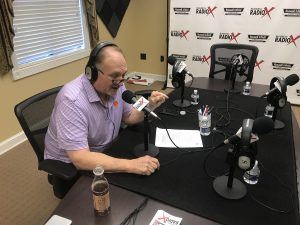
Tagged With: Confident Communications, craft beer, georgia craft beer, Kathryn Woods, North Fulton Business Radio, public speaking, Six Bridges Brewing

  • « Previous Page
  • 1
  • …
  • 254
  • 255
  • 256
  • 257
  • 258
  • …
  • 275
  • Next Page »

Business RadioX ® Network


Our Most Recent Episode

CONNECT WITH US

  • Email
  • Facebook
  • LinkedIn
  • Twitter
  • YouTube

Our Mission

We help local business leaders get the word out about the important work they’re doing to serve their market, their community, and their profession.
We support and celebrate business by sharing positive business stories that traditional media ignores. Some media leans left. Some media leans right. We lean business.

Sponsor a Show

Build Relationships and Grow Your Business. Click here for more details.

Partner With Us

Discover More Here

Terms and Conditions
Privacy Policy

Connect with us

Want to keep up with the latest in pro-business news across the network? Follow us on social media for the latest stories!
  • Email
  • Facebook
  • Google+
  • LinkedIn
  • Twitter
  • YouTube

Business RadioX® Headquarters
1000 Abernathy Rd. NE
Building 400, Suite L-10
Sandy Springs, GA 30328

© 2025 Business RadioX ® · Rainmaker Platform

BRXStudioCoversLA

Wait! Don’t Miss an Episode of LA Business Radio

BRXStudioCoversDENVER

Wait! Don’t Miss an Episode of Denver Business Radio

BRXStudioCoversPENSACOLA

Wait! Don’t Miss an Episode of Pensacola Business Radio

BRXStudioCoversBIRMINGHAM

Wait! Don’t Miss an Episode of Birmingham Business Radio

BRXStudioCoversTALLAHASSEE

Wait! Don’t Miss an Episode of Tallahassee Business Radio

BRXStudioCoversRALEIGH

Wait! Don’t Miss an Episode of Raleigh Business Radio

BRXStudioCoversRICHMONDNoWhite

Wait! Don’t Miss an Episode of Richmond Business Radio

BRXStudioCoversNASHVILLENoWhite

Wait! Don’t Miss an Episode of Nashville Business Radio

BRXStudioCoversDETROIT

Wait! Don’t Miss an Episode of Detroit Business Radio

BRXStudioCoversSTLOUIS

Wait! Don’t Miss an Episode of St. Louis Business Radio

BRXStudioCoversCOLUMBUS-small

Wait! Don’t Miss an Episode of Columbus Business Radio

Coachthecoach-08-08

Wait! Don’t Miss an Episode of Coach the Coach

BRXStudioCoversBAYAREA

Wait! Don’t Miss an Episode of Bay Area Business Radio

BRXStudioCoversCHICAGO

Wait! Don’t Miss an Episode of Chicago Business Radio

Wait! Don’t Miss an Episode of Atlanta Business Radio