Business RadioX ®

  • Home
  • Business RadioX ® Communities
    • Southeast
      • Alabama
        • Birmingham
      • Florida
        • Orlando
        • Pensacola
        • South Florida
        • Tampa
        • Tallahassee
      • Georgia
        • Atlanta
        • Cherokee
        • Forsyth
        • Greater Perimeter
        • Gwinnett
        • North Fulton
        • North Georgia
        • Northeast Georgia
        • Rome
        • Savannah
      • Louisiana
        • New Orleans
      • North Carolina
        • Charlotte
        • Raleigh
      • Tennessee
        • Chattanooga
        • Nashville
      • Virginia
        • Richmond
    • South Central
      • Arkansas
        • Northwest Arkansas
    • Midwest
      • Illinois
        • Chicago
      • Michigan
        • Detroit
      • Minnesota
        • Minneapolis St. Paul
      • Missouri
        • St. Louis
      • Ohio
        • Cleveland
        • Columbus
        • Dayton
    • Southwest
      • Arizona
        • Phoenix
        • Tucson
        • Valley
      • Texas
        • Austin
        • Dallas
        • Houston
    • West
      • California
        • Bay Area
        • LA
        • Pasadena
      • Colorado
        • Denver
      • Hawaii
        • Oahu
  • FAQs
  • About Us
    • Our Mission
    • Our Audience
    • Why It Works
    • What People Are Saying
    • BRX in the News
  • Resources
    • BRX Pro Tips
    • B2B Marketing: The 4Rs
    • High Velocity Selling Habits
    • Why Most B2B Media Strategies Fail
    • 9 Reasons To Sponsor A Business RadioX ® Show
  • Partner With Us
  • Veteran Business RadioX ®

The GNFCC 400 Insider: GNFCC Award Winners, An Interview with Brian Martin, Righteous Guitars, and Dr. Steve Palmer, The Cottage School

September 18, 2019 by John Ray

North Fulton Studio
North Fulton Studio
The GNFCC 400 Insider: GNFCC Award Winners, An Interview with Brian Martin, Righteous Guitars, and Dr. Steve Palmer, The Cottage School
Loading
00:00 /
RSS Feed
Share
Link
Embed

Download file

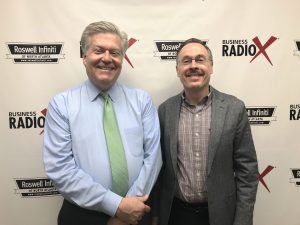
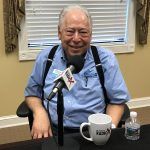
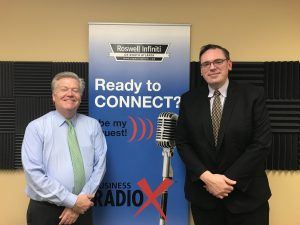
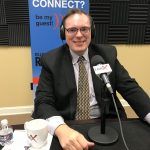
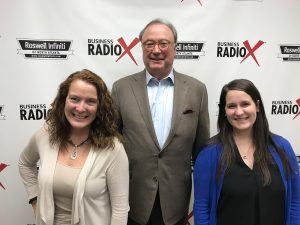
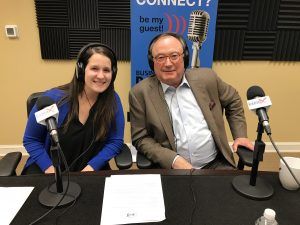
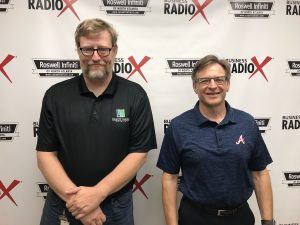
Brian Martin, Kali Boatright, and Dr. Steven Palmer

“GNFCC 400 Insider,” Episode 28, GNFCC Award Winners

“You can learn from both fools and wise men, as long as you can figure out who is who.” “We address students as clients.” A few words to operate by and much more offered by 2019 GNFCC Small Business Person of the Year, Brian Martin of Righteous Guitars, and 2019 GNFCC Non-Profit Leader of the Year Dr. Steven Palmer of the Cottage School. The “GNFCC 400 Insider” is presented by the Greater North Fulton Chamber of Commerce and hosted by GNFCC CEO Kali Boatright.

Brian Martin, Righteous Guitars

Brian Martin

Brian S. Martin is the President and CEO of Righteous Guitars, LLC. In 2015, he founded Righteous Guitars with the vision of building the finest guitar store in the Southeast and one of the top 10 guitar stores in the world. The National Association of Music Merchants (NAMM) has recognized Righteous Guitars as being one of the Top 100 Music Stores in the world for the past three years.

Prior to founding Righteous Guitars, Brian (as co-founder, President and CEO) negotiated the sale of Nanoventions anti-counterfeiting subsidiary to Crane & Co. in one of the largest transactions in the US in the fourth quarter of 2008. One of the anti-counterfeiting technologies that was sold to Crane is still used worldwide for product protection with companies such as Hewlett-Packard and Eli Lilly, as well as for worldwide currency protection in over 30 countries and for approximately 100 banknotes, including the current U.S. $100 bill.

Early in his career, he managed a telecommunications start-up that grew to $5 Million in revenue before it was sold. He also managed a corporate division with $36 Million in revenue and 100 employees and has senior management experience in a matrix-managed corporate division with over $500 Million in revenue and 1,500 employees.

Brian is also the co-owner of Royal Lakes Golf & Country Club in Flowery Branch, GA. He resides in Roswell, GA and has four grown children and one grandchild.

Dr. Steven Palmer, The Cottage School

Dr. Steven Palmer

Dr. Steven Palmer is the Executive Director of The Cottage School (TCS). TCS offers a unique combination of small class sizes and a business place model, along with the implementation of study skill techniques to provide a unique educational experience. This combination along with the outstanding faculty and staff work together to provide an opportunity for students with mild to moderate learning differences, where they can achieve academic and social success. TCS has been recognized for excellence by distinguished educators, counselors and psychologists and was named by the Masters in Special Education Resource Guide as one of their Top 50 Best Private Special Needs Schools in the United States. Of significant importance, the school is recognized for its results by the most valued audience of all – students and their families. Steven’s professional experience includes serving at every level – teacher, principal, Executive Director and Superintendent.

Prior to joining The Cottage School, Steven was a School Superintendent in Michigan. He led major efforts resulting in increased student achievement and significant improvements in teaching, learning and school status. His central work focused on enhancing the educational culture with “Best Practices” and ensuring all high school graduates were prepared for college and careers. Under his leadership, his schools received national recognition from U.S. News and World Report as One of Americas Best High Schools.

About GNFCC and “The GNFCC 400 Insider”

Kali Boatright, President and CEO of the Greater North Fulton Chamber of Commerce

“The GNFCC 400 Insider” (formerly “North Atlanta’s Bizlink”) is presented by the Greater North Fulton Chamber of Commerce (GNFCC) and is hosted by Kali Boatright, President and CEO of GNFCC. The Greater North Fulton Chamber of Commerce is a private, non-profit, member-driven organization comprised of over 1400 business enterprises, civic organizations, educational institutions and individuals.  Their service area includes Alpharetta, Johns Creek, Milton, Mountain Park, Roswell and Sandy Springs. GNFCC is the leading voice on economic development, business growth and quality of life issues in North Fulton County.

The GNFCC promotes the interests of our members by assuming a leadership role in making North Fulton an excellent place to work, live, play and stay. They provide one voice for all local businesses to influence decision makers, recommend legislation, and protect the valuable resources that make North Fulton a popular place to live.

For more information on GNFCC and its North Fulton County service area, follow this link or call (770) 993-8806.

For previous episodes of “The GNFCC 400 Insider,” go to GNFCC400Insider.com.

Faye Sykes, Social Security Benefit Planners

September 17, 2019 by John Ray

North Fulton Business Radio
Faye Sykes, Social Security Benefit Planners
Loading
00:00 /
RSS Feed
Share
Link
Embed

Download file

John Ray and Faye Sykes

“North Fulton Business Radio,” Episode 164:  Faye Sykes, Social Security Benefit Planners

Approximately 30% of Americans count on Social Security to fund 100% of their retirement, and the average retired American derives 40%-60% of their retirement income from Social Security. Faye Sykes is on a mission to help people maximize their Social Security benefits. She joined host John Ray on this edition of “North Fulton Business Radio,” broadcast from Renasant Bank in Alpharetta.

Faye Sykes, Social Security Benefit Planners

Faye Sykes

Faye Sykes is the CEO of Social Security Benefit Planners. Social Security Benefit Planners is a flat fee retirement income planning company. Just like a CPA helps you navigate the IRS, SSBP helps you navigate the almost 2,800 regulations that oversee Social Security. Faye Sykes, also CEO of Scarlet Oak Financial Services, started her career in the financial sector in 2005. Her passion is helping people understand and make better decisions for themselves and their families.

For additional information, go to the Social Security Benefit Planners website. You can also call 877-270-7727 or email by clicking here.


“North Fulton Business Radio” is broadcast from the North Fulton studio of Business RadioX®, located inside Renasant Bank in Alpharetta. Renasant Bank has humble roots, starting in 1904 as a $100,000 bank in a Lee County, Mississippi, bakery. Since then, Renasant has grown to become one of the Southeast’s strongest financial institutions with approximately $12.9 billion in assets and more than 190 banking, lending, wealth management and financial services offices in Mississippi, Alabama, Tennessee, Georgia and Florida. All of Renasant’s success stems from each of their banker’s commitment to investing in their communities as a way of better understanding the people they serve. At Renasant Bank, they understand you because they work and live alongside you every day.

Tagged With: Faye Sykes, North Fulton Business Radio, retirement, retirement plan, retirement planning, Scarlet Oak Financial Services, Social Security, Social Security benefit planning, Social Security benefits, SSI

Frazier & Deeter’s Business Beat: Blair Cunningham and Elizabeth Burdette, SignatureFD

September 17, 2019 by John Ray

Business Beat
Business Beat
Frazier & Deeter's Business Beat: Blair Cunningham and Elizabeth Burdette, SignatureFD
Loading
00:00 /
RSS Feed
Share
Link
Embed

Download file

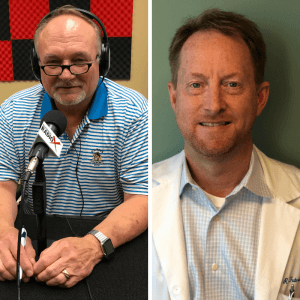
Roger Lusby, Elizabeth Burdette, and Blair Cunningham

Show Summary

Blair Cunningham and Elizabeth Burdette join Frazier & Deeter’s “Business Beat” to discuss the wealth management work of SignatureFD, particularly the philosophy that net worth involves more than money, but also purpose, generosity, talents, gifts, and meaning. “Business Beat” is brought to you by Alpharetta CPA firm Frazier & Deeter.

Blair Cunningham and Elizabeth Burdette, SignatureFD

SignatureFD believes people want to use their wealth to do something worthwhile – for themselves, those they love, and their community. Through integrated wealth management services, they help clients create a financial design for life that enables them to protect, grow, give and live their wealth – ultimately transforming their net worth into NET WORTHWHILE™. Our highly capable, collaborative, caring and coordinated team of investment, financial planning and tax experts are committed to proactively helping clients take control of their financial lives and achieve their goals. SignatureFD has 80+ passionate professionals who manage $4B and has had a client retention rate of 97% since opening its doors in 1997.

Blair Cunningham

Blair Cunningham is a Partner with SignatureFD. Blair has worked alongside individuals and families, helping them do more with their wealth at every stage of life for more than 30 years. Two of the most important things that he continues to learn personally and as an advisor are the value of wisdom and the benefits of living a generous life. He believes both offer a perspective on the importance of using your life to make a positive impact. Blair brings both technical expertise as well as a passion for helping others to his work of helping clients build intentional generosity plans. Blair is a frequent speaker to groups and on webcasts about the benefits of generosity. Before joining SignatureFD in 2000, Blair was a partner with Ronald Blue & Co. and began his career with Arthur Andersen & Co. He graduated from the University of Georgia with a Bachelor of Business Administration in Accounting. Blair has served on the boards of North Point Ministries, The Eagle Ranch Foundation, Passion City Church and Lighthouse Family Retreat. Blair and his wife Deanna have a passion for mentoring young couples about navigating marriage and family.

Elizabeth Burdette

Elizabeth is a Director of Client Engagement with Signature FD. Believing that everyone has the ability to create meaningful change in their communities, Elizabeth helps guide individuals and families looking for ways to give back by providing resources and advice to empower their decision-making. She is a dedicated partner in creating personalized strategies to help clients reach their generosity goals and maximize the impact of their gifts An award-winning speaker and published author, Elizabeth has a unique skill set in fundraising, donor relations and engagement, program management, strategic communications, grant writing, and event design. Prior to joining SignatureFD in 2019, Elizabeth was the Director of Donor Relations at The Westminster Schools in Atlanta and a Fellow at the Robert W. Woodruff Foundation. She also practiced law in both Austin, Texas, and Atlanta, specializing in business litigation in state and federal courts. She received her law degree from the University of Texas and a bachelor’s degree in American History and Spanish from Washington and Lee University.

To find out more about SignatureFD, go to their website here.

Frazier & Deeter

The Alpharetta office of Frazier & Deeter is home to a thriving CPA tax practice, a growing advisory practice and an Employee Benefit Plan Services group. CPAs and advisors in the Frazier & Deeter Alpharetta office serve clients across North Georgia and around the country with services such as personal tax planning, estate planning, business tax planning, business tax compliance, state and local tax planning, financial statement reviews, financial statement audits, employee benefit plan audits, internal audit outsourcing, cyber security, data privacy, SOX and other regulatory compliance, mergers and acquisitions and more. Alpharetta CPAs serve clients ranging from business owners and executives to large corporations.

Roger Lusby, Partner in Charge of Alpharetta office, Frazier & Deeter

Roger Lusby, host of Frazier & Deeter’s “Business Beat,” is an Alpharetta CPA and Alpharetta Office Managing Partner for Frazier & Deeter. He is also a member of the Tax Department in charge of coordinating tax and accounting services for our clientele. His responsibilities include a review of a variety of tax returns with an emphasis in the individual, estate, and corporate areas. Client assistance is also provided in the areas of financial planning, executive compensation and stock option planning, estate and succession planning, international planning (FBAR, SFOP), health care, real estate, manufacturing, technology and service companies.


 Find Frazier & Deeter on social media:

LinkedIn: https://www.linkedin.com/company/frazier-&-deeter-llc/
Facebook: https://www.facebook.com/FrazierDeeter
Twitter: https://twitter.com/frazierdeeter

Past episodes of Frazier & Deeter’s “Business Beat” can be found here.

Tagged With: donor advised funds, Elizabeth Burdette, financial plannng, Frazier & Deeter's Business Beat, Frazier and Deeter, Frazier Deeter, generosity, Net Worthwhile, Roger Lusby, Roger Lusby CPA, SignatureFD, wealth management

Robert Steele, The Enterprise Zone

September 16, 2019 by John Ray

North Fulton Business Radio
Robert Steele, The Enterprise Zone
Loading
00:00 /
RSS Feed
Share
Link
Embed

Download file

Robert Steele, The Enterprise Zone

“North Fulton Business Radio,” Episode 163:  Robert Steele, The Enterprise Zone

What can making the Dallas Cowboys team as a long-shot free agent teach you about business? What’s the biggest sales mistake many companies make? For the answer to these questions and more, listen to Robert Steele, The Enterprise Zone, in this interview with host John Ray. “North Fulton Business Radio” is broadcast from the Business RadioX® studio inside Renasant Bank in Alpharetta.

Robert Steele, The Enterprise Zone

Robert Steele

Robert Steele is CEO and Founder of The Enterprise Zone.

Robert Steele has dedicated his career to learning the art and science of sales and put that knowledge to work. As a founder of four companies, Robert understands that the CEO must be the best salesperson for the company.  His experience of raising capital for a start-up, turning around an entire organizations sales process and managing a publicly traded company, Robert understands the value of teamwork, building relationships, mentoring colleagues and driving value throughout the organization. Having closed in excess of $500,000,000 in Total Contract Value, Robert has been called relentless by his colleagues. In 1978, as a free agent for the World Champion Dallas Cowboys, Robert was the only free agent out of eighty hopefuls to make the 1978 football team that played in Superbowl XIII. Robert loves challenges and meets those challenges head on.

Robert is also the Founder of the Steele Center for Professional Selling at the University of North Alabama.

To connect with Robert, email here. Additionally Robert can be found on LinkedIn and on Twitter.

For more information on or to purchase Robert’s book, Steele Here, follow this link.

“North Fulton Business Radio” is broadcast from the North Fulton studio of Business RadioX®, located inside Renasant Bank in Alpharetta. Renasant Bank has humble roots, starting in 1904 as a $100,000 bank in a Lee County, Mississippi, bakery. Since then, Renasant has grown to become one of the Southeast’s strongest financial institutions with approximately $12.9 billion in assets and more than 190 banking, lending, wealth management and financial services offices in Mississippi, Alabama, Tennessee, Georgia and Florida. All of Renasant’s success stems from each of their banker’s commitment to investing in their communities as a way of better understanding the people they serve. At Renasant Bank, they understand you because they work and live alongside you every day.

Tagged With: Dallas Cowboys, Enterprise Zone, North Fulton Business Radio, professional selling, Robert Steele, sale management, Sales, sales management, Steele Center for Professional Selling, Steele Here, The Enterprise Zone, turnarounds, University of North Alabama

Decision Vision Episode 31: Should I Start a Family Office? – An Interview with Chris Demetree, Demetree Brothers

September 12, 2019 by John Ray

Decision Vision
Decision Vision
Decision Vision Episode 31: Should I Start a Family Office? – An Interview with Chris Demetree, Demetree Brothers
Loading
00:00 /
RSS Feed
Share
Link
Embed

Download file

Decision Vision Episode 31:  Should I Start a Family Office? – An Interview with Chris Demetree, Demetree Brothers

What issues should be considered in starting a family office? What makes a family office successful? The answers to these questions and more come out of “Decision Vision” host Michael Blake’s interview with Chris Demetree, Demetree Brothers. “Decision Vision” is presented by Brady Ware & Company.

Chris Demetree, Demetree Brothers

Chris Demetree

Chris Demetree is one of the co-founders of Demetree Brothers, Inc. and currently serves as Vice President. Chris has served as the Managing Partner for Alico Estates Development Associates and as Vice President of Demetree Pasco Properties, Inc. His past developments include over 2,000 single family lots, a golf course country club community, and numerous commercial office/retail centers. Chris has served on the Board of Directors of several private and public companies.

Chris possesses a strong record of entrepreneurial success, with over 25 years of experience building successful technology businesses. He is currently the CEO of Lazlo, a digital platform that enables new channels for monetizing digitally stored value. Lazlo evolves traditional gift cards, coupons, lottery tickets into dynamic digital assets that can be used as a vehicle for advertising, data collection, and branding, while adding security to digitally stored value.

Prior to Lazlo, Chris was a founder and partner in V-P Ventures (VPV), a private investment firm focused on early stage and private equity transactions. Before VPV, he held C-level roles with successful startups including Recordant, STC Corp., Intelligenxia and Urban Media. He has a B.S. in Industrial Management from Georgia Institute of Technology.

Michael Blake, Brady Ware & Company

Mike Blake, Host of “Decision Vision”

Michael Blake is Host of the “Decision Vision” podcast series and a Director of Brady Ware & Company. Mike specializes in the valuation of intellectual property-driven firms, such as software firms, aerospace firms and professional services firms, most frequently in the capacity as a transaction advisor, helping clients obtain great outcomes from complex transaction opportunities. He is also a specialist in the appraisal of intellectual properties as stand-alone assets, such as software, trade secrets, and patents.

Mike has been a full-time business appraiser for 13 years with public accounting firms, boutique business appraisal firms, and an owner of his own firm. Prior to that, he spent 8 years in venture capital and investment banking, including transactions in the U.S., Israel, Russia, Ukraine, and Belarus.

Brady Ware & Company

Brady Ware & Company is a regional full-service accounting and advisory firm which helps businesses and entrepreneurs make visions a reality. Brady Ware services clients nationally from its offices in Alpharetta, GA; Columbus and Dayton, OH; and Richmond, IN. The firm is growth minded, committed to the regions in which they operate, and most importantly, they make significant investments in their people and service offerings to meet the changing financial needs of those they are privileged to serve. The firm is dedicated to providing results that make a difference for its clients.

Decision Vision Podcast Series

“Decision Vision” is a podcast covering topics and issues facing small business owners and connecting them with solutions from leading experts. This series is presented by Brady Ware & Company. If you are a decision maker for a small business, we’d love to hear from you. Contact us at decisionvision@bradyware.com and make sure to listen to every Thursday to the “Decision Vision” podcast. Past episodes of “Decision Vision” can be found here. “Decision Vision” is produced and broadcast by the North Fulton studio of Business RadioX®.

Visit Brady Ware & Company on social media:

LinkedIn:  https://www.linkedin.com/company/brady-ware/

Facebook: https://www.facebook.com/bradywareCPAs/

Twitter: https://twitter.com/BradyWare

Instagram: https://www.instagram.com/bradywarecompany/

Show Transcript

Intro: [00:00:02] Welcome to Decision Vision, a podcast series focusing on critical business decisions, brought to you by Brady Ware & Company. Brady Ware is a regional, full-service, accounting and advisory firm that helps businesses and entrepreneurs make vision a reality.

Mike Blake: [00:00:20] And welcome to Decision Vision, a podcast giving you, the listener, clear vision to make great decisions. In each episode, we discuss the process of decision making on a different business topic. Rather than making recommendations because everyone’s circumstances are different, we talk to subject matter experts about how they would recommend thinking about that decision.

Mike Blake: [00:00:39] My name is Mike Blake, and I’m your host for today’s podcast. I’m a Director at Brady Ware & Company, a full-service accounting firm based in Dayton, Ohio, with offices in Dayton; Columbus, Ohio; Richmond, Indiana; and Alpharetta, Georgia, which is where we are recording today. Brady Ware is sponsoring this podcast. If you like this podcast, please subscribe on your favorite podcast aggregator. And please also consider leaving a review of the podcast as well.

Mike Blake: [00:01:03] Our topic today is family offices. And family offices are probably one of the better kept secrets in the American economy. For the most part, family offices do not seek rock star status. They’re very different from, kind of, your Silicon Valley, fast company, red herring, sort of, I don’t say want to say attention-seeking, that’s not fair, but very high profile organization. The fact of the matter is you may work next to a family office, you may live in the same neighborhood as somebody who’s in or works in a family office or has a family office, and you wouldn’t even know it. We don’t have Yellow Pages anymore, but if we did, there probably would not be an entry for family offices. And I think we can all kind of appreciate that as to why that is. But the fact of the matter is that they are increasingly popular as a tool and an infrastructure for managing wealth.

Mike Blake: [00:02:15] And a lot of us on the radio, myself included, would love to have the problem where we have so much wealth that it becomes a different kind of responsibility to manage it. But the fact of the matter is it is a responsibility to manage it, especially if you’re in a position where you are sharing it with family, and there are not just family relationships, but fiduciary relationships involved. And it’s important, also, because I think a lot of people who are creating wealth, particularly those who are creating it this generation, they’re building it, and then either exiting it, or transitioning their core enterprise, they’re starting to realize that something called a shirtsleeves-to-shirtsleeves phenomenon.

Mike Blake: [00:03:00] There are all kinds of studies out there – I don’t have to cite one in particular, you can Google it – that say that for the most part, if a family makes, or generates, or produces an amount of wealth, let’s call it $20 million just to pick a number out there, statistically speaking, in three generations or by generation three, only 10% of that wealth is going to remain. And by the fourth generation, 3% of that wealth remains. And a great case in point is the Vanderbilt family. They built their wealth in the early 19th Century, and basically doing ferries around Manhattan and Pennsylvania. But the name is much stronger than the wealth. In fact, Anderson Cooper of CNN, who is actually a 6th generation Vanderbilt, has gone on record saying there ain’t no trust fund waiting for him. And perhaps if they’d had a family office or a structure like that, maybe that scenario would be different.

Mike Blake: [00:04:06] So, the goal of this podcast is to shed a little bit of light. If you’re thinking of whether a family office or something like that structure is useful for you, or maybe you’re advising somebody who’s thinking about a family office, the goal of this podcast is to provide some insight into that. And to help us with that we’re talking with Chris Demetree. And Chris is a very successful entrepreneur in his own right. He has more than 25 years of experience building successful technology businesses. He has extensive experience with family offices and is also an active player in the Atlanta startup community. He is currently the CEO of Lazlo, a digital platform that enables new channels for monetizing digitally stored value. Lazlo—I’m sorry. Lazlo evolves traditional gift cards, coupons, lottery tickets into dynamic digital assets that can be used as a vehicle for advertising, data collection, and branding, while adding security to digitally stored value.

Mike Blake: [00:05:06] Prior to Lazlo, Chris was a founder and partner of VP Ventures, a private investment firm focused on early stage and private equity transactions. Before VPVChris held C-level roles with successful startups including Recordant, STC Corp, Intelligentsia, and Urban Media. He also has a Bachelor’s Degree in Industrial Management from the Georgia Institute of Technology. Chris Demetree, welcome and thank you so much for coming on the program.

Chris Demetree: [00:05:33] Michael, thanks for having me. I appreciate the opportunity. Looking forward to today’s conversation.

Mike Blake: [00:05:41] So, Chris, before we begin, I want to give you a little bit of an opportunity for a soapbox here because I know this is a venture that’s very near and dear to your heart. Tell us a little bit more about Lazlo. What does a listener listening to this program need to know about Lazlo, if anything?

Chris Demetree: [00:05:56] Well, no, I appreciate the opportunity. I love talking about investments. As a—unfortunately or fortunately, I’m a serial entrepreneur at heart.

Mike Blake: [00:06:05] We haven’t been able to cure you yet.

Chris Demetree: [00:06:08] Say that again.

Mike Blake: [00:06:09] We have not been able to cure you yet.

Chris Demetree: [00:06:11] Yeah, no kidding. No kidding. I told somebody, it’s literally like a drug. When you get involved with early-stage companies, especially if the first one goes well, it’s hard to kick that habit, but no. So, well, with regards to Lazlo, our core technology and our core platform is focused around changing the way physical instruments today, physical value instruments today are converted into the digital world. And so, we’re creating a new digital platform to share, to purchase, and to disseminate stored value being gift cards, coupons, event tickets, that type of stored value. So, we’ve been working on it for a little while, and we’re very excited about our future. We think there’s a real big opportunity here. So, thank you.

Mike Blake: [00:07:09] We’ll be looking to hear more about it as time goes on. So, let’s dive into the-

Chris Demetree: [00:07:15] Well, Michael, Michael, I want to go back and point one thing out. As Anderson Cooper said, there’s no big trust fund there for him. That’s only because he didn’t want it.

Mike Blake: [00:07:25] And so, you can tell.

Chris Demetree: [00:07:26] When his mother passed away, there was almost a quarter of a billion-dollar fortune in place.

Mike Blake: [00:07:31] Oh, is that right? I didn’t know that.

Chris Demetree: [00:07:33] She died with estimated $200 million net worth.

Mike Blake: [00:07:42] Okay.

Chris Demetree: [00:07:42] But yeah, that’s—he was—that’s self-promotion on Anderson’s part, but, no, there was still a significant amount of wealth in her name. And she’s what? As you said, I can’t remember what generation, but she’s quite ways down the line.

Mike Blake: [00:08:00] Yes. She’s 5th. So, Anderson’s 6th. So, again, it’s the first learning point of the day. We know a little bit more about the Vanderbilts.

Chris Demetree: [00:08:10] Yeah, there we go.

Mike Blake: [00:08:10] So, we’ve talked a little bit about this offline. And I understand that you’re not necessarily involved in a family office, but I know you’re involved in some things that are family office-like or have some family office features. So, I think that there’s a lot that we can talk about and educate the listeners. But let’s start with the basic vocabulary starting point. To your mind, when somebody says family office to you, what does that mean?

Chris Demetree: [00:08:38] Well, a true family office, in my mind, is a—it is a family network that operates very similar to a venture capital fund or a family office that operates very similar to a private equity fund. The main difference is—and again, it goes back to what you were saying with regards to how high a profile these family offices typically try to keep, they don’t need to keep a high profile. The reason they don’t is because the LPs are the family; whereas, for private equity and venture, they do have to tout themselves and their successes to the marketplace because they’ve always got to go create that next fund to sustain their long-term viability. And that means attracting new LPs, in addition to the existing LP network that you had in your first or second fund for each one thereafter. So, that’s a big part of the difference. But when you think of family offices, again, I think of a family office working very much like venture or private equity. How it is structured is completely different, but the LP network is what I think separates it the most. Meaning, all family versus outside capital.

Mike Blake: [00:10:01] Okay. And so, to that end, yeah, let’s then kind of operate with that working definition that is a captive investment fund that just happens to belong to a group of people all with the same last name or, at least, DNA traits.

Chris Demetree: [00:10:17] Sure.

Mike Blake: [00:10:17] Does that mean then that the family office also then faces similar challenges in terms of deal flow and decision making, in terms of good deals versus bad deals, governance, things of that nature?

Chris Demetree: [00:10:32] Number of questions there. So, deal flow, I will tell you that the investment community around a family office. So, let’s take for instance here in Atlanta, if there are family offices here in Atlanta, typically, the investment community, whether that’d be private equity, venture capital, the accounting world, from a deal flow standpoint, will have a good sense of what that family office likes to look at. As far as types of deals, what their appetite may be for size of deals, whether they want to own a majority stake in the company, or they want to follow behind an investment group. So, deal flow, to me, is not quite the same as a private equity group, who’s out there looking at everything. They can be—the family offices have the tendency to see less deals but more targeted deals, if that makes sense.

Mike Blake: [00:11:36] It does. That gets back to the thing you mentioned, your definition then, the network is really a key defining trait of the family office, isn’t it?

Chris Demetree: [00:11:46] It is. It is as far as pre-screening deals. Unlike, I will call it a true venture group or venture capital group who wants to look at most every deal, because, again, that’s kind of their charter is to find, to look at everything, and know the marketplace, know everything going on in the marketplace, especially within its sectors. The family offices don’t have to do that because they’re typically invited in or invited to participate in deals, or they’re looking at something that may be a core expertise that they want to own the whole deal or a majority of the deal.

Mike Blake: [00:12:32] Okay, So, I sidetracked. So, so I won’t get back because I think-

Chris Demetree: [00:12:35] Oh, that’s right.

Mike Blake: [00:12:36] …you had mentioned another part, which is about governance. Do family offices and private equity funds face similar governance issues, or they wind up being very different?

Chris Demetree: [00:12:46] Again, it—and this is one man’s opinion, but I believe it’s just how they are structured. You can have some family offices that are operated literally by a majority of outside advisors and investment advisors, or you can have family offices that are run more by family members that are making investment decisions. I think a lot of that comes down to the capabilities of the individuals. And as I’ve said to you before, I think a lot of that comes down to what the generation that’s setting up the family office believes they have done to prepare the next generation to be able to do that themselves. They very much face similar types of issues when it comes up with regards to—I’m sorry, the success and failures of deals.

Mike Blake: [00:13:48] Okay.

Chris Demetree: [00:13:48] Depending on the profile or the mix of the investment strategy of a family office, whether it’d be outside investors or the family-managed investments. If they are looking at higher risk investments, then, again, at the end of the day, they’re going to have a very similar track record to that of a venture capital firm looking at early to growth capital type of investments. If the family office takes a more conservative role, and they’re only looking at what I call it [indiscernible] businesses, then I would expect to see a higher success rate. I can’t tell you whether or not it’s going to be higher rates of returns or not. That’s just—only time tells you that with your investments. But they’re subject to the same exact issues that a venture capital firm is doing.

Mike Blake: [00:14:47] Okay. So, I think you’re starting to answer this question already, but I want to hit it directly because, again, I think it’s an important question. So, I think when outsiders look at family offices, I think we tend to have an image of our mind of the playboy, the constant gallivanting around the world, the golfing, et cetera, et cetera. But you’re kind of painting a picture that’s much more of a business entity where you’re out there, and you’re actively doing—you’re working, you’re doing deals. The job is different, but it’s certainly a job, and one that has to be taken seriously. Is that a fair characterization?

Chris Demetree: [00:15:29] It’s absolutely. I mean, it is—yes. And that it is a job that has to be taken seriously. You are managing LPs money. It doesn’t matter if you’re managing your own money or if you’ve got advisors that are managing that capital for you. So, I mean, for true family offices, it is a business. And they hold themselves—and again, as I said to you, I mean, every one of them can be set up differently, but I know of a few family offices, and they hold themselves to very strict standards with regards to looking at all of their investments, looking at what their IRR is. Does it make sense to stay in this vertical? I mean, again, no different than how a business would be run. That is slightly different than how you preface the conversation by saying or the question by saying, “Some people think of a family office as a trust fund baby.”

Mike Blake: [00:16:35] Right.

Chris Demetree: [00:16:37] They’re out there. Absolutely, they are. It’s getting harder and harder to generate that type of wealth, although the dot com industry would tell you maybe not, or the Silicon Valley, but it’s getting tougher and tougher. But it’s the same—how do I say this? There may not be as many of those type of flamboyant playboys out there anymore. They don’t need to be. It seems to me that the entertainment industry is more than sufficient at providing us enough icons to follow that are gallivanting around and throwing money away.

Chris Demetree: [00:17:21] I think the family offices now—and again, this is just an opinion, but I think the participants try to keep a lower profile because you were exposed to so much more today with cell phone cameras and everything else going on in social media that the lower profile you can keep, the less you are going to be subjected to risks. And those risks comes in the form of lawsuits and that type of stuff. It’s just different. But it all goes back to what the founder or the creator of that family office thinks of the next generation or the next generation after that.

Mike Blake: [00:18:12] Now, most family offices, I think, are ultimately founded by the success of one core business. And even today, the Rockefeller zone, a stake in Exxon Mobile, and the Fords on a stake, and Ford Motor Company, although there’s a weird story behind that, they should own more, but they don’t.

Chris Demetree: [00:18:32] Right.

Mike Blake: [00:18:32] Mark Zuckerberg has his own family office now, and that still owns a big chunk of Facebook, even though it’s public. Is it your impression that most family offices, once the wealth gets organized in that way, do they tend to then start to branch out into other businesses?

Chris Demetree: [00:18:53] The diversification, absolutely. I mean, take, for instance, Mark Zuckerberg. Zuckerberg has no idea what the next generation is going to look like. And with—though, just an his age, I mean, he’s, what, 20 years younger than I am probably, and I’m not old yet, but he has no idea what it’s looking like. So, I think part of it is going to be transferring wealth generationally. That’s part of why you set up the family offices. Diversification is not only for his future generations, but for him. The old adage, “You never want all of your eggs in one basket,” even though you control that basket.” So, you may even drop it, but yeah. So, if you can diversify—and that is a way to do it and keep it in a structure that is not subject to the transfer taxes later. And again, as you said, he got a—he set up the foundation or the family office most with stock. Well, that affords him the ability to grow the value of that family office as he grows his core business. And that just allows him the chance to move more money into that tax-free.

Mike Blake: [00:20:28] Now, there are kind of different flavors of family offices out there. There’s the classic, sort of, single family office where everything is, sort of, captive. There’s the multi-family office where it’s kind of like a co-op or a fractional ownership of a jet. And then, they’re kind of even virtual family offices where there’s some certain family office characteristics, but it’s not necessarily formally organized that way. Are you aware of those distinctions? And are you in a position to maybe talk about maybe some of the pros and cons of those kind of flavors?

Chris Demetree: [00:21:10] Well, I mean, again, I can give you my opinion for whatever it worth. Every man has one, or every person has one nowadays. I apologize. I didn’t mean to sound that way. So, I am—when I think of a multi-family office, I think of a similar DNA that travels throughout that family office. The names of the players may be changed with regards to marriage and that type of stuff, but there is an inherent DNA that runs through all of them that traces back to the origin of the family office, I could be wrong. Again, I don’t call them family offices per se to know that many of them.

Chris Demetree: [00:22:04] I think of a true functioning family office as being one family. And then, I think there’s two flavors. And again, it goes back to something you taught me, which is that shirtsleeves-to-shirtsleeves. That’s not something I heard before. I do understand it. I didn’t know they put that name to that phenomenon of losing your wealth after two or three generations. I believe—and I hope I’m not rambling too much for you, but I believe that it goes back to what I said before, when you set up that family office or the originator, the titular head of the family sets it up, he or she has kind of made a decision in their own mind, I believe, of what they have done to prepare the next generation. And you have some that look at it and don’t believe they prepared them very well. And they structure that family office where it’s got to be managed by an outsider. The next generation needs adult supervision because they’re not capable of doing it themselves. Well, I will tell you that, for a different myriad of reasons, that goes back to—more times than not, it falls back to the person that’s setting that fund up.

Chris Demetree: [00:23:34] But as I’ve said to you before, we do not operate a formal family office, but I was also forced to work. We didn’t come from that kind of wealth. And my father’s attitude was even if he does create it, we were going to know—his kids were going to know how to work, all of us. The boys were stuck on construction sites, and the girls were typically stuck in the office. That was 30, 40, and in some cases, 50 years ago with my older siblings. So, that was just how they did it. That was his way of doing it, but he did prepare us. He taught us to work. And we were very fortunate as a family that we worked together. I worked with my brothers, and my sisters, and my dad on a daily basis, whether it was running our family development business or whether we were analyzing things to invest in.

Mike Blake: [00:24:41] Now, you said something I want to zero in on because I hadn’t thought of that, and I think that’s so insightful, which is the DNA. And as I interpret it, I know that there’s a biological DNA, but I think there’s also a philosophical DNA.

Chris Demetree: [00:24:55] Correct.

Mike Blake: [00:24:56] And getting into multi-family offices, and I hadn’t—frankly, I had not thought of this issue before. There are plenty of folks out there that offer multi-family office services, all the big wealth management firms, whether it’s Merrill Lynch, or UBS, or whoever, they offer that. And it’s like you want a family office, but maybe your wealth isn’t at that point where you can justify taking on all the overhead yourself, so you get that fractional approach. But then, it occurred to me that, what if the other people kind of in your—that they’re going to be invited into your condo, or in your campsite, don’t share the same values, don’t have the same needs, and short and long-term goals, that can probably very quickly become an awkward fit and hurt the success, really, of everybody involved.

Chris Demetree: [00:25:56] So, Michael, what I hear you describe in the way you’re asking that question or the way you’re kind of describing that scenario, what I hear or think of in my head is an LP network. So, when you talk about a Merrill Lynch that’s managing multiple family offices, I would look at those multiple family offices as limited partners that Merrill Lynch is providing the partner—the management piece of. But, again, each one of those family offices is going to have a—in this term a DNA, it’s going to be an investment strategy, and a theory, and a philosophy of what do they want from that investment. Is this high growth? Is it—do they want something that’s income producing? As I call it, mailbox money, where it’s slightly lower growth, but it’s 8% or 6%, whatever, they can count every year coming in that mail. You’re not going to cross-pollinate if you are the manager. And then, again, we’ll stick with your reference to Merrill Lynch. If Merrill Lynch is the one managing those multiple portfolios of family offices, Merrill Lynch is not going to cross-pollinate a growth family office with an income-oriented family office.

Mike Blake: [00:27:29] Right, or, at least, they shouldn’t.

Chris Demetree: [00:27:31] Or they won’t be managing the money long if they do.

Mike Blake: [00:27:34] Yeah, I would imagine that’s true. So, you touched on something I want to touch on. And I needed to ask this question delicately, and you’ll probably want to answer it very delicately, but it’s important. In terms of the management, the operative word in family office is family. And you mentioned that, sometimes, there are circumstances where it’s not appropriate for a family member to manage the family office. Maybe the people are just too young. Maybe they’re not cut out for it. Not everybody—even if you’re in a wealthy family, that doesn’t necessarily mean you’re good at business, you have any kind of aptitude for it. So, in your experience and what you’ve observed, how does that get kind of worked out? Do families kind of default to the eldest working-age person, or do you find that they go out and hire kind of professional management, or is it some mix of the two? Is it all over the board?

Chris Demetree: [00:28:42] I would—again, not speaking specifically for anything that I know. Again, just an opinion, but I believe it’s all over the board. There are a couple of key things that I have often thought I think are important in a family office. And when I talk about a family office, I think of it as a family that’s investing together, whether that’s formally or informally. When you speak of a true family office, that setup, that dynamic is a formal instrument that drives an organization, whether it’s an LLC, or LLP, or MLP, whatever it may be.

Chris Demetree: [00:29:33] But there are some things that, with an informal arrangement, there are some key things that have to be in place. Otherwise, an informal process doesn’t work. And then, one of the key ingredients is there’s got to be an inherent respect between the players that are sitting at the table, whether those players are all related through their biological DNA, or whether or not they are related both to DNA in operating agreement that says they need to be there. So, if there’s an advisor at the table, the family members need to respect that advisor.

Chris Demetree: [00:30:21] Secondarily, I think, for an informal office to work well, you have to understand that among the family members, there is a hierarchy. You do have older and younger siblings, And there’s a respect that should run regardless of—and, again, it’s just how I was raised. There’s a respect that runs through the family for your older and younger siblings. You look to the older one in a quick diversion, but I can—in my particular instance, I’m the youngest of five kids, and I remember it wasn’t long ago that I lost my dad. And, I was talking with my father before he passed away, and I looked at him, and I’ll never forget it.

Chris Demetree: [00:31:14] We were sitting outside talking. This was probably within a month of when he passed. We knew it was coming. And I said to him, “I’m not ready for you to go yet.” And he goes, “No, you’re going to be fine.” And he goes, “You’ve got your mom here. You’ve got your brothers.” I said, “No, but I’m not ready to be that next generation.” I said, “I’m used to having you.” And my point is we have that older generation to look for. When my father passed, yes, my mother is still part of that generation that is still there, who I still respect and looked to, but a lot of it reverts to my older brothers, my older sisters. I look to them. That is kind of our hierarchy. I’m comfortable of that. Some people might think I was crazy.

Chris Demetree: [00:32:08] And then the last piece, Michael, that I will touch on is in order for an informal office or family to work as a family office, you got to like being around each other, you got to like working together. It’s not just about making money, it’s about being together, and doing things together. When one succeeds, you all succeed, regardless of the degree of success. Everybody kind of does it together. So, that’s more of an informal process. A formal process, it’s all scripted out on paper. Here’s who’s going to make the decisions, here’s how they make the decisions, and that’s got to be decided by the creator of that family office.

Mike Blake: [00:32:59] I think that’s a great way to—I think it’s a great way to kind of finish it. I really appreciate you sharing that story. You can, sort of, hear a pin drop in the studio as we were listening to that. That’s powerful stuff. And I want to go back to something you and I had in a private conversation that I don’t think you’ll mind that I express is that you told me that if the first motivation is about the money, it’s never going to work.

Chris Demetree: [00:33:27] It will never work.

Mike Blake: [00:33:28] It’s got to be the relationships first.

Chris Demetree: [00:33:30] It will never-

Mike Blake: [00:33:30] The money is there but-

Chris Demetree: [00:33:31] Now, Michael, that’s not a family office. That’s life. That’s life. If your only motivation in life is money, you’ve got a long, long road ahead of you and a very sad life ahead of you. It’s not about that. It’s about your family and it’s about your faith. And you follow those two things—that was the core value my parents taught me. You follow those two things down life, and you will have not only a good life but a very successful life. The rest of it will fall into place, but you follow your family and your faith.

Mike Blake: [00:34:09] I can’t think of a better ending. So, I’m going to quit while we’re ahead.

Chris Demetree: [00:34:14] Yeah, because you never know what I could say after that.

Mike Blake: [00:34:16] Or me. I’m not going to add anything to that. So, that’s going to wrap it up for today’s program. I’d like to thank Chris Demetree so much for joining us and sharing his expertise with us. And do check out Lazlo as well. It’s a cool company, I think, we’ll be hearing more of in the future. We’ll be exploring a new topic each week. So, please tune in, so that when you’re faced with your next business decision, you have clear vision when making it. If you enjoy this podcast, please consider leaving a review with your favorite podcast aggregator. That helps people find us, so that we can help them. Once again, this is Mike Blake. Our sponsor’s Brady Ware & Company. And this has been the Decision Vision Podcast.

Tagged With: CPa, CPA firm, Dayton accounting, Dayton business advisory, Dayton CPA, Dayton CPA firm, Decision Vision, Demetree Brothers, diversification, family limited partnership, family office, family office management, family offices, family relationships, generational wealth, limited partnership, Michael Blake, Mike Blake, multi-generational wealth, starting a family office, wealth management

To Your Health With Dr. Jim Morrow: Episode 16, The Complete Physical Exam, What it IS and What it ISN’T

September 11, 2019 by John Ray

North Fulton Studio
North Fulton Studio
To Your Health With Dr. Jim Morrow: Episode 16, The Complete Physical Exam, What it IS and What it ISN'T
Loading
00:00 /
RSS Feed
Share
Link
Embed

Download file

Dr. Jim Morrow, Host, “To Your Health With Dr. Jim Morrow”

To Your Health With Dr. Jim Morrow: Episode 16, The Complete Physical Exam, What it IS and What it ISN’T

How often should you get a complete physical exam? What are the most important tests in a thorough physical exam, and which are unnecessary or a waste of money? Dr. Jim Morrow answers these questions and more on this edition of “To Your Health.” “To Your Health” is brought to you by Morrow Family Medicine, which brings the CARE back to healthcare.

About Morrow Family Medicine and Dr. Jim Morrow

Morrow Family Medicine is an award-winning, state-of-the-art family practice with offices in Cumming and Milton, Georgia. The practice combines healthcare information technology with old-fashioned care to provide the type of care that many are in search of today. Two physicians, three physician assistants and two nurse practitioners are supported by a knowledgeable and friendly staff to make your visit to Morrow Family Medicine one that will remind you of the way healthcare should be.  At Morrow Family Medicine, we like to say we are “bringing the care back to healthcare!”  Morrow Family Medicine has been named the “Best of Forsyth” in Family Medicine in all five years of the award, is a three-time consecutive winner of the “Best of North Atlanta” by readers of Appen Media, and the 2019 winner of “Best of Life” in North Fulton County.

Dr. Jim Morrow, Morrow Family Medicine, and Host of “To Your Health With Dr. Jim Morrow”

Dr. Jim Morrow, Morrow Family Medicine, and Host of “To Your Health With Dr. Jim Morrow”

Dr. Jim Morrow is the founder and CEO of Morrow Family Medicine. He has been a trailblazer and evangelist in the area of healthcare information technology, was named Physician IT Leader of the Year by HIMSS, a HIMSS Davies Award Winner, the Cumming-Forsyth Chamber of Commerce Steve Bloom Award Winner as Entrepreneur of the Year and he received a Phoenix Award as Community Leader of the Year from the Metro Atlanta Chamber of Commerce.  He is married to Peggie Morrow and together they founded the Forsyth BYOT Benefit, a charity in Forsyth County to support students in need of technology and devices. They have two Goldendoodles, a gaggle of grandchildren and enjoy life on and around Lake Lanier.

Facebook: https://www.facebook.com/MorrowFamMed/

LinkedIn: https://www.linkedin.com/company/7788088/admin/

Twitter: https://twitter.com/toyourhealthMD

Show Transcript

Intro: [00:00:06] Broadcasting live from the North Fulton Business RadioX Studio, it’s time for To Your Health with Dr. Jim Morrow. To Your Health is brought to you by Morrow Family Medicine, an award-winning primary care practice, which brings the care back to healthcare.

Dr. Jim Morrow: [00:00:23] Hello. Once again, this is Dr. Jim Morrow with Morrow Family Medicine. Morrow Family Medicine has been open since 2011. And we are, as we like to say, bringing care back to healthcare. We’re doing that in Cumming, Georgia and in Milton, Georgia, where we have a walk-in hour five days a week from 7:30 to 8:30 every morning, so that there’s never a day you can’t be seen if you have the need, or a desire, or question, or are concerned, or anything else and think you need to be seen.

Dr. Jim Morrow: [00:00:51] So, we’re here at Renasant Bank in Alpharetta, Georgia in the Business RadioX North Fulton Studios. And my colleague John Ray is behind the board again. Hey, John. How are you doing?

John Ray: [00:01:02] Good morning, Dr. Morrow.

Dr. Jim Morrow: [00:01:03] We do the same thing every time. I got to come up with a better name for you, like Tater Salad.

John Ray: [00:01:09] Well, I’ve got a name for you, Distinguished Humanitarian.

Dr. Jim Morrow: [00:01:16] You can start with that.

John Ray: [00:01:17] I’m starting with that. I’m go in there right off the top. So, you won a really prestigious award from your alma mater.

Dr. Jim Morrow: [00:01:26] I did. I was very, very blessed to be named the Humanitarian of the Year by the University of South Carolina School of Medicine. And I was just really, really honored. It’s an award that I believe and I know for a fact should go to my wife more than myself. But I’m very honored to have that. She and I have been trying to raise money to support children in our county that don’t have the technology that others have, so that they’re not able to do homework, and lessons, and research, and so forth that we would like very much for them to be able to do. And so, we’re raising money to get technology in their hands where there’s internet in their home or a laptop in there in their hand. And they’re doing much better in class when they have those things, as you might imagine. And it’s been probably as rewarding for Peggy and myself than it has for them. So, it’s been a great thing, and they recognized that, and I really appreciate it.

John: [00:02:22] Well, she gets the award for Distinguished Humanitarian Award for living with you, too, right?

Dr. Jim Morrow: [00:02:28] I think that’s a Nobel Peace Prize probably.

John Ray: [00:02:31] Perfect. Absolutely. But that’s a really cool honor. And congratulations on that.

Dr. Jim Morrow: [00:02:38] It is.

John Ray: [00:02:38] I brought it up because I knew you weren’t going to.

Dr. Jim Morrow: [00:02:40] No, I wouldn’t go into it, but I appreciate the award very much and the recognition of what we’re trying to do. So, thank you for mentioning that, and I appreciate it.

John Ray: [00:02:48] Congratulations.

Dr. Jim Morrow: [00:02:50] So, today, we’re going to talk about something that some people would find a little bit mundane, but other people find very, very interesting because it’s a topic that I think everybody is going to come up across. And that’s complete physical. What it is and what it isn’t. And what a complete physical is, is pretty straightforward, but what it isn’t, I don’t think most people really have a handle on.

Dr. Jim Morrow: [00:03:12] So, why should you ever have a complete physical? And people, John’s age and mine, mid-60s or so, he’s a little younger than I am, should get one very regularly, but everybody needs one now. And then, we’ll talk about the kind of schedule in a minute. But the reason to get a physical is very simple. If you don’t look for a problem, you can’t find one. You can’t know what you don’t know. So, having a regular, complete physical exam is paramount to having good health. Just because you don’t have symptoms doesn’t mean you’re healthy. It means you’re not having symptoms yet. Even cancer and diseases like that, you can have of a very advanced form of cancer already and have absolutely no symptoms, and those things don’t cause problems until something gets obstructed, till something gets blocked up, and then it will give you symptoms.

Dr. Jim Morrow: [00:04:04] So, back in the old days – and the old days was about nine years ago, I suppose – a physical could cost a patient a few hundred dollars out of pocket because insurance companies didn’t cover physicals. They didn’t cover preventive health. They didn’t cover almost anything having to do with preventing disease in a doctor’s office. So, not too many people would actually see a family doc to get a physical. I used to beg people to get a physical, and I would probably do three physicals a day.

Dr. Jim Morrow: [00:04:33] And now, with the Affordable Care Act, a physical is a covered service. And because it’s now paid for by the insurance company, I do closer to 12 physicals a day, and we’re booked out long in advance because everybody’s going to get their free physical. Well, part of the reason they’re going to get their free physical is they’re not coming just for a physical. Now, a physical is for looking for things you don’t already know about. A physical is not for treating your tennis elbow, and talking about your back pain, and talking about your IBS, and talking about other swelling in your feet, or whatever it might be.

Dr. Jim Morrow: [00:05:09] A physical is purely a preventive exam. It’s for looking for things you don’t know about. If you know you have high blood pressure, it’s not for talking about your high blood pressure. It’s for figuring out other things. And it’s important that people understand that because they’re going to be a lot happier with the situation if they do understand that. And that’s when the insurance companies get involved. If you go to a physical, and you’ve got a list of 5, or 3, or 20 different problems, then you’re going to get a bill for the period of time that you spend talking about those things because that’s not part of a physical. The insurance company is going to cover what’s done for the physical, but they’re going to cover in a different way, which usually means applying it to your deductible, the things when you go and talk about any illnesses you have, any problems you have, and so forth.

Dr. Jim Morrow: [00:05:58] Now, does that mean that you can’t go to physical and get refills on your usual routine medications? No, it doesn’t mean that, but it does mean that if you go, and you’ve got a long list of problems, don’t be surprised if you get a bill from the insurance company or from the doctor’s office for the work that was done about these new and different things that really didn’t pertain at all to a physical.

Dr. Jim Morrow: [00:06:20] So, when do you get a physical? Well, between the ages of probably 20 and 30, I think every other year is sufficient if you don’t have ongoing medical problems that make you need to be seen more often than that. So, probably every couple of years is fine. After 30 or certainly after 35, you want to get a physical every single year because once you’re 35, at least, things do start to change – everybody has been there, and I remember it clearly – starts to have things happen that weren’t happening before or things quit happening that were happening previously. And it’s important to stay on top of situations and be sure nothing is turning up that’s new and different for you. And without any question, after the age of 40, a physical every year is vital. And that don’t matter if you’re a man or woman. It doesn’t make a bit of difference. You need a physical certainly every year after the age of 40.

Dr. Jim Morrow: [00:07:15] So, what does a physical involved if it doesn’t involve all this other stuff I’ve been talking about? Well, there’s several components to a physical exam, and the least of it really is the physical exam, but a comprehensive physical exam includes a history. It includes talking to the doctor about things like your social history. Do you smoke? Do you drink? Do you do drugs? It’s amazing to me how many people will come in and admit that they smoke marijuana. And I don’t care if they smoke marijuana, but if they want it in their chart, that’s one thing. And I usually try to just tell them, “Well, I’ll just put that in the back of my mind and we’ll take out of here the fact that you smoke marijuana because I’m not sure you want the life insurance company or the health insurance company to want to know that.”

Dr. Jim Morrow: [00:07:55] And then, family history. Do you have a family history of colon cancer? Completely changes when you get colonoscopies. Do you have a family history of breast cancer? It can certainly change when you get mammograms. Family history of other diseases can change when you look for things or whether you look for them at all. Your past surgical history, what operations have you had and so forth. So, this is a big part of the exam. And this is something. This information is usually gathered by the medical assistant or the nurse prior to the doctor coming in the room. So, that’s information that can change year to year, but you just have to add to. You don’t have to re invent the wheel every time you go.

Dr. Jim Morrow: [00:08:34] And they would do an important thing called a review of systems. And that means your health system, your organ systems. So, we do review systems. And the doctor might ask you if you have headaches, visual changes, dizziness, chest pain, shortness of breath, constipation, diarrhea, red hot, swollen, tender joints, lots of things. I’m not about to go through all of them, but something having to do with each organ system, trying to be sure that you’re not having symptoms related to any particular organ system. And that can take a few minutes, but it’s an important thing to do. I usually do mine while I’m doing the physical exam, but it’s still an important thing to do.

Dr. Jim Morrow: [00:09:10] And then, the physical exam itself. The physical exam for a complete physical was pretty much a head to toe exam. And in some cases, it would include a pap smear. And in some cases, it would include what’s called a mini cognitive exam where we might get you, if you’re a certain age, might get you to draw a clock face and draw the hands at a certain time. And some people will come in and won’t know how in the world to draw a clock face, but most of these people are 65 and older, so they grew up with an analog clock, not a digital clock. I have had people come in and on the same sheet of paper, draw a digital clock at the bottom, and write in the time we asked for. But that’s a way to understand if someone has any of the beginnings even of memory loss, dementia, that kind of thing. And that’s a very important part of the exam.

Dr. Jim Morrow: [00:09:59] And then, there’s the question of a prostate exam in men over a certain age, usually over the age of 40. Historically, we’ve done prostate exams on men every year. Well, there’s probably not any more debate about anything than there is prostate exams today. Not too long ago, the American Academy of Family Physicians came out with a recommendation that we not do prostate exams when we’re doing physical exams. That we use the prostate blood test, the PSA, its called, to determine if someone might be heading towards prostate cancer.

Dr. Jim Morrow: [00:10:32] Well, if you ask the urologist out there, the urologists are going to tell you that you should do more prostate exams than you should do PSAs, I think. And they’re very much still doing the prostate exam. But if you’ve ever had a prostate exam by family doctor, and you’ve had a prostate exam by a urologist, you know for a fact that the urologist prostate exam is a completely different exam from the family doctor’s prostate exam. And I don’t doubt for a second they can get more information from that exam. But for family practice purposes, we’re using the prostate blood test.

Dr. Jim Morrow: [00:11:02] Now, interesting is probably not the right word, but it is interesting to me that if you look at what the federal government’s task force – and I’ve mentioned the task force on other podcasts – if you look at what they recommend for prostate cancer, for prostate cancer screening, at least, they recommend against prostate cancer screening. Period. And I have a major problem with that because practicing the day before we had the prostate blood test, and at that point we found prostate cancer at stage 4 about 95% of the time. And now, we found it stage one about 95% of the time. And so, I’m going to continue to do the prostate blood test. But we are not doing prostate exams for men with physical exams.

Dr. Jim Morrow: [00:11:47] Pap smear is, of course, an important part of a routine exam for a woman. And after a certain age, and that age changes it seems like every few years, women should get a pap smear at least every other year, if not every year. And after some period of time, they may actually be able to slide to every third year. But having the pap smear on a regular basis is very, very important.

Dr. Jim Morrow: [00:12:11] And then, after the physical exam, there’s bloodwork. And there’s a fair amount of debate and variation too as far as what bloodwork is done with the physical. Now, for my physical exams, I’ll do a blood count. That’s a CBC. We look at your white blood count, your red blood count or your hemoglobin. We can tell if you’re anemic. Do you have infection? I had one the other day, just a routine physical, and his white blood count came back extremely high, and he had new onset leukemia, and had absolutely no idea that he had leukemia. But we wished him off to the haematology oncology group, and he’ll be getting great care, and hopefully do well. But he had no symptoms at all, but his blood count that we did for the physical revealed a major problem.

Dr. Jim Morrow: [00:12:55] And then, that also shows you platelets. And there’s a lot you can learn from that that aren’t—factors that are not directly related to just blood cells like iron deficiency, B12 deficiency possibly, and that kind of thing.

Dr. Jim Morrow: [00:13:09] Another test that’s important is what’s called a comprehensive metabolic panel. And I’ve seen physical exams where docs did just a basic metabolic panel, but the comprehensive panel is exactly that. And it has a lot more tests in it, in that panel. I think is 18 or 20 different tests. And that’s where you check your sugar, your potassium, your kidney and liver function, calcium, protein level, and that kind of thing. And that’s a very important part of the physical and a part of screening also because that can really turn up a lot of things like diabetes if you’re a diabetic. That’ll tell you, if you have kidney issues or liver issues, it’ll tell you. So, there’s a lot to be learned from that.

Dr. Jim Morrow: [00:13:47] And then, a lipid panel. Everybody that gets a physical in our office gets a lipid panel. But what we don’t do is we don’t do the expanded lipid panel that tells you the particle size of all the different types of cholesterol that you have. And the main reason for that is because insurance companies can’t stand that test. Insurance companies really don’t like paying for the apa protein and all the different particle size tests, and they’re extremely expensive, and patients just really get upset with us anytime we’ve tried to do that.

Dr. Jim Morrow: [00:14:18] So, we’ve gotten away from doing that. And honestly, I don’t think it’s changed our care one bit because the new recommendations for who needs cholesterol medicine and who doesn’t are not even based on that at all. And I’m a believer that a straight lipid panel is plenty of information for someone getting a physical. And I think that’s what we’re going to continue to do is just a plain old lipid panel that I’ve been doing since 1985.

Dr. Jim Morrow: [00:14:44] Oftentimes, during a physical, we’ll be asked to check vitamin D levels. I will tell you that we have created—as physicians, we’ve created an entire population of people who are vitamin D deficient. Now, you get vitamin D primarily from the sun. Sun converts other chemicals in the body to vitamin D. And if you don’t get much sun exposure, you don’t have much vitamin D. So, it’s a good idea for most adults, I’m willing to say, to be taking a vitamin D supplement, but we try not to check vitamin D levels because it’s another thing insurance companies don’t like paying for. It’s really not part of a routine exam. And so, if you go in, and you ask the doc to do a vitamin D level, the odds are if he does it, you’re gonna get a bill from insurance company. And they don’t do tests for $8.99. They do him them for $75. So, it’s probably what the bill is going to be when you get that bill.

Dr. Jim Morrow: [00:15:31] I mentioned B12 and iron earlier. And patients, a lot of times, will tell me that they want all their vitamins checked. Well, it’s just not a routine thing to do. And one of the reasons is that in that blood count, I mentioned, you can tell if someone is B12 deficient, or iron deficient, or leaning that way. At least, you get a good indication. You don’t get a B12 level or an iron level, but you do get an indication because if you are B12 deficient, your red blood cells will be larger, and that will indeed be indicated on the blood count. And if you’re iron deficient, your red blood cells will be smaller than normal, and that’ll be indicated on there. So, you can get a good idea about that. And then, if that’s the case, then you can come back in for a regular office visit, and you can actually check your B12 and iron levels. And everything’s fine with the insurance companies.

Dr. Jim Morrow: [00:16:18] With complete physicals over the age of 40, certainly over 40 and even 35 would be nice, I’d like to do an electrocardiogram. Now, an electrocardiogram or an EKG is a heart tracing. Everybody knows what that looks like. You’ve seen Chicago Med, and seen the beep on the screen. That’s what we’re looking at on paper or on the computer screen looking at your EKG. And this, I think, is very important, especially doing it year after year, because if you do an EKG year after year, and, suddenly, one year, you see one that’s different, then the odds are something is maybe different. And then, it’s a good reason to go see a cardiologist and be evaluated.

Dr. Jim Morrow: [00:16:54] And that kind of thing can either save your life or certainly save you from an awful lot of morbidity, and problems, and medical issues if you catch that kind of thing early. So, I think an EKG is important. Now, some insurance companies don’t consider an EKG part of a routine exam. So, it is possible that if you have that done, you might end up with a bill. But that’s a bill that’s worth paying because that’s the kind of thing that can be very important.

Dr. Jim Morrow: [00:17:19] Now, what an EKG is not going to tell you, just a resting EKG, you’re laying there on the exam table, and they do an EKG, that didn’t tell you anything about your heart from that moment forward. It only tells you about your heart during the time the EKG is being run and previously. So, if you’ve had a heart attack in the past, it will show up. If you’re having a heart attack at that moment, it’ll show up. But if you have a heart attack the next time you run across the parking lot in a rainstorm, it’s not going to show up. It’s not going to show any blockage that hasn’t yet caused a problem. So, that’s important. And I think every doctor that’s practiced for a lot of years will be able to tell you about somebody be did a physical on who very soon after had a heart attack, but their EKG was normal. So, it’s important to understand what you’re getting, but I think it’s an important thing to do.

Dr. Jim Morrow: [00:18:08] I’ve seen a lot of physicians and practices that do a chest x-ray every time they do a physical. And I’ll tell you that I don’t think there’s anything on the planet more unnecessary than a chest x-ray every time you do a physical. It’s a waste of perfectly good radiation. It’s exposing you to radiation you really don’t need. And it’s a waste of money in vast majority of cases.

Dr. Jim Morrow: [00:18:29] Now, sometimes, do people find things on there that turn out to be important? Well, yeah, of course they do. But if you look at the number of x-rays done versus a number of items found, it’s really not a very good test to do. And most people just flat do not need it.

Dr. Jim Morrow: [00:18:44] And then, the other thing is in women, at least, a bone density test, which should be done after the age of probably 50, certainly after menopause, every couple of years, unless you have a major problem that you’re following. And then, it might be done more often. But a bone density test is very important because if you’re past menopause, you need to be careful about your bones because when the hormones go away, your bones can start to get brittle, and people are falling more and more because they’re making it to older and older ages, and falling with brittle bones is just an accident waiting to happen, as you might be able to imagine.

Dr. Jim Morrow: [00:19:18] I do want to remind everybody that this episode of To Your Health is brought to you by Morrow Family Medicine. We do have offices in Cumming and Milton, Georgia. We do try to bring care back to healthcare, as we like to say. And we’re doing that with, hopefully, old-fashioned attitudes. Think Marcus Welby with a computer. We’re trying to use technology in old-fashioned attitudes to bring that care to you. I tell everybody that when you come to our office, you should grab one of my business cards. My email address, the only one I really use is all my business card. And if you’re ever there, and you have an experience that you’re not happy with, if you’ll let me know, I’ll certainly do everything I can to make it right.

Dr. Jim Morrow: [00:19:59] If you’re happy with the podcast, and you’re enjoying this, if you haven’t yet subscribe, I hope you will hit the subscribe button on the app that you’re listening to. I think that’s an important thing to do. We’d also love for you to join in with us. You can do that by e-mail at drjim@toyourhealth.md or you can do it on Twitter. We are @toyourhealthmd. So, that’s two different ways you can send us questions, you can send us topic suggestions, you can communicate with us in any way that you might want to. And we’d appreciate it if you would.

Dr. Jim Morrow: [00:20:33] So, getting back to physical exams, sometimes, you’ll see advertisements, or hear them, or you might talk to somebody that went to one of these centers where all they do is physical exams, and they do them all day long, and physical exams is their thing. Well, is that a good idea? Well, it’s certainly a very thorough exam, but the problem with most of those centers is they end up doing tests that are optional at best, worthless at least, and in many cases, do cost extra money. For example, they might do a carotid ultrasound. That’s an ultrasound that you do on the arteries in the neck, going from the heart to the brain. And if these arteries get clogged up, you can be at risk for stroke and so forth. And they might do an ultrasound on those, but they might do those starting at age 40 when you’re incredibly unlikely to have a problem. And it’s just not a test that really is is worth the money.

Dr. Jim Morrow: [00:21:28] They also might do a test looking for an aneurysm in your abdomen. An aneurysm is an enlargement of a vessel. If you’re old enough to have seen a blister on the tire back in the old days, it’s that kind of thing. And they can rupture if they get big enough. And there’s certainly situations at certain ages and with certain family history that you ought to have on a screen for an abdominal aortic aneurysm, they’re called. But that’s not something that everybody needs every time they get a physical. And a lot of these places will do that just because it adds another ching to the bill.

Dr. Jim Morrow: [00:22:02] Renal scans are done a lot of times looking for cysts, and tumors, and size of the kidneys, and so forth. And this is something that really is not a usual part of a physical exam, but might be included just to make it feel like you got your money’s worth at one of these expensive physical exam mills, if you will.

Dr. Jim Morrow: [00:22:24] So while we’re talking about all these tests, I’d like to talk about heart scans and full body scans because they’re incredibly popular. There are everywhere, it seems like. And certainly, people are doing them all day long anymore. So, the full body scan is basically just a CAT scan of your body. And this is a scan that is done, it doesn’t take long. The initial scan, I believe, is usually fairly inexpensive. But it’s one of those things where they’ll try to get you to agree to do that every year for X number of years for Y number of dollars. And Y is not a small number. And so, I encourage you not to do those things, especially not on an ongoing basis, because it can be a real waste of money.

Dr. Jim Morrow: [00:23:12] But the other thing that can happen is you can find something like a lung nodule, let’s say, when you’re doing one of these scans. And if you find a lung nodule, then that lung nodule has got to be examined every six or 12 months with another CAT scan until you know that it’s not getting bigger. So, that’s probably another couple, at least, CAT scans. Every CAT scan is a lot of radiation compared to a simple X-ray, and it’s expensive. And so, this is something that can really get into a cycle of doing some tests.

Dr. Jim Morrow: [00:23:42] Now, it’s always possible that they’ll do these tests, and they’ll find something very, very important. A lot of people remember the announcer for the Atlanta Braves named Don Sutton, who years ago now, this is probably 25 years ago, had one of these scans, and he had a lesion on his kidney, and he had kidney cancer, and had absolutely no symptoms. But Don Sutton, his life was saved because he went for one of these scans. And there’s no question you do hear about those. But for the majority of people, the full body scan is just not a necessary thing. And I don’t recommend that people get them as a basic rule.

Dr. Jim Morrow: [00:24:18] The heart scan is a little different. When they do a heart scan, they’re looking for calcium in the arteries. And so, I’ve talked to every cardiologist that I know about these scans. And while they do recommend them in certain situations, just doing a heart scan so that you’ll know if you have a heart disease is not a good idea because it does not answer that question. What it tells you is if you have calcium in or around an artery in your heart. So, if you have calcium in the wall of the artery, just surrounding the artery itself, not in the loom, in the opening, where the blood flows, then you’ll come back with a high calcium score. And if you have a high calcium score, I can almost promise you they’re gonna want you to take statins. And I refer you back to previous podcast about statins, if that’s the case. But you can have calcium in that wall and the entire artery can have absolutely zero blockage in it. So, now, you think, “Oh, my gosh, I have heart disease,” and you live your life thinking you have heart disease when, in fact, you have some calcium just in the wall of that artery, just the lining around that artery.

Dr. Jim Morrow: [00:25:23] But then, you can also go for a calcium scan, and you can get a zero calcium score. And you can be thrilled to death that you don’t have any heart disease. You have no heart disease. Zero score equals zero heart disease. But inside that artery to your heart, you can have what’s called soft plaque. And that soft plaque can completely block an artery. And the x-ray beam will go straight through it, and give you a zero score, and you think you have no problem when in fact you have a major problem. So, a false sense of security is a bad thing, in my opinion, because people in that situation might start to have some chest pain, and they’ll think, “Well, this must be indigestion because it certainly can’t be heart disease because I have a zero calcium score,” and they don’t do what they might otherwise do in order to look into what kind of problem they might actually be having because that’s one of the worst kind of problems you can have.

Dr. Jim Morrow: [00:26:19] So, I recommend a physical exam. I recommend a physical exam with great regularity. I recommend, in my case, personally, I recommend you start at age 30, and get one every single year. Men or women makes no difference. I recommend that you have the whole battery of tests that are done in a traditional physical exam. And I recommend that you talk to your doctor if you have thoughts about getting these other things done, because in your individual situation, it might be that, yes, this one’s a good idea, but no, this was not. And I can promise you, everybody’s a little bit different.

Dr. Jim Morrow: [00:26:52] But what you have to do is you have to have a doctor. You have to find yourself a doctor that you can carry on a conversation with, someone that you trust, someone you feel like you can open up to, someone you feel like has time for you. And that’s an important thing because, sometimes, that takes going to a couple of docs. But if it does, do that and find the person that you’re gonna be comfortable with. And I encourage you to find someone about your own age or a little bit younger, so that they don’t retire on you when you’re actually needing them the most. So, see your doctor for a physical. See him regularly. Don’t put it off. And never, ever say those five most dangerous words in the English language – maybe it will go away. John, that’s physical exams.

John Ray: [00:27:40] That’s a complete exam on physical exams, right?

Dr. Jim Morrow: [00:27:44] It is.

John Ray: [00:27:46] So, you’ve mentioned getting a provider that’s near your age or a little younger. So, at Murrow Family Medicine, you’ve got providers of different ages, right?

Dr. Jim Morrow: [00:27:59] We do.

John Ray: [00:28:00] Okay.

Dr. Jim Morrow: [00:28:01] We do. We have men. We have women. We’ve got them of different ages. I’m certainly the old man in the group, but we’ve got them all the way down to right out of school. So, I do believe that Murrow Family Medicine that we can take care of any adult, any age.

John Ray: [00:28:19] So, if I have an issue that comes up, how do you recommend handling that with insurance? Because, obviously, I want my insurance to pay for it. Since I’m paying for my insurance, I want my insurance to pay for it.

Dr. Jim Morrow: [00:28:37] Right.

John Ray: [00:28:38] Right? So, something comes up that you see. So, how do I handle that and get that visit paid for with insurance because you mentioned a lot of things that don’t get covered if you find it?

Dr. Jim Morrow: [00:28:48] Well, they can, but it depends completely on your insurance plan because even as much as they’ve changed insurance, and my way, degraded insurance—and my feeling, degraded insurance, still, if you have chest pain, or abdominal pain, or a rash, or anything else, for the most part, his office visits are covered to a certain degree, and most people understand what it’s going to cost them to go to see a doctor. So, I recommend what I said a minute ago, which is don’t say maybe it will go away. And if you do have a problem, get it checked out. But for most people, if they just—if they’re having any kind of problem, they just need an office visit.

Dr. Jim Morrow: [00:29:31] One of the big things that we battle at the office is patients will call, and then they’ll ask for a physical. Well, if you tell them it’s gonna be six months to see Dr. Morrow for a physical, which, frankly, it is, because everybody’s getting their free exam, then if you ask them a few more questions, you’ll find out that, actually, what they have is back pain. And they feel like they need a physical, but they really don’t. They need to come in for an office visit, which they can do almost same day with almost any of our providers. They can certainly do it through the walk-in hour. And that way, they can get that taken care of right away. And for the most part, insurance is going to help cover that. Now, we do see people that have insurance plans that only allows two office visits a year. And if that’s the insurance plan you own, I can only hope that you’re gonna be able to get on a better one because that’s not a very good.

John Ray: [00:30:19] Yeah, you’re right. That doesn’t sound very good. So, are there any other options that I ought to look at, at a certain age that you haven’t mentioned?

Dr. Jim Morrow: [00:30:35] Well, I didn’t talk about colonoscopies because I already did a podcast on colonoscopies. And they’re certainly not part of a routine every year physical, but people need colonoscopies on a certain schedule, whether that’s 3, 5, or 10 years in most cases. But really, that’s about it. I think this really covers most of the things that are involved in a complete physical.

John Ray: [00:30:57] But you consider a colonoscopy part of a good, complete physical examination, at least, every five years or whatever it is, right?

Dr. Jim Morrow: [00:31:07] It’s part of your wellness.

John Ray: [00:31:10] Your wellness.

Dr. Jim Morrow: [00:31:10] Your wellness check, but it is an infrequent part.

John Ray: [00:31:14] Yes, got it. Thank you.

Dr. Jim Morrow: [00:31:18] So, in two weeks, we’re going to talk about testosterone. I’ve been avoiding the subject because it’s controversial, but it’s probably the better reason to do it.

John Ray: [00:31:31] Why would you avoid that? Your first episode was on erectile dysfunction.

Dr. Jim Morrow: [00:31:36] It was, it was. And if you haven’t heard that one, that was a very good one, and probably one of our most popular ones. So, I encourage you to listen to that one. We’re going to talk about testosterone because it’s not as straightforward a thing as you might think it is, and we’re going to go ahead and tackle that in two weeks.

John Ray: [00:31:52] Sounds like we’re going to get some listeners on that.

Dr. Jim Morrow: [00:31:56] I might lose some patients over it too.

John Ray: [00:31:59] Well, we’ll see. Let it fly and see what happens, right?

Dr. Jim Morrow: [00:32:02] Okay. So, for now, that is To Your Health.

Tagged With: complete physical, CT scan, Cumming doctor, Cumming family care, Cumming family doctor, Cumming family medicine, Cumming family physician, Cumming family practice, Cumming md, Cumming physician, dementia testing, Dr. Jim Morrow, EKG, electrocardiogram, family medical history, Forsyth BYOT, Forsyth County Schools, full body scan, heart scan, lipid panel, memory loss, Milton doctor, Milton family care, Milton family doctor, Milton family medicine, Milton family physician, Milton family practice, Milton md, Milton physician, Morrow Family Medicine, Pap smear, physical exam, prostate cancer screening, prostate exam, PSA, PSA test, renal scan

Jason Sleeman, CIBC, and Chris Lalomia, The Trusted Toolbox

September 11, 2019 by John Ray

North Fulton Business Radio
Jason Sleeman, CIBC, and Chris Lalomia, The Trusted Toolbox
Loading
00:00 /
RSS Feed
Share
Link
Embed

Download file

John Ray, Jason Sleeman, Chris Lalomia

“North Fulton Business Radio,” Episode 162:  Jason Sleeman, CIBC, and Chris Lalomia, The Trusted Toolbox

Business banking and handyman services were on the agenda for this edition of “North Fulton Business Radio,” as host John Ray interviewed Jason Sleeman, CIBC, and Chris Lalomia, The Trusted Toolbox. “North Fulton Business Radio” is broadcast from the Business RadioX® studio inside Renasant Bank in Alpharetta.

Jason Sleeman, CIBC

Jason Sleeman

Jason Sleeman is an Associate Managing Director, Business Banking, with CIBC.

CIBC U.S. provides tailored commercial, wealth management, personal, and small business financial solutions as well as cross-border banking services to clients with North American operations. They are backed by a 150-year-old Toronto-based, global financial institution with a U.S. headquarters in Chicago. They invest in their businesses, their clients, their people and their communities.

They strive to build trusting and enduring relationships by putting their clients at the center of all they do. They use their values to guide their decisions, actions and interactions with clients, team members and their communities.

CIBC offers simplified products, transparent terms and a dedicated team so that you can spend more time on your business and less time on your banking. They get to know you, and together develop an approach tailored for your business needs—delivering the right solutions now and anticipating ways to capitalize on future opportunities.

To contact Jason, call or text 404-375-3945, and for more information on CIBC U.S., go to their website.

Chris Lalomia, The Trusted Toolbox

Chris Lalomia

Chris Lalomia is the Owner of The Trusted Toolbox. The Trusted Toolbox has been in business for 11 years and has set a new standard in quality, reliable and professional handyman services in North Metro Atlanta. They have built a successful model that starts with answering all phone calls, showing up on time for estimates and scheduled jobs. The communication with their team sets them apart. You will get called before your appointment time to notify you of arrival and the communication continues until you are 100% satisfied with our work.

They are focused on all aspects of home and office repairs. Some interior home repairs include: drywall, carpentry, doors, painting, flooring, weather stripping, window replacement, caulking, ceiling fans, and more. Common exterior home repairs include: wood rot repair, painting, siding, decks, etc. Home enhancements include: kitchen and bath remodeling, new bookcases, new bath vanities, safety improvements, and aging in place basements.

They are the home of the “Handyman for a day” and “Handyman for a ½ day,” ask about that program when you call. Their motto says it all:  “Finally, A Company You Can TRUST!”

For more information, go to their website or call 770-623-3097.

“North Fulton Business Radio” is broadcast from the North Fulton studio of Business RadioX®, located inside Renasant Bank in Alpharetta. Renasant Bank has humble roots, starting in 1904 as a $100,000 bank in a Lee County, Mississippi, bakery. Since then, Renasant has grown to become one of the Southeast’s strongest financial institutions with approximately $12.9 billion in assets and more than 190 banking, lending, wealth management and financial services offices in Mississippi, Alabama, Tennessee, Georgia and Florida. All of Renasant’s success stems from each of their banker’s commitment to investing in their communities as a way of better understanding the people they serve. At Renasant Bank, they understand you because they work and live alongside you every day.

Tagged With: handyman, handyman services, home enhancements, home repairs, kitchen remodeling, North Fulton Business Radio, office repairs, small business banking, The Trusted Toolbox, Trusted Toolbox

Family Business Radio, Episode 2: Trenton Carson, TC Productions, and Brady Barron and Jason Perry, Sutter McLellan & Gilbreath

September 10, 2019 by John Ray

Family Business Radio
Family Business Radio, Episode 2: Trenton Carson, TC Productions, and Brady Barron and Jason Perry, Sutter McLellan & Gilbreath
Loading
00:00 /
RSS Feed
Share
Link
Embed

Download file

Trenton Carson, Anthony Chen, Brady Barron, and Jason Perry

Family Business Radio, Episode 2:  Trenton Carson, TC Productions, and Brady Barron and Jason Perry, Sutter McLellan & Gilbreath

On this episode of “Family Business Radio,” host Anthony Chen welcomes Trenton Carson, TC Productions, to discuss the benefits of video marketing for business owners. Brady Barron and Jason Perry of Sutter McLellan & Gilbreath also join the show with insights on insurance options employers should offer as part of their employee benefits package.

Trenton Carson, TC Productions

Trenton Carson

Trenton Carson is the Founder and Owner of TC Productions. Full service video production company that partners with business owners and marketing teams to develop and execute highly customized video marketing campaigns focused on driving leads, awareness and brand loyalty. The two areas TC Productions specialize in: producing videos specifically for your intended audience – Video Production. I get those videos in front of your intended audience – Video Marketing. Trenton helps clients: *Build brand awareness and establish an influencing presence online *Effectively use video as a tool in their marketing strategy *Create evergreen content that enhances their marketing message *Become comfortable with the growing demand the market has for videos. Trenton has learned that stories are in everything you do. Your brand and the story it tells impacts people, what they believe, how they feel, and the decisions they make. The combination of visuals and sound evoke emotions more effectively than text alone. If you want to draw your viewers in, connect with them emotionally, and move them to take the next step, working with TC Productions to produce your next video will make you the company hero.

For more information, go to the TC Productions website.

Brady Barron, Employee Benefits Broker, and Jason Perry, Benefits Manager, Sutter McLellan & Gilbreath, Inc.

Jason Perry and Brady Barron

Brady Barron is an Employee Benefits Broker and Jason Perry a Benefits Manager with Sutter McLellan & Gilbreath Inc.

Sutter McLellan & Gilbreath Inc. has operated as an insurance broker since 1953 in the Atlanta Metro Area. They specialize in all types of insurance from Employee Benefits, Auto & Home Owner Insurance, and Property and Casualty Insurance. They are committed to providing you with the highest level of service in the areas of claims management, loss control, insurance company negotiations, and account administration. Our mutual objectives, at a minimum, are to: protect your assets, eliminate redundant costs by combining coverages into one program, and provide simplified pricing so you can anticipate and accurately allocate insurance costs. They also aim to keep you apprised of the costs and direction of your insurance program to avoid costly surprises and also to develop any other strategy or objective that would enhance your program.

For more information, you can find their website here.

Anthony Chen, Host of “Family Business Radio”

Anthony Chen

This show is sponsored and brought to you by Anthony Chen with Lighthouse Financial Network. Securities and advisory services offered through Royal Alliance Associates, Inc. (RAA), member FINRA/SIPC. RAA is separately owned and other entities and/or marketing names, products or services referenced here are independent of RAA. The main office address is 575 Broadhollow Rd. Melville, NY 11747. You can reach Anthony at 631-465-9090 ext 5075 or by email at anthonychen@lfnllc.com.

Anthony Chen started his career in financial services with MetLife in Buffalo, NY in 2008. Born and raised in Elmhurst, Queens, he considers himself a full-blooded New Yorker while now enjoying his Atlanta, GA home. Specializing in family businesses and their owners, Anthony works to protect what is most important to them. From preserving to creating wealth, Anthony partners with CPAs and attorneys to help address all of the concerns and help clients achieve their goals. By using a combination of financial products ranging from life, disability, and long term care insurance to many investment options through Royal Alliance. Anthony looks to be the eyes and ears for his client’s financial foundation. In his spare time, Anthony is an avid long-distance runner.

Tagged With: Employee Benefit Consulting, employee benefits, employee benefits company, Family Business, family business advisors, Family Business Radio, family business success story, insurance, life insurance, sutter mclellan & gilbreath, Sutter McLelland Gilbreath, TC Productions, Trenton Carson, video marketing, video production

Jeff Rose, Leading Ed Solutions, and Rachel Davis, The Edge

September 9, 2019 by John Ray

North Fulton Business Radio
Jeff Rose, Leading Ed Solutions, and Rachel Davis, The Edge
Loading
00:00 /
RSS Feed
Share
Link
Embed

Download file

John Ray, Rachel Davis, Jeff Rose

“North Fulton Business Radio,” Episode 161:  Jeff Rose, Leading Ed Solutions, and Rachel Davis, The Edge

A national community for school superintendents and a Georgia-based community for emerging entrepreneurs were on this docket for this edition of “North Fulton Business Radio.”  Jeff Rose, Leading Ed Solutions, and Rachel Davis, The Edge, joined host John Ray in the Business RadioX studio inside Renasant Bank in Alpharetta.

Jeff Rose, Leading Ed Solutions

Jeff Rose

Dr. Jeff Rose is the Founder of Leading Ed Solutions. In his 12 years as a school superintendent, Jeff learned that leading alone is not effective. Superintendents are in an isolated role. The demands and expectations are often unrealistic, and it’s actually becoming more challenging over time.

Further, school districts are grappling with immense problems, both on a local and national level. Yet, the ‘conference model’ and traditional methods of support are not adequately helping top leaders move from talk to action.

To meet these problems, Leading Ed Solutions is assembling a national community of stellar superintendents to join us, as they work together to focus on practical solutions and strategies to some of our most pressing issues. This year, they are tackling student safety, both physical and social/emotional.

Leading Ed Solutions seeks to provide a structure and support system to help our leaders, individually and collectively, take their districts to the next level.

For additional information, go to the Leading Ed Solutions website.

Rachel Davis, The Edge

Rachel Davis

Rachel Davis is the Executive Director of The Edge. Founded in 1998, The Edge is a non-profit entrepreneurial training center serving Georgia residents. We specialize in serving individuals seeking to launch, grow, or sustain a micro-business or a small-scale business with up to ten employees. The Edge hosts a Women’s Business Center program and a B.R.A.V.E Veterans Entrepreneurship program. The Edge provides training, consultation, coaching, financial education, and a community of support. Through partnerships, we offer human resources, employee benefits, and reduced cost business support services through The Edge Collective.

For more information, go to The Edge website.

“North Fulton Business Radio” is broadcast from the North Fulton studio of Business RadioX®, located inside Renasant Bank in Alpharetta. Renasant Bank has humble roots, starting in 1904 as a $100,000 bank in a Lee County, Mississippi, bakery. Since then, Renasant has grown to become one of the Southeast’s strongest financial institutions with approximately $12.9 billion in assets and more than 190 banking, lending, wealth management and financial services offices in Mississippi, Alabama, Tennessee, Georgia and Florida. All of Renasant’s success stems from each of their banker’s commitment to investing in their communities as a way of better understanding the people they serve. At Renasant Bank, they understand you because they work and live alongside you every day.
Tagged With: Dr. Jeff Rose, enterpreneurial training, entrepreneurial support, Leading Ed Solutions, micro business, North Fulton Business Radio, Rachel Davis, school safety, school superintendents, student safety, The Edge, the EDGE Connection, veteran enterpreneurs, veteran entrepreneurship, women entrepreneurs, women-owned businesses
  • « Previous Page
  • 1
  • …
  • 256
  • 257
  • 258
  • 259
  • 260
  • …
  • 275
  • Next Page »

Business RadioX ® Network


Our Most Recent Episode

CONNECT WITH US

  • Email
  • Facebook
  • LinkedIn
  • Twitter
  • YouTube

Our Mission

We help local business leaders get the word out about the important work they’re doing to serve their market, their community, and their profession.

We support and celebrate business by sharing positive business stories that traditional media ignores. Some media leans left. Some media leans right. We lean business.

Sponsor a Show

Build Relationships and Grow Your Business. Click here for more details.

Partner With Us

Discover More Here

Terms and Conditions
Privacy Policy

Connect with us

Want to keep up with the latest in pro-business news across the network? Follow us on social media for the latest stories!
  • Email
  • Facebook
  • Google+
  • LinkedIn
  • Twitter
  • YouTube

Business RadioX® Headquarters
1000 Abernathy Rd. NE
Building 400, Suite L-10
Sandy Springs, GA 30328

© 2025 Business RadioX ® · Rainmaker Platform

BRXStudioCoversLA

Wait! Don’t Miss an Episode of LA Business Radio

BRXStudioCoversDENVER

Wait! Don’t Miss an Episode of Denver Business Radio

BRXStudioCoversPENSACOLA

Wait! Don’t Miss an Episode of Pensacola Business Radio

BRXStudioCoversBIRMINGHAM

Wait! Don’t Miss an Episode of Birmingham Business Radio

BRXStudioCoversTALLAHASSEE

Wait! Don’t Miss an Episode of Tallahassee Business Radio

BRXStudioCoversRALEIGH

Wait! Don’t Miss an Episode of Raleigh Business Radio

BRXStudioCoversRICHMONDNoWhite

Wait! Don’t Miss an Episode of Richmond Business Radio

BRXStudioCoversNASHVILLENoWhite

Wait! Don’t Miss an Episode of Nashville Business Radio

BRXStudioCoversDETROIT

Wait! Don’t Miss an Episode of Detroit Business Radio

BRXStudioCoversSTLOUIS

Wait! Don’t Miss an Episode of St. Louis Business Radio

BRXStudioCoversCOLUMBUS-small

Wait! Don’t Miss an Episode of Columbus Business Radio

Coachthecoach-08-08

Wait! Don’t Miss an Episode of Coach the Coach

BRXStudioCoversBAYAREA

Wait! Don’t Miss an Episode of Bay Area Business Radio

BRXStudioCoversCHICAGO

Wait! Don’t Miss an Episode of Chicago Business Radio

Wait! Don’t Miss an Episode of Atlanta Business Radio