Business RadioX ®

  • Home
  • Business RadioX ® Communities
    • Southeast
      • Alabama
        • Birmingham
      • Florida
        • Orlando
        • Pensacola
        • South Florida
        • Tampa
        • Tallahassee
      • Georgia
        • Atlanta
        • Cherokee
        • Forsyth
        • Greater Perimeter
        • Gwinnett
        • North Fulton
        • North Georgia
        • Northeast Georgia
        • Rome
        • Savannah
      • Louisiana
        • New Orleans
      • North Carolina
        • Charlotte
        • Raleigh
      • Tennessee
        • Chattanooga
        • Nashville
      • Virginia
        • Richmond
    • South Central
      • Arkansas
        • Northwest Arkansas
    • Midwest
      • Illinois
        • Chicago
      • Michigan
        • Detroit
      • Minnesota
        • Minneapolis St. Paul
      • Missouri
        • St. Louis
      • Ohio
        • Cleveland
        • Columbus
        • Dayton
    • Southwest
      • Arizona
        • Phoenix
        • Tucson
        • Valley
      • Texas
        • Austin
        • Dallas
        • Houston
    • West
      • California
        • Bay Area
        • LA
        • Pasadena
      • Colorado
        • Denver
      • Hawaii
        • Oahu
  • FAQs
  • About Us
    • Our Mission
    • Our Audience
    • Why It Works
    • What People Are Saying
    • BRX in the News
  • Resources
    • BRX Pro Tips
    • B2B Marketing: The 4Rs
    • High Velocity Selling Habits
    • Why Most B2B Media Strategies Fail
    • 9 Reasons To Sponsor A Business RadioX ® Show
  • Partner With Us
  • Veteran Business RadioX ®

Inspiring Women, Episode 7: Rehearsing Your Troubles

June 2, 2019 by John Ray

Inspiring Women PodCast with Betty Collins
Inspiring Women, Episode 7: Rehearsing Your Troubles
Loading
00:00 /
RSS Feed
Share
Link
Embed

Download file

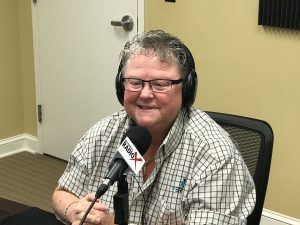
Betty Collins, CPA, Host of “Inspiring Women” and Director of Brady Ware

Betty’s Show Notes

I think most people in life have a potentially harmful habit of rehearsing their troubles. If you constantly rehearse your troubles, what does that mean? You’re thinking, you’re talking, you’re laying awake at night, and you’re playing something over and over in your mind. It often starts with a simple comment from someone around you, and it consumes you.

Join me as I discuss how I learned to go through my troubles when they occur rather than rehearsing them over and over in my mind.

“Inspiring Women” Podcast Series

“Inspiring Women” is THE podcast that advances women toward economic, social and political achievement. The show is hosted by Betty Collins, CPA, and presented by Brady Ware and Company. Brady Ware is committed to empowering women to go their distance in the workplace and at home. Past episodes of “Inspiring Women” can be found here.

Show Transcript

Betty Collins: [00:00:00] So today I’m probably going to hit on a little bit of a nerve because I think most people in life. Men, women, old, young do this. It’s just a habit and it’s a habit that really can be harmful. So we’re going to talk about rehearsing your troubles or going through them when they occur. And instead of rehearsing them over and over you’re going to be prepared for them and do it just one time instead of a thousand in your mind.

[00:00:32] So you have a choice. You can rehearse those troubles and then you get to experience it again and again. Or you can be ready when they show up and they actually occur. You know people that do this. They have these great conversations mentally right and they even have probably a full cast of characters. They all have roles and there’s a theme and they have built up this big play and wow. And you get to have fun being around those people. Your reality is maybe you’re one of those people and you don’t even realize it and you’re having all this fun mentally right? At the end of the day it’s very self-destructive habit. It can have some very adverse side effects that you don’t want in your life.

[00:01:16] I want to talk a little bit about that today. Just to be sure you understand what I’m referring to, rehearsing your troubles. What does that mean? If you constantly have conversations. I mean you’re at your desk you’re you’re thinking you’re talking you’re laying awake at night and you’re playing something over and over and it consumes you. That’s what I’m talking about. And it could be you know it can be any kind of trouble.

[00:01:39] Trouble is is what you and what you feel is you know something that’s causing stress or chaos in your life for it’s a problem or whatever it is. And so we do rehearse things a lot in our mind and we don’t tell people we don’t communicate that correctly or we don’t effectively get to the issue. And it may be troubled that isn’t even there. Right. You may never experience it except in your mind.

[00:02:04] And it probably starts with some simple comment right from the people around you the people that matter the most are going to have some comment to you. Your peer your spouse your significant other. Or maybe a circumstance just doesn’t go well and it triggers something for you. And so you’re like wow that just pushed my button that that trigger just starts the rehearsal.

[00:02:27] So you play this out reliving and reliving in it and it’s not a matter of if or when it happens. It probably isn’t even close to the reality. And then you’ve had all this time and energy wasted on you know fill in the blank. Energy instead that could be put towards being prepared for facing the IT OR THE FILL IN THE BLANK. OK. If something triggers you or someone doesn’t have a filter or a comment played it over in your mind probably isn’t going to solve it. Sometimes you do need to rehearse when you’re ready to go in you know and you’re going to but that’s only if you’re really going to go in and face the issue and have a conversation.

[00:03:04] You’d be amazed at how many many little chats I have all day. I have these things that go on and on and on and you probably if you really said you don’t get to see if I do that you would be surprised if you started keeping score. How many times you having some conversation in your head and then you’ll find out too it’s probably I just had that conversation in my head. Know you probably think I’m crazy right now but this is something that really people are consumed in. And statistics shows you. I kind of read a little bit about this. Chances are if you’re having these conversations in your head they’re probably not very positive. They’re probably something that’s really more negative. That’s why they’re you know kind of in your head and just your little world.

[00:03:44] I want to talk about this because I had I had to conquer this habit in my life. I’ve seen it in all aspects of my life in relationships and with my kids and my spouse where I work my clients and connections. And it really does have consequences and it hold you back from the fulfillment of those relationships and success and goals and contentment. So for me I really had to learn the hard way and I learned actually from a 27 year old counselor that I went to when I was 40 and she had such wisdom about it and she really helped me train change my mindset. The first thing that’s that she really taught me was you got to be aware that you’re rehearsing. You got to realize Why am I even having this conversation? And you’ve got to learn to identify.

[00:04:33] And on top of that you’ve got to learn what triggers it. And then you’ve got to shut it down. Those are the steps. Identify it. Be aware of it. Learn the triggers, and shut it down. What consumes it? What trouble consumes you.? You’ve got to look what fuels that gas on the fire. Social media. Garbage in garbage out. News. Toxic people. Surrounding yourself with people without filters probably get gonna really really fuel that. Or you can say I’m going to put good in good out not like garbage in this water on fire by books and positive stories and podcasts and music and positive people or just pure silence. And I really had to work on this because I would just really really go into these things.

[00:05:18] When I was in counseling with this person. I was in a pretty bad place at that time in my life. She was from Russia and she really loved the United States she had this great accent. So we just had a synergy from the beginning. But as soon as she said Hi how are you man I just I would tell her I was that day and we went through all my troubles and circumstances.

[00:05:39] The first couple of sessions you know she listened pretty well and then I was really caught off guard one day when she goes Hey hold on. And I said Yeah. And she said Did he really say this or is this just your perspective and I was like Well she wasn’t. Did he say it. Well no no. But I guess he didn’t. So is this real or is this your perception. And I was like I mean I’m 40 she’s 27 she’s totally put me in my place I’m like wow. But it took me a while to realize I did that a lot and it started with these conversations in my head right. And then I did start start going wow I’ve got a I’ve got to really stop this.

[00:06:24] She always challenged me to think what’s real and what’s perspective and then what really happened and then process right and then deal with it and your chances are you’re not going to deal with anything that’s bigger than than you just created it to be. So again you’ve got to be aware you’re rehearsing. Identify learn triggers and shut it down. But then you really have to go. Is this real. Did this really happen or is this just your perspective or this is your reaction right. She really taught me when I would be rehearsing internally and playing this over and then I would come and just you know of course tell her the whole thing.

[00:07:00] I realized these things weren’t happening. They were they were my responses to glances. They were my responses to the circumstances that maybe I just didn’t like.

[00:07:10] The third step is change the way, then you just deal with the trouble instead of all the conversations and all this stuff that you you play up to. And once you do that this habit will become something that is not a barrier to you any longer. You get a lot more sleep at night. You might have better relationships and you might learn to communicate instead of blow up. So how did I quit rehearsing with all these things how did I how did I stop it. So I just am doing with trouble and stress when it’s occurring and believe me it’s easier said than done.

[00:07:42] As I’ve just talked about I made a very conscious effort to identify that trigger in the rehearsal. And this is something I learned to do and you can laugh at me and you can you can just think I’m crazy but I would suggest to you in the privacy of your home that you look in the mirror and say your conversation out loud because you’re either going to go. This is true and you’re going to cry or you’re going to laugh at yourself hearing yourself and looking at yourself saying this.

[00:08:12] She had me do that a couple of times that I realized oh my gosh it just made me think differently. And over time I started having a lot less conversations and rehearsing of things that that I was really in a lot of ways making up.

[00:08:27] Another thing that I did during that time and I still do it. I journal. My life has had its ups and downs and challenges like everyone. It’s an effective tool. I would just tell you when that season of your life is over burn the book OK. Burn the journal. I really did do that honestly because I had gone through some pretty rocky things and man when I looked back at what I had written and had these conversations that got on paper at least I was like wow I can’t even think of the energy it took to think this stuff up let alone write it. And then I said let’s burn it and be done. Very very good therapy. There were times in life though when you have these things where they consume you and your troubles just get you. You got to go to. You’ve got to find a mentor counselor it’s OK.

[00:09:14] There books are everywhere on the subject matter. I was amazed when I Googled this subject matter what I found. So it must be a huge problem there’s a tremendous amount of information out there to help you start thinking different ways. But you really have to stop the following. When rehearsing stopped a lot in my mind where I just played this out was I realize I have to stop some toxic relationships and cannot be around people who don’t have an ability to filter. No one or circumstances worth robbing me of my peace of mind you know because that’s what that’s what they were taking.

[00:09:48] And instead I took energy when something did trigger me or someone didn’t filter that day I thought I’m going to be prepared when they when they can’t filter because you’re always gonna be around people that can’t filter you’re always gonna be around situations. And I learned to know let’s just deal with this in let’s make it simple. Believe me it’s a lifetime. It doesn’t just stop but preparation for it facing troubles and doing it head on without just you know I’m going have crucial conversations OK. Those might be part of the play but it’s a lifetime and it takes in some. Some of it depends on the on what the problem is and how big it is will depend on the strategy that you use which could be an entire podcast. But you still have to have some way of intentionally facing the issue besides the conversation in your head.

[00:10:36] But things that I have done when I get to that point where I’m seeing the consuming calm you know those things just get me all the time. I get away. I step back. I’m busy all the time. I will never have a day that isn’t full of something but sometimes when that consuming rehearsing is going on I just have to step back and step away.

[00:10:55] And I have to kind of get and look from the outside in the situation to get my perspective. Also what I do when I see myself getting to this point is I look in the past trouble that I’ve had in my life and I look at what did work and what didn’t. I’m not gonna repeat what didn’t work because it will probably have the same results. I learned to realize I need to look at other people that have you know they have some control on their life and they seem like they’re pretty level headed. By the way there’s very few of those out there and probably if you ask how they’re really doing and you get in there you’ll find out that you’re they’re experiencing the same thing you do. Tapping into their wisdom was something that was really things that helped me. And then there are just those times when you can’t get what you’re thinking about and consumed about you can’t get it out. So you’ve got to draw that line in the sand and say you know what we’re going to deal with this and sometimes that’s just comes in cycles and ebbs and flows. And then get a perspective on your trouble. Just ask someone how their day is and see what’s going on in their life and sometimes this little trouble thing you’re dealing with that’s consuming you will seem like nothing.

[00:12:02] And I think really the last thing that women don’t do well is we balance a lot in our lives and we have a lot of relationships in our lives. We have a lot of things that trigger these conversations because it’s very very much a habit of women in today. We don’t take the time for self care. Self care is OK. And when you don’t you can’t just rest and relax and sit back. You may not ever stop having all this stuff go on in your life. So it’s OK for self care. I’m a big spa person. I could go to the spa every week without hesitation but I don’t do that. But what I really do is I look at it. Well we all have to look at some point as some type of spiritual emotional mental physical and take care of those things and then you take care life because you can. You have the ability and that way you can face your fear and embrace with confidence in who you are. And then that again that’s another whole podcast. So trouble stress chaos those things. The situations that you’re rehearsing in your mind over and over. Learn to stop doing that and become consumed instead to prepare for them and be ready to face them when they actually occur. It’s your choice and I hope you make the right one.

Tagged With: Dayton accounting, Dayton business advisory, Dayton CPA, Dayton CPA firm, empowering women, Inspiring Women, rehearsing your troubles

Inspiring Women, Episode 6: No One Will Value You More Than You

June 2, 2019 by John Ray

Inspiring Women PodCast with Betty Collins
Inspiring Women, Episode 6: No One Will Value You More Than You
Loading
00:00 /
RSS Feed
Share
Link
Embed

Download file

Betty’s Show Notes

Do you feel unappreciated, undervalued, overbooked, underutilized, or overlooked? Maybe you think you’re an afterthought. Take a step back and ask a simple question:

“Do I value who I am?”

If you don’t value who you are, why should anybody else? If you value something, you protect it, invest in it, brag about it, and love it. In this episode of Inspiring Women, Betty talks about the importance of valuing who you are and how it starts with you.

“Inspiring Women” Podcast Series

“Inspiring Women” is THE podcast that advances women toward economic, social and political achievement. The show is hosted by Betty Collins, CPA, and presented by Brady Ware and Company. Brady Ware is committed to empowering women to go their distance in the workplace and at home. Past episodes of “Inspiring Women” can be found here.

Show Transcript

[00:00:00] No one will value you more than you.

[00:00:05] OK. Is that profound? I don’t know. Is that something that you think about? Could be, could not. But I want to really challenge you with it today because we tend to want to be valued and we wonder maybe why we’re not. So I want to talk about.

[00:00:22] So if you feel unappreciated, you’re not valued, maybe your used, you’re overbooked. Or if you feel underutilized, overlooked, maybe you’re ignored, or maybe you just think you’re an afterthought. I would challenge you to step back and ask a simple question.

[00:00:37] Do I value who I am?

[00:00:41] Better yet. If I don’t value who I am, why should anybody else?

[00:00:48] Tough questions. But you need to answer them if this is something that you relate to or resonates. So today I want to talk about the importance of value and who you are. And if you want to be valued by others it really does start with you.

[00:01:03] Do you say these types of things, do you find yourself thinking these types of things? So someone you know asks you a question and your answer is, “Well if that’s what you want OK.” Or maybe it’s just “Sure.” Or maybe “I guess if that’s what you think is best.” Even if you don’t think that at all, right. “Oh, it’s nothing really, no big deal. Well, what do you think. Well no, what do you think?” Another word you’re answering a question with a question.

[00:01:36] But I saved the best for last I think. Just say nothing. Instead you have this really good conversation inside your head for only your ears to hear. And sometimes that’s probably pretty necessary. So if you find yourself saying those kind of answers and those kind of things when that’s not what you really wanted to say it’s not how you really feel. It’s time for change if you want to be valued. And really we all want to be valued. We’re human.

[00:02:03] If you value something what do you do? Well we protect it. We invest in it. We brag on it. And we probably love it more than…fill in the blank. So let’s talk about those four things.

[00:02:18] Protecting you is first. Protecting you in my mind says anything that’s a threat needs to be eliminated. Because if you’re going to value you, then nothing can take that. Toxic relationships. People who are just takers. And know giving people who have addictions and pull you down or maybe an enable-ee, because you’re the enabler. So when we protect something we make sure there’s no threat. Right? We would if that was our kid. If we saw anything like that we would say no.

[00:02:48] Protecting you means boundaries. They must be set and enforced. Certain things can never get inside those boundaries if you’re going to protect you. Modifications okay but only if you choose to do it. You know it takes a lot more of you and your energy when you’re on the defense versus the offense. So protecting you. Really important.

[00:03:16] Ground rules have to be laid. You know once they’re laid you can kind of go into maintenance mode. Isn’t it easier to live in the house versus build it all the time and rebuild it and re fix it and setup the rooms again and again instead of just enjoying it.

[00:03:32] Crucial conversations. The thing we hate the most. They have to be said. You can decide. Ten minutes of crucial conversation or hours of egg shells. So if you value you, whatever you value in life, you’re probably going to protect it.

[00:03:48] I’m fortunate enough to serve on the National Association of Women Business Owners board. I am the president elect this year and we have a saying, “Protect The Awesome.” We’re going to allow nothing to get in that would hurt our organization. So when your valuing you, protect you.

[00:04:11] The second one was invest in you. Investing in you. Sounds selfish but it’s really not. Here’s what I did when I first got divorced and I and I was on my own and I had some free time for the first time in a long time. I read The New York Times from start to finish. It lasted about three months I was done. But you know it was just something I invested in some time by myself in a restaurant with coffee and breakfast and just read the New York Times on a Sunday. It’s what I wanted to do.

[00:04:46] Spa days, there’s not enough money in the bank for me for that, but I invest in that because you know what it makes me feel better.

[00:04:53] The house has got to be mine at some point once a week minimum for four to six hours. That is investing in Betty Collins.

[00:05:02] I take vacations not with my whole family. I take them with my best friend and my husband. And kids took plenty with them on vacation but those two were the first priority.

[00:05:15] And you know here’s what’s funny about investing in you. Vacuum cleaners in your house are not personal they’re meant to be used by all. So sometimes protecting you is just going, “Here’s the vacuum someone use it.” Right?

[00:05:27] Part of being valued too is writing it out, thinking on paper. I do this probably once or twice a year and I categorize it a certain way and on our website you’ll see some just some tools and examples that how I do that. It’s not complicated. It’s one page. It’s not overwhelming. But I write it out and I group it spiritually, physically, healthy, mental, emotional, and then there’s this thing called routine of life, because if I do the first of them very well then routine of life does fall into place better.

[00:06:05] And then investing in you. Don’t you want ROI. We all do. When you’re 401K balance increases it’s probably because you contributed to it consistently. It’s balanced correctly in the right funds and you probably has an adviser helping you. The results are satisfaction growth and value.

[00:06:25] I would challenge you today if you want to be valued and not overlooked and not used and not go through what you do is being ignored or afterthoughts. Protect yourself. Protect you and invest in you.

[00:06:41] The other thing is bragging on you. You know people either do this really well or they don’t do it at all. I’m not telling you to be arrogant by any means but I’m also not telling you to act insecure. You never underestimate how good you are at something. At the same time make sure that you are not the only topic in the conversation. How you talk to people how you treat your own self and how you respond really talks about how you value yourself.

[00:07:10] This is a typical conversation of a woman to woman or even a man to woman. “Hey you look really nice today.” If your response is. “Oh I thought this made me look fat I don’t really look good in green.” What does that say? It says you really don’t think you look good. It says that you’re not that confident in who you are. How about this? “Thanks. This is one of my favorites. I appreciated that you noticed it.” People will respond to you differently in value differently if you value yourself. Pretty simple stuff but it’s really true.

[00:07:48] Another thing about bragging on you is “OK. Am I going to accept what someone just said?” Am I going to accept what they did or am I going to go, “I think I got to have some more questions answered before I’m going to accept that I’m going to make sure that I maybe have some input. Because I value who I am.” When it comes to your job or whether it comes to compensation, titles or roles, or even your role in the family or how your family responds to you or how you respond to them. Bragging on you. Don’t be arrogant but respond and talk accordingly, how you would want to be talked to. And make sure you don’t just accept things sometimes ask more questions.

[00:08:30] I know that many of us as women will come into a job interview and they will say that the compensation is fifty thousand dollars a year. And in your mind you’re having this conversation going, “I’m worth 60.” and you say “OK.” Men will not do that. Men will go, “I would like 60.” And they might get 55 and we get kind of mad because they valued who they were, they bragged on themselves that, “no I’m worth this.” So just a challenge.

[00:08:56] The other ways love yourself more than ‘what.’ Is it self-serving? Is it not caring? No, I think if you’re going to really care about others and be a healthy person in healthy relationships you’ve got to care for yourself first and then you can care about others. It takes time sometimes it takes thought it takes being intentional.

[00:09:16] So you have to ask yourself if I’m going to love myself more do I want to be rested or rundown? Do I want to be overworked or hey how about barely paid, and it’s all balanced and we share in this? How about if I’m going to love myself, am I going to hope that they rise up or that even I rise up. By the way, hope is not a strategy. If you love yourself more you’re going to have expectations of yourself and “them”…them being the important people in your life.

[00:09:48] And if you’re going to love yourself more than whatever it is. What’s important to you should be important to them. So I would tell you no one will value you more than you. Protect it. Invest in you. Brag on yourself. And love it more than whatever is out there.

[00:10:08] Where do you start? An overall plan. But I would challenge you to just do small changes because that’s probably going to be the reality. I have a worksheet where I have different categories and one of those is what am I going to do differently. What’s the small change that I want to make with my finances. So I decided one of the small changes I’m going to get in the habit of using Kroger’s click list because then I will only spend exactly my budget. I don’t have to go to a grocery store, right? And then I’m going to cut out one meal of eating out a week and give that to the Mid Ohio Foodbank. I don’t know why that small change needed to happen. But I wanted that to occur where I could be giving more I feel like sometimes we spend too much on food and eating out. So I wanted to balance that.

[00:10:57] So where do you start?

[00:10:59] You start with those small changes that are important to you. You get away and you think it through. There have been times I’ve just gone away for an evening and stayed in a hotel. Or I’ve gone away for the day and nobody knows where I’m working. Why? Because I’m important. I’m protecting or I’m investing in myself. I’m bragging on who I am and trying to to be a better whatever.

[00:11:21] So if you can’t figure out a plan you can’t even figure out those small changes or you can’t get away to think that’s not a reality. Then you find a mentor or someone who has success with understanding their own value. You know who those people are. You can look it’s easy sometimes to to look from the outside and see, well, they’ve got it all together and they’re confident they’re these things. I would ask him how do you value you.

[00:11:48] I have lots of tools that are that are attached and hopefully you’ll use them. Do something. It’s much better than doing nothing right. Even if it’s small even if it’s a start. But the tools that are out there are as if there’s the form for making change. Example of how you think it out on a paper. How do you put this together. How do you start the process.

[00:12:11] There’s this really kind of I don’t know I’m going to call it cheesy thing but it’s a wheel of balance and it’s all the balance things of life like you know your physical life, your finance life, your spiritual life, and you kind of fill it in and you see where you’re not balanced to where you have nothing and some things have way too many.

[00:12:27] There’s a book called Essentialism: The Disciplined Pursuit of Less by Greg McKeown. And being a non essentialist sometimes helps you clear the deck so you can really sit and fit in and think about how you want to value yourself and value who you are.

[00:12:40] No one values you more than you and you need to think that through. When you are overlooked or you are not even in the picture or you’re not promoted or you didn’t get recognition. It could be because you needed to do some things differently, and you needed to value you first. Again remember to protect you, invest in you, brag about you, and love you more. The results…your value of increase in and in yourself, and others will see it. So today I would challenge you to dig deep. Now one values you more than you.

Tagged With: Dayton accounting, Dayton business advisory, Dayton CPA, Dayton CPA firm, Inspiring Women, National Association of Women Business Owners, NAWBO, ROI, valuing yourself

Inspiring Women, Episode 5: The Journey Or The Destination

June 2, 2019 by John Ray

Inspiring Women PodCast with Betty Collins
Inspiring Women, Episode 5: The Journey Or The Destination
Loading
00:00 /
RSS Feed
Share
Link
Embed

Download file

Episode 5: The Journey or the Destination?

A lot of people don’t realize that the most important part of the destination is the journey you take to get there. All our lives, we’re thinking about the next “thing,” the next destination. We easily lose sight of the journey with all of life’s distractions, but we live the journey day-to-day, and we need to enjoy those moments as they come.

In this episode of “Inspiring Women,” I speak with Elise Mitchell, the author of Leading Through the Turn, a fresh take on leadership that offers simple yet impactful takeaways. It’s an “all in the trenches” handbook from a leader who has found far more success in her journey than her destination.

Elise Mitchell, Author of Leading Through the Turn

Elise Mitchell

Elise’s experience encompasses both entrepreneurial and corporate life. She is the founder of three companies — two in leadership development, one in public relations. Most notably, she is founder and chairman of Mitchell Communications Group, one of the top 10 fastest-growing public relations firms globally and a two-time Inc. 500/5000 fastest growing company.

The firm has twice been named Agency of the Year by PR Week and The Holmes Report. Clients include Walmart, Procter & Gamble, Marriott, Mondelez and other well-known brands.

Under her leadership, the agency grew more than 500% in five years. At the end of 2012, Elise sold her firm to Dentsu, Inc., the world’s largest ad agency, based in Tokyo, Japan. She led the successful integration of her firm over a five-year period in a newly established global parent company, Dentsu Aegis Network.

Elise serves as CEO of the Dentsu Aegis Public Relations Network, leading M&A efforts and collaborating with colleagues in nine countries to leverage growth opportunities and position the collective internationally.

Today she also advises clients through her own leadership and business consultancy.

“Inspiring Women” Podcast Series

“Inspiring Women” is THE podcast that advances women toward economic, social and political achievement. The show is hosted by Betty Collins, CPA, and presented by Brady Ware and Company. Brady Ware is committed to empowering women to go their distance in the workplace and at home. Past episodes of “Inspiring Women” can be found here.

Show Transcript

Betty: [00:00:00] The journey or the destination. What’s your choice?

Betty: [00:00:05] Some people really, most people actually, look at here’s my destination. Here’s my goal. Here’s where I want to be. Very few people realize that the most important part of the destination is the journey you take to get there. So I want to talk about that today.

Betty: [00:00:21] You know all our lives we’re thinking about the next thing. We’re thinking about the next destination. Whether it’s “Hey, I can’t wait to drive.” “If only I can graduate.” “I’ve got to go to college.” “I want to get my MBA.” “I probably want to get married or have a significant relationship and yeah kids let’s get the kid thing going.” And then before you know you’re raising them and you’re ready for grandkids. And by all our lives we’re talking about retirement. Well is it the destination or is it the journey? Which one’s more important.

Betty: [00:00:55] Most of us would say “Oh the journey you know yeah the journey.” But in reality, our actions say the destination.

Betty: [00:01:03] Examples of easily where we lose sight about it. Biggest one probably feel relate to most losing weight. Again, but losing weight. Right. But if health becomes a lifestyle. And your diets are now over it’s probably because you realized there’s a journey and it’s every day when it comes to weight and health and making good decisions. You know I look at weight. I’m all over the place. I love to eat. I like fine dining. I like all that. But when I go with one meal at a time instead of I can only have 1200 calories today I do better.

Betty: [00:01:40] I enjoy the cooking piece a lot more when I’m just enjoying the journey. If it’s about dinner, that’s the destination right? But the journey of learning to cook and spices and fresh, all those things can be fun. When I focus on just fruits and vegetables are my side versus what I can eat. Those are things that just start happening and become a part of your life every day.

Betty: [00:02:07] We exercise, right? We’re either really extreme or we’re gonna go to the gym every day and because we’ve got to get to this destination of “I want to lose all this weight so I’m done.” Instead of you know run a 5K, learn how to run, learn how to build that up. It really is about the quiet time. It’s the music on the headsets. It’s being outside. It’s the progress that you make. And then you finally get to have the race. So it’s not about the race. It’s about leading up to the race.

Betty: [00:02:36] Here’s one we all understand. Holidays. It’s all about the big Christmas morning. It’s about the right gift, receiving and giving, when you could just say I am going to enjoy the Advent season. So advent calendars and a small simple reminders every day of Christmas. The Nutcracker. When’s the last time you enjoyed that? And the Rockettes. Netflix now makes it really easy to enjoy Christmas music all through the season. It’s all categorized, it’s all easy instead of waiting for that TV DVR thing.

Betty: [00:03:08] You can even go out to fine dining in the midst of the craziness. Dress up and enjoy a night out because it’s all part of the Advent season. Lights and decorations, red or green, gold or silver, blue tinsel, purple. Choose it all but enjoy it. The whole six weeks.

Betty: [00:03:29] And Christmas cards. You know it’s not about how many you get in the mail. It’s really you get to have a time where you’re writing a personal note to someone. That’s enjoying the journey.

Betty: [00:03:40] Cookie bake. My daughter and I started a cookie bake in fifth grade because I always had cookie bakes with my mom. I have the recipes from my grandmother. Who gave them to my mother who gave them to me and I started this process with my daughter in fifth grade. Sugar cookies only, decorating, two hours with their friends, I was done. She’s now 26 and we’re going to be doing cookie bake with her college friends, who probably are her lifetime friends. That’s enjoying the journey.

Betty: [00:04:06] It’s not about the big gift. It’s not about eating the cookie. It’s the process of generations of recipes. It’s the process of spending time and yeah your kitchen’s a mess for about five, eight hours and you’re exhausted but what a journey.

Betty: [00:04:23] And then of course Christmas Eve and Christmas day come and there’s not a big let down when you kind of just start enjoying it all along. And if the big gift didn’t work out you kind of missed the moment you thought was everything it was, right? The destination.

Betty: [00:04:37] Or hey it’s a new year. We set real unrealistic goals because we’re going to plan, we’re going to achieve things, and then it results in failure. So change that and look at what it was my journey going to look like in ’19 or ’20 or ’21 whatever it is.

Betty: [00:04:52] Here’s what I’ve done really well with the journey and I learned this the hard way through divorce. When I went through divorce my attorney was great but the destination was to be divorced. But I will tell you a counselor said to me if you continue to do all the good things the right things and the things that are normal and everyday stuff, you’re probably gonna end up in the same place. So I would change how you live day to day so you have different results.

Betty: [00:05:20] So I started taking that to heart. So my kids, I’m a single mom after the divorce, and it’s school time. You know how mornings are. But we always had breakfast once a week at Bob Evans. Part of the journey. Not getting to school, not just getting through the day, not just getting them out the door. It was just let’s go have some breakfast.

Betty: [00:05:37] Family traditions. I learned this from my parents really well. I still have all those traditions but I also buy new traditions with my kids. And it’s not about the holiday or it’s not about the event it’s about we do this every year and we add to it. We take away from when it works.

Betty: [00:05:55] I look at the Women’s Initiative at Brady Ware. I try to focus right now on what women are doing right now today. We’ve had women that have gotten involved with Habitat Humanity For Single Moms, raised all kinds of money. We’ve had women that raised money when Puerto Rico really went through two hurricanes back to back. And that woman today is going back to Puerto Rico to talk on a panel about women because we helped a school for girls during a really tough time. That’s the journey. It’s not what is the Women’s Initiative going to accomplish? What is it that we want to get out of it? Where are we today? I enjoy more watching the women of Brady Ware evolve.

Betty: [00:06:39] Another great example, and it was all really not intentional by any means, but when I merged into Brady Ware, it was about a 14 month courtship of negotiations and coming together and how are we going to take two businesses and make them one. I focused a lot on “I’m going to get to the big company.” “I’m going to get to the opportunity where there’s more.” “I’m going to have this new day with a new twist.” And what I didn’t realize was how much tough work it would be when I hit the destination, right? I got there, but I had arrived. So now what. And I will tell you once I figured out that I had arrived I learned that I had a whole new day and I wasn’t ready.

Betty: [00:07:17] But my growth and my opportunity and my success over these past six years have been two fold in comparison to the first 24 years of my career. The difference is that I finally realized I made it to the destination, but I wasn’t prepared to be there. So I had to really look at what is now the newest destination and I was going to make sure that I took the journey so I could get there successfully.

Betty: [00:07:41] Now what? And what would be the next destination? No idea. So I decided instead I was going to enjoy my moment. I remember the first day at Brady Ware when I was downtown and I had this beautiful office looking over The Scioto Mile, and the Capital and I had all my same computers and I had all my same staff and I had all my same clients and yet. I’ve arrived at this destination and I had no idea what to do. It was an “aha!” moment.

Betty: [00:08:11] So I did the one thing I always know what to do and that’s go have lunch. And I called my husband I said I’m completely lost and he said no you’ve arrived. It’s time to enjoy the moment and go to the next step. Go to the next destination but enjoy a little bit more and be ready. So I took that to heart and I did that.

Betty: [00:08:31] Instead I focused on building relationships within Brady Ware and outside of Brady Ware. I decided I was gonna improve my skill sets. I wasn’t going to go get a bunch of clients, I was going to go get a bunch of stuff. It was knowing an improved skill sets.

Betty: [00:08:46] I’m also going to be part of central Ohio. Here I am downtown in the heart of Columbus and I don’t even know a thing about it. I lived here my entire life.

Betty: [00:08:55] Please do not misunderstand me. You have to set goals. You have to have a plan. You do have to have that. But don’t let the destination consume you.

Betty: [00:09:04] Example. I always want more clients. We all do right? It generates revenue at the end of the day. So I turn my focus on the small business owner. I turn my focus on helping women who own their businesses. Because they struggled different than men who own their businesses.

Betty: [00:09:23] I joined an amazing group called NAWBO, the Columbus chapter, the National Association of Women Business Owners. I decided I was going to support an organization the one I chose was the Women’s Small Business Accelerator, the WSBA. Developing skills that were not related to accounting, changing my focus on who I was working with and in what they needed. Becoming part of organizations that support me and help me and help others all the sudden began changing me professionally. And before I know it, I was at another destination in another milestone. I enjoyed that journey and all of the outcome. And guess what. At the end of the day, I got more clients and I met my revenue goals. It just was done with a different mindset because it was focused on the journey and going along instead of the end result which was getting the client and that revenue.

Betty: [00:10:20] So the goal was met, right? I can look back and see the journey and the growth. There’s a lot of outcomes that come with focusing on the journey and not the destination. First is you don’t forfeit all the life lessons and experiences if you miss the journey. If you go through the journey you’re going to learn those lessons.

Betty: [00:10:42] You’re also trying to acquire different skills. And you’re going to achieve and maybe even refine who you are. We all need that.

Betty: [00:10:51] You’re going to make necessary changes along the way so that you don’t have regrets when you get to the destination, right? You’re going to work on things as you’re seeing them.

Betty: [00:11:01] You probably are going to learn to preserve, enhance your personal self, who you are. Keep redefining that.

Betty: [00:11:09] And you’re going to shape your character. Those are the outcomes of the journey and not just the destination. And someday you’re going to call upon all those outcomes and use them at the appropriate times. I know as I look back with my whole career and especially the last several years when I really developed and had some really really cool journey time. I’m now ready for the destination, when I got there. Unlike when I came here six years ago.

Betty: [00:11:38] If you’re fortunate you’ll be ready for the next part of your journey, that will lead you to the next destination and that’s really where I am right now.

Betty: [00:11:46] Reaching your destination. It’s just a moment in time. But travelling towards your destination is an every day thing, and you don’t want to miss it. Change your mindset. The journey or the destination. And I’m going to challenge you today. Let the journey become your focal point. It’s far more rewarding than the destination. One thing you could do is certainly read a book, Leading Through The Turn by Elise Mitchell. She’s a great woman and she’s a great read.

Betty: [00:12:17] So I’m going to challenge you today with a couple of questions and some things that hopefully will provoke some thought. What destination are you thinking about right now? You may not be thinking about any of them. Maybe you need a vision or a goal something that you can work towards. But mostly I want you to think about what is the journey going to look like. What’s it going to feel like. That’s the real question. So today hopefully I’ve made you come to some conclusions about the journeys more important than the destination. And hopefully today you’ll change your mindset and have much more fulfillment getting there. Take it to heart and start being intentional about the moment. The day to day. That journey along the way to your destination.

Tagged With: Dayton accounting, Dayton business advisory, Dayton CPA, Dayton CPA firm, destination, Elise Mitchell, empowering women, Goal Setting, Inspiring Women, it's the journey, Leadership, Leading Through the Turn, NAWBO, NAWBO Columbus Chapter, planning, Women in Business

Inspiring Women, Episode 4: Entitled to Nothing, Empowered to do Anything

June 2, 2019 by John Ray

Inspiring Women PodCast with Betty Collins
Inspiring Women, Episode 4: Entitled to Nothing, Empowered to do Anything
Loading
00:00 /
RSS Feed
Share
Link
Embed

Download file

Betty’s Show Notes

When empowerment and entitlement are your state of mind of your family, your office or your business, anything is possible.

You’re entitled to nothing, but you’re empowered to do anything. To talk about that, we need to define the difference between entitlement and empowerment because they are two very different things. When I examined the meanings and characteristics of entitlement and empowerment, I found that empowered people have a lot more characteristics of which all were positive.

  • Who do you know from either group?
  • And who do you want part of your organization or your business?
  • Which business partner do you want?
  • What mindset do you look for your kids to have? Entitled or empowered?
  • What kind of employees do you want, entitled or empowered?

The answer is simple: we want empowerment around us, and we want to empower. But doing that is hard, and it’s never-ending work. Join me as I discuss empowerment in this episode of Inspiring Women.

“Inspiring Women” Podcast Series

“Inspiring Women” is THE podcast that advances women toward economic, social and political achievement. The show is hosted by Betty Collins, CPA, and presented by Brady Ware and Company. Brady Ware is committed to empowering women to go their distance in the workplace and at home. Past episodes of “Inspiring Women” can be found here.

Show Transcript

Betty: [00:00:00] You’re entitled to nothing but you’re empowered to do anything. I want to talk about that today.

Betty: [00:00:06] In order to talk about that we have to really kind of define what entitlement is and what empowerment is. There are two very very different things.

Betty: [00:00:15] So entitlement. I look at it as a state of mind. It’s a state or condition that you are entitled. You have rights to something. Notice there’s no action in there. It’s just I have rights. It’s the belief that you deserve more for whatever reason. You could list those out. Let’s add one more word to entitlement. Call it self-entitlement. And it’s really when an individual you know they see themselves for more than they are. They see that they have privilege that probably is unearned. Those are people who believe that life owes them something. There’s a reward. There’s a measure. There is some kind of success. There’s a standard of living that they should have.

Betty: [00:01:02] Very few people are the queen of England and their children get to get this, their children get to have that. There’s very few people that might be a second or third generation with the name Hilton. Those things don’t exist a lot. Nothing wrong with those things. That’s true entitlement because of your name.

Betty: [00:01:21] But really if you look at what entitled people are like here’s a few characteristics. They’re uncompromising attitude. They have very little regard for how someone else feels. They have a very sense of over-exaggerated self-importance. What’s yours is mine, and what’s mine is my own. That’s how they live. They’re probably very one sided. In fact in their mind, no reciprocation is necessary, don’t worry about it. They’re incredibly lazy, at the end of the day. They overstate their own achievement by underrating you. They have unrealistic view of the world. Or they just justify their tantrums. They’re like toddlers. And when anger doesn’t work they choose passive aggressiveness. I think they’re both just as bad. But when all else fails, poor little me.

Betty: [00:02:18] And we think of entitled people as just Generation X or Millennials or whoever’s going to be next right? But it really goes beyond them, because who do you think taught them to have the mindset? The Boomers and the people before them. So you can’t totally just say “oh that’s the entitled generation.” Sorry we taught them to be entitled.

Betty: [00:02:41] Do you know people like that in your life that I just described? Or maybe even better yet you probably have some of those traits yourself?

Betty: [00:02:49] So let’s go to some of the more fun. The definition of empowerment. It’s not a state of mind, it’s an act or an action. You’re either empowering yourself or someone else. You’re either granting the right to someone to do something great to do something not so great. Who cares. Being empowered is something that you’re doing. Empowered people are confident, they believe in themselves. They know their value. They understand that, and they consider life a reward not, “I need a reward.” They don’t get irritated often. Everybody gets irritated sometimes though. And they look for what they can learn from something. They don’t dwell on the negative.

Betty: [00:03:33] They take care of themselves. They validate themselves so others don’t have to. That’s a big one. They’re not defensive. They accept compliments with the grace and they trust themselves. They live by their own rules and most importantly they probably embrace possibilities more than anyone. Now do you know someone like that. Are you that person?

Betty: [00:03:57] When I was going through looking at what entitlement means what empowerment means and the characteristics, what was very interesting was empowered people had a lot more characteristics. There was a lot more that described them and of course it was all positive. Night and day. Who do you know, either group? And who do you want part of your organization or your business? Which business partner do you want? And what mindset do you look for your kids to have? Entitled or empowered? What kind of employees do you want entitled or empowered?

Betty: [00:04:34] The answer is really easy. We all want empowerment around us. We want to empower but getting it done is hard. And by the way it’s never ending. It’s a constant.

Betty: [00:04:46] So I’m going to tell you a little bit of a story. For me at the age of 14 my mom sat me down and she talked about college. She talked about the importance of education. We all have that. She didn’t want me to have the same choices that she had which were very few without being educated.

Betty: [00:05:02] And so when it came to working and opportunity she wanted me to have every bit of it that we could. And she talked to me also about experiencing college, living on a campus, something she never got to do except for two years. She never did get her college degree. She also talked about the cost and what would it take to get there. So she handed me an application. I’m 14 years old. She handed me an application to complete a work permit and explained to me, “Here’s the college. So you got to go work and save for it so you could afford to go take care of it and do it.” There wasn’t “your father and I are going to write the check.” There wasn’t “we’re going to go into debt all over the place. We’re going to make sure you go and take whatever you want.” It was very thought through.

Betty: [00:05:53] And she also explained to me that I was probably going to take debt because hey I have a great job when I get out. And that was the mindset. So I worked and I saved I did what she said I’m 14 years old. And by the way when I was 17 I moved to college. And I got in my brother’s car because the three of us shared a car, we did not have our own cars. And we drove to college and we didn’t stop at Target and go to a big section from going back to college.

Betty: [00:06:17] We just packed what we had in our rooms and we went and by the way we unpacked the car and we moved in. Done. And I went to registration and I wrote a check from my checking account. I loved it. I worked all through college. I continued to save all through college. I still went into debt all through college. And I actually didn’t get my real degree for nine months after because I still had a 400 dollar balance on my bill.

Betty: [00:06:43] So hard work. I got it done. That was empowerment. It was worth it. And it was mine and I owned it. When I was 14 because my mom said here’s a vision here’s how you get there and it’s yours. She showed me potential and opportunity and but she also said now here’s what it’s going to take to make it happen.

Betty: [00:07:07] That’s empowerment. It’s empowerment in action. It’s not entitlement. I didn’t have a right to be at college. I either wanted to be there, or I didn’t.

Betty: [00:07:17] It all sounds good it sounds so easy it’s positive and it’s motivating. And I compare it to the feeling when you work all day in the yard. I love to work in the yard. And you then see all the results of landscaping and cleaning up and power washing. But you are exhausted. It’s a good feeling and you soak in the tub. You sleep well. That’s called empowerment to me.

Betty: [00:07:40] What relationships in your life go from empowerment to entitlement or entitlement to power? I think you need to really look at the relationships and the circumstances in your life to go, “no wonder this isn’t working.” So to be empowered you have to do the following just like my mom. You’ve got to be intentional and create that vision of what it looks like.

Betty: [00:08:01] Oh by the way you have to have a plan. Get over it. You got to have a plan there doesn’t work. You always figure out your why. Why are you doing this? Well for me back in the day it was because I was going to have a good job and have a good opportunity through my life. The how, what, and when. That’s the easy stuff to figure out. The mindset that really good things like college educations, or careers, whatever you want to put in there, fill in your blank, it takes time and patience is required. You can either have a roasted turkey by your grandmother or you can have a microwave frozen dinner. Choose.

Betty: [00:08:36] Oh by the way when you want to be empowered or you want to empower, enabling is no longer allowed and letting go is crucial. And most certainly, enjoy the journey. But you got to see it all the way to the end.

Betty: [00:08:49] My mom did all these things in the process of my education as well as transition into life. And she had six kids in five years. We were her world. Yet she was trying to get us to go out and do what we did.

Betty: [00:09:00] Now my son I did a lot of what she did I did with my kids. My son was a little bit different. He taught me a good lesson on life. I laid out his vision and terms. He said no. And he chose a different path on his terms. I’ll never forget the day he showed up in my office and he said I’m going to Boston. I’m going to Eastern Nazarene College, and I’m going to be a pastor. I started to interrupt him about the vision and terms because that’s not we talked about, right? He stopped me and said I’m going with you or without you, but I’m going.

Betty: [00:09:34] In my mind, I knew he would go and make it. I still didn’t help him. I didn’t write any checks, I just said go for it. And I had to sit back and learn and watch. Not easy.

Betty: [00:09:45] So to be empowering to those around you ask them what the vision is for their career, for the office, for our clients, for our family, for kids. On and on. My kids had a passion. I was going to go get a job they were going to follow passions. But that’s OK. I did at least learn through my son. I needed to see what they wanted to do.

Betty: [00:10:07] Live the behaviors that you want them to embrace around you and your office or in your families. I do that and I still do and if anyone acted like you what would your office, family, relationships look like? Sorry these hard questions come with my podcast but it’s kind of true. That the thing that I love, help uncover your exceptional talent and value it. Not everyone is the same. And chances are if you’re using your talents you’ll be more successful and happy. I’m a CPA with soft skills. Not usually seen in my industry. So I leverage and use those talents in a different way.

Betty: [00:10:46] The biggest and hardest one for me to empower those around me is I have to be quiet. OK? I have to state the problem and the vision and the goal and let them come up with solutions. We had a book club in my office a couple of years ago. For about 18 months it was very effective because they were reading and they were learning and they were figuring out how to solve our issues in our office, not me.

Betty: [00:11:13] And you got to give and take. The give and take have to be the right thing not the easy thing. And it can’t just be that you’re going to get a return from that give and take. People know the difference.

Betty: [00:11:24] So when it came for my kids to go to college I took that same approach as my mom. I was going to choose empowerment and not entitlement. But you know a few things change from 1980 to 2010. A little bit different. I sat down with my kids just like my mom but we talked about college. We talked about majors with passion. We talked about the costs. We talked what it would take to get there. And we talked for years. And we modified when necessary. And when it came to an end, graduation was the celebration not the end. It was the beginning. They were both seniors and they were on winter break and we were done with the holidays so I sat down with them and I said look we’ve got to talk.

Betty: [00:12:02] You’re going to be educated adults. And I set boundaries as your mom. On June 30th, I’m done. And you’re going to be on your own. And here’s the titles to your cars and here’s a good insurance agent. And you better start researching phone plans. Some of them parents don’t do today. Something we don’t do in our offices today. Instead we think about if we reward more and expect less,they’ll stay with us. Instead if we’ve just empowered and quit the entitled state of mind, we’d have a different result.

Betty: [00:12:37] I also told my kids when you’ll leave the room for the last time and there’s no more bed in your room, it’s my room and I now have a great office and a walk in closet. Sometimes it’s just time for life to go on and letting go and helping empowering them was the way to do it.

Betty: [00:12:55] I really believe in the success of my education as well as my kids and this is just one example of the difference of entitlement and empowerment. Empowerment was always behind it all. And there was no entitlement in the mix. When empowerment and entitlement are your state of mind of your family, your office, your business, you’ll embrace any possibility. Again you’re entitled to nothing, but you can be empowered to do anything.

Tagged With: Dayton accounting, Dayton business advisory, Dayton CPA, Dayton CPA firm, empowerment, entitlement, entitlement mindset, mindset, self-entitlement

Inspiring Women, Episode 3: What’s Your Story?

June 2, 2019 by John Ray

Inspiring Women PodCast with Betty Collins
Inspiring Women, Episode 3: What's Your Story?
Loading
00:00 /
RSS Feed
Share
Link
Embed

Download file

Betty’s Show Notes

I am a big believer in reading. It’s enjoyable, but it’s also about gaining a different perspective. And reading a story is totally different from telling a story.

What’s your story and have you told it to anyone? Your story is everything you have experienced: the bad, the good, the ugly, all of it. It has the ability to change the world in which you live, to have an impact on those around you, to be inspirational, and to help you reflect on yourself.

Here’s my challenge to you. Write your story, get with someone and tell it, and then figure out how to use it to impact the world around you.

“Inspiring Women” Podcast Series

“Inspiring Women” is THE podcast that advances women toward economic, social and political achievement. The show is hosted by Betty Collins, CPA, and presented by Brady Ware and Company. Brady Ware is committed to empowering women to go their distance in the workplace and at home. Past episodes of “Inspiring Women” can be found here.

Show Transcript

Betty: [00:00:00] So today I want to talk to you about your story. What is your story? We all have one. We all have some kind of life experience. And sometimes I think it just needs to be told. It’s one thing to read someone else’s story but it’s completely different for you to write yours and talk about what has happened to you and show your perspective. I guess the question I would ask is have you ever really thought about your story?

Betty: [00:00:30] I really didn’t until I was about 50 years old. Why would someone want to hear what I have to say? My life is pretty routine. It’s pretty normal, it’s pretty ordinary. However, there have been so many people over the years that have impacted me because of their story. Most of them realistically have never written it down. But they have been very impactful to me.

Betty: [00:00:54] The first time I ever had to formally write my story was in August of 2014. This part of the story was really about my career and where I had come from in accounting. And I was doing this for Brady Ware’s Women’s Initiative Internal Day that we have. All the women of our four offices come together. And we come from Georgia, Indiana, Dayton, Ohio and Oklahoma.

Betty: [00:01:17] We get together and we talk about how things are going. And this was the first Brady Ware’s Women’s Day that we had together. So I had to get to know some of these people. So I kind of told it and here’s my story here’s my path. Here’s what I went through. I merged into the company in 2012. I had about 45 women at that time at this meeting. And so I was really nervous. I thought how am I going to introduce myself? You know, what am I going to say? Why would they want to hear this? They don’t know me. So I’ve got to talk about it. It took some time for me to write down that path because that path started in 1984.

Betty: [00:02:02] But the more I wrote the more I remembered and the more I got into it. It was really energizing. I mean I was like, wow, how fortunate I had been over my career. The right people that were in my path. So in some ways it was really good therapy for me to write my story and talk about this part of my life. It helped me to see that really I had a great life and I had a great experience in this area. And that even though there was what I called “The Good, The Bad and The Ugly,” I remembered it and I put it down.

Betty: [00:02:36] And I thought OK I’m going to tell this. And I was very nervous when I had to tell my story and talk about why and how I had done things. Because you know I wasn’t in the national news. I wasn’t a big deal. I didn’t work in a large company. I wasn’t with the Big 4. In fact women in this room had bigger careers than I did.

Betty: [00:02:56] Yet I was the shareholder at the table. So my big thing that day wasn’t just to talk about Betty Collins’ life, it was to talk about how I had gone from being a staff accountant. And now I’m a shareholder. It was that part of the story. It was just one of the chapters in my book.

Betty: [00:03:18] The biggest takeaway from that day was that these women listened. I mean, they weren’t on the edge of their seat and they were like “Tell me more,” but they listened. They seemed very genuinely interested. And in over those next several weeks after that I realized that with some it was very impactful. And with some help challenged them. So I thought Wow. Now that of course they know me. They’re kind of probably tired of hearing my story because I’ve told it too many times.

Betty: [00:03:49] But take a moment to think of people in your life that have impacted you. Just by how they live, what they say. They probably never wrote anything formally for you or went around talking about themselves. They just they lived life and you witnessed it. You probably are sitting from afar witnessing the success or you’re in the audience and they’re speaking and you’re hearing about the outcome. But really probably would impact you more is the success of the journey and the whole story, not just the positive good ending that they had.

Betty: [00:04:25] For me, I know that day in talking to the women, I’m the shareholder at the table, that really wasn’t the story. It was “I became the shareholder.” And how did that happen. You know what are all those details of getting from that staff accountant to the shareholder.

Betty: [00:04:42] In your life, it might be something completely different that you do. Sometimes there’s just those lines in a play that stick out to you. You know it’s not the whole thing it’s just there was a take away and you’ll be surprised that your take away that impacts people. And sometimes just knowing the tragedy becoming in. You now have to triumph, that’s the other good thing.

Betty: [00:05:06] So I would like to challenge you today by considering the impact your story can have on others. Your story. All it is simply put is an experience. Life that you have experienced the good the bad the ugly, it can’t just be about the good. About your decisions and circumstances, things you didn’t foresee and now you wish you would have. And now you have the advantage of hindsight.

Betty: [00:05:31] And sometimes the best story is the tragedy or the failure and all the learning you had to do to take place. Your story is personable and relatable and it’s yours. It’s probably not a big thick novel. It is probably also not just about you.

Betty: [00:05:47] Why this topic? I think it’s because your story has the ability to change the world in which you live. You can be impactful to those around, you can be inspirational. And it will help you to reflect on you when you’re thinking and having to write, and having to put things together or tell your stuff. Don’t ever underestimate your experiences

Betty: [00:06:08] All around you people are experiencing the same thing as you do. Maybe they just need help. Maybe they just need guidance.

Betty: [00:06:14] The real truth is 90 percent of us live ordinary lives. Very few of us lived this crazy big, national figure, live in the castle, you’re a household name. That just doesn’t happen. Ordinary people telling ordinary stories.

Betty: [00:06:33] Why do you tell it? Because other need other people need to hear. Plain and simple. You have something to say.

Betty: [00:06:40] So how do you tell it? Well I tell my story or bits and pieces or wherever I’m speaking or wherever I’m having conversation or where ever I’m engaged. I tell it my own way. And it’s personal. It doesn’t have to be in a format. It doesn’t have to be like you know these organizations that try to help you do a speech. It’s not that.

Betty: [00:06:59] And who you tell it to? If you think you have something to say and you have that much confidence, you figure out your audience. For me it’s the women of Brady Ware. For me it’s small business owners. For me it’s my children.

Betty: [00:07:12] You got to figure that out and you have to figure out who you’re driven to impact. Hopefully you have somebody that you’re driven to impact. Maybe it’s people within your own industry. For me again women in business, business owners, my kids, and certainly the generation behind me.

Betty: [00:07:27] Whose stories had my impact on me? The Grote family story. The Donato’s story. There is a great book called The Missing Piece. What I got from Jane Grote Able is that pizza was just the venue. That stuck with me. That was the takeaway that day. Accounting is just the venue. And in the Grote family, it was all about “that’s how we can serve people.” Also from her she talks about the sole purpose of business is spelled S O U L. I take that with me now. everywhere I go. We’re not all Jane, we’re not all the Donato’s name, but there are other people.

Betty: [00:08:07] I have a client, RDP. They’re just passionate about the grandfather that started the business. And they’re passionate about selling food. They’re passionate about tomato products and they love talking about their grandfather and what it means to work.

Betty: [00:08:24] I’m sure most of you know the name Ricart. Rhett Ricart has a great great story not on he built a ton of business with car sales. His stories about his 13 biggest mistakes. He tells that everywhere.

Betty: [00:08:37] The shareholders in Brady Ware, they have stories from years of experience in Big 4. They have little things of how they landed the client. Stuff makes a difference.

Betty: [00:08:47] I have a client Essence Marsh. She has a daycare, just to heart for kids. She’s guided by her faith she listens to everything I tell her as a business owner. And so she inspires me, if I tell her to do something she just does it. And her story continues to evolve.

Betty: [00:09:07] People like my daughter Erica. She comes and tell these stories about these kids. They’re just hilarious. She’s energized by that advanced class and how can she get them on the right path to think of college and AP courses. I hear the story when she tells it.

Betty: [00:09:23] Certainly the women of Brady Ware. we had a Women’s Day last year when it was National Women’s Month in March. And it was a day of persistence. so I asked the women of Brady Ware to write who did they know who was persistent. And we had about probably 20 that opened up about the persistent women and men in their life. It was energizing. And we had just a great day celebrating over chocolate and stories. It was engaging and it was it was impactful. Again, the ordinary things by ordinary people.

Betty: [00:10:01] So whose story do you need to tell? Because maybe you’ll never get someone to tell their story or your own. Who is in your family, in your life, your professional, all of those things, who’s impacted you?

Betty: [00:10:12] Recently my dad passed away and the night he died I couldn’t sleep so I started writing about him and was just amazed who he was. And as I wrote about those things I realized who he really was in my life. And my son, not knowing that I wrote this, spoke at his funeral and he said “My Grandpa was a storyteller.” That’s just how he communicated life. I’ll remember those things more than I will his lectures or his lists. It’s the story.

Betty: [00:10:40] Challenge. Write your story. Get with someone and tell it and figure out how you can use it to impact the world around you. If you know someone who has a great story and they will never write it, write for them. Write a piece about it. It’s easy to be on the outside looking in, right? It’s easy to go “I see this. I see your story.” Chances are they’re not going to write it. So tell it.

Betty: [00:11:04] We all have people we all have circumstances. Life experiences that can create this amazing story, with characters and plots and themes, dreams and as well as reality. And it needs to be written because I assure you there’s someone who needs to hear it.

Tagged With: Dayton accounting, Dayton business advisory, Dayton CPA, Dayton CPA firm, Inspiring Women, share your story, story, tell your story

Decision Vision Episode 17: Should I buy a franchise? – An Interview with Anita Best

May 30, 2019 by John Ray

Decision Vision
Decision Vision
Decision Vision Episode 17: Should I buy a franchise? – An Interview with Anita Best
Loading
00:00 /
RSS Feed
Share
Link
Embed

Download file

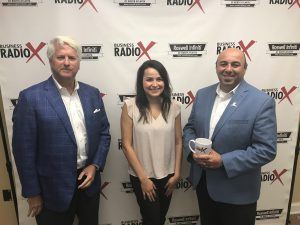
Michael Blake, Host of “Decision Vision,” and Anita Best, President of Find Your Franchise, Inc.

Should I buy a franchise?

How do I decide on the best franchise? What’s the process of buying the right franchise? Why are true entrepreneurs not the best franchise owners? Anita Best of Find Your Franchise, Inc. answers these questions and more on this episode of “Decision Vision,” with Host Michael Blake.

Anita Best, Find Your Franchise, Inc.

Anita Best, President, Find Your Franchise, Inc.

Anita Best is the President of Find Your Franchise, Inc.  Anita has spent the last ten years consulting others who are considering owning a franchise. She is passionate about small business ownership and lifestyle independence. She specializes in helping people leverage their beliefs, attitudes and transferable skills into a franchise opportunity that will meet their financial and personal goals.

Anita has owned four franchises, including a Keller Williams franchise she opened as a managing partner. Through her stewardship, the business achieved profitability in year one and her office grew to over 125 agents in less than 3 years. Because of her inimitable business acumen and success in running the franchise, she was invited to join the business coaching program at KW, where she coached other business owners to reach their peak performance.

Michael Blake, Brady Ware & Company

Mike Blake, Host of “Decision Vision”

Michael Blake is Host of the “Decision Vision” podcast series and a Director of Brady Ware & Company. Mike specializes in the valuation of intellectual property-driven firms, such as software firms, aerospace firms and professional services firms, most frequently in the capacity as a transaction advisor, helping clients obtain great outcomes from complex transaction opportunities. He is also a specialist in the appraisal of intellectual properties as stand-alone assets, such as software, trade secrets, and patents.

Mike has been a full-time business appraiser for 13 years with public accounting firms, boutique business appraisal firms, and an owner of his own firm. Prior to that, he spent 8 years in venture capital and investment banking, including transactions in the U.S., Israel, Russia, Ukraine, and Belarus.

Brady Ware & Company

Brady Ware & Company is a regional full-service accounting and advisory firm which helps businesses and entrepreneurs make visions a reality. Brady Ware services clients nationally from its offices in Alpharetta, GA; Columbus and Dayton, OH; and Richmond, IN. The firm is growth minded, committed to the regions in which they operate, and most importantly, they make significant investments in their people and service offerings to meet the changing financial needs of those they are privileged to serve. The firm is dedicated to providing results that make a difference for its clients.

Decision Vision Podcast Series

“Decision Vision” is a podcast covering topics and issues facing small business owners and connecting them with solutions from leading experts. This series is presented by Brady Ware & Company. If you are a decision maker for a small business, we’d love to hear from you. Contact us at decisionvision@bradyware.com and make sure to listen to every Thursday to the “Decision Vision” podcast. Past episodes of “Decision Vision” can be found here. “Decision Vision” is produced and broadcast by Business RadioX®.

Visit Brady Ware & Company on social media:

LinkedIn:  https://www.linkedin.com/company/brady-ware/

Facebook: https://www.facebook.com/bradywareCPAs/

Twitter: https://twitter.com/BradyWare

Instagram: https://www.instagram.com/bradywarecompany/

Show Transcript

Intro: [00:00:01] Welcome to Decision Vision, a podcast series focusing on critical business decisions, brought to you by Brady Ware & Company. Brady Ware is a regional, full-service, accounting and advisory firm that helps businesses and entrepreneurs make visions a reality.

Michael Blake: [00:00:20] And welcome back to another episode of Decision Vision, a podcast giving you, the listener, clear vision to make great decisions. In each episode, we discuss the process of decision making on a different topic. Rather than making recommendations because everyone’s circumstances are different, we talk to subject matter experts about how they would recommend thinking about that decision.

Michael Blake: [00:00:38] Hi. My name is Mike Blake, and I’m your host for today’s program. I’m a Director at Brady Ware & Company, a full-service accounting firm based in Dayton, Ohio, with offices in Dayton; Columbus, Ohio; Richmond, Indiana; and Alpharetta, Georgia, which is where we are recording today. Brady Ware is sponsoring this podcast. If you like this podcast, please subscribe on your favorite podcast aggregator, and please also consider leaving a review of the podcast as well.

Michael Blake: [00:01:03] So, our topic for today is about franchising and, specifically, should you buy or maybe buy into a franchise? And this is a model for business that has just been exploding in the last couple of decades. And we’re going to be a good friend and expert come on and talk about this in a minute. But it’s a very exciting topic because entrepreneurship is becoming increasingly important. But not only that, entrepreneurship is changing.

Michael Blake: [00:01:33] Historically, when we think about entrepreneurs, especially in my generation as a Gen-Xer, we think about Silicon Valley, we think about Steve Jobs, we think about Mark Zuckerberg, we think about Jeff Bezos, and Elon Musk, and so forth. And they’re entrepreneurs. No doubt about it. Nothing wrong with what they did. But only one person, not everybody can kind of be a genius that’s going to start a business that literally changes how civilization works. And it’s not a stretch to say that those are the kinds of businesses that have done that.

Michael Blake: [00:02:13] There’s a lot of entrepreneurship that that occurs. It’s what I call kind of meat and potatoes businesses. They’re not sexy like the Silicon Valley kind of businesses, but all they do is they make money. And at the end of the day, businesses are supposed to do that. Companies like Uber and Pinterest that did IPOs, and they’re so under water, the next CEO’s going to be Aquaman. These businesses make money. There’s nothing wrong with them. And I think we’re going to see an even greater interest in franchising because we’re seeing a lot of people, kind of, in transition in their careers.

Michael Blake: [00:02:54] And for my part, I reached a point where I needed to stop being an employee sometime in my early 40s, a few years ago. And one of the things that people, then, might look at if you’re going to start a business, and you’re not going to go the venture capital route, is franchising. And it works very well for some people. And for other people, it doesn’t work as well. But that’s the nature of, really, any business. That’s not unique to franchising. But we’re going to talk today about how do you find out if franchising is the best fit for you, or, frankly, if it’s not a good fit for you, stay away from it, and do something else.

Michael Blake: [00:03:33] So, joining us today is my pal, Anita Best. Anita is the President of Find Your franchise Inc. She has owned four franchises herself and has spent the last 10 years consulting others who are considering owning a franchise. She is passionate – and that’s an understated passion with a capital P – about small business ownership and lifestyle independence. She specializes in helping people leverage their beliefs, attitudes, and transferable skills into a franchise opportunity that will meet their financial and personal goals. Anita, thanks for coming on the program.

Anita Best: [00:04:09] My pleasure, Michael. Thanks for asking me.

Michael Blake: [00:04:11] So, how’d you get into this business? You’ve been doing it for 10 years. What led you to this path that you’ve chosen?

Anita Best: [00:04:21] Like many things in life, it was really an accident. I sold real estate all through the ’90s. And when Keller Williams came to Atlanta, Keller Williams Real Estate, they were a younger company at the time, they were recruiting me. And through the course of those discussions, I had been selling real estate a long time, and the opportunity came up to buy into the Buckhead franchise when it was opening up. And so, I did became an investor in the franchise and was the managing partner for the first three years. So, I really started from the inside of the franchise business. Keller Williams has a very sophisticated coaching program that they recruited me into. So, I helped coach other Keller Williams franchise owners around the country on how to grow and build their franchise and be successful.

Anita Best: [00:05:11] A few years later, I did that for three years, built it into one of the top, at the time, one of the largest franchises in the country. And, now, I decided to take a little break. The coaching was very lucrative that I was doing with them. And so, I hired a new broker to run the office, retain my ownership, and move down to Florida to spend some great years with my parents. They were getting older. And looking back on it, that was a great decision.

Anita Best: [00:05:33] I decided to come back to Atlanta a few years later, and they wanted me back in the Keller Williams system. But it was a great job but a very difficult job. And I started thinking about the fact that I had been down in Florida for three years, and had not worked at the franchise even through ’08 and all that downturn, I still got a check every quarter. So, mailbox money was nice and decided that maybe buying another franchise would be a good thing to do.

Anita Best: [00:06:02] And so, in my research, looking at franchise opportunities, I came across a franchise broker and was really intrigued by that business model. So, again, I started researching that, in addition to looking at some franchises, and decided that with my coaching training and background, with my franchise ownership background, it was a perfect fit. So, I got some education, got some training, hung up a shingle, and the rest is history.

Michael Blake: [00:06:31] And how did you move from franchise, or do o you consider what you do now franchise brokerage or more of an advisory?

Anita Best: [00:06:39] I never felt like a broker. That’s a technical name for what I do. But almost, from the very beginning, my business was very consulting-based. I tell my clients that I am a a research assistant, a subject matter expert, and a coach. And I tell them right from the beginning, the majority the people that come to me, that are referred to me, my business is virtually all referral, don’t buy a franchise. They’re on a dual path. They’re looking at another corporate job. They’re in transition. But almost without exception, they refer people to me. So, my goal is to have them have a good experience, get educated, and not for them necessarily to buy a franchise. Although happily, I can say it does happen often enough.

Michael Blake: [00:07:27] Okay. So, when I broached the subject of franchise, and you’ve taught me a lot about franchise over the years that we’ve known each other, so now I can have an intelligent conversation for about eight minutes or so, and I said, “Well, people will come to me, and they’re in various kind of situations.” We’ll talk about that later in the interview. But the question I always get back or the reaction I always get back is, “Well, I can’t do a franchise I don’t want to be in the restaurant business. I hate food service. I don’t want to own a McDonald’s.” I mean, the franchise world is a lot more than food service now, isn’t it?

Anita Best: [00:08:00] Yeah. I’ve been, as you said, doing these 10 years, I’ve only sold two food franchises. I, typically, tend to talk people out of it just because I think there’s so many other incredible opportunities out there. Only about 20% of franchises are food. Franchising is just a business model. Most people don’t know but most of, if not many of, the Coca-Cola bottlers are franchises, traditional franchises. Your favorite sports team is a traditional franchise.

Anita Best: [00:08:28] I’ve challenged people to name an industry that I can’t find a franchise in. One time somebody said drones. And at the time, I didn’t have one. I have since found one in drones. There’s one that’s gone out of business in the marijuana business in states where it was legal there. They’re no longer around. But there’s franchise in everything – health care, technology, home services, education. Just about every industry you can think of, there would be a franchise, at least, relative to it.

Michael Blake: [00:08:57] Now, that one that went out of business, was that the drone business that went out of business or the marijuana that’s just going out of business.

Anita Best: [00:09:03] No, no. I think the drone business is doing well. It was the marijuana business.

Michael Blake: [00:09:06] I was just kind of wondering. Marijuana and flying drones may or may not be the best combination out there. Just sort of my gears kind of turning on that.

Anita Best: [00:09:18] [Crosstalk].

Michael Blake: [00:09:18] So, the Small Business Administration provides a list of franchise failure rates. Not all franchises are created equal. And they get a lot of — Frankly, I think, they get a lot of negative attention, sometimes undeserved. And I think it’s because nobody wants to read a story about a plane landing safely, right. But it’s always fun to beat on some franchisor that is taking too much money, whatever they’re doing, right. But I think the Small Business Administration has a list of the franchise failure rates as a function of where the SBA provides the financing to buy a franchise, and then what is the default rate. Have you seen that list? You think that’s a good thing for somebody to consult as they think about the kind of franchise or the specific franchise they might consider buying into?

Anita Best: [00:10:12] It might be a small data point, Michael. I’m very familiar with it. It’s the Coleman Report. The last one that I have the entire report of was from 2011. If a franchise sells a hundred franchises, and two of them use SBA, and one of those fail, it’s going to show up as a 50% failure rate on the SBA’s list.

Michael Blake: [00:10:38] True.

Anita Best: [00:10:38] So, you can extrapolate all kinds of crazy numbers that would come up. I think the Coleman Report is more effective to use from an industry perspective if you are to take all the restaurants out of the Coleman Report and see how many restaurants fail versus how many, let’s say, auto repair franchises fail, versus how many homecare franchises fail. You can come up with some data there that’s interesting from which industries may have higher failure rates, but there’s so many other things that go into it.

Anita Best: [00:11:09] And the simple fact that it’s, in my opinion, very few people use SBA loans. A small minority of my clients use SBA loans. They use everything from home equity, to commercial loans, to a lot of retirement funds. There’s government IRS-approved programs where you don’t have to pay penalties and interest on the money that you use if it’s done under very strict guidelines. So, I don’t see it as a strong indicator without having a lot of other information to look at as well.

Michael Blake: [00:11:41] Okay. So, maybe, it’s one piece of the whole conversation, but don’t make it your whole conversation.

Anita Best: [00:11:45] No. I typically don’t even look at it anymore.

Michael Blake: [00:11:49] Really?

Anita Best: [00:11:50] Yeah.

Michael Blake: [00:11:50] Okay.

Anita Best: [00:11:50] As I said, other than from an industry perspective, you can sort the list, if you buy the current list, which I’ll quit doing because I didn’t find it to be that important for me. You can sort it. And the perfect example is there’s one — I don’t want to mention the name. It might be too controversial.

Michael Blake: [00:12:08] Got it.

Anita Best: [00:12:08] But there’s a household name franchise that everyone would know that is very successful and has made many, many millionaires. And for 2000 to — I’m sorry, 2000 — yeah, 2000 to 2010, they showed a 20% SBA loan failure rate-

Michael Blake: [00:12:26] Ha.

Anita Best: [00:12:26] … which I find very difficult to believe. And even if some of the units failed, the operation didn’t fail. It failed for other reasons. And the franchisor took it back, ran it successfully, sold it to someone else. So, I think, it’s not one of the stronger tools to use.

Michael Blake: [00:12:45] Interesting, okay. So, somebody walks in the door or hit you by e-mail, and they say, “Anita, I’m interested in exploring franchises, types. What kind of franchise might be right for me?” what does that process look like.

Anita Best: [00:13:03] Yeah. A lot of it is a getting-to-know-you process. Personally, I have a business personality assessment that I use. It’s very similar to the DiSC Profile. You’re probably familiar with the DiSC Profile.

Michael Blake: [00:13:15] I am. I took one for my old job, and they said I was clinically insane.

Anita Best: [00:13:19] Yeah. Actually, those tests are not a good predictor of mental illness. So, I use that. By the way, I do see assessments more of a conversation tool, not a dictate. For example, like my DiSC Profile shows me all DI, low SC, which means that I would be terrible with details. And it’s more a matter of comfort. I don’t like details, but I use computer lists. Very disciplined with using my computer. Nothing ever falls through the cracks. If I had to sit in front spreadsheets all day long, I’d be miserable. So, we all have compensating factors for our natural personality styles, but it’s a great conversation piece for me to get to know people.

Anita Best: [00:14:05] And then, I also have a four-page candidate questionnaire that my clients tell me really helps them think through business ownership, and everything from B2B versus B2C, service versus product, number of employees they’d like to have, lots of questions like that, and a list of industries to rate which ones they have higher or lower interest in. And by going through that process, after I get that information back from my clients, we then have another conversation, I have more questions, they have more questions. I send them information to read. And then, I start doing my research based upon what they said. There’s no magic wand that comes out of that, like, poof, the perfect franchise with for them doesn’t pop out, but that getting-to-know-you process really helps me to refine things that would be good for them..

Anita Best: [00:14:55] And then, I’d been remiss. The economics is crucial. I’ve taught many people out of buying a franchise. Right now, I know a guy’s out of work. He’s maybe got $100,000, and he’s got four kids, and his wife doesn’t work, and he wants to buy a franchise. I go, “You need a job,” you know.

Michael Blake: [00:15:12] Yeah, good, yeah.

Anita Best: [00:15:13] Yeah. And-

Michael Blake: [00:15:13] That’s a sign of a great professional, by the way, that will look at somebody in an instant, like, “I’m going to talk myself out of work here, but this ain’t for you, man.”

Anita Best: [00:15:23] Yeah, but that’s okay. They send me business. They appreciate it.

Michael Blake: [00:15:25] Yeah, that’s right.

Anita Best: [00:15:25] So, that works out just fine. But both their current financial situation, how much money they need to make, their comfort level with it, obviously those, how much they have, and how much they need to make, and what their overhead is, have them look at all of those points and make sure that it makes sense. And, of course, there’s franchises you can buy for $50,000 without brick and mortar, that don’t have the high overhead, but as a general rule, it’s going to be more than that.

Michael Blake: [00:15:56] So, it sounds like you invest a lot of time, maybe as much or more, but you can correct me, on the personal match as opposed to just the raw economics of the franchise. Maybe there’s some — I’m sure there’s some very good franchises out there, franchise systems that enjoy consistent success, maybe they’re booming, they’re capturing a great trend, right. But is it fair to say that could be trumped if the personality match isn’t right, then, maybe you’d go with something that on the surface is financially a little less lucrative if it’s clearly a better personal match?

Anita Best: [00:16:35] It’s probably both.

Michael Blake: [00:16:37] Okay.

Anita Best: [00:16:40] A lot of people come to me wanting to do something they love. They love to play golf or they — well, let’s just use golf. If you look at most golf professionals, they’re out there hot and sweaty all day. They’re not making a lot of money. They don’t become golf pros. They become golf teachers. And it’s not necessarily doing what they like, and they don’t make a lot of money. Most people that are doing what they really love aren’t making a lot of money – artists, musicians. So, oftentimes, that kind of fit is not as important as finding something you can be passionate about delivering really well and loving what a day in the life is all about. That’s more, to me, what a great fit is. I’m not sure if I exactly answered your question there.

Michael Blake: [00:17:28] You did. No, you actually did.

Anita Best: [00:17:30] That, yeah.

Michael Blake: [00:17:30] Yes, you did. So, I mean, it sounds like it’s a pretty even — it actually sounds like a pretty complicated balancing act matching economics with personality.

Anita Best: [00:17:39] Yeah. Well, I spend probably half of my time looking at franchise opportunities, so that I have a mental inventory. I’ve got contracts with about 600 brands, but I have access to detailed data on over 2500 brands through a service I subscribe to. And I also have a mastermind group of a dozen top women. We call ourselves the Power Women Brokers, a dozen female brokers around the country. We have a once-a-month scheduled call. We have daily e-mails going back and forth where we share good concepts, bad concepts, clients we’re having trouble fitting. It’s a great support group because this kind of consulting can be very lonely. You spend a lot of time in front of a computer by yourself doing research.

Anita Best: [00:18:24] So, I’m reading about, learning about good brands in many different areas, many different price ranges, researching their success rates, it gives me a mental inventory of concepts. And then, when I have a client, and I learn a lot about them, the financial piece, really, is first. If the financial piece isn’t there, then it’s not a good fit.

Michael Blake: [00:18:48] The rest wouldn’t matter.

Anita Best: [00:18:48] Right. Then, it becomes something that they can get excited about, can see themselves executing on a daily basis. And so, therein lies the fit. And there’s no franchise that has 100% success right.

Michael Blake: [00:19:02] There’s no business that has 100% success rate.

Anita Best: [00:19:05] Yeah. I mean, I usually say there’s like a 33/33.33. When you look at franchises, you’re going to find 33% of the people that buy them that are miserable, and wish they hadn’t done it, and aren’t making enough money. You’re going to find that 33.3% in the middle that are out of their corporate job. They’re not killing it, but they’re happy. It’s improved their lifestyle. And then, you’re going to find that top third, hopefully, that are go-getters. They’re executing at a very, very high level. They’re exceeding their expectations from a financial perspective and from a lifestyle perspective.

Anita Best: [00:19:43] Oftentimes, I compare it to real estate. I was a real estate broker for three years. And before that, I sold real estate for 10 years. Talk about a revolving door. Probably 90% the people that get a real estate license a year later are not selling real estate. It doesn’t make real estate a bad business. It’s got to be the right fit, and you have to be passionate about it, and you have to execute. And franchise ownership is very, very similar.

Michael Blake: [00:20:04] So, that segues nicely, kind of, in the next question in that a franchise, and maybe even entrepreneurship, in general, is not for everybody, right. And thank God. If everybody in the world was an entrepreneur, it’d be chaos.

Anita Best: [00:20:16] Yeah

Michael Blake: [00:20:17] Nobody would ever take direction, and nine billion people going in different directions. But what’s kind of a profile where you kind of know pretty early in the process that somebody is not a good candidate to be a franchise owner? What are, kind of, the warning signs you frequently see?

Anita Best: [00:20:38] I’d like to come back to that in a second, but I just want to touch on entrepreneurship for a moment.

Michael Blake: [00:20:42] Yeah.

Anita Best: [00:20:42] I heard a great definition of entrepreneurship. It’s the Harvard Business School definition actually, and it says, “The pursuit of opportunity without regard to resources currently controlled.” When you’re buying a franchise, it has to be in regard to resources currently controlled or, at least, that’s my coaching on the subject. So, depending on your definition of entrepreneurs, I find that true entrepreneurs, by that definition, don’t make good franchisees.

Michael Blake: [00:21:13] Really?

Anita Best: [00:21:13] Because they want to do it their way.

Michael Blake: [00:21:15] Oh, but a franchise has — I mean, they have a playbook-

Anita Best: [00:21:18] They have a playbook.

Michael Blake: [00:21:19] … which you, more or less, have to follow exactly.

Anita Best: [00:21:21] Exactly. So, senior executives make great franchisees because even though they’ve got a lot of control, they have to execute. Even if they’re the president, they’ve got to execute according to the board’s control, or there’s lots of restrictions. There’s a budget that they have to follow. They’ve got a chief marketing officer that’s going to give them direction. So, senior executives make great franchisees typically. A true entrepreneur is going to want to do it his way or her way.

Michael Blake: [00:21:54] Right.

Anita Best: [00:21:54] And in my experience, the two reasons franchisees typically fail, one is under capitalization, which I’ll do everything I can to keep that from happening to somebody, at least, on the front end. And number two is not following the model. You’re buying a franchise because it’s a proven business model. Well, there are those that come in there and think they have a better way to do it. And that can be a recipe for disaster. Oftentimes, after the first year or two, after you’re executing according to the model, great. You got some good ideas, try them out. Talk to other franchisees in that system, see if they’ve tried it, if it’s worked or not. That’s called the franchise family.

Anita Best: [00:22:33] Most franchises they talk to each other, and so they can compare notes on that, so you’re less likely to make mistakes because there may be others that have already made those mistakes, or tried those things, or you might come up with a great way to make the brand better. Most franchise companies have, not board, but a board of franchisors awards that get together regularly and talk about new systems, new models, new ways to do things. So, you’ve kind of got that bigger brain working on your business with you.

Michael Blake: [00:23:06] All right. So, if you’re not a rule-follower, right, then being a franchise will be difficult. What else? Are there other kind of warning signs or features that you, kind of, flag somebody away from doing a franchise?

Anita Best: [00:23:19] Really, the capitalization piece. If you’re well-capitalized enough, and you want to be independent, and have more control over your life, and you’re willing to follow a model, which, by the way, many franchisors, in their process of taking someone through learning about their franchise, if people don’t show up for calls, or weren’t willing to follow the models, or don’t do “homework” that’s given to them – homework in quotation marks – they won’t want them as a franchisee because they have to report their success rate in their FTD every year. So, there. There you have it.

Michael Blake: [00:24:02] Okay.

Anita Best: [00:24:02] Yeah.

Michael Blake: [00:24:03] So, in terms of the capitalization, does that mean you’re basically talking about how much runway they have, so that the — not every business will just start making money hand over fist right away, right. Even a franchise most won’t. So, is there a rule of thumb in terms of how much runway you recommend somebody have before embarking on this?

Anita Best: [00:24:24] It depends. It depends on the brand.

Michael Blake: [00:24:26] Okay.

Anita Best: [00:24:27] If you’re doing a home-based franchise or something that can be run out of a small warehouse or a small office, you don’t need a lot of runway. And those typically cost less on the front end. Oftentimes, it can have a much higher long-term income potential. You got to be able to pay your bills. If you’re looking at investing in anything in a strip shopping center or real brick and mortar where you’ve got to sign a five-year lease, and you’ve got to pay employees, and you’ve got to have inventory, you need to have 18 months to two years runway, both working capital and personal living expenses. Some can ramp up much faster than that. But if it doesn’t, if you don’t execute as quickly as you think, or there’s a blip anywhere, that’ll take you down; whereas, if you’re working out of a warehouse or a small office, a lot less money is needed to have a much longer runway.

Michael Blake: [00:25:28] Okay.

Anita Best: [00:25:28] So, it depends on the concept and the type of franchise.

Michael Blake: [00:25:29] And some franchises are much more capital-intensive than others, like you just alluded to. If you have a highly service-based business where you, yourself, even could kind of show up and provide the service, that’s one thing. But if you’re going to do — I don’t know. If you’re going to do a hotel, for example, many of which are franchised, right?

Anita Best: [00:25:54] Right.

Michael Blake: [00:25:54] That’s millions of dollars potentially of upfront costs

Anita Best: [00:25:58] Yeah, and ongoing capital investment for sure.

Michael Blake: [00:26:00] Right, right, okay.

Anita Best: [00:26:02] Yeah.

Michael Blake: [00:26:03] So, I would imagine a lot of the people that come to you, they may have an interest in a franchise, but they haven’t necessarily been in that business before. Is that a deal breaker if somebody wants to get into health care, but they’ve never done health care, they don’t even know how to put a Band-Aid on? Does not preclude them from being in the business, or can they be trained up, or how does that dynamic work?

Anita Best: [00:26:33] The vast majority of people that I see buying franchises wind up in an industry that they are completely unrelated to. Now, there are some that having knowledge of that industry is helpful, but that’s part of the beauty of a franchise. It’s more your skillset, your desire, energy, and ability to execute. Feeling an affinity for the business, that is important. But in most cases, you don’t need to have a lot of experience in that industry. You have to have the skill set to execute the business model.

Michael Blake: [00:27:12] And in most these franchise systems, not only offer training, they’ll require you to participate and do well in the training before they’ll grant you the franchise, correct?

Anita Best: [00:27:25] Well, no. Actually not.

Michael Blake: [00:27:27] Okay.

Anita Best: [00:27:27] Most of them do have extensive training. And the research process with any franchise concept is typically going to take, at least, six weeks. They’ll have webinars. They’ll have different people in the company they want you to speak to. You’re going to want to be doing some research on your own. But I only have heard of one franchise over the years that actually allows you to go to training before you purchase the franchise because, I think, that would be kind of fraught with trouble for the franchisor because of insider knowledge and information to not let just anybody come-

Michael Blake: [00:28:02] Yeah, that makes sense.

Anita Best: [00:28:03] … to their franchise training.

Michael Blake: [00:28:05] There are trade secrets there.

Anita Best: [00:28:05] Right. But every franchise has training. Some of it is distance training. Some of it is you go off to them for a week or two weeks. I know many that have a two-week training program. Some of them, obviously, have required reading for you to do. Some of them send people into your territory. And most of them have some combination of those three. So, there is a lot of training once you sign on the dotted line and purchase your franchise.

Anita Best: [00:28:34] And there’s ongoing training to, varying degrees. Many franchisors have coaches that you talk to once a week, and you can call more often if you want to. Many of them have annual conventions where there’s a lot of training. A lot of them have weekly calls that all the franchisees can get on, and talk to each other, and compare notes, and share, or intranets where you can type in information. And another franchisee that has the answer will respond and jump on a call with them if you need more information. So, there’s lots of resources for ongoing support-

Michael Blake: [00:29:12] Got it.

Anita Best: [00:29:12] … in a good franchise model.

Michael Blake: [00:29:14] So, do you have a favorite success story of somebody that you’ve helped get into the franchising business?

Anita Best: [00:29:21] One of my favorites, and this is just about two years ago now, a female executive here, a Kettering member, a good friend of mine called me and said that her daughter was a meteorologist in Alabama, and they were married, and her husband was selling insurance, and she was looking for change, he was looking for a change of what I talked to them about franchise opportunities. Of course, that’s very flattering when somebody will trust you with their children.

Michael Blake: [00:29:47] Yeah.

Anita Best: [00:29:47] And so, I worked with them probably for five or six months. They purchased a franchise. It was a home modification franchise for seniors, a rather small warehouse. And they loved it. They’re so excited. They sent me these lovely notes. They were rookie of the year their first year. And when I see their mom, she’s so grateful. I mean, it’s just to see younger — must my candidates our senior executives just because that’s the world I’ve been living in. That’s rewarding too, but to have the children of a good friend achieve that level of success, and to see these young kids starting out on this entrepreneurial journey.

Anita Best: [00:30:29] And I think it’s great because most — and I use the entrepreneurial warden, but most people, they get into business for themselves, it’s usually not the last one. It usually turns into multiple streams of income. You’ve got the freedom to control your schedule. So, oftentimes, other opportunities present themselves or additional territories possibly with the concept that you’ve already are working within, or just other opportunities start to present themselves. So, it was really fun and exciting to see this young couple do that.

Michael Blake: [00:31:05] All right. So, we’re running out of time here. So, I think, the last question I want to ask you is, if someone wants to learn more about this kind of opportunity, this kind of direction for themselves, how can they best contact you? Can they contact you? And if so, how can they do that?

Anita Best: [00:31:21] Of course. Thank you, Michael. That would be very nice. They could send me an email at Anita@findyourfranchise.com, just like it sounds. They could call me 404-218-7808, or they could send me a text, and I’d be delighted to chat with them.

Michael Blake: [00:31:39] Okay. So, that’s going to wrap it up for today’s program. I’d like to, again, thank Anita so much for joining us and sharing her expertise with us today. We’ll be exploring a new topic each week. So, please tone in, so that when you’re faced with your next business decision, you have clear vision when making it. If you enjoy this podcast, please consider leaving a review through favorite podcast aggregator. It helps people find us, so that we can help them. Once again, this is Mike Blake. Our sponsor is Brady Ware & Company. And this has been the Decision Vision Podcast.

Tagged With: Dayton accounting, Dayton business advisory, Dayton CPA, Dayton CPA firm, Find Your Franchise, Find Your Franchise Inc., food service franchise, franchise brokerage, franchise coach, franchise compatibility, franchise consultant, Franchise Disclosure Document, franchise selection, Franchisee, franchisees, Franchising, Franchisor, home-based franchise, Keller Williams, Michael Blake, Mike Blake, transition out of corporate

Inspiring Women, Episode 2: Confidence, Insecurity, and Arrogance

May 29, 2019 by John Ray

Inspiring Women PodCast with Betty Collins
Inspiring Women, Episode 2: Confidence, Insecurity, and Arrogance
Loading
00:00 /
RSS Feed
Share
Link
Embed

Download file

Betty’s Show Notes

What is confidence? How would your life improve if you were more self-confident? What can you do to boost your confidence? In Brady Ware’s latest podcast episode, learn the characteristics of a confident woman and how you can apply the self-confidence formula to your life.

In this episode I cover:

  • What is confidence?
  • How would your life improve if you were more self-confident?
  • What can you do to boost your confidence?

The self-confidence formula for women:

  • Take responsibility for yourself.
  • Begin to experiment with life.
  • Develop an action plan and implement it.
  • Stick with it.
  • Act “as if.”
  • Find a mentor.

Handouts for this podcast:

  • How To Know if You are Confident
  • Actions to Boost Your Confidence

“Inspiring Women” Podcast Series

“Inspiring Women” is THE podcast that advances women toward economic, social and political achievement. The show is hosted by Betty Collins, CPA, and presented by Brady Ware and Company. Brady Ware is committed to empowering women to go their distance in the workplace and at home. Past episodes of “Inspiring Women” can be found here.

Show Transcript

Betty Collins: [00:00:03] Confidence is silent. Insecurities are very loud. And arrogance is just completely ignored. And I want to talk about those things today.

Betty Collins: [00:00:18] So I’m watching this YouTube video of Aretha Franklin. And I was blown away. I watched it over and over. And of course she comes out, everyone knows the name for the most part right. And she’s singing “You Make Me Feel Like A Natural Woman.” And not only is she just singing it, she’s singing this for the President of the United States, Barack Obama and his wife Michelle Obama. And they’re sitting with Carole King who actually wrote the song. And she first comes out and she’s on stage. It’s a full crowd. And she starts singing. She’s playing her own music. So she’s just sitting there, playing and singing like it’s the most natural thing. Meanwhile they show her President wiping a tear from his eye. And they show Carole King totally, totally into the fact that here is this woman singing this song, the way she is, Aretha Franklin. Doesn’t seem fazed at all. She’s just doing what she does.

Betty Collins: [00:01:28] And then about halfway through the song she decides to get up. Someone takes over the piano. She’s now no longer kind of hiding behind her piano. Maybe it’s easier to sing there. I don’t know, I’m not an entertainer. And she comes out to the middle of the stage and she kicks it up. So she takes a natural talent and totally makes it completely unique for her. And not only that, about probably two thirds of the way into the song, everyone’s on their feet, including the President of the United States, and she throws off her big fur. And she pulls that microphone out, she raises her arms like there’s no tomorrow, and she belts it out as if she’s 20 years old.

Betty Collins: [00:02:16] And of course the crowd is on their feet with her. And I watched it over and over. What came to me was you would never know if she was confident or not in what she was doing. She came out like it was the most natural thing. I mean I couldn’t imagine performing for the President of the United States in the first place, let alone meet him. And she’s doing this like it’s an everyday thing. But if you really read her story and you go back through her life, that was not always there. But that night the confidence was just natural and amazing.

Betty Collins: [00:03:01] Confidence is really hard. And so today when I want to cover is what is confidence? What are the qualities of a confident person? And how can you be confident? Because I know for me, I can start a day out at 7 a.m. and I can be insecure. And by 9 arrogant, and by 2, confident, maybe. And by the end of the day and secure again. So I go to all three of those. But obviously we don’t want to hang around with insecure people. And we don’t want to hang around with arrogant people. We’d rather be with real confident type individuals in our lives. Professionally and personally. So when I talk about confidence you have to know what it is. And for me the definition is easy because it’s just the quality of being certain of your abilities. I mean you are certain of who you are. You’re certain of what you can do. And you trust and you have a firm belief in that. And then you you go with it.

Betty Collins: [00:04:01] Arrogance is the quality of being very superior. Your overbearing. Nobody wants to be around them.

Betty Collins: [00:04:11] But insecurity, to me, is just as bad as arrogance. And women tend to be more insecure. Men tend to be more arrogant. And neither is good.

Betty Collins: [00:04:23] So how do you get to that quality of being confident. And you’re not always going to be confident. You’re just going to have those times. But you have to admit your flaw and you have to say no. And sometimes you have to listen and not conform. You’ve got to be open for help and you’ve got to own your own feelings, and guilt isn’t your friend. And you’ve got to support others. And when you start putting that whole mix together, you’re probably going to become a confident person. It’s not easy and it doesn’t happen overnight. Aretha Franklin didn’t get on stage her first time and sing for the President and have people on their feet emotionally engaged with her. And I’m sure that took a lifetime to do.

Betty Collins: [00:05:15] Without confidence you’re going to be really mired down in unfulfilled desire in your life. You’re going to be full of excuses more than you are why you are who you are. And you’re going to be paralyzed by fear. It’s something I deal with all the time. And that takes away from being confident. What’s really funny about women today is we’re turning the corner in so many ways. And so we need to start acting like that and start taking more risk and stop the grumbling and apologizing because the results are starting to really happen. And there is now research and statistical evidence that confidence is more important than your ability. I’m in an industry as a CPA where technical ability is really valued. Has to be. The confidence is now showing is just as important if not more.

Betty Collins: [00:06:16] And here are the things that are happening for women. So more of us are getting college and graduate degrees. We’re running some of the largest countries in the world, not just the United States. There are now 17 female Heads Of States in the world. 105 seats in Congress are held by women which, is nineteen point six percent. Twenty five percent of board members are now women. And those companies tend to be more profitable when the when women are on their boards. This is the best one. We control 80 percent of U.S. consumer spending. 26 percent of women in the U.S. do not work. They can have the lifestyle of raising their children and being home and it’s ok. Mothers are now the primary or sole earners for 40 percent of households. We comprise over 50 percent of the workforce. And now 30 percent of businesses owned by women are being started by women. And three out of ten women serve their country or government in some capacity. Those are major, major statistics and they’re happening because of confidence and hard work and drive. But it’s a huge factor in the development of things that are happening for women in the things I’m talking about. But it’s also confidence that affects your relationships, your family life, where you volunteer, maybe where you go to church. How you are confident in those roles.

Betty Collins: [00:07:54] There are a lot of myths about confidence. We think we can be more confident. Women believe that if we work harder our talent will shine through. So we just don’t ask questions, we just accept our circumstances. And we just work harder. And then we assume that we’re better at having conversations in our head than with people. And what that does, again, it takes from the confidence factor. On top of all that, we focus on perfection. And perfection is not confidence, it’s just paralyzing to you. And I hate to tell you, but we kind of overthink a lot of things. So all of that leads up to we care too much about then what others think. And we believe it’s easier for everyone else around us, it’s easier for them. Those are myths that take away from confidence.

Betty Collins: [00:08:49] And so what I want to ask you is this. Are you a perfectionist? Are you hesitant? Do you micromanage every aspect of your life? Do you disengage because doing work and leveraging your skills is harder? Are you afraid to fail? And are you blessed with very uncooperative people in your life? You’ve got to answer those things because when you answer those, those are the things that drain your confidence. So you have to look at what risk are you willing to take to change those. And you can’t change them all overnight. But those are really, really important questions. In fact I have handouts for you today that tell you are you confident or are you not. And so start looking at those and be honest.

Betty Collins: [00:09:41] Why the confidence issue for women? I just went through, pretty hard stuff, all the myths. I just talked about which we have a great hand out for you on that. But let me give you examples of women who are confident and women who are not.

Betty Collins: [00:09:58] Women who are confident talk about dreams. Your plans, your aspirations. What you want to be. Where you want to go. Visions. And women who are not confident, they just talk about other women. It’s evidence and it’s statistically proven. You need to think about that.

Betty Collins: [00:10:17] Here’s another one. Confident people. They are the trendsetters. Confident people follow the trendsetters. Not everyone needs to be a trendsetter. But I mean those are those are characteristics of that you’re pretty confident if you can you can set the trend instead of follow it.

Betty Collins: [00:10:37] Confident women don’t try to please everyone. In fact their motto is “Confidence is not that they will like me, Confidence is I’ll be fine if they don’t.” So when you’re consumed in “I got to please everyone around me,” or “Hey, I’m not going to try to please you because I’m trying to do the right thing.” So those are things that show you that you’re confident and that’s how you know you’re not.

Betty Collins: [00:11:10] So what is the self confidence formula for women? As a CPA, we do everything with formulas, so here we go. Step 1. Take responsibility for yourself. The path towards your confidence is the one that you travel, not everyone else. It’s your journey.

Betty Collins: [00:11:29] Step 2. You’ve got to start experimenting with some things in your life. I did this when I was 38 years old. There were just things I wanted to do that I talked about doing but didn’t. One of them was I wanted to read the New York Times from cover to cover. Why? I don’t know. But it was one of those things that was so refreshing because I found my little place where nobody could be. And I read The New York Times. And once I finally got over “I don’t need to probably read the New York Times,” but it was kind of one of those things where I said “I’m going to do this. I want to try. I want to see what it was about.” It was very interesting. When I got bored with that, I went on to something else. Try new things.

Betty Collins: [00:12:13] You got to develop an action plan and then you implement it. I know for myself I read a book, Start With Why by Simon Sinek. And I always did the “How” and the “What.” We all do. Or the when the “How” and the “What” is easier, but you got to know the why. And for the longest time my “Why” was “I’m going to help you with your business. I’m going to do your accounting. I’m going to get your taxes done.”

Betty Collins: [00:12:43] Then I said no. I’m going to have a completely different action plan for my clients. In fact, I’m going to make sure that you’re successful so that as the employer, your employees are successful. And those employees are households that are the infrastructure of a community. So it took a whole new turn how I advised, and energized, my client, versus just doing your taxes. Because that’s just a given everyone has to do them. So I developed a whole new action plan on my “Why” and started doing that “Why” in thinking about that “Why” for everything. It was excellent.

Betty Collins: [00:13:21] You’ve got to stick with something. Self-confidence. It doesn’t come because you tried one thing. You took one pill. That’s what we generally like to do. Or we read one book. It’s a continual evolvement in development.

Betty Collins: [00:13:35] You always act “As if.” “As if” I’m putting in quotes. So “If” you put off action until you have confidence, you’ll never do it. “If” you take action, do it within a semblance of outward confidence. Sometimes, the inward true confidence will follow. My mother always told us “False cheer is better than real crabbiness.” And I always used that. Sometimes you just have to get out there and you just have to act like it’s all okay. Even though it isn’t. I wouldn’t hide from all those things but there are times that confidence will get you there. And once you’re out there going “OK everything’s good. Get your smiles on.” That was our Sunday morning. Every week. It’s church time kids. All six of us got in the van. Put your smiles on we’re, going to church. We did all getting ready with one bathroom.

Betty Collins: [00:14:22] And then you have to find a mentor if you want confidence. Because you need somebody’s outside perspective telling you when you went to the arrogant side or now you’re back at the insecure side. You’ve got to have that person in your life that comes in and says here’s what you do. So those are kind of the formulas and again we’ll give you these handouts on our website that will refer to at the end of this podcast. These are things that are just easy reading, easy simple stuff. Take away one or two of them and start it.


Betty Collins: [00:14:50] But there are things you can do to boost your confidence. As women, it’s very important. One is dress nicely, groom yourself. That sounds really simple but I will tell you the last time I spoke at the Brady Ware’s Women’s Conference, I decided to engage [00:15:04] Sue Kantor. Sophisticated Styling is her company. [00:15:08] I thought I just want to look great that day. And she just was fabulous. I showed up to the store and in there she has all of these outfits for me to try on. And it came down to three of them and she says well what do you think. And I mean people were just awesome. I had the shoes, the jewelry ,the clothes, the makeup. Here’s what you need to do. And I just felt great. She goes “Which one do you want?” I said, “Oh no, I’m taking it all. Pack it up.” And I bought every bit of it. And you know I went to the conference that day and, this is kind of embarrassing even to say, but I ended up wearing all three outfits throughout the day. It was just fun and it was a fun thing for the day. And I felt confident just doing it and it was just fun. So those things can really get you.

Betty Collins: [00:15:58] I have a whole list of things that can boost your confidence. Stand taller. Speak slower. Be prepared. Sometimes just decide you’re going to be kind and generous all day. You’ll be amazed at what that can do because you’ll forget the “stuff” in your life. Focus on solutions. Smiling is easier than frowning. Sometimes you got to just clear your desk and clean it. There are all kinds of ways to do it. But I can tell you people who are confident will get on the stage, perform for a President, not hide behind a piano, and sing like she’s 20. And you can do that. It just takes time. It takes development. But it’s rewarding at the end of the day.

Tagged With: confidence, confidence building, Confidence For Women Professionals, confidence level, Dayton accounting, Dayton business advisory, Dayton CPA, Dayton CPA firm, dreams, get a mentor, insecurities, insecurity, mentor, personal responsibility, preparation, self confidence, the confidence to move forward

Charlie Jones, Marshall Jones & Co.

May 28, 2019 by John Ray

North Fulton Business Radio
Charlie Jones, Marshall Jones & Co.
Loading
00:00 /
RSS Feed
Share
Link
Embed

Download file

Host John Ray and Charlie Jones, Marshall Jones
Charlie Jones, Marshall Jones

Charlie Jones is the co-founder of Marshall Jones & Co. Marshall Jones is a 35-year-old Atlanta CPA firm with offices in Alpharetta and the Buckhead area of Atlanta. The firm has 20 professionals who specialize in serving privately owned businesses, nonprofit organizations, and high income or otherwise wealthy individuals. Their corporate clients are in the construction, nonprofit, real estate, professional services and distribution industries. Marshall Jones provides year end financial statement audits, reviews and compilation services. The firm’s tax department provides planning, consultation and tax return preparation services.  The outsourced bookkeeping department provides all back office functions such as bill paying, payroll, bank reconciliation, and general ledger maintenance and financial statement preparation.  The firm’s core values are integrity, technical competence, responsiveness and proactivity.

As Senior Partner, Charlie focuses on client relationships and business development. Charlie has performed peer reviews for other CPA firms since 1990 in 9 states. He performs reviews for firms with 5-50 professionals. He became a member of the Georgia Society of CPA’s Review Acceptance Board in early 2019. Charlie’s career has consisted of auditing, contract controllership, systems and other consulting. He ensures that the firm maintains the critical quality necessary to effectively serve our clients. He holds a strong knowledge in real estate, construction, technology, distribution, government, and non profit industries. Charlie has also lead many projects in Sarbanes Oxley internal control compliance for several public companies. In addition he has been a frequent lecturer and trainer in this and other audit related areas.


“North Fulton Business Radio” is broadcast from the North Fulton studio of Business RadioX®, located inside Renasant Bank in Alpharetta. Renasant Bank has humble roots, starting in 1904 as a $100,000 bank in a Lee County, Mississippi, bakery. Since then, Renasant has grown to become one of the Southeast’s strongest financial institutions with approximately $12.9 billion in assets and more than 190 banking, lending, wealth management and financial services offices in Mississippi, Alabama, Tennessee, Georgia and Florida. All of Renasant’s success stems from each of their banker’s commitment to investing in their communities as a way of better understanding the people they serve. At Renasant Bank, they understand you because they work and live alongside you every day.

Tagged With: contract CFO, CPA Alpharetta, CPA firm, former NFL players, gender diversity, Marshall Jones, Marshall Jones & Co., Marshall Jones CPA, millennials, Millennials successful in Business, outside audit, outsourced bookkeeping, outsourced cfo, payroll, renasant bank, Sarbanes-Oxley, tax advice, tax advisor

ATL Developments with Geoff Smith: Ann Hanlon, Perimeter Community Improvement Districts

May 28, 2019 by John Ray

North Fulton Business Radio
ATL Developments with Geoff Smith: Ann Hanlon, Perimeter Community Improvement Districts
Loading
00:00 /
RSS Feed
Share
Link
Embed

Download file

Geoff Smith and Ann Hanlon on “ATL Developments with Geoff Smith”

ATL Developments with Geoff Smith:  An Interview with Ann Hanlon, Perimeter Community Improvement Districts

Host Geoff Smith speaks with Ann Hanlon, Executive Director of the Perimeter CIDs, on the history of community improvement districts in Georgia, why they are so important in economic and infrastructure development, and the project priorities for the Perimeter CIDs.

Ann Hanlon, Perimeter Community Improvement Districts

Ann Hanlon, Perimeter Community Improvement Districts (PCIDs)

As Executive Director for the Perimeter Community Improvement Districts (PCIDs), Ann Hanlon is in charge of the organization’s daily operations, as well as its investments in transportation infrastructure. The Perimeter CIDs have an annual operating budget of $8 million.

Previously, Ann was the Executive Director of the the North Fulton CID for 12 years, beginning when it was a start-up. Prior to joining the North Fulton CID, Ann served as a Senior Program Specialist at the Atlanta Regional Commission. She began her career in the private sector, as a Research and Development Analyst with Press Ganey & Associates, a healthcare consulting firm in South Bend, Indiana.

A native of South Georgia, Ann received a Bachelor of Arts degree with a double major in Government and Computer Science from the University of Notre Dame, and a Masters of Public Administration degree in Management and Finance from Georgia State University.

Ann was honored as the “Woman of the Year” by the Women’s Transportation Seminar Atlanta Chapter in November 2016. In April 2015 and again in 2017, Governor Nathan Deal appointed Ann to the Board of Directors for the Georgia Regional Transportation Authority where she serves on the Projects and Planning committees. Ann was named “Business Woman of Excellence” by the Greater North Fulton Chamber of Commerce in 2019, selected as one of Atlanta Business Chronicle’s “40 under 40” in 2018, named a “Notable Georgian” by Georgia Trend Magazine in 2017, one of the Atlanta Business Chronicle’s “Women Who Mean Business” in 2015 and as one of Georgia Trend Magazine’s “40 under 40” in 2012.

Ann is a graduate of the Regional Leadership Institute of the Atlanta Regional Commission (2010) and Leadership North Fulton (2006). She currently serves as Vice Chairman of the Board of Directors for the Council for Quality Growth and will be the Council’s first female Chairman in 2019. Additionally, Ann serves on the Board of Directors for the Women’s’ Transportation Seminar, Atlanta Chapter, the Sandy Springs Chamber of Commerce, and the DeKalb Chamber of Commerce. She has been a citizen member of the “Shape Dunwoody” Comprehensive Plan committee, the North Fulton Poverty Task Force and was Co-Chair of the DeKalb County Charter Review Commission. She is a Chairman’s Circle member of the Greater North Fulton Chamber of Commerce, the Cobb Chamber of Commerce and the Georgia Chamber.

Personally, Ann is a volunteer with the Girl Scouts of Metro Atlanta, a member of All Saints Catholic Church and a sustainer with the Junior League of Atlanta. She lives in Dunwoody with her husband, Michael, and their two daughters, Elizabeth and Mary Catherine.

Geoff Smith, Host of “ATL Developments with Geoff Smith”

Geoff Smith, Host of “ATL Developments with Geoff Smith”

“ATL Developments with Geoff Smith” covers all things economic development in the Atlanta Metro area. From everything inside the Beltline to Avalon and beyond, Geoff Smith interviews the movers and shakers making the ATL one of the best places to live, work and play. An archive of past episodes can be found here.

Geoff Smith is a mortgage banker with Assurance Financial working with Real Estate agents and homebuyers to help them get happily to their closing table. Geoff is an authority on the latest economic development trends shaping the Atlanta Metro area. His interviews reveal an inside perspective at how things get done in the ATL.

Geoff is an active member of his community serving on the Board of Directors of the Greater North Fulton Chamber of Commerce, as well as holding the position of chairman for the Chamber’s Education Committee. He is also Secretary of the Roswell Youth Baseball Association and coaches his sons in football, baseball and basketball. Geoff enjoys golf, camping and traveling with his wife and two sons. He is a graduate of the University of Georgia.


“ATL Developments with Geoff Smith” is broadcast from the North Fulton studio of Business RadioX®, located inside Renasant Bank in Alpharetta. Renasant Bank has humble roots, starting in 1904 as a $100,000 bank in a Lee County, Mississippi, bakery. Since then, Renasant has grown to become one of the Southeast’s strongest financial institutions with approximately $12.9 billion in assets and more than 190 banking, lending, wealth management and financial services offices in Mississippi, Alabama, Tennessee, Georgia and Florida. All of Renasant’s success stems from each of their banker’s commitment to investing in their communities as a way of better understanding the people they serve. At Renasant Bank, they understand you because they work and live alongside you every day.

Tagged With: Dunwoody, economic development, GA 400, GA 400 express lanes, Geoff Smith, infrastructure, infrastructure improvements, infrastructure projects, live work play, MARTA, Metro Atlanta traffic, North Fulton CID, North Fulton Community Improvement District, Perimeter CIDs, Perimeter Community Improvement District, private-public partnerships, public transportation, Sandy Springs, traffic, transit, transit options, Transportation, transportation infrastructure, transportation planning

  • « Previous Page
  • 1
  • …
  • 263
  • 264
  • 265
  • 266
  • 267
  • …
  • 275
  • Next Page »

Business RadioX ® Network


Our Most Recent Episode

CONNECT WITH US

  • Email
  • Facebook
  • LinkedIn
  • Twitter
  • YouTube

Our Mission

We help local business leaders get the word out about the important work they’re doing to serve their market, their community, and their profession.

We support and celebrate business by sharing positive business stories that traditional media ignores. Some media leans left. Some media leans right. We lean business.

Sponsor a Show

Build Relationships and Grow Your Business. Click here for more details.

Partner With Us

Discover More Here

Terms and Conditions
Privacy Policy

Connect with us

Want to keep up with the latest in pro-business news across the network? Follow us on social media for the latest stories!
  • Email
  • Facebook
  • Google+
  • LinkedIn
  • Twitter
  • YouTube

Business RadioX® Headquarters
1000 Abernathy Rd. NE
Building 400, Suite L-10
Sandy Springs, GA 30328

© 2025 Business RadioX ® · Rainmaker Platform

BRXStudioCoversLA

Wait! Don’t Miss an Episode of LA Business Radio

BRXStudioCoversDENVER

Wait! Don’t Miss an Episode of Denver Business Radio

BRXStudioCoversPENSACOLA

Wait! Don’t Miss an Episode of Pensacola Business Radio

BRXStudioCoversBIRMINGHAM

Wait! Don’t Miss an Episode of Birmingham Business Radio

BRXStudioCoversTALLAHASSEE

Wait! Don’t Miss an Episode of Tallahassee Business Radio

BRXStudioCoversRALEIGH

Wait! Don’t Miss an Episode of Raleigh Business Radio

BRXStudioCoversRICHMONDNoWhite

Wait! Don’t Miss an Episode of Richmond Business Radio

BRXStudioCoversNASHVILLENoWhite

Wait! Don’t Miss an Episode of Nashville Business Radio

BRXStudioCoversDETROIT

Wait! Don’t Miss an Episode of Detroit Business Radio

BRXStudioCoversSTLOUIS

Wait! Don’t Miss an Episode of St. Louis Business Radio

BRXStudioCoversCOLUMBUS-small

Wait! Don’t Miss an Episode of Columbus Business Radio

Coachthecoach-08-08

Wait! Don’t Miss an Episode of Coach the Coach

BRXStudioCoversBAYAREA

Wait! Don’t Miss an Episode of Bay Area Business Radio

BRXStudioCoversCHICAGO

Wait! Don’t Miss an Episode of Chicago Business Radio

Wait! Don’t Miss an Episode of Atlanta Business Radio