Business RadioX ®

  • Home
  • Business RadioX ® Communities
    • Southeast
      • Alabama
        • Birmingham
      • Florida
        • Orlando
        • Pensacola
        • South Florida
        • Tampa
        • Tallahassee
      • Georgia
        • Atlanta
        • Cherokee
        • Forsyth
        • Greater Perimeter
        • Gwinnett
        • North Fulton
        • North Georgia
        • Northeast Georgia
        • Rome
        • Savannah
      • Louisiana
        • New Orleans
      • North Carolina
        • Charlotte
        • Raleigh
      • Tennessee
        • Chattanooga
        • Nashville
      • Virginia
        • Richmond
    • South Central
      • Arkansas
        • Northwest Arkansas
    • Midwest
      • Illinois
        • Chicago
      • Michigan
        • Detroit
      • Minnesota
        • Minneapolis St. Paul
      • Missouri
        • St. Louis
      • Ohio
        • Cleveland
        • Columbus
        • Dayton
    • Southwest
      • Arizona
        • Phoenix
        • Tucson
        • Valley
      • Texas
        • Austin
        • Dallas
        • Houston
    • West
      • California
        • Bay Area
        • LA
        • Pasadena
      • Colorado
        • Denver
      • Hawaii
        • Oahu
  • FAQs
  • About Us
    • Our Mission
    • Our Audience
    • Why It Works
    • What People Are Saying
    • BRX in the News
  • Resources
    • BRX Pro Tips
    • B2B Marketing: The 4Rs
    • High Velocity Selling Habits
    • Why Most B2B Media Strategies Fail
    • 9 Reasons To Sponsor A Business RadioX ® Show
  • Partner With Us
  • Veteran Business RadioX ®

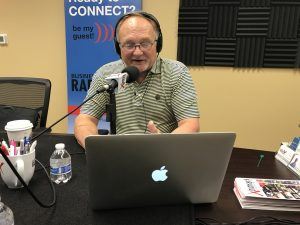
Jon Wittenberg, Minuteman Press Sandy Springs

April 2, 2019 by John Ray

North Fulton Business Radio
Jon Wittenberg, Minuteman Press Sandy Springs
Loading
00:00 /
RSS Feed
Share
Link
Embed

Download file

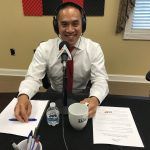
Jon Wittenberg, Minuteman Press Sandy Springs, and John Ray

Jon Wittenberg, Owner, Minuteman Press Sandy Springs

Jon Wittenberg, Minuteman Press Sandy Springs

Jon Wittenberg is the Owner of Minuteman Press Sandy Springs. Minuteman Press Sandy Springs is a full-service professional printing company located in vibrant Sandy Springs, GA.  “Full service” is exactly that, offering a full range of products and services for business marketing, from traditional printing like business cards, flyers and brochures, to yard signs, window vinyl and promotional products. While part of an internationally renowned franchise network, Minuteman Press Sandy Springs distinguishes itself from other printing companies by combining best in class products and services with a best in class customer experience.  It does things that most other printers don’t do, including asking probing questions to make sure customers get at least what they expect, if not more, and double checking proofs before going to production.  Little things can make all the difference when image matters!

To contact Jon and his team at Minuteman Press Sandy Springs, go to https://www.sandysprings.minutemanpress.com/ or call (678) 691-9100.

Tagged With: direct mail, direct mail marketing, full service printer, full service printing, gift items, graphics, minuteman press, Minuteman Press of Sandy Springs, Minuteman Press Sandy Springs, MM Press, one stop shop, print marketing, printing banners, printing signs, promo products, promotional products, signage, signs, trade show banners, Trade show booth, trade show displays, trade show items, trade show materials, trade show promotional products

Decision Vision Episode 8: Should I Hire a Recruiter? – An Interview with Joanna Cheng, Creative Financial Staffing (CFS)

March 28, 2019 by John Ray

Decision Vision
Decision Vision
Decision Vision Episode 8: Should I Hire a Recruiter? – An Interview with Joanna Cheng, Creative Financial Staffing (CFS)
Loading
00:00 /
RSS Feed
Share
Link
Embed

Download file

Joanna Cheng, Creative Financial Staffing (CFS), and Mike Blake, Host of “Decision Vision”

Should I Hire a Recruiter?

Should I hire a recruiter? What’s the best way to work with a recruiter? Michael Blake, Director of Brady Ware & Company and Host of the Decision Vision podcast, interviews Joanna Cheng on these questions and much more in this edition of Decision Vision.

Joanna Cheng, Managing Director and Branch Manager, Creative Financial Staffing (CFS)

Joanna Cheng, Creative Financial Staffing (CFS)

Joanna Cheng is a Managing Director and Branch Manager with Creative Financial Staffing (CFS). CFS is a leading, employee-owned accounting and financial staffing firm—the largest one founded by CPA firms. With more than two decades of experience helping companies locate, attract and hire exceptional accounting & finance professionals, CFS has unique resources to better understand hiring needs, attract higher-caliber candidates and assess candidate potential. Established in 1994, CFS today operates 30+ offices across 21 states and the Caribbean. Serving most major U.S. markets and beyond, CFS connects companies with candidates, from entry-level to executive level, temporary to direct hire and project support to interim management.

CFS has twice been named to Forbes’ list of “Best Professional Recruiting Firms” and twice cited by LinkedIn as one of the “Most Socially Engaged Staffing Agencies.”

Michael Blake, Brady Ware & Company

Mike Blake, Host of “Decision Vision”

Michael Blake is Host of the Decision Vision podcast series and a Director of Brady Ware & Company. Mike specializes in the valuation of intellectual property-driven firms, such as software firms, aerospace firms and professional services firms, most frequently in the capacity as a transaction advisor, helping clients obtain great outcomes from complex transaction opportunities. Mike is also a specialist in the appraisal of intellectual properties as stand-alone assets, such as software, trade secrets, and patents.

He has been a full-time business appraiser for 13 years with public accounting firms, boutique business appraisal firms, and an owner of his own firm. Prior to that, he spent 8 years in venture capital and investment banking, including transactions in the U.S., Israel, Russia, Ukraine, and Belarus.

Brady Ware & Company

Brady Ware & Company is a regional full-service accounting and advisory firm which helps businesses and entrepreneurs make visions a reality. Brady Ware services clients nationally from its offices in Alpharetta, GA; Columbus and Dayton, OH; and Richmond, IN. The firm is growth minded, committed to the regions in which they operate, and most importantly, they make significant investments in their people and service offerings to meet the changing financial needs of those they are privileged to serve. The firm is dedicated to providing results that make a difference for its clients.

Decision Vision Podcast Series

Decision Vision is a podcast covering topics and issues facing small business owners and connecting them with solutions from leading experts. This series is presented by Brady Ware & Company. If you are a decision maker for a small business, we’d love to hear from you. Contact us at decisionvision@bradyware.com and make sure to listen to every Thursday to the Decision Vision podcast. Past episodes of Decision Vision can be found here. Decision Vision is produced and broadcast by Business RadioX®.


Visit Brady Ware & Company on social media:

LinkedIn: https://www.linkedin.com/company/brady-ware/

Facebook: https://www.facebook.com/bradywareCPAs/

Twitter: https://twitter.com/BradyWare

Instagram: https://www.instagram.com/bradywarecompany/

Show Transcript:

Intro: [00:00:02] Welcome to Decision Vision, a podcast series focusing on critical business decisions brought to you by Brady Ware & Company. Brady Ware is a regional, full-service accounting and advisory firm that helps businesses and entrepreneurs make vision a reality.

Michael Blake: [00:00:21] And welcome to Decision Vision, a podcast giving you, the listener, clear vision to make great decisions. In each episode, we’ll discuss the process of decision making on a different topic. Rather than making recommendations because everyone’s circumstances are different, we talk to subject matter experts about how they would recommend thinking about that decision.

Michael Blake: [00:00:39] My name is Mike Blake, and I’m your host for today’s program. I’m a Director at Brady Ware & Company, a full-service accounting firm based in Dayton, Ohio, with offices in Dayton; Columbus, Ohio; Richmond, Indiana; and Alpharetta, Georgia, which is where we are recording today. Brady Ware is sponsoring this podcast. If you like this podcast, please subscribe on your favorite podcast aggregator, and please consider leaving a review of the podcast as well.

Michael Blake: [00:01:05] So, today, our discussion is going to be about whether to work with a recruiter when hiring new employees. And talent acquisition is a funny topic because we deal with human beings. And human beings are, for the most part, the most unpredictable things on the planet. And you don’t know necessarily what you’re going to get when you’re hiring. You don’t even know what you’re going to get when you get through the interview process. I mean, you pick a resume, you don’t even know what’s going to show up and walk through that door.

Michael Blake: [00:01:38] And in an environment now, we have some 4% unemployment and talent is not exactly growing on trees. And if you live in the Atlanta area, you can see that just by the traffic that’s in the area. You know that everybody is back to work because it, now, takes about an hour to get from [Chamblee] to Alpharetta. Talent is hard to find. But the question is you can, of course, go to the route where you can try to find talent “for free,” and we’ll find out just how free free actually is, or you can pay for help.

Michael Blake: [00:02:10] And here to help us with that conversation is my good friend, my pal, Joanna Cheng, who is Managing Partner and Branch Manager of Creative Financial Staffing in Atlanta. Prior to joining CFS, she worked for an Atlanta CPA firm in the audit practice for seven years. So, she’s a recovering CPA just like I’m a recovering investment banker and venture capitalist. She holds a bachelor’s degree from Kennesaw State University and is an avid adventure racer. I hope I’m saying that right.

Michael Blake: [00:02:40] CFS is the leading employee-owned accounting and financial staffing firm, the largest one founded by CPA firms. With more than two decades of experience helping companies locate, attract, and hire exceptional accounting and finance professionals, CFS has unique resources to better understand hiring needs, attract higher caliber candidates, and assess candidate potential.

Michael Blake: [00:02:59] Established in 1994, CFS today operates over 30 offices across 21 states and the Caribbean. Serving most major US markets and beyond, CFS connects companies with candidates from entry level to executive level, temporary to direct hire, and project support to intern management. CFS has twice been named to Forbes List of Best Professional Recruiting Firms and twice cited by LinkedIn as one of the most socially-engaged staffing agencies. And with that, my pal, Joanna Cheng. Joanna, thanks for coming in.

Joanna Cheng: [00:03:31] Thanks, Mike, for having me.

Michael Blake: [00:03:35] So, I got to ask this first. You have an office in the Caribbean. I mean, that’s just a front for like resort staff, or does one of your owners live in the Caribbean, and that’s how they sort of minimize their taxes?

Joanna Cheng: [00:03:47] We have an office in Puerto Rico, and it’s actually a pretty robust practice.

Michael Blake: [00:03:51] Okay.

Joanna Cheng: [00:03:51] Even in the light of recent events.

Michael Blake: [00:03:54] In light of the fact that island destroyed a year ago.

Joanna Cheng: [00:03:56] Yeah, there were interests, yeah.

Michael Blake: [00:03:58] So, that is a robust practice. That’s interesting.

Joanna Cheng: [00:04:02] Well, I mean, I think, as of late, they’ve had some struggles. But, again, from a temporary staffing perspective, there certainly continues to be a need for people to kind of fill the gaps.

Michael Blake: [00:04:12] Yeah, okay. That’s interesting. I would not have guessed that. So, I mean, I’ve given out, sort of, your name, rank, and serial number. You’re at CFS. You’ve been there. I think you’ve been there as long as I’ve known you. I’m not sure that I knew you when you’re an accountant, maybe for six months.

Joanna Cheng: [00:04:29] I don’t know. I left public accounting at the end of 2011. Joined CFS beginning of 2013. So-

Michael Blake: [00:04:38] Okay. So, there’s a couple of year overlap actually but-

Joanna Cheng: [00:04:40] Yeah, six years now at CFS officially.

Michael Blake: [00:04:42] But they locked me down the sixth floor of the building, so they didn’t let me out much.

Joanna Cheng: [00:04:46] Exactly. We are probably like ships in the night.

Michael Blake: [00:04:49] Yes. It’s ships in the night that were locked and never allowed to see one another.

Joanna Cheng: [00:04:53] Just like when I was an audit. It’s funny because I was gone for a year from the firm, and when I came back people, I’d run into people, and they’d say, “Oh, I haven’t seen you for a while. Have you been in out in the field?” And I’m like, “Yeah. I’ve actually not worked here for a year, but I’m back.”

Michael Blake: [00:05:07] And thanks for noticing.

Joanna Cheng: [00:05:10] It’s like I just took a hiatus.

Michael Blake: [00:05:11] A walkabout.

Joanna Cheng: [00:05:13] Right. I was just very long on it.

Michael Blake: [00:05:15] A self-audit, maybe you can call it that. So, what do you do at CFS? I mean, it sounds like you’re basically the Grand Poobah, the head honcho, the big cheese. Is that fair, at least, for the Atlanta office?

Joanna Cheng: [00:05:28] Right, queen of middle management here in Atlanta.

Michael Blake: [00:05:30] Queen of middle management.

Joanna Cheng: [00:05:31] Yeah.

Michael Blake: [00:05:31] Okay. Your highness.

Joanna Cheng: [00:05:31] I run the Atlanta office for CFS. We’re a national firm. And so, I manage a team of recruiters. And we are able to help on a temporary or direct hire basis, kind of, at any level, as long as it relates to accounting and finance within the middle market.

Michael Blake: [00:05:49] And how many people do you have on your staff right no?

Joanna Cheng: [00:05:51] We have four. We’re a team of five.

Michael Blake: [00:05:53] Okay, team of five. So, as I said, you’re a recovering CPA as I’m a recovering investment banker, et cetera, et cetera, recovering adult. What made you make that jump? When did you wake up one day and said, “Yeah, I just can’t count stuff anymore. I’ve got to go be me.”

Joanna Cheng: [00:06:11] It was really by happenstance. I think, like many people who come out of public accounting or start to look around, I didn’t really know what I wanted to do. I didn’t know what the next move was. So, I reached out to some recruiters, had some less-than-great experiences. I met one in particular that had a similar background to mine, had gone up the ranks in public accounting, gone into recruiting, was successful, opened up an office, and needed her first-time employee.

Joanna Cheng: [00:06:50] So, it was just something I decided try for a year. I mean, I think, from the things I enjoyed the most about being in professional services was the networking aspect, the relationship aspect, the adding value, and, of course, being a profit center versus a call center. So, I thought-

Michael Blake: [00:07:08] Boy, that’s huge.

Joanna Cheng: [00:07:08] Yeah. I thought recruiting could kind of be a good segue into that. And worst thing that could happen is go back and do accounting. So, some years later-

Michael Blake: [00:07:18] Which isn’t so bad.

Joanna Cheng: [00:07:19] Right. Seven years later, it seems to be working out.

Michael Blake: [00:07:23] I guess, it’s worked. Yeah. I mean, you’re still gainfully employed, productive member of society, and we haven’t had to bust you out of jail.

Joanna Cheng: [00:07:29] Yeah, not yet, yeah.

Michael Blake: [00:07:29] So, not yet. So, so far, so good. So, you mentioned you had some experience with recruiters that weren’t so awesome. I think you mentioned that.

Joanna Cheng: [00:07:40] Yeah.

Michael Blake: [00:07:40] What’s an example of that when you’ve had a bad experience yourself?

Joanna Cheng: [00:07:44] Well, it’s interesting. So, for instance, one of the — part of our process that CFS is we prefer to meet with our candidates in person, just like we like to go on site to our clients, just so we can get a really good 360 feel for the person, and the opportunity, and find that good fit. So, even before I went into recruiting, I mean, I wanted to meet people. I don’t like just virtually knowing people. I feel like I’m best face-to-face. It was just really interesting to me.

Joanna Cheng: [00:08:18] I talked to this recruiter that was referred to me, and it was a great conversation. But, by the end of it, I asked, “Oh, yes. We should meet for coffee. You should probably meet me, make sure I’ve two eyes, and off of my limbs, and yeah.” I mean, he said no, and it was just — I didn’t really know what to think about it because I felt like I couldn’t really adequately work with someone that I had never met in person, especially for such a big decision, which was a possibly career change and change of industry. Experiences like that made me think like, “There’s just got to be a better way.”

Michael Blake: [00:08:56] Yeah. I mean, it’s not like it’s a multi-level marketing scheme. It’s a serious professional position. And in what you do, every time you recommend a hire to a client, I mean, your reputation is big time on the line with that, isn’t it?

Joanna Cheng: [00:09:14] Yeah.

Michael Blake: [00:09:14] So, how you could go into that, how you could get behind somebody, and put that cloud without meeting the candidate, I’m no recruiter, but I don’t see how I could do that either.

Joanna Cheng: [00:09:24] Yeah, exactly. We’ve done hiring together in our past lives. And, yeah, I think it’s just — We don’t sell paper. And I always say that. And I don’t know if that really resonates. I think that’s a common stereotype among recruiters, and we just throw a bunch of things out there, and we just hope and pray that one of them makes us money. But I mean, there are people behind these pieces of paper. And I’ve seen the best of candidates with the worst resumes. I’ve seen pretty terrible people with really outstanding resumes. That’s part of the sniff test. That’s why we charge for our services. That’s why we have value, and yeah.

Joanna Cheng: [00:10:05] So, along with that, I also worked with a number of recruiters that provided jobs that were clearly not a match for my background. And so, again, I just kept thinking like, “This doesn’t even make sense.” This is not a, “Hey, I need a job. Here’s a job. You want this job?” I mean, it just didn’t make any sense to me. I kept thinking, “Are you even listening to me?” And, of course, I never met these people. So, I mean, I’m like, “Well, you honestly don’t know me from the next person.” So, yeah. So, I think, probably naively, going into recruiting, I thought I can make that just a better experience for people.

Michael Blake: [00:10:47] So, in your opinion, why do you think your clients hire you?

Joanna Cheng: [00:10:54] Really, I wish I knew the answer to that. If there was a concrete answer, I would package it and sell it. Prospecting would be so easy.

Michael Blake: [00:11:02] Well, how about this? How about instead of you, because I know you have a humble streak that we will try to break down and destroy over the course of this podcast. But until we get there, why do people hire you as a profession? Why do they hire somebody like you?

Joanna Cheng: [00:11:20] Well, initially, I think it’s typically out of need. But outside of that, I will say that, just like anything else, whether it’s audit, valuation, services, recruiting, people do business with people they like. I mean, that’s something that’s very important to me is to develop sincere relationships with people and to understand people’s businesses.

Joanna Cheng: [00:11:41] Hopefully, I think, my background is helpful in some sense and really understanding accounting and finance, and what that means to your company for specific positions, but yeah. I mean, it’s either that or my sparkling personality. I mean, I think.

Michael Blake: [00:11:58] I’m sure it’s a healthy combination of the two. But a thought occurred. I’m going to go off the script a little bit but not too far. It’s that, in one respect, what you and I do is very much alike is that I put together merger and acquisition transactions, and you put together talent acquisition transactions.

Michael Blake: [00:12:19] And in what I do, the reason my clients hired me, I think, is because they either have never been through a transaction, or they do it very rarely, right. And the chances are good the other person on the side of that table has done many transactions, okay. And so, they’re hiring me to kind of leverage the expertise of, say, the 200 transactions I’ve done into the one that they’ve done, right.

Michael Blake: [00:12:45] In your world, correct me if I’m wrong, but I think that, hopefully, they’re not hiring all that often for the same position. If they are, that’s a different issue if it’s a merry go round, right. But in an ideal world, you’re maybe hiring once a year, once every couple of years, or maybe once every few months if you’re growing like gangbusters, but that’s still different from somebody whose job it is to hire people 24/7 or place people to be hired 24/7, right?

Joanna Cheng: [00:13:16] Yes.

Michael Blake: [00:13:16] There’s a big advantage to having that expertise and experience in that discussion, isn’t there?

Joanna Cheng: [00:13:24] Well, absolutely. I mean, it’s what we do day in and day out. And I think that’s what the advantage is. I mean, we’re talking to people, we’re talking to companies where we have like the pulse on talent. We can see what’s available, what’s not. And, again, I think, CFS, one thing that we really emphasize is being consultative. I mean, this is, hopefully, not just a transaction. I mean, this is so important to your business. I mean, finding the right controller. And when I say right controller, I mean not someone who understands accounting can do the job. It’s someone who can help your business go from A to Z or wherever it is that you want to go that you like and that likes you.

Joanna Cheng: [00:14:02] I mean, that’s the magic, right. That’s what you can’t see from the paper. That’s what you can’t see from an online application. And I think that’s a fallacy that creates the need quite honestly. People have these experiences. We did it ourselves. We found this person. They were perfect on paper. They’re perfect in the interview. They showed up, and they were crazy.

Michael Blake: [00:14:23] Right.

Joanna Cheng: [00:14:24] Yeah? And you go, “Well, we hear that story all the time.”

Michael Blake: [00:14:26] Because they don’t say on the resume interests and crazy.

Joanna Cheng: [00:14:30] Right.

Michael Blake: [00:14:30] Right? It doesn’t show up, right? And-.

Joanna Cheng: [00:14:32] Their representative was like, “Let’s keep that.”

Michael Blake: [00:14:36] It’s on the down low.

Joanna Cheng: [00:14:36] Yeah, yeah.

Michael Blake: [00:14:36] Yeah. And, often, the people who have the most polished resumes have them polished because they’re polishing them frequently.

Joanna Cheng: [00:14:45] Right, or they’re paying for the polish.

Michael Blake: [00:14:46] They’re paying for the polish, one of the two, right? And you probably developed a spider sense. You must developed a sixth sense of some kind.

Joanna Cheng: [00:14:55] There is a little bit of that. I mean, you do get a feel for people, but that feel is — That’s, I think, the fun part. I think the best part of my job is really knowing my client, understanding their business, and then meeting somebody. I think this happened with you. Meeting someone and going, “Hey, I just met this person, and I just think you should really talk to them. I think they may be a good fit for your group.”

Michael Blake: [00:15:20] That’s true. I’d almost forgotten, I was actually a client of yours.

Joanna Cheng: [00:15:23] Yes. And we know when that works, and those types of situations more than often does, I mean, it’s a good feeling because you just feel like all the stars aligned and maybe you’re good at your job.

Michael Blake: [00:15:40] And that hire worked out. I mean, he stayed longer than I did by a lot. So, I really can’t disagree with that. So, can you point to like a favorite success story of yours where you really helped the company or even maybe helped the candidate out?

Joanna Cheng: [00:15:58] I can think of a lot of stories, but I think one thing, in fact, I had lunch today with a candidate that was a relocation candidate. It’s a really tough and usual position. It was like on the request of one of my favorite clients. And the process was painful, and it was hard because I don’t think either — we didn’t really — we didn’t know what we were looking for until we found it. But I’ve been talking to that candidate today, and how happy they are, and what they’ve been able to achieve in the time they’ve been at the company. I don’t know. It just made — that’s what makes me wake up and do what I do. And, in fact, that client is one of my adventure race buddies.

Michael Blake: [00:16:45] Really?

Joanna Cheng: [00:16:47] So, I’ve recruited for them since their inception as a startup to, now, a very successful business. And that’s something I’m very proud of.

Michael Blake: [00:16:56] So, in addition to running away from alligators and copperhead snakes and jumping over quicksand, you’re doing that.

Joanna Cheng: [00:17:02] Yeah. So, now, we throw ourselves in the briar patches and the like, yes. So, that’s real trust.

Michael Blake: [00:17:08] Yeah.

Joanna Cheng: [00:17:09] That’s when you trust, yeah.

Michael Blake: [00:17:09] Yeah, it is.

Joanna Cheng: [00:17:09] Like your service provider.

Michael Blake: [00:17:13] It is. I don’t know if anybody would trust me to lead them through an alligator or copperhead. In fact, it’s-

Joanna Cheng: [00:17:17] Oh, I didn’t say I led. I’m just, you know, but I’m there.

Michael Blake: [00:17:22] You don’t necessarily shove their head into the water-

Joanna Cheng: [00:17:25] Right.

Michael Blake: [00:17:25] … if something bad happens

Joanna Cheng: [00:17:26] Right. I would put a stick between my client and the alligator.

Michael Blake: [00:17:28] Okay.

Joanna Cheng: [00:17:30] Yeah, yeah.

Michael Blake: [00:17:31] Okay. So, let me ask you. I want to ask you this in a very smart aleck kind of way.

Joanna Cheng: [00:17:37] Okay.

Michael Blake: [00:17:37] Why haven’t you been replaced by websites? They’ve been all over. They’ve come and gone, Monster, Hot Jobs, CareerBuilder, Yahoo Jobs.

Joanna Cheng: [00:17:46] And, again, they all have their place, and they certainly have their success. And we leveraged that technology. We partner, in fact, with some of these companies.

Michael Blake: [00:17:56] Is that right?

Joanna Cheng: [00:17:56] And they’re our vendors. But, again, it just goes back to the relationship. I mean, valuation. I mean, can’t we just make a calculator, and plug in some assumptions, and-

Michael Blake: [00:18:09] There are people that are saying that.

Joanna Cheng: [00:18:10] Yeah. Come up with a number or a multiple and go, “This is the-” It’s not the point. I don’t think that’s how the world works. I mean, we’re not — people aren’t widgets. Talent, it can’t be manufactured. It’s so interesting because, I think, especially within accounting and finance, I mean, people just think, “Oh, I just need a CPA,” or “I just need an AP clerk.” And I don’t know. It’s just like anything else.

Joanna Cheng: [00:18:36] Let’s say, think about you in any job that you’ve ever had, okay. And I don’t know. Maybe people have just been very lucky, and loved everywhere that they worked, and loved the people, and those people love them. But I’ve been in several situations where I could do the job, I did it well, I just didn’t like it, or they like me, and that’s what doesn’t work, right.

Joanna Cheng: [00:18:59] I mean, middle market, in particular, is really attractive to me, (1), because that’s all I know professionally; but (2), it’s like these businesses are often someone’s baby. I mean, they’re trying to achieve a very specific goal. They’re not looking for workers. They’re looking for partners. They’re looking for people who want to be part of this team. They want people to help drive their passion to do whatever it is they want to do with this business. And that just can never be measured by a machine. And I may be eating my own words when Skynet takes over the world. But as for now, I think, my job is safe.

Michael Blake: [00:19:40] Well, I think there’s truth to that. It’s interesting you bring up the valuation part because much of my industry is being replaced by websites. And I don’t think my children would have any interest in doing what I do. But if they did, I don’t think there’s a job there necessarily for them. And we have to move towards an advisory position. And I tell people, if you want a valuation, here’s a website that you can just go get a valuation done. If that’s good enough for you, then do that, right.

Joanna Cheng: [00:20:10] I like that, make valuation.

Michael Blake: [00:20:11] If, on the other hand, you want to learn something about the business that you didn’t already know, that technology is not is not out there yet. And I think I sense that’s a very similar kind of conversation, at least, implicit conversation.

Joanna Cheng: [00:20:27] Yeah, advisory, consultative, it’s all the same thing, right. I think people aren’t looking for an answer. I mean, the answer in valuation isn’t the number. It’s, “Can I achieve my goal? What are your thoughts on that? Do you have any advice for me? What do you think?” And those are the types of questions, and that’s the type of insight, I think, I can provide to my clients. What should the salary reasonably be? Is this reasonable? Historically, this is a person’s background. Does this make sense? Is this a fit?

Joanna Cheng: [00:21:09] And we can talk through all of those things. I mean, again, it’s not a perfect science. I mean, I think that’s one thing that’s always really resonated with me just professionally is an accounting in all things. And I think, I remember you saying this many years ago, but, sometimes, we are looking into a crystal ball, and it’s just not a binary world, and there is no right or wrong. I mean, the perfect — everything could go perfect in the hiring process, and it could be the perfect candidate, but something can happen, and you have to — all recruiting is or financial reporting is just trying to control, and assess, and analyze enough of the variables to, hopefully, ensure success or some type of predictable outcome, but there’s no guarantees.

Michael Blake: [00:22:00] So, let’s talk. The large companies that have their own in-house HR departments, do they also use recruiters, or are they typically bring the whole function in-house?

Joanna Cheng: [00:22:13] Oh no, they absolutely use recruiters.

Michael Blake: [00:22:14] They do, okay.

Joanna Cheng: [00:22:14] Yeah. So, we tend to shy away from large HR departments for that reason. It’s just a lot more cooks in the kitchen than needed. We prefer to work directly with hiring manager and get a better sense of what that position is. Not saying that HR isn’t our ally, and we certainly want to work through their process, but something like a Fortune 100 company is just a completely different beast. And I think if, again, create a financial staffing just specifically, we don’t typically serve that large of a company. We probably aren’t the best resource. We’re not as willing to go and work with a VMS system where, again, in many ways, it’s selling paper. You could be drawing-

Michael Blake: [00:23:03] What is a VMS system?

Joanna Cheng: [00:23:04] Vendor management systems-

Michael Blake: [00:23:06] Okay, yeah.

Joanna Cheng: [00:23:08] … where you have to upload resumes and something, probably a robot, is looking for keywords. Again, anyone can do that. I mean, it just makes no sense to me. I could put CPA controller manufacturing expert on a piece of paper and have that picked up, but is that the right candidate for your job? I mean, maybe, maybe not. But I’ll tell you, like the effort and cost to go through all of that doesn’t really make sense for our model.

Michael Blake: [00:23:38] Now, hiring somebody today is a big commitment. And it’s not just a big commitment economically, but, to some extent, it’s a big commitment legally. And you can’t just hire completely whatever your whim takes you, right. There are certain processes, there’s certain standards of fairness that we have to observe both from a moral standpoint, a legal standpoint. Is that something that you also can help a company navigate to make sure it doesn’t accidentally step in something during the hiring process?

Joanna Cheng: [00:24:10] Absolutely.

Michael Blake: [00:24:11] And you save somebody’s bacon doing that?

Joanna Cheng: [00:24:13] Well, I mean, and I won’t use any specific examples here, but I think especially smaller businesses or owner-operated businesses. People just don’t know what they don’t know. I mean, it’s purely out of ignorance, not out of spite, but yes. I mean, there will be certain things discussed that we’re like, “Yeah, we can’t have that. That can’t be a variable.”.

Michael Blake: [00:24:35] Right. You can’t ask that question.

Joanna Cheng: [00:24:37] Right, or don’t ask that question.

Michael Blake: [00:24:39] Right.

Joanna Cheng: [00:24:42] So, yes. And from a hiring liability perspective, I mean, I think, we do our diligence as well as kind of anyone else, right. You got do your reference checks, background checks. And technology has certainly been very helpful in that that it’s more difficult now, I think, to kind of hide some of your educational or criminal skeletons than maybe you could have in the past.

Michael Blake: [00:25:05] Now, 10 years ago, we saw, remember, the job market was – to use a technical term – in the toilet. But I think firms were even using recruiters then, even in times where there’s ostensibly a much more rich labor pool from which to select talent. Why do you think that is?

Joanna Cheng: [00:25:27] Well, again, your needs are your needs. Very often, that looks and smells a certain way. So, the question to yourself is return and your effort. Your company, your people, your internal efforts, that’s going to cost you money to source and go through kind of just all the bodies, or you could outsource that function to someone that does it every day.

Joanna Cheng: [00:25:55] I mean, again, good economy, bad economy, businesses have to operate. Everyone’s always looking for talent in some respect, whether that’s from a project basis or a direct hire. And I think that each economy has different demands, and that’s why recruiting has kind of been able to navigate these different cycles.

Michael Blake: [00:26:20] So, we hear a lot or I hear a lot, and I’m sure others do, about different models where one fee model is contingency-based, the other is retained search basically. Can you explain kind of the difference between the two? And from a customer’s perspective, what do you think the pros and cons are of each?

Joanna Cheng: [00:26:39] CFS is a contingency model. So, I always like to say I work for free. I get paid upon my success, and I really enjoy that aspect of what I do. Retained search is different the sense that you pay a fee regardless of outcome, in some respects. And those are typically very specialized positions, more difficult to find positions. I mean, national and international searches.

Joanna Cheng: [00:27:08] So, pros and cons. Contingency, I mean, the pro is, again, you can get a lot of recruiters working for you for free. They’re out there kind of kicking bushes, and doing all the legwork, and hopefully bringing in the best of the best, and you can make a hire, and best recruiter wins. The con is those recruiters are working on many different other contingent searches, and you may not be their sole focus, or there could be other drivers of why you’re not seeing what you think you should be seeing from the caliber of candidate, or quantity of candidates, or whatever it is.

Joanna Cheng: [00:27:44] From a retained search perspective, I mean, that typically should be a dedicated effort. I mean, they want not only to take you money, but they do want to earn it. I’m a little bias because I’ve never worked in the retained search model. I think that the only thing I can think of is everyone has to make money, and just makes me wonder sometimes the bandwidth of recruiters even within the retained model like how much time are they truly dedicating to your search. I mean, that’s something to think about. But, again, you got to use who you know and use who you trust, right?

Michael Blake: [00:28:23] Yeah. That’s why you got us. What is a stereotype about your industry or people in your industry that we should dispel? What do most people think about what you do that’s just wrong?

Joanna Cheng: [00:28:35] I’m a big advocate of the saying that stereotypes come from somewhere.

Michael Blake: [00:28:39] Okay.

Joanna Cheng: [00:28:40] Okay. And I think one of the reasons I became a recruiter is because I had terrible experience with recruiters. And I continue to kind of hear those stories often. So, recruiting is a sales job. And I think that’s-

Michael Blake: [00:28:59] Twice over.

Joanna Cheng: [00:29:00] … the reality. That’s the reality of this job. And what I’d like to dispel is that we’re like used car salesmen, and we’re just throwing bodies at companies, and just walking away with a check.

Michael Blake: [00:29:15] Wish, it was that easy, right?

Joanna Cheng: [00:29:16] Oh yeah. I mean, that would be great because that’s the issue is that does happen. And there is a reason why recruiters can have a bad reputation. But what I would encourage people to think about is there are good recruiters, just like there are good accountants, like good doctors, good lawyers, good valuation experts. People who, hopefully, kind of care a little bit more, who take pride in what they do, and really stand behind their business.

Joanna Cheng: [00:29:47] And, also, too, I think, have the luxury to say that as a privately-held company, like we certainly are making things a little bit differently than maybe some of our larger publicly-traded competitors, and they’re driven by a different — they need a different outcome.

Michael Blake: [00:30:02] Well, they’re going to be driven — they have to be driven by a quarterly number, right?

Joanna Cheng: [00:30:07] Right.

Michael Blake: [00:30:07] They have to have 90 days of view ahead of them. And then, after that, they’ll worry about the next 90 days.

Joanna Cheng: [00:30:13] There’s just a reality of that.

Michael Blake: [00:30:15] Yeah, that’s right because that’s what shareholders are telling them they wanted them to do.

Joanna Cheng: [00:30:18] Right.

Michael Blake: [00:30:20] How does a company best work with you? Like you, I’m in the service business, but there are certain conditions in my business where the client does certain things, they make my job a lot easier, and the likelihood of a positive outcome that much greater, right?

Joanna Cheng: [00:30:36] Right.

Michael Blake: [00:30:37] For a company to maximize your effectiveness, what should they be prepared to do on your end as part of that partnership to give the best chance of securing that great outcome?

Joanna Cheng: [00:30:48] Just being available. I think that’s number one.

Michael Blake: [00:30:54] What does that mean exactly?

Joanna Cheng: [00:30:56] I think we’re in this hyper-busy world, especially when you’re a man short, or you need an extra pair of hands. You’re busier than ever. And that drives the backbone of my business. That being said, if you were truly looking for the right fit, you’ll spend the upfront time to invest in speaking with me, so I can learn about your business. You’ll make time for me to come visit, and talk to me in person, and show me around. And when we make our recommendations, really take the time to listen, and discuss, and ask questions.

Joanna Cheng: [00:31:33] I think that’s the best way to work with a recruiter. Like we’re, again, not selling paper. I mean, there are people here. There’s a reason why I’m making a recommendation. If you don’t have the time to talk to me about it, it’s very hard for me to help you. So, I’m often thinking like, “Help me help you.” I know you’re busy, but we’ve got to talk about this, and we’ve got to make time because I think this is a choice.

Michael Blake: [00:31:59] Yeah. I think I would imagine in your world, there are clients that look at you and say, “Oh, thank God, I can just hand this entire thing off to Joanna. She’ll go away for whatever period of time, and she’ll just come back with-”

Joanna Cheng: [00:32:13] A magical unicorn.

Michael Blake: [00:32:14] Magical unicorn.

Joanna Cheng: [00:32:15] Yeah.

Michael Blake: [00:32:15] Right?

Joanna Cheng: [00:32:16] Mhmm (affirmative).

Michael Blake: [00:32:18] But maybe you’ll come back with a magical unicorn, but if they don’t just sort of throw the thing over the wall, that’s more likely to happen, right?

Joanna Cheng: [00:32:25] Right. Yeah, exactly. And that’s exactly right. I think what happens a lot in recruiting, especially when you’re working, again, with many firms who will just take a general job description and kind of run with it, is, again, these are people, they’re unique. And I do, actually, use that term in my office is we hunt for unicorns. And so, something that like a purple unicorn with a gold horn is very different than the green speckled one. So, when you show up with the pink one with orange sprinkles, and you go, “That’s not what I wanted at all-”

Michael Blake: [00:33:00] It sounds like a very mythical place to work, by the way.

Joanna Cheng: [00:33:01] It’s a magical land.

Michael Blake: [00:33:03] It sounds like it.

Joanna Cheng: [00:33:05] I mean, again, it just comes down to information. And that’s what I typically advise my clients, especially when I first worked with them. I say, “Hey, we present candidates in very small rounds. We like to discuss their backgrounds with you and discuss why we think they would be a fit, and why you should consider them for hire.” And if we’re completely off target, then someone is missing information, or maybe we don’t know what we’re looking for yet. And I see that a lot as well. Sometimes, people think they need these 10 bullet points, and you go, “Well, yes, but this unicorn has six of those, and you don’t even need the other four.” But until you have that conversation and kind of work through that process, you kind of don’t know what you don’t know.

Michael Blake: [00:33:53] And then, maybe, it turns out you don’t need a unicorn, just a really nice horse will do.

Joanna Cheng: [00:33:57] Exactly, yeah, with a party hat on.

Michael Blake: [00:33:59] With the party hat on.

Joanna Cheng: [00:33:59] Yeah.

Michael Blake: [00:33:59] So, last question, and then then we got to wrap up. But I think a lot of people miss the fact that recruiting is an active job. When we call your recruiter, that’s an action-related. To recruit is as active as opposed to just sort of posting a job and waiting for resumes to fill in. And a question I’ve always had and just been kind of curious about is when you recruit somebody who wasn’t necessarily looking for a job at that time, how do you kind of gauge or kind of verify that that person’s really invested in the process, and that if they do kind of make it through your vetting process, you’re going to present them to the client that they’re going, there’s a fully invested candidate, and not just sort of as a hired gun that might be recruited away from them two years later? You know what I mean?

Joanna Cheng: [00:34:55] Well, yeah. And you see that in like the tightest labor market we’ve seen in many years.

Michael Blake: [00:35:00] Right.

Joanna Cheng: [00:35:00] And I mean, I think that in some respects, it’s the new normal, just poaching or the temptation to jump in for what it is when times are good. I think people are always open to opportunity. Again, we can’t see into the future. I don’t know if someone’s going to leave in two years or 20. All we can assess now is your factors causing them to be open to opportunities, like why are they looking? Why would they want your job? Why would they want work here? Why would they stay? I think into overriding all of that is something that is mentioned, but it’s probably not discussed as much as it should, which is retention. Whose job is it to retain these employees? Is it the recruiters’ job?

Michael Blake: [00:35:52] It doesn’t sound like because your job description is not retainer.

Joanna Cheng: [00:35:57] Right. So, that’s something I always think about. And I will say this, I mean, generally speaking, for instance, there are definitely companies that are known for extremely high turnover. And those are companies we tend to shy away from, or we will provide staffing on a project basis. But it’s hard for us to put — I always say it’s hard for us to put A people in kind of a C Company. It’s hard for us to put C people in an A company. It’s the same thing. It doesn’t work.

Joanna Cheng: [00:36:29] So, yeah. I mean, my advice in terms of choosing a recruiter also says, “Hey, yeah, there’s a cost to that. There is a benefit there. There could be some risk associated with it, but what are we doing as a company to retain that talent?” because you can get in the door, but keeping them, that goes beyond my job.

Michael Blake: [00:36:52] Sure.

Joanna Cheng: [00:36:52] And I think that’s pervasive in recruiting. I mean, people switch firms all the time. One thing that attracted me to CFS and kind of holds true in my experiences, our tenure of employees is unusually long for our industry. I do think that says something in a positive way.

Michael Blake: [00:37:14] Well, this went great. We got a lot of great information, great insights, but we can’t cover everything that we’d like to cover in a half-an-hour podcast. So, if somebody wants to ask you some questions, reach out to you, follow up, can they do that?

Joanna Cheng: [00:37:27] Yeah, absolutely.

Michael Blake: [00:37:28] So, how would they reach you?

Joanna Cheng: [00:37:30] I’m on LinkedIn. So, Joanna Cheng with, apparently, not enough of my background. I’ll let you-

Michael Blake: [00:37:41] Yes. Well, it was background-light. We’ll just say you use social media judiciously.

Joanna Cheng: [00:37:47] Right.

Michael Blake: [00:37:47] And Cheng is spelled C-H-E-N-G.

Joanna Cheng: [00:37:48] Yes.

Michael Blake: [00:37:48] Correct?

Joanna Cheng: [00:37:51] And our website is cfstaffing.com. It will have our company number. You’re welcome to give a shout, shoot us an e-mail. Happy see how we can be a resource for you.

Michael Blake: [00:38:03] Okay, very good. Well, that’s going to wrap it up for today’s program. I’d like to thank Joanna Cheng so much for joining us and sharing her expertise with us. We’ll be exploring a new topic each week, so please tune in, so that when you’re faced with your next business decision, you have clear vision when making it. If you enjoy this podcast, please consider leaving a review with your favorite podcast aggregator. It helps people find us, so that we can help them. Once again, this is Mike Blake. Our sponsor is Brady Ware & Company. And this has been the Decision Vision Podcast.

Tagged With: contingency fee, contingency fees, Dayton accounting, Dayton business advisory, Dayton CPA, Dayton CPA firm, Decision Vision, Decision Vision podcast, Decision Vision podcast series, employee recruiting, employee retention, Employee retention strategies, Executive Recruiter, executive recruiting, executive recruitment, financial staffing, hiring a recruiter, hiring candidates, hiring employees, hiring needs, LinkedIn, Michael Blake, Mike Blake, online hiring sites, polished resume, recruiter, Recruiting, resumes, retained search, retaining talent, staffing, talent acquisition, talent recruitment, talent retention, vendor management system, VMS

To Your Health With Dr. Jim Morrow: Episode 5, Depression

March 27, 2019 by John Ray

North Fulton Studio
North Fulton Studio
To Your Health With Dr. Jim Morrow: Episode 5, Depression
Loading
00:00 /
RSS Feed
Share
Link
Embed

Download file

Dr. Jim Morrow, Host of “To Your Health With Dr. Jim Morrow”

Dr. Morrow’s Show Notes on Depression

  • Today’s topic is one I discuss with at least one patient every single day I work – and that’s DEPRESSION.
  • People in general have their own idea of what constitutes depression. And in many cases, it is correct but only in a very narrow definition of the condition. So, I guess, first, I need to define depression, in the clinical sense.
  • Depression can be present if you are overly or unnecessarily sad – but most people who I see who are depressed are mad, and not sad. Additionally, the depressed patient might be tired, uninterested in usual hobbies or pleasure seeking activities, whether that is being with friends or others, or having sex, or engaging in any way with their surroundings.
  • Most people don’t come to my office with a complaint of depression. They are much more likely to complain of increased irritability, making mountains out of mole hills, trouble focusing, not being engaged or interested in their usual hobbies and things they used to enjoy.
  • Some are sent in by their spouse because of irritability. I tell patients, “if you think to yourself many times, ‘Why did I react like that?’, then you are likely depressed.
  • So, there are many different forms that this can take – if you feel like this could be part of how you feel, please see a doctor. Have this conversation with him or her.

So, why are people depressed?

  • Depression occurs when the levels of certain neurochemicals in your brain get too low. The main chemicals involved are serotonin, norepinephrine and dopamine – but the names of these chemicals are really unimportant. What matters is that you have to get these levels back to normal in order to feel like yourself again.
  • But what makes these chemical levels fall in the first place.
  • Some people are just born with an innate inability to maintain adequate levels of these chemicals and in most cases these individuals have felt some amount of depression from very early in life.
  • When it occurs any time later in life, the cause in most cases is CHANGE. Change in life or work or living situation, whatever it might be, it is usually CHANGE.
  • Holmes stress scale.
    • Ranked life events – ranked them according to the effect each could have on your mood. Marriage, divorce, death of a spouse, getting a new job, getting fired. Good things were found to have a slightly greater effect on mood than bad things.
  • So, depression is a physical illness that has both physical and psychological symptoms. It is as much a physical illness as any other condition we see.
  • When your serotonin level is low you can feel all these symptoms that I have talked about. If you do, you might think to yourself, ‘I really should not have these feelings. I should be able to feel better,’ and then if you can’t do that you could feel even more depressed.
  • If, instead of serotonin and other neurochemicals, your insulin level was low, you’d be diabetic. If it was iron you’d be anemic; thyroid, you’d be hypothyroid; estrogen, you’re in menopause.
  • If your insulin level was low and you were diabetic, you would never, EVER, think to yourself, ‘You know, I’m just not gonna be diabetic today.’ That would never occur to you. But with depression, patients frequently think that they should be able to pull themselves up by their own bootstraps, and this just does not happen.
  • Realizing this goes a long way toward getting better because the longer you delay treatment, the likelihood is that you will just get worse and worse.

So, how is depression treated?

  • These chemicals we are talking about are only located in the brain. So the first issue is that you can’t measure these levels like you can insulin and others. There is this blood-brain barrier that does not allow the chemicals to get into the blood stream. Because of this, we can’t measure serotonin and other levels and we can’t give you serotonin by mouth because they also do not cross over to the brain.
  • So, how do we make you better?
  • In 1987, the treatment of depression changed forever. The introduction of Prozac made as big a difference in the treatment of any condition I can remember.
  • Prior to this, we have several medications that were antidepressants, but truthfully, they were not very good at treating the problem and they were absolutely fraught with side effects.
  • With Prozac (and then the other serotonin medicines like Zoloft, Paxil, Celexa and Lexapro), we had very effective medicines with very reasonable side effects.
  • The way these medicines work is to change how your brain metabolizes these chemicals – in this case serotonin specifically. Your brains, under periods of stress, takes up more serotonin than it should from the soup that is the brain, and these medicines block that reuptake of serotonin, so they are called Serotonin Specific Reuptake Inhibitors (SSRIs).
  • When you start these medicines, you could have some side effects, but for many people, the longer you take them the less the side effect bothers you.
  • The side effects of these medicines vary, can be fatigue or restlessness, nausea, headache, even delayed orgasm. But in most cases side effects are mild and can be managed by adjusting the dose of the medicine or changing to another.
  • Improvement does not happen overnight. It takes time for the medicine to get into your blood in a sufficient level to then get into the brain.
  • Meds are not mood altering
    • Not addicting
    • Don’t drug test for them in the workplace
    • Safer than Tylenol
  • There just is no reason NOT to take these meds if you have this condition. They can make a tremendous difference in how you feel and how you react and interact with others around you. Basically, they can give you your life back.
  • Along with medication, other treatment modalities also can help. Therapy – psychotherapy – can help with depression and can especially help people deal with issues in their lives that are ongoing. One of the frustrating things for patients is to recognize the problem and get treatment, only to fall right back to the same feelings when you get off of medicine because you have not learned how to manage the stress and change in your life.
  • So, please, if this sounds like it could be affecting you, go see your healthcare provider. See them sooner rather than later.

About Morrow Family Medicine and Dr. Jim Morrow

Morrow Family Medicine is an award-winning, state-of-the-art family practice with offices in Cumming and Milton, Georgia. The practice combines healthcare information technology with old-fashioned care to provide the type of care that many are in search of today. Two physicians, three physician assistants and two nurse practitioners are supported by a knowledgeable and friendly staff to make your visit to Morrow Family Medicine one that will remind you of the way healthcare should be.  At Morrow Family Medicine, we like to say we are “bringing the care back to healthcare!”  Morrow Family Medicine has been named the “Best of Forsyth” in Family Medicine in all five years of the award, is a three-time consecutive winner of the “Best of North Atlanta” by readers of Appen Media, and the 2019 winner of “Best of Life” in North Fulton County.

Dr. Jim Morrow, Morrow Family Medicine

Dr. Jim Morrow is the founder and CEO of Morrow Family Medicine. He has been a trailblazer and evangelist in the area of healthcare information technology, was named Physician IT Leader of the Year by HIMSS, a HIMSS Davies Award Winner, the Cumming-Forsyth Chamber of Commerce Steve Bloom Award Winner as Entrepreneur of the Year and he received a Phoenix Award as Community Leader of the Year from the Metro Atlanta Chamber of Commerce.  He is married to Peggie Morrow and together they founded the Forsyth BYOT Benefit, a charity in Forsyth County to support students in need of technology and devices. They have two Goldendoodles, a gaggle of grandchildren and enjoy life on and around Lake Lanier.

Facebook: https://www.facebook.com/MorrowFamMed/

LinkedIn: https://www.linkedin.com/company/7788088/admin/

Twitter: https://twitter.com/toyourhealthMD

Tagged With: coping with change, coping with stress, Cumming doctor, Cumming family medicine, Cumming family practice, Cumming md, dealing with change, Depression, diabetes, diabetic, dopamine, Dr. Jim Morrow, Holmes stress scale, irritability, Lexapro, life changes, memory loss, Milton doctor, Milton family medicine, Milton family practice, Milton md, Morrow Family Medicine, neuro chemicals, neurochemcials, norepinephrine, Paxil, physical symptoms, Prozac, psychological symptoms, psychotherapy, sadness, serotonin, Serotonin Specific Reuptake Inhibitors, SSRIs, stress, therapy, Tylenol

Mike and Cara Becker, Fred’s Beds, and Gary Zermuehlen, Dale Carnegie Training

March 26, 2019 by John Ray

North Fulton Business Radio
Mike and Cara Becker, Fred's Beds, and Gary Zermuehlen, Dale Carnegie Training
Loading
00:00 /
RSS Feed
Share
Link
Embed

Download file

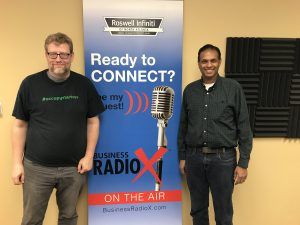
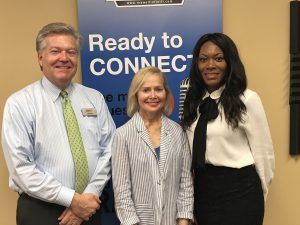
Gary Zermuehlen, Cara Becker, Mike Becker

Mike and Cara Becker, Fred’s Beds, Cumming, GA

Cara and Mike Becker, Fred’s Beds, Cumming, GA

Mike and Cara Becker are the Owners of Fred’s Beds in Cumming, GA. Fred’s Beds offers deals to dream about; high-end name-brand mattresses at close-out prices.  Fred’s Beds sources its mattresses through a nationwide network of discounted closeouts, factory over-runs, liquidations, mix & match, and lightly distressed models.  In addition to mattresses we also carry headboards, frames, pillows, sheets, protectors, and comforters – everything you need for a great night’s sleep!  Whether it’s a lower priced queen bed for the guest room, a mid-level full size for the kids, or a super high end king mattress for your master bedroom, Fred’s Beds’ experienced and friendly staff will guide you to your very own deal to dream about!

For more information on Fred’s Beds, go to their website, give them a call at 770-999-9576, or visit them at:

Fred’s Beds Mattress Clearance Center
6280 GA Highway 400 North
Cumming GA, 30028

Gary Zermuehlen, Dale Carnegie Training

Gary Zermuehlen, Dale Carnegie Training

Gary Zermuehlen is Senior Sales Consultant with Dale Carnegie Training. Dale Carnegie is a world-wide training organization that helps people take command of their jobs and change their lives.  They have been around for over 105 years and have had over 8 million people take their courses.  What makes their training unique is they not only train people but transform them in a positive way.   The Dale Carnegie Courses all evolved from the book Dale Carnegie wrote in 1936 called How to Win Friends and Influence People.  Over 30 million copies have been published and it still is one of the top ten selling books of all time next to the Bible.  Their courses take those principles in the book and put them into a lab like environment where people get to learn and practice those principles and skills. To contact Gary, send an email to gary.zermuehlen@dalecarnegie.com.


Tagged With: Dale Carnegie, Dale Carnegie of Atlanta, Dale Carnegie of Georgia, Dale Carnegie Training, Employee Engagement, employee engagement and productivity, Fred's Beds, Gary Zermuehlen, headboards, leadership development, leadership skills, leadership training, mattresses, Mike and Cara Becker, Mike Becker, North Fulton Business Radio, Retail, sales training, The Mauldin Group

ATL Developments with Geoff Smith: Lamar Wakefield, Wakefield, Beasley & Associates

March 25, 2019 by John Ray

North Fulton Business Radio
ATL Developments with Geoff Smith: Lamar Wakefield, Wakefield, Beasley & Associates
Loading
00:00 /
RSS Feed
Share
Link
Embed

Download file

Lamar Wakefield and Geoff Smith on “ATL Developments with Geoff Smith”

ATL Developments with Geoff Smith:  An Interview with Lamar Wakefield

Host Geoff Smith speaks with Lamar Wakefield about mixed-use development, the background on planning and designing Avalon in Alpharetta, what makes The Battery at SunTrust Park different than Avalon, how demographics and psychographics influenced both these developments, and City of Refuge.

Lamar Wakefield, Wakefield Beasley & Associates

Lamar Wakefield, Wakefield Beasley & Associates

Lamar Wakefield is a Founder and a Principal with Wakefield Beasley & Associates. Wakefield Beasley & Associates (WBA), founded in 1980 by Richard Lamar Wakefield and John B. Beasley, Jr., offers high-quality design across a diversity of corporate capabilities, anchored by an unwavering commitment to providing exceptional client service. WBA is currently ranked among Atlanta’s top 25 architectural firms. Headquartered in Atlanta, with studios in Jacksonville and Orlando, Florida, Shanghai, China and Panama City, Panama, Wakefield Beasley & Associates has grown steadily over the years. WBA maintains a staff of talented professionals from 14 countries, including registered and LEED accredited professionals, and construction administration managers. Their team has executed the design of more than 3,000 architectural projects and 1,700 interior projects throughout the United States and six foreign countries. Ranging in size up to over 3 million square feet, these projects include both new and renovated facilities. Their diverse range of specialties include master planning, architecture, interior design, program management, construction management, furniture procurement and facilities management.

Geoff Smith, Host of “ATL Developments with Geoff Smith”

Geoff Smith, Host of “ATL Developments with Geoff Smith”

Geoff Smith is the host of “ATL Developments with Geoff Smith” and a mortgage banker with Assurance Financial. Possessed with a strong passion for helping his community, Geoff works closely with people and their families so they may live comfortably in fantastic homes and neighborhoods in the booming Atlanta area.

Geoff is an active member of his community serving on the Board of Directors of the Greater North Fulton Chamber of Commerce, as well as holding the position of chairman for the Chamber’s Education Committee. He is also Secretary of the Roswell Youth Baseball Association and coaches his sons in football, baseball and basketball. Geoff enjoys golf, camping and traveling with his wife and two sons. He is a graduate of the University of Georgia.


Tagged With: demographics, Greenway, infinite energy center, Mark Toro, marketing demographics, Microsoft, Microsoft in Alpharetta, mixed use, mixed use development, North American Properties, Prospect Park site, psychographics, retail mixed use, retail mixed use development, retaining talent, sense of community, sense of place, The Battery, The Battery at SunTrust Park, thyssenkrupp headquarters atlanta, town center concept

Essie Escobedo, Office Angels

March 21, 2019 by John Ray

North Fulton Business Radio
Essie Escobedo, Office Angels
Loading
00:00 /
RSS Feed
Share
Link
Embed

Download file

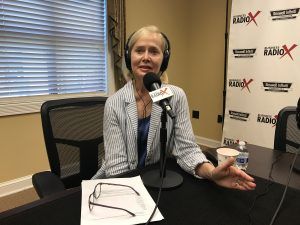
Essie Escobedo, Office Angels

Essie Escobedo, Founder and “Chief Executive Angel” of Office Angels

Essie Escobedo, Office Angels

The mission of Office Angels is to restore joy to the life of small business owners, enabling them to focus on what they do best. At the same time, Office Angels honors and supports at-home experts who wish to continue working on an as-needed basis.

Not a temp firm or a placement service, Office Angels matches a business owner’s support needs with professionals who have the skills and experience necessary to handle work that is essential to creating and maintaining a successful small business.

For over seventeen years, Office Angels has been helping small business owners, associations, and non-profits with administrative tasks, bookkeeping, marketing support, presentation preparation, speaking engagements, business development, document formatting, database management, research, writing services, HR services, and much more.

Essie Escobedo launched Office Angels in 2000 after a 25-year career as a successful small business owner. In 2018, Essie was named a Business Person of Excellence by the Greater North Fulton Chamber of Commerce. She was an inaugural winner of the Business Builder Award given by the Professional Women’s Information Network (ProWIN), and also a nominee for the Turknett Leadership Character Award.

For more information on Office Angels, go to https://officeangels.us or call 770-442-9246.

Tagged With: consultants, Content writing, Essie Escobedo, GNFCC Business Person of Excellence, Greater North Fulton Chamber of Commerce, HR services, Office Angels, outsourced accounting, outsourced accounting services, outsourced bookkeeping, outsourced social media marketing, presentation preparation, ProWin, ProWIN Atlanta, small business, social media content, social media services, Turknett Leadership Character Award, virtual assistant, Virtual Assistants

Decision Vision Episode 7: How to Hire a Forensic Accountant – An Interview with Randy Domigan, Brady Ware & Company

March 21, 2019 by John Ray

Decision Vision
Decision Vision
Decision Vision Episode 7: How to Hire a Forensic Accountant - An Interview with Randy Domigan, Brady Ware & Company
Loading
00:00 /
RSS Feed
Share
Link
Embed

Download file

How to Hire a Forensic Accountant

Michael Blake, Director of Brady Ware & Company and Host of the Decision Vision podcast, interviews Randy Domigan, Director of Brady Ware & Company, on different types of fraud, why a normal financial audit doesn’t usually detect fraud, and signs your business might be a victim of fraud.

Randy Domigan, Brady Ware & Company

Randy Domigan

Randy is a Certified Fraud Examiner and can identify the warning signs and red flags that indicate evidence of fraud and fraud risk. He uses his expertise to help dealerships improve fraud prevention, detection, and deterrence. He has been trained to uncover and illuminate fraud when it occurs, and even more importantly to deter fraud before it starts. In addition to his fraud expertise, Randy has over 20 years of experience in tax and financial planning and internal control consulting.


Michael Blake, Brady Ware & Company

Mike Blake, Host of “Decision Vision”

Michael Blake is Host of the Decision Vision podcast series and a Director of Brady Ware & Company. Mike specializes in the valuation of intellectual property-driven firms, such as software firms, aerospace firms and professional services firms, most frequently in the capacity as a transaction advisor, helping clients obtain great outcomes from complex transaction opportunities. Mike is also a specialist in the appraisal of intellectual properties as stand-alone assets, such as software, trade secrets, and patents.

He has been a full-time business appraiser for 13 years with public accounting firms, boutique business appraisal firms, and an owner of his own firm. Prior to that, he spent 8 years in venture capital and investment banking, including transactions in the U.S., Israel, Russia, Ukraine, and Belarus.

Brady Ware & Company

Brady Ware & Company is a regional full-service accounting and advisory firm which helps businesses and entrepreneurs make visions a reality. Brady Ware services clients nationally from its offices in Alpharetta, GA; Columbus and Dayton, OH; and Richmond, IN. The firm is growth minded, committed to the regions in which they operate, and most importantly, they make significant investments in their people and service offerings to meet the changing financial needs of those they are privileged to serve. The firm is dedicated to providing results that make a difference for its clients.

Decision Vision Podcast Series

Decision Vision is a podcast covering topics and issues facing small business owners and connecting them with solutions from leading experts. This series is presented by Brady Ware & Company. If you are a decision maker for a small business, we’d love to hear from you. Contact us at decisionvision@bradyware.com and make sure to listen to every Thursday to the Decision Vision podcast. Past episodes of Decision Vision can be found here. Decision Vision is produced and broadcast by Business RadioX®.


Visit Brady Ware & Company on social media:

LinkedIn: https://www.linkedin.com/company/brady-ware/

Facebook: https://www.facebook.com/bradywareCPAs/

Twitter: https://twitter.com/BradyWare

Instagram: https://www.instagram.com/bradywarecompany/

Show Transcript:

Intro: [00:00:01] Welcome to Decision Vision Podcast, a series focusing on critical business decisions, brought to you by Brady Ware & Company. Brady Ware is a regional, full-service accounting and advisory firm that helps businesses and entrepreneurs make vision a reality.

Michael Blake: [00:00:21] And welcome to Decision Vision, a podcast giving you, the listener, clear vision to make great business decisions. In each episode, we’re discussing the process of decision making on a different topic. Rather than making recommendations because everyone’s circumstances are different, we talk to subject matter experts about how they would recommend thinking about that decision.

Michael Blake: [00:00:40] My name is Mike Blake. And I’m your host for today’s program. I’m a Director at Brady Ware & Company, a full-service accounting firm based in Dayton, Ohio, with offices in Dayton; Columbus, Ohio; Richmond, Indiana; and Alpharetta, Georgia, which is where we are recording today. Brady Ware is sponsoring this podcast. If you like this podcast, please subscribe on your favorite podcast aggregator, and please consider leaving a review of the podcast as well.

Michael Blake: [00:01:05] Today, we’re going to talk about hiring a forensic accountant. And forensic accounting is always fun to talk to because in the accounting world, they always have the greatest stories, the greatest war stories. I mean, who doesn’t love a story about white collar crime? Unless you’re in it, I guess, then, it’s not so great. But if you’re sort of a third person, it makes the best cocktail story. So, pro-tip to the listeners out there, if you’re ever, sort of, at a mixer at a CPA firm, and you don’t know who to talk to, ask who the forensic accountants are because they have the best stories by none.

Michael Blake: [00:01:43] Yeah, forensic accounting is a very specialized area of the accounting profession, and it’s one of the most difficult decisions in terms of deciding whether or not you’re going to hire a forensic accountant because by definition, when you’re considering hiring a forensic accountant, you think that, potentially, there’s been, at least, a major mishap, and in many cases, you suspect that a crime has been committed often by somebody that you trust.

Michael Blake: [00:02:18] And so, I can tell you from talking to my clients who I’ve referred to forensic accountants over the years, it’s a major hurdle to, then, make that call to say, “Yeah, I need to get this checked out. I need to have somebody really come in, and look under all the rocks, and, hopefully, find nothing. That would be a great outcome. But then, if something is going to be found that we know exactly what it is and we can make it from there.”

Michael Blake: [00:02:42] And so, to talk about that with us is Brady Ware’s resident expert. Joining us today by phone from the Gem City Dayton, Ohio is Randy Domigan, one of my business partners at Brady Ware in Dayton. Randy works in a variety of accounting, auditing, and consulting engagements, as well as corporate and individual tax areas. He provides services to closely-held businesses in a variety of industries, including manufacturing, dealerships, retail, distribution, professional services, transportation, and real estate. He leads our firm’s fraud services practice and assists with recruiting and training of new team members, and serves as the head of the firm’s Insurance Services Group Technology Committee.

Michael Blake: [00:03:26] Randy is a member of the Ohio Society of Certified Public Accountants, the American Institute of Certified Public Accountants, and the Association of Certified Fraud Examiners. He also serves as a chair for the Better Business Bureau’s Eclipse Integrity Awards Committee and is active for the Dayton Chamber of Commerce and the Miami Valley Venture Association. Randy is a 1994 graduate of Wright State University. After working three years in another regional accounting firm in Dayton, Randy joined Brady Ware in July of 1997. Randy, thanks so much for taking your time out of tax season to join us for a little bit today.

Randy Domigan: [00:04:03] Yeah. Thank you, Mike.

Michael Blake: [00:04:05] So, I’ve kind of gone through your intro but I don’t think the intro necessarily does it justice. So, talk a little bit about your role at Brady Ware, and how much forensic accounting, and maybe chasing down white-collar criminals is a part of what you do.

Randy Domigan: [00:04:24] Yeah, absolutely. So, as Mike said, I am a director with the firm. And I do work out of our Dayton office. I do head up our fraud and forensic practice. And as part of that, I do spend a good portion of my time typically outside of our tax season, which is kind of our January through April timeframe. But outside of that timeframe, I spend a lot of time working with companies to primarily strengthen their internal controls.

Randy Domigan: [00:04:53] I do get involved in cases where fraud has occurred, and I do have to go in and do investigations. What I try to do because I see the ill impacts of that on businesses and how much it can destroy a company is I really try to get out, and get in front of these things, and work with companies to help strengthen controls, reduce risk, and really find ways to to prevent fraud from happening in the first place because that’s really where you want to be. You don’t want to be on the receiving end of needing a forensic accountant, which, of course, they can do, but you want to try to be on the front end of the this and try to put preventive measures in place to keep it from happening to begin with because, unfortunately, once it happens, usually, there’s never a real good result.

Michael Blake: [00:05:40] Yeah. Once that bell gets rung, it’s very hard to unring it.

Randy Domigan: [00:05:43] Absolutely.

Michael Blake: [00:05:44] And, I got to be candid. I did not know that about the forensic accounting role. I’ve worked in other firms as well, and all they ever talk about was finding stolen money or dealing with lost profits, and damages, and so forth. But it had not occurred to me, but it makes sense now is that the other side of that is putting in internal controls and preventative measures, so that the other side of that identity that you have is, we hope, never called upon.

Randy Domigan: [00:06:14] Absolutely. And part of that is bringing awareness to what the issue is because you don’t know you need a forensic accountant until it happens to you typically. And so, trying to educate people on the front end, and show what some of the risk factors are, and bringing awareness about it is part of the battle in trying to fight fraud, so companies can implement risk management policies ahead of something happening. And I’ve even had cases where I have gone out to do some of this consulting and looking at kind of where their business risks are in, and where their controls are, and how they’re set up where I’ve actually found fraud that has already occurred, and the company was completely oblivious to it.

Michael Blake: [00:06:59] I can imagine that led to some uncomfortable conversations.

Randy Domigan: [00:07:03] Yes. it did. Absolutely.

Michael Blake: [00:07:05] So, can anybody with a CPA do forensic accounting or what is their specialized training to become a specialist as you are in that particular field?

Randy Domigan: [00:07:18] Yeah. No, that’s a great question, Mike. So, in addition to being a CPA, I’m also a CFE, which stands for Certified Fraud Examiner. So, when I originally got interested in fighting fraud and getting into that aspect of my career, I had actually been involved on an engagement where some employee embezzlement had happened, and I went in and was basically just trying to figure out what happened. It’s like where the money was stolen from and the different ways that the individual was able to steal the money. And it really just fascinated me.

Randy Domigan: [00:07:52] And so, I started looking at other ways to help sharpen my skills in that area because just with my auditing background, it really wasn’t sufficient to really cover all the aspects that go into being a forensic accountant and a certified fraud examiner. You need to understand some of the laws surrounding how fraud is prosecuted. You need to understand what some of the things that lead people to commit fraud, what some of those risk indicators are. And so, I went ahead and went to an organization called the Association of Certified Fraud Examiners, became an associate member, and started looking at a lot of the classes and things that they offered in order to become a certified fraud examiner. And as a result of that, there’s an examination I had to take and several classes. And I came out at the end of that and really started to make that part of my practice area.

Michael Blake: [00:08:56] And how long ago was that?

Randy Domigan: [00:08:59] I did that back about 10 years ago.

Michael Blake: [00:09:02] Okay. So, you’ve had a decade of experience in dealing with these kinds of issues. So-

Randy Domigan: [00:09:08] Yes.

Michael Blake: [00:09:11] Does all fraud look alike? Is there basically one flavor of fraud, and fraud is just fraud, or does it come in different forms and shapes?

Randy Domigan: [00:09:20] Really does come in different forms and different shapes. I mean, the term fraud can mean a number of different things. You can have fraud in the medical industry where you have people submitting false claims to insurance companies. And I mean, it just covers so many different things, tax fraud and refund fraud. It’s huge.

Randy Domigan: [00:09:47] The area that I tend to focus on a little bit more tends to deal with occupational fraud, which is one of the most common occurrences of fraud. Occupational fraud, basically, deals with employees, directors, just individuals within a company that commit fraud. And it can be fraud from any direction. Typically, it relates to like something around a cash disbursement or something like that. It could be related to payroll. There’s just a number of different things where fraud can be committed against an organization, but it’s typically asset misappropriation, and that can take a number of different forms.

Randy Domigan: [00:10:36] So, what are a couple of different forms? What are, kind of, the flavors of asset misappropriation? And, I guess, to the simple mind like mine, asset appropriation means stealing stuff, right?

Randy Domigan: [00:10:51] Correct. So, one thing would be cash disbursements fraud. So, if somebody were to write a check to themselves or to a fictitious organization that they controlled that was an unauthorized disbursement, that would be an example of a cash disbursement fraud. Another way, another example that would be if somebody paid themselves through payroll, either an extra paycheck, they modified their pay rate, where they could be paid more money than what they were entitled to or what had been authorized and approved, again, that’s an asset misappropriation because they’re taking funds that have not been authorized to be taken.

Randy Domigan: [00:11:39] Another way could be inventory theft. They just, actually, just go in and take something right off the shelf at a store or within the organization. There could be equipment. Anything like that would relate to an asset misappropriation. And that’s, again, probably, the most common type of fraud that I tend to get involved with.

Michael Blake: [00:12:00] I was talking to somebody who does inventory tracking for hospitals not long ago, and they’ve got a company that facilitates that. And, apparently, one of the biggest — I don’t know if you’re doing medical work or not, but if one of the things that I learned is that for a given hospital, hundreds of thousands of dollars of stuff just walks out of the hospital. It’s not like bottles of aspirin either or stethoscopes. It’s like significant equipment that just sort of goes missing. Have you experienced that or heard of cases like that?

Randy Domigan: [00:12:35] Yeah. It does tend to happen in large medical facilities. I don’t typically get involved with those as much. Most of them have been focused around companies where they’ve had an employee just internally, well, a lot of times, involved with the accounting area where they’ve got access to those funds in some way, shape, or form. It could be that they are one of the authorized check signers. It could be that they are or they have access to online banking, and they wire money out of the account. And so, a lot of it is stuff that they can turn quickly into something that they can use. I don’t see as much inventory theft, but it does happen because there is a market for those things. And most of those things can be easily sold and turned into cash.

Michael Blake: [00:13:29] So, if these people that that that commit fraud, I think, the psychology here is interesting. I’ve had some experience with it just observing forensic accountants, kind of, across the hall and in valuation of other places. What’s the profile of the person who commits fraud? Are they somebody that’s they’ve already been out of jail three and four times, already kind of a known risk, or is it more somebody that that maybe the first crime they’d ever committed, at least, on record?

Randy Domigan: [00:14:00] Well, it can be both. That’s why if companies are hiring individuals into a position of trust, it’s really important to go through a very formalized and very detailed background check to make sure that somebody that you’ve got coming in hasn’t already served jail time, hasn’t been arrested, or anything else for one of these other crimes. So, to answer your question, on the other end, yes, it can happen to just about anybody unfortunately.

Randy Domigan: [00:14:35] Different circumstances come up in people’s lives that can give them the motivation that they would need to commit fraud. There’s what’s called a fraud triangle that has the different aspects of fraud that lead somebody into committing fraud. And the first thing is motivation. And there’s a number of things that can lead to motivating somebody to commit fraud.

Randy Domigan: [00:15:01] It could be that they’re living beyond their means, and they need additional money to help support what they’re spending. Might have had a medical incident, or a loved one that was hurt in a car accident, or they developed some disease where the medical bills just keep coming, and they have to find a way to cover those bills.

Randy Domigan: [00:15:20] It could be just bad credit. They might have had a bankruptcy. They might have been divorced that just really threw their finances into turmoil. There’s also things like alcohol and drug abuse or gambling. Just things like that where people have this additional need for funds that they’re not able to get just from what they’re earning in their paychecks every week. So, those types of things can motivate people to commit fraud initially.

Randy Domigan: [00:15:50] The second step is you know for them to justify it. People will justify it in their head by feeling that they are worth more than maybe what they’re getting paid. They see maybe somebody else in the company that’s making more money, and there’s maybe some jealousy there. They say, “Hey, wait a second. This person is making this much. I contribute more than what they do. I should be making more money.” So, that’s how they kind of justify it in their head.

Randy Domigan: [00:16:17] And the other thing is the opportunity. The opportunity presents itself. It could be that there’s a weakness in the control system that allows them to do it without it being detected. And that’s usually a big thing. And most people know their jobs very, very well, so they know what what’s looked at, and they know if they try something whether or not they would get caught or not. And so, it might start out as, “Hey, I just took a little bit here or there, and nobody said anything. Nothing ever comes up about it.” And so, it starts going further, and it gets bigger, and bigger, and bigger, and it can just snowball into something very, very large.

Michael Blake: [00:16:56] So, all right. So, now, I’m listening to this podcast. As a listener now, I’m afraid someone is stealing money, somebody is taking money out of the till, writing fake invoices, walking our laptops, whatever it is. As a business owner, how can I keep my eye out for warning signs that fraud might be going on? Are there any kind of telltale symptoms that you can share?

Randy Domigan: [00:17:24] Yeah, absolutely. So, one of the things business owners definitely need to be in tune with is what their employees have access to and looking for changes in their employees’ behavior, lifestyle, things like that. So, if I’m a business owner, and I know that I am paying my accounts payable person just, say, $50,000 a year, and they drive up in a $100,000 Mercedes car, that might be a red light that goes on to say, “You know what, something doesn’t look right there.”.

Randy Domigan: [00:18:05] And there could be a very good reason for that. However, it’s those kinds of things that you just need to be aware of and aware of changes to your employees. If you see a behavior change or you see physical symptoms of something that don’t look right, that should be something that you would look at and maybe say, “You know what, I should probably look a little bit more into that.”

Randy Domigan: [00:18:29] Another sign would be if you are having unexpected cash flow issues that just don’t make sense. I mean, your sales are up from what they were last year, and you would think your profitability is up, but you can’t meet payroll for some reason. You’re like, “Wait a second. Why don’t we have enough money in the bank to make payroll?” or “Why can’t we pay our vendors on time?” And it just doesn’t make sense to you, or you see just unexpected financial trends in your financial statements that don’t make a lot of sense. That’s when you know there could be a sign there that something’s going on, and you need to look into it and investigate it.

Randy Domigan: [00:19:08] When you when you described that, it sounds to me like financial fraud looks an awful a lot like data breaches in that the data breach is rarely, if ever, a one-time occurrence, and the one you hear about or by the time you hear about it, it’s really not one incident, but it’s likely something that has gone on, sort of, in a low-key, hard-to-detect way over an extended period of time. Does fraud often act like that as well? You wind up being the boiling frog, and you don’t realize it until you’re not a live frog anymore>

Randy Domigan: [00:19:49] Absolutely. And the sad part is, a lot of times, when fraud occurs, it’s people who the owners trust in it and, a lot of times, have been with the company for a long time. And, again, it starts out small. It’s, “Hey, I did a little bit here and a little bit there, and nobody noticed. Nobody said anything. And I figured out, hey, I can exploit this a little bit more. And I find different ways to do it.” And it starts getting bigger, and bigger, and bigger by the time you get to it.

Randy Domigan: [00:20:21] And, sometimes, it goes, “I had one case that had gone on for 20 years and I had no clue what was going on. And on an annual basis, if you look at it, it’s like, okay, well, it wasn’t enough to really damage the company in any way.” But in the aggregate, if you look at, say, at 100,000 over 20 years, that’s a lot of money that the company has lost to fraud. And it was all because it was this person that was in a trusted position of authority within the organization that exploited our weakness that was there.

Michael Blake: [00:20:54] Yeah. Yes, you’re right. And then, you think on top of that, if that $100,000 had been reinvested in the company or reinvested elsewhere, there’s a multiplier effect too of lost returns.

Randy Domigan: [00:21:08] Absolutely.

Michael Blake: [00:21:09] So, in your experience, is fraud more likely to come from the top part of the organization, say, at the CFO controller level, or in middle management, or kind of down in the shop floor cash register level, rank and files, more places where it’s more likely to occur, or does it kind of occur all over the place?

Randy Domigan: [00:21:31] It can really happen anywhere. The larger frauds tend to happen at the higher levels of the organization. So, if you have like, say, a chief financial officer that has access in the ability to cover up a fraud for an extended period of time, those can get very, very large, unfortunately. If you have somebody on the shop floor that’s stealing from you, and they’re stealing scrap metal, or parts, or something, and they’re selling them in the black market, yeah. I mean, you’re probably not going to notice any major financial impacts from that, but it’s still going to be impactful because you’re missing inventory, you’re not getting the money back from that scrap, and things like that. So, yeah, but it can happen all over.

Michael Blake: [00:22:18] Now, a lot of companies, of course, are subject to formal financial statement audits according to GAP. Is it reasonable to expect that over the course of the audit that fraud will just be detected over the due course of a well-performed financial audit?

Randy Domigan: [00:22:39] Yeah. Unfortunately, it’s not likely that a normal financial statement audit is going to detect most types of fraud. Audits are just not designed to detect fraud. I mean, there are aspects of the audit that will get an understanding of how the controls and things are set up. And if they see a glaring weakness in the control system, they should be designing their audit procedures around that to detect something.

Randy Domigan: [00:23:06] However, some of these things are so well hidden, and they’re not large enough to really be caught in the financial audit. Most of them aren’t. I mean, you have a very small percentage of them that would potentially get caught by a financial statement audit, but a forensic accounting engagement or audit really will dive deep into the specific areas where there is risk after an analysis is done. And so, yeah, just unfortunately doesn’t. And a lot of people think that because, “Hey, I have an audit done. I should be really good, and I don’t have to worry about fraud occurring.” That’s just not the case.

Michael Blake: [00:23:45] Yeah, I think that’s right. And my recollection is if you carefully read a standard financial audit engagement letter, there’s typically language that says, “We’re not necessarily going to detect fraud. That’s a separate exercise. If we stumble upon it, great. But don’t rely upon this exclusively to find that kind of issue.”

Randy Domigan: [00:24:06] That is correct.

Michael Blake: [00:24:09] So, okay. So, let’s say now that I’m a business owner, I commission a fraud engagement, and I find something. What typically happens then? Do you call the cops, and they just sort of cuff the person, they walk him out of the store, or what happens then?

Randy Domigan: [00:24:31] Yeah. I mean, I think, it’s going to vary depending on what type of fraud it is. I mean, obviously, if it’s something very egregious, and somebody is continuing to do it, and if you don’t get them removed immediately, further damage is going to occur to the company, then, yeah, you’re going to want to take some immediate steps to get that person out of their ability to do that.

Randy Domigan: [00:24:54] However, most cases, if you hired somebody to come in and kind of do a fraud checkup – that’s kind of what I’ll call it – and they happen to discover a fraud, first thing you should really do is get an attorney involved that has got experience in dealing with this kind of matters. And you need to look specifically for an attorney that has experience dealing with fraud situations because there are various federal and state laws that cover fraud.

Randy Domigan: [00:25:25] Now, again, if it’s somebody that you found stealing money out of the till, obviously, you get them out of there immediately because you don’t want to continue to incur losses as a result of them taking that, or stealing inventory out of the back room, or something like that. But this is really more for having somebody that’s in a position of trust that might be stealing through the payroll system, or the cash disbursements, and things like that that I described a little bit ago.

Randy Domigan: [00:25:55] You really want to have somebody get involved that knows the different areas that they can be attacked to try to recover the funds because, obviously, the end result is you want to try to recover as much as you possibly can. Unfortunately, with most fraud, the people spent the money already. And so, you have to have other ways to try to collect, and attorneys know how to go about doing that. And so, you definitely want to get them involved on the front end.

Michael Blake: [00:26:21] Yeah, I’ve noticed that. That’s very unfortunate about the people that commit fraud, they’re not very good savers and investors.

Randy Domigan: [00:26:29] No, they aren’t, unfortunately.

Michael Blake: [00:26:30] They never invested into a wise portfolio, diversify stock and bonds, and have real estate, and stuff. They’ve bought a Tesla, or they paid for a cruise to Easter Island, or they bought like a solid gold trailer, or something like that. It’s rarely something you can just say, “Well, I’ll just write you a check, and pay you back, and off you go.”

Randy Domigan: [00:26:53] Yeah, first class plane tickets for a trip to Europe. I mean, those are the kind of things that typically the money is spent on.

Michael Blake: [00:27:00] Yeah, you kind of mentioned the psychology. So, I would imagine that attorney that you call, or maybe it’s more than one attorney because I got to imagine there’s employment issue too, if you accuse somebody of fraud, and then you’re going to fire somebody for cause, you better be right, or you’re in a world that will hurt yourself, right?

Randy Domigan: [00:27:21] Yeah, absolutely. That’s why you really want to try to get those attorneys involved quickly to mitigate risk to the company in any potential additional losses.

Michael Blake: [00:27:30] Now. what if I suspect fraud, I bring you in, and you come back, and you say, “You know what, all this stuff is explainable. I mean, yeah, you ought to improve some processes and some transparency, but doesn’t look like anybody stole anything.” Is there a risk of fallout within the organization after you’ve done that, if you kind of hit the nuclear button, and then you’ve got other organizational problems to solve, or can you do that in a way that’s discreetly, so you can kind of get in and out, and very few people know you’re even ever doing that or suspecting anybody of fraud?

Randy Domigan: [00:28:11] Yeah. No, Mike, that’s a great question, and it’s something that we run into a lot, especially when the owner wants to just kind of have a checkup done. Come in, and kick the tires, and see how the controls are set up. And if you find something, let’s talk about it. That’s how a lot of the engagements go.

Randy Domigan: [00:28:28] So, if you’ve got somebody that’s good at working with employees, and the narrative comes out as to why somebody is there, and somebody is asking questions, and looking at some different things, you can definitely get around some of those concerns of having the organization just have major shakeup because somebody’s been here investigating a fraud or something like that. So, there are definite ways that you can go about that to mitigate that with employees and personnel within your organization. You just have to make sure that you have the right person that kind of talk through what your narrative is around it.

Randy Domigan: [00:29:11] So, a lot of times, it can be, “Hey, we’re looking to redo our insurance policy, and they want us to look at some of our controls, and policies, and things like that.” It could be that, “Hey, this is done in conjunction with our year-end audit, and they’re doing some other steps to look at some different things.” I mean, there’s a number of ways you can go about it to help mitigate any of that fallout.

Michael Blake: [00:29:36] Now, are there certain kinds of businesses that are more vulnerable or less vulnerable to fraud than others?

Randy Domigan: [00:29:48] Mike, just about every business could be susceptible to fraud. Now, if you do everything in your company, and you write all your checks, you take care of all the accounting, you ship all your merchandise out, you have nobody else involved in it, and you’re kind of a one-man shop, you probably don’t have to worry about too much fraud occurring within your organization. But as soon as you bring on somebody else, even if you’re a pretty small company, you have susceptibility.

Randy Domigan: [00:30:15] And, unfortunately, for smaller companies, they tend to have larger frauds occur because they do have maybe one person doing a lot of the different jobs that, typically, in larger organizations, they can move around to different people to help increase the controls around a lot of those key areas to try to mitigate fraud risk. But even with a small company, there are some very, very practical things that business owners can do to help mitigate the risk. And there’s a couple more things that might have to be added to their plate or even other employees’ plates, but it’s very easy to do without adding additional cost or headcount into even small organizations to help really mitigate fraud risk.

Michael Blake: [00:31:05] Well, that’s a great entrée then because I’m sure our listeners would like to understand, is there a short, kind of, punch list of things that owners can do fairly easily to reduce their exposure to fraud?

Randy Domigan: [00:31:23] Yeah, I would say that there’s definitely some things that they can do. I mean, where you see fraud that has gone rampant, it’s typically because there is very little oversight by the owner on any of the financial records. And it does happen a lot in small businesses. You have a business owner that is out trying to do sales, is out trying to make sure that if it’s a manufacturing that all the products are getting where it needs to go, the methods of distribution that they’re managing, shipping, and all those other different things. And the last thing that they want to have to worry about is, “Okay, who’s paying the bill? Then, did we get all the money collected from our customers?” and things like that.

Randy Domigan: [00:32:04] But when there’s no oversight there at all, that’s where the risk exponentially increases. And so, yes, there are definite things that business owners can do that would help mitigate that risk. And, again, it’s not a lot of additional time that they would have to spend in it, but some very simple things that you could go through. And, really, it just depends on each business. So, it can’t just be some blanket saying that, “Okay. Well, yeah, if everybody does this, that’s going to reduce your risk for fraud.” Yeah, there probably are a couple general things that you could do, but each company is just going to be real different because they’re going to have different levels of employees, different levels of knowledge, different facets within their business where they’ve got risk for fraud to occur. So, really needs to kind of be specific to each company when you look at it.

Michael Blake: [00:33:02] Right. Because the nature of the fraud that can occur is going to be different from a burger restaurant to, say, an auto dealership.

Randy Domigan: [00:33:09] Absolutely.

Michael Blake: [00:33:12] Okay. So, we’ve covered a lot of ground today. We probably could cover a lot more, but time is finite. So, if somebody wants to contact you for more information, can they do so? And if so, how can they find you?

Randy Domigan: [00:33:27] Absolutely. The best way to contact me is probably through e-mail. My email addresses is rdomigan@bradyware.com. And it’s R-D-O-M-I-G-A-N @ Bradyware.com. You can also contact me at my Dayton office. The number is 1-800-893-4283, or you can visit our website at www.bradyware.com, and you can go through the services link, you can find fraud there, and there’ll be a link directly to me on that website as well.

Michael Blake: [00:34:09] All right, very good. Well, that’s going to wrap it up for today’s program. I’d like to thank Randy Domigan of Brady Ware so much for joining us and sharing his expertise. We’ll be exploring a new topic each week, so please to tune in, so that when you’re faced with your next business decision, you have clear vision when making it. If you enjoyed this podcast, please consider leaving a review at your favorite podcast aggregator. It helps people find us, so that we can help them. Once again, this is Mike Blake. Our sponsor is Brady Ware & Company. And this has been the Decision Vision Podcast.

Tagged With: Dayton accounting, Dayton business advisory, Dayton CPA, Dayton CPA firm, Decision Vision, Decision Vision podcast, Decision Vision podcast series, financial statement audit, forensic accountant, fraud, healthcare fraud, Michael Blake, Mike Blake, payroll fraud, Randy Domigan, stolen money, Stolen Property

NORTH ATLANTA’S BIZLINK: GNFCC’s Tech400 Committee with Winford Williams, LexisNexis Risk Solutions, and Ralph Pasquariello, Snellings Walters Insurance Agency

March 19, 2019 by John Ray

North Fulton Studio
North Fulton Studio
NORTH ATLANTA’S BIZLINK: GNFCC's Tech400 Committee with Winford Williams, LexisNexis Risk Solutions, and Ralph Pasquariello, Snellings Walters Insurance Agency
Loading
00:00 /
RSS Feed
Share
Link
Embed

Download file

Winford Williams, Kali Boatright, and Ralph Pasquariello

Show Summary

What’s the purpose of the Tech400 Committee of the Greater North Fulton Chamber of Commerce? How do technology companies connect through the activities of this committee? What’s the latest on key technology sectors in North Fulton? This podcast answers these questions and more, as Kali Boatright, CEO of the Greater North Fulton Chamber of Commerce and Host of “North Atlanta’s Bizlink,” interviews Winford Williams and Ralph Pasquariello, Co-Chairs of the Tech400 Committee of GNFCC.

Winford Williams, Senior Director – Software Engineering, LexisNexis, Risk Solutions Division

Winford Williams

Winford Williams is a Senior Director within the Risk Solutions Division of LexisNexis Risk Solutions.  His experience extends developing information products that service the personal auto and property insurance markets domestically and internationally.  A 1985 graduate of DeVry University (Atlanta), Winford began his career in the insurance industry, as a software developer at Policy Management Systems in Columbia, South Carolina.

For the past 30 years, Winford has contributed to the phenomenal growth of the LexisNexis Risk Solutions Division.  He has led the construction of technology solutions that facilitate the underwriting experience for insurance carriers and large data warehousing applications domestically and internationally.

Currently, Winford is the co-chair of the Tech 400 Committee at the Greater North Fulton Chamber of Commerce to help solve the supply and demand gap that exists between corporations and higher learning institutions relative to filling technology jobs.

Ralph Pasquariello, Snellings Walters

Ralph Pasquariello

Ralph Pasquariello of Snellings Walters is dedicated to many things and Cyber Liability Insurance is one of them. Ralph hosts, moderates and speaks at conferences on Cyber Liability & Data Breach Risk Management. Ralph is the Co-Chairman for Tech 400, Chairman of the annual Cyber Symposium, an advisor to the Georgia Tech Research Institute, and also a member of various organizations including the GNFCC, Technology Association of Georgia, and several special interest groups. Ralph also is an associate member of the GA Electronic Crimes Task Force, under the office of the US Secret Service.

Ralph graduated from Villanova University and is active on the Atlanta Villanova Alumni Chapter Board.


About GNFCC and “North Atlanta’s Bizlink”

North Atlanta’s Bizlink is produced by the Greater North Fulton Chamber of Commerce (GNFCC) and is hosted by Kali Boatright, President and CEO of GNFCC. The Greater North Fulton Chamber of Commerce is a private, non-profit, member-driven organization comprised of over 1400 business enterprises, civic organizations, educational institutions and individuals.  Their service area includes Alpharetta, Johns Creek, Milton, Mountain Park, Roswell and Sandy Springs. GNFCC is the leading voice on economic development, business growth and quality of life issues in North Fulton County.

The GNFCC promotes the interests of our members by assuming a leadership role in making North Fulton an excellent place to work, live, play and stay. They provide one voice for all local businesses to influence decision makers, recommend legislation, and protect the valuable resources that make North Fulton a popular place to live.

For more information on GNFCC and its North Fulton County service area, follow this link or call (770) 993-8806.

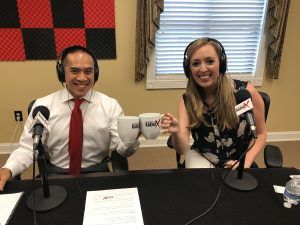
Tagged With: cyber attacks, cyber liability, cyber security, cyber threats, data, data analytics, data breach, Drones, FinTech, GNFCC, GNFCC Tech 400, GNFCC Tech 400 committee, GNFCC Tech400, GNFCC Tech400 Committee, greater north fulton chamber, Greater North Fulton Chamber of Commerce, Gwinnett Technical College, Kali Boatright, LexisNexis, LexisNexis Risk Solutions, North Fulton economic development, Ralph Pasquariello, Smart Cities, Smart Cities initiative, Snellings Walters, Snellings Walters Insurance Agency, STEM school, talent retention, Tech 400, Tech400, technology in Alpharetta, technology in North Fulton, technology industry in North Fulton, technology sector in North Fulton, technology talent development, The Greater North Fulton Chamber of Commerce, virtual reality, Winford Williams

FRAZIER & DEETER’S BUSINESS BEAT: Dan Kent, Kent & Risley, LLC, on Intellectual Property Litigation

March 19, 2019 by John Ray

Business Beat
Business Beat
FRAZIER & DEETER’S BUSINESS BEAT: Dan Kent, Kent & Risley, LLC, on Intellectual Property Litigation
Loading
00:00 /
RSS Feed
Share
Link
Embed

Download file

Roger Lusby, Colette Varco, and Dan Kent on “Business Beat” presented by Alpharetta CPA firm Frazier & Deeter

Show Summary

How do you protect your technology? What are the various pros and cons of patents and trade secrets? How do you gauge the damages of patent infringement vs. the cost of litigation to recoup those damages? What are some interesting cases arising out of key word advertising on Google? Those questions and more are answered in this week’s edition of “Business Beat.” “Business Beat” is presented by Alpharetta CPA firm Frazier & Deeter.
Dan Kent, Kent & Risley, LLC

Dan Kent

Dan Kent is a Founding Partner of Kent & Risley, LLC. Kent & Risley is a law firm that protects technology by enforcing technology rights in the form of patents, trademarks, copyrights, trade secrets and by contract.  Kent & Risley also protects and defends against the wrongful assertion of alleged technology rights and advises clients about how best to protect technology and to build a valuable portfolio of patents, copyrights, trademarks, and trade secrets (also known as intellectual property rights). For more information, go to https://www.kentrisley.com/.


Frazier & Deeter

The Alpharetta office of Frazier & Deeter is home to a thriving CPA tax practice and Employee Benefit Plan Services group. CPAs and advisors in the Frazier & Deeter Alpharetta office serve clients across North Georgia and around the country with services such as personal tax planning, estate planning, business tax planning, business tax compliance, state and local tax planning, financial statement reviews, financial statement audits, employee benefit plan audits, internal audit outsourcing, cyber security, data privacy, SOX and other regulatory compliance, mergers and acquisitions and more. Alpharetta CPA professionals serve clients ranging from business owners and executives to large corporations.

Roger Lusby, host of Frazier & Deeter’s Business Beat, is the Alpharetta Office Managing Partner for Frazier & Deeter.

LinkedIn: https://www.linkedin.com/company/frazier-&-deeter-llc/
Facebook: https://www.facebook.com/FrazierDeeter
Twitter: https://twitter.com/frazierdeeter

Past episodes of Frazier & Deeter’s “Business Beat”

Tagged With: copyright, copyright law, cost of litigation, Dan Kent, Frazier & Deeter's Business Beat, Frazier Deeter, google, Google AdWords, Google search, injunction, intellectual property, Intellectual Property Law, intellectual property protection, Kent & Risley, Kent & Risley LLC, keyword advertising, keyword search, NDA, Non-Disclosure Agreement, patent infringement, patent law, patent litigation, Patents, registered copyright, Roger Lusby, Steve Risley, trade secrets, trademark, trademark law

  • « Previous Page
  • 1
  • …
  • 267
  • 268
  • 269
  • 270
  • 271
  • …
  • 275
  • Next Page »

Business RadioX ® Network


Our Most Recent Episode

CONNECT WITH US

  • Email
  • Facebook
  • LinkedIn
  • Twitter
  • YouTube

Our Mission

We help local business leaders get the word out about the important work they’re doing to serve their market, their community, and their profession.

We support and celebrate business by sharing positive business stories that traditional media ignores. Some media leans left. Some media leans right. We lean business.

Sponsor a Show

Build Relationships and Grow Your Business. Click here for more details.

Partner With Us

Discover More Here

Terms and Conditions
Privacy Policy

Connect with us

Want to keep up with the latest in pro-business news across the network? Follow us on social media for the latest stories!
  • Email
  • Facebook
  • Google+
  • LinkedIn
  • Twitter
  • YouTube

Business RadioX® Headquarters
1000 Abernathy Rd. NE
Building 400, Suite L-10
Sandy Springs, GA 30328

© 2025 Business RadioX ® · Rainmaker Platform

BRXStudioCoversLA

Wait! Don’t Miss an Episode of LA Business Radio

BRXStudioCoversDENVER

Wait! Don’t Miss an Episode of Denver Business Radio

BRXStudioCoversPENSACOLA

Wait! Don’t Miss an Episode of Pensacola Business Radio

BRXStudioCoversBIRMINGHAM

Wait! Don’t Miss an Episode of Birmingham Business Radio

BRXStudioCoversTALLAHASSEE

Wait! Don’t Miss an Episode of Tallahassee Business Radio

BRXStudioCoversRALEIGH

Wait! Don’t Miss an Episode of Raleigh Business Radio

BRXStudioCoversRICHMONDNoWhite

Wait! Don’t Miss an Episode of Richmond Business Radio

BRXStudioCoversNASHVILLENoWhite

Wait! Don’t Miss an Episode of Nashville Business Radio

BRXStudioCoversDETROIT

Wait! Don’t Miss an Episode of Detroit Business Radio

BRXStudioCoversSTLOUIS

Wait! Don’t Miss an Episode of St. Louis Business Radio

BRXStudioCoversCOLUMBUS-small

Wait! Don’t Miss an Episode of Columbus Business Radio

Coachthecoach-08-08

Wait! Don’t Miss an Episode of Coach the Coach

BRXStudioCoversBAYAREA

Wait! Don’t Miss an Episode of Bay Area Business Radio

BRXStudioCoversCHICAGO

Wait! Don’t Miss an Episode of Chicago Business Radio

Wait! Don’t Miss an Episode of Atlanta Business Radio