Business RadioX ®

  • Home
  • Business RadioX ® Communities
    • Southeast
      • Alabama
        • Birmingham
      • Florida
        • Orlando
        • Pensacola
        • South Florida
        • Tampa
        • Tallahassee
      • Georgia
        • Atlanta
        • Cherokee
        • Forsyth
        • Greater Perimeter
        • Gwinnett
        • North Fulton
        • North Georgia
        • Northeast Georgia
        • Rome
        • Savannah
      • Louisiana
        • New Orleans
      • North Carolina
        • Charlotte
        • Raleigh
      • Tennessee
        • Chattanooga
        • Nashville
      • Virginia
        • Richmond
    • South Central
      • Arkansas
        • Northwest Arkansas
    • Midwest
      • Illinois
        • Chicago
      • Michigan
        • Detroit
      • Minnesota
        • Minneapolis St. Paul
      • Missouri
        • St. Louis
      • Ohio
        • Cleveland
        • Columbus
        • Dayton
    • Southwest
      • Arizona
        • Phoenix
        • Tucson
        • Valley
      • Texas
        • Austin
        • Dallas
        • Houston
    • West
      • California
        • Bay Area
        • LA
        • Pasadena
      • Colorado
        • Denver
      • Hawaii
        • Oahu
  • FAQs
  • About Us
    • Our Mission
    • Our Audience
    • Why It Works
    • What People Are Saying
    • BRX in the News
  • Resources
    • BRX Pro Tips
    • B2B Marketing: The 4Rs
    • High Velocity Selling Habits
    • Why Most B2B Media Strategies Fail
    • 9 Reasons To Sponsor A Business RadioX ® Show
  • Partner With Us
  • Veteran Business RadioX ®

ATL Developments with Geoff Smith: Al Nash, Development Authority of Fulton County, and Phil Houston, Realty Associates of Atlanta

February 25, 2019 by John Ray

North Fulton Business Radio
ATL Developments with Geoff Smith: Al Nash, Development Authority of Fulton County, and Phil Houston, Realty Associates of Atlanta
Loading
00:00 /
RSS Feed
Share
Link
Embed

Download file

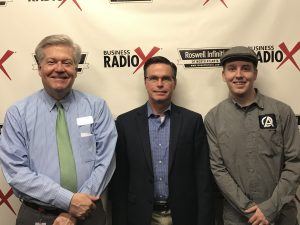
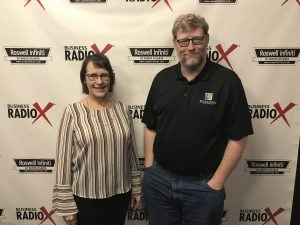
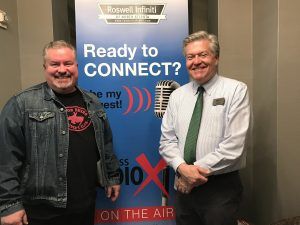
Al Nash, Geoff Smith, and Phil Houston

Geoff Smith, Host of ATL Developments with Geoff Smith

Geoff Smith is the host of “ATL Developments with Geoff Smith” and a mortgage banker with Assurance Financial. Possessed with a strong passion for helping his community, Geoff works closely with people and their families so they may live comfortably in fantastic homes and neighborhoods in the booming Atlanta area.

Geoff is an active member of his community serving on the Board of Directors of the Greater North Fulton Chamber of Commerce, as well as holding the position of chairman for the Chamber’s Education Committee. He is also Secretary of the Roswell Youth Baseball Association and coaches his sons in football, baseball and basketball. Geoff enjoys golf, camping and traveling with his wife and two sons. He is a graduate of the University of Georgia.

Al Nash, Development Authority of Fulton County

Al Nash is the Executive Director of the Development Authority of Fulton County.

Nash’s more than 40 years of experience in real estate, business growth, job creation and public policy concerning economic development brings additional expertise to the North Fulton CID. Nash also serves on the board of directors for the Council of Quality Growth and previously served as the executive director for Progress Partners, an economic development initiative by the Greater North Fulton Chamber of Commerce. Nash is currently a board member of the Georgia Regional Transportation Authority, the Greater North Fulton Chamber of Commerce, and the North Fulton Community Improvement District.

Phil Houston, Realty Associates of Atlanta

Phil Houston is an associate broker with Realty Associates of Atlanta. I served as the managing broker for RE/MAX Executives for twelve years, from 1991 – 2003. Originally licensed in 1979, I was affiliated with Walter Scott Realty, Buckhead Brokers and RE/MAX Executives before joining Realty Associates of Atlanta.

As a member of the DeKalb Association of Realtors, Phil is a Life Member of the Pinnacle Club, a top ten agent in several years, most recently 2009, and a Gold Phoenix Award winner. Phil holds CRS, CRB and E-Pro 500 designations from the National Association of Realtors and was a member of the RE/MAX Hall of Fame and the 100% Club during his affiliation with RE/MAX Executives. He has also served on several committees for the DeKalb Association of Realtors.

Tagged With: corporate relocation, DAFC, development authority, Development Authority of Fulton County, fulton county, Geoff Smith, gwinnett county, headquarters relocation, Mercedes-Benz, Mercedes-Benz USA, Phil Houston, property tax base, property taxes, relocation, residential real estate, RFP, US headquarters relocation

Decision Vision Episode 3: Should Our Firm Have an App? – An Interview with Scott Burkett, Incursus

February 21, 2019 by John Ray

Decision Vision
Decision Vision
Decision Vision Episode 3: Should Our Firm Have an App? - An Interview with Scott Burkett, Incursus
Loading
00:00 /
RSS Feed
Share
Link
Embed

Download file

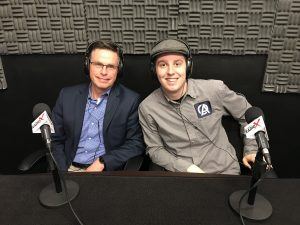
Scott Burkett and Michael Blake

Should Our Firm Have an App?

Michael Blake, Director of Brady Ware & Company and Host of the Decision Vision podcast, interviews Scott Burkett on the decision process for building an app, understanding the business problems an app will solve, working with an app developer, and more.

Scott Burkett, Incursus

Scott Burkett is the Founder & CEO of Incursus.

Demonstrating a passion and commitment to quality and process improvement, Scott holds a certification in Six Sigma, and is a former director on the Board of the Carnegie-Mellon sponsored Software Process Improvement Network (SPIN). He played an instrumental role in a key client (AT&T Universal Card Services) winning the Malcolm Baldrige National Quality Award, as well as a 2,000+ person consulting firm achieving Ford Motor Company’s Q1 Quality Certification. An original contributor to the Linux kernel, Scott co-authored The Linux Programmer’s Guide, The New Linux Book, and Linux Programming Whitepapers. He was also a key contributor to the now legendary comp.lang.c USENET group.

Scott has been featured, quoted, or published in Money Magazine, The Wall Street Journal, Computerworld, TechJournal South, Datamation, WebSmith Magazine, The Linux Journal, and TechLINKS. He has been featured as a lecturer/speaker at events sponsored by such organizations as Georgia Institute of Technology (Georgia Tech), The University of Georgia, ATDC, Draper-Fisher Jurveston, NASAGA, APRA, ACPI, The Kettering Executive Network, ExecuNet, 400 Technology Connection, and i-Compass.

Incursus, Inc. is a boutique creative-design and open-source software solutions studio headquartered in Atlanta, Georgia. In short, “We Create Thingz®,” as they like to say! The Incursus team focuses on four key areas: creative design, custom application development, managed cloud services, and technical due diligence. Additionally, they have a program for startup companies aimed to help them affordably satisfy their technology needs.

They do not aspire to be the biggest provider of these services in the world. They simply aim to be the best. Period.

The Latin word Incursus — which can be translated into “raid”, “attack”, or “invasion” — represents their attitude towards their work — with swift forward movement into projects to get them done efficiently with skill and finesse.

Michael Blake, Brady Ware & Company

Michael Blake is Host of the Decision Vision podcast series and a Director of Brady Ware & Company. Mike specializes in the valuation of intellectual property-driven firms, such as software firms, aerospace firms and professional services firms, most frequently in the capacity as a transaction advisor, helping clients obtain great outcomes from complex transaction opportunities. Mike is also a specialist in the appraisal of intellectual properties as stand-alone assets, such as software, trade secrets, and patents.

He has been a full-time business appraiser for 13 years with public accounting firms, boutique business appraisal firms, and an owner of his own firm. Prior to that, he spent 8 years in venture capital and investment banking, including transactions in the U.S., Israel, Russia, Ukraine, and Belarus.

Brady Ware & Company

Brady Ware & Company is a regional full-service accounting and advisory firm which helps businesses and entrepreneurs make visions a reality. Brady Ware services clients nationally from its offices in Alpharetta, GA; Columbus and Dayton, OH; and Richmond, IN. The firm is growth minded, committed to the regions in which they operate, and most importantly, they make significant investments in their people and service offerings to meet the changing financial needs of those they are privileged to serve. The firm is dedicated to providing results that make a difference for its clients.

Decision Vision Podcast Series

Decision Vision is a podcast covering topics and issues facing small business owners and connecting them with solutions from leading experts. This series is presented by Brady Ware & Company. If you are a decision maker for a small business, we’d love to hear from you. Contact us at decisionvision@bradyware.com and make sure to listen to every Thursday to the Decision Vision podcast. Past episodes of Decision Vision can be found here. Decision Vision is produced and broadcast by Business RadioX®.

Visit Brady Ware & Company on social media:

LinkedIn: https://www.linkedin.com/company/brady-ware/

Facebook: https://www.facebook.com/bradywareCPAs/

Twitter: https://twitter.com/BradyWare

Instagram: https://www.instagram.com/bradywarecompany/

Show Transcript:

Intro: [00:00:02] Welcome to Decision Vision, a podcast series focusing on critical business decisions brought to you by Brady Ware & Company. Brady Ware is a regional full-service accounting and advisory firm that helps businesses and entrepreneurs make visions a reality.

Michael Blake: [00:00:22] And welcome to Decision Vision, a podcast giving you, the listener, clear vision to make great decisions. In each episode, we’re discussing the process of making decisions on a different topic, rather than making recommendations because everyone’s circumstances are different. We will talk it to subject matter experts about how they would recommend thinking about that decision.

Michael Blake: [00:00:40] My name is Mike Blake, and I’m your host for today’s program. I’m a director at Brady Ware & Company, a full-service accounting firm based in Dayton, Ohio, with offices in Dayton; Columbus, Ohio; Richmond, Indiana; and Alpharetta, Georgia, which is where we are recording today. Brady Ware is sponsoring this podcast. If you like this podcast, please subscribe on iTunes, and please consider leaving a review of the podcast as well.

Michael Blake: [00:01:02] So, today we’re going to talk about building an app, and not just the process of building an app. We, probably, won’t talk a lot about the process at all, but rather a decision of getting an app. So, lots of companies, now, are thinking that they’re kind of left out. They’re not in the cool kids club anymore if they don’t have an app. And so, everybody kind of wants one. But is that really the right — Is that the right decision? Is that the right place to put management time? Is that the right place to make investment? And is it really all it’s cracked up to be?

Michael Blake: [00:01:34] So, how do we go about making that decision? And to help us with that decision, I’ve invited my good friend, Scott Burkett. Scott is a 30-year veteran of the technology industry. He’s the Founder and Chief Executive Officer of Incursus Inc., a boutique creative design and open source software solutions studio headquartered in Atlanta. Incursus focuses on four key areas: creative design, custom application development, managed cloud services, and technical due diligence. Team Incursus, also, recently launched ticketburner.com, a web-based platform that focuses on customer service delivery by helping companies automate their business processes.

Michael Blake: [00:02:14] Prior to founding Incursus and TicketBurner, Scott served as a Chief Technology Officer for several companies, including MFG.com and Apto Solutions. Scott was also the founder of wwetcanvas.com, a large online community for visual artists, which is now owned by F+W Publishing, one of the largest privately-owned media groups in the country. Additionally, Scott has been very involved in the Atlanta area startup community for the past 15 years and was a Co-Founder of startuplounge.com, one of the early advocates for fast-growth entrepreneurship in the southeast. So, it’s my great pleasure to welcome to the program and recently released from prison-

Scott Burkett: [00:02:52] That’s right.

Michael Blake: [00:02:52] … Scott Burkett.

Scott Burkett: [00:02:53] Thank you. Thanks for — Thanks for being here, Mike.

Michael Blake: [00:02:56] Well, I’m [crosstalk].

Scott Burkett: [00:02:56] But the StartupLounge is here when we had our podcast.

Michael Blake: [00:02:59] This is sort of a role reversal. We did that podcast, you sort of drove this, and I was the foil. So-

Scott Burkett: [00:03:04] Well, that’s okay.

Michael Blake: [00:03:06] How does it feel to be Dean Martin now?

Scott Burkett: [00:03:08] Weird. I’m like Dean Martin without the drink.

Michael Blake: [00:03:11] Well, if you say so.

Scott Burkett: [00:03:13] Yeah, exactly.

Michael Blake: [00:03:15] So, let’s talk about, even the word “app” is kind of a new term in the English language, right?

Scott Burkett: [00:03:20] Right, yeah.

Michael Blake: [00:03:20] So, let’s make sure we have the right vocabulary when we start. What is an app? And when you think of an app or one of your clients thinks of an app, what are we talking about here?

Scott Burkett: [00:03:28] Well, generally speaking, when you hear someone use the word “app,” they tend to be referring to mobile devices, right. Your smartphone, download this app, download that app, or whatever, or maybe even your tablet or something like that. But I’m a software engineer by trade, so it kind of irks me when I hear app only being used that way. A lot of folks will refer to an app that way, but an app can be anything. It can be a web-based software product. It can be a desktop app, an application for your desktop. So, it’s a pretty broad term, but, yeah, it tends to get more love on the mobile side these days.

Michael Blake: [00:04:03] And so, is that where that’s now headed? Is every app a mobile app, or-

Scott Burkett: [00:04:07] No, not at all.

Michael Blake: [00:04:08] … do you see that there’s not an end for apps on a more conventional sense?

Scott Burkett: [00:04:11] I think, it’s hard to argue that the growth of mobile hasn’t played a role in this, right. I mean, there’s more mobile devices, phones, laptops, whatever, tablets than there are desktops. Just people aren’t buying desktop. They’d rather buy a smartphone and a tablet than buy a desktop. Unlike I’m a hardcore gamer, as you are as well.

Michael Blake: [00:04:31] You’re more of a game historian, I think, at this point. It’s true.

Scott Burkett: [00:04:34] But I still play them.

Michael Blake: [00:04:35] Long live Atari, baby.

Scott Burkett: [00:04:36] Exactly, but I’ll still have a high-end gaming rig at home and use desktop stuff, but most of the work that we do is on laptops or mobile devices these days. So, that’s a big shift.

Michael Blake: [00:04:48] So, when somebody comes to you and says, “We think we want to have an app for our company,” did you kind of walk them through the process? Is that the right path for them to go? Or how do you find the clients who are thinking about that? What does that decision tree look like?

Scott Burkett: [00:05:04] Well, it’s complicated because every situation is different, right. The first thing that we try to do at Incursus is dig into what the business problem is they’re trying to solve with it, right. We were talking at lunch here earlier about the cool factor behind apps. And that’s certainly out there, but the reality is 99.9% of our clients are going to come to us and say, “We need to build something to solve this particular set of problems.” And it could be to extend a web application to the mobile device, or it could be just greenfield app itself on a mobile device.

Scott Burkett: [00:05:37] So, you want to understand those business problems, right. And once those things line up, then you can kind of dive into what’s the next step. How do we prioritize these? How do we dig into them? And to make sure that their understanding of what a return on that investment is going to be is the same as your understanding of it because, at the end of the day, it has to drive some sort of value and trying to put that-

Michael Blake: [00:05:57] You’d like to [crosstalk]-

Scott Burkett: [00:05:58] Yeah, back to the-

Michael Blake: [00:05:59] Although it is cool just to have my logo on my phone.

Scott Burkett: [00:06:02] You have the light saber app, don’t you?

Michael Blake: [00:06:03] I do.

Scott Burkett: [00:06:04] I do, yeah. Hey, it’s at sword fight mode. We could actually-

Michael Blake: [00:06:06] We could, but it doesn’t work as well as audio.

Scott Burkett: [00:06:08] Yeah. I was going to make a bad crossing swords joke, but I’m not-

Michael Blake: [00:06:11] That’s all right.

Scott Burkett: [00:06:11] Did I just make a bad crossing swords joke?

Michael Blake: [00:06:12] It’s not that kind of podcast.

Scott Burkett: [00:06:14] That’s right. Family-friendly.

Michael Blake: [00:06:17] So, every sort of situation is different, which is kind of what we expect. So, is it fair to say that there are kind of two categories of apps? One is kind of outward-facing. You’re trying to have an app that is client-focused, client-facing, maybe let clients interface with your company a different way. And then, kind of, an internal app, something that makes the way your company works or operates more effective and more efficient. Is that a fair distinction?

Scott Burkett: [00:06:44] That is fair. The thing with the App Store is it’s a public utility effectively at this point, right. You go into it, and you find what you want. You pay for it or you get it for free. You download it. Most companies are probably not going to want you to download their internal applications from the app store, but we do see both. We do see both.

Scott Burkett: [00:07:01] I think, the biggest trend over probably the past, I’d say, the best decade, really, as the shift to mobile happened was you had successful web applications like Facebook, for instance, or LinkedIn, those kinds of sites, social media type sites in general that didn’t, initially, have a mobile app. And the mobile adoption is a lot greater now than it was when those companies were founded.

Scott Burkett: [00:07:22] So, the mobile strategy kind of came in later for them, but that became a way to interface with a larger platform on the desktop effectively. It’s the same product, right, but you’re limited to a certain set of features and certain experience on a mobile device that’s a little smaller in footprint than what you’d get on a desktop, for instance, right. But, yeah, that shift is definitely there.

Michael Blake: [00:07:44] Are we at a point now where you can realistically have an app that doesn’t have a mobile companion?

Scott Burkett: [00:07:50] Well, in that context do, we talked about web applications, right. On the B2B side, if you’re successful, you need to have a mobile app. It’s just your users are going to demand it. In fact, if you don’t eventually have a mobile app in your B2B type web application, your customers are going to go find another solution somewhere else because mobile’s that important in the enterprise now, right.

Scott Burkett: [00:08:13] My UPS guy who comes to the house and drops off packages, first thing he does is he pulls out his mobile device, and he’s got access to all this back in functionality at UPS that he’s like flipping around and doing all this stuff. I try to sign my name, it looks like my kindergartener signs it when I do my finger, but all that functionality is all on a mobile device. That’s a great example of an enterprise application on a mobile device right there. Not something you can download from the app store, but they have it. So, yeah.

Michael Blake: [00:08:39] So, apps, I mean, back in the old days, we used to call them software applications or programs. So, the words changed, but what we’re creating is largely the same. Does an app have to be something grandiose, like PowerPoint or Microsoft Word? Is this something that can be fairly slim? Walk us through that. Does an app have to be big, and hairy, and complex to be valuable? Are there ways to do something relatively quick and painless?

Scott Burkett: [00:09:10] I can tell you that 99% of the stuff that’s on my smartphone, my iPhone here, was put there by my kids. And the vast majority of things that are on there are simple silly things that add zero value to my life. So, the short answer is it doesn’t really matter, right. There’s an app for anything these days, you want to track your weight loss or whatever. And you’re still doing all the work, by the way. It’s not like you stand on the iPhone-

Michael Blake: [00:09:34] I don’t need an app for that by the way, but the math there is not that complicated or fast.

Scott Burkett: [00:09:37] You don’t stand on your iPhone. I want to write a trick app that it’s a scale for your iPhone, and you just stand on your iPhone, and I wonder how many people would do that. But there are apps for everything, small, large whatever. I don’t think people have to have a vision of something being grandiose or lightweight. I think they have to have a vision that their app — And I’m speaking more in a business context here — solves some kind of problem or fulfill some sort of need in a marketplace, right.

Scott Burkett: [00:10:06] So, it could be a game. It could be just pure entertainment or just a boredom breaker kind of a thing. And those things tend to be kind of lightweight. But when we start talking about business-to-business enterprise type integration, those things tend to lean towards the hairy side just by their very nature, right.

Michael Blake: [00:10:22] Got it.

Scott Burkett: [00:10:22] So, yeah.

Michael Blake: [00:10:23] All right. So, somebody comes to you and says, “Scott, we think we want an app. We’d like to have you build it.” Open the hood a little bit, what does that process kind of look like?

Scott Burkett: [00:10:33] Well, the first thing I do is I get out my incense burner. No, I’m kidding.

Michael Blake: [00:10:38] No, that’s what we do in valuation.

Scott Burkett: [00:10:39] no. The interesting thing about technology is that while technology has changed a lot over the past 20 years – let’s just say 20 years. It’s really longer than that. About 30 years, I guess, at this point. God, we’re getting old – the process by which you build it has nominally changed, right? Certainly, we have faster tools we have better tools, and libraries, and integrated environments that we can build all these great things in.

Scott Burkett: [00:11:04] And that’s condensed the timeframe for delivery of building something like that, but the process is still largely the same. You got to understand the requirements. Are there requirements? What are you trying to build? If you just have an idea you’ve got a lot more work to do. You could come to me with an idea, that’s great. I’m happy to help you walk through kind of flashing that out.

Scott Burkett: [00:11:21] But, at some point, you’ve got to put pen to paper, or well, we used to do that, but put your fingers on the keyboard, as it were, and type up your requirements. Well, what are the problems it’s going to solve? How is it going to solve? What are the benefits to the user? What are they going to reap by using this particular application? And it doesn’t matter if it’s on the web, or if it’s on a desktop, or if it’s a mobile app, the same principles still apply.

Michael Blake: [00:11:41] Now, having known you as long as I have, I know you’re a very creative guy. You’ve done-

Scott Burkett: [00:11:45] A few things, I guess.

Michael Blake: [00:11:47] You’ve done literally done art websites.

Scott Burkett: [00:11:50] That’s true, that’s true.

Michael Blake: [00:11:51] So, when you have that conversation or when somebody — I want to depersonalized a little bit. Is it reasonable to expect that if I’m looking for someone to help me develop my app, is the app developer going to, then, maybe interact with me and help flesh out what the business case might actually be, suggest additional functionalities, or is it more like an order-taking process where, “I need an app that does A, B, C, and D,” “Here it is, go”?

Scott Burkett: [00:12:17] Well, to the latter, there’s a million people that can do that, right? You can go to upwork.com, find a freelancer offshore somewhere, send them a bulleted list of stuff that you want to build, and they’ll build exactly that.

Michael Blake: [00:12:31] Okay.

Scott Burkett: [00:12:31] Okay. And it will be cheaper. By and large, it will be cheaper to do that. The problem is if your development team isn’t completely aligned with your business drivers, and in those sessions, and on the white board, and trying to understand how your business is evolving, and not just in a bulleted list, these are the things that are important to us, but understanding your customers and what they want. You’re going to paint yourself into a corner as a founder. You’re making an investment. Ostensibly, it’s a chunk of your savings, or you’ve raised some money maybe in a seed round or something like that, and you’re trying to build something. The last thing you want to do is know that you just wasted $100,000, or $50,000, or whatever it is by giving somebody a bulleted list because you think you’ve got all the answers, and you think that’s all they need. There’s always more to it than that.

Scott Burkett: [00:13:18] If I took a pile of building supplies and dropped them off on a lot that you owned, and said, “We’re going to build a house.” And you came to me and you said, “Okay. Here’s what I want. I want three bedrooms, and I want two baths, and I want a sunken den. That’s all it. That’s my main thing. I just got to have these things.” We’ll build it. We’ll build the house. It will have three bedrooms, two baths, and a sunken den. And then, you’re going to realize that you wanted brick, and you wanted one bedroom upstairs, and not all three. You didn’t want a ranch house, right? So, the house is still built. I did my job, right?

Michael Blake: [00:13:46] Yeah, yeah.

Scott Burkett: [00:13:48] And so, you run into situations like that. And more importantly, you run into situations where you realize you can’t add an extra room to your house because of the way the house was initially built, right? It wasn’t built to be extensible. We took up all of the real estate on that lot by building this house, right?

Michael Blake: [00:14:02] If we add here, that’s a support thing.

Scott Burkett: [00:14:04] That’s right, that’s right. That’s a load-bearing wall. We can’t take that down. So, you think about that from a development standpoint, developers, there’s something called technical debt, which may come up later in the show here. But technical debt is one of those things where it’s the — You’re familiar with monetary debt, right?

Michael Blake: [00:14:20] Of course.

Scott Burkett: [00:14:21] So, it’s financial debt, right? It’s very akin to that. When you’re building an application, and a developer takes the easy route, if you give me a bulleted list, I’m taking the easy route and implementing all this because I don’t know what you’re going to want to do a year from now or two years from now because I’m not in line with your business. So, I’m going to build those things, and I’m going to take the easiest fastest way for me to accomplish those tasks, and I’m going to do it. Okay.

Michael Blake: [00:14:43] Just satisfy the statement of work.

Scott Burkett: [00:14:44] That’s right, just satisfy the statement of work. So, fast forward a year from now, your business is pivoting, or you’re changing, you’re getting into a new market, you got a new partner that you want to integrate with or something like that. And all of a sudden, you realize you can’t do that because you have technical debt. You have to now re-factor, and take all the easy stuff out, and do it the right way where you can open those doors into integration with other companies and things like that in your code.

Scott Burkett: [00:15:07] So, when you think about giving someone a bulleted list, if anybody’s listening to this that is in that mode, don’t do that. Don’t give someone a bulleted list and a check and say, “Let me know when you’re done.” That’s absolutely the worst possible thing you could do.

Michael Blake: [00:15:23] So, one of the decision points, then, is do I, as a person who wants the app, do I have enough time myself to engage in this process, so that I get what I want? When you put an addition in your house, a great way to make sure you’re unhappy is just send the contractor off.

Scott Burkett: [00:15:39] That’s right. That’s right.

Michael Blake: [00:15:40] Not oversee the work, not get progress updates.

Scott Burkett: [00:15:41] That’s right.

Michael Blake: [00:15:41] It’s sounds like it’s the same thing there. You can’t just throw it over a wall.

Scott Burkett: [00:15:42] There’s basically there — I guess, three ways of looking at building an app, or three reasons, or drivers behind it. One is you’re writing something for yourself, which happens a lot with techies. Us, geeks, like to write tools that we use, and we think are cool. And that’s fine. You’re the only user of it, and you’re happy. That’s a success, right? Or you’re trying to monetize it, and actually grow business out of it, and turn it into something that’s a little bit more longer lasting than just you using a tool. And then the third one is the hobby market. You’re making something for other developers to use or other tool builders to use as a part of their applications.

Scott Burkett: [00:16:21] When you look at the second one, that example that you just gave about, “Am I going to have time to engage in this?” Well, if you’re writing it for yourself, and you don’t have time to engage in it, then I don’t even know what’s going on there. The third one is a hobby. It kind of falls back to the first one, which if you’re not willing-

Michael Blake: [00:16:35] You either do it or you don’t.

Scott Burkett: [00:16:36] Either do it or you don’t. If you’re trying to monetize it and build a business around it, you either find the time or you don’t. And if you don’t find the time, you’re just wasting your money.

Michael Blake: [00:16:43] Okay.

Scott Burkett: [00:16:44] Right? You have to engage. I think you absolutely have to engage with your developer. IT people and techies are not the same as they were even 20 years ago. They have business degrees now. They understand sales and marketing. They understand how companies work, at least, on the surface, right? They can understand those business drivers and apply them to how are we going to integrate with those partners in our app down the road. Things like that are going to open up for them. So, I think you absolutely have to find the time to engage with your development team no matter what you’re building.

Michael Blake: [00:17:12] Okay. So, I mean, apps sound great. It’s the way of the future. It’s all cool. Why doesn’t everybody have one?

Scott Burkett: [00:17:20] A lot of people don’t have a mobile strategy upfront. And we’re seeing this is a little bit different now because, I think, mobile strategy is one of the first things an investor is going to ask you, especially if you’re in the business-to-business side or building a web application that’s going to have a lot of users. What’s your integration strategy? What’s your mobile strategy? That’s one of the things they’re going to want to know. And if you don’t have one it’s going to be a strike against you. You’re not thinking big enough. You’re not thinking outright.

Michael Blake: [00:17:44] Right, because that’s where most of the devices are.

Scott Burkett: [00:17:47] Exactly. And that’s how we consume content, by and large, these days. I mean, I get my news from my smartphone. I don’t watch the news at night. Who does that anymore?

Michael Blake: [00:17:53] I can’t remember the last time I watched the news.

Scott Burkett: [00:17:55] Exactly.

Michael Blake: [00:17:55] Do you even do that anymore?

Scott Burkett: [00:17:56] Is Walter Cronkite still alive. No. Yeah, right. That’s the last news that I saw, right?

Michael Blake: [00:18:01] Right.

Scott Burkett: [00:18:02] Paul Harvey and Walter Cronkite, right? So, yeah. Someone’s listening to this going, “They’re Googling Walter Cronkite right now.”

Michael Blake: [00:18:08] Exactly.

Scott Burkett: [00:18:09] “Who is Walter Cronkite?”

Michael Blake: [00:18:09] Exactly. Going to the biography channel.

Scott Burkett: [00:18:09] How do you spell his name? Yeah. So, no, and people consume content on their mobile devices. So, mobile strategy is important. I think maybe a decade ago, 15 years ago, mobile was — I don’t want to say it was optional, but it was sort of like gravy. In fact, a lot of investors back then probably we’ll look at you and say you’re thinking too big. What’s this mobile thing? I mean, the world has changed. Obviously, it’s evolved. So, if they don’t have an app, then there’s either one of couple of obvious reasons for it. One is they don’t want to fund it. That can happen, right?

Michael Blake: [00:18:40] Yeah.

Scott Burkett: [00:18:41] They don’t see the value, in which case you want to short their stock, I think, at this point, right?

Michael Blake: [00:18:45] Got it.

Scott Burkett: [00:18:45] Certainly, if it’s an enterprise type company. And on the social side, I think any sort of social media app these days, application on the web is going to have a mobile component. If not designed kind of in counterpart with the web platform, it’s going to be built like shortly thereafter once they get all their integration points and everything is sort of in place where the mobile devic can communicate to the web app.

Scott Burkett: [00:19:06] So, I mean, when LinkedIn and Facebook first launched, they didn’t have mobile apps. This came along later. So, I don’t know how Facebook is now, but it’s probably 15 years old or something like that maybe.

Michael Blake: [00:19:18] It’s something like that, yeah.

Scott Burkett: [00:19:19] Something like that.

Michael Blake: [00:19:20] I mean they went public in — Went public in — Actually fairly recently. It went public in like ’13 or something. So, looking around 2006.

Scott Burkett: [00:19:28] Right. So, yeah. Yeah. So, there you go.

Michael Blake: [00:19:32] So, is there kind of a tale to this? It’s one thing to sort of build an app, but I have a feeling an app is not something you just buy once and put away, right?

Scott Burkett: [00:19:42] That’s right.

Michael Blake: [00:19:43] You put it online, and you’ve got to maintain it. Apps tend to get updated if they’re going to be around for long. So, is that the case that when budgeting and figuring out if an app is right for you? Do you have to think about six months from now, a year from now, kind of, what long-term commitment you’re going to make to it?

Scott Burkett: [00:20:00] Any business has to think about that. It doesn’t matter what your business is, you have to think about, “Okay, I know I’m going to raise this much money, maybe nothing. And I know that whatever I have is going to get me to a certain point at which, hopefully, I’ll have a product.” And there’s a revenue ramp. And at some point, your revenue is going to go up and then you can afford to pay the bills.

Scott Burkett: [00:20:21] What a lot of young entrepreneurs tend to do – and I see this unfortunately more often than I want to admit – they just assumed that once they get that revenue ramp going that it’s just cruise control from there. And they just basically are printing money. And that never works. It never works. When’s the last time-

Michael Blake: [00:20:40] It’s not that easy to become a billionaire?

Scott Burkett: [00:20:42] No, it’s not.

Michael Blake: [00:20:42] Oh, shocks.

Scott Burkett: [00:20:43] It’s absolutely not, but think about your — My iPhone, I turn it on. Every day, there’s updates to my apps, right. The ones that don’t get updated are going to become deprecated over time. Users are going to abandon them, and this could be mobile, but it could also be on the web as well. It could be on the desktop as well. I mean Word Perfect went under. Remember Word Perfect?

Michael Blake: [00:21:02] Sure.

Scott Burkett: [00:21:02] Yeah, it was great. It was great. Well, Microsoft Office came along with its auto updates, and then everybody said, “Hey, this is great. They’re adding new features to this incrementally. It’s getting better. It’s improving.” Word Perfect went the way of the dinosaur and had a horrible interface. They never did anything to fix it. It’s an antiquated analogy, but, still, it’s one of the examples.

Michael Blake: [00:21:20] No, it’s true. Once the old lawyers died out, that-

Scott Burkett: [00:21:21] That’s right.

Michael Blake: [00:21:22] Because the lawyers were the last stronghold-

Scott Burkett: [00:21:24] And they loved it, that’s right.

Michael Blake: [00:21:25] … for Word Perfect. And once they died out and retired, the new generation grew up with Microsoft Office or, now, Google Docs.

Scott Burkett: [00:21:31] That’s right.

Michael Blake: [00:21:32] That’s what they’re using, right?

Scott Burkett: [00:21:32] Users are going to demand a couple of things. They’re going to demand that the bugs get fixed. And there’s always bugs in software. It’s written by humans. Right? So, we’re going to have those problems. Bugs get addressed in a timely fashion. The product evolves. As new opportunities and new technologies arrive in the marketplace, your product, if it’s applicable, has to be in a position to take advantage of those things and incorporate those into your application as well.

Scott Burkett: [00:22:00] I’m just thinking out loud here, but I just bought a device called the AirServer, which is a little embedded device that allows me to stream Chromecast, and AirPlay, and Miracast from a PC, a Mac, a Smartphone. Any sort of device, I can screen cast directly to my TV. Well, before I learned about this product, you had to have the right laptop. You had to have the right TV.

Michael Blake: [00:22:24] Apple with AirPlay.

Scott Burkett: [00:22:25] That’s right, that’s right.

Michael Blake: [00:22:25] Apple TV.

Scott Burkett: [00:22:26] Exactly, right. So, something better came along. And it’s one of those things that something better is always coming along in this day and age. I mean, my Twitter feed is full of it. Every day, it’s just 20 new things that are launching that didn’t exist yesterday. And some of those things are going to fall out by the wayside. It’s just law of averages, right? But the ones that make it, the ones that have long-lasting ability in the marketplace are the ones you have to take advantage of. And how do I integrate with it?

Scott Burkett: [00:22:51] It may not be applicable to everyone, but when certain things come along — Like single sign-on is another great example of that, right. Interfacing with single sign-on, does your app want to take advantage of that? You see apps now that lets you login with Google or Facebook, right? Easy. You just click the button and you’re done, right?

Michael Blake: [00:23:06] Thank God.

Scott Burkett: [00:23:07] It’s great.

Michael Blake: [00:23:07] Just typing all those things with my fingers on the phone, it’s a nightmare.

Scott Burkett: [00:23:11] And it takes you eight times to get your password right. Then, you locked yourself out.

Michael Blake: [00:23:14] Exactly.

Scott Burkett: [00:23:14] But it’s one of those things that — Just think about this, if your product was in the marketplace, and you didn’t have that capability, it’s a seemingly inane feature. Okay. It shouldn’t be a make or break decision, but I can guarantee you, people will say, “Why do I have to keep logging into this when I can just — Why can’t I just click on the Facebook button and authenticate me that way?”

Michael Blake: [00:23:32] Especially if it’s just a subscription to Reuters. I don’t care if somebody pirates that account.

Scott Burkett: [00:23:37] That’s right. That’s right. You don’t really care.

Michael Blake: [00:23:38] I’m not paying anything. I can’t post anything. It’s not a high-leverage discussion.

Scott Burkett: [00:23:43] Absolutely right. So, I think you have to — Getting back to the question, I think, as a founder, you’ve got a budget for the incremental advancement and evolution of your app, okay. Be it on the desktop, the web, mobile device, it doesn’t matter, you have to constantly be thinking, how is this going to get better? Because that’s what makes your business better at the end of the day anyway. How are you going to evolve as a business? Well, that involves dragging your product along, hopefully, right?

Michael Blake: [00:24:05] Yeah.

Scott Burkett: [00:24:06] So, there you go.

Michael Blake: [00:24:07] All right. So now, It’s the time in the program to go negative.

Scott Burkett: [00:24:11] Uh-oh.

Michael Blake: [00:24:11] And what I mean by going negative is I like to talk about times when people and customers or, not even customers, companies have built apps that have just failed.

Scott Burkett: [00:24:21] Okay, sure.

Michael Blake: [00:24:22] Why do apps fail? And what can we learn from that where maybe it’s just not a good decision on the part of that company to commission the app in the first place?

Scott Burkett: [00:24:33] Well, we’re speaking here, obviously, in the business context. If you’re writing it for yourself, and it fails that you don’t even use your own tool, then that’s your problem. That’s not a world problem. But there’s a couple of things that it comes down to. If a company’s generating or building an app, we’ll just use a mobile app in this particular case, and maybe it mirrors their web application, right? They’re not seeing the adoption rate, for instance, going up.

Scott Burkett: [00:24:58] Now, if you’re web app is successful, and your mobile app is not, that’s a different problem, okay. That tells you that the core product that you have is valuable, and people are using it on the web, but they’re not using your mobile app. Maybe the interface stinks, maybe the usability stinks, it’s not worth it, there could be bugs, things like that that need to be addressed.

Scott Burkett: [00:25:18] But it all comes down, at the end of the day, to outreach and marketing, getting your app on the mobile side, the same exposure that your web application is getting in that particular instance. And when we say a business context, that’s generally what we’re talking about. It’s Facebook with a website or a web application, and they’ve got a mobile component to it as well, that type of pattern. So, they’ve got to look hard in the mirror and ask themselves why it’s not working, why it’s not getting the adoption.

Michael Blake: [00:25:44] And that’s true on the internal side too, right?

Scott Burkett: [00:25:46] That’s right.

Michael Blake: [00:25:46] If you want your app for internal use, you got to make sure people know about it.

Scott Burkett: [00:25:49] That’s right.

Michael Blake: [00:25:50] There’s got to be an incentive for them to use it.

Scott Burkett: [00:25:51] A policy. Crate a a policy, right?

Michael Blake: [00:25:53] It could be a policy, It could be you remove whatever process there was before, so they’re forced to use it,

Scott Burkett: [00:25:59] Right.

Michael Blake: [00:25:59] But-

Scott Burkett: [00:26:00] The worst thing you could hear as a developer, as s a software engineer, is that people aren’t using your app. They’d rather use email. That’s like the worst thing.

Michael Blake: [00:26:08] Really?

Scott Burkett: [00:26:09] Yeah. It’s too clunky, it does this, it’s too slow, whatever. It’s just easier to send the guy an email. Okay. So, that’s what they do, right?

Michael Blake: [00:26:16] Right.

Scott Burkett: [00:26:16] And email is like — Everybody wants to kill — Everybody has been trying to kill email for 20 years.

Michael Blake: [00:26:22] They have. It’s died more often than Rasputin.

Scott Burkett: [00:26:24] Exactly. I know, right? He’s on his 12th life at this point, right? But the reality is when that’s your fallback, your fallback is, “It’s just easier to send an email,” yeah, you got some issues with your app that you need to sort out.

Michael Blake: [00:26:37] And that brings up — I’m not going to attribute the name. I don’t necessarily have permission, but I was at a conference-

Scott Burkett: [00:26:41] Oh, come on.

Michael Blake: [00:26:43] I was at a conference a couple months ago, and there’s a venture capitalist there. One thing that he said that I’ll never forget, it was a great advice, is that, “Already good will always beat might be better, or good enough will always beat might be better.”

Scott Burkett: [00:27:02] Is there a question in there, or do you want to-

Michael Blake: [00:27:03] No, I’m asking for a reaction. If it’s something you’ve got, like email is already good enough, something that has, now, a learning curve that has some risk to it, if it’s not clearly better, it’s just going to get dumped off on the side of the road. They’ll go back, like you said, the email.

Scott Burkett: [00:27:20] Well, I think any founder would agree that their business plan paints a perfect picture of how things could be better or should be better. No business owner is going to say, “Well, my business plan does a poor job of telling you how great this product is going to be.” They’d probably go too far in that regard, if anything.

Scott Burkett: [00:27:36] I think that’s applicable sometimes. I mean, if it ain’t broke, don’t fix it Kind of mantra, but there’s certainly been plenty of applications that have come along that have made getting tasks done, or achieving certain goals, accomplishing something, adding value in ways that were it was easier than before. Case in point, look at LinkedIn, right. Before LinkedIn, I either knew you or I didn’t. I either could call you on the phone or send you an e-mail because I had that information. And email contacts were closely guarded, like that was your rolodex, right?

Michael Blake: [00:28:12] Yeah.

Scott Burkett: [00:28:12] Like the little black book that we used to have in the ’80s with all the phone numbers written down on. It was the same thing, you guarded your contacts. The business development people made a killing because they would go from one company to the next, and they bring basically their book of business with them because they had all their contacts, right?

Michael Blake: [00:28:26] Yeah.

Scott Burkett: [00:28:27] Well, that’s gone now. By and large, it’s gone. Still relationship-driven and a lot of industries are, but if you think about LinkedIn, if I wanted to connect with someone to ask them a question, or invite them to come on to a panel, or speak at an event, or whatever my reason is for reaching out, I can probably get to them within a day. I can probably get my message in front of them pretty, pretty quickly, right?

Michael Blake: [00:28:49] Sure.

Scott Burkett: [00:28:50] So, before LinkedIn came along, that didn’t exist. That capability didn’t exist. Now, imagine yourself as an investor, and it’s hard now because LinkedIn is just part of the fabric now. Everyone uses it but think about maybe 15-20 years ago as an investor, and some guy, Reid Hoffman, comes to you in California and says, “I’ve got this great idea. We’re going to connect the world on the internet.” “What? Okay. It’s a big idea. I get it, but-”

Michael Blake: [00:29:16] No, you burn them for witchcraft.

Scott Burkett: [00:29:18] Exactly. It’s heresy. “What do you mean? These are my contacts. I’m not going to share them with other people,” and that kind of thing. Well, the world’s changed. So, I think there’s some applicability to what that investor told you, either way though.

Michael Blake: [00:29:29] Yeah. So, a lot of apps are now made offshore. I don’t know if your company uses offshore.

Scott Burkett: [00:29:35] No.

Michael Blake: [00:29:36] Not so relevant to the discussion. But if I go to a shop, and they say that they tend to use a lot of offshore labor, wherever it is, it could be India, it could be Ukraine, it could be Philippines, should I be concerned? Should that in my mind be a disqualifying feature in terms of selecting who my developer should be?

Scott Burkett: [00:30:00] I think, it’s going to come down to one key factor here and that’s money.

Michael Blake: [00:30:04] Okay.

Scott Burkett: [00:30:05] Okay. You can certainly find a country that will build your app, probably off of a bulleted list, like we cautioned about earlier, and you save some good money if you find the right company in the right country. But I will tell you a story not so awful long ago, there was a Japanese software company that had offshored, outsourced some of its development on its key product to China. Okay. Well, China, hopefully, the Chinese politico is not listening to this right now, and they’re going to hunt me down or something, but China doesn’t really have a great track record in not stealing things. I mean, China has-

Michael Blake: [00:30:42] Always since Marco Paul.

Scott Burkett: [00:30:43] That’s right, yes. China has a wee bit of a reputation for reverse engineering things and just outright lifting things.

Michael Blake: [00:30:51] Adopting them as their own.

Scott Burkett: [00:30:52] Adopting them as their own. Look at our new stealth fighter, right. Yeah, right, whatever. So, this Japanese company was so paranoid about China, these developers in China working on their product, they actually had five different Chinese offshore companies, and they gave each one of them a piece of it. They wouldn’t give the entire thing to one company. So, what does that tell you?

Michael Blake: [00:31:12] I think Apple does that, if I’m not mistaken.

Scott Burkett: [00:31:14] They could, they could.

Michael Blake: [00:31:14] They don’t let everybody have the whole formula.

Scott Burkett: [00:31:15] The keys to the kingdom, right?

Michael Blake: [00:31:17] Yeah.

Michael Blake: [00:31:17] And I’m not here to say that all offshore is bad. It’s not. I’ve had some successes with offshore development in the past, and I’ve had some that were not as successful. Ultimately, it came down to the ones that were successful were the ones that were fully engaged with the team, the larger team, the business team throughout the development process. They took the time to understand the drivers behind it, and where we’re we going, and best practices. And there was a liaison on the business team that ensured that the development team were using best practices and things of that nature, so not to paint you into a corner.

Scott Burkett: [00:31:52] So, I think, it goes without saying that you should probably go into it with eyes wide open, if you do it. But to be fair, I would approach it here in the United States as well the same way. I’d do it the same way. I wouldn’t necessarily give it to five different companies to work on like the Japanese company I mentioned did. But I would certainly — Over here, we’re protected by NDAs and other things, IP agreements, and things like that, and, of course, the US Code of Law, which helps a lot.

Michael Blake: [00:32:19] There is that, yeah.

Scott Burkett: [00:32:20] The minute you put it offshore — And I’m not an attorney by any stretch of the imagination. Though, I have given a free legal advice before.

Michael Blake: [00:32:27] Don’t let that stop you.

Scott Burkett: [00:32:28] That’s right. But I think you should probably consult maybe some fellow entrepreneurs that have had successes building things offshore, and maybe kind of learn from them, specifically, who they’re dealing with, and are they reputable. That referrals always going to go a long way.

Michael Blake: [00:32:44] So, a recurring theme we’re hearing here is that the business side of the business has to be very closely involved with the technology side. This is not just something you hand over a bunch of nerds-

Scott Burkett: [00:32:55] That’s right.

Michael Blake: [00:32:55] … and say, “Have us build something.” I mean, you’ll get something.

Scott Burkett: [00:32:57] You’ll get something.

Michael Blake: [00:32:58] It just won’t be what you want most likely.

Scott Burkett: [00:33:00] Or the technical would be off the chart.

Michael Blake: [00:33:02] All right. Well, we’re running out of time, unfortunately. We could talk about this and other things-

Scott Burkett: [00:33:06] That true.

Michael Blake: [00:33:06] … for a long time. So, any concluding comments, anything that I should have asked but didn’t, or something else that our listeners need to know about the app decision process whether to build that app?

Scott Burkett: [00:33:19] I haven’t even got to my belly dancing bit.

Michael Blake: [00:33:22] Probably for the video version of the podcast.

Scott Burkett: [00:33:24] Okay. I think when you decide you want to build something, I think you have to make a commitment to the project. It doesn’t matter if you’re a solo founder, a single founder, or you’re a small team, or you’re a company that’s looking to build an application. Again, it doesn’t matter if it’s a desktop, web, or mobile.

Scott Burkett: [00:33:41] I think you’ve got to apply those fundamental business practices to it, take those practices, and basically force feed the development team with those business drivers because if you don’t, like you said, you’re going to get something back, but it may or may not — it may do everything on the list functionally, but it may or may not solve the problem at hand. And, I think, aligning those things is a very key factor that people should go into it with knowing that, so.

Michael Blake: [00:34:07] Okay. Well, this has been great. I’m sure somebody listening to this this podcast will want to learn more. How do people find you?

Scott Burkett: [00:34:15] Unfortunately, I’m fairly easy to find on the web. So, you can just Google my name, Scott Burkett, I suppose, or just go to scottburkett.com, and all my links are there somewhere. I think so.

Michael Blake: [00:34:27] Yeah. you are not hard to find.

Scott Burkett: [00:34:28] I’m, unfortunately, not hard to find.

Michael Blake: [00:34:30] All right. Well, that’s going to wrap it up for today’s program. I’d like to thank Scott again so much for coming and sharing his expertise.

Scott Burkett: [00:34:36] Thanks for having me.

Michael Blake: [00:34:36] This has been great. I’ve learned a lot. And we’ll be exploring a new topic each week. So, please tune in so that when you are faced with your next business decision, you have a clear vision when you’re making it. Once again, this is Mike Blake. Our sponsor is Brady Ware & Company. And this has been the Decision Vision Podcast.

Tagged With: custom app, custom app development, custom application development, Dayton accounting, Dayton CPA, Dayton CPA firm, Decision Vision, Decision Vision podcast, Decision Vision podcast series, LinkedIn, Michael Blake, Mike Blake, mobile app, offshore app development, offshore development, open source software, Startup, startup company

Karla Brandau, Workplace Power Institute, and Jon Roman, Transworld Business Advisors of North Atlanta

February 19, 2019 by John Ray

North Fulton Business Radio
Karla Brandau, Workplace Power Institute, and Jon Roman, Transworld Business Advisors of North Atlanta
Loading
00:00 /
RSS Feed
Share
Link
Embed

Download file

John Ray, Karla Brandau, and Jon Roman

Karla Brandau, Workplace Power Institute

Karla Brandau is the CEO of Workplace Power Institute and a leading authority on leadership for a more productive workforce. For over 25 years she has developed customized programs for companies including Motorola, Coca-Cola Enterprises, Panasonic, LexisNexis and BYD America. Government agencies that have benefited from her programs include NIH, NIDA, and the EPA.

Her book, How to Earn the Gift of Discretionary Effort, and the accompanying management certificate, establishes discretionary effort initiatives in companies. These initiatives change the culture of organizations by installing core principles that make earning the gift of discretionary effort from employees a reality.

Karla is a Certified Speaking Professional, a Registered Corporate Coach, a Certified Facilitator, a Certified Professional Motivators Analyst and a Certified Professional Behavioral Analyst. For more information, go to Karla’s website at www.KarlaBrandau.com, call 770-923-0883, or email Karla at Karla@KarlaBrandau.com.

Jon Roman, Transworld Business Advisors of North Atlanta

Jon Roman is the Owner of Transworld Business Advisors of North Atlanta. Established over 40 years ago, Transworld Business Advisors is the world leader in the marketing and sales of businesses, franchises and commercial real estate. Ranked #1 in its category by Entrepreneur Magazine for several years, Transworld maintains an inventory of over 4,000 current and exclusive business listings. They have a network of over 500 brokers and agents, working in 200 offices across the US and throughout the world.

Transworld Business Advisors of North Atlanta is an award-winning team of nine agents, a franchise director, an office manager and a marketing/sales specialist, who will work diligently to help clients sell or franchise their business, or buy a new one. Their experience and professionalism will bring together sellers, buyers and third-party specialists, to successfully close every transaction.

For more information or to contact Jon, go to businessbrokersnorthatlanta.com or call 404-666-4486.


Tagged With: discretionary effort, Employee Engagement, employee loyalty, franchise, franchise brokerage, Franchisee, Franchisor, independent business, Karla Brandau, Leadership, Productive Workforce, psychological safety, social acceptance, Transworld Business Advisors, Transworld Business Advisors of Atlanta Perimeter

FRAZIER & DEETER’S BUSINESS BEAT: Ken Nester, VSI

February 19, 2019 by John Ray

Business Beat
Business Beat
FRAZIER & DEETER'S BUSINESS BEAT: Ken Nester, VSI
Loading
00:00 /
RSS Feed
Share
Link
Embed

Download file

Roger Lusby, Frazier & Deeter, interviews Ken Nester, VSI

Ken Nester, VSI (Valve Solutions, Inc.)

Ken Nester is the CFO of VSI. VSI is a privately owned, small business that manufactures a wide range of valves and actuators for the commercial, industrial and municipal market.  They currently sell through various distribution and manufacture representative channels throughout North and South America.  Since their inception in 1995, VSI has also established several OEM agreements which include Siemens, Belimo, Rotork and Auma.  VSI is headquartered in Alpharetta, GA and has recently constructed a facility in Midland, TX to improve product availability for their accounts west of the Mississippi.  In addition to having ISO 9001:2015 certification, VSI strives to deliver the highest level of customer service.  For further information, visit their website at www.valvesolutions.com or call one of their specialists at 770-740-0800.  They are certain to have the ideal “valve solution” for your needs!

Frazier & Deeter

The Alpharetta office of Frazier & Deeter is home to a thriving CPA tax practice and Employee Benefit Plan Services group. CPAs and advisors in the Frazier & Deeter Alpharetta office serve clients across North Georgia and around the country with services such as personal tax planning, estate planning, business tax planning, business tax compliance, state and local tax planning, financial statement reviews, financial statement audits, employee benefit plan audits, internal audit outsourcing, cyber security, data privacy, SOX and other regulatory compliance, mergers and acquisitions and more. Alpharetta CPAs serve clients ranging from business owners and executives to large corporations.

Roger Lusby, host of Frazier & Deeter’s Business Beat, is the Alpharetta Office Managing Partner for Frazier & Deeter.

LinkedIn: https://www.linkedin.com/company/frazier-&-deeter-llc/
Facebook: https://www.facebook.com/FrazierDeeter
Twitter: https://twitter.com/frazierdeeter

Past episodes of Frazier & Deeter’s Business Beat

Tagged With: control valves, CPa, filtration, Frazier & Deeter's Business Beat, Frazier Deeter, HVAC systems, HVAC valves, inventory management, isolation valves, manufacturing in Alpharetta, manufacturing in Forsyth County, manufacturing technology, Midland, OEM, oil drilling, pipelines, TX, valves, VSI, water treatment

Decision Vision Episode 2: Should I Fire My Client? – An Interview with Jim DeBetta, DeBetta Enterprises

February 14, 2019 by John Ray

Decision Vision
Decision Vision
Decision Vision Episode 2: Should I Fire My Client? - An Interview with Jim DeBetta, DeBetta Enterprises
Loading
00:00 /
RSS Feed
Share
Link
Embed

Download file

Jim DeBetta and Mike Blake

Should I Fire My Client?

Michael Blake, Director of Brady Ware & Company and Host of the Decision Vision podcast, interviews Jim DeBetta on how to recognize when a client might be a bad fit, why it’s best to part ways, and how to do it gracefully.

Jim DeBetta, DeBetta Enteprises

Jim DeBetta is the Founder and President of DeBetta Enterprises which specializes in coaching and consulting for inventors and consumer products start-up companies. DeBetta Enterprises also assists clients with product development and engineering of consumer products as well as sales and marketing representation to major retailers for our select clients. Recently, Jim was Vice President of Retail Distribution for TV Goods which is owned by Kevin Harrington from the ABC show Shark Tank. I headed up a team of retail specialists that called on the world’s most prestigious retailers and TV shopping networks including HSN and QVC.

Jim is the author of the top-selling book, The Business of Inventing, former Staff Writer for Inventors Digest, and has sold over 100 million dollars of products for product entrepreneurs and inventors alike. His podcast, Get Retail Ready, is a valuable resource for those just starting out or looking to scale their business.

DeBetta Enterprises has formed a solid network of product engineers, factory brokers, angel investment firms, licensing experts, and sales and marketing professionals among many other areas of expertise. The firm works with Fortune 500 companies, celebrities, and individual inventors alike. They specialize in finding factories to produce products, create pricing strategies, marketing and public relations, and selling products to major retailers such as Target, Wal-Mart, Best Buy, Costco, Bed Bath & Beyond, Michaels, Walgreens, HSN, Macy’s, Amazon, and many others.

Prior to forming DeBetta Enterprises, Jim led a successful start up company which produced sport optics such as binoculars and hand held magnifiers. Jim was President and COO as the company grew from insignificant revenue to nearly $50 million dollars in sales in under 8 years.

For more information on Jim DeBetta and DeBetta Enterprises, go to http://www.jimdebetta.com/.

Michael Blake, Brady Ware & Company

Michael Blake is Host of the Decision Vision podcast series and a Director of Brady Ware & Company. Mike specializes in the valuation of intellectual property-driven firms, such as software firms, aerospace firms and professional services firms, most frequently in the capacity as a transaction advisor, helping clients obtain great outcomes from complex transaction opportunities. Mike is also a specialist in the appraisal of intellectual properties as stand-alone assets, such as software, trade secrets, and patents.

He has been a full-time business appraiser for 13 years with public accounting firms, boutique business appraisal firms, and an owner of his own firm. Prior to that, he spent 8 years in venture capital and investment banking, including transactions in the U.S., Israel, Russia, Ukraine, and Belarus.

Brady Ware & Company

Brady Ware & Company is a regional full-service accounting and advisory firm which helps businesses and entrepreneurs make visions a reality. Brady Ware services clients nationally from its offices in Alpharetta, GA; Columbus and Dayton, OH; and Richmond, IN. The firm is growth minded, committed to the regions in which they operate, and most importantly, they make significant investments in their people and service offerings to meet the changing financial needs of those they are privileged to serve. The firm is dedicated to providing results that make a difference for its clients.

Decision Vision Podcast Series

Decision Vision is a podcast covering topics and issues facing small business owners and connecting them with solutions from leading experts. This series is presented by Brady Ware & Company. If you are a decision maker for a small business, we’d love to hear from you. Contact us at decisionvision@bradyware.com and make sure to listen to every Thursday to the Decision Vision podcast. Past episodes of Decision Vision can be found here. Decision Vision is produced and broadcast by Business RadioX®.


Visit Brady Ware & Company on social media:

LinkedIn: https://www.linkedin.com/company/brady-ware/

Facebook: https://www.facebook.com/bradywareCPAs/

Twitter: https://twitter.com/BradyWare

Instagram: https://www.instagram.com/bradywarecompany/

Show Transcript:

Intro: [00:00:02] Welcome to Decision Vision, a podcast series focusing on critical business decisions brought to you by Brady Ware & Company. Brady Ware is a regional, full-service accounting and advisory firm that helps businesses and entrepreneurs make visions a reality.

Michael Blake: [00:00:22] Welcome to Decision Vision, a podcast giving you, the listener, clear vision to make great decisions. In each episode, we’ll discuss the process of decision making on a different topic rather than making recommendations because everyone’s circumstances are different. We will talk to subject matter experts about how they would recommend thinking about that decision.

Michael Blake: [00:00:41] My name is Mike Blake, and I am your host for today’s program. I’m a Director at Brady Ware & Company, a full-service accounting firm based in Dayton, Ohio, with offices in Dayton; Columbus, Ohio; Richmond, Indiana; and Alpharetta, Georgia, which is where we are recording today. Brady Ware is sponsoring this podcast. If you like this podcast, please subscribe on iTunes, and also please consider leaving a review of this podcast as well.

Michael Blake: [00:01:03] So, today, we’re going to talk about something that doesn’t get talked about a lot, which is firing a client. And firing a client when you’re in business, and particularly, if you have a sales role is something that just seems wrong. We work so hard to get clients. Clients are not easy to get. They’re not easy to keep. And so, we’re hardwired that every client is precious. And to, a large extent, I think that’s a healthy attitude to have.

Michael Blake: [00:01:33] When you’re not grateful for your clients, bad things happen, your business is not going to survive long. But there is a point where enough is enough. The customer isn’t always right. In fact, sometimes the customer is not the right fit, or they’re just a raving lunatic, or somewhere in between. But the thing about that process is important. If you fire the wrong client, you’ve passed up revenue for no good reason. If you fire the client badly, then your reputation is going to suffer. But if you’ve been in any business long enough, firing a client or firing customer is a fact of life.

Michael Blake: [00:02:09] So, we’re going to talk about that today with Jim DeBetta. Jim is the Founder and President of DeBetta Enterprises, which specializes in coaching and consulting for inventors and consumer products startup companies. His firm also assists clients with product development and engineering of consumer products, as well as sales and marketing representation to major retailers for their select clients.

Michael Blake: [00:02:31] Recently, he was Vice President of Retail Distribution for TV Goods, which is owned by Kevin Harrington from the ABC show, Shark Tank. Jim headed up a team of retail specialists that called on the world’s most prestigious retailers and TV shopping networks, including HSN and QVC.

Michael Blake: [00:02:48] Jim is the author of the top selling book The Business of Inventing, aformer staff writer for Inventors Digest and have sold over $100 million of products for product entrepreneurs and inventors alike. Jim’s podcast, Get Retail Ready, is a valuable resource for those just starting out or looking to scale their business.

Michael Blake: [00:03:07] His firm has formed a solid network of product engineers, factory brokers, Angel investment firms, licensing experts, and sales and marketing professionals among many other areas of expertise. They work with Fortune 500 companies, celebrities, and individual inventors alike. Jim and his team specializes in finding factories to produce products, create pricing strategies, marketing and public relations, and selling products to major retailers such as Target, Walmart, Best Buy, Costco, Bed Bath and Beyond, Michaels, Walgreens, HSN, Macy’s, Amazon, and many others.

Michael Blake: [00:03:39] Prior to forming the DeBetta Enterprises, Jim led a successful startup company that produced support optics, such as binoculars and hand-held magnifier. He was President and Chief Operating Officer and led the company from insignificant revenue to nearly $50 million in sales in under eight years. We welcome Jim DeBetta to the program. Jim, thanks for showing up.

Jim DeBetta: [00:03:59] Hey, thanks Mike. Good to see you again.

Michael Blake: [00:04:01] So, it’s interesting. When I put this topic out there. I really put it out on social media. I’d like somebody to come on and talk about firing clients. And sort of you rose your hand and said that, “I really like to come on and talk about that.” What motivated you to do that? Why is that a subject that is close to your heart?

Jim DeBetta: [00:04:23] Well, I mean, I think, in any business, but particularly my business, inventing is an emotional business. So, when people have a product, it’s not just, “Hey, I have a particular thing, I want to get out there.” But they get very tied to it because it’s like their baby. I mean, it’s something that they created out of a need or because there was a problem, and they couldn’t solve it, or couldn’t find a solution. So, they say, “Well, I got to do this on my own.” And then, they spend years developing it. And then, when they come to me, then I have to see if it’s a good fit for me. And when I saw that, I was like, “Oh, I got to jump in on this one.”

Michael Blake: [00:04:55] I have a little of experience to that myself. As you know, I used to run a nonprofit called StartupLounge, and I’m still at a monthly office hours. And sometimes, an entrepreneur shows up, and they want to run their idea by me. And you have to tell them, “Well, I’m sure your baby’s healthy but it ain’t all that good looking.”

Michael Blake: [00:05:15] And that is something that is not necessarily well-received from somebody that has internalized their problem or their business, I should say, the problem that they’re trying to solve, and they’ve had a lot of people cheer them along the way. So, that’s friends and family, “Go for it. That’s a great idea.” People, by the way, who lose nothing if the business fails, advisors like me that can make money if they start their business, start spending money on advisors. And there’s this feedback loop that just internalizes. And all of a sudden, you can get to a point where you think, “Wow, I’ve got the next iPhone.” It’s just that obvious. Do you encounter that as well?

Jim DeBetta: [00:05:51] Oh yeah. And friends and family are the worst because they they love you or-

Michael Blake: [00:05:55] They really are.

Jim DeBetta: [00:05:55] … they’re supposed to love you, but you’ll always have that obnoxious one that will say, “Oh, that’s crappy,” or “I wouldn’t do that ever.” But most of the time, they’re going to give you support, whether it’s the product’s good or not good in their mind. And that’s what they should do, in a way, but that’s why we don’t want them to say, “Well, my next door neighbor, or my parents, or my kids think this is great.” That’s a red flag to me. What matters is what everybody else in the world thinks objectively, so people can look at it and say, with no vested interest saying, “I would buy this,” or “I don’t like that.” And that’s an important thing.

Jim DeBetta: [00:06:27] But all of this comes down to, which I know we’re going to talk about is managing expectations when people start to work with me. And right off the bat, that’s how I determine if I should take on a client or even move on from a client when things start — when I get that feeling that things aren’t going right.

Michael Blake: [00:06:44] Okay. Well, we’ll come back to that. Let’s start off with, how do you work with a client?

Jim DeBetta: [00:06:50] Well, I mean, usually, people will come to me in all stages. Some people will come to me, and say, “Hey, Jim. I’ve got an idea for something.” And they haven’t really done anything. Maybe they’ve done a patent search, or they just went online, and wanted to see if the product was actually out there. And assuming that they haven’t found what it is that they’re creating, they will come to me, and I basically project manage them through the whole process. So, people will come to me at that stage. And then, people come to me that have multi-million dollar businesses, and they’re already selling some retailers, but they want to go further. They want to scale. They want to get into every retailer they can. They want to be a huge company.

Jim DeBetta: [00:07:24] So, they come to me at all phases and stages. And they come from everywhere, from social media, all over the world from referrals. And because the world’s so digital, people can find me easily, and I get a lot of lead flow, and people just reaching out because they see me out there online.

Michael Blake: [00:07:44] And you’re not hard to find. I mean, you’re a pretty prolific creator of content as well. And, I mean, you always want to give advice. I’m sure that helps. So, doing what you do, and I think I know the answer to this, but I don’t want to assume, what do you think is the hardest part about working with a client in your space? What’s the hardest hurdle you had to get over, the most common challenge?

Jim DeBetta: [00:08:05] It’s that emotional part that they all believe that their product is going to be the next billion-dollar idea. And most aren’t going to be million-dollar ideas. And I always say to people, “It’s okay to be a thousander,” because no inventor that I know invents for a living. They have a day job or a night job. And so, they have a living. They live a normal life, and this is something they do on the side. They do it at their lunch break, on the weekends, at 10:00, 11:00, 12:00 at night. So, for them, it’s a part-time thing, if that makes sense.

Michael Blake: [00:08:37] That’s really interesting. You’re right. I mean, there really is, now, kind of modern day Thomas Edison, right?

Jim DeBetta: [00:08:43] Yeah.

Michael Blake: [00:08:44] Maybe the late Steve Jobs. Maybe he was kind of that, and he had like a whole huge corporation to sort of back that. And maybe the late, I’m sure you’re aware of him. The late Ron Popeil.

Jim DeBetta: [00:08:55] It’s huge.

Michael Blake: [00:08:55] That kind of that guy, right?

Jim DeBetta: [00:08:56] Yeah, absolutely.

Michael Blake: [00:08:57] By the way. I have one of those those Showtime Rotisserie.

Jim DeBetta: [00:08:59] Doesn’t everyone? I think.

Michael Blake: [00:08:59] I got one of those things for Christmas. The damn thing actually works.

Jim DeBetta: [00:09:03] They are good.

Michael Blake: [00:09:04] I can’t believe it. We don’t make a turkey without it now.

Jim DeBetta: [00:09:06] Yeah.

Michael Blake: [00:09:06] I got that thing for Christmas, and I thought, “For sure, this is going in our attic. It’s never coming out again.” And now, I was going to fry a turkey last year, and my son, “Oh, you’re going to fry a turkey?”

Jim DeBetta: [00:09:16] Yes.

Michael Blake: [00:09:17] “I really like the rotisserie one.” So, Ron, if you’re listening buddy, you’ve got one satisfied costumer down here.

Jim DeBetta: [00:09:21] That’s right.

Michael Blake: [00:09:21] But you’re right. Most people do this as a side gig. I hadn’t thought of that. That’s a really interesting.

Jim DeBetta: [00:09:27] Yeah. And they have to because when you start, like you start any business, you’re writing checks, but there’s no money coming in. So, they need to fund the business through whatever it is that they do for a living. Very few people will call me with an inheritance on their hands, or they’ll just max out their cards, but that’s another thing too. I have to kind of temper that. If somebody says to me, “Jim, I’m going to empty my 401(k),” I push back. I don’t want it. I don’t want to feel — because I know it’s a risky business, I don’t want to be the one that takes the money there and leads them down that path. They fail, and now they really have nothing.

Michael Blake: [00:09:58] And that puts a lot of pressure on you.

Jim DeBetta: [00:10:00] Sure.

Michael Blake: [00:10:00] That, for me, would create performance anxiety.

Jim DeBetta: [00:10:05] Right.

Michael Blake: [00:10:05] When somebody comes to me and says, “I’ve just emptied out my 401(k). I’ve leveraged the 529. My wife doesn’t know any of this.”

Jim DeBetta: [00:10:12] I have that too. It’s like, “Don’t tell my wife. Don’t tell my husband.” I’m like, I don’t really want to start off this way. I always say, “Don’t tell me. If it’s something you don’t think I want to hear, don’t even bring it up.”

Michael Blake: [00:10:21] That’s right.

Jim DeBetta: [00:10:23] It’s a scary thing out with people. Because they get so emotionally attached, they will do just about anything to fund it or come up with money for it. And that’s a scary notion sometimes.

Michael Blake: [00:10:33] So, it sounds like part of your job, and I find this in mine too, sometimes, you have to be an amateur therapist.

Jim DeBetta: [00:10:40] You do. I mean, and again, a lot of it comes down to just calming people down. They call me up, “Jim, I’ve got this thing. It’s awesome. I’m so excited. And I’ve been doing this, and I’ve been doing that.” And you have to get them on the phone. You have to say, “All right, look, it’s a business, it’s like any other business. It’s risky.” And I have to almost scare them away because if I don’t let them know the realities of it and that they can fail.

Jim DeBetta: [00:11:01] And some people say, “Well, why do you do that? Why do you scare people away? Why aren’t you being more positive?” I’m like, “Look, I’d rather air on the side of, ‘Okay, I prevented somebody from doing something basically stupid,’ and encourage their misbelief of something than-” You know what I mean? That’s important to me. And I’ve been doing this for you 20 plus years. I think I have a good handle, a good intuition when it comes to how people are with me. And within 30 seconds, I know how they’re going to be.

Michael Blake: [00:11:30] And I think that’s a sign of a strong professional is you know there are some times you shouldn’t take your client on because you could take their money today. In fact, in your case, they’re probably saying, “Shut up and take my money. I got to get this thing on Walmart and Target.” And you make it hard. And I suspect, because I run into this also, when people think that they want their business appraised, I don’t want them at the end of a 30-day, 60-day, one-year process thinking that I had told them that I laid out the yellow brick road for them, and then it didn’t end that way. That’s bad all the way around, right?

Jim DeBetta: [00:12:10] Yeah. And you’ll hear me say this a few times, it’s managing expectations for people. You have to do it for them. They’re not going to do it themselves. They’re excited, right? They’ve got an idea. I mean, they see other people, they watch Shark Tank, they see all the activity out there, and they believe that their product is the next one or it’s better. And they get fooled by that. And so, it is. I have to. I don’t want to.

Jim DeBetta: [00:12:33] I mean, who wants to turn away business, but I have to tell some people, “This is not right. You shouldn’t be doing this,” or “You should slow down,” or there are people that want to hire me, they see the offerings I have in terms of packages and things that I offer. “I want the best. I want-” I’m like “No, no. You’re not ready for that.” “What do you mean I’m not?” They get — I’m like, “Look I could take your money. I’ll send you an invoice. You’ll pay me in five seconds.”.

Jim DeBetta: [00:12:54] But that’s not the right thing to do. The right thing is to get them in a better position to have a better chance at success. And the way to do that is to calm them down, right, and say, “Here’s what’s likely to happen. Here’s the path. It’s not going to take three weeks. It’s going to take three months or six months.” And then, they go back and sleep on it. And then, usually, most people will come back to reality and say, “Okay, I got it. I talked it over with whoever. I appreciate it. I feel good about it. Okay, how do we move forward?”

Michael Blake: [00:13:23] So, do you remember the first time or one of the first times you ever had to fire a client? And if so — Or maybe talk about any time you had to fire a client. What prompted that? And how did somebody get through your gate process, your gate keeping?

Jim DeBetta: [00:13:38] Well, some people, you just can’t get through to. I mean, if somebody is really that excited, you’re not going to stop them. If they don’t go to me, they’re going to find somebody else to do it for them, or they’ll do it themselves, which is scary because they really don’t know what they’re doing. I would always say, “You’re sick, you go to a doctor,” that kind of thing. You can’t be a product designer, a package expert, a factory, an attorney, and all those things. You can’t be, right?

Jim DeBetta: [00:14:01] So, those people will go ahead and try to do it anyway. Who knows who listens to this. Of course, there’ll be no names mentioned, but I have fired a lot of people. And the first time I fired somebody, it was hard for me because it was many years ago. And, again, you’re earlier in your business, and you need all the business you can get, but you still want to have integrity and do the right thing. But you try to justify it in your own mind like, “Should I fire them or can I just — They’ll be OK you know and I’ll still work with them.”

Jim DeBetta: [00:14:29] But I had a woman who, right off the bat, was, “This is the billion idea. And then, it’s going to be great.” You get excited by their enthusiasm. But then, literally, the next day, I’d be getting emails saying, “What’s getting done here? Are you doing this? Are you doing that? How can we ever reach out to one of the chain stores yet?” And I’m like, “We just started yesterday.” And even though I said, “It’s going to take time, this is the process,” I  couldn’t calm this person down, ever. And it drove me crazy.

Jim DeBetta: [00:14:58] Then, they get mad because you’re not performing even though you’ve had in writing saying, “This is what it’s going to take.” And you have a phone call, “This is what it’s going to take.” It’s almost like I didn’t say anything. And then, they are like almost going after, and I’m like, “I can’t.” I mean, forget the money. It’s like, “I can’t do this. It’s too stressful. Here’s somebody else you can go talk to.”

Michael Blake: [00:15:20] It’s the kind of client where every time they contact you, it’s never just talk about what a great job you’re doing.

Jim DeBetta: [00:15:26] But you cringe, you see that e-mail in your inbox, or the phone ringing, and you’re like, I don’t want to answer the phone when you call or be happy to get your email. I shouldn’t be working with you.” Over time, you evolve. Right now, I’m really picky. I want to work with people that are fun to work with, that I enjoy talking to. That’s like my biggest criteria now. I mean, a product is product, right? I mean, they’re made of something, they made in a factory, we sell it to the same stores, they’re widgets to me.

Jim DeBetta: [00:15:53] I mean, I get excited and passionate about the products when I go to the retailers, but, at the end of the day, a product is a product. I have to enjoy working with you because if I cringe or even shudder at the thought of hearing from you, who wants to do that? I don’t want to do that, enough for any amount of money really.

Michael Blake: [00:16:10] Yeah. Well-

Jim DeBetta: [00:16:11] Maybe, maybe.

Michael Blake: [00:16:15] So, this is actually segueing nicely into the kind of the next question I want to ask, which is, what are some of those warning signs that this relationship is a mistake and we got to think about ending it?

Jim DeBetta: [00:16:26] Yeah. On their end, they’re overenthusiastic to the point where they’re not being realistic. That’s the number one criteria to me. Number two is somebody that will tell me that they’re on their last dime doing this. And I have people that I start with. So, I’ve hired them, or they’ve hired me rather. And then, I have to fire them because they reveal something like that to me, something personal or something financial, and I’m like, “Look, it’s like building a house. You got to have the money to build the house. Once the architect lays out the plans, what are you going to build? The frame? And then, go out of money,” and I get that kind of scenario.

Jim DeBetta: [00:17:03] Those people, I have to try to help them for free, so to speak, and transition them off of what they’re doing or onto another, like maybe go to licensing versus doing it themselves, and introduce them to those people. But I got to let those people go to because that kind of thing where they reveal something personal to me, I know it’s going to be — Then, yes. There’s that performance pressure. If this thing isn’t a home run, maybe they won’t get mad at me, but I’m going to feel bad and it’s going to be devastating for them.

Michael Blake: [00:17:33] Right. I mean, if you have any sense of integrity, you do feel responsibility for the client outcomes. And yeah, I’m sure some people just want to bring inventions to the market because that’s just a vision they have. But people want to make money. They’re putting a significant financial investment. I get that too. And particularly in the startup space, someone will call me up and say, “I want to get my business appraised because I’m going to raise money.”

Michael Blake: [00:17:55] And one of the first questions I ask them is, “Well, you’re talking to this one investor. If they no, what happens?” “Well, I don’t know. I’m not sure.” “Well, do you have enough money to survive?” “Well, no. I need this investment.” I said, “Well, then my valuation doesn’t matter.” Right?

Jim DeBetta: [00:18:10] Right.

Michael Blake: [00:18:10] If that person walks away, you’re out of business. I’ve taken a check, but I haven’t helped, I really haven’t helped anybody in that process, right?

Jim DeBetta: [00:18:19] Right.

Michael Blake: [00:18:19] And that invention, inventor story sounds very similar to that.

Jim DeBetta: [00:18:24] I think that’s a big part of it. I think because those people that come to us, you hope that they’re coming to us for a reason because they don’t know something, we know something, they need our help. And that’s another reason that I’ve let people go is because people will hire me, and then they tell me everything that I’m supposed to be doing. Even though they have no knowledge, they say, “Jim shouldn’t you do this? And this is how this should be done. No, when you talk to a buyer this is what you should be saying.” I’m like-

Michael Blake: [00:18:48] Oh, that drives me crazy.

Jim DeBetta: [00:18:49] And look, I’m open here. Look, I’m willing to learn something new. I don’t care where it comes from. I mean, my kids can tell me something, and if I could pick up something, and it helps me to do my job better for them, great. I’m not about, “You hire me, so I tell you everything. You have no say. You have no ability to help.” I always tell people right off the bat, “This is a two-way street. We have to communicate. I need things from you. You need things for me. And if there’s differences, we talk them out. But primarily, you’ve hired me. You’re paying me to do something that you can’t do or don’t know how to do. So, when push comes to shove, you have to make a choice,go with my words because I’ve done this ten thousand times.”

Michael Blake: [00:19:29] Why hire me if you’re not you’re not going to listen to my advice?

Jim DeBetta: [00:19:31] Right. And I’ve let a couple people go in the middle of things because they were so overbearing with them hiring me, but then all of a sudden, they where the expert and I was the client. It shouldn’t be that way. Again, it should be collaborative, but it shouldn’t be where if I pay somebody to come do something for me, I expect that they’re going to be competent, and they’re going to do their job. And I say, “Hey, what about that?” or “Can you maybe look at this?” That’s your right. You’re paying money, but if you’re going to overwhelm, overtake the whole process, then you know what, go do it yourself or find somebody else. And it’s frustrating sometimes.

Michael Blake: [00:20:01] I think that gets a fundamental lack of trust, and not in your trustworthiness, but the client’s inability to trust you. I actually fired a client earlier, it’s now 2019, middle of last year because we did an appraisal for them, sent them a draft. And the client, then, took our drafts, started showing it, and said, “I showed it to my friend who’s an investment banker,” and he says, “Your numbers are wrong.” And I listened very carefully to investment bankers because they’re out in the marketplace. So, many of them are very good experts.

Michael Blake: [00:20:34] So, well. “What did you show them?” “First of all, I showed you the work product.” “So, okay, our engagement, I said, you weren’t supposed to do that, but, okay. What information did you give them besides the work product?” “Nothing, we had a 10-minute conversation.” “All right. So, our teams put in 25 hours on this, but you’re going to show this to one person with a 10-minute conversation, you’re going to decide that their opinion is more valid than mine. I think that you should retain them or somebody else. Let’s settle up and split because if that’s the level of trust you have in this process, I can’t think of what’s going to make it end well.”

Jim DeBetta: [00:21:16] Yeah. And we fight that in my business too. Somebody will immediately go somewhere else, or they’ll try to reach the retail buyers themselves because I haven’t gotten in touch with them quick enough. There’s always going to be those types of people. So, all you can do really is just try to set the table from the beginning, “Here’s how I work. This is what I expect of you. This is what you should expect of me.” We talk about it. We write it out.

Jim DeBetta: [00:21:37] Beyond that, you lose control a little bit. But, again, you can usually — I know I can get a great sense of how somebody is immediately. I could just tell. I could tell their tone. It also depends on how much experience they have. If they’ve been trying to do this on their own, and they’ve failed repeatedly, they’re coming to me at a desperation. They really will then say, “Okay. Jim, you do what you got to do,” because they’re at their end. They don’t have other option. They’ve probably tried other avenues, or tried calling other people, and they aren’t getting satisfaction. So now, I’m the end game for them.

Jim DeBetta: [00:22:08] Those people are a little easier to deal with because they let me do my thing, and they listen better. The ones that, like I said, get very emotional or very connected to their own thought about, “This is not going to fail no matter what,” I’m like, “Well, you need to have a great mindset, this is not going to be an easy road, but I’m telling you right now, the chances of you succeeding, they’re small. And I just want to let you know that right off the bat.” But we get that people will go around you, or talk to a name, or somebody who’s not from the business at all even, and say, “They said that this packaging doesn’t look good or the pricing is wrong.” And I’m like, “Are they buying it? Are they in this business?” I get a lot of that. And it’s easy usually to kind of squash it. But, once in a while, you get somebody who really push the envelope on it.

Michael Blake: [00:22:54] So, how do you tell whether or not there’s a systematically bad fit versus it’s just a bad day, bad week ,bad month for you or the client?

Jim DeBetta: [00:23:03] Yeah. I have people that they are a good fit, and then they’ll have that breakdown because they’re right, they’re spending money, and nothing’s happening yet. They’re not selling. It’s much easier to write a check to get prototypes done or patents done, but to sell a retail, it’s such a long-selling cycle. So, they won’t see money for six months, a year, and it’s hard for them. And so, sometimes people will — It seems like everything is going great, and I get that email that I’m happy to get or that call, but it’s a total flip. They’re like, “Jim, I don’t know what’s going on, and I feel this way, I feel that way.” That’s a bad day. They just need you to encourage them. “Look, this is the business. This is what we talked about. It’s going to be all right. I understand.”

Jim DeBetta: [00:23:46] Nine out of 10 times, they’re good. You talk to them right through, But other times, you get people who are completely the opposite. And, again, I got a pretty good feel, I rarely get it wrong these days. I used to not always get it right, but, now, I’m a much better because I’m even more patient with waiting for people. I don’t look to sign somebody up so quickly anymore. Now, I let people sleep on it, and I sleep on it.

Jim DeBetta: [00:24:12] I had been talking to a woman just yesterday, actually yesterday morning. Long story short, I talked to her a couple of weeks ago. She sent me samples, I looked at them, I thought they were really good. And I took a few days to call her back. I wanted to feel like this was a good fit for me as well. And we got on the phone, and we talked it out, and she understands. And I said, “Well if you’re good,” and then, I followed up with an email and said, “Let me know what you think.” And so, I’m slower in my process, but I think that allows me to have less error in what kind of client I have and how they’re going to be.

Michael Blake: [00:24:46] I tell people, there’s not that much benefit to being older. You get gray hair, and in my case you get two arthritic ankles, but the positive side of that is wisdom.” And realizing that the value of a deep breath, the value of sleeping on things, the value that you don’t have to respond to everything right in the moment because that leads to a bad decision more often than not.

Jim DeBetta: [00:25:15] And I’m not that way. I’m more of the impulsive type. It’s hard for me to sit back and wait. I’m not afraid to lose anything. There’s always businesses. There will always be. As long as there are inventors, I’ll be in business. I never worry about that anymore. But it’s still my nature to want to respond quickly, but I have to actually stop myself and find something else to do. Otherwise, I will be reactive too quickly.

Michael Blake: [00:25:40] Yeah. I mean, you’d love to resolve it, get it off your plate, and not have to worry about it. But again, that’s just growth. That’s the benefit we get for the gray hair. Do you have a preferred kind of method for firing a client? In other words, there’s a passive way to firing a client, which is basically raise your rates, and then they don’t want to work with you anymore. Or there’s that, “It’s not me, it’s you” conversation, even though in your mind you’re saying, “It’s not me, it’s you.” Do you have a preferred method or have you use different techniques based on a different scenario?

Jim DeBetta: [00:26:17] Yeah. When you had written that out about the raise your prices sort of thing, I think I do that naturally only because I know the type of client I want, and I know that will do well, and I know that client has to be financially capable of doing things. I know that there are people who will — I don’t do the free stuff or the 1999 to get them in the door. I don’t like doing those types of things because I know that that client will pay a few dollars to get information, but they probably won’t want to pay a lot more to have the real work done.

Jim DeBetta: [00:26:47] I don’t know if I have a specific way I go about that. I think I just feel it as I go and as things develop. But my criteria is, just like I said, it’s just more instinct than it is anything these days. I just get a sense. I get them on the phone. I won’t do it via email. If I have a problem with somebody, I am a big emailer. I prefer to actually email and text people than to talk all day long. But if I have a problem with somebody, I will call them, and I will say that it’s them. I won’t blame me because I know that I do the same thing for you, that I’ll do for you, that I do for everybody, if that makes sense.

Jim DeBetta: [00:27:24] So, I will let them know that. It’s not tolerable. I can’t work on the — You hired me to help you, and you’re telling me what to do, or you’re unrealistic. And I know this is going to lead to bad things. So, I tell them that either they need to change, and some people will, or they need to understand that we can’t work together anymore. And then I’ll finish up and help them transition, but that’s usually what I would do.

Michael Blake: [00:27:48] Well, that’s good. So, you don’t break up by email, or text, or anything like that.

Jim DeBetta: [00:27:52] No. Not like that.

Michael Blake: [00:27:53] Do it like a professional, right?

Jim DeBetta: [00:27:54] That’s a tough one to do.

Michael Blake: [00:27:55] But the object lesson here is if I ever see you calling, that means you’re going to break up with me.

Jim DeBetta: [00:28:00] That sounds great. I would tell people, “If I call you, and I don’t outbound call a lot of my clients a lot, it’s either something is going on bad, or something is really good, like we get a big purchase order from a retailer, but you’ll like it enough. That’s a fun phone call to get. But if I call you otherwise, something is up. Otherwise, we’re going to email and correspond that way.”

Michael Blake: [00:28:18] Okay. Is there a client you can remember that you should have fired, but didn’t?

Jim DeBetta: [00:28:27] There’s probably a bunch that I probably should have. And again, those with were the early days when I tried to hang on, not necessarily I really needed to, but I felt like I could. I tried to — Like I said, with age comes wisdom. Now I know that I don’t want to wake up tomorrow feeling stressed. I don’t want to go through a month of stress before I let somebody go. If I feel the tension, and I know it because it’s not me, even if I’m wrong, I’m still going to let them go.

Michael Blake: [00:28:57] I found that I cannot think of a time where I’ve ultimately regretted either firing a client or turning one away, but I can tell you for sure the clients that I’ve regretted taking on are not fired.

Jim DeBetta: [00:29:13] Yeah, I agree. I think you remember, if you will, the mistakes more than.

Michael Blake: [00:29:16] That’s right.

Jim DeBetta: [00:29:17] Because we don’t know what would have happened with that the other way. But we know when we keep ones that are difficult, you still try to see it through though, right? I always try to ignore how they get, and I just say, “Just let me do my thing.” If I just keep going on, and they don’t like what I’m doing, they’re going to fire me. So, I almost put it on them. I’m like, “I’m going to keep doing what I’m doing.”

Michael Blake: [00:29:37] Well, you think they’ll fire you, right? But some don’t.

Jim DeBetta: [00:29:39] Yeah. No, you’re right. But then it winds up working out because, then, they see what they hired me for, right. At the end of the day, at the end of the road, look, it worked, or you got your product developed, or hey, you’re selling it on whatever website. Then, they’re happy and appreciative later on.

Michael Blake: [00:29:56] So, that’s interesting. So, I think that’s sort of a lesson. It seems to me like you know pretty early on if it’s a bad fit. It doesn’t sort of sneak up on you necessarily. It’s not like the boiling fraud for example. It sounds like you know pretty early on.

Jim DeBetta: [00:30:09] Yes. Almost every time, I know right away.

Michael Blake: [00:30:12] Really?

Jim DeBetta: [00:30:12] Very quickly.

Michael Blake: [00:30:13] That’s awesome.

Jim DeBetta: [00:30:13] Because I can, again. And I think that a lot of it, it’s just instinct and experience. I’ve done it a million times. There’s only certain ways people can be. It’s not like there’s a thousand different ways people are going to act. It’s just really a handful when I see those that are red flags to me, I know. And like I said, again, even before there is a higher fire, I know how people are going to be. If I can’t manage their expectations immediately, I know that I shouldn’t even begin working with them. Never mind having to fire them, so to speak.

Michael Blake: [00:30:41] Because it’s not going to get better.

Jim DeBetta: [00:30:42] It’s not. I know it’s not going to be.

Michael Blake: [00:30:44] The more ingrained you get, you’re more entrenched, right?

Jim DeBetta: [00:30:46] Yeah. And I don’t need that.  I don’t want that.

Michael Blake: [00:30:48] Okay. Has a client ever talked you out of firing them? You’re all set, you’re going to fire them, but then they said, “No, I really want to stick it. Please, Jim. You’re so great. I promise I’ll be better.”

Jim DeBetta: [00:31:03] I don’t know if I’ve had that. I think it’s either it’s cut or dry. I’ve had a few people where I’ve told them they need to calm down. It wasn’t like you’re getting fired. I guess it’s like the warning, right?

Michael Blake: [00:31:15] Yeah.

Jim DeBetta: [00:31:16] You need to chill out, you need to do this, you need to do that, or you’re not communicating well, or you’re going and trying to email a buyer when I told you do not do that. People will go off the script, so to speak. And I’ll warn them. And then, those people will say, “Okay. I’m sorry. I didn’t realize it,” even though they probably knew what they were doing. And then most of the time, they’re good. They turn around because I try to be friendly. I’m not like, get on, I’m trying to be rough with people when I work with them. I’m not trying to dictate. I’m trying to do my job.

Michael Blake: [00:31:43] People hurt themselves when they do that.

Jim DeBetta: [00:31:44] Right. So, it’s kind of like a parent to a kid. Look, you’re doing this wrong, and then you hug him later and it’s fine, and usually that works out.

Michael Blake: [00:31:53] Okay. Any concluding comments? Anything we haven’t covered that you think we should before we wrap up here?

Jim DeBetta: [00:31:59] Well, I think we’ve hit on all the big things. I think you have to — I think, for me, and I think what other people can benefit from is even though you want that client, even though it may be important to you, whether it’s financially or just for your own self to feel like you can obtain clients. I think you have to go with your gut. I think you have to realize that if something just doesn’t feel right, and you feel like it’s overwhelming, or there’s going to be undue pressure, or you can’t manage those expectations, just don’t even do it. Don’t even start. I know it’s easy to say because I’ve been doing this, and I have an established business, but if I could look back at my younger self and do certain things over, I would probably have been a little more patient with the hire, so I didn’t have to worry about the fire.

Michael Blake: [00:32:43] Because hiring the wrong client can actually do more harm than good, right?

Jim DeBetta: [00:32:48] Yeah. And, also, if you get people who are a little off the wall with the way they are, they’re very aggressive, or they’re hotheaded. Then, today, with social media, they could just go online and be reckless in what they say about you.

Michael Blake: [00:33:01] That’s true.

Jim DeBetta: [00:33:01] I’ve been fortunate, I’ve never had anybody do that. Although I’ve not had many people that have gotten upset like that. But, still, it’s so easy. I mean, someone could just comment on this podcast blah, blah, blah. People do whatever they like.

Michael Blake: [00:33:13] You can walk out of here and accuse me of a federal crime.

Jim DeBetta: [00:33:15] Before I even get to my car, right?

Michael Blake: [00:33:17] Absolutely.

Jim DeBetta: [00:33:17] And that’s scary. So, you have to also be cognizant of that, that if you feel like that person is going to be that person. I have people call me up and they say, “Jim,” and they tell me how confrontational they are with other things in their life. And I’m like, “Yikes. Is that the kind of person I want to even work with? If things go south, maybe they’re going to-” If they’re telling me what they’re doing to other people, maybe they’re going to do that to me.

Michael Blake: [00:33:38] Sorry, I was late, I got a ticket for road rage on my first meeting.

Jim DeBetta: [00:33:41] Right, yeah.

Michael Blake: [00:33:41] Not a good sign.

Jim DeBetta: [00:33:43] Well, I’ll call you back tomorrow. We’ll see if we could work together.

Michael Blake: [00:33:46] So, well this has been great. I want to make sure people know how to find you. So, if they want to learn more about this or what you would actually do for a living, how do they find you?

Jim DeBetta: [00:33:55] Well, can you hide anymore these days? I mean, if-

Michael Blake: [00:33:57] I’ve tried, man.

Jim DeBetta: [00:33:59] You can’t. No, not today. Yeah, we push too much out there to be — I would say social media is the best way. I have one of the largest invention groups on Facebook in the world. It’s called We Know Inventing. People could go on there. But if they just go on and Google Jim DeBetta, it will lead them to my websites, which one is my namesake jimdebetta.com. I’m on Facebook, I’m on Instagram, I’m on LinkedIn very heavily, I’m on Twitter. They’ll find me in two seconds. They’ll be able to reach me. And I answer everything. It’s hard to because I get a couple hundred emails a week or messages. And I believe in that. I’ll sit up, and I’ll, at least, say, “Got it. And thanks for reaching out.” So, I respond to people. And I think it’s important to in business to be busy as you get to, at least, acknowledge somebody coming along.

Michael Blake: [00:34:47] Yeah. Well, very good. Well, that’s going to wrap it up for today’s program. I’d like to thank Jim DeBetta so much for joining us and sharing his expertise with us. We’ll be exploring a new topic each week. So, please tune in, so that when you’re faced with your next business decision, you have clear vision when you’re making it. Once again, this is Mike Blake. Our sponsor is Brady Ware & company. And this has been the Decision Vision Podcast.
Tagged With: Dayton business advisory, Dayton CPA, Dayton CPA firm, fire a client, firing a client, inventors, Michael Blake, Mike Blake, retail production representation

To Your Health With Dr. Jim Morrow: Episode 2, Erectile Dysfunction

February 14, 2019 by John Ray

North Fulton Studio
North Fulton Studio
To Your Health With Dr. Jim Morrow: Episode 2, Erectile Dysfunction
Loading
00:00 /
RSS Feed
Share
Link
Embed

Download file

Dr. Jim Morrow, Morrow Family Medicine

Dr. Morrow’s Show Notes on Erectile Dysfunction

Erectile dysfunction (ED) is the inability to achieve or maintain an erection sufficient for satisfactory sexual performance It is a common problem, affecting at least 12 million U.S. men, about 1 in 3 after age 50. Probability increases with age.

Causes include vascular, neurologic, psychological, and hormonal factors. Contributing factors may be diabetes mellitus, hypertension, hyperlipidemia, obesity, testosterone deficiency, and prostate cancer treatment; probability of undiagnosed diabetes mellitus (DM) is 1 in 50 in men without ED and 1 in 10 in men with ED. ED typically occurs two to five years before coronary artery disease (CAD), providing a potential window during which men diagnosed with ED can make lifestyle changes to prevent CAD.

Performance anxiety and relationship issues are common psychological causes.

Medications and substance use can cause or exacerbate ED; antidepressants (SSRI and SNRI), tobacco and alcohol use are the most common. Marijuana might cause ED but little data on that so far.

ED is associated with an increased risk of cardiovascular disease, particularly in men with metabolic syndrome (2.5 times more likely). Workup: A1C or fasting glucose level can be used to assess for diabetes. A lipid panel can assess for hyperlipidemia. A thyroid-stimulating hormone level is recommended for men with signs or symptoms of hypothyroidism.

Lifestyle interventions: Tobacco cessation, regular exercise, weight loss, and improved control of diabetes, hypertension, and hyperlipidemia are recommended initial lifestyle interventions.

Oral phosphodiesterase-5 inhibitors are the first-line treatments for ED. Headache, flushing, and dyspepsia are common adverse effects, NOT when taking nitrates at all. Second-line treatments include vacuum devices and alprostadil. This comes as a suppository or an injectable. Surgically implanted penile prostheses are an option when other treatments have been ineffective.

Counseling is recommended for men with psychogenic ED.

About Morrow Family Medicine and Dr. Jim Morrow

Morrow Family Medicine is an award-winning, state-of-the-art family practice with offices in Cumming and Milton, Georgia. The practice combines healthcare information technology with old-fashioned care to provide the type of care that many are in search of today. Two physicians, three physician assistants and two nurse practitioners are supported by a knowledgeable and friendly staff to make your visit to Morrow Family Medicine one that will remind you of the way healthcare should be.  At Morrow Family Medicine, we like to say we are “bringing the care back to healthcare!”  Morrow Family Medicine has been named the “Best of Forsyth” in Family Medicine in all five years of the award, is a three-time consecutive winner of the “Best of North Atlanta” by readers of Appen Media, and the 2019 winner of “Best of Life” in North Fulton County.

Dr. Jim Morrow is the founder and CEO of Morrow Family Medicine. He has been a trailblazer and evangelist in the area of healthcare information technology, was named Physician IT Leader of the Year by HIMSS, a HIMSS Davies Award Winner, the Cumming-Forsyth Chamber of Commerce Steve Bloom Award Winner as Entrepreneur of the Year and he received a Phoenix Award as Community Leader of the Year from the Metro Atlanta Chamber of Commerce.  He is married to Peggie Morrow and together they founded the Forsyth BYOT Benefit, a charity in Forsyth County to support students in need of technology and devices. They have two Goldendoodles, a gaggle of grandchildren and enjoy life on and around Lake Lanier.

Facebook: https://www.facebook.com/MorrowFamMed/

LinkedIn: https://www.linkedin.com/company/7788088/admin/

Twitter: https://twitter.com/toyourhealthMD

Tagged With: Cumming doctor, Cumming family practice, Cumming healthcare, Cumming physician, diabetes, ED, ED medications, erectile dysfunction, erection, high cholesterol, hormonal treatments, intercourse, libido, Milton doctor, Milton family practice, Milton healthcare, Milton physician, Morrow Family Medicine, nitrates, North Fulton doctor, North Fulton family practice, North Fulton healthcare, North Fulton physician, obesity, psychotherapy, Sex, sexual intercourse, Sildenafil, smoking, testosterone, testosterone level, vacuum penile pump devices, Viagra

Jason Haner with Leapley Construction Group and Alessio Urso with LightSmarts

February 14, 2019 by John Ray

North Fulton Business Radio
Jason Haner with Leapley Construction Group and Alessio Urso with LightSmarts
Loading
00:00 /
RSS Feed
Share
Link
Embed

Download file

Jason Haner and Alessio Urso

Jason Haner, Leapley Construction Group

Jason Haner is a Vice President with Leapley Construction Group. Leapley Construction is a twenty-year-old, woman-owned interior renovation General Contractor that exists to build spaces where people thrive. Leapley has a robust staff of 17 Project Managers and 29 Superintendents focused on Office, Higher Education and Healthcare projects. Key Leapley clients include in the office market include Coca-Cola, Norfolk Southern, Equifax, and Newell Brands. Higher education clients include the University of Georgia, Georgia Tech, Georgia State, Emory University, and Kennesaw State University. Key Healthcare accounts include Piedmont Hospital, Kaiser, Northside Hospital and Emory Clinic. Leapley construction has grown 65% in the last 3 years, recording revenues of $88 million in 2018.

For more information, go to http://www.leapleyconstruction.com/.

Alessio Urso, LightSmarts

Alessio Urso is the Founder and Principal of LightSmarts. Alessio creates great visual experiences while promoting health and well-being in commercial lighting design by working cohesively with architects, interior designers, and property owners.

Alessio helps his clients achieve their vision within budget, on schedule and without increasing the complexity of the project. His over fifteen years of experience in both lighting design and lighting controls enables me to provide a complete turnkey solution precisely fitted to each client’s particular needs.

The custom lighting and controls designed by LightSmarts take into account both quantity and quality: the right quantity of lighting needed to perform in a specific space plus the right quality of light that will create a comfortable and healthy environment. When it comes to creating a lighting and controls design (whether for interior lighting or exterior lighting), every detail is attended to and every element fully executed to meet the highest standards.

For more information, go to https://www.lightsmarts.com/, or contact Alessio Urso with LightSmarts directly at aurso@LightSmarts.com or (470) 265-1292.

Tagged With: custom lighting, custom lighting controls, education building renovation, exterior lighting, general contracting, general contractor, healthcare building renovation, interior designers, interior lighting, Leapley Construction, Leapley Construction Group, lighting controls, lighting design, LightSmarts, office renovation, property owners, renovation, ROI on lighting, woman owned business, woman-owned business enterprise

To Your Health With Dr. Jim Morrow: Episode 1, Introduction, Morrow Family Medicine

February 13, 2019 by John Ray

North Fulton Studio
North Fulton Studio
To Your Health With Dr. Jim Morrow: Episode 1, Introduction, Morrow Family Medicine
Loading
00:00 /
RSS Feed
Share
Link
Embed

Download file

Dr. Jim Morrow, Morrow Family Medicine and To Your Health

Dr. Jim Morrow, Morrow Family Medicine

Dr. Jim Morrow has practiced Family Medicine for 33 years. Dr. Morrow graduated from Clemson University and the University of South Carolina School Of Medicine. He completed his residency in Family Medicine in Anderson, South Carolina in 1985.

He moved to Georgia in 1993 and to Cumming in 1998. He moved to what was then the Baptist North Hospital campus when the first medical office building opened in November 1998. Northside Hospital bought it a few years later.

In 2009 he left his former practice because of his concern over the lost ability to control how patients were treated by staff and office. He wanted to open his own practice but had an 18 month non-compete. While waiting for his non-compete to expire, Dr. Morrow worked in healthcare IT as Medical Director for an EHR company for two years. He then opened Morrow Family Medicine in 2011.

Dr. Morrow has a expertise in healthcare IT. He implemented electronic records in his office in December 1998, and won a national award for that implementation in 2004.  He was named Physician IT Leader of the Year for his work traveling and preaching the gospel of healthcare IT. Dr. Morrow stayed very active in the healthcare IT world in Georgia and nationally until the practice started getting busy and he didn’t have the time anymore. He received the Community Leader of the Year Award from the Healthcare IT Leadership Summit and Metro Atlanta Chamber for his work in Healthcare IT.

Morrow Family Medicine has grown incredibly, and Dr. Morrow considers himself very blessed. He was named the Steve Bloom Entrepreneur of the Year by the Cumming-Forsyth Chamber for his work at Morrow Family Medicine and also the charity run by his wife Peggie and him, the Forsyth BYOT Benefit. The Forsyth BYOT Benefit has raised over $300,000 in six years for students who do not have the technology they need for school, such as computers or home internet access.

Morrow Family Medicine now has two physicians, three physician assistants and two nurse practitioners serving patients in two locations, Cumming and Milton. Morrow Family Medicine has won the Best of Forsyth Award each of the five years it has been given, and the Best of North Atlanta Award ever since the Milton office opened three years ago. Both offices maintain a walk-in hour every weekday from 7:30 am to 8:30 am so that there is never a day when you can’t be seen if you have an issue, need a refill, have a question, etc.

About Morrow Family Medicine

Facebook: https://www.facebook.com/MorrowFamMed/

LinkedIn: https://www.linkedin.com/company/7788088/admin/

Twitter: https://twitter.com/toyourhealthMD

Cumming Location

3970 Deputy Bill Cantrell Memorial Road
Suite 150
Cumming, GA 30040

Milton Location

12970 Highway 9
Milton, GA 30004

Centralized office phone: 770-781-8004
Fax: 678-679-4053
Email: info@morrowfammed.com

Office Hours:

Monday-Friday: 7:30 am to 5 pm
Walk-in Hour: 7:30 am to 8:30 am
Closed for lunch 12 noon – 1:30pm

Anytime you perceive a medical emergency, you should call 911 immediately.

Tagged With: Cumming-Forsyth County Chamber, Cumming-Forsyth County Chamber of Commerce, family practice, family practice doctor, family practice physician, Forsyth BYOT, Healthcare, healthcare IT, Metro Atlanta Chamber, Metro Atlanta Chamber of Commerce, Milton doctor, Milton family practice, Milton physician, Morrow Family Medicine, Patient Care, Patient Care Expertise, University of South Carolina School of Medicine, walk-in hours, walk-in patients

Rob Kaercher, Smith & Howard Wealth Management, and Belinda Landers Jackson, Southwestern Consulting

February 12, 2019 by John Ray

North Fulton Business Radio
Rob Kaercher, Smith & Howard Wealth Management, and Belinda Landers Jackson, Southwestern Consulting
Loading
00:00 /
RSS Feed
Share
Link
Embed

Download file

John Ray, Belinda Landers Jackson, and Rob Kaercher

Rob Kaercher, Smith & Howard Wealth Management

Rob Kaercher is a Wealth Manager with Smith & Howard Wealth Management. Smith & Howard Wealth Management (SHWM) is a boutique wealth advisory firm serving affluent families, business owners and professionals. As a registered investment advisor (RIA) with the Securities & Exchange Commission they are a fiduciary.

As your “Family CFO”, SHWM advises on key areas of your financial life bringing an organized, methodical approach to these responsibilities so you are free to pursue your true life interests.

With many clients business owners or professionals, SHWM often advises on implementing or improving retirement plans. They can evaluate your current plan to reaffirm or suggest improvements to better fit your goals.

SHWM is affiliated with a nationally recognized accounting firm providing an advantage in helping you plan and reach your goals. Services are offered on a fee-only basis.

Belinda Landers Jackson, Southwestern Consulting

Belinda Landers Jackson is a certified Top Producer Consultant Sales and Leadership Coach. She specializes in teaching ethical sales techniques and strategies that individuals and teams can use to immediately grow their sales. Belinda is a top sales producer herself, having sold and managed over $1M in marketing budgets per year for multiple small & medium sized businesses. She has extensive experience working with law firms, commercial & industrial products, home and home improvement businesses & medical offices to increase awareness and market their business. Belinda has worked for three start-ups in fast-paced, constantly changing environments with strong cold calling and sales experience, and also co-owned and operated a family business for one year after graduating from college.

Southwestern Consulting elevates the practice and perception of sales. They work to help clients increase their overall revenues and also to enhance and improve the reputation of salespeople and the selling profession. Their goal is to become the most trusted sales performance company worldwide, which is why they specialize in teaching ethical, customer-centric sales practices that they refer to as Servant Selling. Southwestern Consulting’s core offering and specialty is one-on-one sales coaching, leadership, or executive coaching where Certified Coaches engage with clients for a minimum of 12 months in regular phone conversations accompanied by other online learning and resources. The focus of this program is to deliver immediate results to their clients’ personal income. Additionally, they offer sales consulting services where they work with a Senior Executive Team to review and refresh any needed parts of your sales model to drive top-line revenue for your organization or business.


Tagged With: defined benefit plans, defined contribution plans, ethical sales, ethical sales techniques, Family CFO, family wealth management, fiduciary, goals, golden nugget, golden nuggets, Leadership accountability, leadership coach, leadership coaching, LinkedIn, LinkedIn hit list, qualified business income, referral based clientele, retirement contributions, retirement plans, sales coach, sales consulting, sales consulting company, sales training, servant selling, Southwestern Consulting, Southwestern Consulting Group, time management, top producer mindset, wealth management, wealth manager

  • « Previous Page
  • 1
  • …
  • 269
  • 270
  • 271
  • 272
  • 273
  • …
  • 275
  • Next Page »

Business RadioX ® Network


Our Most Recent Episode

CONNECT WITH US

  • Email
  • Facebook
  • LinkedIn
  • Twitter
  • YouTube

Our Mission

We help local business leaders get the word out about the important work they’re doing to serve their market, their community, and their profession.

We support and celebrate business by sharing positive business stories that traditional media ignores. Some media leans left. Some media leans right. We lean business.

Sponsor a Show

Build Relationships and Grow Your Business. Click here for more details.

Partner With Us

Discover More Here

Terms and Conditions
Privacy Policy

Connect with us

Want to keep up with the latest in pro-business news across the network? Follow us on social media for the latest stories!
  • Email
  • Facebook
  • Google+
  • LinkedIn
  • Twitter
  • YouTube

Business RadioX® Headquarters
1000 Abernathy Rd. NE
Building 400, Suite L-10
Sandy Springs, GA 30328

© 2026 Business RadioX ® · Rainmaker Platform

BRXStudioCoversLA

Wait! Don’t Miss an Episode of LA Business Radio

BRXStudioCoversDENVER

Wait! Don’t Miss an Episode of Denver Business Radio

BRXStudioCoversPENSACOLA

Wait! Don’t Miss an Episode of Pensacola Business Radio

BRXStudioCoversBIRMINGHAM

Wait! Don’t Miss an Episode of Birmingham Business Radio

BRXStudioCoversTALLAHASSEE

Wait! Don’t Miss an Episode of Tallahassee Business Radio

BRXStudioCoversRALEIGH

Wait! Don’t Miss an Episode of Raleigh Business Radio

BRXStudioCoversRICHMONDNoWhite

Wait! Don’t Miss an Episode of Richmond Business Radio

BRXStudioCoversNASHVILLENoWhite

Wait! Don’t Miss an Episode of Nashville Business Radio

BRXStudioCoversDETROIT

Wait! Don’t Miss an Episode of Detroit Business Radio

BRXStudioCoversSTLOUIS

Wait! Don’t Miss an Episode of St. Louis Business Radio

BRXStudioCoversCOLUMBUS-small

Wait! Don’t Miss an Episode of Columbus Business Radio

Coachthecoach-08-08

Wait! Don’t Miss an Episode of Coach the Coach

BRXStudioCoversBAYAREA

Wait! Don’t Miss an Episode of Bay Area Business Radio

BRXStudioCoversCHICAGO

Wait! Don’t Miss an Episode of Chicago Business Radio

Wait! Don’t Miss an Episode of Atlanta Business Radio