Business RadioX ®

  • Home
  • Business RadioX ® Communities
    • Southeast
      • Alabama
        • Birmingham
      • Florida
        • Orlando
        • Pensacola
        • South Florida
        • Tampa
        • Tallahassee
      • Georgia
        • Atlanta
        • Cherokee
        • Forsyth
        • Greater Perimeter
        • Gwinnett
        • North Fulton
        • North Georgia
        • Northeast Georgia
        • Rome
        • Savannah
      • Louisiana
        • New Orleans
      • North Carolina
        • Charlotte
        • Raleigh
      • Tennessee
        • Chattanooga
        • Nashville
      • Virginia
        • Richmond
    • South Central
      • Arkansas
        • Northwest Arkansas
    • Midwest
      • Illinois
        • Chicago
      • Michigan
        • Detroit
      • Minnesota
        • Minneapolis St. Paul
      • Missouri
        • St. Louis
      • Ohio
        • Cleveland
        • Columbus
        • Dayton
    • Southwest
      • Arizona
        • Phoenix
        • Tucson
        • Valley
      • Texas
        • Austin
        • Dallas
        • Houston
    • West
      • California
        • Bay Area
        • LA
        • Pasadena
      • Colorado
        • Denver
      • Hawaii
        • Oahu
  • FAQs
  • About Us
    • Our Mission
    • Our Audience
    • Why It Works
    • What People Are Saying
    • BRX in the News
  • Resources
    • BRX Pro Tips
    • B2B Marketing: The 4Rs
    • High Velocity Selling Habits
    • Why Most B2B Media Strategies Fail
    • 9 Reasons To Sponsor A Business RadioX ® Show
  • Partner With Us
  • Veteran Business RadioX ®

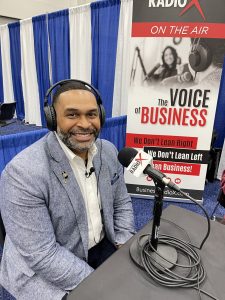
Chris Stewart, ATL Restoration

March 23, 2023 by John Ray

Chris Stewart, ATL Restoration
North Fulton Business Radio
Chris Stewart, ATL Restoration
Loading
00:00 /
RSS Feed
Share
Link
Embed

Download file

Chris Stewart, ATL Restoration

Chris Stewart, ATL Restoration (North Fulton Business Radio, Episode 624)

Chris Stewart, Vice President of ATL Restoration, joined host John Ray on this edition of North Fulton Business Radio. Chris shared his journey, his service with the Marines Corps in Afghanistan, the work of ATL Restoration, helping clients at an extremely vulnerable time, how the company maintains their reputation for quality service, and much more.

North Fulton Business Radio is broadcast from the North Fulton studio of Business RadioX® inside Renasant Bank in Alpharetta.

Chris Stewart, Vice President of Business Development, ATL Restoration

Chris Stewart, Vice President of Business Development, ATL Restoration

At Atlanta Restoration, they use the latest technologies and resources to restore your property in Alpharetta, Atlanta, Cumming, Johns Creek, Roswell, GA, and the surrounding areas. Whether you’re seeking restoration for your home or business, their skilled technicians are armed with the expertise and tools needed to get you back on track. Restoration is just a click away!

Chris Stewart is the Vice President of Business Development at ATL Restoration.

Website | Facebook | Twitter


North Fulton Business Radio is hosted by John Ray and broadcast and produced from the North Fulton studio of Business RadioX® inside Renasant Bank in Alpharetta. You can find the full archive of shows by following this link. The show is available on all the major podcast apps, including Apple Podcasts, Spotify, Google, Amazon, iHeart Radio, Stitcher, TuneIn, and others.

RenasantBank


Renasant Bank has humble roots, starting in 1904 as a $100,000 bank in a Lee County, Mississippi, bakery. Since then, Renasant has grown to become one of the Southeast’s strongest financial institutions with over $13 billion in assets and more than 190 banking, lending, wealth management, and financial services offices in Mississippi, Alabama, Tennessee, Georgia, and Florida. All of Renasant’s success stems from each of their banker’s commitment to investing in their communities as a way of better understanding the people they serve. At Renasant Bank, they understand you because they work and live alongside you every day.

Since 2000, Office Angels® has been restoring joy to the life of small business owners, enabling them to focus on what they do best. At the same time, we honor and support at-home experts who wish to continue working on an as-needed basis. Not a temp firm or a placement service, Office Angels matches a business owner’s support needs with Angels who have the talent and experience necessary to handle work that is essential to creating and maintaining a successful small business. Need help with administrative tasks, bookkeeping, marketing, presentations, workshops, speaking engagements, and more? Visit us at https://officeangels.us/.

Tagged With: ATL Restoration, Business Development, Chris Stewart, fire damage, John Ray, North Fulton Business Radio, North Fulton Radio, Office Angels, renasant bank, restoration, water damage

Time Management and Delegation, with Bill McDermott, Host of ProfitSense

March 22, 2023 by John Ray

Time Management and Delegation, with Bill McDermott, Host of ProfitSense
North Fulton Studio
Time Management and Delegation, with Bill McDermott, Host of ProfitSense
Loading
00:00 /
RSS Feed
Share
Link
Embed

Download file

Time Management and Delegation, with Bill McDermott, Host of <i>ProfitSense</i>

Time Management and Delegation, with Bill McDermott, Host of ProfitSense

In this commentary from a recent episode of ProfitSense, Bill urges CEOs to assign priorities to their to-do lists. He says that if you do this, you will find you are more efficient and effective over time and enjoy a higher quality of life. Bill also makes another vital point:  only do what you can do and delegate the rest.

ProfitSense with Bill McDermott is produced and broadcast by the North Fulton Studio of Business RadioX® in Alpharetta.

Bill’s commentary was taken from this episode of ProfitSense.

About ProfitSense and Your Host, Bill McDermott

Bill McDermott
Bill McDermott

ProfitSense with Bill McDermott dives into the stories behind some of Atlanta’s successful businesses and owners and the professionals that advise them. This show helps local business leaders get the word out about the important work they’re doing to serve their market, their community, and their profession. The show is presented by McDermott Financial Solutions. McDermott Financial helps business owners improve cash flow and profitability, find financing, break through barriers to expansion, and financially prepare to exit their business. The show archive can be found at profitsenseradio.com.

Bill McDermott is the Founder and CEO of McDermott Financial Solutions. When business owners want to increase their profitability, they don’t have the expertise to know where to start or what to do. Bill leverages his knowledge and relationships from 32 years as a banker to identify the hurdles getting in the way and create a plan to deliver profitability they never thought possible.

Bill currently serves as Treasurer for the Atlanta Executive Forum and has held previous positions as a board member for the Kennesaw State University Entrepreneurship Center and Gwinnett Habitat for Humanity and Treasurer for CEO NetWeavers. Bill is a graduate of Wake Forest University and he and his wife, Martha have called Atlanta home for over 40 years. Outside of work, Bill enjoys golf, traveling, and gardening.

Connect with Bill on LinkedIn and Twitter and follow McDermott Financial Solutions on LinkedIn.

Tagged With: Bill McDermott, Delegate, delegating tasks, Delegation, profitability, profitability coach, Profitability Coach Bill McDermott, ProfitSense, ProfitSense with Bill McDermott, task management, time management, time management solutions

Ryan Northington, Simplus

March 22, 2023 by John Ray

Simplus
Executive Perspective
Ryan Northington, Simplus
Loading
00:00 /
RSS Feed
Share
Link
Embed

Download file

Simplus

Ryan Northington, Simplus

Ryan Northington, CEO of Simplus, sat down with Executive Perspective host Danny Vander Maten to talk about the origins and the work of Simplus, his role as a new CEO, the experience of establishing an office in the Philippines, his thoughts on resilience, and more.

Executive Perspective is broadcast from the North Fulton studio of Business RadioX® inside Renasant Bank in Alpharetta.

Simplus

Simplus uses leading cloud solutions to help companies achieve a strategic vision, improve performance, and increase value to your enterprise. Their Innovate and Modernize offerings will help you understand your opportunities, solve your pain points, and successfully achieve digital transformation.

Simplus drives results that matter for modern organizations by accelerating strategic, industry-focused digital transformation in the Salesforce ecosystem, helping them become resilient, live enterprises. Their services include customer experience and program strategy, platform implementation, organizational change management, data and systems integration, business platforms and accelerators, and managed services.

As a global team, they help customers reimagine and simplify their Salesforce journeys with innovative, end-to-end industry solutions to drive a seamless customer experience, operational efficiency, and profitable growth.

Company website | LinkedIn | Facebook | Twitter 

Ryan Northington, CEO, Simplus

Ryan Northington, CEO, Simplus

Ryan Northington is a Senior Executive in the Salesforce space. He started his career in Software and Hardware engineering before pivoting to the Salesforce ecosystem as a Sr. Consultant and Project Manager at Cloud Sherpas. He has run and grown many businesses including new partner referral and resell program as well as several Application Managed Services businesses in the Salesforce ecosystem.

Before Simplus he was a Sr. Manager at Accenture responsible for their global Application Managed Services team responsible for Salesforce, Workday, and ServiceNow. At Simplus he has held positions as the VP of North America Delivery and President of North America responsible for client engagements as well as the North American go-to-market.
Ryan is currently the CEO of Simplus, responsible for North America and Australia/New Zealand.
LinkedIn


About Executive Perspective

Executive Perspective features executives and business leaders from a wide variety of sectors. Host Danny Vander Maten and his guests cover industry trends, insights, challenges, success strategies and lessons learned.  Executive Perspective is underwritten and presented by Cresa. The show series is produced by the North Fulton studio of Business RadioX® and can be found on all the major podcast apps. A complete show archive can be found here.

Danny Vander Maten, Host of Executive Perspective

Danny Vander Maten, Vice President – Tenant Representation, Cresa, and Host of Executive Perspective

Danny joined Cresa in the Spring of 2016 and brought a diverse background with nearly 10 years of experience in finance, business operations, and strategy to his client’s real estate transactions.

At Cresa, Danny’s primary responsibilities include strategic planning, lease analysis, negotiations, and cost mitigation. As a registered Certified Public Accountant with an active license in the state of Georgia, Danny provides unique financial insight into every critical aspect of the transaction.

Cresa is the world’s most trusted occupier-centric commercial real estate firm. They strategize for the best possible results for occupiers everywhere. Cresa thinks beyond space. Partner without conflict. And apply their integrated expertise to make your business better.

Connect with Danny: LinkedIn | Twitter

Connect with Cresa: Website | LinkedIn | Facebook | Instagram | Twitter

Tagged With: CRESA, Danny Vander Maten, Executive Perspective, Ryan Northington, salesforce, Salesforce Integration, Simplus

Karen Cashion, Tech Alpharetta

March 21, 2023 by John Ray

Karen Cashion
Business Beat
Karen Cashion, Tech Alpharetta
Loading
00:00 /
RSS Feed
Share
Link
Embed

Download file

Karen Cashion

Frazier & Deeter’s Business Beat:  Karen Cashion, Tech Alpharetta

Karen Cashion, CEO of Tech Alpharetta, joined host Roger Lusby and his colleague at Frazier & Deeter, Reid Blalock, on this edition of Business Beat. Karen discussed how and why Tech Alpharetta was founded, their work as an incubator for tech startups, their strong graduation rate, available programs and educational opportunities, their dedicated, experienced board, tech trends locally, and much more.

Business Beat is presented by Alpharetta CPA firm Frazier & Deeter and is produced by the North Fulton studio of Business RadioX®

Tech Alpharetta

Tech Alpharetta is an independent, 501c(6) nonprofit organization whose mission is to help grow technology and innovation in Alpharetta. There are nearly 700 tech companies located in the City of Alpharetta today. Tech Alpharetta helps to recruit and retain tech companies, grow new tech startups and innovation, create jobs, and grow the next generation of skilled tech workforce for the many employers in the Alpharetta and north metro region.

Tech Alpharetta also focuses heavily on giving back to the community, through its Women’s Forum, which supports area women in STEAM-related careers and provides STEAM mentoring to high school girls. Tech Alpharetta is partnered with the new, Innovation Academy Fulton County public STEM high school in Alpharetta. Tech Alpharetta, through its Board companies and its Women’s Forum, will be providing mentorship, classroom challenges, and internship opportunities to the school’s students.

Tech Alpharetta helps to effectuate its strategy through its Strategic Board of Directors, by operating a thriving tech startup incubator and its Women’s Forum, and by hosting year-round, locally-based, educational and tech thought leadership events for technology executives.

Company website | LinkedIn | Facebook | Twitter

Karen Cashion, President and CEO, Tech Alpharetta

Karen Cashion, President and CEO, Tech Alpharetta

Karen Cashion is President & CEO of Tech Alpharetta, which was created by the City of Alpharetta in 2012 and is now a 501(c)6 nonprofit organization.

Karen is an attorney with twenty years of experience as a commercial litigator and corporate technology lawyer. Karen began her career at Simpson Thacher & Bartlett in New York City, and in addition to law firm practice, has served as Assistant General Counsel for EarthLink and Legal Counsel, Global Technology for Travelport, LP in Atlanta.

Karen received her J.D. with high honors from Duke University School of Law, where she served as Senior Editor of the Law & Contemporary Problems Journal. Karen received her Bachelor of Arts degree, summa cum laude, from Emory University, where she graduated Phi Beta Kappa.

Karen has served as a Commissioner on the City of Alpharetta’s Planning Commission, is a 2014 graduate of Leadership North Fulton, and is a graduate of the 2015 Georgia Academy for Economic Development. She has also served on the Board of Directors for the North Fulton Bar Association and the Advisory Board for the University of North Georgia’s Center for Entrepreneurship and Innovation. In addition, Karen is a member of the Advisory Board for Vinings Bank.

Karen and her family are longtime residents of the city of Alpharetta.

LinkedIn

Frazier & Deeter

The Alpharetta office of Frazier & Deeter is home to a thriving CPA tax practice, a growing advisory practice and an Employee Benefit Plan Services group. CPAs and advisors in the Frazier & Deeter Alpharetta office serve clients across North Georgia and around the country with services such as personal tax planning, estate planning, business tax planning, business tax compliance, state and local tax planning, financial statement reviews, financial statement audits, employee benefit plan audits, internal audit outsourcing, cyber security, data privacy, SOX and other regulatory compliance, mergers, and acquisitions and more. Alpharetta CPAs serve clients ranging from business owners and executives to large corporations.

Roger Lusby, Partner in Charge of Alpharetta office, Frazier & Deeter
Roger Lusby, Partner in Charge of the Alpharetta office of Frazier & Deeter

Roger Lusby, host of Frazier & Deeter’s Business Beat, is an Alpharetta CPA and Alpharetta Office Managing Partner for Frazier & Deeter. He is also a member of the Tax Department in charge of coordinating tax and accounting services for our clientele. His responsibilities include a review of a variety of tax returns with an emphasis in the individual, estate, and corporate areas. Client assistance is also provided in the areas of financial planning, executive compensation and stock option planning, estate and succession planning, international planning (FBAR, SFOP), health care, real estate, manufacturing, technology, and service companies.

You can find Frazier & Deeter on social media:

LinkedIn | Facebook | Twitter

An episode archive of Frazier & Deeter’s Business Beat can be found here.


Tagged With: Alpharetta, Business Beat, CPa, CPA tax practice, FinTech, Frazier & Deeter's Business Beat, Frazier and Deeter, incubator, Roger Lusby, STEAM, STEAM-focused, tax planning, tech incubators, tech startups

Julian R. Vaca, Author of The Memory Index

March 20, 2023 by John Ray

Julian R. Vaca
North Fulton Studio
Julian R. Vaca, Author of The Memory Index
Loading
00:00 /
RSS Feed
Share
Link
Embed

Download file

Julian R. Vaca

Julian R. Vaca, Author of The Memory Index (Time Well Spent with Julie Hullett, Episode 14)

Julian R. Vaca, author of The Memory Index, was Julie’s guest on this episode of Time Well Spent. Julian shared his unconventional journey to publishing his debut novel, how he spends his days and gets writing done, his favorite spot to write, how he and his family relax, and more.

After the interview, Julie shared a Quick Tip about how to find your own version of balance.

Time Well Spent with Julie Hullett is presented by Julie Hullett Concierge, LLC and produced by the North Fulton studio of Business RadioX®.

Julian R. Vaca, Author of The Memory Index

Julian R. Vaca, author of “The Memory Index”

Julian R. Vaca is a first generation Mexican American and a first-generation college graduate.

He was a staff writer on season three of PBS’s Reconnecting Roots, a nationally broadcast show that drew in millions of viewers over its first two seasons. He is the co-writer of Pencil Test, a feature-length documentary that’s being executive produced by Disney animation legend Tom Bancroft (Earnest Films, 2023).

His writing has appeared in The Nerd Daily, Writer’s Digest, and more. He is a PEN/Faulkner Writers in School author, a member of the SCBWI, and a Hey! Young Writer mentor.

Julian also has an extensive background in acting, earning a principal role in CMT’s  Still the King for two seasons. He also stars as the host of Lifeway’s “Gospel Project for Kids,” and dozens of other projects.

Julian is the Creator Community Manager for Soundstripe, a Nashville-based music tech company that serves tens of thousands of filmmakers worldwide.

The Memory Index  (HarperCollins) is his debut. The sequel, The Recall Paradox, publishes in 2023. Julian is repped by Natalie Kimber of The Rights Factory.

Website | Facebook | Instagram

About Time Well Spent

Time Well Spent with Julie Hullett features stories from busy professionals who have created more time to do what they love. Every other week, your host and personal concierge Julie Hullett speaks with entrepreneurs, community leaders, and influencers to answer the question: What would you do if you had more time?

The show is produced by the North Fulton studio of Business RadioX® and can be found on all the major podcast apps. The complete show archive is here.

Julie Hullett, Host of Time Well Spent with Julie Hullett

Julie Hullet, Host of Time Well Spent with Julie Hullett

Julie Hullett is the host of Time Well Spent with Julie Hullett.

Julie Hullett is a personal concierge and entrepreneur in Nashville, TN. She founded Julie Hullett Concierge, LLC in 2011 to give people their time back so they can do more of what they love. No stranger to big ideas and pursuing passions, Julie left corporate America to create her business. She capitalized on her skills—multi-tasking, attention to detail, and time management, to name a few—to build a successful business that gives back. Her clients enjoy ample free time. They’ve traveled more, spent more time with those they love, and have even created their own businesses.

Connect with Julie:

Website| LinkedIn | Instagram. Sign up to receive her newsletter.

Tagged With: Author, Julian Vaca, Julie Hullett, Julie Hullett Concierge LLC, personal concierge, The Memory Index, Time Well Spent with Julie Hullett, writer

Larry Ryback, Chief Executive Officer, Jim ‘N Nick’s

March 20, 2023 by John Ray

Larry Ryback, Jim 'N Nick's
North Fulton Business Radio
Larry Ryback, Chief Executive Officer, Jim 'N Nick's
Loading
00:00 /
RSS Feed
Share
Link
Embed

Download file

Larry Ryback, Jim 'N Nick's

Larry Ryback, Chief Executive Officer, Jim ‘N Nick’s (North Fulton Business Radio, Episode 623)

On this edition of North Fulton Business Radio, Larry Ryback, CEO of Jim ‘N Nick’s, joined host John Ray to discuss Jim ‘N Nick’s and the growth of the brand, his journey with the company, why community involvement is so important to the growth of the company, the new Alpharetta/Milton location, and much more.

North Fulton Business Radio is broadcast from the North Fulton studio of Business RadioX® inside Renasant Bank in Alpharetta.

Jim ‘N Nick’s

It all began in 1985 in a reclaimed old pizza restaurant on Clairmont Avenue in Birmingham, AL. The formula was simple. Celebrate the heritage of revered bar-b-q masters, cut no corners on the menu, and serve the whole community like family.

That philosophy allowed Jim ‘N Nick’s to create something special. An authentic bar-b-q restaurant with chefs and pitmasters. A nod to their past recipes, with eyes toward the future. Sit-down dining on one hand, and a drive-through on the other. No freezers, no microwaves, and no shortcuts. 12-hour slow-smoked pork and beef, but served real fast. A celebration of Alabama, but a reverence for the bar-b-q tradition across the South.

It’s the kind of place that only happens when you don’t follow the crowd, but instead, follow your heart, trust your gut, and simply do things the hard way.

Today, Jim ‘N Nick’s has become an icon of the bar-b-q community. One bite and you’ll understand why there’s only one Jim ‘N Nick’s.

Website | LinkedIn | Facebook | Instagram | Twitter

Questions and Topics

  • Larry Ryback, CEO, Jim ‘N Nick’s

    Talk about Jim ‘N Nick’s and your journey with the company.

  • Where do you see the restaurant/BBQ industry growing in 2023?
  • What are some trends we should keep an eye out for?
  • Your tagline is “community barbecue”, how important has community involvement been to the company and its growth?
  • Many restaurants speak about “never frozen” food, but Jim ‘N Nick’s restaurants actually have no freezers on site. What are some of the benefits and setbacks you find with this model? Especially when food cost continues to rise.
  • Talk about the Jim ‘N Nick’s that open right here in North Fulton, in Alpharetta, and about your local teams and how you all have worked to make the restaurant a family and a home for your employees.
  • While your brand has that local feel to it, Jim ‘N Nick’s continues to grow. Tell us what we can expect in 2023 from both a business and community perspective.

North Fulton Business Radio is hosted by John Ray and broadcast and produced from the North Fulton studio of Business RadioX® inside Renasant Bank in Alpharetta. You can find the full archive of shows by following this link. The show is available on all the major podcast apps, including Apple Podcasts, Spotify, Google, Amazon, iHeart Radio, Stitcher, TuneIn, and others.

RenasantBank


Renasant Bank has humble roots, starting in 1904 as a $100,000 bank in a Lee County, Mississippi, bakery. Since then, Renasant has grown to become one of the Southeast’s strongest financial institutions with over $13 billion in assets and more than 190 banking, lending, wealth management, and financial services offices in Mississippi, Alabama, Tennessee, Georgia, and Florida. All of Renasant’s success stems from each of their banker’s commitment to investing in their communities as a way of better understanding the people they serve. At Renasant Bank, they understand you because they work and live alongside you every day.

Since 2000, Office Angels® has been restoring joy to the life of small business owners, enabling them to focus on what they do best. At the same time, we honor and support at-home experts who wish to continue working on an as-needed basis. Not a temp firm or a placement service, Office Angels matches a business owner’s support needs with Angels who have the talent and experience necessary to handle work that is essential to creating and maintaining a successful small business. Need help with administrative tasks, bookkeeping, marketing, presentations, workshops, speaking engagements, and more? Visit us at https://officeangels.us/.

Tagged With: BBQ, community, Jim 'N Nick's, John Ray, Larry Ryback, North Fulton Business Radio X, North Fulton Radio, Office Angels, renasant bank

Eric Holtzclaw, Liger Partners, and Maxwell Bentley, Bentley Media

March 17, 2023 by John Ray

Eric Holtzclaw, Liger and Maxwell Bentley, Bentley Media
Family Business Radio
Eric Holtzclaw, Liger Partners, and Maxwell Bentley, Bentley Media
Loading
00:00 /
RSS Feed
Share
Link
Embed

Download file

Eric Holtzclaw, Liger and Maxwell Bentley, Bentley Media

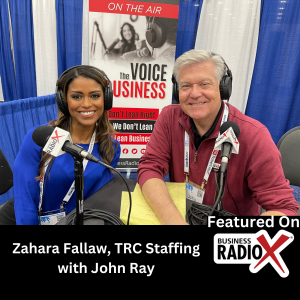
Eric Holtzclaw, Liger Partners, and Maxwell Bentley, Bentley Media (Family Business Radio, Episode 42)

On this episode of Family Business Radio, host Anthony Chen welcomed business leaders Eric Holtzclaw and Maxwell Bentley. Eric Holtzclaw shared Liger’s work in B2B marketing, why most B2B marketing is boring and therefore indistinguishable, how a company’s marketing strategy should be affected by its succession plans, and much more. Maxwell Bentley discussed his early love of video, what inspired him to start his video agency, some of the most powerful case studies for video, and much more. Anthony closed the show with a commentary on being consistent and investing in oneself. 

Family Business Radio is underwritten and brought to you by Anthony Chen with Lighthouse Financial Network.

Liger Partners

Liger Partners is a hybrid marketing firm, the lovechild of a brand strategy consultancy and a production house that offers the full range of content and creative services. Liger will be your entire marketing department or your entire marketing department’s favorite people to work with.

Liger saves the world from boring, broken marketing by putting businesses in brand therapy so they can express their most authentic, memorable selves. They believe a brand’s story, what makes it unique, is what makes it great.

They use this truth to build a solid marketing foundation, and then they’re ready to share a healthy brand with the world. Combining an understanding of the business, the brand, and the current climate, they make relevant, bold work so a brand can really be known.

Website | Facebook | Instagram | LinkedIn | Twitter

Eric Holtzclaw, Partner and Chief Strategist, Liger Partners

Eric Holtzclaw, Partner / Chief Strategist, Liger

Eric V. Holtzclaw is a visionary, “idea guy,” and serial entrepreneur with over 25 years of experience whose tech background and experience founding and scaling businesses led him to be a sought-after expert to Fortune 500, Global 2000, and mid-sized companies for applying the best technology and techniques to support overall marketing goals. Today, Eric is a Co-Founding Partner and Chief Strategist for the full-service marketing firm, Liger, combining his three loves: business, technology, and people.

Holtzclaw has contributed to magazines and online publications and wrote the book “Laddering: Unlocking the Potential of Consumer Behavior.” He’s also a host of The Claw podcast where he interviews business owners and entrepreneurs, allowing them to share their insights and marketing expertise.

Out of all the ideas he’s brought to life, Eric says his daughter is his greatest one.

LinkedIn | Twitter

Bentley Media LLC

Bentley Media is a video marketing agency that produces nonprofit fundraising films and brand marketing videos for clients across the globe. Their “done-with-you” approach has created authentic, powerful videos for clients of all sizes.

Website | Facebook | Twitter | LinkedIn | Instagram 

Maxwell Bentley, Founder and Chief Storyteller, Bentley Media

Maxwell Bentley, Founder & Chief Storyteller, Bentley Media

Maxwell Bentley is a video producer known for launching high-performing video marketing strategies for brands across the globe. He has partnered with Roblox, Hyundai, Quantum Bank, and an extensive clientele of nonprofits and small businesses. He is the Founder & Executive Producer at the Bentley Media Group, a video marketing agency that was named a finalist for Forsyth County Business of the Year in 2018 and 2019. His agency has generated over 100,000,000 trackable video impressions that have translated to millions of dollars in sales revenue for his clients since 2015.

In 2022, he produced a donor appeal film for Meals By Grace, a Georgia nonprofit dedicated to feeding hungry children, that helped raise over $187,000 for the organization. He was subsequently named to the University of North Georgia’s inaugural 20 Under 40 Alumni class. In 2017, he produced a trailer for the Xbox title Super Bomb Survival and served as the lead editor for the Roblox app trailer.

He serves on multiple advisory boards and has partnered with area schools to help prepare rising talent for the demands of the Georgia film and video production industry. He exists to form meaningful relationships where his clients and his staff feel successful.

LinkedIn

Anthony Chen, Host of Family Business Radio

Anthony Chen, Lighthouse Financial, and Host of “Family Business Radio”

This show is sponsored and brought to you by Anthony Chen with Lighthouse Financial Network. Securities and advisory services are offered through Royal Alliance Associates, Inc. (RAA), member FINRA/SIPC. RAA is separately owned and other entities and/or marketing names, products, or services referenced here are independent of RAA. The main office address is 575 Broadhollow Rd. Melville, NY 11747. You can reach Anthony at 631-465-9090 ext 5075 or by email at anthonychen@lfnllc.com.

Anthony Chen started his career in financial services with MetLife in Buffalo, NY in 2008. Born and raised in Elmhurst, Queens, he considers himself a full-blooded New Yorker while now enjoying his Atlanta, GA home. Specializing in family businesses and their owners, Anthony works to protect what is most important to them. From preserving to creating wealth, Anthony partners with CPAs and attorneys to help address all the concerns and help clients achieve their goals. By using a combination of financial products ranging from life, disability, and long-term care insurance to many investment options through Royal Alliance. Anthony looks to be the eyes and ears for his client’s financial foundation. In his spare time, Anthony is an avid long-distance runner.

The complete show archive of “Family Business Radio” can be found at familybusinessradioshow.com.

Tagged With: Anthony Chen, Bentley Media, Bentley Media LLC, digital marketing, Eric Holtzclaw, Family Business, Family Business Radio, financial goals, financial risks, Liger, Lighthouse Financial, Lighthouse Financial Network, marketing, Maxwell Bentley, nonprofit marketing, story-telling, succession planniing, video marketing

Employer Personal Appearance Policies Should Be Reviewed

March 17, 2023 by John Ray

Employer Personal Appearance Policies Should Be Reviewed
Advisory Insights Podcast
Employer Personal Appearance Policies Should Be Reviewed
Loading
00:00 /
RSS Feed
Share
Link
Embed

Download file

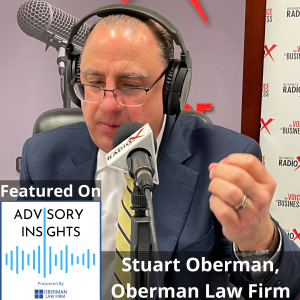
Employer Personal Appearance Policies Should Be Reviewed

Employer Personal Appearance Policies Should Be Reviewed (Advisory Insights Podcast, Episode 35)

On this episode of Advisory Insights, Stuart Oberman of Oberman Law Firm urges employers to review their employee manuals for potentially discriminatory personal appearance policies. He cites the recent CROWN Act as an example of legislation that prohibits discrimination based on hairstyle or hair texture.

Advisory Insights is presented by Oberman Law Firm and produced by the North Fulton studio of Business RadioX®. The series can be found on all the major podcast apps. You can find the complete show archive here.

TRANSCRIPT

Intro: [00:00:01] Broadcasting from the Studios of Business RadioX, it’s time for Advisory Insights. Brought to you by Oberman Law Firm, serving clients nationwide with tailored service and exceptional results. Now, here’s your host.

Stuart Oberman: [00:00:20] And welcome everyone to Advisory Insights. This is Stuart Oberman. And here we go, folks, a little H.R., H.R., H.R. So, we do a substantial amount of employment law in our firm, Oberman Law Firm, and we review on a local, national, regional basis employee manuals.

Stuart Oberman: [00:00:44] So, I don’t ever remember reading an employee manual that did not have some kind of policy in place regarding personal appearance. Now, I want you to stop right there. Before you do anything else today, I want you to take out that policy. I want you to review it. And I want you to take a look at, one, is it discriminatory? Two, if this ever got out in public and it’s on the front page of The New York Times, or three, if this hits social media, would you be embarrassed by your policy? Or does it have a specific job related function?

Stuart Oberman: [00:01:31] So, the reason why I say that is because incidences are constantly hitting our desk, the news regarding potentially discriminatory and really utterly ridiculous policies and procedures that have nothing to do with work, quality of work, but they all relate to personal appearance – personal appearance.

Stuart Oberman: [00:02:01] Now, life is what it is, and everyone has their own personal appearance. Some are not as fortunate as others. Some come from different backgrounds, race, color, creed, sex, origin. Nothing is the same when we deal with appearance. But I want you to look to make sure these policies and procedures are not discriminatory.

Stuart Oberman: [00:02:26] And I want to take one example. So, a published report came out not too long ago regarding a particular company that, essentially, prohibited the hiring of applicants that have missing, broken, or badly discovered teeth, that, in all likelihood, is unrelated to a disability. Now, my question is, why would my employers have that in their employee manual? What could possibly be the reason for that?

Stuart Oberman: [00:03:11] Now, again, things happen, life happens, and people are in bad accidents, and people go through rough times in life. I want you to take a look at whether or not your policies and procedures take those circumstances into account. If a person is in an accident, how do you enforce this? If a person is a great candidate, but for some reason they don’t have that million dollar smile, and they don’t have that Hollywood look, what is your policy on that? Is it written? And first of all, why do you have a policy on that? Do you realize how much trouble that can get an employer in if they have that?

Stuart Oberman: [00:03:56] I don’t want to necessarily spend a whole lot of time on this because, again, we look at so many things regarding this particular issue, but this comes to the forefront of are you reviewing your policies and procedures? One. Two, do you have an appearance policy in your manual? Now, it’s different if you have a policy that says if you have a tattoo covered up, I get that. Is that fine? Absolutely. That’s fine.

Stuart Oberman: [00:04:27] But, you know, you’ve got to take a look at personal appearance in relation to medical, cultural, and religious reasons. Let me go through that. When you review your policy and procedures as far as appearance goes, and personal conduct and appearance, are you accommodating those persons based upon medical, cultural, or religious reasons. And then, we all know what happens to legislation that occurs.

Stuart Oberman: [00:05:05] So, in a recent legislation, the CROWN Act, which was essentially a congressional bill, prohibited discrimination based upon a person’s hair texture or hairstyle, and that style or culture is commonly associated with a particular race or national origin. Now, that failed to pass in 2022. Now, the fact that that even became a bill in Congress is an issue. But what’s happened is, states have taken their own version of that and enacted that.

Stuart Oberman: [00:05:55] So, if you have that particular legislation in your state, you have to look at your policies and procedures and make sure it does not have discrimination based upon medical, cultural or religious reasons. Because if it does, you’re going to have a world of problems going down the road. And, again, do you really want that manual provision to hit social media? Because if it does, it doesn’t come off social media.

Stuart Oberman: [00:06:30] Folks, again, I could spend all day on that topic. But top of mind, again, I want our employers to look at what’s going on in their employee manuals and their H.R. and compliance.

Stuart Oberman: [00:06:41] Folks, Advisory Insights. Thanks for joining us. Stuart Oberman here as your host. If you have any questions, please feel free to give us a call, 770-886-2400 or stuart, S-T-U-A-R-T, @obermanlaw.com. Folks, thanks for joining us. Have a fantastic day.

Outro: [00:07:01] Thank you for joining us on Advisory Insights. This show is brought to you by Oberman Law Firm, a business-centric law firm representing local, regional, and national clients in a wide range of practice areas, including health care, mergers and acquisitions, corporate transactions, and regulatory compliance.

About Advisory Insights Podcast

Presented by Oberman Law Firm, Advisory Insights Podcast covers legal, business, HR, and other topics of vital concern to healthcare practices and other business owners. This show series can be found here as well as on all the major podcast apps.

Stuart Oberman, Oberman Law Firm

Oberman Law Firm

Stuart Oberman is the founder and President of Oberman Law Firm. Mr. Oberman graduated from Urbana University and received his law degree from John Marshall Law School. Mr. Oberman has been practicing law for over 25 years, and before going into private practice, Mr. Oberman was in-house counsel for a Fortune 500 Company. Mr. Oberman is widely regarded as the go-to attorney in the area of Dental Law, which includes DSO formation, corporate business structures, mergers and acquisitions, regulatory compliance, advertising regulations, HIPAA, Compliance, and employment law regulations that affect dental practices.

In addition, Mr. Oberman’s expertise in the healthcare industry includes advising clients in the complex regulatory landscape as it relates to telehealth and telemedicine, including compliance of corporate structures, third-party reimbursement, contract negotiations, technology, health care fraud, and abuse law (Anti-Kickback Statute and the State Law), professional liability risk management, federal and state regulations.

As the long-term care industry evolves, Mr. Oberman has the knowledge and experience to guide clients in the long-term care sector with respect to corporate and regulatory matters, assisted living facilities, continuing care retirement communities (CCRCs). In addition, Mr. Oberman’s practice also focuses on health care facility acquisitions and other changes of ownership, as well as related licensure and Medicare/Medicaid certification matters, CCRC registrations, long-term care/skilled nursing facility management, operating agreements, assisted living licensure matters, and health care joint ventures.

In addition to his expertise in the health care industry, Mr. Oberman has a nationwide practice that focuses on all facets of contractual disputes, including corporate governance, fiduciary duty, trade secrets, unfair competition, covenants not to compete, trademark and copyright infringement, fraud, and deceptive trade practices, and other business-related matters. Mr. Oberman also represents clients throughout the United States in a wide range of practice areas, including mergers & acquisitions, partnership agreements, commercial real estate, entity formation, employment law, commercial leasing, intellectual property, and HIPAA/OSHA compliance.

Mr. Oberman is a national lecturer and has published articles in the U.S. and Canada.

LinkedIn

Oberman Law Firm

Oberman Law Firm has a long history of civic service, noted national, regional, and local clients, and stands among the Southeast’s eminent and fast-growing full-service law firms. Oberman Law Firm’s areas of practice include Business Planning, Commercial & Technology Transactions, Corporate, Employment & Labor, Estate Planning, Health Care, Intellectual Property, Litigation, Privacy & Data Security, and Real Estate.

By meeting their client’s goals and becoming a trusted partner and advocate for our clients, their attorneys are recognized as legal go-getters who provide value-added service. Their attorneys understand that in a rapidly changing legal market, clients have new expectations, constantly evolving choices, and operate in an environment of heightened reputational and commercial risk.

Oberman Law Firm’s strength is its ability to solve complex legal problems by collaborating across borders and practice areas.

Connect with Oberman Law Firm:

Company website | LinkedIn | Twitter

Tagged With: Advisory Insights, Advisory Insights Podcast, CROWN Act, employee discrimination, employee policies, employment law, Oberman Law, Oberman Law Firm, Personal Appearance Policies, Stuart Oberman

What’s Going on with the Banking Industry?, with Christopher Marinac, Director of Research, Janney Montgomery Scott

March 15, 2023 by John Ray

Banking Industry Christopher Marinac
North Fulton Business Radio
What's Going on with the Banking Industry?, with Christopher Marinac, Director of Research, Janney Montgomery Scott
Loading
00:00 /
RSS Feed
Share
Link
Embed

Download file

Banking Industry Christopher Marinac

What’s Going on with the Banking Industry?, with Christopher Marinac, Director of Research, Janney Montgomery Scott (North Fulton Business Radio, Episode 622)

What’s going on in the banking industry? In the aftermath of the Silicon Valley Bank failure and media reports of problems at other banks, veteran analyst and banking industry observer Christopher Marinac joined North Fulton Business Radio host John Ray to offer his seasoned perspective. Chris talked about the circumstances which led to the failure of Silicon Valley Bank, why their failure does not portend critical issues with the regional and community banking sector, why he sees community banks as a safe haven for business owners, what business owners should do right now, and much more.

North Fulton Business Radio is broadcast from the North Fulton studio of Business RadioX® inside Renasant Bank in Alpharetta.

TRANSCRIPT

Intro: [00:00:04] Live from the Business RadioX Studio inside Renasant Bank, the bank that specializes in understanding you, it’s time for North Fulton Business Radio.

John Ray: [00:00:19] And hello again, everyone. Welcome to another edition of North Fulton Business Radio. I’m John Ray. And, folks, we’ve got a special edition today of North Fulton Business Radio. Given what’s going on in the banking industry, I reached out to an old friend of mine, Christopher Marinac. Chris is the Director of Research at Janney Montgomery Scott. Chris has been around for almost three decades covering banks and financial institutions, and he’s pretty much seen it all. So, I can’t think of a better source and a better authority to come in and tell us what’s going on in the banking industry. Chris, welcome.

Christopher Marinac: [00:00:59] Thanks, John. I’m glad to get connected with you today. And it’s fun to talk about all this mess and try to hopefully enlighten folks on trying to hang on and kind of see things for what they are.

John Ray: [00:01:12] Yeah. Well, let’s get right to it. So, seemingly the failure of Silicon Valley Bank started all this mess that we seem to be in. So, talk about what led up to that and what you see as the causes of that.

Christopher Marinac: [00:01:33] So, Silicon Valley Bank had been a special purpose bank for really 30 years in the business of lending and taking deposits with the venture capital community and, really, startup community in Silicon Valley. And over the last two decades, that spread to a practice in Boston, New York, the Southeast, particularly in the Raleigh-Durham Triangle Market, a little bit in Atlanta, but really kind of chasing where the venture capital entrepreneur space startup business is around the country, led by Silicon Valley.

Christopher Marinac: [00:02:06] And they built themselves a very big company. They were primarily a deposit taker of the excess funds and, really, the cash funds that venture capital firms have, equity firms have that are lending to startups. Startups are in business. They may not be making money, but they do have a cash account and they need a bank to work with them. So, this was their special purpose of being.

Christopher Marinac: [00:02:30] The bank did well for a while. And over the years they really had too many deposits and not enough loans, which is not a problem per se. It’s kind of the business model that they were running. But what they were attempting to do is make investments into treasuries the past couple of years with all these excess deposits. And they kind of, to some extent, went further out the yield curve than they necessarily should have and it caught them a little bit in trouble as you talk about mark to market accounting, which was a problem in the last financial crisis for credit reasons. Now, we’re having this for deposit and liquidity reasons.

Christopher Marinac: [00:03:07] So, you know, they have a couple interesting bells and whistles in their business. They bought a company. You remember from the past the Boston Private? That was not their best transaction, but they were trying to support their investment bank that also brought in the capability to manage wealth for their investment banking clients. And so, that was why Boston Private on the cheap in 2021 made sense strategically. That really wasn’t any issue with this. It was just a sidebar that you would know and just part of their growth.

Christopher Marinac: [00:03:37] They primarily had this surge of deposits in 2020, ’21, and early ’22 kind of, not only commensurate, but really twice as fast as the rest of the system. So, by way of background, the deposits in the country grew about 40 percent by the FDIC numbers because of the stimulus that went on in 2020. We had the pandemic. The Fed cut interest rates dramatically. They flooded the system with deposits. That was sort of the answer in addition to PPP loans to try to solve the problem of 2020 and the shutdown.

Christopher Marinac: [00:04:11] So, the deposit system in America was flush with cash, and every bank in the country went up in their DDA or Demand Deposit Accounts, those are zero cost deposits that banks hold. And what you had is that even greater growth. So, if the industry was growing at 40 percent for all banks, Silicon Valley grew anywhere from 80 to 90 to 100 percent, pick a number.

Christopher Marinac: [00:04:35] We’ll call it 100 for simplicity. They just grew at, at least twice, if not two-and-a-half times the industry. Some of that was because of venture capital. Venture capital did really well. You know, not only was the whole cryptocurrency market flying in ’20 and ’21, but you just had venture capital and all the IPOs and the cash that’s associated with that really take off in that era. So, that’s how they had all this excess funding.

Christopher Marinac: [00:05:01] To a layperson, you would think that they were doing an awesome job because they were not taking much credit risk. And generally that’s true. If you read their SEC filings or 10-K filed three weeks ago, you would think that, “Hey, this is a relatively clean bank. It doesn’t have many problem loans or past dues.” And now, in today’s world, we have banks disclosing their classified and criticized loans, which are kind of, you know, rated loans internally that might be a future problem. And even when you look at that bucket of credit risk, it was very low.

Christopher Marinac: [00:05:34] And I think the company was positioned fine on credit. The other side of the balance sheet was really set up to have a bunch of deposits that were structured primarily as DDAs, which, generally speaking, sounds like a great idea, except they were big honkin’ deposits where, in fact, the – sorry for my background noise.

John Ray: [00:05:56] No worries.

Christopher Marinac: [00:05:57] What happens in the DDA world is that, for these type of customers, they were big depositors. So, the statistic that I’ve kind of leaned on this week, which is a simple way of thinking about it, is you can take the FDIC disclosures that every single bank makes no matter how big or how small, and look at the number of accounts and the number of deposits. When you do that, it’s $1.2 million deposits per account at Silicon Valley.

Christopher Marinac: [00:06:26] So, Silicon Valley was 1.2 million. The number at Truist, just to give an example, here in the southeast is about 40,000 or 39 or it’s a very low number. Very granular deposit base at Truist, a retail bank. Sure, Truist does plenty of large commercial banking, but they also have a big commercial network from the old SunTrust, the old BB&T, and that absolutely increases the number of accounts and decreases the deposits per account statistic.

Christopher Marinac: [00:06:56] When you look at other commercial banks, Signature Bank, that also failed, they had $500,000 per account. So, it was a very commercial oriented account that had big deposits. And back to Silicon Valley, that 1.2 million really represented a lot of big firms who, when they start to pull their money, it hurt quickly and fast.

Christopher Marinac: [00:07:19] The old fashioned run on the bank that occurred last Thursday – which we can get into why that happened – it snowballed so fast that the company couldn’t react to it. And it was quickly apparent that they were going to be insolvent. I think the number that the California regulator stated the next day was $42 billion came out on Thursday, the 9th of March. That’s 24 percent of their deposit book.

Christopher Marinac: [00:07:44] So, if we kind of pause at that 24 percent that ran out that one day, this is why that’s relevant. Banks are a leveraged vehicle. They’re leveraged and permitted to be leveraged by the regulators, the FDIC, the Federal Reserve, our state regulators that we have, whether it’s here in Georgia or anywhere in the country. So, you have a dollar of capital typically into $12 of assets. That’s a typical bank set up, levered 12 to 1.

Christopher Marinac: [00:08:12] In the old days, we were levered 20 to 1. In the Bear Stearns days, they were levered 30 to 1. We don’t have that crazy leverage today, but we do have leverage. It’s not 1 to 1. You know, the whole fractional banking system is driven by having this leverage permitted and trying to done in a safe and sound manner. But we did get a ride because you only had so many dollars of capital backing those deposits that left. So, proximately $180 or $190 billion of which $42 million evaporates very quickly. The bank is upside down.

Christopher Marinac: [00:08:47] And to further complicate the matter, the company had 56 percent of its assets in securities. And that was because they had all these excess deposits and they didn’t have many loans, so to offset that, they bought securities.

Christopher Marinac: [00:09:03] And historically, John, banks will take a dollar of deposits and they’ll make some portion of loans, some portion of securities for liquidity purposes, and then cash. And the idea is that you have cash that you can access immediately, securities that have a portion that you can sell quickly, and then another portion that’s kind of more of an investment. And you try to do that within reason as you think through interest rates.

Christopher Marinac: [00:09:29] Nobody’s trying to make a direct bet on interest rates, but you are implied betting on rates as a bank because you’re working off the spread. You’re taking deposits at one level and trying to make loans and make investments at a higher level and make that spread.

Christopher Marinac: [00:09:42] So, what happened with Silicon Valley is they put a bunch of their securities into government bonds, which was perfectly fine from a credit perspective. But just as a reminder for everybody, you have interest rate risk and you have credit risk. So, the credit risk box was checked as doing a really pretty good job, and actually way better than average, in my opinion.

Christopher Marinac: [00:10:05] They did a horrible job on interest rate risk. Because what they basically did is they bought a lot of securities, even though it was government paper and mortgages. They bought things with five and six year durations. And then, some of those were mortgages. And as mortgage rates changed during a rate cycle, like we had last year, what happens is the duration of that extends. So, you have a mortgage pool that you thought was five years, poof, it became seven-and-a-half because interest rates changed.

Christopher Marinac: [00:10:34] And that’s just simple math, because you thought that you would have mortgages stick with you for five years at one rate environment. When rates went up as much as they did, you’re going to hold those mortgages for seven-and-a-half years. It’s not that complicated, but the value of the bond changes a lot. So, they were underwater on their bonds.

Christopher Marinac: [00:10:54] And, effectively, the way that the accounting works, which goes back to the great financial crisis, is, we don’t mark everything to market. We mark some things to market. Not everything. And in the banking world, the regulators sign off on all of this. So, the rules in the banking industry for years and years have been, you have a portfolio of securities that are marked available for sale. Those get treated every 90 days at what the market value is, up or down, in that quarter, at the end of March, end of June, et cetera. And if you have loans held to maturity, those do not get marked. They are not counted against your capital, your earnings, et cetera.

Christopher Marinac: [00:11:32] So, in 2022, most banks had the majority of their securities in available for sale. As it became obvious that rates were going through a very big tightening cycle, because the Fed was very public about it and doing interviews and constant press conferences every time, you knew that they were going to go way above just 50 or 100 basis points. It was going to go a lot. And it has. We went from zero to, you know, 450 or 460 now, and probably going to head to five plus. We’ll see. And we can talk about that, too.

Christopher Marinac: [00:12:05] But, effectively, what you had happen is that the interest or the the value of the bonds changed a lot and it hurt them. And the way that the accounting was, you didn’t have to count that loss. So, the way to go back and think this through is that the regulators knew that there was a big securities book here. They knew that there was a change in interest rates. Values have changed. You know, of the 56 percent of assets at Silicon Valley that were in securities, 44 or 80 percent of their exposure was in held to maturity. They moved everything over to this accounting bucket that did not have to get marked for market.

Christopher Marinac: [00:12:45] Now, it’s okay that that’s the case as long as you understand how much you’re in the hole. And the irony of this is it’s not as if Silicon Valley had lost 50 percent of the value. They lost less than 20. It was just leveraged. It was a lot. And when you had a need for deposits, they could not move fast enough. Even though they did have access to borrowings with the home loan banks, even though they did have some cash, it wasn’t enough.

Christopher Marinac: [00:13:13] It was one of those things where they were a special purpose bank with these big average deposits that are 1.2 million. They didn’t think through the what ifs. And that’s the immediate lesson learned. I think that the scare is the contagion that comes from this. It’s the Signature Bank failing. It’s the memories of the global financial crisis that we lived through in ’08 and ’09 and the mania that surfaced there.

Christopher Marinac: [00:13:40] A lot of which are not really comparable other than the human reaction of, “Oh, my god, my bank’s in trouble. I better pull my funds. I better sell my stock. I don’t know what’s going on. Sell, sell, sell.” And that definitely played out Thursday, Friday, Monday, Tuesday. As we sit here today, we’re still struggling.

Christopher Marinac: [00:14:00] And there’s now European issues that have been around for a decade and are still not dealt with. That’s Credit Suisse. I’m sure Deutsche Bank will come back next. So, you know, for our compliance disclosures, we don’t cover Credit First or Credit Suisse or Deutsche Bank, but they are bellwethers in the industry.

Christopher Marinac: [00:14:20] And as an analyst, you have to pay attention to what they’re doing and saying. And, obviously, there’s fears of those companies struggling and/or needing some type of rescue from the foreign central banks. And we’ll see how that plays out. I’m sure where there’s smoke, there’s fire. That typically is the case. But there’s a lot of misinformation out, too, and we should dig into that. So, I’ll pause there.

John Ray: [00:14:41] Yeah. And that’s one reason why we’re doing this interview, right? So, you can clear all this up for us. And I want to make sure that I sum this up here in terms of what you said. So, this is not an issue with Technology Holdings or anything like that. I mean, I think laypeople see that the big tech stocks have gotten killed over the last 12 months or whatever. And they see all the layoffs and maybe they connect all that. That’s not it.

John Ray: [00:15:14] The issue is simply, it sounds like something of a replay of the SNL crisis back in the ’80s that was really supercharged by this high average deposits. Because you didn’t even have that back in the SNL crisis but you’ve got that here. That’s what it sounds like, a big, big interest rate or duration mismatch.

Christopher Marinac: [00:15:39] Yeah. Exactly.

John Ray: [00:15:41] And then, it sounds like the other thing, too, here, Chris, is the 1.2 million may be a bit understated because if you’ve got all these companies that have deposits at Silicon Valley that have a common venture fund investor that is saying to them you need to get out of this bank, it makes the problem even worse. Right?

Christopher Marinac: [00:16:07] Of course. Absolutely. No question. No question. And I don’t know if we’ll ever know why that happened. To me, it seemed like they were getting stabbed in the back along the same time. Last week was so strange because the company had done investor meetings with several firms, including mine.

Christopher Marinac: [00:16:28] In the month of February, we had a regulator speak at our conference who was very helpful explaining kind of what was happening today from the FDIC’s perspective. That was the first week of February. And, effectively, what was said then and what happened a month or five weeks later was totally different. And that’s the frustrating part. But, unfortunately, that’s what happens sometimes. And, you know, we all have to have our eyes wide open is absolutely a takeaway.

Christopher Marinac: [00:16:57] Silicon Valley Bank said that they didn’t have to sell securities. They had plenty of liquidity. They were going to write it out because, after all, we have treasury bonds and government agency bonds that are money good. We are going to get those back at par. There’s no reason to be concerned about that. They just have a lot of them.

Christopher Marinac: [00:17:15] So, the challenge, I think, is it’s always a concentration issue and a growth rate issue. The deposits grew very quickly, as I mentioned earlier, and then they were concentrated. That’s a lesson learned. And not to get too far ahead of you, John, but I mean, one of the things that I think will happen is all these companies will have a much better information flow about their deposit concentration.

Christopher Marinac: [00:17:38] So, if we take a look at good companies in our backyard, Ameris, United Community, pick any other household, community bank and midsize bank names, they’re going to put a whole new presentation together about what their liquidity looks like in greater detail. But more importantly, what’s our deposits?

Christopher Marinac: [00:17:55] You know, the concept of loans to one borrower has been around in banking as long as I’ve been here 30 plus years. But the deposits to one depositor, no one’s ever heard of that before. And that is going to become a new part of the banking stats that we have to look at. And it’s not complicated. It’s actually pretty simple. How many big depositors do you have?

Christopher Marinac: [00:18:17] And, you know, it’s amazing to me that that granularity wasn’t explored by the regulators, who I do think have blood on their hands on this. I don’t really understand why that was such a foreign concept. We’ve done a lot of work on liquidity and feel really good about liquidity in terms of access in the system. The problem that I think we’ve all learned in real time is you can’t access it fast enough. The Home Loan Bank can give you liquidity relatively quick, but not necessarily in hours.

Christopher Marinac: [00:18:49] You know, my phone is here, being able to use your phone and move money, whether it’s through an app or just contacting your banker, it’s pretty easy to do. I was explaining to someone today, I did a wire a few months ago and I was like, “Wow. That was actually easy.” It was nice because I didn’t want to spend my Friday afternoon dealing with that. And I could do it through emails and a phone call and a couple verifications to make everybody happy from compliance, which was fine. But it really was easy to wire a meaningful sum of money from one account to the other. That’s all I was trying to do.

Christopher Marinac: [00:19:25] And I realized thinking that through, I’m like, “Wow. You could have done that Thursday morning if you were on top of it.” And all those accounts typically had a private banker or a personal contact, and just pick up a scenario, “Hello, Michelle. This is Chris. I’d like to wire $2 million from this to this.” And they do a two way authentication. And generally speaking, that’s probably happened ten times of that account because it’s a normal thing. No problem.

Christopher Marinac: [00:19:53] They just had hundreds of those requests. And as the day went on, the system broke mysteriously. So, some people were not able to get their wires out because the technology broke down that day, which I’m sure was not a coincidence.

John Ray: [00:20:07] Yeah. I’m shocked to hear that.

Christopher Marinac: [00:20:11] I know. I know.

John Ray: [00:20:14] Well, I want to get to the regulators in just a second and dive into that a little bit deeper. But let’s talk about that dark place on Wall Street that people don’t get to until they get to it. And they haven’t gotten to it yet on this one, which is the shorts and those that were short the stock. I know this comes as a shock to people, but some of those news reports you read are planted by those folks because they’re talking their book. That’s the industry term for it. So, talk about the role of the shorts in this failure. And while you’re at it, the Signature Bank failure, too.

Christopher Marinac: [00:21:00] Sure. So, if we go back – and I’m glad you’re asking this because a couple pieces of the story I skipped over are important, which is that, on Wednesday, the 8th, after 4:00 p.m. Eastern, Silicon Valley issued a press release where they said, We are going to raise capital. We are going to restructure our securities portfolio. And these are the terms and this is how it’s going to affect our earnings, et cetera, et cetera.

Christopher Marinac: [00:21:23] Well, investors called BS on that real quick, and what they effectively said was, We met with you in the last three weeks. You told us you weren’t going to do this and now you’re doing this. What did we miss? Did you lie to us? Did you change your mind? Was the heavy hand from Washington telling you to do this? And, of course, I don’t think people got answers. And so, the easiest decision was to sell the stock and say we’re not participating in this preferred and capital common equity race. We don’t care what private equity firm is backing you in the press release. We’re gone.

Christopher Marinac: [00:21:57] And so, you had people selling the stock Thursday night in after market trading, which isn’t always the most liquid market, but it spilled over into a lot of sell orders in the street on Thursday morning. And then, the race was on. The capital race wasn’t happening at any reasonable price. It was going to be materially lower. And then, it was clear that they couldn’t get it done at all. And then, meanwhile, the depositors were running. And that’s literally the implosion of the company.

Christopher Marinac: [00:22:25] So, I’ve never seen it happen that fast. But just like wrecking your car into a concrete wall, it absolutely can happen. I mean, it is a vehicle and you can drive it and do bad things. A bank is leveraged and you can do bad things with it. Even though credit wasn’t the big problem here, it was liquidity and sort of how they were set up.

Christopher Marinac: [00:22:48] And, ironically, we saw the same thing at the Silvergate Bank – again, not covered by Janney – it’s now in liquidation mode. But Silvergate was set up with securities after a parabolic jump in deposits the prior two years. And I didn’t understand that, primarily, because, to me, it would have been easier to park those deposits at the Fed. So, you have the deposits on one side of the balance sheet. On the other side, you either put them in cash or securities. And the best way for cash is to put it at the Fed with Fed funds.

Christopher Marinac: [00:23:21] And ironically, you would have been paid zero for the first couple months of ’22, but then you would have got 25 basis points, then another 50, and then another. And then, all of a sudden you would have been at 4 percent. You would have had a nice yield. And you don’t have to mark the Fed to market. So, you wouldn’t have had that mark to market issue. And if you had a liquidity run, you could call the Fed and get the money instantly.

Christopher Marinac: [00:23:42] It would have unwound that bank way better than it did. And to be honest with you, I haven’t seen banks do that in general. Banks were holding more money at the Fed during the pandemic, I think somewhat as a precaution, because the pandemic was so unusual. We hadn’t had one since 1918. And then, from a standpoint of crypto, I think in Signature Bank, to their credit, did this for a long time. They had money at the Fed as the deposits ballooned. So, as the crypto moneys ballooned, they got more deposits at the Fed. That made sense to me.

Christopher Marinac: [00:24:19] Signature didn’t have the same security issue. They had the fraud problem, and we’ll get into that in a second. But if we stick on Silicon Valley for a minute, the issue to me is really that there was a challenge for them to get the money out and then they bought bonds that probably should have been one and two year durations instead of buying things that were five year, including mortgages that extended. It was just bad decision making.

Christopher Marinac: [00:24:48] And, again, there’s nothing wrong with owning mid-range maturities. It’s just the degree that they did it, particularly given that they have all this extra cash and the setup that they have depositors who have big chunky accounts. And, again, the oversight on the company, I just don’t understand why that wasn’t looked at the way it was.

John Ray: [00:25:11] Folks, we’re here chatting with Chris Marinac. Chris is Director of Research at Janney Montgomery Scott. Been around quite a while, almost three decades looking at banks. And he’s helping us kind of sift through all this mess. You said it earlier that blood is on the regulator’s hands, so let’s talk about why that is in your view.

Christopher Marinac: [00:25:37] So, I feel that the regulators, while they are the referee – if you look at any sports match, the referee can sometimes guide you to what you have to do. Think about the NFL. You know, you have to have both feet in the bounds. You have to kick the field goal through the uprights. There’s certain behaviors that you have to do. If we don’t want you spiking the football or doing a dance or hugging the goalpost, we’re going to tell you because we’re going to give you a penalty and we may send you a fine. And all that stuff that goes on in sports.

Christopher Marinac: [00:26:06] I don’t know why the regulators didn’t really pivot with, “Okay. We have a unique environment. The Fed had to flood the system. We want to be careful and cautious with how you manage deposits through this environment because none of us know how quickly they’re going to leave. A lot of people thought that the deposits were going to exit the system quickly after COVID started to go in the rearview mirror last year. And it was very much a measured decline.

Christopher Marinac: [00:26:30] Deposits were only down about 4 or 5 percent as we entered March. And I thought that was actually a win. You grew 40 percent, you only lost five, that’s pretty good. It was definitely going in the system. The Fed wanted the liquidity to get out and eventually get lent to try to spur economic growth. It happened that way in 2008 and ’09 where deposits surged and then those deposits were put back into the system. And you really didn’t see deposits leave. They kind of stimulated growth. It took until 2011 and ’12 to really start getting things going after the crisis but it did stick around.

Christopher Marinac: [00:27:10] And so, I thought that would kind of be what happens. And I’m not sure that we have finished that story yet because I’m not sure deposits have gone anywhere other than just shift houses, and checking accounts, and names of bank branches not necessarily leaving the system. I don’t think money went under mattresses the past five or six days. I think it went to Bank of America. And I think it just unfortunately went to these big banks.

Christopher Marinac: [00:27:35] I mean, the hedge fund trade the last several days has been, move the money from regional banks and midsized smaller banks to the too big to fail banks. And that’s a goofy phrase that, again, serves their purpose because they’re owning those too big to fail banks. They own Bank of America, JP Morgan, Citi, Wells Fargo. They’re trying to kind of goose their own pocketbook. And that was loud and clear over the weekend, “Oh, these banks, we got multiple failures. It’s really bad.” And you know why, because they own stock in those big companies. That’s the unfortunate side.

Christopher Marinac: [00:28:11] I mean, if you’re on television, you’re supposed to disclose this is what I own, this is what I do. And I have to do that with the times I’ve done appearances. I don’t know what happens with these other folks who are constantly on T.V. Well, we’ll keep the names out of it, but you know who they are. And it’s frustrating. It’s unethical. But it’s what happens. And like I said at the beginning, we have to deal with where we are and what we see in front of us and not kid ourselves about that as a result.

John Ray: [00:28:43] Yeah. And that really gets around to just the main street business owner that sees all these headlines, sees this turmoil, sees “industry expert” that’s talking about this bank is going to fail or that sector is bad, what have you. And they’re alarmed. I mean, they’re alarmed about is their loan going to get called because of a bank’s liquidity problem? Are their deposits going to disappear? What counsel would you give the main street business owner?

Christopher Marinac: [00:29:20] Great question. So, first off, I think you want to understand the deposit account insurance rules. So, it’s 250,000 per account. So, if you had $1 million, you can have four accounts to spread around that risk. I think what may be happening – separate from your question, but just so I don’t forget to mention it – you’re going to see that more businesses have two and three deposit accounts. They probably won’t have ten because that’s a complete pain in the neck, but they probably will have two or three. They’re not just going to have one bank account.

Christopher Marinac: [00:29:51] And that’s not a problem per se. That actually could be a good thing. Because I don’t think Bank of America gets all that business. I mean, Bank of America – no disrespect to them – they’re not easy to work with. And it was not simple to deal with those big banks during the PPP saga of 2020 and ’21. And I think that it was very clumsy to deal with those big companies. If they knew you, great. But chances are they didn’t really know you.

Christopher Marinac: [00:30:17] And that’s why community banks exist. I think the community banks actually set up way better than folks understand because their deposits tend to be more small business oriented. They’re lower deposits per account. They have granularity. And, honestly, they’ll probably even have more granularity as a result of this.

Christopher Marinac: [00:30:36] The other thing that I think that businesses can do is, to some extent, understand how you move your money and how you can shift it around. Are you familiar with sending wires and what you can and can’t do? There’s permissions that you need to move money between banks. If you want to move money from Truist to Fifth Third, you can do it, but you have to have stuff pre-approved and set up. And so, you really should have that mapped out. And sometimes it’s just buttons on your app. It’s authority in making sure you have that clarity. But it’s worth the time to make sure you understand how that works.

Christopher Marinac: [00:31:13] I think having backup lines of credit are always useful for times like this that you can draw on. We think that sometimes this mania causes folks to draw their lines of credit, even if it’s just temporary. I think when the numbers come out for this quarter, we’ll see some of that in the numbers. I’m not sure it’ll be dramatic, but it will be incremental. But that’s a business using their line of credit to just have extra cash.

Christopher Marinac: [00:31:38] I mean, we saw that happen in March of 2020 when folks didn’t know what was going on with the pandemic and all the constant conferences that were happening with the health community and people just drew down funds just in case. Some of that’s probably happening.

Christopher Marinac: [00:31:55] But I think having an awareness of your bank and how healthy they are is always good. I think banks are going to continue to talk about that. I feel like this was a special purpose issue that Silicon Valley started. It created a contagion.

Christopher Marinac: [00:32:08] We didn’t talk about Signature, John, but that was one of the first banks really dealing in crypto. There were only three banks doing cryptocurrencies in a major way, the Bank of Philadelphia, Signature Bank, and then Silvergate that technically failed. I mean, they didn’t fail in the sense that Silicon Valley did, but they’re voluntarily changing or becoming a liquidating vehicle to return all the deposits. That was the best exit for them to try to save face.

Christopher Marinac: [00:32:38] But all of those banks, those three banks, really were kind of tied into taking deposits very quickly, trying to offer bank services in the crypto community. But at the end of the day, they invested, I think, kind of a little bit haphazardly with their securities book, particularly in the case of Silvergate that I thought should have had money at the Fed. That would have been an easier play.

John Ray: [00:33:04] So, I guess by definition, there’s just not a lot of special purpose banks around in the grand scheme of things. What you’re describing here is something that is not what is in the headlines, which is this is a corner of the banking industry that’s having particular issues that do not affect the rest of the industry.

Christopher Marinac: [00:33:29] That’s correct. Exactly. And I think a lot of the hullabaloo that we’ve seen on television and in print about moving to big banks, I don’t really buy that. It could be a short term phenomenon that for the next month or quarter that there is a surge of deposits at Bank of America.

Christopher Marinac: [00:33:47] But here’s the interesting thing, the analysis that we did that we’ve been talking about since last week, on Thursday and Friday, is, when you look at the other banks in the country who also have big securities portfolios, who have big held to maturity portfolios that aren’t marked to market, the next biggest violator is a small bank called Bank of America. Bank of America is the next biggest holder of just a big held of maturity securities. Now, they’ve got more capital than Silicon Valley. They have more liquidity, but they still have the same issue.

Christopher Marinac: [00:34:21] And so, that’s what’s so ironic of people on national television saying you have to go to too big to fail bank. Well, the next one out there has a problem, too. And, again, it’s the same deal, extra deposits, bought government securities, sitting on them and waiting for this to play itself out because those bonds will mature over time. So, it’s just a stink sandwich. And it has definitely hurt the perception of the banking industry. And I think it was unnecessary. But, nonetheless, we’re here. We have to deal with it.

Christopher Marinac: [00:34:54] And I think the best thing for banks to do is really clarify this is who we are, this is what we do. And I think you’re going to see a lot of that in the coming days and weeks (A) to try to get through this deposit air pocket on the worry that is out there, but also (B) to try to set the stage with investors that, “Hey. We’re still in business and running.”

Christopher Marinac: [00:35:15] I think credit will clearly become more constricted as a result of this and it will become most likely a recession before too long. We just have to work through that. I don’t think it has to be that deep. We just have to kind of work through the challenges. And I think to some extent, this is a recession caused by perception because the real world is still out there doing things. It still feels very busy out there. It’s just will probably not be as much loan growth for these banks as a result.

Christopher Marinac: [00:35:45] But time will tell. I’m not that bearish. I just think we have to work through the perception issues here the next couple of weeks. To me, everyday that goes by without another bank failure is a win. I feel like that can happen. The European mess that’s being in the headlines today, that’s to some extent years and years of sweeping under the carpet. A problem that wasn’t dealt with ten years ago, so it’s back. And that’s where the Deutsche Banks and the Credit Suisse have to be somehow dealt with.

Christopher Marinac: [00:36:15] And whether that’s an official rescue or some other lifeline, we’ll see. But that’s the least of our worries at the moment, I think. But it definitely weighs on markets in a short term nature from an equity and bond perspective.

John Ray: [00:36:28] And just so people know, I mean, the average layperson knows, those banks are the European equivalents of Bank of America and Chase in terms of too big to fail. They’re not going to let those banks simply fail.

Christopher Marinac: [00:36:45] That’s right. Exactly. Exactly.

John Ray: [00:36:49] So, talk about what bank stock owners should do right now.

Christopher Marinac: [00:36:56] So, I think bank stock owners should sit tight. I think if you have a chance to add to positions in community banks, I think it’s an excellent time. I view that the industry, because of this air pocket, banana peel, whatever the right phrase is, that you will most likely see banks having paid up more for deposits to keep people happy these last couple of weeks. That will be a little bit of an earnings drag, but not dramatic, but it’ll be a little bit of earnings drag. I think you’ll see less growth. But we were kind of thinking things were going to slow anyways. And to some extent you’re going to see a little bit more credit reserve building, which, again, there’s nothing wrong with that.

Christopher Marinac: [00:37:35] So, I see it as a modest or moderate change to earnings. I don’t feel it’s dramatic. It could be dramatic in a one off company where you really had to defend your deposits in a major way. There’s a couple next door neighbors of Silicon Valley that really have been fighting since Thursday. And so, that could get expensive for them. But I still think that’s a short, intermediate term thing. I don’t think that’s catastrophic for them. But companies are going to have to rethink how they manage that liquidity.

Christopher Marinac: [00:38:03] But your question is, should you have confidence in the community banks? I absolutely do. And I feel like the tenants of community banks as being small business supporters, if anything, this time kind of tests that mettle. Despite everything on T.V., I think a lot of people called their banker and made sure they were doing okay, checked in with what they needed to do, and went about their business.

Christopher Marinac: [00:38:25] And if they decided to add a second account or a third account just as a safety measure, hey, that’s okay. You know, all of us have done things since the pandemic just to be careful. You know, it could be silly things like keeping temperature gauges and extra stuff in the closet. Or it could be like, “Hey, I want to fundamentally be prepared better if something like this happens again.” And so, we could talk all day about that. But I mean, I think that’s how business folks portray.

Christopher Marinac: [00:38:53] You know, I would have told you last week before this happened, the three reasons that banks still exist is because everybody needs an accountant, an attorney, and a banker. They need their advisors to tell them the best course of action. And the smaller the business, the more the need for those advisors.

Christopher Marinac: [00:39:11] And I feel like community banks do a really good job of supporting those small businesses. And if anything, episodes like this really kind of make that even true, because they could pick up the phone and see somebody, they could go in the branch and walk through a problem they have.

Christopher Marinac: [00:39:27] Confidence is a very fleeting thing. If you go into a bank branch and have a question and someone answers your question, it helps you out, you’re going to feel better about your situation, about that relationship. And as that compounds, it really solidifies. This is a time that I think banks will step up and be able to really support and say, “No. We’re not Silicon Valley Bank. We’re totally different here at Bank XYZ. And this is where we can add value to you. What do you need help with?”

Christopher Marinac: [00:39:53] And that’s something that I think is still very much lost by our friendly financial media, the Twitter crowd, et cetera, et cetera. But that’s okay. We’ve had that happen before. It’s not really a surprise. We just have to deal with it and try to set the record straight with the facts, the right data. And that’s what kind of gets me out of bed every day.

John Ray: [00:40:14] Well, and that’s why we turn to guys like you to help sort through all this stuff. And to your point and you referenced the experience with PPP loans, I think that really makes a lot of sense here. It really puts a premium on those banks where a business owner can walk in and talk to somebody with some authority as opposed to the teller of the day and find out what’s going on. And that’s really what you’re referring to, right?

Christopher Marinac: [00:40:45] Absolutely. Absolutely. And one other point that you would appreciate is, we used to see banks giving 80 to 90 percent leverage on deals all the time. In the last 10, 15 years post-financial crisis, that really changed. A lot more 60 percent leverage instead of 80 material difference. Today, you may see people getting 40 percent and 50 percent leverage.

Christopher Marinac: [00:41:08] And so, one of the things that’s been in my mind the last few days is we may still see loans happen. We may have less of them. But they’re going to be really tightly wound loans where you’re borrowing just to help you get a little bit of leverage on your business, on your property not to get the max. If you want to get the max leverage, you can call an equity debt fund who will charge you 12 percent or 13 percent. But a bank is going to probably charge you six or seven in today’s world. And so, that is a material difference.

Christopher Marinac: [00:41:38] And they’re going to ask for a lot of collateral, and that’s going to be a really well underwritten loan. So, the system has better behavior than it once did from a lending perspective. We, obviously, have botched the behavior on the funding side and particularly on having big deposit accounts at Silicon Valley. But, again, I think to your point, which is accurate, it’s a one off situation. We’ve also seen banks kind of realize that maybe having CDs and maturity deposits is a good thing.

Christopher Marinac: [00:42:09] I meant to mention earlier, John, Silicon Valley had almost no CDs. They had no term structure in their funding base. So, if you look at banks over the last 30, 40 years, when you have too much of one thing, it creates an imbalance. And I think the investment community, myself included, are somewhat guilty of thinking that CDs were a four letter word, when really it’s all about balance.

Christopher Marinac: [00:42:31] You know, it’s like mom saying you should never have dessert. That’s probably not right. You just don’t have to have a lot of dessert and eat your vegetables first. And it’s all about balance on your plate.

Christopher Marinac: [00:42:42] So, that’s where I think the industry has definitely missed a beat here. But that can be fixed. That’s a solvable issue. And I still think that the system is in way better shape than we think. And what concerns me a lot is the regulators love to be in power and they’re absolutely flexing their muscles here. I didn’t understand why Signature had to get closed. I think there’s definitely politics there.

Christopher Marinac: [00:43:05] There is a fraud at FGX. It’s going to come out, I think, in the lawsuit that goes on with Sam Bankman-Fried. And I’ll be curious what he knew and why he knew it and who else knew about it. Because it awfully seems mysterious why we had to close Signature Bank. So, it’s probably stating the obvious, but it’s important to kind of put that into the context.

John Ray: [00:43:26] Yeah. Wow. That’s probably a whole nother conversation right there. Wow.

Christopher Marinac: [00:43:31] I’m sure.

John Ray: [00:43:33] But we’ve been talking to you with your phone ringing off the hook, so we probably ought to let you go. Chris Marinac with Janney Montgomery Scott. Chris, thank you so much for taking the time to visit with us and clear all this up for the average business owner out there. We appreciate you and the great work you do. So, thank you.

Christopher Marinac: [00:43:53] No problem, John. Have a great day. And I appreciate the opportunity.

John Ray: [00:43:56] Yeah. Thank you. And, folks, just a quick reminder, if you have administrative tasks, bookkeeping issues, other problems in your back office that are weighing down your business, I’ve got a solution for you. It involves picking up the phone and calling Chief Executive Angel Essie Escobedo at Office Angels. Her number is 770-442-9246 or go to officeangels.us.

John Ray: [00:44:26] And what you’ll find is that Office Angels has a team of angels. Yes, they’re angels. I know that personally because I use their services. They fly in and get the job done and they fly out. And they work on an ongoing or as needed basis. So, if you’re needing talent and experience that is necessary to apply to your back office to create and maintain your business, give Office Angels a call. And I think you’ll be glad you did and let them know that we sent you.

John Ray: [00:44:58] So, for my guest, Chris Marinac, I’m John Ray. Join us next time here on North Fulton Business Radio.

Janney Montgomery Scott

Janney Montgomery Scott LLC is a leading financial services firm dedicated to putting client needs first. They are committed to providing the best in financial and investment advice to help our clients toward their personal or business goals. They focus on building strong client relationships, supported by a foundation of trust and performance.

Janney provides advice to individual, corporate and institutional clients. Their expertise includes guidance about asset management, corporate and public finance, equity and fixed income investing, equity research, institutional equity and fixed income sales and trading, investment strategy, financial planning, mergers and acquisitions, public and private capital raising, portfolio management, retirement and income planning, and wealth management. Janney is an independently-operated subsidiary of The Penn Mutual Life Insurance Company and is a member of the Financial Industry Regulatory Authority (FINRA) and Securities Investor Protection Corporation (SIPC). Janney is dedicated to providing financial industry professionals the opportunity to achieve their personal best. They foster a professional, respectful, and team-oriented environment where employees can use their talents to thrive and grow with the firm. Our culture rewards both individual and team success and is the driving force behind our strong, long-lasting client relationships.

Website | LinkedIn | Facebook | Twitter

Christopher Marinac, Director of Research, Janney Montgomery Scott

Christopher Marinac, Director of Research, Janney Montgomery Scott

As Director of Research at Janney Montgomery Scott, Chris Marinac oversees the firm’s Equity Research team, which covers more than 225 companies within the Financials, Healthcare, Infrastructure, and Real Estate sectors. The team aims to provide first class research on companies and the industry at large—which means staying ahead of the curve, understanding investors, and considering how events today will affect the future.

Chris has more than 27 years of financial services and research analysis experience. Prior to joining Janney in 2019, he was Co-Founder and Director of Research at FIG Partners LLC, a premier investment banking and research firm specializing in community banks. At FIG, he established and managed an award-winning Equity Research team that covered more than 150 banks, thrifts, and REITs. Earlier in his career, he spent six years as Managing Director at SunTrust Robinson Humphrey and five years as a Research Analyst at Wachovia Corporation (formerly Interstate/Johnson Lane Inc.).

He has served as a financial expert and resource to global and national media outlets including American Banker, Bloomberg, CNBC, Financial Times, FOX Business, and the Wall Street Journal.

Chris graduated from Kent State University with a Bachelor of Science in Accounting and Finance. He is actively involved with Atlanta Ronald McDonald House Charities Inc., where he is serving his fourth, three-year term as a board member.

LinkedIn | Twitter

Questions and Topics

  • Why did Silicon Valley Bank fail?
  • Is what happened at SVB a preview of other serious issues in the banking industry?
  • To what degree was Silicon Valley Bank a victim of investors shorting the stock?
  • What is the role of regulators in this failure?
  • If I’m a business owner with various deposit accounts and loans outstanding, what should I do?


North Fulton Business Radio is hosted by John Ray and broadcast and produced from the North Fulton studio of Business RadioX® inside Renasant Bank in Alpharetta. You can find the full archive of shows by following this link. The show is available on all the major podcast apps, including Apple Podcasts, Spotify, Google, Amazon, iHeart Radio, Stitcher, TuneIn, and others.

Since 2000, Office Angels® has been restoring joy to the life of small business owners, enabling them to focus on what they do best. At the same time, we honor and support at-home experts who wish to continue working on an as-needed basis. Not a temp firm or a placement service, Office Angels matches a business owner’s support needs with Angels who have the talent and experience necessary to handle work that is essential to creating and maintaining a successful small business. Need help with administrative tasks, bookkeeping, marketing, presentations, workshops, speaking engagements, and more? Visit us at https://officeangels.us/.

Tagged With: banking industry, banking regulators, banks, Christopher Marinac, deposits, janney montgomery scott, John Ray, loans, North Fulton, Office Angels, Silicon Valley Bank

  • « Previous Page
  • 1
  • …
  • 80
  • 81
  • 82
  • 83
  • 84
  • …
  • 275
  • Next Page »

Business RadioX ® Network


Our Most Recent Episode

CONNECT WITH US

  • Email
  • Facebook
  • LinkedIn
  • Twitter
  • YouTube

Our Mission

We help local business leaders get the word out about the important work they’re doing to serve their market, their community, and their profession.

We support and celebrate business by sharing positive business stories that traditional media ignores. Some media leans left. Some media leans right. We lean business.

Sponsor a Show

Build Relationships and Grow Your Business. Click here for more details.

Partner With Us

Discover More Here

Terms and Conditions
Privacy Policy

Connect with us

Want to keep up with the latest in pro-business news across the network? Follow us on social media for the latest stories!
  • Email
  • Facebook
  • Google+
  • LinkedIn
  • Twitter

  • YouTube

Business RadioX® Headquarters
1000 Abernathy Rd. NE
Building 400, Suite L-10
Sandy Springs, GA 30328

© 2026 Business RadioX ® · Rainmaker Platform

BRXStudioCoversLA

Wait! Don’t Miss an Episode of LA Business Radio

BRXStudioCoversDENVER

Wait! Don’t Miss an Episode of Denver Business Radio

BRXStudioCoversPENSACOLA

Wait! Don’t Miss an Episode of Pensacola Business Radio

BRXStudioCoversBIRMINGHAM

Wait! Don’t Miss an Episode of Birmingham Business Radio

BRXStudioCoversTALLAHASSEE

Wait! Don’t Miss an Episode of Tallahassee Business Radio

BRXStudioCoversRALEIGH

Wait! Don’t Miss an Episode of Raleigh Business Radio

BRXStudioCoversRICHMONDNoWhite

Wait! Don’t Miss an Episode of Richmond Business Radio

BRXStudioCoversNASHVILLENoWhite

Wait! Don’t Miss an Episode of Nashville Business Radio

BRXStudioCoversDETROIT

Wait! Don’t Miss an Episode of Detroit Business Radio

BRXStudioCoversSTLOUIS

Wait! Don’t Miss an Episode of St. Louis Business Radio

BRXStudioCoversCOLUMBUS-small

Wait! Don’t Miss an Episode of Columbus Business Radio

Coachthecoach-08-08

Wait! Don’t Miss an Episode of Coach the Coach

BRXStudioCoversBAYAREA

Wait! Don’t Miss an Episode of Bay Area Business Radio

BRXStudioCoversCHICAGO

Wait! Don’t Miss an Episode of Chicago Business Radio

Wait! Don’t Miss an Episode of Atlanta Business Radio