Business RadioX ®

  • Home
  • Business RadioX ® Communities
    • Southeast
      • Alabama
        • Birmingham
      • Florida
        • Orlando
        • Pensacola
        • South Florida
        • Tampa
        • Tallahassee
      • Georgia
        • Atlanta
        • Cherokee
        • Forsyth
        • Greater Perimeter
        • Gwinnett
        • North Fulton
        • North Georgia
        • Northeast Georgia
        • Rome
        • Savannah
      • Louisiana
        • New Orleans
      • North Carolina
        • Charlotte
        • Raleigh
      • Tennessee
        • Chattanooga
        • Nashville
      • Virginia
        • Richmond
    • South Central
      • Arkansas
        • Northwest Arkansas
    • Midwest
      • Illinois
        • Chicago
      • Michigan
        • Detroit
      • Minnesota
        • Minneapolis St. Paul
      • Missouri
        • St. Louis
      • Ohio
        • Cleveland
        • Columbus
        • Dayton
    • Southwest
      • Arizona
        • Phoenix
        • Tucson
        • Valley
      • Texas
        • Austin
        • Dallas
        • Houston
    • West
      • California
        • Bay Area
        • LA
        • Pasadena
      • Colorado
        • Denver
      • Hawaii
        • Oahu
  • FAQs
  • About Us
    • Our Mission
    • Our Audience
    • Why It Works
    • What People Are Saying
    • BRX in the News
  • Resources
    • BRX Pro Tips
    • B2B Marketing: The 4Rs
    • High Velocity Selling Habits
    • Why Most B2B Media Strategies Fail
    • 9 Reasons To Sponsor A Business RadioX ® Show
  • Partner With Us
  • Veteran Business RadioX ®

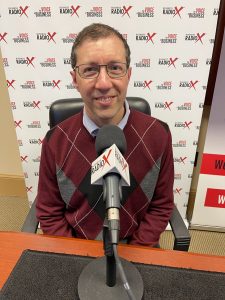
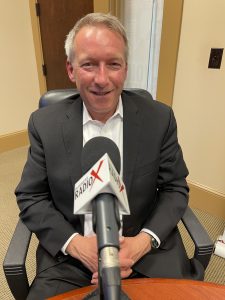
Kimberly DeCarrera, DeCarrera Law

January 30, 2023 by John Ray

Kimberly DeCarrera, DeCarrera Law
North Fulton Business Radio
Kimberly DeCarrera, DeCarrera Law
Loading
00:00 /
RSS Feed
Share
Link
Embed

Download file

Kimberly DeCarrera, DeCarrera Law

Kimberly DeCarrera, DeCarrera Law (North Fulton Business Radio, Episode 604)

If you have questions about the FTC proposed regulation to ban non-compete agreements, this episode is for you. Kimberly DeCarrea, Founder and Principal at DeCarrera Law, joined host John Ray on this episode of North Fulton Business Radio to share how she serves as an Outside General Counsel for her business clients. In addition to her perspective on the FTC proposal, Kimberly shared some steps a business should take in response, as well as different legal trends in 2023, the obligations businesses can have regarding unclaimed property, and much more.

North Fulton Business Radio is produced and broadcast by the North Fulton studio of Business RadioX® inside Renasant Bank in Alpharetta.

DeCarrera Law

You are looking for a strategic partnership in a lawyer. Anyone can read and advise on your contracts. But who will tell you whether this contract is a good idea or not?

DeCarrera Law brings together the disciplines of law and accounting to provide clients with customized plans to reduce risk, resolve historical liabilities, and ultimately to be profitable moving forward.

The intersection of law and accounting provides a unique balance between corporate legal and accounting departments to find solutions that might not otherwise be available to practitioners of only one discipline.

Website | LinkedIn

Kimberly DeCarrera, Outside General Counsel, DeCarrera Law

Kimberly DeCarrera, Outside General Counsel, DeCarrera Law

Kimberly DeCarrera is an attorney serving clients as Outside General Counsel at DeCarrera Law, LLC. As Outside General Counsel, she does everything that an in-house general counsel would do, but on a part-time or fractional basis. By serving multiple clients at once, you get insights from other businesses and best practices from across different industries. It also doesn’t cost as much as a full-time attorney in-house, which is great for new startups and high-growth mid-market companies that don’t have a need for full-time attorneys.

She has worked in-house in logistics and professional services firms. She is a graduate of Georgia State Law and Georgia State Robinson College of Business with a Masters in Tax. She also has a degree in Management from Georgia Tech.

When not practicing law and advising clients, Kimberly is a big Georgia Tech fan and can be found at football, baseball, or basketball games. Often tailgating in an RV. She runs RV Tailgate Life – a travel and sports website. She also recently adopted a rescue beagle named Layla.

LinkedIn | Twitter

Questions and Topics in this Interview

  • Non-competes and FTC proposals
  • Starting and growing businesses in 2023
  • Legal trends in 2023
  • Business processes and procedures
  • Unclaimed property
  • Running blogs/online businesses

North Fulton Business Radio is hosted by John Ray and broadcast and produced from the North Fulton studio of Business RadioX® inside Renasant Bank in Alpharetta. You can find the full archive of shows by following this link. The show is available on all the major podcast apps, including Apple Podcasts, Spotify, Google, Amazon, iHeart Radio, Stitcher, TuneIn, and others.

RenasantBank

Renasant Bank has humble roots, starting in 1904 as a $100,000 bank in a Lee County, Mississippi, bakery. Since then, Renasant has grown to become one of the Southeast’s strongest financial institutions with over $13 billion in assets and more than 190 banking, lending, wealth management and financial services offices in Mississippi, Alabama, Tennessee, Georgia and Florida. All of Renasant’s success stems from each of their banker’s commitment to investing in their communities as a way of better understanding the people they serve. At Renasant Bank, they understand you because they work and live alongside you every day.

Since 2000, Office Angels® has been restoring joy to the life of small business owners, enabling them to focus on what they do best. At the same time, we honor and support at-home experts who wish to continue working on an as-needed basis. Not a temp firm or a placement service, Office Angels matches a business owner’s support needs with Angels who have the talent and experience necessary to handle work that is essential to creating and maintaining a successful small business. Need help with administrative tasks, bookkeeping, marketing, presentations, workshops, speaking engagements, and more? Visit us at https://officeangels.us/.

Tagged With: attorney, DeCarrera Law, General Consel, John Ray, Kimberly DeCarrera, non-compete agreement, North Fulton Business Radio, Office Angels, outside general counsel, renasant bank

Please Don’t Look in the Closet

January 30, 2023 by John Ray

closet
North Fulton Studio
Please Don't Look in the Closet
Loading
00:00 /
RSS Feed
Share
Link
Embed

Download file

closet

Please Don’t Look in the Closet

To be effective in your professional services practice, it’s vital to understand what’s in the “closet” for each of your clients and prospects, and to offer a response free of judgment.

The Price and Value Journey is presented by John Ray and produced by the North Fulton studio of Business RadioX®.

TRANSCRIPT

John Ray: [00:00:00] I’m John Ray on The Price and Value Journey. Have you ever been a guest in someone’s home maybe for a holiday party and asked for the location of the bathroom? Has the response included not only the directions, but a “just don’t look in the closet” response with a chuckle? Well, what your host is thinking at that moment might be a bit more frantic. Please, please, whatever you do, please don’t open that closet door.

John Ray: [00:00:29] Professional services providers, prospects, and clients invariably have a messy closet, if you will. That’s my term for what’s underneath, what the world doesn’t see. That’s particularly true for do it yourselfers that are coming in from out of the cold. It could be they’ve been practicing law without a license, using Google to produce legal agreements, for example. Or that their accounting system of choice involves a Nike shoe box. For coaches, the problem is particularly acute, because getting into the closet, that mess of emotional and mindset baggage a client has been carrying around is the whole point of coaching.

John Ray: [00:01:14] To be effective in your practice, it’s vital to understand where the closets of your clients and prospects are located, and to know what those closets contain. As you engage with a prospect, their closets, if you will, are your competitors. That prospect sitting in front of you has deliberately put themselves in an emotionally vulnerable position. It might have taken them years, literally, to get over the embarrassment and shame they’re feeling such that they are willing to engage an outside provider. The only reason they’ve called you is that the pain emanating from the closet is so bad that they just can’t take it anymore.

John Ray: [00:01:59] Part of your trust equation with that prospect and even after that prospect becomes a client involves giving them comfort that you’re not going to judge. And that no matter how disordered the closet may be, you’ve seen it so many times that it’s not a big deal at all. And these closet exist for our clients, even after they become clients, because they don’t share everything the moment they hire us. There are some things that they just don’t want to get into.

John Ray: [00:02:29] It’s something like what my primary care doctor once told me during an examination. He said, “I’ve seen so many versions of what you’ve got everyday so don’t worry.” What he actually said was a bit more colorful and funny and, therefore, helped me relax. It was a marked contrast with some doctors I visited who acted like they were working on a cadaver. Further, it’s quite likely that the prospect became your client without all the closet doors being opened.

John Ray: [00:03:02] If that client feels safe to share and isn’t worried about judgement, then as the engagement proceeds, they’ll share. And you’ll have the ability to serve them much more effectively, which means deliver more value than you would have otherwise. Our jobs as services professionals is to allow our clients to breathe, relax, and not worry about judgment. If we’re successful in this regard, we’re delivering priceless value.

John Ray: [00:03:33] I’m John Ray on The Price and Value Journey. If you go to pricevaluejourney.com, you can find two things. One is the show archive of this series, as well as a link to get details on a book I have coming out in 2023, The Price Value Journey: Raise Your Confidence, Your Value, and Your Prices to Grow Your Business Using The Generosity Mindset. If you’d like to send me an email, please feel free to do so, john@johnray.co. Thank you for joining me.


About The Price and Value Journey

The title of this show describes the journey all professional services providers are on:  building a services practice by seeking to convince the world of the value we offer, helping clients achieve the outcomes they desire, and trying to do all that at pricing which reflects the value we deliver.

If you feel like you’re working too hard for too little money in your solo or small firm practice, this show is for you. Even if you’re reasonably happy with your practice, you’ll hear ways to improve both your bottom line as well as the mindset you bring to your business.

The show is produced by the North Fulton studio of Business RadioX® and can be found on all the major podcast apps. The complete show archive is here.

John Ray, Host of The Price and Value Journey

John Ray The Price and Value Journey
John Ray, Host of “The Price and Value Journey”

John Ray is the host of The Price and Value Journey.

John owns Ray Business Advisors, a business advisory practice. John’s services include advising solopreneur and small professional services firms on their pricing. John is passionate about the power of pricing for business owners, as changing pricing is the fastest way to change the profitability of a business. His clients are professionals who are selling their “grey matter,” such as attorneys, CPAs, accountants and bookkeepers, consultants, marketing professionals, and other professional services practitioners.

In his other business, John is a Studio Owner, Producer, and Show Host with Business RadioX®, and works with business owners who want to do their own podcast. As a veteran B2B services provider, John’s special sauce is coaching B2B professionals to use a podcast to build relationships in a non-salesy way which translate into revenue.

John is the host of North Fulton Business Radio, Minneapolis-St. Paul Business Radio, Alpharetta Tech Talk, and Business Leaders Radio. house shows which feature a wide range of business leaders and companies. John has hosted and/or produced over 1,700 podcast episodes.

Coming in 2023:  A New Book!

John’s working on a book that will be released in 2023:  The Price and Value Journey: Raise Your Confidence, Your Value, and Your Prices Using The Generosity Mindset. The book covers topics like value and adopting a mindset of value, pricing your services more effectively, proposals, and essential elements of growing your business. For more information or to sign up to receive updates on the book release, go to pricevaluejourney.com.

Connect with John Ray:

Website | LinkedIn | Twitter

Business RadioX®:  LinkedIn | Twitter | Facebook | Instagram

Tagged With: closet, John Ray, Price and Value Journey, pricing, professional services, professional services providers, solopreneurs, value, value pricing

Employer Privacy Laws and What You Need to Know in 2023

January 27, 2023 by John Ray

Employer Privacy Laws What You Need to Know in 2023
Advisory Insights Podcast
Employer Privacy Laws and What You Need to Know in 2023
Loading
00:00 /
RSS Feed
Share
Link
Embed

Download file

Employer Privacy Laws and What You Need to Know in 2023

Employer Privacy Laws and What You Need to Know in 2023 (Advisory Insights Podcast, Episode 28)

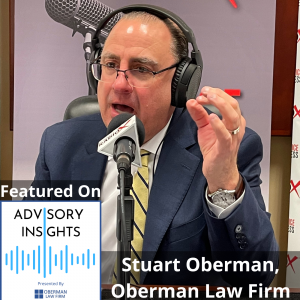
On this episode of Advisory Insights, Stuart Oberman of Oberman Law Firm discussed how new employer privacy laws in New York and California are restricting the use of artificial intelligence and personal data. Stuart advises companies who are using this technology to hire a law firm with experience in this area to help them navigate the new laws and trends.

Advisory Insights is presented by Oberman Law Firm and produced by the North Fulton studio of Business RadioX®. The series can be found on all the major podcast apps. You can find the complete show archive here.

TRANSCRIPT

Intro: [00:00:01] Broadcasting from the studios of Business RadioX, it’s time for Advisory Insights. Brought to you by Oberman Law Firm, serving clients nationwide with tailored service and exceptional results. Now, here’s your host.

Stuart Oberman: [00:00:20] Hello everyone, and welcome to Advisory Insights Podcast. Stuart Oberman here, your host. Well, I want to talk about as we go quickly in 2023, we’ve got two states that are really on the forefront of a lot of issues. And I want to talk about our topic for today, employer privacy laws, what you need to know in 2023.

Stuart Oberman: [00:00:45] So, there’s been a big, big push on two ends of the world, New York and California. And we’re seeing a lot of activity between those two states. But I want to cover just a couple of things as employers and as employees.

Stuart Oberman: [00:00:59] So, as an employer, you have to know what’s going on in those two states, because, I always say, what starts west goes east, what starts up north goes south. So, I want to take a look at, really, what things are going on in those two states. So, we’ve seen a lot of activity of new legislation being enacted, which extends to employers with applicants or workers who reside in New York City or California. So, those are wide ranging areas.

Stuart Oberman: [00:01:36] So, example, the new laws in New York and California regulate the use of artificial intelligence. It has gotten to that yet. For once I think the law has sort of caught up to technology. And, also, they restrict the personal data that goes into effect January 1, 2023.

Stuart Oberman: [00:02:00] So, what does that mean? Artificial intelligence, that means you’ve got to be extremely careful – in plain English – what data you synthesize into your usage, and that includes personal data too. So, example, I want to go a little bit deeper into New York. So, in New York, Local Law 144 – again, I don’t want to get too deep, but I just want to mention this – regulates how companies can use automated employment decision tools.

Stuart Oberman: [00:02:35] Welcome to software, welcome to artificial intelligence, which, essentially, regulates bias audits on the basis of the data that is accumulated by the employer. Folks, that’s deep stuff. That is deep stuff. So then, you got to figure out, one, what data do you receive. Two, what’s personal data, how do you get it. Three, what do you consider artificial intelligence.

Stuart Oberman: [00:03:06] Again, I think the law stepped a little bit ahead of technology without really defining what that is. Because artificial intelligence from the employment standpoint is extremely, extremely new, if you will.

Stuart Oberman: [00:03:20] So, I want to jump into the California legislation. Again, you know, California has some complex laws that are very, very restrictive to California. But what we see is, if you take a look at California and New York, a lot of the laws that are implemented have a piece of that pie from New York or California.

Stuart Oberman: [00:03:44] So, I want to take a look at California’s Consumer Privacy Act of 2018 as it was and has been amended by the California Property Privacy Rights Act, which expands the data privacy laws to cover employees and applicants, also independent contractors and operations between businesses. Folks, let me repeat that. It expands into data privacy laws that cover employees, job applicants, independent contractors, and operations between businesses.

Stuart Oberman: [00:04:32] Now, there are a million things to look at, but, again, I want to keep it very, very simple. So, what we have is we have companies that are using this particular industry knowledge. But each employer has to figure out best practices, especially if you are a national company and you have workers in California, you have workers in New York.

Stuart Oberman: [00:05:01] How do you use the company information where you have data maps to figure out information? Or how do you use it to figure out what’s used, what’s shared? How do you figure out how to handle requests from someone in-house or third party regarding your data that you’ve accumulated? What are your fulfillment obligations and requests as far as human resources go, as far as legal departments go? What are your policies and procedures on that? Do you understand how much data you accumulate? What do you do with it? How do you distribute it? Again, and a question I have, does anyone really know what a bias audit is? How do you define what a bias audit is, which is the basis for these regulatory matters?

Stuart Oberman: [00:05:56] So, here’s what I would do. If you have this technology and you’re utilizing this technology – now, I’m not talking about going on to Google and loading information. This is very specific information – I would strongly recommend, strongly recommend, that companies hire a law firm with explicit, explicit experience in this area. Work together, what tools you’re using, what tools are identified, what data you’re accumulating, what data you’re giving out, what laws are taking effect, how they affect data users to privacy, and what’s the trend, you’ve got to be ahead of the trend.

Stuart Oberman: [00:06:39] So, if something starts in California and New York, you’ve got to be ahead of that. You’ve got to look at what’s coming, because, again, what starts west goes east, what starts north goes south. So, again, look at what you’re collecting. Make decisions on your automated employment practices. Folks, this is an ongoing area. Again, I think the law is a little bit ahead of the data on how to utilize this. So, that’ll just give us one more topic to talk about as we move into 2023 and beyond, I will assure you.

Stuart Oberman: [00:07:16] Folks, thanks for joining us. Advisory Insights, Stuart Oberman here. If you have any questions, please feel free to give us a call, 770-886-2400, or email, stuart, S-T-U-A-R-T, @obermanlaw.com. Folks, have a fantastic day and thanks for joining us.

Outro: [00:07:37] Thank you for joining us on Advisory Insights. This show is brought to you by Oberman Law Firm, a business-centric law firm representing local, regional, and national clients in a wide range of practice areas, including healthcare, mergers and acquisitions, corporate transactions and regulatory compliance.

About Advisory Insights Podcast

Presented by Oberman Law Firm, Advisory Insights Podcast covers legal, business, HR, and other topics of vital concern to healthcare practices and other business owners. This show series can be found here as well as on all the major podcast apps.

Stuart Oberman, Oberman Law Firm

Oberman Law Firm

Stuart Oberman is the founder and President of Oberman Law Firm. Mr. Oberman graduated from Urbana University and received his law degree from John Marshall Law School. Mr. Oberman has been practicing law for over 25 years, and before going into private practice, Mr. Oberman was in-house counsel for a Fortune 500 Company. Mr. Oberman is widely regarded as the go-to attorney in the area of Dental Law, which includes DSO formation, corporate business structures, mergers and acquisitions, regulatory compliance, advertising regulations, HIPAA, Compliance, and employment law regulations that affect dental practices.

In addition, Mr. Oberman’s expertise in the healthcare industry includes advising clients in the complex regulatory landscape as it relates to telehealth and telemedicine, including compliance of corporate structures, third-party reimbursement, contract negotiations, technology, health care fraud, and abuse law (Anti-Kickback Statute and the State Law), professional liability risk management, federal and state regulations.

As the long-term care industry evolves, Mr. Oberman has the knowledge and experience to guide clients in the long-term care sector with respect to corporate and regulatory matters, assisted living facilities, continuing care retirement communities (CCRCs). In addition, Mr. Oberman’s practice also focuses on health care facility acquisitions and other changes of ownership, as well as related licensure and Medicare/Medicaid certification matters, CCRC registrations, long-term care/skilled nursing facility management, operating agreements, assisted living licensure matters, and health care joint ventures.

In addition to his expertise in the health care industry, Mr. Oberman has a nationwide practice that focuses on all facets of contractual disputes, including corporate governance, fiduciary duty, trade secrets, unfair competition, covenants not to compete, trademark and copyright infringement, fraud, and deceptive trade practices, and other business-related matters. Mr. Oberman also represents clients throughout the United States in a wide range of practice areas, including mergers & acquisitions, partnership agreements, commercial real estate, entity formation, employment law, commercial leasing, intellectual property, and HIPAA/OSHA compliance.

Mr. Oberman is a national lecturer and has published articles in the U.S. and Canada.

LinkedIn

Oberman Law Firm

Oberman Law Firm has a long history of civic service, noted national, regional, and local clients, and stands among the Southeast’s eminent and fast-growing full-service law firms. Oberman Law Firm’s areas of practice include Business Planning, Commercial & Technology Transactions, Corporate, Employment & Labor, Estate Planning, Health Care, Intellectual Property, Litigation, Privacy & Data Security, and Real Estate.

By meeting their client’s goals and becoming a trusted partner and advocate for our clients, their attorneys are recognized as legal go-getters who provide value-added service. Their attorneys understand that in a rapidly changing legal market, clients have new expectations, constantly evolving choices, and operate in an environment of heightened reputational and commercial risk.

Oberman Law Firm’s strength is its ability to solve complex legal problems by collaborating across borders and practice areas.

Connect with Oberman Law Firm:

Company website | LinkedIn | Twitter

Tagged With: Advisory Insights, Advisory Insights Podcast, artificial intelligence, employee law, employer privacy, Oberman Law, Oberman Law Firm, personal data, privacy laws, Stuart Oberman

Selling a Digital Kidney

January 27, 2023 by John Ray

Selling a Digital Kidney
North Fulton Studio
Selling a Digital Kidney
Loading
00:00 /
RSS Feed
Share
Link
Embed

Download file

Selling a Digital Kidney

Selling a Digital Kidney

Pricing an online coaching session–or anything else, for that matter–can turn into the equivalent of selling a digital kidney when that pricing exudes whiffs of desperation. Always remember that prices can act as marketing signals.

The Price and Value Journey is presented by John Ray and produced by the North Fulton studio of Business RadioX®.

TRANSCRIPT

John Ray: [00:00:00] Hello. I’m John Ray on The Price and Value Journey. Some time ago, I noticed a solopreneur services provider offering access to their expertise in a live online session. Given the value of what they claim to offer in this session, from my perspective anyway, I would have expected a three-figure price easily. The price, it was $99. It got worse, though. For a limited time, the offer claimed, seats were available for half that price. Well, my perception of the value they were offering collapsed completely.

John Ray: [00:00:40] Why is that? Well, price is an indicator of value in the minds of buyers, particularly in the absence of any other marketing signal. That price can signal quality or is, as in this case, mediocrity. We’ve all made some version of this mistake. I sure have, anyway, early on in my career. We think that cutting prices attracts buyers. When, in fact, it often repels them. When the gap between price and what’s promised is gapingly wide, it often screams too good to be true, or there’s a catch, or something’s not right here.

John Ray: [00:01:21] Most especially if you’re a solopreneur early on in your practice, one of those something is not right signals that you must be very careful to avoid is the whiff of desperation. Looking like you badly need revenue, any revenue, just to stay alive. Even if you didn’t intend it that way, you might be signaling that you’re selling a digital kidney.

John Ray: [00:01:47] Maybe this individual was trying to attract prospects into their funnel. If so, it’s illustrative of how solopreneurs and smaller firms get tripped up by digital marketing whiz bang. When, in fact, all they need to move the needle for their business is a handful of new or deepened relationships which turn into revenue.

John Ray: [00:02:09] This person might have been better off if they’d handled the limitation a little differently. One idea is limiting the number of seats available at that super low price and holding to that limit even after it’s met. Even with that change, though, the negative signals of poor pricing remain.

John Ray: [00:02:31] I’m John Ray on The Price and Value Journey. If you’d like more information on this podcast, a link to our show archive, or also information on a book I have coming out in 2023 – the book is called The Price and Value Journey: Raise Your Confidence, Your Value, and Your Prices to Grow Your Business Using the Generosity Mindset – if you’d like information on any of the above, you can go to pricevaluejourney.com, and you’re also welcome to email me directly, john@johnray.co. Thank you for joining me.


About The Price and Value Journey

The title of this show describes the journey all professional services providers are on:  building a services practice by seeking to convince the world of the value we offer, helping clients achieve the outcomes they desire, and trying to do all that at pricing which reflects the value we deliver.

If you feel like you’re working too hard for too little money in your solo or small firm practice, this show is for you. Even if you’re reasonably happy with your practice, you’ll hear ways to improve both your bottom line as well as the mindset you bring to your business.

The show is produced by the North Fulton studio of Business RadioX® and can be found on all the major podcast apps. The complete show archive is here.

John Ray, Host of The Price and Value Journey

John Ray The Price and Value Journey
John Ray, Host of “The Price and Value Journey”

John Ray is the host of The Price and Value Journey.

John owns Ray Business Advisors, a business advisory practice. John’s services include advising solopreneur and small professional services firms on their pricing. John is passionate about the power of pricing for business owners, as changing pricing is the fastest way to change the profitability of a business. His clients are professionals who are selling their “grey matter,” such as attorneys, CPAs, accountants and bookkeepers, consultants, marketing professionals, and other professional services practitioners.

In his other business, John is a Studio Owner, Producer, and Show Host with Business RadioX®, and works with business owners who want to do their own podcast. As a veteran B2B services provider, John’s special sauce is coaching B2B professionals to use a podcast to build relationships in a non-salesy way which translate into revenue.

John is the host of North Fulton Business Radio, Minneapolis-St. Paul Business Radio, Alpharetta Tech Talk, and Business Leaders Radio. house shows which feature a wide range of business leaders and companies. John has hosted and/or produced over 1,700 podcast episodes.

Coming in 2023:  A New Book!

John’s working on a book that will be released in 2023:  The Price and Value Journey: Raise Your Confidence, Your Value, and Your Prices to Grow Your Business Using The Generosity Mindset. The book covers topics like value and adopting a mindset of value, pricing your services more effectively, proposals, and essential elements of growing your business. For more information or to sign up to receive updates on the book release, go to pricevaluejourney.com.

Connect with John Ray:

Website | LinkedIn | Twitter

Business RadioX®:  LinkedIn | Twitter | Facebook | Instagram

Tagged With: digital, digital marketing course, John Ray, marketing signals, Price and Value Journey, pricing, professional services, professional services providers, Solopreneur, solopreneurs, value, value pricing

Winter Infections

January 26, 2023 by John Ray

Winter Infections
North Fulton Studio
Winter Infections
Loading
00:00 /
RSS Feed
Share
Link
Embed

Download file

Winter Infections

Winter Infections (Episode 83, To Your Health with Dr. Jim Morrow)

Host Dr. Jim Morrow covers a variety of winter infections, including the common cold, bronchitis, pneumonia, and others. He detailed where they occur in the body, advice about when to go to the doctor, sensible measures to avoid getting sick, ways to get better once you’re sick, and much more.

To Your Health is brought to you by Village Medical (formerly Morrow Family Medicine), which brings the care back to healthcare.

About Village Medical (formerly Morrow Family Medicine)

Village Medical, formerly Morrow Family Medicine, is an award-winning, state-of-the-art family practice with offices in Cumming and Milton, Georgia. The practice combines healthcare information technology with old-fashioned care to provide the type of care that many are in search of today. Two physicians, three physician assistants and two nurse practitioners are supported by a knowledgeable and friendly staff to make your visit to Village Medical one that will remind you of the way healthcare should be.  At Village Medical, we like to say we are “bringing the care back to healthcare!”  The practice has been named the “Best of Forsyth” in Family Medicine in all five years of the award, is a three-time consecutive winner of the “Best of North Atlanta” by readers of Appen Media, and the 2019 winner of “Best of Life” in North Fulton County.

Village Medical offers a comprehensive suite of primary care services including preventative care, treatment for illness and injury, and management of chronic conditions such as diabetes, congestive heart failure, chronic obstructive pulmonary disease (COPD) and kidney disease. Atlanta-area patients can learn more about the practice here.

Dr. Jim Morrow, Village Medical, and Host of To Your Health with Dr. Jim Morrow

Covid-19 misconceptionsDr. Jim Morrow is the founder of Morrow Family Medicine. He has been a trailblazer and evangelist in healthcare information technology, was named Physician IT Leader of the Year by HIMSS, a HIMSS Davies Award Winner, the Cumming-Forsyth Chamber of Commerce Steve Bloom Award Winner as Entrepreneur of the Year and he received a Phoenix Award as Community Leader of the Year from the Metro Atlanta Chamber of Commerce.  He is married to Peggie Morrow and together they founded the Forsyth BYOT Benefit, a charity in Forsyth County to support students in need of technology and devices. They have two Goldendoodles, a gaggle of grandchildren and enjoy life on and around Lake Lanier.

Facebook | LinkedIn | Twitter

The complete show archive of To Your Health with Dr. Jim Morrow addresses a wide range of health and wellness topics.

Dr. Morrow’s Show Notes

Winter Infections

What are the symptoms of the common cold?

  • Common cold symptoms may include:
    • Stuffy, runny nose
    • Scratchy, tickly throat
    • Sneezing
    • Watering eyes
    • Low-grade fever
    • Sore throat
    • Mild hacking cough
    • Achy muscles and bones
    • Headache
    • Mild fatigue
    • Chills
    • Watery discharge from nose that thickens and turns yellow or green
  • Colds usually start 2 to 3 days after the virus enters the body and symptoms last from several days to several weeks.
  • Cold symptoms may look like other medical conditions.
    • Always consult your healthcare provider for a diagnosis if your symptoms are severe.
  • A cold and the flu (influenza) are two different illnesses.
    • A cold is relatively harmless and usually clears up by itself, although sometimes it may lead to a secondary infection, such as an ear infection.
    • However, the flu can lead to complications, such as pneumonia and even death.

How is the common cold diagnosed?

  • Most common colds are diagnosed based on reported symptoms.
    • However, cold symptoms may be similar to certain bacterial infections, allergies, and other medical conditions.
    • Always consult your healthcare provider for a diagnosis if your symptoms are severe.

How is the common cold treated?

  • Currently, there is no medicine available to cure or shorten the duration of the common cold.
    • However, the following are some treatments that may help to relieve some symptoms of the cold:
      • Over-the-counter cold medicines, such as decongestants and cough medicine
      • Over-the-counter antihistamines (medicine that helps dry up nasal secretions and suppress coughing)
      • Rest
      • Increased fluid intake
      • Pain relievers for headache or fever
      • Warm, salt water gargling for sore throat
      • Petroleum jelly for raw, chapped skin around the nose and lips
  • Because colds are caused by viruses, antibiotics don’t work.
    • Antibiotics are only effective when given to treat bacterial infections.
  • Do not give aspirin to a child who has fever.
    • Aspirin, when given as treatment for viral illnesses in children, has been associated with Reye syndrome.
    • This is a potentially serious or deadly disorder in children.

What are the complications of the common cold?

  • Colds can lead to secondary infections, including bacterial, middle ear, and sinus infections that may require treatment with antibiotics.
    • If you have a cold along with high fever, sinus pain, significantly swollen glands, or a mucus-producing cough, see your healthcare provider.
    • You may need additional treatment.

Can the common cold be prevented?

  • The best way to avoid catching cold is to wash your hands often and avoid close contact with people who have colds.
    • When around people with colds, do not touch your nose or eyes, because your hands may be contaminated with the virus.
    • If you have a cold, cough and sneeze in facial tissue and dispose of the tissue promptly.
      • Then wash your hands right away.
      • Also clean surfaces with disinfectants that kill viruses can halt the spread of the common cold.
      • Research has shown that rhinoviruses may survive up to 3 hours outside of the nasal lining.

When should I call my healthcare provider?

  • If your symptoms get worse or you have new symptoms, let your healthcare provider know.
  • If your symptoms don’t improve within a few days, call your provider, as you could have another type of infection.

Key points about the common cold

  • A cold is caused by a virus that causes inflammation of the membranes that line the nose and throat.
  • The common cold is very easily spread to others.
    • It’s often spread through airborne droplets that are coughed or sneezed into the air by the sick person.
    • The droplets are then inhaled by another person.
  • Symptoms may include a stuffy, runny nose, scratchy, tickly throat, sneezing, watery eyes and a low-grade fever.
  • Treatment to reduce symptoms includes getting rest and drinking plenty of fluids.
  • Because colds are caused by viruses, treatment with antibiotics won’t work.
  • The best prevention for the common cold is frequent hand washing and avoiding close contact with people who have colds.

What is acute bronchitis?

  • Acute bronchitis is a contagious viral infection that causes inflammation of the bronchial tubes. These are the airways that carry air into your lungs. When these tubes get infected, they swell. Mucus (thick fluid) forms inside them. This narrows the airways, making it harder for you to breathe.
  • There are 2 types of bronchitis: acute and chronic. Chronic bronchitisis long-lasting and can reoccur. It usually is caused by constant irritation, such as from smoking. Acute bronchitis lasts only a short time. Most cases get better in several days, though the cough can last for several weeks.

Symptoms of acute bronchitis

  • The symptoms of acute bronchitis can include:
    • Chest congestion or tightness
    • Cough that brings up clear, yellow, or green mucus
    • Shortness of breath
    • Wheezing
    • Sore throat
    • Fever
    • Chills
    • Body aches
  • Your cough can last for several weeks or more. This happens because the bronchial tubes take a while to heal. A lasting cough may signal another problem, such as asthma or pneumonia.

What causes acute bronchitis?

  • Acute bronchitis is most often caused by a contagious virus. The same viruses that cause colds can cause acute bronchitis. First, the virus affects your nose, sinuses, and throat. Then the infection travels to the lining of the bronchial tubes. As your body fights the virus, swelling occurs and mucus is produced.
  • You can catch a virus from breathing it in or by skin contact. You are at higher risk of catching the virus if you have close contact with someone who has a cold or acute bronchitis.
  • Lesser-known causes of acute bronchitis are:
    • Bacteria or fungal infections.
    • Exposure to irritants, such as smoke, dust, or fumes. You are at greater risk if your bronchial tubes already have damage.
    • GERD (gastroesophageal reflux disease), which causes heartburn. You can get acute bronchitis when stomach acid gets into the bronchial tubes.

How is acute bronchitis diagnosed?

  • Your doctor can confirm acute bronchitis. He or she will do a physical exam and review your symptoms. He or she will listen to your lungs with a stethoscope. Your doctor might order a chest X-ray to look at your lungs. This will help rule out pneumonia.

Can acute bronchitis be prevented or avoided?

  • You can help prevent acute bronchitis by staying healthy and avoiding germs. Wash your hands with soap often to kill any contagious viruses.
  • If you smoke, the best defense against acute bronchitis is to quit. Smoking damages your bronchial tubes and puts you at risk for infection. Smoking also slows down the healing process.
  • Other steps you can take to avoid acute bronchitis include:
  • Wear a mask over your nose and mouth when using lung irritants. These could include paint, paint remover, or varnish.
  • Get a flu shot every year.
  • Ask your doctor if you should get a pneumonia shot, especially if you are over age 60.

Acute bronchitis treatment

  • Most cases of acute bronchitis are caused by a virus. This means that antibiotics won’t help. The infection needs to run its course. It almost always goes away on its own. Home treatment focuses on easing the symptoms:
    • Drink fluids but avoid caffeine and alcohol.
    • Get plenty of rest.
    • Take over-the-counter pain relievers to reduce inflammation, ease pain, and lower your fever. These could include acetaminophen (1 brand name: Tylenol) or ibuprofen (1 brand name: Advil). Never give aspirin to a child. It has been linked to Reye syndrome, which can affect the liver and brain.
    • Increase the humidity in your home or use a humidifier.
    • There are some over-the-counter cough medicines that help break up or loosen mucus. Look for the word “guaifenesin” on the label or ask your pharmacist for a suggestion.
  • Do not hold in a cough that brings up mucus. This type of cough helps clear mucus from your bronchial tubes. If you smoke, you should quit. It will help your bronchial tubes heal faster.
  • Some people who have acute bronchitis need inhaled medicine. You might need this if you are wheezing. It can help open your bronchial tubes and clear out mucus. You usually take it with an inhaler. An inhaler sprays medicine right into your bronchial tubes. Your doctor will decide if this treatment is right for you.
  • If your doctor thinks bacteria have caused your acute bronchitis, he or she may give you antibiotics.

Living with acute bronchitis

  • Most cases of acute bronchitis go away on their own in 7 to 10 days. You should call your doctor if:
  • You continue to wheeze and cough for more than 2 weeks, especially at night when you lie down or when you are active.
  • You continue to cough for more than 2 weeks and have a bad-tasting fluid come up into your mouth. This may mean you have GERD. This is a condition in which stomach acid gets into your esophagus.
  • Your cough produces blood, you feel weak, you have an ongoing high fever, and you are short of breath. These symptoms may mean you have pneumonia.
  • The risk of developing complications from acute bronchitis, such as pneumonia, is greater in some people. These include:
    • Young children
    • The elderly
    • People who have asthma
    • People who have other health issues (such as canceror diabetes)
    • People who haven’t gotten vaccines for flu, pneumonia, or whooping cough

What is pneumonia?

  • Pneumonia is an infection of the lungs. It causes the air sacs (alveoli) of the lungs to get inflamed (irritated and swollen). They may fill up with fluid or pus. This causes a variety of symptoms, which range from mild to severe. Pneumonia is usually caused by bacteria or a virus. It also can be caused by fungi or irritants that you breathe into your lungs. How serious pneumonia is depends on many factors. These include what caused the pneumonia, your age, and your overall health.

Symptoms of pneumonia

  • The symptoms of pneumonia can range from mild to severe. This depends on your risk factors and the type of pneumonia you have. Common symptoms are similar to the symptoms caused by a cold or the flu. They include:
    • cough
    • fever
    • bringing up mucus when you cough
    • difficulty breathing
    • chills
    • chest pain
  • You may also sweat, have a headache, and feel very tired. Some people also experience nausea, vomiting, and diarrhea.
  • If any of these symptoms are severe, call your family doctor. You should also call your doctor if you suddenly start getting worse after having a cold or the flu.

What is walking pneumonia?

  • Walking pneumonia is a mild case of pneumonia. It is often caused by a virus or the mycoplasma pneumoniae bacteria. When you have walking pneumonia, your symptoms may not be as severe or last as long as someone who has a more serious case of pneumonia. You probably won’t need bed rest or to stay in the hospital when you have walking pneumonia.

What causes pneumonia?

  • Bacteria: They are the most common cause of pneumonia in adults. They can cause pneumonia on their own, or after you’ve had a cold or the flu. Bacterial pneumonia usually only affects one area of a lung.
  • Any virus that affects the respiratory tract can cause pneumonia. This includes the flu virus and the virus that causes the common cold. In children under 1 year old, the respiratory syncytial virus (RSV) is the most common cause. Viral pneumonia tends to be mild. It often gets better on its own in 1 to 3 weeks.
  • Some fungal infections can lead to pneumonia, especially in people with weakened immune systems. There are also some fungi that occur in the soil in certain parts of the United States that can lead to pneumonia.
  • You can also get pneumonia through aspiration. This is when you inhale particles into your lungs. These could be food, saliva, liquids, or vomit. It occurs most often after vomiting, and you are not strong enough to cough the particles out. The particles cause irritation, swelling and can get infected. This causes pneumonia.

How is pneumonia diagnosed?

  • Pneumonia can sometimes be hard to diagnose because the symptoms are the same as for a bad cold or flu. If you think it could be pneumonia, you should see your doctor. Your doctor may diagnose pneumonia based on your medical history and the results from a physical exam. He or she will listen to your lungs with a stethoscope. Your doctor may also do some tests, such as a chest X-ray or a blood test. A chest X-ray can show your doctor if you have pneumonia and how widespread the infection is. Blood and mucus tests can help your doctor tell whether bacteria, a virus, or a fungal organism is causing your pneumonia.

Can pneumonia be prevented or avoided?

  • There are many factors that can raise your risk for developing pneumonia. These include:
    • Your age.People older than 65 are at increased risk because the immune system becomes less able to fight off infection as you age. Infants age 2 or younger are also at increased risk because their immune systems haven’t fully developed yet.
    • Your environment.Regularly breathing in dust, chemicals, air pollution, or toxic fumes can damage your lungs. This makes your lungs more vulnerable to infection.
    • Your lifestyle.Habits such as smoking cigarettes or abusing alcohol can increase your risk. Smoking damages the lungs, while alcohol interferes with how your body fights infection.
    • Your immune system.If your immune system is weakened, it’s easier for you to get pneumonia because your body can’t fight off the infection. This could include people who have HIV/AIDS, have had an organ transplant, are receiving chemotherapy, or have long-term steroid use.
    • If you are hospitalized, especially in an ICU.Being in the ICU (intensive care unit) raises your risk of pneumonia. Your risk increases if you are using a ventilator to help you breathe. Ventilators make it hard for you to cough and can trap germs that cause infection in your lungs.
    • If you have recently had major surgery or a serious injury.Recovering from major surgery or injury can make it difficult for you to cough. This is the body’s quickest defense for getting particles out of the lungs. Recovery also typically requires a lot of bed rest. Lying down on your back for an extended period of time can allow fluid or mucus to gather in your lungs. This gives bacteria a place to grow.
  • People who have any of the following conditions are also at increased risk:
    • chronic obstructive pulmonary disease (COPD)
    • asthma
    • heart disease
    • emphysema
    • diabetes
    • sickle cell disease
  • You can help prevent pneumonia by doing the following:
    • Get the flu vaccine each year.People can develop bacterial pneumonia after a case of the flu. You can reduce this risk by getting the yearly flu shot.
    • Get the pneumococcal vaccine.This helps prevent pneumonia caused by pneumococcal bacteria.
    • Practice good hygiene.Wash your hands frequently with soap and water or an alcohol-based hand sanitizer.
    • Don’t smoke.Smoking damages your lungs and makes it harder for your body to defend itself from germs and disease. If you smoke, talk to your family doctor about quitting as soon as possible.
    • Practice a healthy lifestyle.Eat a balanced diet full of fruits and vegetables. Exercise regularly. Get plenty of sleep. These things help your immune system stay strong.
    • Avoid sick people.Being around people who are sick increases your risk of catching what they have.

Is there a vaccine for pneumonia?

  • There isn’t a vaccine for all types of pneumonia, but 2 vaccines are available. These help prevent pneumonia caused by pneumococcal bacteria. The first is recommended for all children younger than 5 years of age. The second is recommended for anyone age 2 or older who is at increased risk for pneumonia. Getting the pneumonia vaccine is especially important if you:
    • Are 65 years of age or older.
    • Have certain chronic conditions, such as asthma, lung disease, diabetes, heart disease, sickle cell disease, or cirrhosis.
    • Have a weakened immune system because of HIV/AIDS, kidney failure, a damaged or removed spleen, a recent organ transplant, or receiving chemotherapy.
    • Have cochlear implants (an electronic device that helps you hear).
  • The pneumococcal vaccines can’t prevent all cases of pneumonia. But they can make it less likely that people who are at risk will experience the severe, and possibly life-threatening, complications of pneumonia.

Pneumonia treatment

  • Treatment for pneumonia depends on several factors. These include what caused your pneumonia, how severe your symptoms are, how healthy you are overall, and your age.
  • For bacterial pneumonia, your doctor will probably prescribe antibiotics. Most of your symptoms should improve within a few days. A cough can last for several weeks. Be sure to follow your doctor’s directions carefully. Take all the antibiotic medicine that your doctor prescribes. If you don’t, some bacteria may stay in your body. This can cause your pneumonia to come back. It can also increase your risk of antibiotic resistance.
  • Antibiotics don’t work to treat viral infections. If you have viral pneumonia, your doctor will likely talk to you about ways to treat your symptoms. Over-the-counter (OTC) medicines are available to lower fever, relieve pain, and ease your cough. However, some coughing is okay because it can help clear your lungs. Be sure to talk to your doctor before you take a cough suppressant.
  • If a fungus is causing your pneumonia, your doctor may prescribe an antifungal medicine.
  • If your case of pneumonia is severe, you may need to be hospitalized. If you are experiencing shortness of breath, you may be given oxygen to help your breathing. You might also receive antibiotics intravenously (through an IV). People who have weakened immune systems, heart disease or lung conditions, and people who were already very sick before developing pneumonia are most likely to be hospitalized. Babies, young children, and adults who are 65 years of age and older are also at increased risk.

What can I do at home to feel better?

  • In addition to taking any antibiotics and/or medicine your doctor prescribes, you should also:
    • Get lots of rest.Rest will help your body fight the infection.
    • Drink plenty of fluids.Fluids will keep you hydrated. They can help loosen the mucus in your lungs. Try water, warm tea, and clear soups.
    • Stop smoking if you smoke and avoid secondhand smoke.Smoke can make your symptoms worse. Smoking also increases your risk of developing pneumonia and other lung problems in the future. You should also avoid lit fireplaces or other areas where the air may not be clean.
    • Stay home from school or work until your symptoms go away.This usually means waiting until your fever breaks and you aren’t coughing up mucus. Ask your doctor when it’s okay for you to return to school or work.
    • Use a cool-mist humidifier or take a warm bath.This will help clear your lungs and make it easier for you to breathe.

Living with pneumonia

  • Your doctor may schedule a follow-up appointment after he or she diagnoses you with pneumonia. At this visit, he or she might take another chest X-ray to make sure the pneumonia infection is clearing up. Keep in mind that chest X-rays can take months to return to normal. However, if your symptoms are not improving, your doctor may decide to try another form of treatment.
  • Although you may be feeling better, it’s important to keep your follow-up appointment. The infection can still be in your lungs even if you’re no longer experiencing symptoms.

When should I see my doctor?

  • Pneumonia can be life-threatening if left untreated, especially for certain at-risk people. You should call your doctor if you have a cough that won’t go away, shortness of breath, chest pain, or a fever. You should also call your doctor if you suddenly begin to feel worse after having a cold or the flu.

What is whooping cough?

  • Whooping cough is a respiratory infection. It is also known as pertussis. Whooping cough is highly contagious and is most harmful to babies.

    Symptoms of whooping cough

  • Whooping cough begins like a cold. Symptoms can start a few days to several weeks after exposure. Early symptoms last 1 to 2 weeks and include:
    • Low fever
    • Mild cough
    • Runny nose
    • Dry or sore throat
    • Apnea (a pause in breathing or shallow breathing, often during sleep)
    • Your cough can get worse over time. Late-stage symptoms include:
    • Coughing fits that end in a “whooping” sound
    • Bursts of coughing that last longer
    • Vomiting after coughing
    • Getting red or blue in the face from coughing
    • Feeling exhausted after coughing
    • Increased coughing at night
    • Worsened apnea
  • Symptoms vary in babies and children, teenagers, and adults. For instance, babies cough less and are more likely to have apnea and turn blue. If you received the vaccine, symptoms will be milder and won’t last as long.

What causes whooping cough?

  • Whooping cough is caused by certain germs, or bacteria. You can get whooping cough if you breathe in these bacteria. It spreads between people when an infected person coughs or sneezes. You also can get it by touching an infected person or surface.

How is whooping cough diagnosed?

  • You should see your doctor if you or someone around you might have whooping cough. Your doctor will review your symptoms and listen to your cough. There are several tests to confirm whooping cough. Your doctor can swab inside your nose and/or throat. A lab will check the swab for whooping cough bacteria. Your doctor also may want to get a blood sample or take a chest X-ray.

Can whooping cough be prevented or avoided?

  • Vaccination is the best way to prevent whooping cough. The pertussis vaccine (DTaP, Tdap) is part of the recommended vaccine schedule for children and adults. Adults should get a pertussis booster every 5-10 years. Pregnant women and those in close contact with babies should be vaccinated. Talk to your doctor to make sure you and your family’s vaccinations are up to date.

Whooping cough treatment

  • Your doctor will most likely prescribe antibiotics. These will relieve your symptoms and kill the bacteria so you aren’t contagious. Infants and babies may need to stay in the hospital. If you have whooping cough, you should avoid contact with others, especially babies.

Living with whooping cough

  • Whooping cough can last anywhere from 1 to 6 weeks. You may continue to cough on and off, even with medicine. Over-the-counter medicines for coughing do not help with whooping cough. You should rest and drink fluids to prevent dehydration. You can try using a cool-mist humidifier or taking a warm bath or shower. These can help clear your lungs and make it easier to breathe. Avoid smoking and areas where the air is not clean. You may need to stay home from work or school. Talk to your doctor about when you can return to your regular schedule.


Tagged With: bronchitis, common cold, coronavirus, COVID-19, Dr. Jim Morrow, flu vaccines, infections, influenza, Morrow Family Medicine, pneumonia, RSV, RSV Vaccine, Village Medical, whooping cough, winter viruses

Bill McDermott, The Profitability Coach and Host of ProfitSense

January 25, 2023 by John Ray

Bill McDermott, The Profitability Coach and Host of ProfitSense
North Fulton Business Radio
Bill McDermott, The Profitability Coach and Host of ProfitSense
Loading
00:00 /
RSS Feed
Share
Link
Embed

Download file

Bill McDermott, The Profitability Coach and Host of ProfitSense

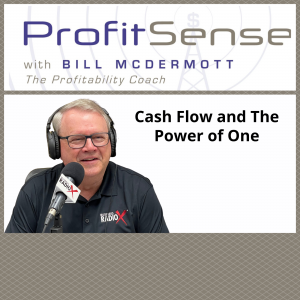
Bill McDermott, The Profitability Coach and Host of ProfitSense (North Fulton Business Radio, Episode 603)

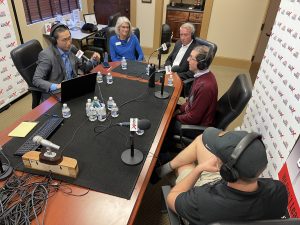
Bill McDermott, Founder and CEO of The Profitability Coach and host of ProfitSense, joined host John Ray on this episode of North Fulton Business Radio. Bill discussed his work as a profitability coach, how one client’s request for help pulled him into exit planning, what differentiates his exit planning advisory services, success stories, and much more.

North Fulton Business Radio is produced and broadcast by the North Fulton studio of Business RadioX® inside Renasant Bank in Alpharetta.

The Profitability Coach

When a business owner imagines the business of their dreams, they want to do everything they can to make it happen. In order to do that, they need to understand the operational side of the business, knowing where the money flows and the potential pitfalls that surface when you want to be all things to all people. It shouldn’t be so hard to have a business that bring in more money than it spends.

The Profitability Coach simplifies complex financial concepts and break them down into easy to understand knowledge.

Website | LinkedIn | Instagram

Bill McDermott, Founder and CEO, The Profitability Coach

Bill McDermott, Founder and CEO, The Profitability Coach

Bill McDermott is the Founder and CEO of The Profitability Coach. When business owners want to increase their profitability, they don’t have the expertise to know where to start or what to do.

Bill leverages his knowledge and relationships from 32 years as a banker to identify the hurdles getting in the way and create a plan to deliver profitability they never thought possible.

Bill currently serves as Treasurer for the Atlanta Executive Forum and has held previous positions as a board member for the Kennesaw State University Entrepreneurship Center and Gwinnett Habitat for Humanity and Treasurer for CEO NetWeavers. Bill is a graduate of Wake Forest University and he and his wife, Martha have called Atlanta home for over 40 years. Outside of work, Bill enjoys golf, traveling, and gardening.

Bill is also the host of ProfitSense, a podcast produced by North Fulton Business RadioX.

LinkedIn | Twitter

Questions and Topics in this Interview

  • How Bill’s practice started after a three decade plus career in banking
  • How he works with businesses as their profitability coach
  • How one client’s request for his help in exit planning pulled him in that direction
  • What Bill’s exit planning services involve and what differentiates him
  • The need for exit planning
  • Success stories

North Fulton Business Radio is hosted by John Ray and broadcast and produced from the North Fulton studio of Business RadioX® inside Renasant Bank in Alpharetta. You can find the full archive of shows by following this link. The show is available on all the major podcast apps, including Apple Podcasts, Spotify, Google, Amazon, iHeart Radio, Stitcher, TuneIn, and others.

RenasantBank

Renasant Bank has humble roots, starting in 1904 as a $100,000 bank in a Lee County, Mississippi, bakery. Since then, Renasant has grown to become one of the Southeast’s strongest financial institutions with over $13 billion in assets and more than 190 banking, lending, wealth management and financial services offices in Mississippi, Alabama, Tennessee, Georgia and Florida. All of Renasant’s success stems from each of their banker’s commitment to investing in their communities as a way of better understanding the people they serve. At Renasant Bank, they understand you because they work and live alongside you every day.

Since 2000, Office Angels® has been restoring joy to the life of small business owners, enabling them to focus on what they do best. At the same time, we honor and support at-home experts who wish to continue working on an as-needed basis. Not a temp firm or a placement service, Office Angels matches a business owner’s support needs with Angels who have the talent and experience necessary to handle work that is essential to creating and maintaining a successful small business. Need help with administrative tasks, bookkeeping, marketing, presentations, workshops, speaking engagements, and more? Visit us at https://officeangels.us/.

Tagged With: Bill McDermott, business transition, exit planning, management transistion, profitability, profitability coach, Profitability Coach Bill McDermott, ProfitSense, ProfitSense with Bill McDermott

GNFCC Year in Review and Leadership Transition:  An Interview with 2022 Chair James Holmes and 2023 Chair Danielle Cheung

January 25, 2023 by John Ray

Danielle Cheung
North Fulton Studio
GNFCC Year in Review and Leadership Transition:  An Interview with 2022 Chair James Holmes and 2023 Chair Danielle Cheung
Loading
00:00 /
RSS Feed
Share
Link
Embed

Download file

Danielle Cheung

GNFCC Year in Review and Leadership Transition:  An Interview with 2022 Chair James Holmes and 2023 Chair Danielle Cheung (GNFCC 400 Insider, Episode 82)

This episode of the GNFCC 400 Insider welcomed Danielle Cheung as the 2023 GNFCC Board Chair and offered gratitude to James Holmes for his service as the 2022 Chair. Along with host Kali Boatright, James and Danielle discussed the Chamber’s achievements for 2022, including the GACOC Award as Georgia Certified Chamber, 2023 goals established from strategic planning in 2022, the Chamber’s growth during the last year, and much more.

The GNFCC 400 Insider is presented by the Greater North Fulton Chamber of Commerce and produced by the North Fulton studio of Business RadioX®.

Danielle Cheung, 2023 GNFCC Chair, and Business Banking Atlanta Metro Market Executive, Bank of America

Danielle Cheung, 2023 GNFCC Chair and Business Banking Atlanta Metro Market Executive, Bank of America

Danielle Cheung is Senior Vice President and Market Executive for Atlanta Metro Business Banking at Bank of America, which focuses on delivering financial solutions to middle market companies. She is accountable for business strategy/execution, sales performance and revenue growth. Danielle was recognized as a national Pinnacle Club winner in 2019 for market sales performance.

Danielle joined Bank of America in 2016 with over two decades of experience in commercial banking at JPMorgan Chase Bank. After completing a formal management training program in credit, she spent sixteen years as a senior relationship manager focused on the non-profit healthcare industry. Danielle also managed new hire training and campus recruiting nationally for commercial banking, after which she relocated from New York to Atlanta to run middle market business development in Georgia and Alabama.

Danielle is a member of Bank of America’s Atlanta Market Leadership team, which focuses on setting business and community engagement strategies across Metro Atlanta. In that capacity, she co-leads efforts around cross line of business client acquisition strategies. Danielle is Executive Sponsor for LEAD for Women, a network dedicated to promoting professional women’s development and has maintained a leadership role in the Business Banking Diversity & Inclusion Council.

Giving back to her community is a priority for Danielle. She currently serves as the Chair of the board of directors of Atlanta Habitat for Humanity and sits on the Board of Directors of the Greater North Fulton Chamber of Commerce (Chair Elect, 2023). Danielle mentors transitioning veterans and their families through American Corporate Partners and assists unemployed parishioners at her church with job search techniques and resume assistance.

Danielle has been heard on local radio and in print discussing the challenges of entrepreneurs and the Bank’s Atlanta market priorities. She was named the 2019 March of Dimes Woman of Distinction for achievement in the financial services sector and received the 2019 and 2020 President’s Volunteer Service Award from Points of Light for her contribution to the community. Danielle is also part of the Leadership Atlanta Class of 2022.

Danielle holds a Bachelor of Business Administration degree in Management Science and Mathematics and a Master of Business Administration degree in Finance from Pace University in New York. She resides in Johns Creek, Georgia with her husband Kamond and their three children (Elizabeth, 20; Gregory, 16; and Zachary, 13)

Company website | LinkedIn

James Holmes, 2022 GNFCC Chair, and SVP & North Fulton Market President, Truist

James Holmes, 2022 GNFCC Chair and SVP & North Fulton Market President, Truist

James Holmes serves as the Market President for Northeast Atlanta encompassing Gwinnett, North Fulton & Forsyth Counties. James is responsible for overseeing the commercial banking team and integration of all other lines of business such as Wealth Management, Institutional Services, Insurance, Retail, & Capital Markets into the Northeast Atlanta Commercial Banking Group.

His focus is helping privately held corporations and non-profits with annual revenues of $5,000,000 – $75,000,000; by aiding them in areas of Capital Formation, Payment Solutions, and Risk Management. James is experienced in real estate transactions, asset-based lending, equipment financing, and leveraged financing transactions.

BB&T and SunTrust formed Truist with a shared purpose—to inspire and build better lives and communities. With our combined resources, collective passion, and commitment to innovation, we’re creating a better financial experience to help people and businesses achieve more. With 275 years of combined BB&T and SunTrust history,

Truist serves approximately 12 million households with leading market share in many high-growth markets in the country. The company offers a wide range of services including retail, small business and commercial banking; asset management; capital markets; commercial real estate; corporate and institutional banking; insurance; mortgage; payments; specialized lending; and wealth management.

Headquartered in Charlotte, North Carolina, Truist is the sixth-largest commercial bank in the U.S.

Company website | LinkedIn

Danielle Cheung

About GNFCC and The GNFCC 400 Insider

Kali Boatright, President and CEO of GNFCC

The GNFCC 400 Insider is presented by the Greater North Fulton Chamber of Commerce (GNFCC) and is hosted by Kali Boatright, President and CEO of GNFCC. The Greater North Fulton Chamber of Commerce is a private, non-profit, member-driven organization comprised of over 1400 business enterprises, civic organizations, educational institutions, and individuals.  Their service area includes Alpharetta, Johns Creek, Milton, Mountain Park, Roswell and Sandy Springs. GNFCC is the leading voice on economic development, business growth and quality of life issues in North Fulton County.

The GNFCC promotes the interests of our members by assuming a leadership role in making North Fulton an excellent place to work, live, play and stay. They provide one voice for all local businesses to influence decision-makers, recommend legislation, and protect the valuable resources that make North Fulton a popular place to live.

For more information on GNFCC and its North Fulton County service area, follow this link or call (770) 993-8806. For more information on other GNFCC events such as this North Fulton Mayors Appreciation Lunch, follow this link.

For the complete show archive of GNFCC 400 Insider, go to GNFCC400Insider.com. The GNFCC 400 Insider is produced by John Ray and the North Fulton studio of Business RadioX®.

Tagged With: 50th anniversary, Bank Of America, chamber of commerce, Danielle Cheung, GNFCC, Greater North Fulton Chamber of Commerce, James Holmes, Kali Boatright, leadership transition, North Fulton, strategic plan, truist bank

The Value of a Smile

January 25, 2023 by John Ray

The Value of a Smile
North Fulton Studio
The Value of a Smile
Loading
00:00 /
RSS Feed
Share
Link
Embed

Download file

The Value of a Smile

The Value of a Smile

The value of a smile is priceless, as revealed by a visit to the orthodontist. It’s a story which reminds us that focusing on client outcomes is what brings smiles to their faces.

The Price and Value Journey is presented by John Ray and produced by the North Fulton studio of Business RadioX®.

TRANSCRIPT

John Ray: [00:00:00] Hello. I’m John Ray on The Price and Value Journey. The value of a smile. The best thing that’s happened to orthodontics in the last several years, I think, is technology which allows the practitioner to give their patient a picture of what their own teeth will look like when the treatment is finished. This technology puts the patient focus not only on the tangible outcome, which is what clients are interested in, but what that outcome will feel like, which is entirely intangible.

John Ray: [00:00:35] I remember vividly when my son as a teenager was sitting in the chair at the orthodontist’s office absorbing the news of how long those braces would be on his teeth. But then, he saw a photo of what his teeth were going to look like once the braces came off. At that point, there was no turning back. He had no hesitation. Not only was the sale made, but if I had been asked, I would have probably been open to accepting a price increase right there on the spot because of the joy I saw in my son’s face.

John Ray: [00:01:13] Are you giving prospects a picture of what their life will look like as you implement their recommendations? Are you having conversations with your clients which remind them in a nice way what a mess they were in before you intervened? Or what junk they don’t have to deal with now because of their engagement with you? Visions of pleasing outcomes bring client smiles, and they also bring better pricing for your work.

John Ray: [00:01:43] I’m John Ray on The Price and Value Journey. News for 2023, I have a book coming out called The Price and Value Journey: Raise Your Confidence, Your Value, and Your Prices to Grow Your Business Using the Generosity Mindset. If you’d like to sign up to receive updates on when the book is released, you can go to pricevaluejourney.com. When you follow that link, you’ll also find information on this podcast, which is also available on all the major podcast apps. If you’d like to email me directly, feel free to do so, john@johnray.co. Thank you for joining me.


About The Price and Value Journey

The title of this show describes the journey all professional services providers are on:  building a services practice by seeking to convince the world of the value we offer, helping clients achieve the outcomes they desire, and trying to do all that at pricing which reflects the value we deliver.

If you feel like you’re working too hard for too little money in your solo or small firm practice, this show is for you. Even if you’re reasonably happy with your practice, you’ll hear ways to improve both your bottom line as well as the mindset you bring to your business.

The show is produced by the North Fulton studio of Business RadioX® and can be found on all the major podcast apps. The complete show archive is here.

John Ray, Host of The Price and Value Journey

John Ray The Price and Value Journey
John Ray, Host of “The Price and Value Journey”

John Ray is the host of The Price and Value Journey.

John owns Ray Business Advisors, a business advisory practice. John’s services include advising solopreneur and small professional services firms on their pricing. John is passionate about the power of pricing for business owners, as changing pricing is the fastest way to change the profitability of a business. His clients are professionals who are selling their “grey matter,” such as attorneys, CPAs, accountants and bookkeepers, consultants, marketing professionals, and other professional services practitioners.

In his other business, John is a Studio Owner, Producer, and Show Host with Business RadioX®, and works with business owners who want to do their own podcast. As a veteran B2B services provider, John’s special sauce is coaching B2B professionals to use a podcast to build relationships in a non-salesy way which translate into revenue.

John is the host of North Fulton Business Radio, Minneapolis-St. Paul Business Radio, Alpharetta Tech Talk, and Business Leaders Radio. house shows which feature a wide range of business leaders and companies. John has hosted and/or produced over 1,700 podcast episodes.

Coming in 2023:  A New Book!

John’s working on a book that will be released in 2023:  The Price and Value Journey: Raise Your Confidence, Your Value, and Your Prices to Grow Your Business Using The Generosity Mindset. The book covers topics like value and adopting a mindset of value, pricing your services more effectively, proposals, and essential elements of growing your business. For more information or to sign up to receive updates on the book release, go to pricevaluejourney.com.

Connect with John Ray:

Website | LinkedIn | Twitter

Business RadioX®:  LinkedIn | Twitter | Facebook | Instagram

Tagged With: client outcomes, John Ray, orthodontics, orthodontist, Price and Value Journey, pricing, professional services, professional services providers, smiles, solopreneurs, value, value pricing

How Wineries Create Value, with Genevieve Rodgers, PEMDAS Winery Solutions

January 24, 2023 by John Ray

PEMDAS Solutions
How to Sell a Business
How Wineries Create Value, with Genevieve Rodgers, PEMDAS Winery Solutions
Loading
00:00 /
RSS Feed
Share
Link
Embed

Download file

PEMDAS Solutions

How Wineries Create Value, with Genevieve Rodgers, PEMDAS Winery Solutions (How To Sell a Business Podcast, Episode 8)

Award-winning winemaker, consultant, engineer, and professed math geek Genevieve Rodgers of PEMDAS Winery Solutions joined host Ed Mysogland on this episode of How To Sell a Business Podcast. Genevieve gave an overview of the major roles in a winery business, the key elements that impact the winery’s success (it’s not just about the wine), how wineries get financing, what questions buyers should be asking, how a winery creates value, risk management, and much more.

How To Sell a Business Podcast is produced and broadcast by the North Fulton Studio of Business RadioX® in Atlanta.

PEMDAS Winery Solutions

PEMDAS Solutions offers winery consulting solutions to meet clients needs. Services include: winery business development, design, winemaking consulting, financial forecasting, winery business education and project management.

With over twenty years of experience in the wine industry, PEMDAS Solutions has the knowledge and experience that helps clients create and grow successful businesses in the wine and spirits industry. PEMDAS has worked with wineries, vineyards, cideries and spirits producers from startups to existing businesses.

Their clients are small (less than 1,000 cases) to mid-size (500,000 cases) and span the globe. If you are looking for someone who has experience working in all aspects of this exciting industry, PEMDAS Solutions can help.

Company website | LinkedIn | Facebook | Instagram | Twitter

Genevieve Rodgers, Owner, PEMDAS Winery Solutions

Genevieve Rodgers, Owner, PEMDAS Winery Solutions

Genevieve Rodgers, owner of PEMDAS Winery Solutions, a winery and business consulting company in the US, has over twenty years of experience in winemaking and start-up winery business consulting. Genevieve brought her engineering and business management background to Sonoma, California in 1997 to help start her family’s winery. She went on to manage the estate vineyard, produce award winning wine and start her own winery before adding winery business consulting to her repertoire.

Genevieve has experience in all aspects of the wine business from vineyard design to sales and marketing and is an award winning winemaker with experience making wines from over a dozen grape varieties. She is fortunate to help people all over the world realize their winery business dreams.

Genevieve holds a Bachelors of Science in Mechanical Engineering from the University of California at Davis, a Masters in Business Administration from Chapman University, California, USA and an advanced, Level 3, Certification in Wine from the Wine & Spirits Education Trust.

LinkedIn

Ed Mysogland, Host of How To Sell a Business Podcast

Ed Mysogland, Host of “How To Sell a Business”

The How To Sell a Business Podcast combines 30 years of exit planning, valuation, and exit execution working with business owners. Ed Mysogland has a mission and vision to help business owners understand the value of their business and what makes it salable. Most of the small business owner’s net worth is locked in the company; to unlock it, a business owner has to sell it. Unfortunately, the odds are against business owners that they won’t be able to sell their companies because they don’t know what creates a saleable asset.

Ed interviews battle-tested experts who help business owners prepare, build, preserve, and one-day transfer value with the sale of the business for maximum value.

How To Sell a Business Podcast is produced virtually from the North Fulton studio of Business RadioX® in Alpharetta.  The show can be found on all the major podcast apps and a full archive can be found here.

Ed is the Managing Partner of Indiana Business Advisors. He guides the development of the organization, its knowledge strategy, and the IBA initiative, which is to continue to be Indiana’s premier business brokerage by bringing investment-banker-caliber of transactional advisory services to small and mid-sized businesses. Over the last 29 years, Ed has been appraising and providing pre-sale consulting services for small and medium-size privately-held businesses as part of the brokerage process. He has worked with entrepreneurs of every pedigree and offers a unique insight into consulting with them toward a successful outcome.

Connect with Ed: LinkedIn | Twitter | Facebook

TRANSCRIPT

Intro: [00:00:00] Business owners likely will have only one shot to sell a business. Most don’t understand what drives value and how buyers look at a business. Until now. Welcome to the How to Sell a Business Podcast, where, every week, we talk to the subject matter experts, advisors, and those around the deal table about how to sell at maximum value. Every business will go to sell one day. It’s only a matter of when. We’re glad you’re here. The podcast starts now.

Ed Mysogland: [00:00:35] On today’s episode, I had the opportunity to visit with Genevieve Rodgers of PEMDAS Winery Solutions. And, boy, I can’t even begin to tell you everything that we learned during her episode. It went a little bit longer and she was so generous with her time. But she’s a winery consultant, and if you just Google her name, you will find that she is everywhere.

Ed Mysogland: [00:01:03] So, she’s an MBA. She’s an engineer by trade. She’s also a Level 3 of the Wine and Spirit Education Trust. She does all kinds of work as far as strategic planning, company or winery positioning. And she was just such a wealth of knowledge. And I guess the reason I really wanted to have her on was, number one, I don’t know anything about wineries. We’ve sold a few in the last, probably, five, ten years, but they were difficult sales.

Ed Mysogland: [00:01:40] And believe it or not, there are a lot of wineries throughout the country, and those business owners, at some point, will want to sell. So, the rough rule of thumb is that it takes one to two years to sell a winery. And I wanted to learn where’s the risk in the winery, how to mitigate that risk, and then how to effectively transfer those businesses. And she did not disappoint. She was, like I said, so generous with her time and such a wealth of knowledge. So, I hope you enjoy my conversation with Genevieve Rodgers of PEMDAS Winery Solutions.

Ed Mysogland: [00:02:22] I’m your host, Ed Mysogland. On this podcast, I interview buyers, sellers, and advisors about what creates value in a business and then how that business is effectively sold at a premium value, because sellers and business owners now understand what creates values in their company. So, on today’s show, you have no idea how excited I am to visit with Genevieve Rodgers from PEMDAS Winery Solutions.

Ed Mysogland: [00:02:53] And I am such a novice at anything wine related. I have a buddy of mine, John Baker, that always makes me look good as far as wine selection. So, I’m fortunate to have somebody in my corner, but now I’m going to get a lot smarter because I got Genevieve. So, Genevieve, welcome to the show.

Genevieve Rodgers: [00:03:14] Thank you, Ed. I am pleased to be here.

Ed Mysogland: [00:03:18] So, tell me about PEMDAS Winery Solutions. I haven’t seen any business named PEMDAS, but I know what it means. So, tell me about it.

Genevieve Rodgers: [00:03:30] Well, that’s why I picked it. And I’m an engineer by my original training and so sort of a math geek. So, when I started this business, I really wanted to help people work through how to start a winery, how to run a winery, how to have a winery in an organized manner. And so, being a math geek, I came to PEMDAS, which is how you, in an organized method, solve a mathematical equation.

Ed Mysogland: [00:04:09] You know what? That makes total sense. That’s a great way to look at how your practice is. I wouldn’t have guessed it, but, you know, I always just figured you were just messing with acronyms. But there was substantially more thought that went into it and that’s awesome.

Genevieve Rodgers: [00:04:28] Probably too much thought, but yes, yes. And it’s interesting to me, there’s people who are in certain groups that see PEMDAS and say, “Oh, I know what that is. Isn’t that math?” And people who look at me and say, “What is that? I have no idea,” which I think is really interesting. But since I like math, it works for me.

Ed Mysogland: [00:04:58] I get it. So, you’re based out of Oregon, right?

Genevieve Rodgers: [00:05:02] Well, that’s where my home is. But my clients are all over the United States and I have some international clients. So, I do a lot of my work from home office, a lot of my work over the internet with clients, things that can be shared electronically. And then, I do winemaking consulting onsite for clients, and so then I travel and I’ll be at the winery.

Ed Mysogland: [00:05:34] Well, awesome. So, I’ll apologize in advance for some of the silly questions that I’m certain I’m going to ask that probably would be rudimentary to folks like you. So, I appreciate the latitude. But the first thing that I guess we should talk about is that there’s differences in wineries. Like you were talking about, case thresholds, there’s the larger operations versus the smaller operations. And I think the people that listen to this podcast are probably more geared to the smaller side because there are some substantial differences, right, other than volume?

Genevieve Rodgers: [00:06:20] There are some really big differences and it’s almost like being in two different industries. And people can think about it in the difference between your local hardware store and Home Depot. And that’s kind of where the winery is. So, you have some really, really big players in the United States and across the world that make millions of cases of wine. But most of the wineries in the world, most of the wineries in the United States, are making less than 5,000 cases of wine annually.

Genevieve Rodgers: [00:06:58] So, what you see in the stores, and if you’re going to grocery stores, you’re seeing primarily the big wineries, really big million cases annually of wineries. And then, you might see some local wineries that are smaller scale. And you might see some wineries that are kind of mid-size that make specific products to specific value that they’re big enough to be picked up through distribution and sold across across the nation.

Genevieve Rodgers: [00:07:35] But the majority of wineries are really fairly small, under 10,000 cases. And wineries that are family-owned, they’re small. So, the cost basis is very, very different and the way they sell wine is very different. Because their cost base is so different than selling through the distribution market, it’s taking their margin and cutting it at least in half. So, that becomes a real boundary for small wineries, is like, when I have a higher cost basis, am I going to be able to sell it at half or just sell it to a distribution? So, it sets up almost two different industries.

Ed Mysogland: [00:08:43] Yeah. So, that explains a little bit about why you see all of these small operations having – what’s the best way to put it? – onsite – I don’t want to say tourism type winery, but it seems as though that is more so why they do it because that’s how they get the distribution as opposed to going through your normal distribution chain, right?

Genevieve Rodgers: [00:09:17] That’s correct. And, really, if you look at the sales distribution for small wineries, and you look at averages, and you look at wineries that are doing well, they should be selling 85 plus percent of their sales directly to the consumer. So, you’re either doing it through your tasting room, you’re doing it through your wine club, you’re doing it through your website. That’s your direct to consumer market.

Genevieve Rodgers: [00:09:53] And for small wineries, like if you’re under 20,000 cases, the vast majority of your sales should be through those markets. So then, you need a tasting room, somewhere where you connect with customers. If you’re a huge winery, there’s not a whole lot of value in that for you.

Ed Mysogland: [00:10:17] I get it. That totally makes sense. One of the things, I guess, can you take me from cradle to grave? So, we start with grapes and then we end with a bottle of wine in the consumer’s hand. I mean, what is the mechanics of all of that from a high level? You don’t have to get too far in the weeds. But I know you work with startups.

Genevieve Rodgers: [00:10:42] I do. I do work for a startups. So, I like to say that there’s three different types of people in a winery. The first type of person is a farmer. So, you’re going to grow grapes. And grapes are a perennial. They’re a lot more like having an orchard than other other types of fruit, because you’ll plant and you’ll plant for the next 25 years. That plant is going to grow for 25 years, if not more. So, it’s a real dedication to the land, to that crop, to those individual plants.

Genevieve Rodgers: [00:11:21] And you want a good winery that has its own grapes. You don’t have to, but a good winery that has its own grapes is growing grapes that work with that climate and those soils, and that produce a wine that customers like. And you have to do all of those things. So, grapes are kind of a weed. They’ll grow anywhere. But what you need is you need a grape that will grow well, that will give you volume and quality in which to make a product that people are going to like at the price point that you need to sell it for. You have to do all of those.

Ed Mysogland: [00:12:06] Can I ask you a question? Can I ask you about the grapes?

Genevieve Rodgers: [00:12:12] Sure.

Ed Mysogland: [00:12:12] So, if I’m a farmer, does the winery owner, if I don’t own the farmland, do I get exclusivity? Is that how it works? Or if I’m a farmer, I’m going to sell it to anybody that needs my grapes?

Genevieve Rodgers: [00:12:34] You know, most wineries have contracts with farmers. It a little bit depends on the area that you’re in and the ability to get grapes. If you’re a farmer and you are growing grapes really well, you should look for contracts that are long term and you build a relationship. And that’s really what a winery wants, too, because the winemaker wants consistency and they want to be able to direct the grape growing practices. And so, for that, you need a relationship.

Ed Mysogland: [00:13:18] So, the winery that contracts with the farmer, they have control over certain aspects of the farming other than just the product?

Genevieve Rodgers: [00:13:33] You know, it’s by contract. And so, everything is a little bit different. Sometimes wineries will have long term contracts, and then it makes sense for those two organizations to work together and farm in a certain manner. And then, wineries will often get to a point where they’ll be growing or where the volume that they’re getting from one farm isn’t enough because of the year, and they buy, basically, on the spot market. And then, you’re just getting whatever someone grew.

Ed Mysogland: [00:14:14] I see. All right. So, first thing you said is three parts. We had farmers. What’s our second part?

Genevieve Rodgers: [00:14:20] The second part is the winemaker. So, the winemaker is this person who has a really high attention to detail, is somewhere between a scientist and an artist. They make the wine. And I like to say, a good winemaker is a little bit OCD. There’s a lot of attention to how the wine is made on a daily, hourly basis. And you want someone who’s really methodical.

Genevieve Rodgers: [00:14:53] And so, that person is going to bridge the two parts. They will direct some of the growing to get the raw product that meets their quality standards and their chemistry that they’re looking for. And then, they work with the sales, which is the third person, to make the wine that’s going to match what’s being sold.

Genevieve Rodgers: [00:15:23] So, the winemaker is going to get the grapes in. They process it through the harvest. You ferment it. There’s different processes during fermentation. And then, you press it and you put it into tanks or barrels to age it, and then you bottle it. And bottling then goes to this third person who is the sales management person.

Ed Mysogland: [00:15:54] Got it. So, on the scientist or the chemist, how hard is it to find somebody that does that? Is that just somebody you hire or is that typically the owner?

Genevieve Rodgers: [00:16:10] Yes. For small wineries, it is typically the owner. And the owner either has that background – and I see a lot of first time owners that have backgrounds in engineering. So, the owner either has that background or they go out and get that.

Ed Mysogland: [00:16:37] How do you get it?

Genevieve Rodgers: [00:16:38] Well, there are programs around the country that teach winemaking to adults who have already graduated. So, Cornell has a program, Penn State has a program, University of California, Davis has a program, San Luis Obispo. There’s a whole bunch of programs around the country where you can take online or in-person classes as a professional already. And you get a certification.

Ed Mysogland: [00:17:12] Finish your thought.

Genevieve Rodgers: [00:17:13] You get a certification in winemaking.

Ed Mysogland: [00:17:17] And that gives you enough knowledge to produce a commercial grade wine, huh? I wouldn’t have known that.

Genevieve Rodgers: [00:17:29] Yeah. And you can go the route. I mean, that’s sort of the route I took. I have an engineering degree. I have an MBA. When my family started a winery, nobody had ever made wine. And so, I took classes. I became the winemaker with my engineering degree and my MBA. And I took classes and I worked with a couple of consultants, and so I was learning. The consultant would say, “Do this today,” and I would go and do that. But then, I was learning at the same time.

Genevieve Rodgers: [00:18:09] So, you can do both. You can do one or the other. It really depends on your temperament and how much work you want to put into it. Because there is a lot that you need to know to make wine well. Or you can hire someone.

Ed Mysogland: [00:18:27] Well, and that’s what I was getting at, is that it seems like the astute wine people in my life, they are always talking about different things about the wine. And so, when we’re talking about chemistry and stuff, I’m sitting here going, “Okay. How do I learn this online in order to be able to produce something in a manner that is attractive to the consumer?” You know what I mean? But I mean, it makes sense. So, you worked with somebody and that’s probably what other people can do.

Genevieve Rodgers: [00:19:13] And it’s one of the things that I do, is, I come to wineries and I train people to take over my job, basically. And while I’m not there, they’re doing the work. We’re talking, I’m saying do this, they do that. But they’re also learning intensely on why this is happening so that they can then take over.

Ed Mysogland: [00:19:38] Yeah. I thought it was so much more about tasting and tailoring it based on kind of a palate that you were going for.

Genevieve Rodgers: [00:19:52] It is. It is too. So, that’s why I said that it’s science and art. Because you can’t do it straight on the chemistry. So, wine is made usually during fermentation. It’s really when the wine is made. And that’s a couple of weeks. So, if I’m making wine and I’m at a winery, I will taste every single tank, barrel, lot in the winery at least once a day, if not twice a day, if not three times a day. And then, I will make changes to how the fermentation is going based on those tastes. So, you do have to do both.

Genevieve Rodgers: [00:20:50] And you also have to understand, if I want a product that tastes a certain way at the end after it’s aged, what do I need to do now during fermentation in order to get that? And that’s something that you have to have the mind for it, but you also have to have some experience doing it.

Ed Mysogland: [00:21:15] I get it. All right. So, you had talked on the third part, which is the sales. So, what is at this level? I mean, what is the optimum route to maximum value? I think we’ve established that probably you don’t want to go to a distributor because you don’t have the volume to accommodate that. So, it sounds to me that it’s direct to consumer, and the ways – if I heard you right – was your tasting room, events, and online. Those are the three or areas did I miss any?

Genevieve Rodgers: [00:21:54] And wine club, which is actually the backbone. So, if someone has a winery or starting a winery, the most important thing that they can do is determine what experience they are creating their wine. That is by far the most important thing that a winery can do to be successful, is, what experience do I want people to have when they visit, when they come to my winery and come to an event, when they taste my wine at home, when they come to my website, what do I want them to feel? What am I creating for them?

Genevieve Rodgers: [00:22:43] Because people who love wine and get into the industry, I think that it’s all about the wine. Because that’s what’s been important to them while they’ve been drinking wine, it’s about the wine. This wine is fantastic because of this criteria. But that’s not actually how wine is sold. Wine is sold based on the experience that people have, and the wine is integral. But it’s not always the most important, but it is integral. So, that’s the first thing that people should do.

Genevieve Rodgers: [00:23:23] And if they have a winery and they’re thinking “I would like to sell this at some point,” they need to nail that down, what am I creating? And then, figure out, is that what I think I’m creating or what I’m actually creating? Because those two things can be different. And then, does everything match? Is the experience I’m trying to create, does that match the wine that I’m selling? Does it match the prices that I’m selling it at? Does the label match? How about the packaging? How about my website? And when people call me on the phone, is it all consistent?

Ed Mysogland: [00:24:11] But when you’re sub-20,000 cases – is it cases?

Genevieve Rodgers: [00:24:18] Cases.

Ed Mysogland: [00:24:18] Cases. So, I mean I follow what you’re saying. What I’m trying to reconcile with is, can they create that brand consistency that you’re talking about? And, again, it’s back to the wine. You know, so you have a great product, so how do I make everything downstream tied together? You know what I mean? And I’m certain that’s the trick in your industry is, if they knew, you wouldn’t have a job.

Genevieve Rodgers: [00:25:11] That is true. And this is where I get myself out of the job, I teach people how to do this. So, you start first with the experience and what do you want people to have. So, there’s a winery in Napa called Opus One. And I use it because lots of people know it. They make a single wine. One wine a year. Period. And they tell you this is a singular wine. It’s part of their vision statement. A singular wine that transcends generations, that’s their vision statement. So, that’s what they do.

Genevieve Rodgers: [00:25:56] So, if you imagine in your head, “Okay. Well, what does that look like?” The place is going to be something you remember. You’re going to look at that building, “Oh. That’s it. That looks like an imagé to wine. That looks like a wine museum where the best wines would be stored. Then, your price is going to match that. So, that’s not a $20 bottle of wine. That’s a $300, $400 bottle of wine. So, they do a really good job. And that’s why I use them is because everything matches.

Genevieve Rodgers: [00:26:41] But it doesn’t have to be the best of the best. You can have a place where families come and they have a great time together. Well, what does that look like for a wine? It’s going to be a lower price point. You’re going to have a bigger breath of wine. Some of it will probably be sweeter off-dry if you’re going to have whites and reds. That’s kind of how you progress through this.

Ed Mysogland: [00:27:10] I get it. And I think that’s where business owners get themselves in trouble, is, they’re looking at volume rather than playing the long game and get the experience down, and the money and the profit will follow. That totally makes sense.

Genevieve Rodgers: [00:27:29] And part of the thing is something that you kind of maybe didn’t realize you were alluding to at the beginning. Most consumers don’t really know a lot about wine. Like, you are not unusual. Most consumers don’t know a lot about wine. They like what they like. They’ve tasted the wine. It tastes good to them. That’s what they know.

Genevieve Rodgers: [00:27:55] And so, when you think about it in that manner, it’s really not as much about the wine itself, because people don’t know a lot about the wine. What they know is that they had a good time. Everybody enjoyed themselves. Or someone that they know recommended this, they probably drank it together. And so, wine, especially for small wineries – and this is hard because I’m a winemaker – you really need to get out of this idea that it’s all about the wine, because it’s not.

Ed Mysogland: [00:28:42] Okay. No, that’s great advice. So, we were talking about the farmers earlier, I mean, we’ve got some pretty funky weather going on these days, you know, because one of the things you were talking about when we talked last was how important it is to kind of foresee what is the outlook for the region. And I guess as a business owner, I value companies all the time. And one of the tendency is, what does the future look like for this particular investment? And I’m looking at a winemaker and they’re trying to forecast what the farmland and the farmer and the climate looks like down the road. So, how do you do that? And how do you pivot if it goes back?

Genevieve Rodgers: [00:29:54] So, you know, one of the benefits for winemaking is, like I said, grapes are kind of like a weed. They will do well in a climate range. But you do want to target the varieties that is going to do better in your climate range. And there’s a lot of them. And part of it is, if you’re in the United States, you go to your extension program, which works with agricultural and farms, and you say to them, “What’s brewing in my state?” And you work to make sure that the land is going to be good for grapes and that you pick the right grapes for it.

Genevieve Rodgers: [00:30:54] And then, there is some looking forward, and it depends on how much risk you want to take. If you plant a grape right now, you’ll get a good crop in five years. The climate is probably not going to change substantially in that five years to make this grape nonviable. It’s still going to be viable. It will still be viable in ten years.

Genevieve Rodgers: [00:31:21] There might be a grape that’s kind of on the edge of your climate that you may take a risk on and say, “I’m going to plant that now because I can see what’s been happening with the climate in my region, and this is going to be really good in ten years.” That’s a risk, and it depends on how risk-averse you are.

Ed Mysogland: [00:31:54] You know, we were talking and it was a question I was going to ask that little down the road was, you know, especially in selling wineries, you’re talking one, two years to sell it, to find the right buyer and to sell it. And then, on top of it, trying to see into the crystal ball what my crops are going to look like or what my grapes are going to look like, you know, 5, 10, 15 years down the road. And I guess my question is, do I lock-in the farmer? Do contracts go out that far? Or are they one year and then one year renewable? You know what I mean?

Genevieve Rodgers: [00:32:36] Contracts are all over the map. And contracts in the Midwest are very different than contracts in California, where 85 percent of the wine in the United States –. So, what is common is a multi-year contract that is more like four or five years or one year renewable contract.

Genevieve Rodgers: [00:33:00] And the contracts are with the business, but there’s a lot of contracts that are really with the owners. So, if you’re purchasing a winery that doesn’t have its own grapes, you want to talk to their grape sources and get a feel for do I want to work with these people, are they going to give me the quality that I need, are they going to give me the volume that I need so I can be consistent and have a consistent cash flow.

Ed Mysogland: [00:33:36] So, if I’m a buyer and you’re a seller, and I meet your farmer and I like him or her and we kind of get along, why wouldn’t they want to do business with me? I mean, is it all economic?

Genevieve Rodgers: [00:33:58] No, it’s not. It’s not all economic. No, it’s not.

Ed Mysogland: [00:33:58] Because we were talking about this the other day about goodwill.

Genevieve Rodgers: [00:34:02] And, you know, it’s hard for me to answer that question because I’ve seen vineyard owners that say, “I want a five year contract and let’s write out how we’re going to value the crop so that it’s reasonable for everyone. I want to do that. And I want you to take all of my crops. Like, everything I grow, I want you to take.” And then, I’ve seen some growers who say, “I want five buyers every year. I don’t want one buyer because I don’t trust that they’re going to do right by me every year.”

Genevieve Rodgers: [00:34:44] And so, it’s very individual. And part of it also depends on where you’re located. And what experience those growers have makes a big difference too. And when I say experience, I mean experience working with wineries.

Ed Mysogland: [00:35:06] Yeah. Yeah. I follow you. Well, like I said, it’s one of those things of – boy – everything is sizing up risk and the prospect of losing your supplier. I guess my question then becomes, does the farmer have the leverage over the business owner or the winemaker? Who has leverage in that —

Genevieve Rodgers: [00:35:41] It depends on the scarcity, really. If you’re the only grower, then you’re the only grower, you’re the only game in town. If you’re one of 50, then it doesn’t. So, that’s where it really starts to make a difference. And then, it’s personality. You’re working with people and it’s getting a good mix that people work together.

Ed Mysogland: [00:36:08] Okay. So, what do typical owners look like these days? What’s an owner of a winery?

Genevieve Rodgers: [00:36:15] For a small winery, it’s all over the map. If I look at my clients, I have clients who started wineries who are retired, they made money. And one gentleman who is just opening a winery in New Jersey said, “You know, Genevieve, I spent my career making money and doing things for other people. Now, I want to do something for me. This is for me.” So, that is one group.

Genevieve Rodgers: [00:36:58] Another group is, I get a lot of people who are younger than I am – I mean, I guess at my age a lot of people are younger than I am – they’re in their 20s and 30s, and some of them have legacy farms in their family. And so, now they’re going to turn a legacy farm that is growing corn or soybeans or something else and change the way that farm works.

Genevieve Rodgers: [00:37:36] And then, it’s all over the map. Usually, it’s people who have liked wine and who want to do something different, and they want to do something that they’re going to love. And that’s really important if you’re going to buy a winery, because people who buy wineries, unless you’re buying it for someone else to run, it will become your life. There’s really not an in-between. So, you want to love it.

Ed Mysogland: [00:38:11] I get it. So, it strikes me that the avatar of somebody that wants to get into this business is a high net worth individual that is either on one side of the scale, meaning they’re at retirement age looking for kind of the next chapter of their life, or they’re on the younger side and they’re trying to set the world on fire but yet they have the net worth to pour into something like this. Is that true or not?

Genevieve Rodgers: [00:38:53] I think that’s true for the most part. I find that the people who are younger, who are starting this, they’re really bootstrapping it. But they don’t have to purchase the land. And so, that makes a huge difference in how much money and capital you need to start over. And you can do that. But I think you’re right, for the most part you’re going to be looking at people who have equity and have money to spend or have equity and have a group behind them that has the capital.

Ed Mysogland: [00:39:36] I get it. So, I know you just alluded to private investment. I mean, do these things get financed through conventional means, like through the SBA or through conventional banks? Are you familiar with that? And I know I’m kind of jumping all over here, but I’m just kind of curious to see how that works.

Genevieve Rodgers: [00:40:07] The bigger startup wineries do get with commercial banks and conventional loans. For smaller wineries, it’s harder. You really have to make the case. And it is one of the things that I do. So, I create ten year financial forecasts that you can take to a bank. But you have to take it to a bank who understands what’s going on. Because this is not something that you can just turn around the next year. This is a long term project.

Genevieve Rodgers: [00:40:50] So, startup wineries do not make money the first year or the second year. And they start getting to the block on an annual basis in their third or fourth year. But it does take five, six, seven, eight years to actually get truly profitable where you’ve paid back your loans and all of your capital, and now you’re actually making money.

Ed Mysogland: [00:41:32] Now, are those capital sources exclusive to the industry? I mean, my point is I’m certain there’s a lot of people that are probably listening saying, “You know what? If I get a buyer, I’m going to call Genevieve because she knows where the capital is. I have lenders that specialize or understand this industry and the risk profile.” You got those people?

Genevieve Rodgers: [00:41:54] Let me just say, it’s not my forte. But, yes, there are. A lot of them are in California or they’re ag based banks. You can qualify for SBA loans. It’s sort of a hard sell, but you can do it. And I’ve worked with the SBA.

Genevieve Rodgers: [00:42:31] And you probably have had this experience, when someone’s trying to get funding for a project, if you’re buying a winery, first, you’re looking at their cash flows. Do they have positive cash flows for years, not just this year? But do they have a history of positive cash flows? That goes a long way to a lender saying, “Yeah. I’ll lend that to you,” because they’re looking at their years of positive cash flow. If you’re starting up, that’s a more difficult sell.

Ed Mysogland: [00:43:12] Yeah. Sure. It always is. I get it. I’m bumping up on time. Do you have time for a few more questions?

Genevieve Rodgers: [00:43:26] I do.

Ed Mysogland: [00:43:26] All right. So, on the coronavirus, how did that affect the smaller business? Did it affect the supply chain as much as it did for a lot of the larger wineries or not?

Genevieve Rodgers: [00:43:43] It did. It did affect the supply chain. For smaller wineries, primarily at the end of making wine, which is bottling. Small wineries have and continue to have a very difficult time getting bottles. And that’s been a problem. Yes. And it’s been a really, really substantial problem that is ongoing, because what is happening in the Ukraine is affecting the cost of energy in Europe, where a lot of the bottles are made. And bottle making is high energy usage. And so, not only are costs going up, the supply is going down.

Ed Mysogland: [00:44:34] I had no idea.

Genevieve Rodgers: [00:44:35] That’s been the biggest as far as supply chain that’s hit the industry is in bottles. The pandemic affected the industry differently in that it closed a lot of tasting rooms and the ability for people to come in to your tasting room. And so, wineries had to pivot. And the wineries that did well did pivot. They kept in touch with all their consumers. They worked their wine club. They worked online sales and classes and meet the winemaker. They did all that. And the industry in the United States actually grew through the pandemic.

Ed Mysogland: [00:45:26] Yeah. And that totally makes sense. And as you know, one of my questions was, as restaurant usage is declining, the consumer usage is growing. And based on what you were saying on the areas where you create value through the tasting room, through online, and through the wine club, the pandemic for the smaller wineries, if you played it right, probably, it did pretty good for you. That your margins actually probably improved, right?

Genevieve Rodgers: [00:46:15] The small wineries that had a wine club, to start with, and built consumer loyalty, and built interactions with their consumers over the years before the pandemic, they were able to leverage that and continue to give real value to their customers who stayed with them. And not only did they stay with them, but they bought more wine. And their cost basis then went down because they didn’t have an employee in a tasting room and have to staff that. Now, they’re staffing someone shipping wine and moving wine as opposed to tasting them.

Genevieve Rodgers: [00:47:02] So, the wineries that did that really well, they made out, because now all of that infrastructure is still good. It’s still viable. People still buy wine over the internet. They still want that interaction. So, if I’m a winery buyer, show me how you did during the pandemic. What is your wine club like now? How are your interactions? Because those have real values.

Ed Mysogland: [00:47:42] But, conversely, if I’m the buyer and I’m saying, “Oh, you didn’t capitalize on the wine club, you didn’t capitalize on online,” from a buyer standpoint, am I not sitting there saying, “Wow. I have a tremendous opportunity to take advantage of something you didn’t?” Or has that ship already passed?

Genevieve Rodgers: [00:48:03] It has not. That opportunity is always there. And, really, from a buyer point of view, what you would do is you would look – and I say – wine club is based on the brand. The value of the wine club is how you value the brand. And so, if they haven’t done that, then the value of the brand – which is what we call this goodwill amorphous value that we put on when we’re selling something – declines. And most likely you’re going to come out with a new brand and do something else. So, yeah, it does give you that opportunity but your starting point, though, is then lower from a sales perspective.

Ed Mysogland: [00:49:01] Right. Right. But if I’m the seller, maybe I wasn’t aware of what to do. But, nevertheless, that’s where the value is. And you talked about this a little bit when we originally talked was, the goodwill component tends to erode very quickly. Meaning that you’ve got inventory, you’ve got the equipment, and now you have what we’re talking about is goodwill. And then, goodwill separates into personal goodwill or the branding. And then, you have corporate goodwill is the earnings that you can forecast.

Ed Mysogland: [00:49:54] So, where I was going with this is, I’m curious to know if you’re coaching a seller, how do I sell that I have that goodwill? Because the equipment is what it is. How do I demonstrate that I do have the goodwill? So, I’m certain it’s mailing list, wine club. But how am I going to withstand the scrutiny of a buyer? How would you coach in that scenario?

Genevieve Rodgers: [00:50:37] So, the goodwill you’re looking at a couple of things. One, you’re looking at the wine club, which is an annual income that is really easy to forecast and put a value on. So, that’s a big piece and that’s probably going to be a significant portion where you say, “Look. I’ve got this value because I have a wine club and it’s this size.”

Genevieve Rodgers: [00:51:12] Another thing that you’re going to look at is how many people walk through your door. And if you’re going to sell your winery, you should be counting those people and literally tallying every single person who walks through your door.

Genevieve Rodgers: [00:51:28] Because there’s lots of potential sale. And as a winery consultant, I can tell you what that potential sale is. There’s a real value — many people walk through your door. You may take advantage of it or you may not. But I think that’s a piece of the goodwill. And that has to do partly with your location, partly with your marketing, how you’re branded, how people know you.

Genevieve Rodgers: [00:52:00] So, those would be the two biggest things that I would say maximize your value of those two things because you can really sell those and those have that goodwill value.

Ed Mysogland: [00:52:21] Again, what do buyers look like? I mean, I know we said here’s what a seller looks like. We’re on both sides of the spectrum. So, buyers these days, is it the same avatar? I guess the first question is, are you seeing wineries sell? And two, who’s doing the buying?

Genevieve Rodgers: [00:52:50] So, small wineries, the reality is most small wineries don’t actually sell well. And you talked about this, like, it takes a couple of years. Most small wineries don’t actually sell well and most of them just close.

Ed Mysogland: [00:53:09] Because of what?

Genevieve Rodgers: [00:53:12] They don’t have these cash flows. Either they don’t know how or they were not able to, for whatever reason, they don’t have this. And so, their winery brand doesn’t have a lot of value. Now, their property has value. The buildings have value. Their equipment may or may not have value.

Genevieve Rodgers: [00:53:41] I was asked today by someone who’s starting a winery and he says, “Well, how long do I keep this?” And I told him, I said, “Well, I can hear your children in the background, they’re the ones who will replace this equipment that you’re buying.” That’s the lifespan of equipment. And his children were young.

Genevieve Rodgers: [00:54:03] So, we were talking about what does this person look like? One, most wineries don’t sell. That’s just the reality. Most wineries close. The wineries that sell are selling to someone who wants this as a lifestyle, because it is a lifestyle. You may be selling it to someone who has made money, who has been a real high achiever, like a lawyer or a surgeon or someone who’s been in construction or building and they’ve done something for a long period of time. They have equity and they have capital. Now, they want to do something for them. And that’s the kind of lifestyle that they want to lead. Those really are the buyers.

Ed Mysogland: [00:55:03] Okay. Back to the sellers, though, and I have two questions that kind of go hand in hand. If I’m a business owner, can you coach me into making my winery a marketable asset to a buyer? And if so, how long does it take? And then, I guess the third question is, how do I work with someone like you? It seems to me like you’re going lots of places. How do we work together as a seller?

Genevieve Rodgers: [00:55:41] If you’re a seller and you want to sell your winery, it’s a long term process, unless your winery is sale ready.

Ed Mysogland: [00:55:59] So, what does that mean? Tell me what that means.

Genevieve Rodgers: [00:55:59] So, if you’re sale ready, you have years of cash flow that are positive, that are consistent. You can show that you have put in money to keeping up your equipment, to training your staff, to your facility. You have been doing ongoing maintenance and everything is in real working order. You’ve got those two things from just a straight production business side.

Genevieve Rodgers: [00:56:34] The next thing that you need to have is you need to have wine, that is – what we call in the industry – clean. It needs to be good wine. And so, it needs to be free of faults. Because faults are a winemaking problem that make the wine not taste good to consumers. Also, wine that has faults has no value to a buyer. So, if I’ve got a whole bunch of wine and tank, but that wine has faults, that wine has no value to a seller. It’s bad inventory. So, I would work with you to fix that, but that takes one to two vintages minimum because you have to get through that wine. So, you do those things and then work to build your wine club.

Ed Mysogland: [00:57:29] What is vintage? Sorry about that.

Genevieve Rodgers: [00:57:34] Okay. Grapes are harvested one time of year in the United States. We put the vintage, which is the year that you see on the bottle, is based on when we picked those grapes. So, right now, the vintage that is in tanks at people’s wineries is 2022. But what you’re seeing coming out in the marketplace would be 2021 and ’20. So, it takes a while.

Ed Mysogland: [00:58:11] Okay. That makes sense. Got it. Thanks.

Genevieve Rodgers: [00:58:12] So, if you want to get there, you’ve got to get through a couple of vintages, which is years, to get sale ready.

Ed Mysogland: [00:58:23] Okay. So, I need a couple of years with you to get sale ready. And during that time, you’re going to work on faults. You’re going to work on how to improve cash flow and how to shore up the online, the wine club, and tasting at this level. Okay.

Genevieve Rodgers: [00:58:41] It depends on what people need, but some of it I come onsite. So, I would come onsite and we’d taste for all your wine, every single thing you have. And we would talk about what’s going on, where you need to go, and how you get there. And then, some of it is one hour sessions where we talk on the phone and you say, “Okay, Genevieve. This is what I’ve been doing. This is where I am.” And I say, “Okay. Well, here’s your next steps. Like, this is where you need to concentrate. What questions do you have? How can I help you understand?” And then, as the winery owner, you then have to execute.

Ed Mysogland: [00:59:30] Got it. And I always kind of conclude every podcast with, you know, what is the one piece of advice that you would give that would have the most impact on somebody’s business? And I’m assuming it’s preparing, but I may be wrong.

Genevieve Rodgers: [00:59:48] If you want to go into this industry or you’re in this industry, if you’ve got a winery, you want to start a winery, the most important thing that you can do is fully understand, write down and encompass what is the experience you’re creating. How are you creating it with every single thing you do? In this industry, that is going to be the most impactful for your business and the wine industry.

Ed Mysogland: [01:00:27] Awesome. So, number one, how do people connect with you? And number two, how does your process work? How do I work with Genevieve?

Genevieve Rodgers: [01:00:38] So, the best way is my website, winery.consulting is my website. Or if you go to Google and you type in winery consultant, I’m at the top of the list. That is the easiest way to find me. And then, you go on my contact page and it sends me an email and says, “Genevieve, here’s what I’ve got, let’s connect.” And then, we set up a one hour phone call or video conference.

Genevieve Rodgers: [01:01:11] Usually one hour works and people say, like, “This is what I need.” And we’ll decide, like, am I the right person for you? Because it’s important to me that we get the right fit, and then we go forward. And it depends on what you need. Sometimes people need hourly work, sometimes they need me onsite for a day, two days, a week. I’m flexible in that. And then, we go from there.

Ed Mysogland: [01:01:45] Yeah. So, you scope the work and this is what I need. And you scope it, this is kind of the mechanics and the deliverables, and you go from there.

Genevieve Rodgers: [01:01:55] That’s my background, too, so that’s exactly what I do. It’s like,
here’s my deliverables, here’s my — this is how much it costs. That’s what I do.

Ed Mysogland: [01:02:10] I get you. Well, Genevieve, I’m telling you, we’re probably bumping up into 80 episodes, and normally I’m fairly versed at a lot of the things that I’m talking about. But you enlighten me so much about how this world works. And my buddy, John, he’s our wine guy. You know, you were talking about the experience. He’s the guy. No one knows what to drink other than him and he hooks us up every time. And so, I’m so grateful that you have now given me something to talk to him about, because this is awesome.

Ed Mysogland: [01:02:59] And I’m certain that our listeners have learned a lot because what a unique business. Everybody drinks a lot of wine, and to learn how this is made and the mechanics behind it, I hope we’ll find some some people that are willing to give it a go and get into this industry. So, thanks for all your time. I know we went long and I’m certainly grateful that you were willing to take a couple extra minutes with me.

Genevieve Rodgers: [01:03:29] Well, it was a pleasure. It was a pleasure talking with you. And since I love what I do and I love the industry that I’m in, it’s really easy to talk about it.

Ed Mysogland: [01:03:43] Yeah. Well, you made it super easy for someone like me to understand it. And if I can understand it, others will too. So, everything about you will be in the show notes. So, those of you listening, don’t hesitate to look to the show notes, because everything that we’ve talked about and more will be there. All right. Well, Genevieve, thank you so much. And I am so happy that we finally got together.

Genevieve Rodgers: [01:04:15] It was a pleasure, Ed. I’m very happy to be on your show. And it was fun.

Ed Mysogland: [01:04:24] Right on.

Outro: [01:04:27] Thank you for joining us today on the How to Sell Your Business Podcast. If you want more episodes packed with strategies to help sell your business for the maximum value, visit howtosellabusinesspodcast.com for tips and best practices to make your exit life changing. Better yet, subscribe now so you never miss future episodes. This program is copyrighted by Myso, Inc. All rights reserved.


Tagged With: business consultant, business owner, business valuation, Ed Mysogland, How to Sell a Business, How to Sell a Business Podcast, PEMDAS Winery Solution, start-up winery, transfer value, value, vineyard, wine farmer, wine industry, winemaker, winery, winery business, winery owner

  • « Previous Page
  • 1
  • …
  • 87
  • 88
  • 89
  • 90
  • 91
  • …
  • 275
  • Next Page »

Business RadioX ® Network


Our Most Recent Episode

CONNECT WITH US

  • Email
  • Facebook
  • LinkedIn
  • Twitter
  • YouTube

Our Mission

We help local business leaders get the word out about the important work they’re doing to serve their market, their community, and their profession.

We support and celebrate business by sharing positive business stories that traditional media ignores. Some media leans left. Some media leans right. We lean business.

Sponsor a Show

Build Relationships and Grow Your Business. Click here for more details.

Partner With Us

Discover More Here

Terms and Conditions
Privacy Policy

Connect with us

Want to keep up with the latest in pro-business news across the network? Follow us on social media for the latest stories!
  • Email
  • Facebook
  • Google+
  • LinkedIn
  • Twitter
  • YouTube

Business RadioX® Headquarters
1000 Abernathy Rd. NE
Building 400, Suite L-10
Sandy Springs, GA 30328

© 2026 Business RadioX ® · Rainmaker Platform

BRXStudioCoversLA

Wait! Don’t Miss an Episode of LA Business Radio

BRXStudioCoversDENVER

Wait! Don’t Miss an Episode of Denver Business Radio

BRXStudioCoversPENSACOLA

Wait! Don’t Miss an Episode of Pensacola Business Radio

BRXStudioCoversBIRMINGHAM

Wait! Don’t Miss an Episode of Birmingham Business Radio

BRXStudioCoversTALLAHASSEE

Wait! Don’t Miss an Episode of Tallahassee Business Radio

BRXStudioCoversRALEIGH

Wait! Don’t Miss an Episode of Raleigh Business Radio

BRXStudioCoversRICHMONDNoWhite

Wait! Don’t Miss an Episode of Richmond Business Radio

BRXStudioCoversNASHVILLENoWhite

Wait! Don’t Miss an Episode of Nashville Business Radio

BRXStudioCoversDETROIT

Wait! Don’t Miss an Episode of Detroit Business Radio

BRXStudioCoversSTLOUIS

Wait! Don’t Miss an Episode of St. Louis Business Radio

BRXStudioCoversCOLUMBUS-small

Wait! Don’t Miss an Episode of Columbus Business Radio

Coachthecoach-08-08

Wait! Don’t Miss an Episode of Coach the Coach

BRXStudioCoversBAYAREA

Wait! Don’t Miss an Episode of Bay Area Business Radio

BRXStudioCoversCHICAGO

Wait! Don’t Miss an Episode of Chicago Business Radio

Wait! Don’t Miss an Episode of Atlanta Business Radio