Business RadioX ®

  • Home
  • Business RadioX ® Communities
    • Southeast
      • Alabama
        • Birmingham
      • Florida
        • Orlando
        • Pensacola
        • South Florida
        • Tampa
        • Tallahassee
      • Georgia
        • Atlanta
        • Cherokee
        • Forsyth
        • Greater Perimeter
        • Gwinnett
        • North Fulton
        • North Georgia
        • Northeast Georgia
        • Rome
        • Savannah
      • Louisiana
        • New Orleans
      • North Carolina
        • Charlotte
        • Raleigh
      • Tennessee
        • Chattanooga
        • Nashville
      • Virginia
        • Richmond
    • South Central
      • Arkansas
        • Northwest Arkansas
    • Midwest
      • Illinois
        • Chicago
      • Michigan
        • Detroit
      • Minnesota
        • Minneapolis St. Paul
      • Missouri
        • St. Louis
      • Ohio
        • Cleveland
        • Columbus
        • Dayton
    • Southwest
      • Arizona
        • Phoenix
        • Tucson
        • Valley
      • Texas
        • Austin
        • Dallas
        • Houston
    • West
      • California
        • Bay Area
        • LA
        • Pasadena
      • Colorado
        • Denver
      • Hawaii
        • Oahu
  • FAQs
  • About Us
    • Our Mission
    • Our Audience
    • Why It Works
    • What People Are Saying
    • BRX in the News
  • Resources
    • BRX Pro Tips
    • B2B Marketing: The 4Rs
    • High Velocity Selling Habits
    • Why Most B2B Media Strategies Fail
    • 9 Reasons To Sponsor A Business RadioX ® Show
  • Partner With Us
  • Veteran Business RadioX ®

Dawn Boxell with Gastric Health

September 8, 2023 by RMDS

Gastric-Health-logo
Digital Marketing Done Right
Dawn Boxell with Gastric Health
Loading
00:00 /
RSS Feed
Share
Link
Embed

Download file

In this episode of Digital Marketing Done Right, hosts Lee Kantor and David Brandon interview Dawn Boxell from Gastric Health, a bariatric healthcare provider. Dawn, a registered dietitian, discusses the gaps in care for bariatric patients that led her to create Gastric Health.

She explains the unique challenges of bariatric healthcare and the importance of specialized care and aftercare. She also emphasizes the need for evidence-backed solutions and building trust with the audience through scientific research. Dawn shares a rewarding proof of concept and discusses the challenges of technology.
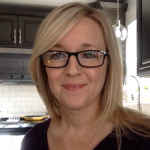
Dawn-BoxellDawn Boxell is the Founder of Gastric Health. She’s a licensed registered dietitian specializing in weight loss surgery.

Dawn’s career started in 1995, working at one of the very first bariatric centers in the United States, Winona Hospital Bariatric Center in Indianapolis, IN. Over these past 30 years, she’s been fortunate to counsel tens of thousands of weight loss surgery patients.

Dawn is proud to say the center she started at has transitioned into one of the very best and most highly regarded bariatric surgery centers in the United States, St. Vincent Carmel Bariatric Center of Excellence in Carmel, IN.

Follow Gastric Health on Facebook and Instagram.

This transcript is machine transcribed by Sonix

TRANSCRIPT

Intro: Welcome to Digital Marketing Done Right, a customer success spotlight from Rainmaker Digital Services and Business RadioX. We cover digital marketing success stories drawn from real Rainmaker platform clients and showcase how they use the Rainmaker platform to build their business. Now here’s your host.

Lee Kantor: Lee Kantor here with David Brandon. Another episode of Digital Marketing Done Right, and this is going to be a good one. Well, David, who do we got on the show today?

David Brandon: Well, today we’ve got, uh, Dawn Boxell from Gastric Health. How’s it going, Dawn?

Dawn Boxell: It’s great. Thanks. Nice for having.

Lee Kantor: Me. Well, before we get too far into things, Dawn, tell us a little bit about gastric health, how you serving folks.

Dawn Boxell: So gastric health is really about, you know, bariatric health care. We are serving the bariatric community before and after weight loss surgery.

Lee Kantor: So what’s your backstory? How’d you get involved in this line of work?

Dawn Boxell: Well, I am a registered dietitian, and I kind of started in this industry back in 95. I was at one of the very first bariatric centers, very, we’ll say, in the top five bariatric centers in the country. Um, and stuck with it. I just fell in love with the patients and I just enjoyed, thoroughly enjoyed the challenge that each person brought to me. So I just kind of got stuck in it in the aspect of I wanted to serve them more. So being in it for so long, I’ve been in it now for 27 years and I’ve literally counseled tens of thousands of patients and it really kind of highlighted some gaps in care and gaps in delivery of care. Being at a very large bariatric center, you really did get to see trends and you could see where health care, as it is to date, has many holes and gaps that we lack services to the end person. So someone seeking services at a health care facility, you know, the luxury of time is not there. And when it comes to bariatrics, they need time. And that’s what I wanted to create. So gastric health was kind of born. It was kind of evolved through a variety of things, but landed at gastric health. And really we just want to create a space for the bariatric community to kind of grow and evolve into kind of the new person that they’re desiring to be and wanted to provide maybe a little different type of care, different level of care, because I kind of take a spin of the conventional health care and the natural health care, and I merge them together and have a really big toolbox of solutions for resources to help support them in, you know, all of their health care issues and their weight loss journey. So I really I really try to cater more to the needs of the bariatric patient so that they can be successful long term with kind of a sustainable lifestyle.

David Brandon: So, Don, I do I did want to kind of ask so for our for our audience, two things. One, can you define what bariatric is for them? And then also, you know, what makes that specific niche, um, you know, unique or challenging or, you know, needs special care? What makes it specifically important?

Dawn Boxell: So bariatric is really just kind of it’s considered bariatric and metabolic surgery. So it is we’re doing a couple of different types of surgeries there. There are probably about five different surgeries out there that are most surgery centers will do. The majority of them are going to be like a gastric bypass or a gastric sleeve surgery. And with the intent to lose weight because they have at least qualified themselves with having a BMI of over 35 with some comorbidities. And this signifies them that they need help with their health conditions. And now what was the other question?

David Brandon: So like, what makes this niche different as a dietitian, you know, approaching this?

Dawn Boxell: So what makes us different with Bariatrics is one, you know, you get in two different camps because, you know. This niche is very special because not every health care professional believes this is a great strategy for weight loss. So many times if we would have. So where I am, we were the only provider for Medicaid. We would see any. And for a number of years, we were the only center of excellence, meaning that we were the only one that really met all the Medicare and Medicaid parameters. So we would have people drive four hours to come see their doctor and their dietitian. And so this would create a dilemma when they would have complications and need to go to a local facility because then they would be like, we don’t touch bariatric patients. You need to go back to your facility, go back to your surgeon. So that over the years, what we found was that, my gosh, many of our surgeons were needing to be skilled in more areas because their their primary care providers were not dropping them, but not really caring for them. They were dismissing and blaming any type of health care problem on the surgery. So they would say, you just got to go back to your surgeon. So it it created this environment where, you know, our the surgical team is now doing more things than what a general surgeon would normally do. So it just kind of grew and evolved into big programs where, you know, you needed nurse practitioners and PAs to manage any type of health care issues that come along.

Lee Kantor: Now, did the business evolve like you were working at this place and you saw this need for some, I guess, aftercare in some ways to help these people on their journey as they progress, you know, post surgery, is that that’s the impetus for creating this community. But is that the business model? Is that your your business is a community for folks who have gone through this kind of surgery and it’s a place for them to learn about the best ways to optimize that experience.

Dawn Boxell: Yeah, I would say, I mean, honestly, it started, I, I, I self published a food guide back in 2005 and I was allowed to, you know, sell it at our bariatric center. And I then kind of took that material. And when really the online stuff really shifted is when we just took it online and just decided, I don’t want to sell just a book. I want to I want to provide a service because there are so many gaps in care. For example, as dietitians and as practitioners in a bariatric center, you’re given 15 minutes with someone and I was given 15 minutes to figure out, okay, why is someone not losing weight or why they’re regaining weight? Or maybe while they’re why they’re having some you know, vitamin and mineral deficiencies or, you know, digestive issues, you know, all the things that come with it. You have 15 minutes there. You can’t solve those types of problems in 15 minutes. So that’s where it’s like there’s a better way to do this and and one with being in it for so long and seeing so many of the trends, you really do understand their needs a little better. And it’s it’s allowing me to kind of package information together so that it’s it’s easy for them to interpret and take that information and do something with it. So, you know, like my blogs and my podcasts and all my YouTube videos, you know, it really is designed with the heart of helping them with their problems that they probably maybe are experiencing now or will experience at some point.

Lee Kantor: And then it’s through it’s through the website. They learn about all of these different offerings and then it’s you’re giving them information for them to do it themselves. But is there a component where you do it with them or do it for them?

Dawn Boxell: Yep. So we kind of when we, you know, kind of evolved to putting everything online, I it kind of started with a challenge. I did a ten day challenge and it was a, it was really a challenge to, to get their mindset out of the quick diet fixes. So if you’ve had bariatric surgery, you’re doing this with the thought that this is my last ditch effort. You know, I’ve struggled with my weight maybe my entire life. And this is kind of my last Hail Mary of I’m I’m doing surgery because I need something permanent that can truly help me, you know, be sustainable with this. But that doesn’t change their mindset. So their mindset needs to shift from having a diet to follow to this is a lifestyle to follow. So, so yes, we did a ten day challenge and it just I mean, we’ve taken thousands of patients through this challenge and they were really getting good success and it was really through the lens of. We’re providing you a meal plan, we’re providing you a grocery list and all the recipes, and we show up every day for you for these ten days, and we do it all together. And I help guide them through that ten days so that they have, um, kind of the support and the motivation to kind of keep going because the meal plan is really focused to protein first, but then, you know, plenty of vegetables and fruits and things that they maybe are not used to, including in their diet. So it’s, it’s challenging them to to look at food differently and to utilize, um, kind of the whole food properties that can really benefit their health long term.

Lee Kantor: Now, all of this stuff you’re talking about is kind of the day to day of a dietitian, right? Doing having these conversations, sharing this kind of information. How did you make the pivot, I guess, to actually now running a website and an online business? Because those are different hats.

Dawn Boxell: They are? I don’t know. I think I’ve always been an entrepreneur at heart. I mean, I’ve I’ve pursued and desired to have a business. And I think my husband and I, he’s been an integral part in helping me launch all of this, especially in the beginning. He was kind of the back end side. He would help build some of these things within the website. So yeah, I would say, I mean naturally I probably have a little entrepreneurship, just blood going through me that I desire to own a business and I desire to have something more that I can have for my children and pass on to generations and have that, I guess, that timestamp of information that you can reflect back on and, you know, learn from, laugh at, and just kind of evolve through.

Lee Kantor: Now, what was the kind of the first signal you put a website together, you put out information, what was kind of the first signal or breadcrumb that you’re like, Hey, I think we’re on to something. This thing could work.

Dawn Boxell: You know, I would say that I would say the ten day challenge that we we really you know, we we put it in the Facebook groups. We were really probably heavy in the Facebook audience, mostly in social media. That’s our the, you know, our dominant area of audience and which kind of correlates with our demographic because our demographic is really like 45 to 65 year old females is who is having bariatric surgery. And technically that is kind of the demographics of Facebook. So you’re going to find the younger audiences on Instagram and TikTok. And so we find that we just have a bigger audience and. I do find that a lot of my audience are in health care. The majority, if not all of my clients, have a job in health care. Very few don’t. So I think my the way I approach it is I like to provide evidence backed. Solutions. So I document all of my recommendations with science. So there are links to research studies. Some of them I’ll have like 30 and 40 different research links in the podcast or the blog post that I am validating my reasoning of why I feel like this is a good solution. So I feel like they I. You know, kind of grew enough to allow them to trust. And to partner with them in health.

Lee Kantor: Now, when you’ve been doing this for a while now, is there a story that you can share that’s been the most rewarding kind of proof of concept that, Hey, I am making a difference, I am leaving a legacy. This is work that matters.

Dawn Boxell: Gosh, let’s see. I don’t know if I can think of one. Well, you.

Lee Kantor: Don’t have to name a name, but maybe share what their challenge was and how that you were the solution to that problem.

Dawn Boxell: I mean, I mean, recently I had a lady that she she came to me for genetic testing. So I do a genetic test to kind of help. Provide a roadmap when I especially when I have somebody that is really struggling with nothing, seems to be working, then I will likely recommend that we we check their genetics to really give me a better roadmap to see where to focus better. And that was kind of what she, she, she found me. Someone recommended me in a Facebook group. Um, she was really seeking out some help with gut health issues, which I kind of specialize in with digestion and improving your gut microbiome and again, the genetic test. And so she started learning more about me. And the first thing she’s like, I really want to do the genetics. And so we did the genetic test. And it was it was so interesting. For one, I would say I’ve never had a genetic test that I could literally not even have spoken to the person or read anything about their health. I can do the genetic test, um, interpret it and tell them everything that they’re struggling with and have struggled with from that interpretation. It’s so powerful in its way that it gives you really kind of the feedback that you need and the direction you need to go with someone. And for her, she had had, um, a bariatric surgery, a sleeve gastrectomy over a year ago and she was concerned about weight regain weight regain is a fear among all bariatric patients.

Dawn Boxell: I have yet to have one patient tell me that they don’t have some underlying fear of regaining weight. And her reasoning was, I want to understand my genetics so that I can maybe prevent this from occurring. And so we really we dug into her genetics. And, you know, it was interesting to see the areas that she really needed to focus on, areas that she has never focused on before. Um, when trying to achieve weight loss, she had never used this approach. And so it was really kind of an aha moment for her that she was like, okay, I have the tools I need. I this is what I need to be successful to prevent, regain. And if I notice that, you know, life happens and I’m back into some old behaviors, you know, all I need to do is either call you or look at my roadmap and and figure out where the areas that the genes may have been turned back on because of some, you know, life event that occurred and help. It kind of helps guide you on how to turn that gene back off. So I would say currently she’s probably the one that, you know, I get excited about the most because she took the information, she acted upon it. We we made a plan each each visit. And she went and did the work. And she found the success that she was desiring and she feels, you know, capable of maintaining her health long term with just that information.

David Brandon: That’s awesome. I really love, like, we’re getting some wins. We’re getting some things that you that are in your kind of natural purview, right? Like you’re you’re an expert dietitian, But one of the things that you’re not necessarily you I don’t think you have a background in is, you know, digital marketing or, you know, building websites or anything like that. So from a digital marketing and website perspective, what are some of the challenges that you’ve had to face and overcome through this process?

Dawn Boxell: Technology, for sure. I mean that for me, I have a clinical brain and it does not correlate with technology the same as other areas, even though, you know, maybe there are some similarities. My brain does not think the way that technology lays out. So I do struggle with just understanding how to set things up and how to, um, you know, put a class together. And now I’ve, you know, over the years, the blogs, the podcasts, all that stuff, I’m good at it now. I can, I can maneuver through that. But initially, you know, there was a learning curve of just knowing the right steps to do to to get it. Launchable even just to get it so that we could, you know, make it live. So, so, yeah, to me, definitely the technology is really the hardest piece.

Lee Kantor: So how did you deal with it being difficult and challenging? How did you approach it? Did you just dive in and just tried some stuff or did you get help right away?

Dawn Boxell: So so yeah, I would say, well, initially my husband is he was really his brain is more business driven. He’s more of the business minded person and he definitely understands more of the technology than myself. So at the beginning he did the majority of all the technology and putting all that together, I would do all the content. He would do all the technology. Um, more recently, his career has just kind of shifted and he’s, he doesn’t have the ability to stay engaged and help consistently. So that’s where we, we’re kind of, we’re relying on partnering with people like Rainmaker to help us move this forward so that we can be successful in providing the content that we want to deliver.

Lee Kantor: So now when you decided, okay, I need help and I’m going to reach out to the Rainmaker, folks, what was that process like? Did they take you through? Can you walk through what that onboarding was like and how they got to the heart of your problem and helped you solve what you were challenged with?

Dawn Boxell: Yeah, I would say it kind of started, you know, we had a contact. I think we created a contact with just some questions. We would send some questions, you know, through the the Help Desk. And, you know, they would help us with just immediate needs. They’ve always been responsive and and getting problems solved on the back end side when we would see that things were, you know, not doing what they’re supposed to do, we could just reach out. And that that has gone well for us. And then we just had a contact from Rainmaker with Katie, and we were able to start the conversations of this back end technology piece that we’re now faced with that now, Dawn, who doesn’t have the technology mindset, is in charge of all of this, needs help and so that’s where we’re kind of working through kind of how how Rainmaker is going to help serve us through this piece and get us get all the details in place. Because, again, you know, there’s with any business and especially any online platform, there’s always little things that need to be tweaked or improved. And that’s what we’re in the midst of. We are working through that plan now so that we can kind of develop some new programs that will lead into some memberships and the ability to have, you know, more clinical staff and more resources that will be available to the community.

David Brandon: So that and I can actually I can actually speak to that too, because I’ve been involved on the other side of it, you know, something that they’ve been doing that we’ve been working with them on pretty closely is, you know, really making community and membership kind of more of a central piece of the process, which I think to everything Dawn said at this point is really important as far as her niche.Yeah

Dawn Boxell: Right.

Dawn Boxell: And eventually that’s where it needs to go. We have to get to a membership model. We kind of started a membership model and I think we’re a little early for it. So we have kind of thought we might we might pause it for a minute so that we can have the full time to kind of write it all out or write the book. If, for lack of a better way to say it, you kind of have to write the end product and then the rest flows out of that. And that’s kind of where we’re at. So I need the time. And that, I would say, is my second issue is time. You know, not only my husband and I have been married for over 30 years and we have four kids and they require attention, although they’re all teenagers and young adults, they still require attention. So and, you know, just that piece of managing, you know, a family and a business and just making sure everything is accounted for. You know, there’s never enough.

Lee Kantor: Time now in this community. Would it like, who is the ideal participant in the community? Is the community member just someone who went through bariatric surgery? Is it somebody that’s a health care professional that deals in bariatric? Is it a caregiver or somebody that is related to somebody that’s going through this? Like who? Who would be the community members in your ideal world in this future?

Dawn Boxell: You okay. So and I will say we will work through to a model that will allow bariatric support, but then we will also have a non surgical arm to it so that if you say you have a family member that you know, maybe hasn’t had bariatric surgery, but they desire to kind of follow along with you, we could help support them in that way. But I would say right now, you know, my main focus is to write the book, get this deliverable content out to them so that we can then really have kind of the back end available of a ton of resources that they can kind of binge on and and learn from with, you know, video content, you know, written audio, all of that that they can, however they learn best, they’ll have those resources to kind of. Take from.

Lee Kantor: So that’s where you see the kind of the the biggest opportunity is just finding that portal that has all this information no matter where you are in the process. But it is scientifically based not, you know, some of these kind of opinion oriented solutions.

Dawn Boxell: Right. And and it’s sustainable. So for me, it’s important for this to, you know, I can write you a diet that you can lose weight in ten days. Um, but you’re probably going to regain it as soon as you go off of that. So to me, it’s important that this is sustainable and that they have the space and the support to build, the confidence, to take the action, to be consistent long term. And that. Doesn’t happen in ten days or 30. That takes time.

Lee Kantor: Right. And so, yeah, it’s managing the expectations as well because the person thinks they’re just getting a surgery that’s solving a problem. But this this is part of the solution. But the solution is a lifestyle change for real.

Dawn Boxell: It is. And and they they know that. They know that going on at least at the center that I worked at. Um. They were told many times that, you know, this is the beginning. The hard work begins after the surgery. And there is a lot that goes into changing your behaviors and lifestyle. So. For them. It’s it’s they need the time to be able to do that.

Lee Kantor: So you so you found, though, that rainmaker has been a good solution partner for you to enable you to get this information out there and get products out there and services out there in a way that you didn’t have to be kind of an I.T. genius tech superstar in order to do that, that there’s enough kind of support around you and enough power to the portal and the platform that allows you to do what you’re trying to do.

Dawn Boxell: Oh, yeah. I mean, again, my husband did a lot of the back end building when we we did we did a ten day challenge that rolled into a 30 day class. And they had like for the ten day, they had videos for ten days and we were easily able to create the video, upload it into Rainmaker and put it into the whole course that they then they would have the links to go and, you know, go into the content each day and learn that that, you know, information that I was providing. And then the same with the 30 day class. We even did a quiz and we had giveaways. We gave away a $600 Vitamix blender to one person at the end of the 30 days so that it challenged them to learn. And so each week was a topic and we built all of this in Rainmaker, and we had a quiz that at the end of the week they had the content that they they had to review each day short videos or, you know, it was, you know, four and five minute videos and then you would do a quiz at the end of the week. And then at at the end of the four weeks, then everybody who completed all of the quizzes were put into a drawing to win a Vitamix for going through the process.

Dawn Boxell: And for a lot of them, it really helped them see that. You know, they they really needed to dig deeper. It was more than just calories in, calories out. Why they were back to old behaviors or why they were seeing some regain had more to do with um life issues and how they were managing it and their coping mechanisms and how they, um, hadn’t, you know, lost those strategies that they used prior to surgery. They were still trying to apply them after, but they don’t work anymore because they’ve had bariatric surgery. So it allowed them to see that, hey, I have some inner work to do and let me focus there for a little bit and that will help me continue to grow. And in that 30 days, we had several people that they really they really kind of discovered discovered that they didn’t feel they had purpose in life. And that is where they needed to focus, that they needed to find what makes them happy, what brings them joy, and to go down that path because the food is not going to fix that. They had. They need to do more work on the inside, right?

Lee Kantor: It’s more holistic than a surgery. It’s not a like it’s a whole process. It’s very complex. What what do you need more of and how can we help?

Dawn Boxell: You definitely need the technology help for sure. And yeah, I think once I write this book, which essentially is happening in a few weeks, I’m, you know. I’m going away and initially taking this time to really I’ve already got all the notes together. I’m just putting it together and how I really want this to play out for, you know, the bariatric community so that they have the resources that they need. And then, boy, we’re going to need lots of, you know, technology help to pull this off. And and then, you know, the VA’s already have four VA’s that we’ve hired and they do video. They help me with the blog and SEO. They help me with the podcast and editing and all that stuff and then email. So email is a big one that we have never been good at and we have never really done. So that is our next big step, is really tackling our email nurture sequence so that our audience, when they when they actually come in and they they buy something from our site that they actually hear from us again, besides just an invoice of, Oh, thanks for your purchase. So, so email nurture sequences is top of list and that is where we’re going next. I think with Rainmaker, they’re going to help us with this piece in, um, and, and the layout that our, our front page layout needs tweaked.

Dawn Boxell: We, we did develop a supplement line with me using kind of the natural and the conventional world together there are supplements and the bariatric community they are required to take supplements for life. This is a known thing and this is something that they are prepared for. And um, I developed a supplement line that really is more about digestive health because I found that was a big issue. And so we kind of with the ten day challenge, it kind of just we, we made this landing page and we just started utilizing these products and we’ve kind of just evolved it. We added WooCommerce and kind of developed that piece back in piece so that we could have a, um, the actual retail store that they could purchase products from. And that’s kind of what our front page shows. And we want it to be more that our front page shows all the good services that we offer and eventually, you know, the membership and all of that that will be so important. And the supplements are there as a side benefit and not as it appears now that it looks like the supplements is the main business. And that’s not our goal and that’s not our focus and heart.

Dawn Boxell: But it just kind of turned into that when, um, you know, initially Rainmaker wasn’t, um, WooCommerce wasn’t there, so it wasn’t made for a retail site. And my literally God bless all of our, our clients who purchase from us because they would they would have to they could not buy like two products. Together, they would have to. The way he built it was he had they had to buy one product, then go back and check out, purchase it, go back in, buy another product and check out. Because it wasn’t that. It was more designed at that time to not be for retail. And it wasn’t until they added that piece that it you know, we added the WooCommerce that made it so much simpler and so much, um, it was a better experience for our, our clients when they visited our site. It was before it was pretty painful for them to actually purchase something from us. But now it flows well and it does well. But we want forward facing, we want that to, to be the, the services and and the care that we want to provide. That should be the main face of our website, which is what Rainmaker is going to also help us accomplish.

Lee Kantor: So what is the the website if somebody wants to go on and check it out.

Dawn Boxell: Gastric health.com.

Lee Kantor: Well, pretty straightforward and simple. Well, Dawn, thank you so much for sharing your story today. You’re doing such important work and we appreciate you.

Dawn Boxell: Awesome. Thank you.

Lee Kantor: All right. This is Lee Kantor for David Brandon. We will see you all next time on digital marketing done right.


 

Tagged With: Gastric Health

Steve Maurer with Maurer Copywriting

July 25, 2023 by RMDS

Steve-Maurer
Digital Marketing Done Right
Steve Maurer with Maurer Copywriting
Loading
00:00 /
RSS Feed
Share
Link
Embed

Download file

In this episode of Digital Marketing Done Right, Lee Kantor and David Brandon talk with Steve Maurer, owner of Maurer Copywriting. Steve shares his background in industrial manufacturing and how he transitioned to freelance writing. He discusses his journey in copywriting, starting with low-paying content mills and then finding mentors who helped him improve his skills and find better clients.

We hear about his experience using LinkedIn to find clients, emphasizing the importance of developing a personal profile and engaging with potential clients. He also shares his strategies for building relationships and transitioning conversations off the platform.

Steve-MaurerSteve Maurer is an industrial copywriter who writes sales copy and marketing content for B2B industrial manufacturing companies.

He has 36 years of experience in the industry and he understands both sides of the equation.

Connect with Steve on LinkedIn, Facebook and Twitter.

This transcript is machine transcribed by Sonix

TRANSCRIPT

Intro: [00:00:07] Welcome to digital Marketing done right A customer Success Spotlight from Rainmaker Digital Services and Business RadioX. We cover digital marketing success stories drawn from real Rainmaker platform clients and showcase how they use the Rainmaker platform to build their business. Now here’s your host.

Lee Kantor: [00:00:35] Lee Kantor here with David Brandon, another episode of Digital Marketing Done right and this is going to be a good one, right? David?

David Brandon: [00:00:44] Yeah, it’s going to be great.

Lee Kantor: [00:00:45] So who do we have?

David Brandon: [00:00:47] All right. Today we’ve got Steve Maurer of Maurer Copywriting. Is that correct? Steve That’s what your business is called.

Steve Maurer: [00:00:54] Steve Maurer Freelance writing, Yes. Yep.

Lee Kantor: [00:00:57] So before we get too far into things, Steve, can you tell us a little bit about Maurer Copywriting, how you serving folks?

Steve Maurer: [00:01:04] I do. I work mostly for the industrial manufacturing industry and I write various types of copy and content for them.

Lee Kantor: [00:01:12] Now, what was what’s your backstory? How did you get involved in this line of work?

Steve Maurer: [00:01:17] Well, actually, I had been in the industry for about 36 years in an industrial manufacturing plant, actually a food processing plant. And when we had some work slowdown and hours got cut back, I started to do some freelance writing and it continually grew from that point to where I actually retired from turning a wrench to writing about them.

Lee Kantor: [00:01:41] Were you always a writer as a young person? Did you always enjoy writing?

Steve Maurer: [00:01:45] Well, kind of. I did writing better than I did math, let’s put it that way. But I’ve always, always, as my dad put it, had a way with words. And so, yeah, writing has been one of my favorite things to do.

Lee Kantor: [00:01:57] Now. How did that first opportunity bubble up? Was it in the firm you were working with? They asked you to write something?

Steve Maurer: [00:02:04] No, they kind of laughed. Actually. My first foray into copywriting was actually in the low paying content mills, and my first dollar writing contract paid me $5 for about 350 words, which, you know, that’s not much, but it was kind of a proof of concept that I could write and people would actually pay me for it. And now my articles go for $500 and up. So there’s been a little bit of a change.

Lee Kantor: [00:02:35] So what? How did you even know to get on to those platforms? What did you do to research that and to know to jump in that way?

Steve Maurer: [00:02:43] Well, I had a friend of mine who does who works with small businesses up in Illinois, and we were talking back and forth and she said, I ought to check into some of those. And so I did. And sure enough, I actually put in a they wanted a spec piece and I put that in and then promptly forgot about it until about a couple of weeks later, they emailed me back and said, Hey, you’re good enough, writer, you’re in. And they put me in, I think like 0.2 cents a word, something like that. It was really low.

Lee Kantor: [00:03:13] And then from there, how did you kind of keep upping your rate and finding more lucrative opportunities?

Steve Maurer: [00:03:22] Okay, well, I did that for two years, made about $2,000 a year for writing somewhere around 400 articles. And a lot. I know, I know. And that’s where the full time job. So I started looking around obviously, to see if there was some better options. And there were a couple people that I found online. One of them was Brian Clark, another one was Bob Bly, and there were a few others, but they all led me to a training company down in Delray Beach, Florida, called American Writers and Artists Institute. And I signed up for some of those courses in July of 2012, the first one being a web copywriting program from Nick Osborne, a copywriter up in Canada. And after that I started getting better clients. They taught me how to get better clients. They taught me how to write better copy. And obviously it has worked like gangbusters.

Lee Kantor: [00:04:17] Now that at that time that was kind of the transition between direct response in print and the web, right? Yeah. Was that were you writing kind of direct response in print at that time or was this web copy I had?

Steve Maurer: [00:04:34] Everything I’ve done is web copy.

Lee Kantor: [00:04:37] So you were kind of at the forefront of that at the time, right? That was kind of early.

Steve Maurer: [00:04:42] Yes. In fact, I was taught by one of the the original copywriters on the web, Nick Osborne. Of course, Brian Clark had started content marketing way back about that time. So yeah, right at the forefront. I didn’t have to do a lot of print copy, and that’s good.

David Brandon: [00:05:01] So, Steve, what took you from kind of being freelance up by yourself, just sort of not even having your shingle out to what you have now with the website and the web presence and all that sort of thing? How’d you get into that?

Steve Maurer: [00:05:14] Well, I knew that if you wanted to get found, you had to be findable. And so I actually started my website back in 2013 on a different platform. And as soon as Rainmaker came to be, I was actually in the pilot program and have never looked back.

Speaker5: [00:05:33] Wow.

David Brandon: [00:05:34] What changed a lot since then?

Lee Kantor: [00:05:37] What were some of the features that excited you about getting involved with Rainmaker?

Steve Maurer: [00:05:44] The biggest feature, and I haven’t used all of it yet, but this is what I was looking for. If I was using a WordPress site hosted on another platform. And if you wanted to do anything different, you had to find a plug in. And everything I’d need now and in the future to grow is actually already included on the Rainmaker platform. So I didn’t go have to go hunting around. I didn’t have to worry about compatibility with the plug ins. I knew that, you know, I could just kind of run it and gun it.

Lee Kantor: [00:06:21] So you had kind of plug in fatigue at that point because they were always updating and that was always screwing up another problem somewhere else. Like it was just the Wild West at that time, right?

Steve Maurer: [00:06:31] Oh, it was. It was. And some of them, they were good plug ins, but they were. Developed by a single person. So it was hard to get any support. And eventually, if that guy got tired of it or that gal got tired of it or just dropped off the face of the earth, so did the plugin and then the search was on again.

Lee Kantor: [00:06:54] Now, What was it like when you decided to, like you said, put down the wrench and go all in on the copywriting? Was that a big decision? Were you was your family involved? Were they supportive?

Steve Maurer: [00:07:07] Oh, they were supportive, but that actually happened last year. I have been now totally freelance without a full time job since July of last year. The big the big push was I was making more copywriting on the side, so to speak, than I was working a full time job. So the choice was kind of made for me and we were able to to pay down a lot of our bills. We paid off the house, all that, that kind of thing. So it was it was just a good decision to be home now instead of having to go into work four days a week for ten hours.

David Brandon: [00:07:45] Now, you mentioned earlier, Steve, about like beefing up your Web presence, trying to be more visible. It’s interesting. You’re in an interesting niche. Can you talk a little bit about that niche that you’re in and where you find your clients now through? Is it mainly through digital? Is it through people that you know in real life? Or how is how is that work for you?

Steve Maurer: [00:08:08] Okay. To be honest. The biggest way I get clients is they find me. They come to my website. If you were to Google industrial copywriter, I come up on the first page of Google because of the SEO tools that’s built into Rainmaker and have learning how to write SEO copy. I also rely heavily on LinkedIn for research, and so that’s where I research my my clients. But most of them find me actually through my website. I’m getting a little lazy on my outbound marketing because they’re all coming in to me and that’s kind of a nice thing. As far as the market, mostly industrial manufacturers and safety product manufacturers that sell. I really love lighting. I concentrate a lot on electrical products and safety products because that’s a lot of what I worked with, you know, for the last 36 years as a as an industrial electrician an and a maintenance mechanic and safety trainer. So those were natural niches for me. And when I write my copy for my website, Google notices that and says, okay, this guy over here needs an industrial copywriter, let’s send him Steve’s way.

Speaker5: [00:09:26] That’s awesome.

Lee Kantor: [00:09:27] Now, what is the kind of that first project you typically get? Is it usually small and then it grows or is it kind of a, you know, what is it?

Steve Maurer: [00:09:37] Oh, gosh, it can vary. I’ll do my bread and butter is pretty much blog articles, corporate blog posts placed articles on a websites. More recently, I’ve been contacted a lot about sales enablement copy, so I’ve been writing email call scripts. I’ve been writing. I just am finishing up a one sheet project for a interpreter and translation company out of Washington State that work in the industrial markets, and they would like to get more into the safety markets. So we just finished up a one sheet flier for them. So mostly blogs and case studies. And then it kind of goes from there.

Lee Kantor: [00:10:28] Do you do you do any like, manuals and safety documents for internal communication?

Steve Maurer: [00:10:35] I have done some of that, and I just got an email right before this call about somebody wanting to hire an internal copywriter and was asking if I could train them. So it gets kind of crazy out here, but I have done some tech bulletins. I’ve worked with MSR safety and done some of their tech bulletins and things like that.

David Brandon: [00:11:00] I wanted to come back to something that you said earlier, Steve. You talked about LinkedIn being a place where you got a lot of you did a lot of client research and that sort of thing. Yes. Is that the primary social media platform that you use? And can you talk about how you would go about researching your potential clients on LinkedIn?

Steve Maurer: [00:11:21] Oh, gosh, yes. I’ve been on LinkedIn as long almost as long as I’ve been on my website. I think I started LinkedIn in 2013 and I have a premium account there. I always have. Some of my first clients actually found me on LinkedIn, but developing a good personal profile that speaks to your ideal client really helps. One thing I would highly recommend is to understand that the about section is not really about you. It’s about your ideal client and how you can help them. If you understand their CNI factors, their challenges, needs and interests and speak to that, they are actually drawn to you. And then using one thing that having a premium account helps me with is I can search much deeper into personal contacts than I could with a free account or with a free account. You can just go to your second level contacts. I actually can go third level and beyond, and I do connect with them. I have about 4000 connections right now and some of them find me, I find some of them. But I’m also able to look at the the company pages that are on LinkedIn. That’s what I’m most interested in, is finding out more about a particular company and then always use the people also viewed because it’ll give you some more companies to look at. And I have actually developed kind of a three part strategy over the last ten years on that. I am now teaching two new copywriters and it has led me to some amazing client possibilities.

David Brandon: [00:13:02] Can you tell us what that strategy is or is that hidden behind the paywall?

Steve Maurer: [00:13:05] Oh, no, it’s not behind the paywall yet. In fact, it it’s one of the courses that I’m starting to develop to put on my Rainmaker website. I actually have two sites my our copywriting, and then I have another website that’s still in development called Rechanneled, and it will be geared towards people like myself who are older but don’t want to get swept under the rug because there’s a lot more we can share. And so them and also for displaced workers who want to start a freelance business of some kind, I’ll be doing some training and LinkedIn will be part of that. The three part strategy. The first one was Tag your it is what I call it. And basically I noticed that whenever somebody viewed my profile, I’d get a notification. So I’d look back at their profile and then I got a notification that somebody else viewed my profile. So I went ahead and looked back at theirs. About the third time that happened, the light bulb came on. And so I looked at their profile and sure enough, they would come back and look at mine and I was able to send a connection request. The second one I call Raising the hand in class. And in this you actually follow companies and watch for their updates to come down in their in your feed because when you follow a company any updates they do will show up there when they come when one comes down that I can make a good comment to not the you know kudos great job this is really neat but something really meaty.

Steve Maurer: [00:14:45] I can make a decent comment to them and I always tag the company when I do that. That’s kind of important. 99 times out of 100, somebody within the next 24 or 48 hours would come to view my profile. And so that got my foot in the door and it was game on from there. And we would I would talk back and forth. It’s usually one of their digital marketers, digital marketers, because they want to see who actually made that real comment. It takes a little bit more time, but the rewards are worth it. The last one that I’ve done now called Ringing the Dinner Bell. When you ring the dinner bell, you basically make a comment yourself about. Bout another company or here. Recently I did one. Well, it was in probably February. We had a tree fall down in their yard because of the snow storms. I have an electric chainsaw made by Ego Power plus.

Steve Maurer: [00:15:44] And so I posted a photo in about a paragraph talking about my chainsaw and I tagged the ego in there and then just let it loose on In the wild. To date, it has over 4300 views. And it has been viewed by Shirvan North America, which is the parent company to ego power plus. It’s been viewed by Lowes, who was the place where I bought it, and it was viewed by two of their competitors, Black and Decker and Husqvarna. They came to see that a lot of these people made comments. I made a lot of good connections, but I also found one from Tektronix and I had no idea who those people were. So I went and viewed their company page and it turns out they are the parent company to places like Milwaukee, Ryobi and a couple other brands that I’ve used for the last 36 years. And so LinkedIn actually gave me more clients to look at and a ringing the dinner bell. I did another one just recently tagging out DeWalt for some of the trim work that I’ve been doing around the house. So that’s my third one. And by using the three of those kind of in conjunction, it’s really built up my my potential list of clients.

Lee Kantor: [00:17:02] So how do you move from connecting to, you know, them buying something?

Steve Maurer: [00:17:09] It’s all in the conversation. And you’ve got to watch and you if you’ve been on LinkedIn, you’ve probably got what I call drive by pitches. Somebody will come and they want to connect with you. And the minute they do, they try to sell you something. And it’s all about relationship building. And so you can start with LinkedIn and start having a conversation. But the entire goal of that is to eventually take them off the platform and begin talking to them either on a Zoom call or get them to your website where they can connect with you there. Uh, it takes a little bit more time, but it’s, it’s a lot better quality relationship when you do it that way. You don’t need a lot of clients to be real successful as a copywriter.

Lee Kantor: [00:17:57] So are you. Once they kind of you interact with them in some way and you see if there’s a fit or not. And, you know, just like in anything, it’s a number. So the odds are it’s not going to be a fit today. Do you put them in some sort of an email automation or some sort of, you know, once you got them off platform, do you then kind of ping them and drip content to them?

Steve Maurer: [00:18:20] There are times I do that. I don’t use a lot of automation. One of the first things I do is on LinkedIn. You can actually download their profile in a PDF document, and so these all go into a potential client folder, kind of a dossier, and I know who I’ve contacted and what I will do in those instances is when I read something on the web that might be pertinent to that company, I will attach that information, said, Hey, this, this might be interesting to you. And just thought I just thought of you. So I thought I’d send it to you. This brings you top of mind. It’s also a good way to wake up sleeping clients. I’ve done this for some that I have done work for in the past, and I hadn’t in a while. I will send them some information that they’ll find interesting. Oh, that reminds us, Steve, we got a project for you. Are you available? And I have actually had clients or prospects that I had contacted one time and they said they didn’t use any in-house writers. And 2 to 3 years later they come back and say, Hey, are you still doing that? Because we need you now. And in fact, that just happened with this most recent client. We actually connected five years ago on LinkedIn and nothing happened. But they when they follow me or when they connect with me, they automatically follow me. They can see the content I’m posting there. And he about four weeks ago he said, Steve, we connected five years ago. I don’t know if you remember me, but we need you now. And that’s where we’re doing some sales enablement work now.

Lee Kantor: [00:20:01] How do you kind of like how many companies do you keep in that dossier so you can kind of keep them top of mind so you can be top of mind? Because I can see, you know, what happens is, you know, in LinkedIn there’s what, a billion people on LinkedIn? So you think like there’s a billion possible clients, but it sounds like you’ve really honed this and are targeting a handful or a smaller, much smaller, manageable number. So you can really give them attention and human interaction in a very organic, authentic manner.

Steve Maurer: [00:20:36] Absolutely. The only ones that I actually will, as you say, build a dossier on are people that I think would be an ideal client. And I will look at the company size. Another thing I will look at is the kind of content that they’re putting out. If they don’t do case studies, they’re not a good case study prospect because I’m not there to educate. I’m there to help. And if they don’t see the value in case studies now, there’s no need to be contacting them for that. Uh, most everybody is doing blogging. Most of them are not doing it right. And so that’s where we can go in and help them with that. So I keep ones that I think, well, one that are in my target market, but also that I see are actually active in, in promoting themselves through various types of marketing, including social media.

Lee Kantor: [00:21:29] Now, getting back to, you know, as you were growing this practice, how did you get your arms around the pricing and how did you land on your current pricing? How did that happen? A lot of young people, especially that are getting into this, they have no frame of reference and sometimes they really undervalue what they’re doing.

Steve Maurer: [00:21:52] That’s the biggest thing I see coming up with with new people. Getting into copywriting, young and old, is they don’t understand the value of their work. Like I said, I did some training through American writers and they actually have a free pricing guide@y.com. It’s a free resource. They put one out every year. Eight pages of it is devoted to pricing. About 50 pages of it is devoted to what’s working in the market this year. And so they don’t want to read just the pricing. I think everybody does. If they would read the rest of it, they would understand how to market to these two marketers and businesses, how to promote their services. It gives some decent ranges in there. And the thing about pricing is. With the ranges that they have in that guide. And I have used some other guides from professional copywriters to kind of sit down and figure out my particular guide. The pricing is not based on your skills and it’s not based on your experience. It’s based it’s based on the perceived value of the product to the market. And to give you a quick example of this, I was contacted to write to 125 word space ads for smoke detectors. Thought, oh, my gosh, I’m going back to the content mills. So I sent a note to them and I said, Did you have any kind of budget for this? And they said, yes, we would like to keep the fee for these two space ads below $1,000. I looked back at the smoke detectors and they were not the $35 smoke detectors you buy at the big box store. These are $4,000 smoke detectors that that integrate into industrial Hvac and other units. And so at $4,000 a piece, they could afford a better product. So that your fees are actually based around what the what the perceived value of that product is both to your client and to their customers.

Lee Kantor: [00:24:09] Now, as I understand the kind of philosophy when it comes to this, a lot of times they also put some sort of a success percentage onto. Copywriting. Where you can take a percentage of sales as well as get. Okay. Commission a commission, right.

Steve Maurer: [00:24:31] There’s another word for that. There are some markets that works good for, especially if you’re doing long format sales letters. Then you might get that kind of thing, a royalty or sometimes called a commission in industrial manufacturing. In most B2B copywriting, that’s not usually an option. You just make really good money on the first go round.

Lee Kantor: [00:24:56] And then when you do that for them, it usually if you’re successful, they’ll have you do it again. I mean, that’s.

Steve Maurer: [00:25:04] Absolutely I’ve had some clients I write for an electrical newsletter out in Connecticut that I’ve written for them for going on 6 or 7 years now. I write three articles a month for their newsletters. I have other clients that I’ve helped them start up the blog and then they turn it over to their internal people and they come back to me for the big projects. If you do a good job, you’ll get called back.

Lee Kantor: [00:25:32] Now, are there any kind of downsides of being this intimate with the industries that you’re working with, or do you get burnt out or, you know, is this like I’ve been there, done that kind of feeling after a while?

Steve Maurer: [00:25:48] That’s a good question because I’ve heard of that happening. I actually avoided this market at the beginning because I was burned out on working and I didn’t want to write for this type of market. I finally figured out that I knew that industry and I was just learning copywriting. I didn’t want to have to learn a whole new niche on top of it, so it saved me time. I’m not head over heels in love with the industrial manufacturing. I like it. They always have a new product. You know, I don’t fall asleep with visions of hard hats and safety harnesses dancing in my head. But I do know that they’re going to have it. And these clients have really deep pockets. And so good marketers, especially in today’s economy, if they can find a good copywriter, they will hang on to you.

David Brandon: [00:26:45] Now, as someone who’s also in the same industry, who came up through some some of the same stuff, maybe in a little different path, but I’m interested to hear your take on this AI stuff ChatGPT and Bard and Jasper and all those different products that are out there. How? This is a two part question. Number one, how worried are you about that as a writer yourself? And number two, do you use them? And if and if you do, how do you would you use them in your work?

Steve Maurer: [00:27:23] Yeah, that’s those are good questions. Uh, no, I’m not afraid of it taking my job. It hasn’t yet. I don’t think it ever will. Because there are things that ChatGPT and Jasper and all these other AI programs can’t do and don’t have. And that’s experience. They don’t have industry experience. They’re largely language learning modules. They can put one word in front of the other and it makes sense, but they can’t tell my readers that I actually had a security system, an and security system, which was Fritz and Bruno, who were my two dogs in the front yard, and they patrolled the grounds. Chatgpt doesn’t have those kind of stories to lead into talking about security systems. They can’t tell you. They won’t know that Bluetooth technology was actually named after a Danish king who had a bad tooth. They can’t put those kind of stories together. And and so and they they can tell you the wrong stuff. They are good for getting ideas. They’re great for putting out outlines. You can have them expand on a few things, but they will always need to be edited. You can’t have them write, for instance, a full page sales letter. You say, Hey, write me a sales letter about this particular supplement. It will do it, but it will suck. But and so, yes, I do use it. Chad Jasper, I use both of those. I use the paid versions on both of those. They are good copy cubs. They are good writing assistants. And if I had hired a writing assistant to say, okay, here’s I need you to write a sales letter and hand that off to them, I would need to give that human copy cub instructions on how to do it right. And that’s where a lot of people who are using the AI platforms are falling down. My job is they’re writing bad prompts and they’re trying to get too much out of a short prompt when you really got to work it.

David Brandon: [00:29:38] They think it’s magic. It’s a machine. You got to put in the right inputs.

Steve Maurer: [00:29:41] It’s it actually I had it write a bio about me and I have done some amazing things in my life that I didn’t even know about. And so I may put that on my LinkedIn profile. I don’t know. It makes me sound like some kind of a rock star. But yeah, it has its limitations, it has its good uses and I think if you’re going to use it, get some training. I am actually in the just getting ready to start a new training course with somebody who’s been using it for two years and he’s going to teach us how to use it properly. Uh, but you just can’t type in something and expect magic. It can be very, very wrong. In fact, I read an article this today that they think the more and more that it’s being fed, the dumber and dumber it’s actually getting because of all the bad prompts probably that are being put into it.

Lee Kantor: [00:30:34] Now, can you share a story maybe of one of your clients, maybe a new client that first time working with you, what it was like, the pain that they had and how you were able to help them get to a new level and maybe now they’re a longer term client.

Steve Maurer: [00:30:51] I’m hoping that’s going to happen with this translation and service company. When they did come to me, they paid decent. I was not slack in my fees. I don’t give discounts. If you give discounts, they expect it all the time. Away. They went with my fees. My fee requirements of having a 50% upfront fee. And then the rest of it comes after the first deliverable. Most of them have been that way. I sent the first copy of the one sheet to them and said, okay, you know, revisions are always part of the project. Make sure, especially if they’re a foreign client, that revisions are always part of the project. And they sent back their revisions. They needed one word change and one phrase they thought was a little too strong. Could I cut it back a little? And that was it. They will be back. In fact, we’re working on a case study now for one of their happy clients. That’s happened time and time again. If you do good work, they’re more than happy to to pay your fees. And like I said, I asked for 50% up front on on large jobs, 100% up front on smaller jobs. Anything under $1,000. And nobody nobody seems to mind the ones that do I don’t work with.

Lee Kantor: [00:32:18] Now, how do you how do you charge? Do you charge by the hour or by the project?

Steve Maurer: [00:32:23] I by I charge by the project. For one thing, there are three ways to charge actually a couple others that are combinations, but you can charge by the word. Which not a good idea because you have no idea how many words it’s going to take. I can’t quit writing in the middle of a sentence. You can charge by the hour. But there again. That’s kind of a bush league way of charging, to be honest with you. It’s so when I talk to my to my clients or prospects that eventually become clients, I let them know the only fair way for me to do this is by the project. I said, you can’t budget by the hour and you can’t budget by the word, but you can budget with a project. And if I say a case study is going to cost $1,500 to write, it costs $1,500 to write no matter how long it takes me. If it takes me longer than I thought, that’s on me, not on you. And that’s exactly how I’ve been working all this time. I will give them a fee for what I think will, you know, it will take me to write that project. And if I go over, that’s that’s my fault. Bad calculation on my end. The other the other one that you can actually do is a package which might be, say, a blog post and a case study or four blog posts. In this case study, I’m actually doing one now that’s five sales enablement, email templates and a blog post. I’m bundling them together. I sometimes will cut back a little bit on a bundled price, but that’s usually the only discount that I give. So that’s the best way to to price them. But there are a lot of good writers who would pay by the pay by the hour. And the problem with it for the copywriter is the better you get, the less you make, because all of a sudden you’re doing it faster with if you’re charging by the project. The better you get, the more you make because you’re putting in less time for the same amount of project.

Lee Kantor: [00:34:36] Now, you mentioned revisions. How do you handle those?

Steve Maurer: [00:34:40] Within 24 to 48 hours.

Lee Kantor: [00:34:42] But is it like how many can they keep coming back over and over? Like, how do you kind of manage that?

Steve Maurer: [00:34:49] It depends on the project, but most of the time, and it’s written into the quote that I send them to revisions within the first 30 days. I also tell them that everything I write needs to go through their legal department to make sure that everything I said can be said. Those revisions do not count against the company revisions. Any revisions that change the scope of the project automatically kill that project. For instance. If we were talking about dog houses and all of a sudden they wanted to talk about mouse traps, that’s a whole different topic and that stops the project there. And any new work is considered a new project and will be re quoted, but revisions are always part of it. I have had some, especially for long term clients, that say, okay, 30 days, however many major revisions you want. But to be honest with you, I don’t get that many revision request. If you know your client, if you know their product or service they’re offering, you pretty much know what to write and there won’t be much.

Lee Kantor: [00:35:56] And then how do you kind of capture the tone? Like, do you have to kind of understand the culture and the personality of the firms in order to write accordingly?

Steve Maurer: [00:36:09] Yeah. The first thing a copywriter should do. In fact, you should do this before you even sign a client is read their website, discover what kind of voice they have. My default voice is what I call business casual. It would be like a salesman and his prospects sitting at a diner talking over a cup of coffee. You know, that’s my default. I can match. I call myself on my bio sheet a chameleon copywriter because I try to match the voice of a client that I’m writing for. Some of them actually will have style guides that you can go by. But I tell them the best way to write is the tone of voice of your tribe, the people who you are selling to and understand how they talk, how they speak, how they think about things. And then the copy comes off a lot clearer to them. They don’t feel like you’re trying to sell them something. They feel like you’re trying to help them. And because I have worked in the niche and the target market that I have for 36 years, that comes across pretty easy to do.

Lee Kantor: [00:37:20] So what do you need more of? How can we help you?

Steve Maurer: [00:37:25] Oh, gosh. Well, I can always use more clients, more prospects. They. They come in fairly regular. I’m making a really decent income doing this. I’d like to help you guys because Rainmaker Platform has been the best thing for me as far as my website goes. It’s kind of almost like, set it and forget it. It runs on autopilot. I can add stuff easily whenever I need to. If I need to write a new article, it’s easy to to pop in or post a new article and send it out. Eventually, I will probably start cutting back on copywriting with my new website coming out and do more training helping freelancers. I’m writing a pilot program right now to kind of introduce it, and it’s basically about how to use LinkedIn effectively because that’s one of the first tools I think that a freelancer could really use is a good LinkedIn profile and knowing how to use it.

Lee Kantor: [00:38:25] And then so are you putting together kind of a wait list now or are people interested on that?

Steve Maurer: [00:38:31] I’m doing the market research on it right now, asking people what they need to know about LinkedIn. And that’s basically when you do that kind of research, you let them build the project for you. No use in creating a program that nobody cares about. And so if you find out what they are wanting to learn about how to use LinkedIn. So I’m going through phone interviews and Zoom interviews. After that, we’ll start. I’ll start building the courseware. I already have a basic outline of what I think it should be because I have taught several LinkedIn sessions. But then that pilot program be probably. Uh, maybe ten lessons on how to use Set up a LinkedIn profile. Too many people write a LinkedIn profile that’s lame, and it looks either like a laundry list or like their corporate bosses told them how to write it. So we need to fix that.

Lee Kantor: [00:39:31] So if somebody wants to connect with you, learn more about what you got going on. What’s the coordinates?

Steve Maurer: [00:39:36] Well, my website is mauer hyphen copywriting.com m a r hyphen copywriting.com. Or it’s easier if you just Google industrial copywriter and it’ll show up there on the first page. We do the same thing with my wife’s website or on LinkedIn. It’s linkedin.com/n/steve Mauer copywriting and that’ll get them right there.

Lee Kantor: [00:40:04] Well, congratulations on all the success. It was a pleasure talking to you and you’re doing important work and we appreciate you.

Steve Maurer: [00:40:11] Well, thank you Lee and thank you, David. It was great talking to you guys. Couldn’t have done it without the Rainmaker platform. I will say that. And that’s not brown nosing and hoping for a better price. That’s the honest fact. I’ve actually appreciate. I have actually been able I have gotten a lot of compliments on the website. It’s simple, it’s basic. It works. Getting found and getting people to contact you is what you have to do. And and my website on Rainmaker has done that, especially with the new Andromeda upgrade. I’m looking forward to seeing how much farther I can take it.

Speaker5: [00:40:48] Sweet.

Lee Kantor: [00:40:48] All right. Well, thank you again for sharing your story. This is Lee Kantor for David Brandon. We will see you all next time on digital marketing done right.


Tagged With: Maurer Copywriting

Chris and Lori Cambas with Couplestrong

July 3, 2023 by RMDS

Digital Marketing Done Right
Chris and Lori Cambas with Couplestrong
Loading
00:00 /
RSS Feed
Share
Link
Embed

Download file

Do you want to improve your relationship with your partner? In this episode of Digital Marketing Done Right, Chris and Lori Cambas, founders of Couplestrong, share their insights on how to enrich relationships.

Couplestrong provides resources for couples to improve their relationships. Chris and Lori explain that their resources are not in place of therapy, but rather enrichment for couples. They also discuss their marketing strategies and how they have successfully utilized social media platforms to promote their business. They attribute their success to their authenticity and the ease of their interactions, which comes from their 28-year marriage.

Our founders, Chris and Lori Cambas, established CoupleStrong and National Marriage Seminars in 2011 with a shared commitment to help couples worldwide achieve lasting and fulfilling relationships. Through marriage counseling, intensives, retreats, seminars, online workshops, and webinars, they have reached over 40,000 attendees and continue to make a significant impact.

Chris, a Licensed Marriage and Family Therapist and has accumulated over 45,000 hours of face-to-face experience in private practice. His academic background includes studies at the University of Tampa, Liberty University, and Southeastern, coupled with certifications in Gottman Method Couples Therapy and as a Certified Gottman Trainer.

Lori brings a diverse background in marketing, advertising, and hospitality to the table. Trained in Gottman Method Couples Therapy Levels 1-3 and a Seven Principles for Making Marriage Work Workshop Leader, she is the driving force behind our operations, ensuring CoupleStrong remains a beacon of excellence.

Together, Chris and Lori have a shared vision rooted in their personal journey of 26 years of marriage. Their passion extends beyond personal experiences as they continuously pursue education, certifications, and training to provide exceptional guidance to couples.

Follow CoupleStrong on LinkedIn, Facebook, Twitter and Instagram.

This transcript is machine transcribed by Sonix

TRANSCRIPT

Intro: [00:00:07] Welcome to Digital Marketing Done Right, A customer success spotlight from Rainmaker Digital Services and Business RadioX. We cover digital marketing success stories drawn from real Rainmaker platform clients and showcase how they use the Rainmaker platform to build their business. Now here’s your host.

Lee Kantor: [00:00:36] Lee Kantor here with David Brandon, another episode of Digital Marketing Done Right and this is going to be a good one. Who do we have today, David?

David Brandon: [00:00:43] Hey, Lee. So we’ve got Chris and Lori Cambas from Couplestrong. I believe I’m pronouncing that correctly, right? Cambas.

Chris Cambas: [00:00:51] Yeah.

David Brandon: [00:00:52] Yep. So welcome. Welcome to the show.

Lori Cambas: [00:00:56] Thank you for having us.

Lee Kantor: [00:00:57] Now, before we get too far into things, can you tell us a little bit about Couplestrong how you serving folks?

Chris Cambas: [00:01:03] You want to take that one, Lori, or do you want me to go ahead and take it? Sure. So Couple Strong is a company we created that really provides resources for couples. It’s always been a dream of ours to be able to get out in front of couples, keep them from getting into therapy offices. And so that’s what our, you know, our our website does that we host on on on rainmaker couple strong.com we have video library we have assessment library we have a handout library couples challenges. So we provide you know, just an extensive array of resources for couples to better their relationships.

Lee Kantor: [00:01:39] So what was the catalyst of the idea? How did this come about?

Chris Cambas: [00:01:43] Gosh, 17 years ago, me and my wife hosted a clinical training for therapists. I thought it was going to be a one off. She said, Hey, let’s keep it going. Um, and so for 17 years we’ve been hosting clinical trainings for therapists, but out of that grew this idea of, you know, Hey, what if we can just keep them out of the therapy office and get out in front of them? So strong has always been, you know, in our thought process. And we finally put it all together with Rainmaker. And we’ve been at probably the past year, a little bit over a year with Rainmaker, and it’s just been blossoming and growing in a lot of a lot of positive ways. So we’re we’re very pleased, that’s for sure.

Lori Cambas: [00:02:23] Yes.

Lee Kantor: [00:02:24] What are some of the trade offs between therapy and what you’re offering.

Chris Cambas: [00:02:28] What you want to give it to? Take that one, honey?

Lori Cambas: [00:02:31] Well, the resources that we do offer are not in place of therapy, especially for those couples who are in crisis. However, it is enrichment for couples. There are a lot of challenges. There’s webinars they can watch, there’s handouts and assessments they can take. It’s not only for couples to, but a lot of couples therapists use this website as well for resources, and they’ll ask some of their clients to do some of our challenges. Couple strong challenges on there. So that is, you know, different from being in a therapy office. They’re able to do some enrichment from home without a therapist and hopefully not have to come into the office.

Chris Cambas: [00:03:17] That’s the real differentiation, right? This is all about enrichment. It’s not about couples in crisis. However, we do have therapists nationwide that that use our challenges and handouts, those types of things as kind of part of their treatment plan for couples. So it’s kind of, you know, serving a dual purpose.

Lee Kantor: [00:03:34] How are you defining crisis like? I would imagine that different people would see their behavior and activities as a crisis that may be not a therapist wouldn’t see it as a crisis. Can you share a little bit about what differentiates normal friction with crisis?

Chris Cambas: [00:03:50] Yeah, So I see crisis every day, and that’s affairs, right? That certainly is a crisis. It creates PTSD in the offended party. That’s probably 99% of my caseload or someone in the midst of, you know, in the throes of addiction that really throws relationships into crisis And the individual who’s addicted into crisis for sure. Certainly when couples come in, you know, just kind of the general couple, the relationship doesn’t feel good and they’re arguing. But from a clinical perspective is that, you know, a level ten crisis. And the answer would be no. And in those situations, we can calm things down pretty quickly. And actually in those situations, from an educational perspective, with the resources on couples strong, that could be pretty effective.

David Brandon: [00:04:36] Now, now that we were talking about some of these things, we had somebody on recently, Keith Reese, who is in health and wellness space for you guys being in therapy. He mentioned that there were several things that you had to be more cognizant of when you’re on social media, when you’re putting out resources into the web, you know, that sort of thing. Do you have any of those sort of minefields ethically or platform censorship wise or anything like that that you have to navigate in your field?

Chris Cambas: [00:05:08] Well, I think we talk about all the issues that couples go, you know, suffer with on our social media sites, on our website, etcetera. But we’re clear the stuff that we offer, right, that we’re actually offering to couples and I’m not I don’t mean informationally on social media, but the actual resources that we’re offering for couples are for enrichment and knowledge not in place of therapy.

Lori Cambas: [00:05:33] And we’re very careful when we are using examples and things like that that, you know, we’re HIPAA compliant. We don’t have anyone on our website that are actual clients or anything like that.

Chris Cambas: [00:05:48] Right? Right. Makes sense.

Lee Kantor: [00:05:51] Now, when you started, I would imagine I think you mentioned that it was kind of in person in real life. How did you kind of mentally make that transition to go more digital and open up your world to, you know, the world rather than just the folks that are coming to you in person?

Chris Cambas: [00:06:12] Well, you know, all the concepts are the same, right? And the idea is to be able to reach as many people as possible. So you can only see so many in person, whether that’s offering an in-person clinical training or, you know, in-person therapy. When you move digitally, you can you can hit millions of people with the information.

Lori Cambas: [00:06:30] Right and digitally. When you go digital as well, you become more relevant in this day and age, even though we’re older, but we’re still trying to stay relevant.

Chris Cambas: [00:06:43] And more.

Chris Cambas: [00:06:43] Relevant in the space.

Chris Cambas: [00:06:44] Yeah. Yeah.

Lee Kantor: [00:06:46] Now but the difference in going kind of in a global manner in that digital allows you to do, you have to kind of create engagement. You know, it’s, it’s still instead of 1 to 1, it’s one to many. Are you having to kind of rethink maybe some of your activities so that they can be shared with lots of people and they in turn can share it to help you kind of grow like like is the thinking any different or is it. Oh, we used to do assessments and I would just hand out paper and now we do it digitally and they just download a PDF. So it’s really the same.

Chris Cambas: [00:07:23] Well, I think, you know, let me say this. In the day and age that we live in, I think that we go the extra mile to be careful and make sure that using Laurie’s language were relevant to. To everyone, right? I mean, the principles of relationship are exactly the same. Right. And we’re mindful of all different forms of relationship, and we deliver it in a sensitive way. Not helpful.

Lee Kantor: [00:07:57] Well, I’m just trying to understand kind of tactically at the level of, okay, now you have a website and people are going to engage with you on a website rather than they’re going to come to your conference or to to your talk that you’re giving and that and sometimes I guess you can just translate whatever you were doing in your talk to now you’re just going to talk on a live stream or something like that. So maybe that’s how you’re doing it. But I didn’t know if there was anything that you were doing differently digitally, and I’m not talking about kind of the concepts, I’m just talking about how it’s executed and it’s delivered to the person, you know, in another country that, you know, either is watching it live or is kind of downloading something after the fact.

Chris Cambas: [00:08:44] Yeah, we’re not really doing anything different from a from a digital perspective than we would do live in person. Again, whether it’s digital or live in person, we’re just we’re sensitive to our audience and realize that generalization, um, you know, is going to be a landmine in and of itself. So we’re careful to address that, right? Like this is, this is kind of the basic concept here, right? This is what the research shows us on sort of a standard couple, let’s say. Right. Um, say just two people that are part of a relationship. So, you know, we’ll generalize in that sense, but also give clarification that saying, you know, this is the research as it stands now under these precise set of circumstances, under this context. Right. And so whether that’s, you know, on our website, you know, whether we’re live streaming, whether we’re videotaping stuff and uploading those videos onto the website or delivering it in person, it’s the same material.

Lori Cambas: [00:09:47] Right. And I think I’ll jump in just for a second here is that, you know, for the people around the world that aren’t in the same time zone and we’re not live, you can go to the website and watch a webinar or watch over 300 videos we’ve done in, you know, podcast room. Um, and, and so they could get information that way. And, and even past web webinars we have on demand so there’s still can get access 24 over seven.

Chris Cambas: [00:10:21] Yeah.

David Brandon: [00:10:23] Now that brings up an interesting point. You guys talked about generalization and trying not to overgeneralize. I feel like it in your particular niche, it can be maybe challenging to to niche down like your particular audiences. How do you do you differentiate for different audiences and how do you do that? You know, when you’re speaking to such a broad segment of society.

Chris Cambas: [00:10:51] Yeah. Let me let me grab that one, Laurie. I think that the research is very clear on relationships meaning to people. There’s two people. The elements of relationship are the same across the entire spectrum, whether that’s a husband and wife, whether that’s a parent and a child, you know, coworkers, whatever you want to call it, just two people doing relationship. The elements of the relationship are the same. Now, can there be, you know, subtle nuances to, say, a couple living in Israel versus a couple living in Baghdad versus a couple living in Moscow versus a couple living in Chicago? Sure. I mean, there could be some cultural elements that we can certainly be mindful and and, you know. Take note of and bring and bring to the forefront. But at a at a straightforward level, the elements of themself on what creates great relationship are pretty clear across the board from a from a research perspective.

Chris Cambas: [00:11:56] That helpful?

David Brandon: [00:11:57] Yeah, that helps. Thank you.

Chris Cambas: [00:11:59] Yeah.

Lee Kantor: [00:12:00] Now, can you talk a little bit about your marketing? How do you kind of how are you going about marketing the the services and the different educational offerings that you have? How does how do you build kind of that digital clientele?

Chris Cambas: [00:12:18] Yeah. Why don’t you take that one, Laura?

Lori Cambas: [00:12:20] Yeah, we have first. It took a lot of content, content, content and SEO and things like that. So when people are searching, they can find us. We with National Marriage Seminars had a huge database of therapists and we had built relationships prior to starting couples strong. So we are able to use those resources as well as social media has been a big factor in getting our name out and getting followers and trying to get the brand recognition. And so that’s been our biggest push right now.

Chris Cambas: [00:13:07] I think the idea of with national marriage seminars, I mean, you already had 100,000 therapists in our database. And so to to, you know, plugging couples strong into our our e-blast that we would send to them advertising clinical trainings and saying, hey, check out this website became a simple thing to do. And it really pushed a lot of traffic over to the couple strong website. And in turn those therapists started pushing their client base. The couples that they were seeing, you know, over to the website as well. So that was a you know, that was a big help for us that we had already been doing. You know, we’d already been dealing in the therapy world for 17 years and just had a huge list already.

Lee Kantor: [00:13:49] Now, have you discovered kind of a best channel or is that is that something that kind of just evolves over time, that maybe something works for a while then you have to pivot to a new channel? Or do you have kind of go to marketing channels you utilize?

Chris Cambas: [00:14:04] Well, I would say our our emailing is always, you know, extremely helpful. I mean, that’s the biggest revenue generator. However, I think you might agree with this, Laura TikTok has been I mean, really kind of unchained, right? I mean, it’s been incredible, right.

Lori Cambas: [00:14:21] Because of our topics, too. You know, it’s a little bit different on in that area of social media. And when we’re talking about, you know, relationships and affairs and betrayal and, um, you know, narcissism and codependency et cetera. Those are really key words that people really want to listen to and hear about. And, you know, introducing ourselves in a relationship with the person on the other side of the computer, that’s the best way to do it. I mean, we could put pictures up every day with a link to read, um, you know, a blog. But them actually seeing us, um, I think makes a big difference.

Lee Kantor: [00:15:09] So was, was there any experimentation on coming up with the appropriate format that’s going to be effective in TikTok or did you just kind of just start trying stuff and seeing what’s getting traction?

Chris Cambas: [00:15:22] We threw it out there.

Lori Cambas: [00:15:24] We we.

Chris Cambas: [00:15:25] Were winging it.

Chris Cambas: [00:15:26] And now we.

Chris Cambas: [00:15:26] Know.

Chris Cambas: [00:15:27] Now we know it works.

Chris Cambas: [00:15:29] Right?

Lori Cambas: [00:15:30] Right. We just we’re not afraid to try anything. So Chris and I will just, you know, let’s do it. And if it works, it works. Let’s see what sticks. And then when we find, you know, uh, what, you know, was successful, then we just grab on to that and go.

David Brandon: [00:15:51] It’s really interesting because y’all are, I think the first one that we’ve had on here that that’s really used TikTok heavily. Um, do you see a lot of direct traffic come from TikTok or do you see more like indirect results with it?

Chris Cambas: [00:16:08] Correct. Correct.

Lori Cambas: [00:16:11] Chris has gotten a lot, a lot of therapy sessions and marriage intensives from people watching us on TikTok. I would say out of all of our social media platforms, that would be the one that we’ve gotten the most referrals from and we’ve used that, you know, have been on that social media platform the least amount of time and demographic.

David Brandon: [00:16:34] Go ahead.

Chris Cambas: [00:16:35] We’ve got like 70,000 people in less than a year that are following us. And I mean, we got millions and millions of views.

Chris Cambas: [00:16:42] Or over.

Lori Cambas: [00:16:42] 20 million views. Wow. Yeah.

David Brandon: [00:16:46] That’s awesome. And yeah, I mean, I think it’s easy, you know, especially if you’re from the outside looking in to think of TikTok as a younger platform. Does that demographic hold true as you’re looking at it from who you’re getting for sessions, you know, your back end data. You know, what are you seeing?

Chris Cambas: [00:17:04] No.

Lori Cambas: [00:17:05] Actually. Oh, go ahead, Chris. I’m sorry.

Chris Cambas: [00:17:08] Yeah, I was looking at the other day, and it really holds consistent from. The age brackets of and the demographics for therapists actually come into clinical trainings, which is totally different than than couples. Um, you know, it’s 25 to 55, right? Um, and so let’s say 25 to 34, you know, is, you know, ballpark, let’s say 20% and then 35 to, you know, 55 then engulfs just a huge percentage of of the folks that are coming to us. Then 55 above it starts tapering down a little bit. But we we get them. You know, the vast majority of people are 25 to 55.

David Brandon: [00:17:53] Fascinating.

Lee Kantor: [00:17:55] How do you move them off TikTok onto your website and into your email list?

Chris Cambas: [00:18:01] Yeah. Everything from, you know, saying, hey, go check our website out, you know, in different videos that we make to having our link there on the TikTok platform. I mean, guys, we post to TikTok every single day, all kinds of stuff. I mean, we’re heavily engaged with, you know, 70,000 people a day and growing. And, you know, we’re constantly, you know, talking about couple strong and and so that all that engagement on a daily basis pushes people over to the website but.

Chris Cambas: [00:18:31] Advertisement Yeah.

Lori Cambas: [00:18:33] There’s advertisement that we put on there as well on the stories you know that are will just be a picture with a link, you know, to go check it out. And that’s what happens.

Chris Cambas: [00:18:45] Yeah, it’s.

Chris Cambas: [00:18:46] Been TikTok has been a super positive experience for us, that’s for sure. And by far I mean outpaces for us anyway, Facebook and Instagram. It’s not even close.

Lori Cambas: [00:18:58] Yeah. I think our next where we’re headed, though, I think will do really well is on YouTube. We’re going to start our YouTube channel now. Yeah.

Lee Kantor: [00:19:11] So is one of the channels kind of the worst? And if they’re the worst, is it something you discontinue totally or is it you just taper it down to a minimal amount of investment?

Chris Cambas: [00:19:23] I think we’ve just tapered down. I mean, Twitter hasn’t done anything substantial. I mean, we still engage it, but at a very limited, you know, in a very limited scope.

Chris Cambas: [00:19:33] Yeah. Yeah.

Lori Cambas: [00:19:34] Twitter is not a big. A platform.

Lee Kantor: [00:19:37] For us. So when something works, you kind of double down and put more energy and resources onto it and then kind of taper off the things that aren’t working.

Chris Cambas: [00:19:45] Yeah, absolutely.

Lee Kantor: [00:19:47] But you’re still but you’re experimenting throughout your on your top performing channels. You’re still running experiments and trying different things to see if you can kind of juice it a little bit.

Chris Cambas: [00:19:59] Absolutely.

Chris Cambas: [00:20:00] Yes.

Chris Cambas: [00:20:01] Listen, we just from different backdrops that we film on, right? We filmed a lot in a podcast studio. We filmed some from our home. And just because of different backdrops, like the podcast studio that tends to get those videos tend to get more views than if we were sitting comfortably in a really nice living room at our home. Right. So everything from, you know, the backdrop to the topics that we’re talking about, we always experiment with for sure.

Lee Kantor: [00:20:32] Now. What’s your favorite part of marketing?

Chris Cambas: [00:20:36] But that would be a loaded question.

Lori Cambas: [00:20:39] Well, the favorite part is, I guess, the benefit or seeing something succeed. I would say building relationships, I think, is and we’re old school. I think I was a director of sales and marketing and general manager for Marriott for years. And I just learned that just being authentic and building relationships in your marketing and advertising, um, is, is the best way. Word of mouth, you know, recommendations, things like that I think go much further than the amount of money that some people spend on it.

David Brandon: [00:21:24] Now, that brings up something interesting, Lori. You know, with you two being a team, a husband and wife team as well as co-founders, you know, you mentioned, you know, you were a director of sales and marketing. I noticed that’s mentioned on the site as well. You know, what do both of y’all feel like you bring to the table, you know, complementary wise as far as being a team on this? Business.

Chris Cambas: [00:21:51] You want to go first?

Lori Cambas: [00:21:52] Sure, of course. Chris is the master therapist. He’s the relationship expert. I’ve been helping with the trainings and in the past with the therapists. I do all the advertising, marketing, booking, the hotels, all of that. He’s he’s the go to person for the clinical side. And so I think that with those two things, it’s been successful.

Chris Cambas: [00:22:24] I think the I think the. Listen, from a therapist’s perspective, you know, it’s been 20 years of reading a lot of books and seeing a lot of clients and doing a lot of trainings. Anybody can do that. One of the I think one of the reasons why our videos become successful, I mean, we’ve been married 28 years and so we’re relaxed with each other. But Lori can set a question up for me very easily. And so in doing that, it’s much smoother. So it’s more than just the idea of, Hey, Chris, you know how a therapy brain and Lori’s a marketing brain. It’s the history. I mean, we’ve spent, you know, almost 30 years together. And then just the ease of our interactions that I think I think that more than anything else makes people comfortable with our content.

Chris Cambas: [00:23:15] That’s awesome.

Lee Kantor: [00:23:16] Now, you mentioned the importance of referrals and word of mouth. Are there anything you’re doing from a tactical standpoint that you can share to help other people kind of get more word of mouth and referral business? Is there any tactic that you use that you find effective?

Chris Cambas: [00:23:33] I think we’re just.

Chris Cambas: [00:23:34] Content, content, content. And then and then being ourselves, right? I mean, we don’t we don’t try to be something that we’re not. We have constant content that’s going out there, but that content is just who we are. And so we’ve gotten to this point now where we’re, you know, we’re. I think we found our tribe, so to speak, Right. The people who, like, you know, really have bought in and they’re following us and getting a lot more engaged. That’s from my perspective. Lori, I mean, you have anything you want to add to that or take away?

Lori Cambas: [00:24:09] No, that’s that’s about right. I mean, we’re just I think it’s because we really believe in what we’re doing as well. And it’s not about all the likes and the you know, we’re not dancing on TikTok and singing and none of that, and we’re just who we are. And the information that we’re sharing is just really needed. There’s just so many couples in trouble. And and I think to to hear someone on a social media platform, that’s it’s actually, you know, touching their heart or touching, you know, a moment or a time in their relationship that needs work, I think that’s it’s just finding exactly something that someone needs. And I think everyone needs help in relationships.

Lee Kantor: [00:25:04] Now, Do you have any advice for folks that are new to content that haven’t really kind of gone as deep as you have regarding content? How do you decide what to create and what is appropriate and and the voice that you use? Is it. How did you come about where you’re at? It sounds like everything at the heart of what you do is really authentic and is coming from your heart. But for someone who has never shared like that and have become that vulnerable, it might be hard for them to imagine what to talk about and what to put on a video or what to write in a blog. Can you share a little bit about how you come up with the things that you decide to talk about and share?

Chris Cambas: [00:25:51] But Chris. Yeah.

Chris Cambas: [00:25:54] So the idea of what do we. You know what? How do we come up with what we want? To share? Those types of things. It’s really easy. You know, again, I’ve been in therapy rooms for almost 20 years. And so the the topics of what’s hot. What are couples wanting become very easy right. I interact with it every single day on a daily basis.

Chris Cambas: [00:26:20] Um, and.

Chris Cambas: [00:26:21] You probably hear a lot of those topics, you know, in everyday conversation as well, from everything from narcissism to affairs to addictions, etcetera, etcetera. So from, you know, what are we talking about? We talk about all the things that, you know, become really problematic for couples relationships. And then, you know, how did we ultimately get there? Well, you know, again, spent 20 years in in not only doing couples therapy, but also, you know, hosting, you know, close to 10,000 clinical trainings that we’ve had 50,000 therapists go through. So what I’m driving at is we have the pulse of of our we know who our customer is. How’s that? And we know what they’re looking for simply by probably overexposure to our environment. You know, we’re completely we’re completely, you know, entrenched in on a on a daily basis. So we know what we know what the audience is looking for.

Lee Kantor: [00:27:19] So what do you need more of? How can we help you?

Chris Cambas: [00:27:24] Yeah, I think the I.

Chris Cambas: [00:27:25] Think the idea for us is just always more exposure just by being on the podcast, right helps us. The more exposure we get, the more, you know, the greater things are for us. And we’re just I mean, we’re certainly grateful just by, you know, being invited on to the podcast. Rainmaker certainly has been great. You know, great to us. Ed’s been a tremendous help. We meet every Monday and, you know, talk about strategies and things that we could do, whether that’s, you know, eBooks or, you know, webinars or, you know, social media stuff. So you guys do a lot already. And just again, just by being on this podcast is a benefit to us for sure. And we’re grateful for all the things that Rainmaker has done for us.

Lori Cambas: [00:28:07] Absolutely.

David Brandon: [00:28:09] We likewise.

Chris Cambas: [00:28:10] Yeah.

Lee Kantor: [00:28:11] Now, if somebody wants to learn more, where should they go?

Chris Cambas: [00:28:15] Couple strong.com. Couple strong.com. Absolutely and they can always reach out to Lori. Lori. Lori at couple strong.com as well right. Yeah yeah so those are you know couple strong.com is the website and there’s a chat box on there where it goes directly to Lori but you can also reach out to her directly at Lori couple strong.com.

Lee Kantor: [00:28:39] And that’ll give them access to a lot of information all the social channels and lots of kind of ways to engage.

Lori Cambas: [00:28:49] Right absolutely. Most of our social media you know we’re on Facebook, Instagram, Twitter, TikTok of course and Pinterest LinkedIn. So it’s couple strong one or couple strong underscore one on TikTok.

Chris Cambas: [00:29:08] It’s couple strong nation That’s a big channel. The TikTok channel is a big one and that’s couple strong nation.

Chris Cambas: [00:29:14] Yeah.

Lee Kantor: [00:29:16] Well, thank you both for sharing your story today. You’re doing important work and we appreciate you.

Chris Cambas: [00:29:22] Thank you, guys for having us. Appreciate y’all very much.

Lee Kantor: [00:29:25] Any last words, David?

David Brandon: [00:29:27] I think we’re good. It’s been great having you guys on and we look forward to working with you more in the future.

Chris Cambas: [00:29:33] Thanks so much. Thank you.

Lee Kantor: [00:29:36] All right. For David Brandon, this is Lee Kantor. We will see you all next time on digital marketing done right?


Tagged With: Couplestrong

Creative Strategist and Marketing Conceptualist Keith Rhys

June 6, 2023 by RMDS

Keith-Rhys
Digital Marketing Done Right
Creative Strategist and Marketing Conceptualist Keith Rhys
Loading
00:00 /
RSS Feed
Share
Link
Embed

Download file

In this episode of the “Digital Marketing Done Right”, hosts Lee Kantor and David Brandon interview Keith Rhys, a consultant who helps health practitioners and coaches create platforms, sell books, and create products. Reese shares his process for helping practitioners turn their ideas into finished products, emphasizing the importance of engagement and conversation with their audience.

He also discusses the effectiveness of niching down and focusing on specific problems for a narrow audience, as well as the importance of owning your platform and audience. Keith’s big secret for successful marketing is long-form content, specifically Instagram’s feature called carousels. He encourages businesses to keep it simple and own their platform by building an email list and engaging with their audience on social media.

Keith-RhysFor 40 years, Keith Rhys (Reese) has helped health practitioners and coaches build their practices and expand their reach beyond their practice by embracing online “author-preneurship.”

  • Keith began his career out of college in the 80s as marketing VP for a string of nutrition start-ups.
  • He positioned, branded, and marketed several global supplement brands you may know of today.
  • After ten years, Keith became bored with selling potions and pills — and discovered that the doctors, researchers, and formulators behind these supplements were far more interesting and engaging to work with.
  • So Keith began helping those doctors tell their stories, — and helps these practitioner clients launch best-selling books and create multi- million dollar digital courses while connecting with their ideal
  • Six years ago, he created the most comprehensive practitioner marketing course available: Evergreen Authority – (built in )
  • He parlayed that success into bundling a health-coach-focused version of the marketing program into health coach training programs.

This transcript is machine transcribed by Sonix

TRANSCRIPT

Intro: [00:00:07] Welcome to Digital Marketing Done Right, a customer success spotlight from Rainmaker Digital Services and Business RadioX. We cover digital marketing success stories drawn from real Rainmaker platform clients and showcase how they use the Rainmaker platform to build their business. Now here’s your host.

Lee Kantor: [00:00:35] Lee Kantor here with David Brandon, another episode of Digital Marketing Done Right and this is going to be a good one. David, who do we got this week?

David Brandon: [00:00:44] Hey, Lee, we’ve got Keith Rhys here. So how’s it going?

Keith Rhys: [00:00:49] Good. Great.

Lee Kantor: [00:00:51] Keith, before we get too far into things, tell us a little bit about your work today, how you serving folks.

Keith Rhys: [00:00:57] Okay. So today, for the last 30 years or so, I’ve been a consultant with health practitioners and health coaches, and I just help them create platforms, seller books, great products, etcetera.

Lee Kantor: [00:01:10] So how did you get into this line of work? Were you always involved in this type of content creation?

Keith Rhys: [00:01:15] Well, way back when, in the 80s, when I graduated college, my mom had been a what was called in the 70s, a hippie doctor. You know, she used herbs right under the counter. And so I was really interested in alternative medicine. And it just so happened that a lot of alternative medicine companies in the 80s needed marketing help. And so out of college I just went down that track. I helped supplement companies market their products, and so I did that for about ten years. I was fortunate to work with a lot of start ups that sold lots of supplements, and so that’s how I got started in the industry. What what really turned my career around was when I realized what I enjoyed doing was working with the doctors and the formulators and the researchers, the introverts behind the scenes and helping them tell their stories.

Lee Kantor: [00:02:08] So did those people have something in common other than being introverts? Were there kind of a common thread that you were like, okay, these folks I can relate to, I can really help them articulate their message and get the word out.

Keith Rhys: [00:02:20] Yeah, most of them, what they have in common is what I call the anti entrepreneur. You know, most entrepreneurs have been I think this is changing now, but they’ve been portrayed as hustlers and go getters and extroverts and all the above. And all of these people, they were intuitive and empathic and caring, service oriented people, and that was the polar opposite. But what was interesting about them is most of them had ideas that were so complex, it was really hard for them to break them down and convey them to an audience in a way that the audience could accept or understand. Even so, that became my skill set, helping these people translate their often really complex messages for a mass audience.

David Brandon: [00:03:09] Do you feel like in some ways that they had do they have an advantage in some areas over kind of the traditional entrepreneur type, do you think?

Keith Rhys: [00:03:17] Well, that is a good question because yes, I think they do. And it’s by their very nature of the fact that they deal with complex ideas. They’re thinkers, they’re researchers. Here’s people often ask, all right, why do you specialize in alternative practitioners or integrative practitioners or holistic, whatever we want to call them? These are typically medical practitioners who have embraced extracurricular methodologies for helping people, and some of them are not mainstream. We know about a lot of them today. And so what they have that has made content marketing, especially work for this group of people, is they have extra ways, additional ways of talking about mainstream medicine that creates topic clusters in the old SEO language that really helps us market and sell their ideas. And so that’s why I like working with them. We work with a lot of doctors to medical doctors as well, selling their books, but I enjoy people with that extra added topic knowledge Domain experience. That makes sense.

Lee Kantor: [00:04:32] So, so how do you go about kind of getting all that gold that’s within them out of their head and onto either a computer screen or a book like you mentioned?

Keith Rhys: [00:04:43] Right. Um, back in the old days when clients first started coming to me, every single one of them thought that the way to launch their careers, the way to launch, to become an authority, was the old 70s model, you know, where a doctor would appear on Johnny Carson. Then the book’s a big hit or here on Oprah, right. And so that’s why we started focusing on helping them, quote unquote, market, right? Market sell land and Agent Land, a publisher for books. But what the secret was and that’s why we call it entrepreneurship, which is the digital digital landscape that surrounds that book. So the way we help these doctors is they think they have to put everything they know into a magnum opus that’s 800 pages. And then. Release it to the world and their job is done. We help them do is write that book one social post at a time, one article at a time, and then that thread, those patterns converge into maybe an eBook, and then with response from the audience. It eventually becomes a book. So for us, the landscape. Is first. The platform. The content.

Lee Kantor: [00:06:03] Yeah. And then you you helped them kind of gather these nuggets out in social posts. And then over time, they kind of grouped together in little kind of mini chapters. And then you organize it into a finished product of a book at some point.

Keith Rhys: [00:06:19] Yeah, I’ll give you a couple of examples. Um, one of our biggest successes was a doctor who embraced back when SEO worked really, really well. Now it’s really difficult for a lot of people, but back in the old days in the Wild West, when SEO worked wonderfully easy for everyone, at least for us. That’s how we got most of our people, you know, launched SEO. And what we do is we write 3 or 4 articles, place them on the site. If we were using social media, we’d put those nuggets on social media and then we’d watch for a response. And so that the the ideas don’t exist in a vacuum. And every book is better and every product we’ve released is better because of that, because the response from an audience, we’d send emails out and the audience would respond and say, What I really want is this. So from that, we’d create the first digital product and try that out, see if it had legs, see if it sold, if the digital product sold, then we’d keep building the list and that’s what would attract publishers. Publishers just wanted the audience. And so the bigger we could make the audience, the more the advance was. That probably sounds cold and calculating, but let’s that’s the way it was kind of still is. So did I answer your question or did I ramble?

Lee Kantor: [00:07:41] Well, I’m just trying to get understanding, like you’re using terms and I want to make sure the listener understands. Like when you say they respond like, what does a response mean? Is that them just like thumbs upping a post? Does it mean that they’re engaging in a conversation? Like what is? I’m just trying to kind of get granular.

Keith Rhys: [00:08:02] We are. What we look for is conversation, not just thumbs up, not just we look for. Yeah, those metrics are great. The thumbs up, the follows, the shares, all that good stuff. What we look for, especially email. Email is our primary marketing engine. We look for someone who takes the time to write a response, ask questions, curious, engaged with the ideas. Those are the best. Those are gold. And we used to get them as comments on blog posts No more. We now we focus on email, sometimes social media depending on the doctor. So that’s the process. We’re looking for engagement.

Lee Kantor: [00:08:44] Now when they’re starting out and they don’t have that large of a list like do, sometimes they get nothing and sometimes they get one. Like, is it possible to kind of it doesn’t matter. Like if they get one response, like you got to really kind of emphasize that and build on that.

Keith Rhys: [00:09:00] Yes, exactly. And we also have now that I’ve been doing this for 30 years, we have a network of former clients who now have huge lists and we share happily share with new and upcoming doctors so they have instant access to an audience. So that really helps.

Lee Kantor: [00:09:21] So that way they’re always getting some response.

Keith Rhys: [00:09:24] Right? It’s always about the feedback. And, you know, my former clients are more than happy to help the up and coming doctors as long as the ideas are interesting and fascinating and new and different and they usually are.

Lee Kantor: [00:09:37] Now, is there a kind of milestone metrics that you use, like what’s a minimum audience and what’s a minimum kind of response that you think is okay? That’s worth noting. That’s worth kind of building on.

Keith Rhys: [00:09:50] Oh, boy. It really depends. I’ll be honest. It depends on the it depends on the practitioner. A lot of practitioners that come through my course, for example, just have a virtual online practice. They’re a health coach or they’re a, you know, a psychologist who became a coach and they have a very small audience, very small reach. And so they’re not going to have many metrics, to be honest at first. Even if we help them out, give them access to an email list with a digital product we created. So it really depends, I’ll be honest, and it also depends on what we’re how we’re building their stack or are they already on social media? Do we need to build that, etcetera?

Lee Kantor: [00:10:32] Now when you build up to this book, is the book then becomes their main revenue stream or rarely?

Keith Rhys: [00:10:40] Rarely, if ever.

Lee Kantor: [00:10:41] So so that’s kind of a that’s a misconception about authorship, isn’t it?

Keith Rhys: [00:10:46] It is. It really is. It is. It rarely, if ever. I mean, I can count on we’ve had seven number one bestsellers, right? That’s what everybody seeks. But rarely has that become the income stream. Instead, it’s the digital products and the speaking engagements and the opportunities for working with other email lists. The book brings those opportunities, but the book rarely. I’ve had one book now that’s been in hardcover for going on 20 years and never has gone to paperback back. It’s a perennial bestseller, but that’s one book in 30 years.

David Brandon: [00:11:28] Do you do you feel like the book is more important for building authority? Do you feel like do you feel like paper builds more authority than online or is it equal or what’s how does that.

Keith Rhys: [00:11:41] It’s actually it’s been in someone’s feed or email box consistently over time. That’s what builds authority and trust and expertise. The book really is almost it’s become an on ramp to that. It becomes let’s offer the book as a way to get them on the list. Let’s offer the book as a premium to get them to enjoy the course.

David Brandon: [00:12:07] So you’re you’re kind of flipping the the old marketing paradigm.

Keith Rhys: [00:12:13] That’s right. And every once in a while we have someone who has a big contract with a big New York publisher, and they want to market like the old days where we, you know, do all the games, play all the tricks, pull out all the stops, you know, all of those you’ve you’ve seen how those launches, quote unquote, work, even though The New York Times is kind of onto all of them. But they really want to go old school. They really want that number one spot. And so we’ll do that with them. But at the same time, we’re also building the landscape, the content landscape around that. What I’m interested in, what they really are too, when they admit it is not just a number one launch, they really want a book with legs, a book that has influence and sells multiple copies every month for years. That’s when we have influence from a book.

Lee Kantor: [00:13:00] But isn’t the book just another kind of tool in the tool belt because you’re ultimately trying to build a community and these are all kind of assets in and around that? That’s right.

Keith Rhys: [00:13:12] Yes, that’s right. But in marketing, we need to work with what the prospect believes coming in. And still they believe when they come to see me that they have to start with a book. And so I had to write something that’s literally called Don’t Start with the Book.

Speaker5: [00:13:33] So you were.

Lee Kantor: [00:13:34] You were trying to manage their expectations from the beginning.

Speaker5: [00:13:36] Exactly. That’s right.

Keith Rhys: [00:13:38] But it’s the real hope. I mean, don’t we all? We want our authority to just be launched and then stay. We’re just an authority and an expert. Wow. Today, it doesn’t work that way. You’ve got to release that book in little increments over time, over and over and over again. And that’s why I like Instagram. Instagram is awesome right now for my audience. It’s where their people are. And the way we’re using it is is going gangbusters. As long as we also use it with email marketing and a platform where we can send people to buy stuff, clearly that’s what we’re doing.

David Brandon: [00:14:21] Do you do you tend to get much pushback on that sort of thinking? Because I know like you’re a consultant, you’re working with people who aren’t experts in marketing, but they have an idea of the way it’s supposed to work. Yeah. Do you get pushback? And if you do, how do you manage those expectations and help them to see the right way to go? Okay.

Keith Rhys: [00:14:40] Pushback against which part? I get pushback all the time. So which which pushback are we referring to, David?

David Brandon: [00:14:45] Specifically on like kind of old school versus new school way of doing things? The big book and the big like Flash as opposed to sort of that ongoing, consistent drip feed is more what I’m thinking.

Keith Rhys: [00:14:59] Well, since they’re the client, we will give them the launch they want as long as they also agree to play along with me and build the content around it. And if we can do that and agree, then old and new can get along. But there really is not. I’m it’s really amusing to me because I came up in the old days in the 80s pre-Internet and we’ve just replaced all the old tech with new tech, the glossy catalogs, you know, or just your shopping cart plug in. And all the mail we used to send out is just in your email box. And talk radio is the podcast. It’s the same conversation, it’s the same conversion, it’s the same, you know, relationship building, just a different medium.

David Brandon: [00:15:50] Ed and I were talking about that the other day. You know, the idea that like tactics and technology change, but people really don’t. They don’t, you know, stuff that was that worked 100 years ago. You know, you update the technology. It still works today.

Speaker5: [00:16:03] That’s right.

Keith Rhys: [00:16:04] Exactly.

Speaker5: [00:16:06] It does.

Lee Kantor: [00:16:06] But something that is different today is that there are a lot of this stuff is free and a lot of this stuff is there’s much more fragmentation in terms of attention. How do you kind of. Well, the while the principles might be the same, the the ability to get someone’s attention and keep it over time is a little more competitive nowadays, I think.

Keith Rhys: [00:16:30] Yeah, it is. And that’s why we niche so deeply in the beginning. Because every doctor I’ve worked with, we niche narrowly, narrowly and deeply in the beginning. We find something for them that they can own. And that’s how we first build their first platform and then they can branch out. But every doctor I can name that we’ve worked with started with a very, very narrow niche. And so you have to you must.

Speaker5: [00:16:59] Start with a niche.

Lee Kantor: [00:17:00] Talk about that exercise that you helped them get into a, you know, to own their kind of tiny slice of the universe. How do you help them identify what is that appropriate size niche and then is it big enough to at least get their focus for a period of time so they believe that it’s possible to build off of that?

Keith Rhys: [00:17:22] Okay. I’m trying to think of one of the one of the. Uh, techniques we use in the course. But what I like to have them focus on is every every expert wants to focus on how they do something. So like, for example, a famous example I always use is I had an acupuncturist from the UK who had this video on the front page of his site with him sticking needles in someone’s face, and that focused on how he achieved pain relief. But people were terrified of going to this guy. Right? And so what we do instead, of course, is we focus on why you’re doing what you’re doing, who it’s for and what the what problems you solve. And so all I ask people to do is just, okay, who are you serving? Name three related problems you solve that becomes the first niche. It’s just three problems and we build three pillars for those three problems. We test and see how they work. And then we rotate pillars. I use pillars because in the Rainmaker community anyway, it’s fairly common language, I think at least it used to be for categories along the top of the site, right?

Speaker5: [00:18:42] Yeah.

Keith Rhys: [00:18:43] And so their niche just becomes the problems they solve. It’s an easy way in because most people get so hung up on, Oh, I’ve got to have the right niche. The audience quickly tells us these two are boring. This one’s interesting. How can you reframe this one? And we just keep rotating. Eventually what we found was all five pillars or categories along the top of the site would be humming because we just watched with Heatmaps as people arrived to see which of those problems resonated with audiences. And we do the same thing on social media. So it’s a long way around of.

Lee Kantor: [00:19:25] Now you mentioned that Instagram is working well for your clients now. Can you talk about that a little bit? Like what makes that work well or what are you doing there that is so successful? Yeah, I’m ready.

Keith Rhys: [00:19:36] To give my big secret. So here we go. Because I guess not a lot of people know this, but long content, believe it or not, long form content is back and. It’s really quite amazing because Instagram wanted to be TikTok for a while, and so they thought they were going, maybe they still are and they were going to embrace the reels and the quick hits, the videos. But once my client started doing that, they just lost people lost all interest. And so what we found, Instagram has a feature called Carousels. Maybe you’re familiar with those. You know, they’re, you know, ten, ten screens of type of content. And we make the first two slides hooky and interesting and fascinating because that’s the way Instagram works. It’ll show the the the viewer of the slide, the first slide, the first time they see it and the second slide the next time they see that in their feed. And we have found that carousels are outperforming every other form we could possibly use, including video. Now, there’s a few people that are really great on video and that can add to it. But people, at least the people we attract, the people who are looking for health solutions, the people who are in pain, they’re looking for solutions. They want it to be able to remember it. They don’t want a video to just flash by. They want notes. They want to take screenshots of those carousels. And engagement has just gone through the roof once we started using carousels. So we use carousels to get people off of Instagram onto the email list and then we develop the relationship further with email. So that’s our strategy at the moment.

Lee Kantor: [00:21:20] So you use so you use Instagram not to sell them anything, but to get them on the list so that you can eventually sell them something.

Keith Rhys: [00:21:28] Yeah. And it’s been, it’s been really interesting. I don’t know how much you know about the health alternative health world and how controversial it can be. But there’s something called moderation online in social media where if you say something controversial, it doesn’t agree with the mainstream corporate. Stance on the issue, you’ll be moderated out of existence. And so I don’t want my people building a platform on Instagram. It’s not worth it. I had people during the big pandemic. Lose 300,000 followers overnight because they said something innocently they thought was just common sense. So moderation has been really interesting for us. And so what we prefer to do is every opportunity, get people off of social. Social is like, look at it like the Matrix, you know, the Matrix where, you know, the green figures are scrolling down the black screen endlessly, forever. That’s Instagram. And it’s not for selling. It’s for capturing interest. And we capture that with carousels and take them to the email.

Lee Kantor: [00:22:41] So what are some techniques you use to get them off of the platform onto your email?

Keith Rhys: [00:22:47] Well, if we’re being if we’ve been really smart, we’ve been paying attention to the topics that are resonating with people that people are, you know, engaging with. And comments are so amazing on Instagram. We love the comments. The comments tell us everything. They tell us why they like it, why they hate it, what they’re going to do with it. Are they understanding the concept? And the minute we get that data, then. We develop a free a free, a freebie like, you know, a a mini course or an eBook or something. The best premium we’ve had has been checklists. The shorter, the better. And so we offer those, you know, ten ways to know if X. Click. They go. They go to the site. The Rainmaker site and gather that e-book or checklist or mini course. And then they’re on the list.

Speaker5: [00:23:52] So. Yeah, go ahead. Yeah.

Keith Rhys: [00:23:55] Okay. No, go ahead, David.

David Brandon: [00:23:57] I was going to say, you mentioned just a minute ago something that I wanted to to kind of come back to moderation and that effect on the people that you work with. Yeah. Being that you have a very specific market. What are some of the challenges and opportunities and things in that? Because a lot of people, like you said, have not necessarily engaged with that space. What is it like being in that space as a marketer?

Keith Rhys: [00:24:23] It’s really challenging and it’s not it hasn’t really changed and this is one of the benefits I think, of coming up with supplements in the 1980s, supplements are regulated, the labels are regulated by the FDA for obvious reasons. And so we had label restrictions and they extend to the catalogs we print and the mail pieces we’d send out, obviously. Right? So we became very, very, very good at creating content that didn’t get us in trouble. And nowadays, oh, these poor, younger doctors will just wander on to social media and start spouting off every everything they believe as of last week and lose their audiences. And so we have a course where we walk people through what we say online and what we say behind a paywall and why why that’s so necessary because it has been. I don’t know. I don’t know how to describe it. It’s been. Really difficult for. We had one doctor who lost 600,000 people. And that is something that’s hard to recover from because he hadn’t built anything other than social media. He didn’t have an email list. That’s dangerous. So that’s why we do it the way we do it now.

Lee Kantor: [00:25:45] Because of your background, you probably at a glance can tell where the edges are, where somebody, somebody new is just they don’t understand what they don’t understand.

Keith Rhys: [00:25:56] That’s right. Yeah. I mean, let’s be honest. It’s always been about the advertisers. Let’s call it the advertisers, whether they’re advertising on social media or not. Right. They have the cash. And so the advertisers in our case are, well, you know, pharma and they’re touchy and they don’t like people saying bad things about their products. I don’t blame them. And we had the same problem in the 80s. We’d do radio, we’d do TV, and the advertiser would say, You can’t say that there are advertiser. And so I don’t see this as necessarily censorship or it’s, you know, the evil big foot of government or any of that stuff. I see it as the usual same old thing. It’s always been advertisers don’t like. People saying bad things about their product. So let’s just play that game. Let’s play along. And that’s what we do.

Lee Kantor: [00:26:48] Right. And there’s always parameters. I mean, this is just becomes another parameter.

Keith Rhys: [00:26:52] Oh yeah. There’s very clear parameters sometimes. Lately they’re constantly changing the restrictions and you don’t know why you get kicked off. So it is kind of a wild West out there right now. Um, as we found with Twitter. But. And the Twitter files, if you know about that.

Speaker5: [00:27:10] Sure.

Lee Kantor: [00:27:11] Now, are are the things that you’re sharing today for your clients, is that what you’re doing to get clients or are you at a stage right now that people know who you are and they’re going to you to solve their marketing problem?

Keith Rhys: [00:27:23] We’re fortunate. We you know, we’re primarily word of mouth from clients now and we stay pretty busy. My favorite form of marketing is email. It always has been. And, you know, we went through a period where people when Facebook first started up where everybody was claiming email was dead. You remember that. And email is still ten x for us. Anything we could do on Facebook or Instagram, it’s still ten x. We still sell most of our product through email. And my model is pretty simple. I build the email lists with my clients and then we teach their email list how to do the same thing. And so my clients will recommend me to their list and we sell the course to them. And it just is a virtuous cycle. And I’ve done that with all my clients.

Speaker5: [00:28:18] See. Yeah.

David Brandon: [00:28:20] You mentioned email as being something that’s been really, really effective for you. That’s obviously been around for a long, long time. As you said, what about moving forward? What are some of the stuff that you’re really excited about, you know, in the near term and the future for your particular market as far as tactics, techniques, platforms, media?

Keith Rhys: [00:28:42] Okay. Well, that’s a good question and I haven’t thought about that. I like focusing on what’s working now, but I can tell you what I am wary of. And can I mention product names on here? Is that okay or is that bad? You know, like Slack or or substack or. Or medium.

Speaker5: [00:29:02] Whatever should be fine. Yeah, you’re good. Okay, good.

Keith Rhys: [00:29:05] So I what really is kind of annoying me right now is let’s take Substack. It’s the big kid on the block at the moment. A lot of people think it’s going to be easier to attract an audience if they throw their content onto an email. You know, it’s just a typical blog platform that sends out an email, its PR blitz. It’s what Seth Godin has been doing for 40 years or whatever. Yeah, right. So they’re putting it on there thinking, believing that somehow that will make a difference and help them find their audience. And I can’t see any difference with these platforms than a typical WordPress stack that we use. So I think there’s going to be a lot more of that coming because every tech provider, not rainmaker, but most of them want to create a walled garden of exclusives that you can’t leave ever. So that is what I’m warning against as of the future for my clients is keep it simple, keep it clean, keep it flexible. WordPress stack.

David Brandon: [00:30:15] Well, I think that almost gets back to kind of the point you were making earlier about social media that rented versus owned space. Yes. You know where you’re at, you’re beholden to something that you don’t control.

Keith Rhys: [00:30:29] Exactly. Yeah. And you know, Brian Clark talked about that a lot way back in the day. And I agree with that 100%. And that’s what we found out during the pandemic. All those rented spaces where you did not own your audience suddenly disappeared out from under you. I mean, how scary is that? So that’s why I love the simple minimum viable website, if you can call it that. You only have to have six pages. And six pages and about page three articles a work with me, page a home page. Let’s get on social media. Let’s get you an audience, get you an email list, and then you own that platform for now anyway.

Lee Kantor: [00:31:13] And, you know, it’s what they say. If something’s free, then you’re the product. So, I mean.

Speaker5: [00:31:18] Exactly. That’s true. That’s really true.

Lee Kantor: [00:31:21] Those platforms are just taking advantage of that.

Speaker5: [00:31:24] Yeah.

Keith Rhys: [00:31:25] And who can blame them, really? I mean, it’s a great model for them.

Lee Kantor: [00:31:30] So now what could we be doing for you? How can we help you?

Speaker5: [00:31:34] What do you mean.

Lee Kantor: [00:31:35] How can we help you? What do you need more of?

Speaker5: [00:31:39] Um. Let’s see. That’s an.

Keith Rhys: [00:31:42] Unexpected question. You mean from Rainmaker?

Speaker6: [00:31:46] Yeah.

Lee Kantor: [00:31:46] I mean from your business. What can the audience do to help? Keith Reese. Have all of his dreams come true?

Keith Rhys: [00:31:57] Go to Keith Rescom and join my email list. How about that?

Lee Kantor: [00:32:01] And can you spell that? Because for folks.

Speaker5: [00:32:04] Yes, it.

Keith Rhys: [00:32:05] Is unusual. It’s k e r h y s.

Speaker5: [00:32:11] Heath Reese.

Lee Kantor: [00:32:13] If they go to Keith Rescom, they can get some information. They can learn more about your philosophy and your practice.

Speaker5: [00:32:20] Yeah, we have a.

Keith Rhys: [00:32:21] New a new freemium coming out called Parallel Practice. And it’s been so fun because what we do is all of our service providers are so busy providing services, they don’t have time to market the thing, right? So we built a simple model that’s four steps that they implement in parallel to their service practice. And we’ve been testing it and with 200 health coaches and it’s been spectacular. So that’s what they get when they go over to Keith Rescom.

Lee Kantor: [00:32:55] And then your ideal prospect is somebody that is a health practitioner that wants to expand their practice in into the area of content creation and then create additional revenue streams through content and a variety of ways.

Keith Rhys: [00:33:13] Yes, that’s typically my real dream. Clients are those who desperately want to get something out into the world that they care about deeply. And they want they’re not really interested in being seen as an expert or an authority necessarily, but they believe so passionately in something they’ve researched or found or discovered with patients that they have to get it out there. They’re my favorite clients, but we help anyone who is in the wellness space because they need our help getting being. I like to say we help them translate their big ideas into common language. So that’s what we help them do.

Lee Kantor: [00:33:54] And then are they are they typically are they coming to you first before they’ve tried? Or have they tried and become frustrated and are at their wits end and say, maybe I’ll hang out with Keith for a while?

Speaker5: [00:34:06] Is this.

Keith Rhys: [00:34:06] Just me? You guys tell me. But no. Almost every single one of my clients have tried every single tactic and, you know, platform and everything and failed miserably. And then after they spent all their money, they come to us. And so that’s typically the way it’s been for us. Now, the reason I launched the course six years ago, Evergreen Authority, was because I wanted to build more clients who came up the right way with the right foundation, the right marketing foundation. That’s a four month course, right? So that was the initial idea. We put 2000 people through there and they go through the whole course. And what’s been great about that is I create my own clients. They’re already ready to engage and just hit the ground running because they know the principles of content marketing. So that’s been our strategy.

Lee Kantor: [00:34:58] Well, Keith, thank you so much for sharing your story. You’re doing important work and we appreciate you.

Speaker5: [00:35:03] Hey, thank you.

Keith Rhys: [00:35:04] We appreciate it. David.

Lee Kantor: [00:35:05] Yeah. All right. This Lee Kantor for David Brandon. We will see you all next time on digital marketing done right?

Tagged With: Keith Rhys

Bob Miner with Dynamic Traders

May 3, 2023 by RMDS

Bob-Miner-Dynamic-Traders
Digital Marketing Done Right
Bob Miner with Dynamic Traders
Loading
00:00 /
RSS Feed
Share
Link
Embed

Download file

Dynamic-Traders-logo

In this episode of “Digital Marketing Done Right”, Lee Kantor and David Brandon interview Bob Miner, founder of Dynamic Traders, a financial newsletter and trading education company. Bob talks about his background in trading and how he adapted his business to the digital age. He shares his marketing strategies and how he evolved with new platforms and technologies.

They also discuss the different products Bob offers, including his financial newsletter, trading software, and streaming course. He emphasizes the importance of educational material in marketing and how it’s been the lead-in to his business.

Bob-Miner-Dynamic-TradersRobert Miner began his career in the mid-80’s with his first company, Gann-Elliott Educators where he produced analysis reports for the major financial markets and presented live workshops in the U.S. and overseas.

In the mid-90’s he founded Dynamic Traders Group to provide market analysis and trade strategies reports, practical trade education and develop his Dynamic Trader Software and Trading Course.

Robert’s first book, Dynamic Trading, was named the “Trading Book of the Year” by the SuperTraders Almanac and he was named the 1997 “Guru of the Year. His most recent book, High Probability Trading Strategies, has been one of the consistently top selling trading books since its release in 2008. It has become a must read classic trading book of practical trade strategies.

Robert has expanded on and integrated the work of W.D. Gann, R.N. Elliott and his own unique approach to Fib time and price target strategies into his own comprehensive and original approach to multiple time frame time, price, time, pattern and momentum trade strategies.

Follow Dynamic Traders Group on Twitter and YouTube.

This transcript is machine transcribed by Sonix

TRANSCRIPT

Intro: [00:00:07] Welcome to Digital Marketing Done Right, a customer success spotlight from Rainmaker Digital Services and Business RadioX. We cover digital marketing success stories drawn from real Rainmaker platform clients and showcase how they use the Rainmaker platform to build their business. Now here’s your host.

Lee Kantor: [00:00:36] Lee Kantor here with David Brandon, another episode of Digital Marketing done right and this is going to be a good one. Who do we have on the show today, David?

David Brandon: [00:00:43] Hey, Lee Well, we’ve got Bob Miner here from Dynamic Traders. Hey, Bob, good to have you on the show.

Bob Miner: [00:00:52] Hello, I’m here.

Lee Kantor: [00:00:53] Well, Bob, before we get too far into things, tell us about dynamic traders, how you serving folks?

Bob Miner: [00:01:00] Well, I’ve had this URL since 1996, so for a long time, three primary products that I’ve sell and that is a subscription based product, financial newsletter about analysis of stock and forex markets, that sort of thing. And I’ve developed a software program for traders many years ago and then I’ve most recently in the last year have released my third major trading course, which is now a streaming course. So that’s what I’ve been doing for a little over 30 years or about 30 years now.

Lee Kantor: [00:01:37] What’s your backstory? Have you always been involved in trading in some form or fashion and then just kind of evolved into offering all these services for traders?

Bob Miner: [00:01:46] No, I was all self-taught in this, and I began in kind of mid to late 80 seconds with a regular sort of subscription based newsletter that was mailed out. So all the marketing was done, you know, traditional direct mail, magazine articles and ads, as well as at that time, I would almost every month would travel somewhere around the US and sometimes in foreign countries and speak at conferences. So that’s how we attracted business at that time. So the kind of business that I’m in is just made for digital online marketing.

Lee Kantor: [00:02:26] Now, when you were starting out, this is at the beginning of kind of the Internet as we know it. Did you feel like you were able to just kind of transfer some of the knowledge about direct marketing just to the Internet and then use that as kind of the way to deliver those messages?

Bob Miner: [00:02:42] Absolutely. It was particularly earlier on, is that basically we did almost the same marketing on the Internet as we did with digital and not digital with print media, that sort of thing. And that’s mainly because and I really haven’t thought about this to ask the question is we didn’t have such an easy way to attract and capture a lot of email addresses and contact information at that time. I still, even when I had the website in the early years, would go out in person and do speak at conferences and do print ads and that sort of thing, just to get the eyeballs to come to the inner because it was so new. Not that many people were looking on the internet for their information as they have been in recent years or decades. Really?

David Brandon: [00:03:30] Yeah. Bob, do you feel like you got a little bit of a first mover advantage there? I mean, I know you said that this field, it’s a pretty natural fit for your for your industry. Do you feel like there was a first mover advantage for you?

Bob Miner: [00:03:43] There was somewhat, yes. I was kind of early on as far as subscription based. Of course, the Internet and digital marketing just made for subscription based businesses. So I think I had a little bit of a jump start. I can tell you one thing is I didn’t make the best advantage of it over the years because I did so well before I had the website and did digital marketing, and I did so well in those first few years that I kind of coasted and got left behind in a lot of the new marketing through social media and, you know, email campaigns and that sort of thing. So even though I’d been doing this a long time, I’ve still the last few years kind of learning new things and catching up.

Lee Kantor: [00:04:27] Because you’re always have to kind of have that top of the funnel collection of emails to send information to right like that. There’s no shortcut for that.

Bob Miner: [00:04:37] The whole business is based on your email list. You know, that’s the that’s the whole business is email list and how you communicate and treat your customers through that email list.

Lee Kantor: [00:04:49] So like you said, there has been an evolution and you always have to kind of, I guess, make some adjustments based on new information and new platforms that arrive in the on the Internet. How have you handled that? You said you were you feel you were kind of not not very late, but maybe later than you would have liked When looking back, how do you kind of stay in the forefront when there’s new platforms popping up, you know, seemingly every day?

Bob Miner: [00:05:15] Oh, I don’t know if I’m in the forefront. I’m kind of always catching up. I mean, literally, I am like I said, I’m learning new stuff right now. I can tell you something that happened to me a few years ago and actually why I’m now on the Rainmaker platform. As I was for years, my entire website database, everything was custom custom built. I probably spent 20 to $30,000 a year on maintaining that. I know, I know. And and I spent that kind of money long after I needed to, but I had my own server. It was hosted in a company in New York. And the guy that originally built the back end, well back end and front end. Um, we had that server backed up and you know, he’s the tech genius and the server was backed up with a hard drive connected to the server, which means no backup. And I got hacked and ransomed by, you know, the Russian mob basically, and encrypted. And one day I had a very thriving business and the next day I had zero. And because our backup and you know, it sounds foolish now, but because our backup was just connected hard drive connected to the server it was backing up the hard drive. It wasn’t backing up. The data is everything was lost in one day. And so I was out of business for more than six months. And that’s what brought me to Rainmaker as a system that was integrated already that I could hopefully, you know, get jumpstarted a lot quicker than what had taken me in earlier years.

Lee Kantor: [00:07:03] Now, there are several components of your business, right? You have the reports, you have education, there’s software. Do you treat each one of them as their own business with their own kind of funnels and their own kind of communication cadences? Like how do you create the content for each of the different parts of your business?

Bob Miner: [00:07:26] No, they’re all, they’re all integrated. Uh, the, the, the lowest cost entryway to what I have is a subscription to a report. Right. So that’s, that’s the primary marketing is for the subscriptions to the reports. And then through that report someone might subscribe a while and they, they see the software I’m using is my software that I developed. They might get interested in that. And of course that’s a big jump in cost. And then if they really want to take their education further, then I have the streaming course that, by the way, I wrote the first self-study futures trading course that was ever made in 1989. So. Wow. Yeah. So my my background, I briefly worked in the early 80 seconds as a real estate agent and worked with some of these, you know, middle of the night infomercial people that traveled around the country. And when I started trading and doing a newsletter, which was always been an educational newsletter as well as an analysis, as I said, you know, there is no trading course available. So I wrote one and it was very successful. And because I knew how to promote it and sell it and that went on, I sold that for many years and then I did a another course and that was released in 2006.

Bob Miner: [00:08:52] But it was on a a CD or DVD, and it was for its time it was pretty advanced. But of course, we got to the point where nobody even had a CD player to play it. So, you know, sort of had to redo that. And now through the Rainmaker and LearnDash is it’s been just a little over a year ago, I spent one year producing this course that’s currently available and it’s probably. The most comprehensive and reasonably priced and real world trading course that’s out there. That doesn’t mean that everybody believes that it’s that, but it probably is. And it sells fairly well. And I guess I should mention also that the lead in to all of my business has been two books that I’ve written, and the first book was self-published in late 90 seconds, but I sold about a half million dollars of that book in 6 or 7 years, and that jumpstarted the entire business. And the second book was it’s now 10 or 12 years old, but then it kept the business going. So that’s the lead in Everybody should know is educational material, whether it’s a book or something, you know, free report that you give out is the greatest email contact capturing mechanism there is.

David Brandon: [00:10:14] Oh, absolutely. I mean, we’ve talked we talked about promotion a little bit here. I’m curious if you can expand on that. You know, you’ve you’ve got your email list that you use. I’ve seen you put out your weekly YouTube videos, which it looks great. You know, you’ve talked about books being a way to get people in the door. What do you think is the most effective promotional avenue that you’ve had over the years?

Bob Miner: [00:10:40] Well, the book. The book? Yeah, the the book has probably been the most effective because a book, if it’s done right. I mean, one, it’s got to be a really good book and it has to sell. You know, you have to market it. So there’s a lot of good books that don’t sell because it could be the title, it could be the marketing. But if you market it and you get it out there and people read it and they understand it and they learn from it, everything has to be for the customer. You know, you got to it can’t be a promotional product. It has to be an educational, really good educational product. They’re going to come to you then for sure, because there’s so much material out there and there’s so much not just in what I do, what everybody does that is not quality material that’s written to to make sure it gets really great value to the customer, that the customer figures that out pretty quick. I’m reading a promotional book, you know, forget it. Now I’m reading something that I want to keep going through it because I’m learning something. So that’s one of the best ways. And you know, it’s not practical to tell everyone, go write a book, but some solid educational material on your website, whether it’s a free handout that is not just a promotional handout, but is really good, useful education well written. Well, people come back to you now. It’s pretty simple stuff.

Lee Kantor: [00:12:07] Is that a mistake? You see, maybe some entrepreneurs make that they don’t kind of share the good stuff, that they’re holding back too much and they lean on maybe being clever or try to persuade somebody to do.

Speaker5: [00:12:22] You know, to to.

[00:12:23] Sign up for something that really isn’t providing an overwhelming amount of information. That’s absolutely a mistake. It’s absolutely And particularly telling people, well, I can’t tell you about this until you pay me. You know, that’s the kiss of death for any business and absolute kiss of death. Um, so you you want to make everything that they get from you valuable because the lifetime value, at least in my business, the lifetime value of a customer is huge. You know, it’s hundreds of dollars every year. I’ve got customers that have had 20, 30 years sort of thing. And the low periods, those people that stick with you because everything you do is valuable is what keeps you, keeps you going. And since content is so important, how like in a given week, how much of your time do you invest in creating valuable content now? Probably 12 hours.

Bob Miner: [00:13:23] So a big thing. I’ve been doing this a long time. So.

Lee Kantor: [00:13:27] So. But a big part of your week is creating content and delivering content.

Bob Miner: [00:13:32] Well, it is, but it’s delivering my reports. That’s what that’s where my time goes, is I issue this report three times a week, and two of those times includes a 20 to 30 minute video analysis. So that’s got to be recorded and edited and as well as it accompanies a written report. So that’s where the most of my time is. I if I were younger, I would be spending much more time on new marketing material. But, you know, I’m not younger.

Lee Kantor: [00:14:07] But is that is creating and delivering the content. Is that something that you look forward to nowadays or is that something that’s kind of a necessary evil to be part of your business?

Bob Miner: [00:14:18] Well, it’s never a necessary evil if it’s part of your business, part of your business. So, of course, you know, anything I do, I’m trying to do the best at it and and keep the business going so and maximize my time. And I mean, I’ve been doing it a long time, so I have a base. It’s not like, you know, it’s free money from the sky. I still got to earn it, but I’ve been doing it a long time. So I’ve, I have a lot of routines that and a large mailing list and a reasonable number of subscribers. So but when you beginning is, you know, then you have to constantly, you know, everyone tells you that, oh, you’re self-employed, you got your own website, that’s fantastic. Get to work when you want. Yeah, They don’t know in the first ten years you’re working ten, 12 hours a day work extra. Yeah, exactly. It’s like you never stop because you’re. You’re never finished. There’s always something more you can do. And that’s, that’s still the same with me. But, but I’m just I’m kind of coasting now, to tell you the truth. I’ll tell you one thing, too. This one thing I really missed out doing is having a partner in someone particularly, you know, I kind of miss all the early years of the social marketing revolution, so to speak, because I was coasting. And, you know, if I had had a partner who kept on top of that or someone younger or whatever, you know, I could have taken advantage of that much better than I have now.

Lee Kantor: [00:16:00] Is it just as rewarding to you nowadays when you have a trade that goes extremely well, or if one of your clients has a trade that goes extremely well?

Bob Miner: [00:16:11] Well, I don’t know how my clients are trading. I know how I am. Part of what I do is just and this is personal, but it works for marketing is I’ve won a number of international trading contests. And so that’s, you know, that’s that kind of puts me in a category that a lot of people aren’t in and that I’ve actually traded quite successfully and I can prove it. Whereas most people selling courses and information have never actually successfully successfully traded. So the lesson learned, regardless of what information you’re selling, hopefully you have some way to show that you’ve been successful doing what what you’re trying to teach people to do. And that’s very unusual in any business.

David Brandon: [00:17:04] Yeah, I was going to ask, do you feel like that’s really like, do you feel like that’s something that more people should focus on first before they start trying to peddle themselves? And I think because I’m on the younger side, I see a lot of people around my age kind of trying to talk about it before doing it to some degree. Do you think that’s a danger?

Bob Miner: [00:17:24] Well, you know, I mean, that’s the entire universe of YouTube. Yeah. No, basically. And Twitter, if you want a legitimate, long lasting business, is whatever it is you’re teaching, you should have experienced success in it. Otherwise, all you’re doing is regurgitating something someone else has taught. So, I mean, it’s kind of that simple. And that’s kind of the the integrity part, reliability part and the authentic part that usually comes through. People usually figure that out whether you’re authentic or not. And so, yeah, I mean, you can only speak with authority if you’ve had successful experience doing it.

Lee Kantor: [00:18:10] Now for you. You started pre-Internet and had success in a on a book that that you published. Was there any kind of hurdles prior to that? Like in being taken seriously and being respected in the industry when you just starting out, you didn’t have that kind of badge of success, you know, and and winning awards yet, but you made that leap to having the credential and that social proof that you are who you say you are. How did you handle those early days?

Bob Miner: [00:18:45] Well, mostly, I guess I never tried to be something or someone I wasn’t. I didn’t try to allude to anyone that I was a great trader or investor or whatever. I sold information and very straight up about that is that in the early years I was obviously just an analyst, So I had a unique way of looking at the market and I communicated that well and people were interested in that information. So there’s a lot of people in my business that don’t trade, but they don’t try to convince people that they’re a great trader. They’ll say, I got a really good friend of mine who I’ve known for 30 years in the business, and she’s never traded, never traded or on and off, maybe a bit, but she’s real up front with people. I’m an analyst. I’m going to spend my time giving you information that you can use to make decisions. And so you just have to be up front with people on who you are, what you do, and and hopefully what you’re good at doing and how you can help them with that information.

Lee Kantor: [00:19:56] Now, you mentioned you have kind of several tiers of I guess I’ll call them membership in your site, in your community. Were you always looking at some sort of progression from a, you know, kind of a top of the funnel report to a more expensive offering, whatever that would be down the line? Or was that something that just evolved over time?

Bob Miner: [00:20:18] Yeah, it really just evolved over time. I mean, the early days was just a mailed out newsletter once a month and that never really grew very big. But through that and keeping her subscriber base is I learned a lot more. You’re constantly learning no matter what you’re doing. And at some point, you know, I quit the day job, so to speak, and just focused on that and and writing the course. My first course, you know, the first course was 12 audio tapes and two three ring binders and a great big 11 by 17 inch chart bucket. And it was I kid people. I sold it by the pound. It was a 17 pound package that, you know, I shipped out of my garage. But you know, it was $1,000 package. So you do a few of those a week or a day and pretty soon you got, they say, real money.

Lee Kantor: [00:21:17] Now, were you getting mentored at all or were you just seeing what else was out there and then saying, oh, that’s a good idea, Why don’t I start doing that? Like like how did you kind of learn all these more and more sophisticated marketing strategies as you progressed?

Bob Miner: [00:21:33] Just study, study, study. I read every book I could find on marketing. One of the best things we did at that time, I still do it is at the time is I cut out magazine ads that you see over and over again because they must be working if they’re being published every month somewhere. And that’s you know, that was recommended in some famous person’s marketing book because, you know, you don’t have to recreate the wheel. You got to find what’s working for someone else. Maybe you put your own spin on it and you know, they’ve done the work for you. So, you know, some ad agency with, you know, spending a lot of money has figured out how to write that ad right. And so just kind of copy that. It’s kind of like with websites is look at websites of successful companies, you know, and you learn as much as you can. Hand about website design and marketing, what works. But then always think about a company has been around a long time, could be small, could be big. What’s working for them? It’s probably more likely, by the way, it’s probably small. You know, the more you learn and when you go to big corporations websites, you go, Who’s thinking up this stuff? I’m so confused. I don’t know what they’re selling me or how to find the information.

Lee Kantor: [00:22:49] Now, when you had that crisis with the ransomware, what you could have gone to a variety of resources after that. What kind of drew you to Rainmaker?

Bob Miner: [00:23:04] All in one package, Basically, You know, that’s the that’s the idea is that you don’t have to put together all these components. You don’t have to put together with WordPress and your shopping cart and your membership, you know, plug in and all that. It was it was pretty much all together and it was membership based. And so that’s my primary business. And you know, we learned to work around it and how to sell the software and the add ons and all of that. So yeah, it was, it was a packaged package deal. And that I think has a lot of promise for people that are not programmers or not designers are, you know, all the, all the companies like WordPress say all this is real easy to do. It’s not, you know, it’s or maybe I’m missing something, I don’t know. But but it appealed to me that it was a package deal. And once you got it, got your site up and running. The the overhead is very reasonable, let’s say. Yeah.

Lee Kantor: [00:24:15] So now moving forward, is there anything you’re excited about for some of the future marketing trends? Like I know that you feel like you’re late to the game in a lot of ways and some of these platforms, but whatever you’re doing seems to be working. Is there any that you would like to just play around with or is there any that you’re saying, okay, this one I’m going to pass on or like anything future looking that you’d like to share?

Bob Miner: [00:24:46] Well, I’m doing I’m in the midst of hopefully doing a fairly substantial redesign of the website. I’ve already made a lot of changes and it’s based a lot on, what’s his name, Donald Miller’s Storybrand approach. Yeah. And and I think it’s for about three years I’ve been reading all this stuff and taking all of his courses and finally going, Oh, okay, I think this, this works. This looks good. So yeah, I’m constantly looking to improve it and get a new method of capturing emails and driving more traffic to the site. And, and I’m actually totally reinvigorated. I’m writing a new book, which is probably going to be my swan song, so to speak, and, you know, that sort of thing. I’m constantly improving. You got to constantly improve, change the format of the newsletter and content Every 2 or 3 years or so, I do surveys with my subscribers and say, What’s in this that you like? You know what don’t you? Don’t you use much? And I’ll change it. And, you know, you just you can’t stop. Someone else is going to pass you up.

Lee Kantor: [00:26:01] Now, that’s great advice for our listeners that are building some sort of a community. How can you talk a little bit about it seems so obvious, but communicating with your members to ask them what they’d like more of what they like, less of it seems like common sense, but has that always been part of your kind of dynamic when you were talking with folks, like, were you always asking for feedback and asking advice from your the people in your community, or was that something that happened over time?

Bob Miner: [00:26:35] Uh, well, my situation is a little bit different. I have almost no contact with customers. I have a woman that’s worked for me for 30 years, and. And about every 5 or 6 years I’ll see her because she’s in Tucson, Arizona, and I’m in North Carolina. But so she she deals directly with all customers. I get forwarded an email if they have a question. But what I do do is whenever I get emails, I look at what what are they asking about? What have they what is confusing to them about our product services, our information? And then at least every two years I do a survey of all subscribers. You know, you could subscribe to like Survey Monkey or whatever and do a for that matter, for free. I think you can do a a quickie survey with a few questions. And that’s the best feedback that I’ve gotten over the years, is I ask them specifically and I and I narrow the choices, you know, for them to choose from. You always want to make a survey so they can do it in about two minutes, uh, and ask a limited number of questions. But I find out what it is they’re looking to get educated on, which markets they want to see, what time frames and that and that’s how I might redesign the content or the format of the newsletter that they get on a regular basis as well as what it is I’m going to teach them.

Lee Kantor: [00:28:03] Now. Have you been doing that since the very beginning of the surveys or is that more recent?

Bob Miner: [00:28:09] Oh, for a long time, probably 20 years anyway.

Lee Kantor: [00:28:12] Yeah. So what do you need more of? How can we help you?

Speaker6: [00:28:17] Um.

Bob Miner: [00:28:18] I don’t know. Right now, I’m pretty. I’m pretty happy, you know, unless you can, you know, write for me. But right now, you know, I’m pretty happy with the system. You know, there’s there’s a few things with the reporting and the information about, particularly for memberships that I’ve made suggestions and a lot of them that have been taken and improved on and and rainmaker and there’s a few more that would be helpful. But because data is the name of the game, all marketing is data based marketing. So you have to have the best data you can on who’s buying, what percentage are buying, how many, and really important who’s renewing, not renewing when you have a subscription base. But I’m pretty happy.

David Brandon: [00:29:11] And especially now with with third party data kind of dying out, it seems like first party data is going to be really, really important moving forward.

Bob Miner: [00:29:20] Well, it’s always. You mean first party your own data? Yeah. I mean, that’s always been the most important. Those those are the people that come to you are they’re pre-qualified. If you if they give you their contact information, they’re prequalified as being interested in your product. So that’s the that’s the data you really want to have. You want to understand and you want to understand how often they come back, what they’re coming back to look at. You want to be able to analyze every email that you send out and how many people open it, read it and respond, all those sorts of things. Um, like I said, it’s like any business is if they come to you, they’re pre-qualified to be a probable customer, you know, at some point in time.

Lee Kantor: [00:30:13] Well, Bob, if somebody wants to learn more about dynamic traders, can you share the website dynamic traders.com. Good stuff. Well thank you so much for sharing your story today. You’re doing such important work and we appreciate you. You bet. All right. This. This is Lee Kantor for David Brandon. We’ll see you all next time on digital marketing. Done right.


Tagged With: Dynamic Traders

Business RadioX ® Network


Our Most Recent Episode

CONNECT WITH US

  • Email
  • Facebook
  • LinkedIn
  • Twitter
  • YouTube

Our Mission

We help local business leaders get the word out about the important work they’re doing to serve their market, their community, and their profession.

We support and celebrate business by sharing positive business stories that traditional media ignores. Some media leans left. Some media leans right. We lean business.

Sponsor a Show

Build Relationships and Grow Your Business. Click here for more details.

Partner With Us

Discover More Here

Terms and Conditions
Privacy Policy

Connect with us

Want to keep up with the latest in pro-business news across the network? Follow us on social media for the latest stories!
  • Email
  • Facebook
  • Google+
  • LinkedIn
  • Twitter
  • YouTube

Business RadioX® Headquarters
1000 Abernathy Rd. NE
Building 400, Suite L-10
Sandy Springs, GA 30328

© 2025 Business RadioX ® · Rainmaker Platform

BRXStudioCoversLA

Wait! Don’t Miss an Episode of LA Business Radio

BRXStudioCoversDENVER

Wait! Don’t Miss an Episode of Denver Business Radio

BRXStudioCoversPENSACOLA

Wait! Don’t Miss an Episode of Pensacola Business Radio

BRXStudioCoversBIRMINGHAM

Wait! Don’t Miss an Episode of Birmingham Business Radio

BRXStudioCoversTALLAHASSEE

Wait! Don’t Miss an Episode of Tallahassee Business Radio

BRXStudioCoversRALEIGH

Wait! Don’t Miss an Episode of Raleigh Business Radio

BRXStudioCoversRICHMONDNoWhite

Wait! Don’t Miss an Episode of Richmond Business Radio

BRXStudioCoversNASHVILLENoWhite

Wait! Don’t Miss an Episode of Nashville Business Radio

BRXStudioCoversDETROIT

Wait! Don’t Miss an Episode of Detroit Business Radio

BRXStudioCoversSTLOUIS

Wait! Don’t Miss an Episode of St. Louis Business Radio

BRXStudioCoversCOLUMBUS-small

Wait! Don’t Miss an Episode of Columbus Business Radio

Coachthecoach-08-08

Wait! Don’t Miss an Episode of Coach the Coach

BRXStudioCoversBAYAREA

Wait! Don’t Miss an Episode of Bay Area Business Radio

BRXStudioCoversCHICAGO

Wait! Don’t Miss an Episode of Chicago Business Radio

Wait! Don’t Miss an Episode of Atlanta Business Radio