Business RadioX ®

  • Home
  • Business RadioX ® Communities
    • Southeast
      • Alabama
        • Birmingham
      • Florida
        • Orlando
        • Pensacola
        • South Florida
        • Tampa
        • Tallahassee
      • Georgia
        • Atlanta
        • Cherokee
        • Forsyth
        • Greater Perimeter
        • Gwinnett
        • North Fulton
        • North Georgia
        • Northeast Georgia
        • Rome
        • Savannah
      • Louisiana
        • New Orleans
      • North Carolina
        • Charlotte
        • Raleigh
      • Tennessee
        • Chattanooga
        • Nashville
      • Virginia
        • Richmond
    • South Central
      • Arkansas
        • Northwest Arkansas
    • Midwest
      • Illinois
        • Chicago
      • Michigan
        • Detroit
      • Minnesota
        • Minneapolis St. Paul
      • Missouri
        • St. Louis
      • Ohio
        • Cleveland
        • Columbus
        • Dayton
    • Southwest
      • Arizona
        • Phoenix
        • Tucson
        • Valley
      • Texas
        • Austin
        • Dallas
        • Houston
    • West
      • California
        • Bay Area
        • LA
        • Pasadena
      • Colorado
        • Denver
      • Hawaii
        • Oahu
  • FAQs
  • About Us
    • Our Mission
    • Our Audience
    • Why It Works
    • What People Are Saying
    • BRX in the News
  • Resources
    • BRX Pro Tips
    • B2B Marketing: The 4Rs
    • High Velocity Selling Habits
    • Why Most B2B Media Strategies Fail
    • 9 Reasons To Sponsor A Business RadioX ® Show
  • Partner With Us
  • Veteran Business RadioX ®

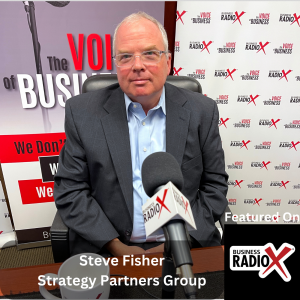
Steve Fisher, Strategy Partners Group

September 25, 2023 by John Ray

Strategy Partners Group
North Fulton Business Radio
Steve Fisher, Strategy Partners Group
Loading
00:00 /
RSS Feed
Share
Link
Embed

Download file

Strategy Partners Group

Steve Fisher, Strategy Partners Group (North Fulton Business Radio, Episode 699)

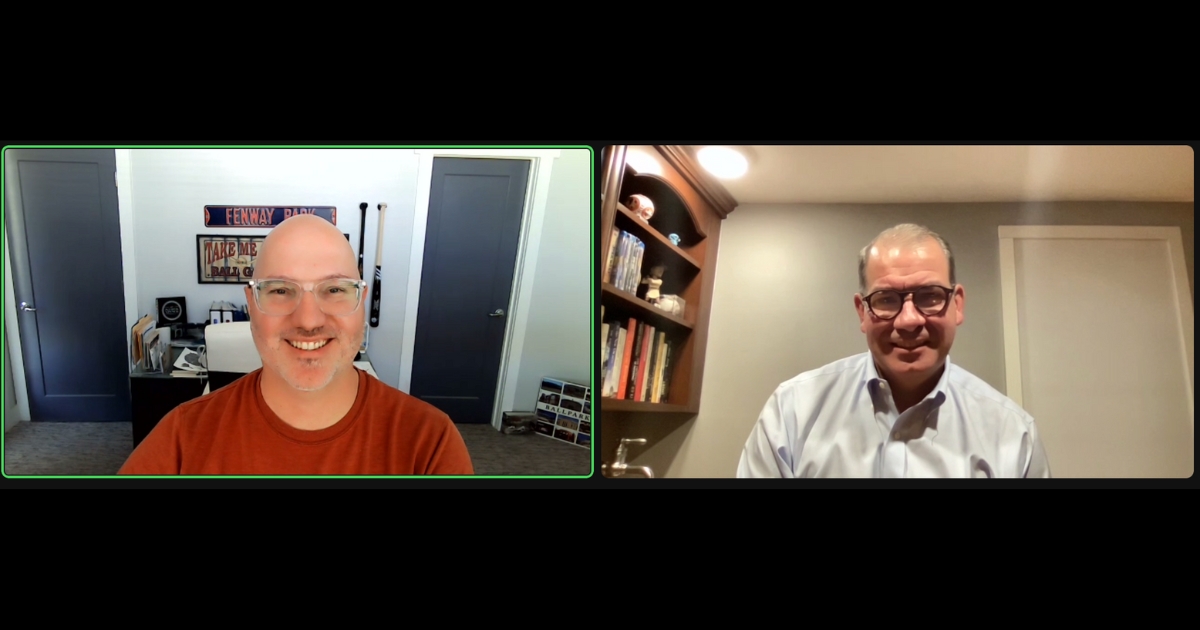
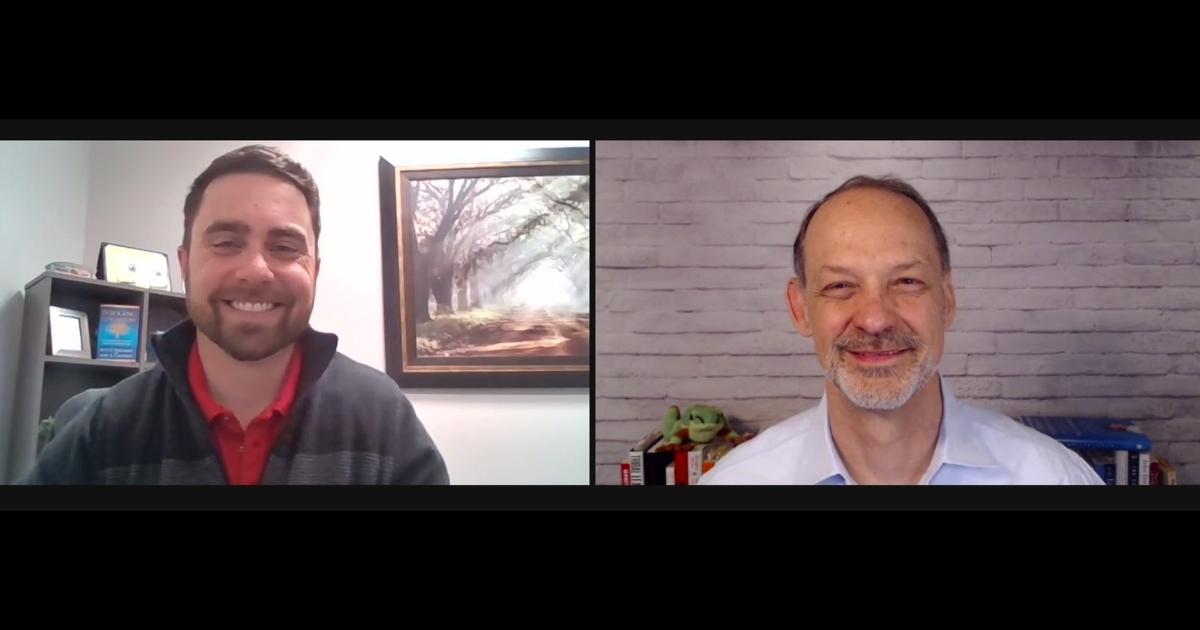
Steve Fisher, one of the founding partners of Strategy Partners Group, joined host John Ray to discuss the work of SPG. Steve discussed the revenue “stalls” that many businesses face, structured growth plans, why it’s hard to delegate, how SPG serves its clients, success stories, and much more.

North Fulton Business Radio is broadcast from the North Fulton studio of Business RadioX® inside Renasant Bank in Alpharetta.

Strategy Partners Group

Strategy Partners Group has built a team of cross discipline experts who work as an expert team to provide integrated strategic support services to their clients. By leveraging their complimentary skillsets, their teams provide each client with the exact expert skill set needed for their unique needs.

Imagine having access to seasoned business owners and veteran consultants who have all been where you are today. With a laser focus on creating and sustaining enterprise value, Strategy Partners Group teams with C-suite’s to design and support strategic value enhancing initiatives throughout your organization. Let SPG create a plan to generate more revenue, profit, and long-term value. Schedule your call today.

Company website | LinkedIn

Steve Fisher, Partner, Strategy Partners Group

Steve Fisher, Partner, Strategy Partners Group

Steve Fisher is one of the founding partners of Strategy Partners Group established in 2020. He joins other executive level, seasoned corporate leaders to provide a single source of agile, accelerated and scalable solutions to business owners, C-suites and capital providers. Steve, along with a team of finance and operational experts and industry specific partners, strategically helps accomplish client goals and improve overall business performance.

By combining and leveraging experiences and resources, Strategy Partners Group specifically addresses and overcomes obstacles to help clients achieve their desired outcomes. Steve is a highly experienced and skilled strategist with a diverse background in leadership, finance, consulting and executive management.

He has a track record of helping corporate clients focus on customer service and maximizing long-term shareholder value. His capabilities encompass a wide range of financial and operational areas, including business integration, structured growth plans, financial analysis and modeling, financial regulatory compliance, risk management, business exit strategy, procedural policy streamlining, operational procedures development and implementing monitoring and accountability systems. Steve has years of experience dealing with complex financial conversations and distilling them down into common words, so everyone involved in the decision-making understands what is being presented.

In addition to using his knowledge and skill with clients, he has been privileged to collaborate with training professionals to co-develop and present curriculum entitled “Finance for Everyone.” Steve served as a subject matter expert for Panasonic’s Executive Training program. He also served as a speaker for Human Resource and Management Professionals from a variety of companies at Emory University’s Continuing Education Division.

Steve’s notable achievement includes serving as the Chief Financial Officer (CFO) of JP Turner and Company throughout its entire life cycle, from 1997 to 2016. During his tenure, he played a crucial role in the firm’s growth from a startup to an enterprise generating over $90 million in annual revenues. Under his guidance, JP Turner expanded its reach from a small regional operation to a successful nationwide organization with multiple offices and advisors.

Before joining JP Turner, Steve worked as a management consultant, providing his expertise to clients in various industries across North America, including transportation, manufacturing, and commercial services. This experience allowed him to develop a keen ability to identify root causes of problems and deliver customized solutions to his clients. Steve’s background also includes a strong understanding of financial and service industries, franchise business models, and managing rapid expansion.

He holds a Bachelor of Science degree in Industrial Engineering and Operations Research from Virginia Tech. He has held Series 27, Series 7, and Series 63 licenses. With his vast experience and knowledge, coupled with the experience and resources of Strategy Partners Group, Steve continues to expertly deliver measurable results to clients, enabling them to stay focused on their core business functions and achieve their goals.

LinkedIn

Questions and Topics in this Interview:

  • How to get your company to break through to the next revenue level
  • Developing and implementing “Structured Growth Plans”
  • Why is it so hard for business owners to delegate successfully?
  • The importance of Board of Director development
  • Pitfalls surrounding post-merger integration

North Fulton Business Radio is hosted by John Ray and broadcast and produced from the North Fulton studio of Business RadioX® inside Renasant Bank in Alpharetta. You can find the full archive of shows by following this link. The show is available on all the major podcast apps, including Apple Podcasts, Spotify, Google, Amazon, iHeart Radio, Stitcher, TuneIn, and others.

RenasantBank


Renasant Bank has humble roots, starting in 1904 as a $100,000 bank in a Lee County, Mississippi, bakery. Since then, Renasant has become one of the Southeast’s strongest financial institutions with over $13 billion in assets and more than 190 banking, lending, wealth management, and financial services offices in Mississippi, Alabama, Tennessee, Georgia, and Florida. All of Renasant’s success stems from each of their banker’s commitment to investing in their communities as a way of better understanding the people they serve. At Renasant Bank, they understand you because they work and live alongside you every day.

Since 2000, Office Angels® has been restoring joy to the life of small business owners, enabling them to focus on what they do best. At the same time, we honor and support at-home experts who wish to continue working on an as-needed basis. Not a temp firm or a placement service, Office Angels matches a business owner’s support needs with Angels who have the talent and experience necessary to handle work that is essential to creating and maintaining a successful small business. Need help with administrative tasks, bookkeeping, marketing, presentations, workshops, speaking engagements, and more? Visit us at https://officeangels.us/.

Tagged With: business growth, entreprenuers, John Ray, Mergers and Acquisitions, North Fulton Business Radio, Office Angels, renasant bank, revenue, SPG, Steve Fisher, Strategic Growth, Strategy Partners Group

What’s Your Number? E141

February 9, 2023 by Karen

Whats-Your-Number-feature
Phoenix Business Radio
What's Your Number? E141
Loading
00:00 /
RSS Feed
Share
Link
Embed

Download file

Whats-Your-Number-E141

What’s Your Number? E141

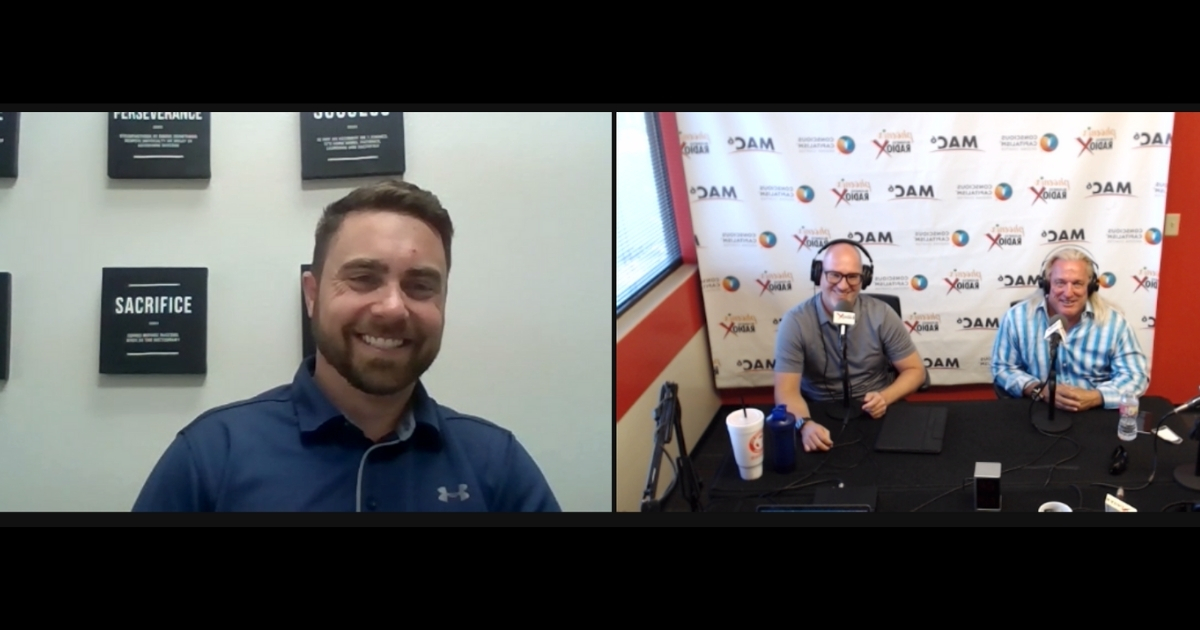
Eric Crews joined Tycoons to talk about what is important about the journey of growing your business all the way to retirement. One of the biggest things he recommends is that you know your number. What number are you aiming for to grow your business and eventually retire?

Tune in to hear Eric talk about how his love of endurance sports has helped him in his business journey and his philosophies on what is most important when growing your business. Learn more about Eric at crewsandco.com or find him on LinkedIn.

Crews-and-co-logo

Crews & co. is a management consulting firm helping ready-to-scale, seven-figure businesses achieve their first $10M, $20M, or $50M year. Using the Growth Method, their proprietary business operating system, they help companies increase their revenue, profitability, and salable asset value.

Through in-house resources and a curated partner network, they also offer entrepreneurs everything they need to grow their business: finance services, recruiting, HR, marketing, wealth management, M&A, and more.

Eric-Crews-Tycoons-of-Small-BizAs Founder and CEO of Crews & co., Eric Crews is passionate about helping businesses grow. Eric has guided 100+ organizations to increased and sustainable profitability while simultaneously optimizing their operations and instituting elevated quality of life for their leadership teams.

Working in industries such as technology, finance, marketing, manufacturing, education, and construction, he has helped convert many unorganized, underperforming ventures into streamlined, revenue-generating enterprises.

Building on decades of successful entrepreneurship and eight years as a Certified EOS Implementer® with over 1000 session days, Eric led Crews & co.’s 2021 launch of the Growth Method℠, a proprietary business operating system designed to propel companies to increased revenue, profit, and salable value.

Eric is also the Co-Founder and CEO of CE Painting, one of the largest commercial painting businesses in New England. Both CE Painting and Crews & co. have been honorees on the Inc.com list of 5000 fastest-growing businesses.

About the Show

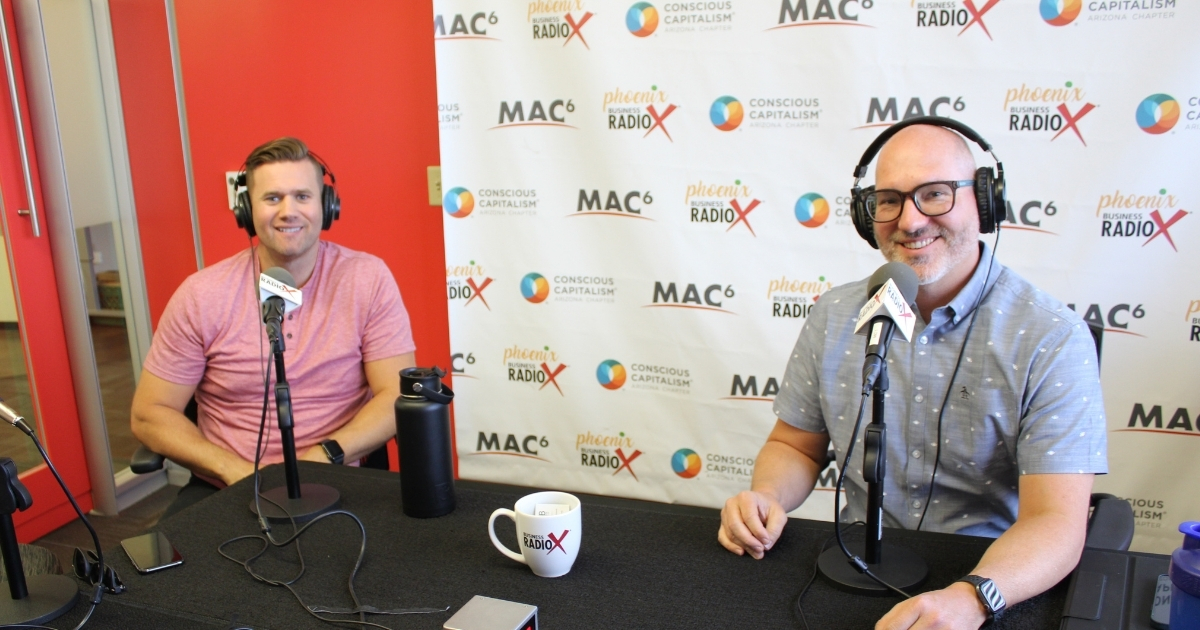
Tycoons of Small Biz spotlights the true backbone of the American economy, the true tycoons of business in America… the owners, founders and CEO’s of small businesses. Join hosts,  Austin L Peterson, Landon Mance and the featured tycoons LIVE every Tuesday at 1 pm, right here on Business RadioX and your favorite podcast platform.

About Your Hosts

Autsin-Peterson-on-Phoenix-Business-RadioX

Austin Peterson is a Comprehensive Financial Planner and co-founder of Backbone Planning Partners in Scottsdale, AZ. Austin is a registered rep and investment advisor representative with Lincoln Financial Advisors. Prior to joining Lincoln Financial Advisors, Austin worked in a variety of roles in the financial services industry.

He began his career in financial services in the year 2000 as a personal financial advisor with Independent Capital Management in Santa Ana, CA. Austin then joined Pacific Life Insurance Company as an internal wholesaler for their variable annuity and mutual fund products. After Pacific Life, Austin formed his own financial planning company in Southern California that he built and ran for 6 years and eventually sold when he moved his family to Salt Lake City to pursue his MBA.

After he completed his MBA, Austin joined Crump Life Insurance where he filled a couple of different sales roles and eventually a management role throughout the five years he was with Crump. Most recently before joining Lincoln Financial Advisors in February 2015, Austin spent 2 years as a life insurance field wholesaler with Symetra Life Insurance Company. Austin is a Certified Financial Planner Professional and Chartered Life Underwriter. In 2021, Austin became a Certified Business Exit Consultant® (CBEC®) to help entrepreneurs plan to exit their businesses.

Austin and his wife of 23 years, Robin, have two children, AJ (21) and Ella (18) and they reside in Gilbert, Arizona. He is a graduate of California State University, Fullerton with a Bachelor of Arts in French and of Brigham Young University’s Marriott School of Management with a Master of Business Administration with an emphasis in sales and entrepreneurship.backbone-New-Logo

Connect with Austin on LinkedIn, Facebook, Twitter, and Instagram.

LandonHeadshot01

Landon Mance is a Financial Planner and co-founder of Backbone Planning Partners out of Las Vegas, Nevada. He rebranded his practice in 2020 to focus on serving small business owners after operating as Mance Wealth Management since 2015 when Landon broke off from a major bank and started his own “shop.”

Landon comes from a family of successful entrepreneurs and has a passion and excitement for serving the business community. This passion is what brought about the growth of Backbone Planning Partners to help business owners and their families. At Backbone Planning, we believe small business owners’ personal and business goals are intertwined, so we work with our clients to design a financial plan to support all aspects of their lives.

In 2019, Landon obtained the Certified Exit Planning Advisor (CEPA) designation through the Exit Planning Institute. With this certification, Backbone Planning Partners assists business owners through an ownership transition while focusing on a positive outcome for their employees and meeting the business owner’s goals. Landon is also a member of the Business Intelligence Institute (BII) which is a collaborative group that shares tools, resources and personnel, and offers advanced level training and technical support to specifically serve business owners. In 2021, Landon became a Certified Business Exit Consultant® (CBEC®) to help entrepreneurs plan to exit their businesses by counseling owners about exit options, estimating the value of the business, preparing the business for exit and tax considerations.

Landon enjoys spending time with his beautiful wife, stepson, and new baby twins. He grew up in sunny San Diego and loves visiting his family, playing a round of golf with friends, and many other outdoor activities. Landon tries to make a difference in the lives of children in Las Vegas as a part of the leadership team for a local non-profit. He regularly visits the children that we work with to remind himself of why it’s so important to, “be the change that you wish to see in the world.”

Landon received his B.S. from California State University Long Beach in business marketing and gets the rest of his education through the school of hard knocks via his business owner clients.

Connect with Landon on LinkedIn.

Tagged With: business coach, business growth, executive coaching, management consulting

Eric Whitmoyer with My Biz Coaches and Jim Wilkerson with Wilkerson Consulting

September 15, 2022 by Karen

Eric-Whitmoyer-with-MyBiz-Coaches-and-Jim-Wilkerson-with-Wilkerson-Consulting-feature
Phoenix Business Radio
Eric Whitmoyer with My Biz Coaches and Jim Wilkerson with Wilkerson Consulting
Loading
00:00 /
RSS Feed
Share
Link
Embed

Download file

Eric-Whitmoyer-with-MyBiz-Coaches-and-Jim-Wilkerson-with-Wilkerson-Consulting

Eric Whitmoyer with My Biz Coaches and Jim Wilkerson with Wilkerson Consulting

MBCs-Royal

My Biz Coaches is a business consulting firm that takes a personalized approach to help our clients achieve their goals. We specialize in sales and marketing, operations, finance, and leadership and personal development.

Our team of experienced consultants provides practical solutions that get results. We understand that business owners need a sounding board to help them navigate the ever-changing landscape of business. Let My Biz Coaches be your guide to success!

At My Biz Coaches, we have garnered the knowledge and experience of many successful business people, captured their best insights and knowledge, and provided this information to our clients to help them build, re-build, scale, acquire and even sell their businesses.

Eric-WhitmoyerEric Whitmoyer is a highly accomplished “no-nonsense” executive, speaker, author, & business coach. He is an entrepreneur who has owned over a dozen different businesses and spent 20 years as an executive leader of two $100 million companies and been responsible for generating over $1.6 billion in sales during that time.

After working his way up the corporate ladder to become an executive at two $100 million companies and achieving exceptional results in sales and operations along the way, as well as starting or acquiring more than a dozen businesses of his own, Eric decided to start coaching others on what he had learned.

Eric leverages his skills and experience to lead companies to peak success. Among his many achievements, Eric is recognized as an Advanced Certified Trainer in the Success Principles, a certified instructor of the Barrett Values Centre, has certifications in multiple Sales and Leadership programs, and has authored books on Goal Setting, Time Management, & Business.

Despite his professional success, Eric is most proud of his role as a husband, father, and grandfather. Eric was also a Professional Kickboxer and held the US Light-Heavyweight title from 94 to 96. He is an avid weight lifter, strength competitor, and fitness enthusiast. A die-hard Pittsburgh Steelers fan and served in the US Army National Guard from 1989 till 1996.

Connect with Eric on LinkedIn and follow My Biz Coaches on Facebook, Twitter and Instagram.

Jim-WilkersonJim Wilkerson, Founder of Wilkerson Consulting, is a third generation Phoenix native who has a background based in financial services and education.

Jim has a 34 year tenure providing financial services and consulting to fortune 500 corporations, utilities, municipalities and business owners. These services include financial forecasting, business finance, corporate cash management, pension plan and 401-K investment management.

Jim has also worked with local businesses to scale and grow their operations through marketing and sales programs designed to get the business ready for sale, and implementing existing ownership exit strategies.

Jim has worked in the non-profit world succesfully designing and implementing donor engagement programs such as planned giving and traditional fundraising for Habitat For Humanity Central Arizona Chapter, and holds the American Fundraising Professional Certification.

Jim is married to his college sweetheart for over 42 years and has two lovely, successful daughters and 3 grandchildren. He attended Northern Arizona University on a full ride track scholarship setting both the school and conference records in the pole vault.

Post college, he worked his way into the world class vaulting arena where he eventually was invited to attend the 1980 Olynpic Trials.

Connect with Jim on LinkedIn and Facebook.

Tagged With: business coaching, business consulting, business growth, marketing, Sales

Good Habits Drive Results E84

December 16, 2021 by Karen

Good-Habits-Drive-Results-feature
Phoenix Business Radio
Good Habits Drive Results E84
Loading
00:00 /
RSS Feed
Share
Link
Embed

Download file

Good-Habits-Drive-Results-E84

Good Habits Drive Results E84

Karl Maier joined Landon on Tycoons and opened up about the successes and failures of small business ownership. He was able to track areas that brought businesses the most success and used that knowledge to start Abunden.

People are the key to quality and business growth and people need to effectively communicate and work together. Abunden provides the system and tools to build that structure to support communication, delegation and business growth. As Karl says, “good habits drive good results.” Abunden-logo-fullColor-rgb1200

Abunden provides easy-to-use software tools that helps business advisors guide their clients to grow rapidly.

The Abunden Tools are designed specifically for entrepreneurial companies with between 10 and 100 people. These companies traditionally see their growth stall because they have difficulty delegating tasks.

The Abunden Tools provide an integrated set of tools that provide the infrastructure which makes it safe to delegate.

Karl-Maier-Tycoons-of-Small-Biz1Karl Maier founded Abunden, his third software company, to help internal and external business advisors be even more effective in helping their clients grow and succeed.

In his various roles over the past three decades, he has been part of the leadership team in five established companies that have at least doubled sales in two years.

Leveraging his successes, Karl developed the Abunden Framework© and led the development of the practical management tools in the Abunden Tools App. These online SaaS (Software as a Service) tools build the management structure for companies to grow and succeed.

Karl received both his MBA and BA from Rice University in Houston. He has been the chairperson for the Rice University Business Network and the Houston District Export Council and a board member for TIE Houston.

Follow Abunden on LinkedIn, Facebook, Twitter and Instagram.

About the Show

Tycoons of Small Biz spotlights the true backbone of the American economy, the true tycoons of business in America… the owners, founders and CEO’s of small businesses. Join hosts,  Austin L Peterson, Landon Mance and the featured tycoons LIVE every Tuesday at 1 pm, right here on Business RadioX and your favorite podcast platform.

About Your Hosts

Autsin-Peterson-on-Phoenix-Business-RadioX

Austin Peterson is a Comprehensive Financial Planner and co-founder of Backbone Planning Partners in Scottsdale, AZ. Austin is a registered rep and investment advisor representative with Lincoln Financial Advisors. Prior to joining Lincoln Financial Advisors, Austin worked in a variety of roles in the financial services industry.

He began his career in financial services in the year 2000 as a personal financial advisor with Independent Capital Management in Santa Ana, CA. Austin then joined Pacific Life Insurance Company as an internal wholesaler for their variable annuity and mutual fund products. After Pacific Life, Austin formed his own financial planning company in Southern California that he built and ran for 6 years and eventually sold when he moved his family to Salt Lake City to pursue his MBA.

After he completed his MBA, Austin joined Crump Life Insurance where he filled a couple of different sales roles and eventually a management role throughout the five years he was with Crump. Most recently before joining Lincoln Financial Advisors in February 2015, Austin spent 2 years as a life insurance field wholesaler with Symetra Life Insurance Company. Austin is a Certified Financial Planner Professional and Chartered Life Underwriter. In 2021, Austin became a Certified Business Exit Consultant® (CBEC®) to help entrepreneurs plan to exit their businesses.

Austin and his wife of 23 years, Robin, have two children, AJ (21) and Ella (18) and they reside in Gilbert, Arizona. He is a graduate of California State University, Fullerton with a Bachelor of Arts in French and of Brigham Young University’s Marriott School of Management with a Master of Business Administration with an emphasis in sales and entrepreneurship.backbone-New-Logo

Connect with Austin on LinkedIn, Facebook, Twitter, and Instagram.

LandonHeadshot01

Landon Mance is a Financial Planner and co-founder of Backbone Planning Partners out of Las Vegas, Nevada. He rebranded his practice in 2020 to focus on serving small business owners after operating as Mance Wealth Management since 2015 when Landon broke off from a major bank and started his own “shop.”

Landon comes from a family of successful entrepreneurs and has a passion and excitement for serving the business community. This passion is what brought about the growth of Backbone Planning Partners to help business owners and their families. At Backbone Planning, we believe small business owners’ personal and business goals are intertwined, so we work with our clients to design a financial plan to support all aspects of their lives.

In 2019, Landon obtained the Certified Exit Planning Advisor (CEPA) designation through the Exit Planning Institute. With this certification, Backbone Planning Partners assists business owners through an ownership transition while focusing on a positive outcome for their employees and meeting the business owner’s goals. Landon is also a member of the Business Intelligence Institute (BII) which is a collaborative group that shares tools, resources and personnel, and offers advanced level training and technical support to specifically serve business owners. In 2021, Landon became a Certified Business Exit Consultant® (CBEC®) to help entrepreneurs plan to exit their businesses by counseling owners about exit options, estimating the value of the business, preparing the business for exit and tax considerations.

Landon enjoys spending time with his beautiful wife, stepson, and new baby twins. He grew up in sunny San Diego and loves visiting his family, playing a round of golf with friends, and many other outdoor activities. Landon tries to make a difference in the lives of children in Las Vegas as a part of the leadership team for a local non-profit. He regularly visits the children that we work with to remind himself of why it’s so important to, “be the change that you wish to see in the world.”

Landon received his B.S. from California State University Long Beach in business marketing and gets the rest of his education through the school of hard knocks via his business owner clients.

Connect with Landon on LinkedIn.

Austin Peterson and Landon Mance are registered representatives of Lincoln Financial Advisors Corp. Securities and investment advisory services offered through Lincoln Financial Advisors Corp., a broker/dealer (member SIPC) and registered investment advisor. Insurance offered through Lincoln affiliates and other fine companies. Backbone Planning Partners is a marketing name for registered representatives of Lincoln Financial Advisors. CRN-3949076-120721

Lincoln Financial Advisors Corp. and its representatives do not provide legal or tax advice. You may want to consult a legal or tax advisor regarding any legal or tax information as it relates to your personal circumstances.

The content presented is for informational and educational purposes. The information covered and posted are views and opinions of the guests and not necessarily those of Lincoln Financial Advisors Corp.

Business RadioX® is a separate entity not affiliated with Lincoln Financial Advisors Corp.

Tagged With: Abunden, business growth, Business Operating System, Delegate, Management

Pay to Play! E73

September 23, 2021 by Karen

Pay-to-Play-E73-feature
Phoenix Business Radio
Pay to Play! E73
Loading
00:00 /
RSS Feed
Share
Link
Embed

Download file

Pay-to-Play-E73

Pay to Play! E73

During this episode, hosts Austin and Landon interview Mike Maunu, owner of Marketing Results Group emphasizes the importance time and money have when marketing to the right clients and gaining their business. Clients need to spend money to make money! In order to be successful you need to price your time/products/services accordingly. Clients who pay less require more work and aren’t invested in the business relationship.

Mike Maunu is a serial entrepreneur the past 40+ years as an investor, founder, executive or business coach taking multiple companies to over 8 and 9 figures in annual revenue. He has personally trained over 50,000 sales reps and managed over 100+ employees at a time. Listen in on Mike’s coaching techniques and his software program that offers solutions to your business problems right on the spot.

Marketing Results Group (MRG) is a 15-year-old coaching/software company. Implementing proven processes MRG works with SMBs (small and medium-sized business) and business coaches turning their prospects into long-term repeat clients.

Using a proprietary software application, they find business owners a minimum of $100 thousand dollars in increased revenues in 45 minutes without spending another penny on advertising or marketing. A detailed roadmap guides the owner to higher profits.

MRG licenses their Pathway To Profits, paint-by-number system for business coaches and consultants to grow their businesses using the proprietary software, a group coaching system and a white-labeled MBA business academy platform.

Mike-Maunu-Tycoons-of-Small-BizMike Maunu is a serial entrepreneur the past 40+ years as an investor, founder, executive or business coach taking multiple companies to over 8 and 9 figures in annual revenue. He has personally trained over 50,000 sales reps and managed over 100+ employees at a time.

He’s worked with over 100 businesses in about 75 different industries and loves working with owners that want to be the pre-eminent go-to-leader in their marketplace, working with a few clients one-on-one at any time.

He currently resides in Scottsdale, AZ, loves to play golf and his constant companion is his 19-yr old Shi Tzu Abraham. He also owns a 21-yr old, patented health supplement ecom business and has the pleasure of working with his son, Alex, a 22-yr old who has been working in the businesses the past 5-years.

Connect with Mike on LinkedIn and Facebook.

About the Show

Tycoons of Small Biz spotlights the true backbone of the American economy, the true tycoons of business in America… the owners, founders and CEO’s of small businesses. Join hosts,  Austin L Peterson, Landon Mance and the featured tycoons LIVE every Tuesday at 1 pm, right here on Business RadioX and your favorite podcast platform.

About Your Hosts

Autsin-Peterson-on-Phoenix-Business-RadioX

Austin Peterson is a Comprehensive Financial Planner and co-founder of Backbone Planning Partners in Scottsdale, AZ. Austin is a registered rep and investment advisor representative with Lincoln Financial Advisors. Prior to joining Lincoln Financial Advisors, Austin worked in a variety of roles in the financial services industry.

He began his career in financial services in the year 2000 as a personal financial advisor with Independent Capital Management in Santa Ana, CA. Austin then joined Pacific Life Insurance Company as an internal wholesaler for their variable annuity and mutual fund products. After Pacific Life, Austin formed his own financial planning company in Southern California that he built and ran for 6 years and eventually sold when he moved his family to Salt Lake City to pursue his MBA.

After he completed his MBA, Austin joined Crump Life Insurance where he filled a couple of different sales roles and eventually a management role throughout the five years he was with Crump. Most recently before joining Lincoln Financial Advisors in February 2015, Austin spent 2 years as a life insurance field wholesaler with Symetra Life Insurance Company. Austin is a Certified Financial Planner Professional and Chartered Life Underwriter. In 2021, Austin became a Certified Business Exit Consultant® (CBEC®) to help entrepreneurs plan to exit their businesses.

Austin and his wife of 23 years, Robin, have two children, AJ (21) and Ella (18) and they reside in Gilbert, Arizona. He is a graduate of California State University, Fullerton with a Bachelor of Arts in French and of Brigham Young University’s Marriott School of Management with a Master of Business Administration with an emphasis in sales and entrepreneurship.backbone-New-Logo

Connect with Austin on LinkedIn, Facebook, Twitter, and Instagram.

LandonHeadshot01

Landon Mance is a Financial Planner and co-founder of Backbone Planning Partners out of Las Vegas, Nevada. He rebranded his practice in 2020 to focus on serving small business owners after operating as Mance Wealth Management since 2015 when Landon broke off from a major bank and started his own “shop.”

Landon comes from a family of successful entrepreneurs and has a passion and excitement for serving the business community. This passion is what brought about the growth of Backbone Planning Partners to help business owners and their families. At Backbone Planning, we believe small business owners’ personal and business goals are intertwined, so we work with our clients to design a financial plan to support all aspects of their lives.

In 2019, Landon obtained the Certified Exit Planning Advisor (CEPA) designation through the Exit Planning Institute. With this certification, Backbone Planning Partners assists business owners through an ownership transition while focusing on a positive outcome for their employees and meeting the business owner’s goals. Landon is also a member of the Business Intelligence Institute (BII) which is a collaborative group that shares tools, resources and personnel, and offers advanced level training and technical support to specifically serve business owners. In 2021, Landon became a Certified Business Exit Consultant® (CBEC®) to help entrepreneurs plan to exit their businesses by counseling owners about exit options, estimating the value of the business, preparing the business for exit and tax considerations.

Landon enjoys spending time with his beautiful wife, stepson, and new baby twins. He grew up in sunny San Diego and loves visiting his family, playing a round of golf with friends, and many other outdoor activities. Landon tries to make a difference in the lives of children in Las Vegas as a part of the leadership team for a local non-profit. He regularly visits the children that we work with to remind himself of why it’s so important to, “be the change that you wish to see in the world.”

Landon received his B.S. from California State University Long Beach in business marketing and gets the rest of his education through the school of hard knocks via his business owner clients.

Connect with Landon on LinkedIn.

Austin Peterson and Landon Mance are registered representatives of Lincoln Financial Advisors Corp. Securities and investment advisory services offered through Lincoln Financial Advisors Corp., a broker/dealer (member SIPC) and registered investment advisor. Insurance offered through Lincoln affiliates and other fine companies. Backbone Planning Partners is a marketing name for registered representatives of Lincoln Financial Advisors. CRN-3767447-091621

Lincoln Financial Advisors Corp. and its representatives do not provide legal or tax advice. You may want to consult a legal or tax advisor regarding any legal or tax information as it relates to your personal circumstances.

The content presented is for informational and educational purposes. The information covered and posted are views and opinions of the guests and not necessarily those of Lincoln Financial Advisors Corp.

Business RadioX® is a separate entity not affiliated with Lincoln Financial Advisors Corp.

Tagged With: business coach, business coaching, business growth, how to grow my small business, small business

Visionary isn’t Ordinary E64

July 29, 2021 by Karen

Visionary-isnt-Ordinary-E64
Phoenix Business Radio
Visionary isn't Ordinary E64
Loading
00:00 /
RSS Feed
Share
Link
Embed

Download file

Visionary-isnt-Ordinary-E64-top

Visionary isn’t Ordinary E64

In this episode Austin and Landon host Allan Draper, Entreprenuer on Tycoons for the second time. Allan’s first appearance on the show was inspirational, so they were excited to welcome him back and learn more from his past experiences and expertise in entrepreneurship.

Tune in to hear the struggles and benefits of entrusting someone to be your business partner. Partnerships within family and businesses can help you conquer more than you’d be able to on your own. As you listen to Allan discuss partnerships, you will learn his perspective on entrepreneurial visions. Join in on the discussion with Allan, Austin and Landon and take away a different view point.

Allan-Draper-Tycoons-of-Small-BizAllan Draper is a serial entrepreneur, investor, business growth expert, attorney and host of the successful podcast, “The Business Growth Pod.” He specializes in scaling businesses and helping entrepreneurs transform an idea into a thriving business. Through a dedicated approach to business analysis, Draper has contributed to the growth and development of startups in a variety of industries transforming them into multimillion dollar enterprises.

From humble upbringings in a small farming community in Eastern Oregon, Draper had an entrepreneurial spirit and ambition to manage and grow businesses from a young age. He earned a Bachelor of Science in Psychology and minors in Chemistry, Philosophy and Spanish from Brigham Young University before attending Arizona State University Sandra Day O’Connor College of Law where he graduated Cum Laude and served as an editor of the Arizona State Law Journal.

With extensive knowledge of business law, Draper decided to forgo a career as an attorney and joined forces with his brother to build proof. Pest Control, a company dedicated to providing the highest standard of pest management services to homeowners.

The Draper brothers expanded proof. Pest Control to 6 states, more than 50 employees and hundreds of sales representatives after continued success in multiple markets. Serving the community has remained a primary mission for Draper and one of his core values in business. The Drapers founded “proof. Gives Back,” a company-wide initiative dedicated to volunteerism and serving nonprofits across the country.

Draper’s diverse industry experiences led him to become a mentor and coach to business owners and entrepreneurs and his offers business consultations, legal reviews and financial planning services. Draper’s podcast “The Business Growth Pod,” offers listeners advice from CEOs and industry leaders who share their tips and personal experience on marketing, personnel hiring and management, and other aspects related to business operations.

The weekly podcast has received over 10,000 downloads in the first six months with an audience in 40 countries spread across six different continents. Draper’s passion lies in building businesses but above all serving the community. He is a proud father and husband and actively dedicates his time to volunteering in his community.

Connect with Allan on LinkedIn, Facebook and Instagram.

About the Show

Tycoons of Small Biz spotlights the true backbone of the American economy, the true tycoons of business in America… the owners, founders and CEO’s of small businesses. Join hosts,  Austin L Peterson, Landon Mance and the featured tycoons LIVE every Tuesday at 1 pm, right here on Business RadioX and your favorite podcast platform.

About Your Hosts

Autsin-Peterson-on-Phoenix-Business-RadioX

Austin Peterson is a Comprehensive Financial Planner and co-founder of Backbone Planning Partners in Scottsdale, AZ. Austin is a registered rep and investment advisor representative with Lincoln Financial Advisors. Prior to joining Lincoln Financial Advisors, Austin worked in a variety of roles in the financial services industry.

He began his career in financial services in the year 2000 as a personal financial advisor with Independent Capital Management in Santa Ana, CA. Austin then joined Pacific Life Insurance Company as an internal wholesaler for their variable annuity and mutual fund products. After Pacific Life, Austin formed his own financial planning company in Southern California that he built and ran for 6 years and eventually sold when he moved his family to Salt Lake City to pursue his MBA.

After he completed his MBA, Austin joined Crump Life Insurance where he filled a couple of different sales roles and eventually a management role throughout the five years he was with Crump. Most recently before joining Lincoln Financial Advisors in February 2015, Austin spent 2 years as a life insurance field wholesaler with Symetra Life Insurance Company. Austin is a Certified Financial Planner Professional and Chartered Life Underwriter. In 2021, Austin became a Certified Business Exit Consultant® (CBEC®) to help entrepreneurs plan to exit their businesses.

Austin and his wife of 23 years, Robin, have two children, AJ (21) and Ella (18) and they reside in Gilbert, Arizona. He is a graduate of California State University, Fullerton with a Bachelor of Arts in French and of Brigham Young University’s Marriott School of Management with a Master of Business Administration with an emphasis in sales and entrepreneurship.backbone-New-Logo

Connect with Austin on LinkedIn, Facebook, Twitter, and Instagram.

LandonHeadshot01

Landon Mance is a Financial Planner and co-founder of Backbone Planning Partners out of Las Vegas, Nevada. He rebranded his practice in 2020 to focus on serving small business owners after operating as Mance Wealth Management since 2015 when Landon broke off from a major bank and started his own “shop.”

Landon comes from a family of successful entrepreneurs and has a passion and excitement for serving the business community. This passion is what brought about the growth of Backbone Planning Partners to help business owners and their families. At Backbone Planning, we believe small business owners’ personal and business goals are intertwined, so we work with our clients to design a financial plan to support all aspects of their lives.

In 2019, Landon obtained the Certified Exit Planning Advisor (CEPA) designation through the Exit Planning Institute. With this certification, Backbone Planning Partners assists business owners through an ownership transition while focusing on a positive outcome for their employees and meeting the business owner’s goals. Landon is also a member of the Business Intelligence Institute (BII) which is a collaborative group that shares tools, resources and personnel, and offers advanced level training and technical support to specifically serve business owners. In 2021, Landon became a Certified Business Exit Consultant® (CBEC®) to help entrepreneurs plan to exit their businesses by counseling owners about exit options, estimating the value of the business, preparing the business for exit and tax considerations.

Landon enjoys spending time with his beautiful wife, stepson, and new baby twins. He grew up in sunny San Diego and loves visiting his family, playing a round of golf with friends, and many other outdoor activities. Landon tries to make a difference in the lives of children in Las Vegas as a part of the leadership team for a local non-profit. He regularly visits the children that we work with to remind himself of why it’s so important to, “be the change that you wish to see in the world.”

Landon received his B.S. from California State University Long Beach in business marketing and gets the rest of his education through the school of hard knocks via his business owner clients.

Connect with Landon on LinkedIn.

Austin Peterson and Landon Mance are registered representatives of Lincoln Financial Advisors Corp. Securities and investment advisory services offered through Lincoln Financial Advisors Corp., a broker/dealer (member SIPC) and registered investment advisor. Insurance offered through Lincoln affiliates and other fine companies. Backbone Planning Partners is a marketing name for registered representatives of Lincoln Financial Advisors. CRN-3691743-072821

Lincoln Financial Advisors Corp. and its representatives do not provide legal or tax advice. You may want to consult a legal or tax advisor regarding any legal or tax information as it relates to your personal circumstances.

The content presented is for informational and educational purposes. The information covered and posted are views and opinions of the guests and not necessarily those of Lincoln Financial Advisors Corp.

Business RadioX® is a separate entity not affiliated with Lincoln Financial Advisors Corp.

Tagged With: attorney, business growth, entrepreneur, Investor, scaling businesses, The Business Growth Podcast

Business Growth E55

May 27, 2021 by Karen

Business-Growth-E55-feature
Phoenix Business Radio
Business Growth E55
Loading
00:00 /
RSS Feed
Share
Link
Embed

Download file

Business-Growth-E55

Business Growth E55

Join the Tycoons as Allan Draper goes beyond talking about how to scale your business quickly, but also discusses what’s truly important in life and understanding what your legacy will be.

What are your expectations and how will you find that balance? One of Allan’s greatest responsibilities as a mentor is challenging entrepreneurs to do the steps in order to reap the rewards. And sometimes risk and reward don’t always work out, but scale is relative to your vision. Focus on building and find things you can control.

Allan helps entrepreneurs transition their ideas with a plan for growth. The most important steps in the process are knowing your vision, setting your expectations, and having a plan to fund your growth. And if you want to scale your business quickly, Allan and his team can help.

Allan-Draper-Tycoons-of-Small-BizAllan Draper is a serial entrepreneur, investor, business growth expert, attorney and host of the successful podcast, “The Business Growth Pod.” He specializes in scaling businesses and helping entrepreneurs transform an idea into a thriving business. Through a dedicated approach to business analysis, Draper has contributed to the growth and development of startups in a variety of industries transforming them into multimillion dollar enterprises.

From humble upbringings in a small farming community in Eastern Oregon, Draper had an entrepreneurial spirit and ambition to manage and grow businesses from a young age. He earned a Bachelor of Science in Psychology and minors in Chemistry, Philosophy and Spanish from Brigham Young University before attending Arizona State University Sandra Day O’Connor College of Law where he graduated Cum Laude and served as an editor of the Arizona State Law Journal.

With extensive knowledge of business law, Draper decided to forgo a career as an attorney and joined forces with his brother to build proof. Pest Control, a company dedicated to providing the highest standard of pest management services to homeowners.

The Draper brothers expanded proof. Pest Control to 6 states, more than 50 employees and hundreds of sales representatives after continued success in multiple markets. Serving the community has remained a primary mission for Draper and one of his core values in business. The Drapers founded “proof. Gives Back,” a company-wide initiative dedicated to volunteerism and serving nonprofits across the country.

Draper’s diverse industry experiences led him to become a mentor and coach to business owners and entrepreneurs and his offers business consultations, legal reviews and financial planning services. Draper’s podcast “The Business Growth Pod,” offers listeners advice from CEOs and industry leaders who share their tips and personal experience on marketing, personnel hiring and management, and other aspects related to business operations.

The weekly podcast has received over 10,000 downloads in the first six months with an audience in 40 countries spread across six different continents. Draper’s passion lies in building businesses but above all serving the community. He is a proud father and husband and actively dedicates his time to volunteering in his community.

Connect with Allan on LinkedIn, Facebook and Instagram.

About the Show

Tycoons of Small Biz spotlights the true backbone of the American economy, the true tycoons of business in America… the owners, founders and CEO’s of small businesses. Join hosts,  Austin L Peterson, Landon Mance and the featured tycoons LIVE every Tuesday at 1 pm, right here on Business RadioX and your favorite podcast platform.

About Your Hosts

Autsin-Peterson-on-Phoenix-Business-RadioX

Austin Peterson is a Comprehensive Financial Planner and co-founder of Backbone Planning Partners in Scottsdale, AZ. Austin is a registered rep and investment advisor representative with Lincoln Financial Advisors. Prior to joining Lincoln Financial Advisors, Austin worked in a variety of roles in the financial services industry.

He began his career in financial services in the year 2000 as a personal financial advisor with Independent Capital Management in Santa Ana, CA. Austin then joined Pacific Life Insurance Company as an internal wholesaler for their variable annuity and mutual fund products. After Pacific Life, Austin formed his own financial planning company in Southern California that he built and ran for 6 years and eventually sold when he moved his family to Salt Lake City to pursue his MBA.

After he completed his MBA, Austin joined Crump Life Insurance where he filled a couple of different sales roles and eventually a management role throughout the five years he was with Crump. Most recently before joining Lincoln Financial Advisors in February 2015, Austin spent 2 years as a life insurance field wholesaler with Symetra Life Insurance Company. Austin is a Certified Financial Planner Professional and Chartered Life Underwriter. In 2021, Austin became a Certified Business Exit Consultant® (CBEC®) to help entrepreneurs plan to exit their businesses.

Austin and his wife of 23 years, Robin, have two children, AJ (21) and Ella (18) and they reside in Gilbert, Arizona. He is a graduate of California State University, Fullerton with a Bachelor of Arts in French and of Brigham Young University’s Marriott School of Management with a Master of Business Administration with an emphasis in sales and entrepreneurship.backbone-New-Logo

Connect with Austin on LinkedIn, Facebook, Twitter, and Instagram.

LandonHeadshot01

Landon Mance is a Financial Planner and co-founder of Backbone Planning Partners out of Las Vegas, Nevada. He rebranded his practice in 2020 to focus on serving small business owners after operating as Mance Wealth Management since 2015 when Landon broke off from a major bank and started his own “shop.”

Landon comes from a family of successful entrepreneurs and has a passion and excitement for serving the business community. This passion is what brought about the growth of Backbone Planning Partners to help business owners and their families. At Backbone Planning, we believe small business owners’ personal and business goals are intertwined, so we work with our clients to design a financial plan to support all aspects of their lives.

In 2019, Landon obtained the Certified Exit Planning Advisor (CEPA) designation through the Exit Planning Institute. With this certification, Backbone Planning Partners assists business owners through an ownership transition while focusing on a positive outcome for their employees and meeting the business owner’s goals. Landon is also a member of the Business Intelligence Institute (BII) which is a collaborative group that shares tools, resources and personnel, and offers advanced level training and technical support to specifically serve business owners. In 2021, Landon became a Certified Business Exit Consultant® (CBEC®) to help entrepreneurs plan to exit their businesses by counseling owners about exit options, estimating the value of the business, preparing the business for exit and tax considerations.

Landon enjoys spending time with his beautiful wife, stepson, and new baby twins. He grew up in sunny San Diego and loves visiting his family, playing a round of golf with friends, and many other outdoor activities. Landon tries to make a difference in the lives of children in Las Vegas as a part of the leadership team for a local non-profit. He regularly visits the children that we work with to remind himself of why it’s so important to, “be the change that you wish to see in the world.”

Landon received his B.S. from California State University Long Beach in business marketing and gets the rest of his education through the school of hard knocks via his business owner clients.

Connect with Landon on LinkedIn.

Austin Peterson and Landon Mance are registered representatives of Lincoln Financial Advisors Corp. Securities and investment advisory services offered through Lincoln Financial Advisors Corp., a broker/dealer (member SIPC) and registered investment advisor. Insurance offered through Lincoln affiliates and other fine companies. Backbone Planning Partners is a marketing name for registered representatives of Lincoln Financial Advisors. CRN-3595105-051721

Lincoln Financial Advisors Corp. and its representatives do not provide legal or tax advice. You may want to consult a legal or tax advisor regarding any legal or tax information as it relates to your personal circumstances.

The content presented is for informational and educational purposes. The information covered and posted are views and opinions of the guests and not necessarily those of Lincoln Financial Advisors Corp.

Business RadioX® is a separate entity not affiliated with Lincoln Financial Advisors Corp.

Tagged With: Allan Draper, business growth

Customer Experience to Drive Better Results with Lindsey MacNeil E2

March 4, 2021 by Karen

Customer-Experience-to-Drive-Better-Results-with-Lindsey-MacNeil-E2-feature
Phoenix Business Radio
Customer Experience to Drive Better Results with Lindsey MacNeil E2
Loading
00:00 /
RSS Feed
Share
Link
Embed

Download file

Customer-Experience-to-Drive-Better-Results-with-Lindsey-MacNeil-E2

Customer Experience to Drive Better Results with Lindsey MacNeil E2

In Episode 2 Sean, and co-host Mark have Lindsey (Lindz) founder of Lean In to Human Design. Lindz shares how the direction of her company was shaped by her early singing career and a vocal injury took her to the Doctors office as a child. Over the years, that interest in the experience helped her develop User Experience (UX) for several large corporations.

Sean inquires about her why and she shares how her services contribute to Avontage community to support their business growth. Mark inquires about what patterns many businesses overlook when it comes to Design and Systems thinking. This episode has the most amount of acronyms UX, DX, CX out of our 2 episodes so far and may carry the title for episodes to come. Come listen to Lindz help you connect more customer experiences together.

Consumers are spoiled by the customer experience when purchasing products on Amazon or Apple. Lindz explains the importance and the amount of design thinking that goes into creating Customer Experience for smaller businesses and ultimately providing a consistently delightful experience for your customers and clients.

Lindsey-MacNeil-Phoenix-Business-RadioXThrough Lean In, Lindsey MacNeil helps organizations across the private, public, and social sectors revive profitability, retain customers and cultivate change that matters.

From the C-suite to the front lines, she partners with clients to transform their organizations, build enduring capabilities, and leverage technology.

She combines global insights and local expertise to help you turn your aspirations into reality.

Lindsey stumbled into service and process design in ’03 and soon moved into experience design and business analysis. Her career has equipped her with a depth of expertise to help organizations identify shortcomings and points of failure. Her breath of design knowledge enables her to help these organizations ensure success going forward.

Connect with Lindsey on LinkedIn.

About Cultivating Collaboration on Avontage

Avontage-Podcast-Graphics1Sean Sarram, CEO and Founder Avontage is the host of this interview-style live radio/podcast show to highlight the members of the Avontage community. His co-host, Mark Jamnik, is Owner and Time Creation Coach at Enjoy Life Daily.

On this podcast we learn about the skills and services offered on our platform and how our members collaborate to grow their businesses; hence the name “Cultivating Collaboration on Avontage”.

About Avontage

Avontage is the future of work. We are a like-minded community of experts, forward-thinking entrepreneurs, and highly skilled freelancers solving each other’s pain points. We do that by trading skills and services on a trusted and safe platform.

Business barter trading is on the rise and it is the smartest way to achieve scalable growth during these challenging times.

Avontage-logo

About Your Hosts

Sean-Sarram-Cultivating-Collaboration-on-Avontage-PodcastSean Sarram, the CEO and Founder of Avontage, is a seasoned executive with an entrepreneurial mindset. With a software engineering degree in Computer Science from Arizona State University, Sean enjoys building technology to solve hard problems that affect everyday life.

His mission is to build a trusted community marketplace for local business owners, marketers, entrepreneurs, freelancers, and creatives to collaborate, gain high quality clients, and help them grow your businesses without spending money.

Sean believes in Collaborative Capitalism, where small businesses collaborate and trading-exchange their skills and services to elevate one another.

Connect with Sean on LinkedIn, and follow Avontage on Facebook, Twitter and Instagram.

Mark-Jamnik-Cultivating-Collaboration-on-Avontage-PodcastMark Jamnik lives and breathes productivity & coaching. After a decade in advertising sales, he was recruited by the Tony Robbins’ organization, to be 1 of 100 active global coaches. He coached over 300 CEO’s, entrepreneurs, & sales professionals, maximizing their effectiveness in achieving their goals.

Over the last decade he focused on his own entrepreneurial journey creating a healthy relationship with time. Now he consults CEOs and entrepreneurs with time creation and organization strategies to maximize productivity stress-free.

Connect with Mark on LinkedIn and Facebook.

Enjoy-Life-Daily-logo2-300x139

Tagged With: business growth, CX, Design Leadership, Design Strategy, HX

Decision Vision Episode 83: Should I Grow My Company? – An Interview with Alicia Butler Pierre, Equilibria, Inc.

September 17, 2020 by John Ray

Alicia Butler Pierre
Decision Vision
Decision Vision Episode 83: Should I Grow My Company? - An Interview with Alicia Butler Pierre, Equilibria, Inc.
Loading
00:00 /
RSS Feed
Share
Link
Embed

Download file

Decision Vision Episode 83:  Should I Grow My Company? – An Interview with Alicia Butler Pierre, Equilibria, Inc.

Most companies want growth, but as Alicia Butler Pierre discusses, there are numerous decision points around growth which must be addressed. Is your back office infrastructure prepared for growth?  How did you handle the risks of unexpectedly rapid growth, such as Zoom experienced in 2020? Alicia and host Mike Blake discuss these questions and much more on this edition of “Decision Vision,” presented by Brady Ware & Company.

Alicia Butler Pierre, CEO, Equilibria, Inc.

Alicia Butler Pierre’s career in operations began over 20 years ago as a chemical engineer in several chemical plants and oil refineries in her native Louisiana. Her passion is in designing processes that help people, places and things flow more efficiently. Alicia is the founder and CEO of Equilibria, Inc., a 15-year-old operations management firm specializing in business infrastructure for fast-growing companies. Her company is currently the world’s largest and most comprehensive repository on business infrastructure for small businesses.

It is at Equilibria where she invented the Kasennu™  framework for business infrastructure and software by the same name. She has since successfully applied this framework in over 30 different industries and counting. Alicia has a B.S. in Chemical Engineering from Louisiana State University and an MBA from Tulane University.

Her ability to blend scientific, business, and mathematical methodologies to solve complex operational problems enables her to bring a unique, tactical, and realistic perspective to her clients, who have also included larger enterprises like The Coca-Cola Company, Lowe’s, and Shell Oil Company.

Alicia is also a certified Lean Six Sigma Black Belt and has produced over 350 articles, podcast episodes, case studies, videos, and white papers in the areas of business infrastructure, process improvement, and operational excellence. Combined, her content has over three quarters of a million views across various online platforms.

Alicia hosts the weekly Business Infrastructure: Curing Back Office Blues podcast which recently celebrated its 100th episode. She’s also the author of the 2x Amazon bestseller, Behind the Façade: How to Structure Company Operations for Sustainable Success. Committed to doing the right things the right way, Alicia’s mantra is “to leave it better than you found it.”

Connect with Alicia by visiting her website.

Michael Blake, Brady Ware & Company

Mike Blake, Host of the “Decision Vision” podcast series

Michael Blake is Host of the “Decision Vision” podcast series and a Director of Brady Ware & Company. Mike specializes in the valuation of intellectual property-driven firms, such as software firms, aerospace firms and professional services firms, most frequently in the capacity as a transaction advisor, helping clients obtain great outcomes from complex transaction opportunities. He is also a specialist in the appraisal of intellectual properties as stand-alone assets, such as software, trade secrets, and patents.

Mike has been a full-time business appraiser for 13 years with public accounting firms, boutique business appraisal firms, and an owner of his own firm. Prior to that, he spent 8 years in venture capital and investment banking, including transactions in the U.S., Israel, Russia, Ukraine, and Belarus.

Brady Ware & Company

Brady Ware & Company is a regional full-service accounting and advisory firm which helps businesses and entrepreneurs make visions a reality. Brady Ware services clients nationally from its offices in Alpharetta, GA; Columbus and Dayton, OH; and Richmond, IN. The firm is growth minded, committed to the regions in which they operate, and most importantly, they make significant investments in their people and service offerings to meet the changing financial needs of those they are privileged to serve. The firm is dedicated to providing results that make a difference for its clients.

Decision Vision Podcast Series

“Decision Vision” is a podcast covering topics and issues facing small business owners and connecting them with solutions from leading experts. This series is presented by Brady Ware & Company. If you are a decision maker for a small business, we’d love to hear from you. Contact us at decisionvision@bradyware.com and make sure to listen to every Thursday to the “Decision Vision” podcast.

Past episodes of “Decision Vision” can be found at decisionvisionpodcast.com. “Decision Vision” is produced and broadcast by the North Fulton studio of Business RadioX®.

Visit Brady Ware & Company on social media:

LinkedIn:  https://www.linkedin.com/company/brady-ware/

Facebook: https://www.facebook.com/bradywareCPAs/

Twitter: https://twitter.com/BradyWare

Instagram: https://www.instagram.com/bradywarecompany/

Show Transcript

Intro: [00:00:01] Welcome to Decision Vision, a podcast series focusing on critical business decisions. Brought to you by Brady Ware & Company. Brady Ware is a regional full service accounting and advisory firm that helps businesses and entrepreneurs make visions a reality.

Mike Blake: [00:00:20] And welcome to Decision Vision, a podcast giving you, the listener, clear vision to make great decisions. In each episode, we discuss the process of decision making on a different topic from the business owner’s or executive’s perspective. We aren’t necessarily telling you what to do, but we can put you in a position to make an informed decision on your own and understand when you might need help along the way.

Mike Blake: [00:00:39] My name is Mike Blake and I’m your host for today’s program. I’m a director at Brady Ware & Company, a full service accounting firm based in Dayton, Ohio with offices in Dayton, Columbus, Ohio, Richmond, Indiana, and Alpharetta, Georgia. Brady Ware is sponsoring this podcast, which is being recorded in Atlanta for social distancing protocols. If you like this podcast, please subscribe on your favorite podcast aggregator. And please consider leaving a review of the podcast as well.

Mike Blake: [00:01:06] So, today’s topic is, should I grow my company? And, you know, as we record this episode on September 11, 2020, we’re still in the throes of this pandemic, social upheaval, murder hornet environment, where most of us have kind of taken the roundhouse punch. And we’ve been staggered and we’re kind of standing up as we start to adapt to to this new normal that we find ourselves in. And whether this new normal lasts a few more months until a vaccine is discovered or this is a new normal that is simply an adaptation that we’re going to have to live with as evolving creatures of nature we’re just going have to adjust to, we are starting to adapt to it.

Mike Blake: [00:02:04] And, you know, whether you have been substantially impacted from a business perspective by the pandemic and the environment, or whether that impact has been minor, or even the opposite, there are some businesses that have done extremely well during this time period. In fact, I was just reading in The New York Times yesterday a product that has enjoyed unprecedented growth has been guitars. I don’t know if that’s necessarily limited to electric, acoustic, hollow-body, Stratocaster, Les Paul, whatever. But, apparently, guitars all across the board have skyrocketed. And, I guess, what’s happening is that, now, with our are semi-forced quarantine is forcing all of us to get in touch with our brooding teenage hippie self and sitting on the front step and knocking out a few chords. And that’s all I know about guitars. I’m a keyboard player.

Mike Blake: [00:03:09] But even if you’re in a business that’s booming, you know, the conversation of growth is something that has to be on the table. And if you’re going to recover, chances are you did have to take two steps back to to save your business, frankly. But at some point, you want to recover, at least, back to where you were. And that means growth. It’s also worth knowing that there are many examples of companies that were born in recessions or that used recessions or even depressions as a platform for growth.

Mike Blake: [00:03:46] One thing I’m advising clients, prospects, people on the street who are afraid I’m going to infect them, I’m advising anybody who will listen long enough is, you know, there are opportunities here. Any time that there’s disruption, there’s opportunity. Any time that asset prices are low, which is definitionally a recession, there’s an opportunity for growth. There are people that are available that haven’t historically been available. There are companies that are available for acquisition. There are other assets for sale, intellectual properties, equipment that may not have been affordable a year ago. And if your business plan, if the market, if your balance sheet can support it, it is absolutely an appropriate time to think about growth. And indeed, if I predict that the companies that come out of this thing the strongest are going to be the ones that start to think about and act upon growth opportunities now, particularly, when it is counterintuitive.

Mike Blake: [00:04:49] And so, as we typically do, as we always do with our show, we’re bringing on a guest that is an expert on this topic that is going to help us kind of think through this process and help us understand how she thinks about growth, how she thinks her clients think about growth. And our guest today is Alicia Butler Pierre, who is founder and CEO of Equilibria, Inc., a global operations management firm specializing in designing business infrastructure and processes for fast growing small businesses.

Mike Blake: [00:05:17] Alicia is also a Six Sigma black belt. And I hear that term all the time. I have to ask her what that actually means. Maybe she’ll break up a board for us on the air. Alicia is also the author of Behind the Facade: How to Structure Company Operations for Sustainable Success. In which she demystifies the process of building a solid business infrastructure using narrative and storytelling to demonstrate how her proven method has enabled her clients to achieve measurable success. Alicia also hosts the Business Infrastructure Podcast, which airs live every Sunday at 9:00 a.m. So, there’s some courage. She actually goes live. We make sure we have a chance to edit or press the delete button. In the Business Infrastructure podcast, Alicia gives entrepreneurs access to the resources that boost bandwidth, increase capacity, and scale operations profitably.

Mike Blake: [00:06:06] She holds a Bachelor of Science in Chemical Engineering from Louisiana State University and an MBA from Tulane. Alicia’s content has received over a quarter of a million views on slideshare.net alone. Her ability to blend scientific business and mathematical methodologies to solve complex operational problems and able to bring unique, tactical and realistic perspective to her clients who have also included large enterprises like the Coca-Cola Company, Lowe’s, and Shell Oil Company. Now, you understand why I want her on the show. Definitely a woman after my own heart. Alicia loves traveling internationally and studying ancient civilizations. She lives in Georgia with her husband. Committed to doing the right thing is the right way. Her mantra is, to leave it better than you found it. Alicia, thank you for coming on the program.

Alicia Butler Pierre: [00:06:52] Wow, Mike. Thank you. What an intro. I’m honored.

Mike Blake: [00:06:56] Well, it’s your fault for doing so many things. I don’t do this stuff. I just report it, which — So, before I’m going to jump in, I’m going to ask you, what ancient civilizations are you a fan of?

Alicia Butler Pierre: [00:07:15] Oh, gosh. The ancient Chinese civilization. So, I’ve studied quite a bit about the terracotta army. I have actually worked on a restoration project in Luxor, Egypt. So, ancient Egyptian, the Olmec civilization, Maya, Inca, Sumerian. And, of course, I’ve studied about the Greeks and the Roman civilizations, obviously. But some that are lesser known. So, for example, there was a civilization in Angkor Wat, which is in Cambodia. So, there’s several ancient civilizations. And a guiding principle that I’ve learned from pretty much all of them is that there’s nothing new under the sun.

Mike Blake: [00:08:00] Well, I guess that is true. Mark Twain says that history doesn’t repeat itself, but it follows a definite pattern. And you’re right, you know, there’s a lot there. And, folks, I promise, we’ll get into talking about business, but we’re going to geek out about archaeology and anthropology for just a minute because I like it. I’ve been studying Viking and Old Norse civilizations. I’ve been teaching myself Swedish on Duolingo for about the last year-and-a-half or so. And it really is interesting. But I haven’t done digs. I haven’t been raising Viking ships or trying to find burnt out long houses and [inaudible] from under, anything like that. So, you’re really the Indiana Jones type rolling ball and everything else. I’m not.

Mike Blake: [00:08:47] But you really do learn that even, in my case, the period I’m studying is 1,000 to 1,500 years ago. Your periods are older than that. But even those those cultures that were technologically far less sophisticated than we were still had a philosophy, an understanding about life and existence that is still useful for us today. The tools changed but the people don’t.

Alicia Butler Pierre: [00:09:17] Absolutely.

Mike Blake: [00:09:21] So, now, let’s give our audience what they actually tuned in for. So, I got what I wanted in this. But let’s start with talking about growth. And why growth? Why do people seem to be obsessed with it? People are always writing about it. And to put it bluntly, if I have a company that’s already doing fine, you know, why take the risk of growing? What’s kind of your take on that?

Alicia Butler Pierre: [00:09:52] Well, Mike, the way I oftentimes describe growth – and this is how, honestly, I describe so many things, because we seem to live in a world of polarity. So, if we think of growth, what’s the opposite of growth? It’s death or decay. And so, people want to be associated with those who are growing, those who are successful, those who seem to be on the up and up and have exciting things going on. Even if you are stagnant in your business, which isn’t necessarily a bad thing, but just know that people, instinctively – it’s a part of human nature. I think, it’s just innate in us as human beings – we want to be associated with growth. Because growth is exciting. We’re showing an upwardly mobile path. It’s how we can attract even more customers.

Alicia Butler Pierre: [00:10:47] People, again, even as customers, we want to be associated with companies that are on the up and up. Not with those that are, “Oh, yeah. They’re pretty stagnant.” Or, “No, they haven’t been keeping up with the times.” We want to be affiliated and associated with companies that are doing revolutionary and very innovative things. So, that answers the piece about why growth. And I’m sorry, what was the second part of your question?

Mike Blake: [00:11:13] Well, it often engenders or, at least, growth is often associated with risk. And I think that’s the question. But to answer your question to me is, why take the risk?

Alicia Butler Pierre: [00:11:24] Why take the risk? If you are listening to this podcast right now and you do own a business, you’ve already taken a risk. Everything is a risk. It’s just a matter of what can you stomach. And for most people, they can’t stomach the idea of becoming an entrepreneur or investing in a small business, becoming a small business owner. So, we’re not talking to those people. We’re talking to those who have actually taken that risk and said, “You know what? I have a product or a service. I believe in myself. I believe in my capabilities. I’m going to build a business around this product and/or service. And I’m going to see how far I can take this.” From the moment you make that decision, Mike, every single thing that you do involves risk.

Alicia Butler Pierre: [00:12:14] Even if you don’t own a business. Any time you get in your car every morning or every day – excuse me – to make a run whether it’s – well, we’re in the pandemic right now so, so many people are more homebound than they would normally be. But just something as simple as getting outside every day and taking some mode of transportation, whether it be train, plane, automobile, that in it of itself is a risk.

Alicia Butler Pierre: [00:12:43] So, I think it’s your ability to stomach risk. And, obviously, some things are far more riskier than others. But at a certain point, if you really want to see your company grow, you obviously have to make the decisions that will support your ultimate vision for your company. And yes, that certainly involves risk. But again, almost every decision that you make in your business involves risk.

Mike Blake: [00:13:15] You know, you said something that I want to touch on because I think it’s an important point that the listeners to the show, I think, probably are entrepreneurial in some respect. And if you’re not an entrepreneur, that doesn’t make you a bad person. The world would be very chaotic if every single person tried to be an entrepreneur. We’d never get anything done, right? And one thing that’s unique about American society is we’re the only society I can name that elevates the entrepreneur to the status of folk hero. But if that’s not your bet, that’s okay. We need people that are risk takers. And we probably are people that we need to sort of hand risk off to and say, “Hey, I’m taking this risk.” You kind of figure out how to make it work.

Mike Blake: [00:14:06] So, let me ask this, there’s a widely held belief that a company can pursue either profit or growth. There’s sort of this choice that you can either be profitable or you can be growing. Do you believe in that choice?

Alicia Butler Pierre: [00:14:23] Why not have both? But I will say this, when you first make the conscious decision to start growing your company, it may very well adversely impact profitability. And here’s why. When we think of growth, that means an investment because I specialize in business infrastructure, which looks at your people, your processes, then your tools and technologies. Investing in growth means that you have made a conscious decision to also invest in more people, upgrading technologies, upgrading to different or new pieces of equipment or types of tools, as well as getting your processes and systems well-defined. Those require financial resources. So, that will show up as line items on your profit and loss statement. So, these are expenses and those expenses will also grow.

Alicia Butler Pierre: [00:15:19] So, initially, your bottom line may take a hit. But that’s in the immediate short term. The idea is that as you invest in those people, processes, and tools, and technologies that you will start to be able to handle the additional business that comes your way. And you will, in fact, achieve profitability. But just know that when you, again, make that conscious decision – and that often comes in the form of a strategic growth plan or strategy. And then, you have the specific tactics that are needed to implement that strategy. One of which, again, includes you have to have more people. That’s almost always, Mike, one of the very first decisions that people make, which talk about risk. That is a huge risk. Because what if you want to get it right? Especially, if a smaller company, even micro enterprises, those decisions are so critical and you almost can’t afford to get it wrong. You have to get it right because those first hires are so critical to whether or not your strategic growth plan will, in fact, be a success.

Mike Blake: [00:16:39] Yeah. And I imagine, really, it’s a matter of massive scale, right? If you’re a two-person firm, you find one person. If 33 percent of any company’s labor force under performs, I don’t care if you’re Coca-Cola or a three-person company, that company is going to be in trouble.

Alicia Butler Pierre: [00:16:56] Yes. Absolutely. Now, you just said something –

Mike Blake: [00:16:59] Because you can’t hide that [inaudible].

Alicia Butler Pierre: [00:16:59] You just said something really important. And this is something else that I am on a crusade to educate people about. And that is, you mentioned the word scale. So many times people use those terms interchangeably. But, for me, they mean two different things. When I think of growth, I’m thinking of, usually, all of the marketing related activities that you’re going to drive more customers to your business, to your company, to your organization. When I talk about scale, scale is almost like hypergrowth. It’s growth to the 100th power. Scale is more so about the operations.

Alicia Butler Pierre: [00:17:43] So, Mike, if you make that appearance on a popular daytime TV show or you are featured on a very popular radio show and, all of a sudden, you have this influx of business coming your way, coming to your website, for example, do you have the operational capacity to meet that demand? And if you don’t, you’re in trouble. So, it’s one thing to talk about growth. It’s a totally different conversation to talk about scale.

Mike Blake: [00:18:15] And that actually segues very nice to the next question I want to ask, which is, in your opinion, is growth more often intentional or you kind of get dragged into it? And what I mean by that is – you know, I advise a lot of startups – that one of the ways you can recognize your startup has legs or not is you think about a Great Dane. And if you’re trying to walk that Great Dane and it just sits down in the middle of the sidewalk. And you pull, and you pull, and you pull, and it just sits there. It won’t budge. That’s a startup that’s got fundamental problems.

Mike Blake: [00:18:59] On the other hand, the startup where the Great Dane then takes off and rips your shoulder out of its socket and you’re chasing it down the street like it’s Marmaduke, basically. That’s a startup that you know has legs. But then, you are growing the startup. The startup is sort of growing you. Right?

Alicia Butler Pierre: [00:19:18] Yes. Yes.

Mike Blake: [00:19:18] And, I guess, it’s a long segue into the question of, is there a useful distinction as to whether or not growth is sort of driven by the entrepreneur? Or is growth, typically, sort of pulling you along for the ride and then your task is to figure out how to harness and organize it?

Alicia Butler Pierre: [00:19:41] I think it’s more of the latter, Mike. And I just had this conversation with someone just yesterday, a startup company. And I usually don’t talk to startups. And we can talk about that later if you’d like. But when you’re starting out, you know, the old school traditional thing that we were told was always make sure you have a business plan. And what’s funny and this is what I shared with these co-founders yesterday, I said, “It’s going to be really interesting if you’re still around five years from today to be able to look at where you are five years later compared to when you first started out going and pulling out that original business plan. And I can guarantee you, your business will probably look completely different.”

Alicia Butler Pierre: [00:20:27] So, it’s important when you’re starting out to do that marketing research, because, obviously, you want to make sure that there’s a market for that Great Dane in the first place. That there actually will be demand. But what will almost always happen is, no matter how much research you do in advance, no matter how much you may validate the idea for your product or service, at the end of the day, it’s not until you actually get started. You’re out there marketing and promoting and really publicizing your product or your service. Ultimately, your customers will tell you what they really want.

Alicia Butler Pierre: [00:21:07] Well, I see this Great Dane, Mike. And you’re telling me that this Great Dane would be great to assist me with X. But I really want it to do Y. Now, the decision – getting back to Decision Vision – do you decide to continue going with the way you originally set out to start that business and how you originally intended to be able to facilitate the use of that Great Dane in your business? Or, do you pivot to support what people are telling you they really want? And that’s not something we’re always prepared for. Because we may have built our processes and systems and we’ve designed our business around the X concept. And then, all of a sudden, we have to pivot to Y. This is exactly what almost every business has had to go through in terms of this decision making process when it came to the COVID-19 pandemic.

Alicia Butler Pierre: [00:22:10] I’m sure you – I know I did – and, probably, everybody listening to this podcast right now, we started off January 1st, 2020 with these grand plans and this vision for how we were going to run things in our lives and our companies in 2020. And then, the shutdown happened. And everything, everything changed. So, you then have to decide, how can I pivot and still meet the needs and the demands of my customer base? So, yes, growth can be intentional. But you can also be pulled in a direction that you weren’t anticipating that could be brought on by something like a pandemic

Alicia Butler Pierre: [00:23:01] Let’s think about the toilet tissue companies. Think about Clorox wipes. I read an article about Clorox, the Clorox company. This is a couple of weeks ago, an article that I read. And I don’t remember where exactly I read this article. But they said that they would not be able to level off the demand for – they would not be able to meet that demand until, probably, they project the year 2022. Now, this is a company that this product has been around for quite some time, Mike. But then, all of a sudden, this demand just escalated. And they had to scale their operations even more just to be able to meet that demand.

Alicia Butler Pierre: [00:23:47] And there’s certain things that you can do to try to taper off the demand just so that you can attempt to keep up. So, a common strategy that companies will use and this kind of ties into that law of supply and demand. As your demand starts to increase, if you aren’t able to supply that demand, then you might try to raise your prices. But in this kind of an environment, you can only go so far with that and you can only do that for so long before, eventually, you have to make the decision to scale your operations so that you can meet that demand.

Alicia Butler Pierre: [00:24:19] That was a very long answer. But I hope it kind of painted this picture of you can go in, you can start off with your strategic growth plans to where you plan out and intentionally plan to grow. But just know that there can be outside forces that you just cannot anticipate that may steer your company in a completely different direction. And, honestly, it’d be foolish to not listen to what the people are telling you they really want.

Mike Blake: [00:24:53] Well, that brings up a topic that I’m going to make sure we get done before the end of the year. I just need to find the right gas, which is, should I pivot? Because a lot of companies do pivot. And I agree with you, a lot of companies are either being forced to pivot to survive or they realize there are opportunities out there that are encouraging them to pivot. And that in itself is a massive company defining decision. And you’re right, pivot and growth actually can sort of be dancing partners.

Mike Blake: [00:25:25] And, actually, that answer does, again, nicely segue into the next question which is, can you effectively be forced into growth? Can you be forced into growth to keep a customer, to keep employees happy, to do something else? Maybe you wouldn’t necessarily want to grow, but you truly do either have to grow or you are going to grow or die. And you did sort of intimate this with the first question. But are there concrete examples where you’re kind of our box in the corner where you like it or not, you’re going to grow?

Alicia Butler Pierre: [00:26:08] I guess, for me, it’s so hard to fathom why someone would not want to grow their company. But let’s talk about that scenario. So, let’s say, if you produce bicycles. You have a company that makes bicycles. And you are able to land a distribution deal with your local Target or Wal-Mart. These are huge companies. And if they see that your product is doing well and, you know, maybe they agree to a distribution deal in just a few of their locations within the city where you may live. If it’s doing really well, they may then come back to you and say, “Mike, you know what? We like to expand this distribution deal outside of just the Atlanta market. We’d like to distribute this throughout the entire southeast.” Are you ready for that? Do you have the operational capacity to be able to handle that? Are you going to tell them no? Or do you tell them yes?

Alicia Butler Pierre: [00:27:15] And it does tie back to – and which is why I love the name of your podcast – it always goes back to the vision for your company. The reason why I think it’s so difficult for me to fathom why someone would not want to grow is because I think it might be more of a matter of your personal preference. As an entrepreneur, you may start your business saying, “You know what? I know I can start it. But I may not be the person to take it to the finish line.” Some people have that ability to recognize that within themselves, that they can manage it as long as it remains a small company. But as it grows to medium size and then, ultimately, into a much larger enterprise, they recognize that’s not their vision for themselves within their own company.

Alicia Butler Pierre: [00:28:01] An example that comes to mind really quickly is the owner of – excuse me – the creator of PowerPoint. The presentation software, the slide show software. There’s a documentary – oh, gosh. The name escapes me right now. But I can definitely get it to you in case you want to share it with your listeners – Something Ventured. That’s the name of the documentary, Something Ventured. And the creator of PowerPoint, they reached a point where they were approached by an organization that said, “Listen, we love this presentation software. It’s brand new to the market. No one else out there is doing it the way that you all are doing it. Let’s scale this thing.” And that creator said, “You know what? I knew at that point, this would have the ability to impact the world, the way business is conducted around the world. I know I don’t have the skills to lead a company that large. And I’m going to gracefully bow out and and work with some investors to bring in someone who does have that skill set.”

Alicia Butler Pierre: [00:29:18] So, I think, Mike, maybe the other point to make here is that, sometimes you have to just accept that your company and the vision for your company is bigger than just you. If you have something that truly can positively impact mankind in a positive way, what right do you have, honestly, to prevent or to stagnate its growth? Why would you do that to your company?

Alicia Butler Pierre: [00:29:49] So, a lot of times, as entrepreneurs, we have our egos. And our egos can get bruised. But at the end of the day, you have to recognize through a period of self-reflection – or process of self-reflection, rather, am I causing more harm than good for my company?

Mike Blake: [00:30:10] And maybe at that point, you’re really forced to then choose to define your company, too. Because while I think your point is well taken, I do think there are also companies that – you know, there are lifestyle businesses. And the company grows, they lose that lifestyle. They don’t want to do the company anymore. Etsy, I think, is a great example. I think you see a lot of companies on, say, Etsy, where they make their crafts, their garden gnomes, or quilts, or whatever it is else they sell on Etsy. But they don’t have the inclination to manufacture 10,000 quilts a month. They like to sell one a month. And maybe that’s when they realized it’s just a money making hobby. And then, what you’re doing is, I think, you’re really choosing to say, “This is effectively a moneymaking hobby. Not really a business per se.”

Alicia Butler Pierre: [00:31:07] Great point. Does your company remain a sole proprietorship or does it eventually become a corporation?

Mike Blake: [00:31:17] So, let me ask you this, and this may be a blatantly unfair question but I’m going to ask it anyway because I know you can take it. And that is, have you been presented with opportunities to grow in the past that you decided not to pursue?

Alicia Butler Pierre: [00:31:30] Yes.

Mike Blake: [00:31:30] Or, maybe one you thought you might not pursue. And you talked about one of those and what your thought processes were. Why did you decide not to pursue that particular opportunity?

Alicia Butler Pierre: [00:31:47] The opportunity to work with much larger corporations exclusively has always been on the table. But my preference, my vision for this company, is to put small business operations on the map. To put business infrastructure on the map. Because I’ve talked to too many entrepreneurs, small business owners, over the past 15 years to know that there’s definitely a need. They just don’t know that it exists. And that’s been the challenge for me, personally, with my company is just getting small business owners to understand why the heck they even need processes and systems in the first place. Whereas, the larger corporations, the Delta Airlines and UPSs of the world, they already understand the value of processes and business infrastructure and systems.

Alicia Butler Pierre: [00:32:44] So, that has always been on the table. And I do work on contracts from time to time with those types of companies. But it is not a work of business or a body of business that I personally go after. So, if I do get involved with a project, let’s say, I’ve done, for example, quite a bit of work with Coca-Cola. I have never approached them as a vendor directly. My relationships have always been through another third party who’s helped to facilitate that introduction.

Alicia Butler Pierre: [00:33:19] And another part of it, Mike, honestly, is because it’s a pretty tedious, long sales cycle when you’re dealing with these much larger organizations. First of all, you have to get into their vendor databases. And, honestly, it is all relationship based as everything is in business. But, especially, when you’re doing business at that level, also in the government sector, it’s all relationship based. And you may develop a book of business and actually start to grow your business around that one government or one large corporate client. And all it takes is for your primary point of contact to retire, to be promoted to another area of the company, for whatever reason decide, “You know what? I have another opportunity to go work somewhere else.” Now, all of a sudden, you’ve lost that relationship and, potentially, that entire contract that you’ve built your business around.

Alicia Butler Pierre: [00:34:24] And I see this happen often with so many small businesses. They get that one big contract. They grow their business around that contract to meet the needs. Kind of like going back to that bicycle example we were talking about. There’s danger in putting all of your eggs in one basket. So, just as personal financial planners always tell us, to diversify our portfolio. As small businesses, we also need to diversify our client portfolio and not have all of our eggs in one basket.

Alicia Butler Pierre: [00:34:59] So, for me, the way my business looks on the inside from a client portfolio perspective, the majority of the work is geared toward small businesses. But even fast growing small businesses, I don’t even focus exclusively on one market or one industry. It’s, are you a fast growing business? That’s pretty much it, which would probably make most marketers cringe. But that’s what’s worked for me and for the way we’ve been growing Equilibria. Now, that does also include I don’t shut the door completely on working, you know, with a nonprofit organization, some type of government entity, whether it be at the state, local, or federal level, as well as the large enterprises.

Mike Blake: [00:35:55] Now, I’d like to then go on the flip side. What is a growth initiative that either you’ve done or you’ve helped a client undertake? And can you walk through the anatomy of making the decision to go ahead and pull the trigger on that growth initiative? What were the biggest concerns? How did you work through them and how how did it turn out?

Alicia Butler Pierre: [00:36:19] One company that I worked with – and, you know, I’m going to try to speak as anonymously as I possibly can without revealing too much about them. This is actually an example with a very large organization, a global company. And they are in the insurance space. And they were making a decision. And this ties in, actually, to a previous question that you had, Mike, about whether or not to grow via acquisition. They were courting another company that was in a different line of business, but certainly could tie, you know, in terms of diversifying their different revenue streams. It certainly would provide another boost to their bottom line.

Alicia Butler Pierre: [00:37:11] And so, they started courting this company and they hired another very large consulting firm to come in and do a five year strategic growth plan. And I worked with them in helping to coordinate and really think about, on the back end, who are the people, what are the processes, and what types of technology upgrades have to be taken into consideration in order to make this acquisition possible? So, whereas, the consultants were doing the market research to understand how large is this market? What could this add to top line revenue? I was approaching it from a perspective of, “Okay. If you do make this acquisition operationally from a back office perspective, this is what would need to take place. And these are the associated costs that you would be looking at. But you can definitely achieve economies of scale by making this acquisition.”

Alicia Butler Pierre: [00:38:20] Long story short, they presented this five year strategic plan to the board. It was approved. They acquired the company. And they have been doing fairly well as a result of this acquisition. It takes time though, because when you’re merging two different companies together, you have two different cultures. You have two different target markets. Even though they figured out a way to cross-sell across these two companies, it took some coaching and a significant amount of education on both sides to educate customers on the acquired company, of the benefits of this merger, as well as companies on the company that was actually making the acquisition.

Alicia Butler Pierre: [00:39:13] So, I would say, it really did take about three to five years for that acquisition for all of the kinks to be worked out of that particular acquisition. But it has certainly been profitable. But I think the key is conducting that research and going into it with an appreciation upfront of what it will take from, again, a back office business infrastructure perspective to really make it happen.

Mike Blake: [00:00:00] So, Alicia, a question I want to make sure we get to also is, do you have a view on opportunistic growth and how you handle that? And what I mean by that is – and I’m sure you’ve encountered this – is sometimes you’re doing your thing, literally, minding your own business. And then, suddenly, wham. There’s an opportunity to grow the business in a way that you didn’t expect. It could be a new resource becomes available. It could be an acquisition. It could be a big customer you weren’t expecting asked you to bid or to make a proposal.

Mike Blake: [00:00:33] And so, my question there is, can you be prepared for that? Are there some things you can build into your business processes to make sure that you are prepared for it? Or, are those opportunities kind of dangerous because you’re not prepared for them? And, therefore, maybe you should look at them with a lot of skepticism because they could be a trap. And they don’t give you the kind of warning and kind of smooth process to work through in terms of evaluating those opportunities.

Alicia Butler Pierre: [00:01:09] That’s a great question. And one of the first things that comes to mind is, you know, being that this is the Decision Vision podcast, is coming up with some type of an evaluation checklist. I remember years ago I downloaded this bid/no bid checklist from Microsoft Office’s website for templates. And I used to use that, honestly, to evaluate different opportunities because, just as there’s no shortage of ideas, there’s no shortage of opportunities that can come your way.

Alicia Butler Pierre: [00:01:46] But to give a more personal, very recent example, Mike, because of everything that’s going on with the pandemic, I have long wanted to move to 100 percent remote operations. Doing that primarily through the use of software. But what’s happened pre-COVID-19, whenever I would try to bring up this subject or the idea of, “Hey, you know, can we just do these sessions remotely if it’s a consulting engagement?” And I would say about 90 percent of the time the client would say no. They would insist on meeting in person. Well, now we’re at a point where that isn’t always an option anymore, the ability to to meet in person. And so, this actually opened the door to exploring this idea of actually developing software.

Alicia Butler Pierre: [00:02:41] And so, quietly, I haven’t been saying much. I’m revealing it, honestly, for the first time publicly right here on your podcast. But that’s something that my team and I have been working on in the background ever since the shutdown started earlier this year. And we’re hoping to release it – we’ll definitely have a prototype released by the end of this month, September 2020. And if all goes well and there does appear to be a sizable demand in the market for it, we’ll definitely plan to have a more full, complete rollout, hopefully, by the end of the year.

Alicia Butler Pierre: [00:03:16] But that is a very classic example of opportunistic growth. If you had asked me if I would have pursued that or I could just tell you right now that was not even on the radar or within the realm of possibilities for 2020 as January rolled around. And we’re all kind of making out our plans and we have our strategic goals and the different tactics that we’re going to put in place to implement those goals and those strategies. That was not a part of it at all. But because I had always kind of had this one thing, this idea of software and remote operations on the back burner all along, it just literally accelerated that effort.

Mike Blake: [00:04:06] Well, first of all, thank you. This is a worldwide exclusive reveal here on a new product introduction, so thank you for the scoop. We do appreciate that.

Alicia Butler Pierre: [00:04:16] This is an exclusive.

Mike Blake: [00:04:18] I’ll include you in my acceptance remarks on the Pulitzer Prize. You know, it’s interesting, I think there are a lot of companies that feel like they’re kind of backed into a corner. And this is sort of a hybrid topic here on both gross and kind of pivoting. And pivoting as a show, as I mentioned before, is something we’re going to do, I hope, sooner rather than later.

Mike Blake: [00:04:43] But, yeah, I mean, this environment we find ourselves in, like it or not, is shoving opportunities in some cases down our throats. And what was it about you, your team, your organization that gave you the confidence kind of to them go along with that? Because you could have simply walked away. You could have simply said, “No. This isn’t what we do. We’re not ready. We can’t handle it.” But you obviously made the opposite decision. What was it about you and what you have going on that made you say yes?

Alicia Butler Pierre: [00:05:23] Just seeing the direction in which everything else was moving around us, and not just within the local community, but the world at large. It’s the direction that everything is going in or going toward. Everything from education and just looking at the different trends from very large companies. I remember Twitter, Coca-Cola, many of these companies are saying, “You know what? We’re going to work remotely for the remainder of 2020.” Some companies have even said, “We’re going to remain remote even when things do – ” I don’t know if there ever will be another going back to normal. But whenever we get to, I guess, a better sense of normalcy or something that’s close to what we used to think of as being normal. Many companies have already made that decision. This is the direction that we’re headed in.

Alicia Butler Pierre: [00:06:18] And I think with technologies like Zoom, what’s been very interesting, Mike, as you and I both know, Zoom has been out for many years. I know I’ve definitely been using Zoom for, at least, the past six to seven years. But think about what has happened with that company alone as a result of the pandemic. All companies now, and not just companies, you have all kinds of organizations. I’ve even taken some exercise classes via Zoom.

Alicia Butler Pierre: [00:06:47] But the reason I bring them up is because, again, going back to your original question of opportunistic growth and knowing whether or not to take advantage, or even explore, or take seriously certain opportunities that are presented to you, I really do think it’s a good exercise to go through some type of a checklist to help you evaluate each of these opportunities as they are presented to you. And in true fashion to the title of this podcast, Decision Vision, as you go through that decision making process by answering the questions on a checklist, at the end of the day, do the answers to your questions and the ultimate decision that you make as to whether or not to pursue a particular opportunity, does it speak to the vision that you have for your company? And if the answer is no, then, obviously, you don’t pursue it.

Alicia Butler Pierre: [00:07:46] Another approach to take is, when you’re going through that evaluation process to come up with some type of a scoring system. And based on what that final score is after you go through that evaluation process, and answer different questions, and maybe score the answer to each question, if it’s below a certain threshold, that might mean you’ll make one decision. And then, if it’s above a certain number that you’ve identified, that might mean you make a different decision. But I think, obviously, you have to have some type of mechanism in place to assist you in that decision making process.

Mike Blake: [00:08:28] Now, you bring up Zoom, which is a fascinating case study. I’m not sure if one company has benefited more from the pandemic than Zoom. And like you, I’ve used it for about five years or so. But Zoom really was the dog that caught the car, didn’t they? And, really, there’s a case study of what can happen with, you know, growth is great. Right? But it sounds like there can be such thing as too much growth and how you manage it. And, you know, Zoom run into issues and questions nobody even bothered to ask them, at least, which was about security. What do you think about that? And I don’t mean to pick on them. I use them. It’s a fine product. But are they an example of something that’s a common phenomenon that you actually can grow too fast?

Alicia Butler Pierre: [00:09:27] You absolutely can grow too fast. You have to be able to supply the demand. You know, kind of going back to what we talked about earlier where we were talking about the law of supply and demand. As demand increases, do you have the operational capacity and the bandwidth in your back office operations to be able to meet that demand? Here’s the thing that happened with Zoom – and I’ve had this conversation with quite a few people because they wonder, “Well, why Zoom?” There are a ton of screen sharing applications that are out there, like Microsoft Teams and Google Hangouts and Skype.

Alicia Butler Pierre: [00:10:05] Zoom plays nice with so many other tools that are out there. And what I mean by that, Mike, is that they integrate seamlessly with so many other tools. For example, there’s a scheduling tool that I use called Acuity Scheduling. When I send a link to someone who may say, “I want to schedule a consultation with you.” That person is sent a link. From there, they book a date and time. They’re automatically sent a calendar appointment that has the Zoom meeting information already included. We’re done.

Alicia Butler Pierre: [00:10:44] So, what happens is, unfortunately, with a tool or a technology like Zoom, it’s web based. So, hacking was on the rise. And you have people, unfortunately, who, they don’t want to see you be successful. And so, they may intentionally try to sabotage that success. And that’s a big part of what happened with Zoom. It wasn’t just external threats. They had internal threats as well. And I only know that because I know some folks in the programming and development world who’ve clued me in on it wasn’t just external things that happened to them. There were things going on. There was some sabotage going on within the company as well.

Alicia Butler Pierre: [00:11:32] Another example, though, Zoom isn’t the only company that has fared well. You know, look at gun manufacturers, ammunition, Clorox. I think we may have talked about Clorox also before. Clorox, I read an article about them. They said they won’t be able to keep up with demand until 2022 just to be able to get back on track. Hand sanitizers, companies that traditionally make the protective personal equipment, PPE, all of these companies have seen demand not even just double, but probably quadruple in a very short period of time.

Mike Blake: [00:12:17] Yeah. And that actually segues into the next question I want to talk about, because I know you’ve advised clients on this. And we’re talking with Alicia Butler Pierre of Equilibria. And the question is, you know, — your view on seeking capital to grow and sort of the timing or sequence of seeking capital to grow. I mean, there’s all the venture capital thing. You have a startup. Somebody writes you a million dollar check. You hope it works out. But then, there’s more established businesses and, maybe, they’ve never borrowed money before or taken outside money, or maybe they have. But losing somebody else’s money is not something that most people think is a good thing. Where do you come down on that? Do you find that you tend to advise your clients to maybe look at raising capital as a last resort? Or, are you more likely, do you think, to advise your clients to, maybe, get out in front of that question early?

Alicia Butler Pierre: [00:13:23] That’s also a really great question. Most of the clients that I work with already have the capital that they need. Because they are growing so quickly, they have that incoming revenue. However, there definitely are instances where you have to go and apply for a bank loan, tap into a line of credit, maybe explore factoring options. Having all of these financial instruments at your disposal so that you can facilitate not just the growth, but the ability to be able to scale.

Alicia Butler Pierre: [00:14:01] A lot of people, when it comes to scale, scale might look like having to hire more employees all of a sudden. It may mean getting out of a very small three room office suite that you have in a building to actually leasing an entire building. It could look like having to upgrade all of your technology. So, rather than investing in outside servers, you may have to have your own built in server dedicated exclusively to your company. It looks and comes in many different shapes and forms. And capital is most certainly needed oftentimes to facilitate a lot of those different areas.

Alicia Butler Pierre: [00:14:46] So, what I always advise people – and this is anyone who’s giving you money, whether it’s a venture capitalist, an angel investor, even if you were to create a campaign on something like Kickstarter or GoFundMe – people want to know what is the plan. Number one, why do you need the money? How much do you need? And how is that money going to be used? How quickly do you expect to be able to pay us back? Those are the four main things. So, you have to think through those things.

Alicia Butler Pierre: [00:15:24] I always encourage my clients when they are or if they do get to that point to really think about the people, the processes, and the tools and technologies that all require a significant upgrade and think about the associated expense with each of those upgrades. And that’s going to give you a really good idea of how much money or how much capital you might need to raise or apply for. Let’s say, for example, if you’re applying for a bank loan. But you have to be able to answer, you have to know how much you need, how that money is going to be used, and the other two questions that I mentioned.

Mike Blake: [00:16:09] So, let me switch gears here. And we’re running out of time, so I want to be respectful of the time you’ve allocated to us. But let’s fast forward now into kind of looking at growth and process or even a little bit in the rearview mirror. When you have grown or your clients have grown, how have they found their workload and stress have changed? Have your clients – or maybe you have personal experience – found that they’ve really just bitten off a lot and they’re working harder than they ever did? Or, is there some other phenomenon at work? What is your experience of that?

Alicia Butler Pierre: [00:16:55] Speaking from personal experience as well as the clients that I worked with, it is stressful. I am not going to to sugarcoat it. Get used to not having any sleep. But I will say this, once you are on the other side, it will all have been worth it. But any time, especially when you are hiring new people and upgrading technology – let’s just take technology first as an example. I’m sure, Mike, you’ve had this experience yourself. Let’s say, when you decide to upgrade your phone. What you may think it shouldn’t take no more than, maybe, an hour to buy a new phone, and all the data is transferred, and life is good, right? Everything’s going to work. Everything’s going to go without a hitch. Right? Wrong.

Alicia Butler Pierre: [00:17:50] A lot of time, with technology, I swear it’s almost double or triple the time that you originally think it should take. So, just imagine doing that on a bigger scale where you’re upgrading all of the laptops. You’re upgrading from that free Dropbox account that you may have to an enterprise level of Dropbox. And something doesn’t think the way that it should. It comes in so many different forms. And it is stressful because it’s requiring even more of your time that you already don’t have.

Alicia Butler Pierre: [00:18:28] From a people aspect, now you have to not only continue doing the work that you’ve been doing, but you have to take time out of your day to actually train these new people that you’re hiring. I’m going through this literally right now. And I’m surprised I can’t even remember the day of the week it is, Mike. Let alone the time of day. Just because I am admittedly sleep deprived right now because I have added a couple more people to my team. I was outsourcing everything. I should point that out. I’m at a point now where I realized I have to have dedicated resources. So, now some of those outsourced positions have now become employees. It’s scary. And I have to take time out of what I am already working on to make sure that I train them properly.

Alicia Butler Pierre: [00:19:26] So, I’m in the processes piece you have to make sure everything is documented. That takes time. So, when you hire new people and you upgrade these other technologies that you have in place or even invest in newer technologies, all of that needs to be documented. All three of those areas, the people, the processes and the tools, it’s all going to place even more of a demand on your time, which may already be limited. But just know, again, once you get on the other side of that and everything starts running like a well-oiled machine, it will be so worth the effort.

Mike Blake: [00:20:09] What’s your view on the notion when a business grows, the owner can be somewhat detached? You have to delegate and a person can only scale themselves so much. You know, do you think that that’s a danger because the owner can no longer kind of do everything themselves? They have to entrust key assets, key relationships to their employees. And how can business owners who have grown their businesses feel like they still have a pulse on what’s going on when they can’t see, hear, and feel everything that’s going on?

Alicia Butler Pierre: [00:20:56] Interesting. Interesting question. It ties in very nicely to what you asked me earlier about risk. That comes with the territory. You may still know everyone. You may still know every single one of your employees by name. Let’s say, especially if your business is still classified as a small business, according to the SBA, you may still know everyone by name. But it is impossible to know everything that is going on. And, honestly, Mike, your role as the CEO is the visionary. I don’t know that you would want to be tied into the nitty gritty details of every single thing that’s going on.

Alicia Butler Pierre: [00:21:46] As the CEO, you are looking at everything from that 50,000 foot level. You receive Intel, true, you know, in the form of dashboards where people are reporting certain key bits of information to you. And you’re making sure that you have these, whether it’s daily check in meetings or either weekly meetings. You’re having these check in points. But it’s not a good use or effective use of your time to be bogged down in every single thing. Plus, you want to be able to give people the autonomy that they need to get their jobs done. And by putting in mechanisms or procedures where they constantly have to check in with you for every single thing that they’re about to do or are thinking of doing is just not an effective way to manage your growing company.

Mike Blake: [00:22:43] And then, speaking of managing a growing company – and we’re coming to the end here -but I do want to ask this question, which is, what skills do you find that owners find that they must develop in order to manage their larger company, that maybe they’re able to get away with not having or not being very good at before?

Alicia Butler Pierre: [00:23:04] I would say three things. Number one – and it goes without saying – leadership. You must have those leadership skills. Two, communication. And those two things really do go hand in hand. That’s something that we learn a lot. You know, I’m a Toastmaster so those are the two pillars of Toastmasters, leadership and communication. And then, third, I would say, Mike, is delegation. You have to start delegating. And that is so tough to do because we instinctively think, “Well, no one can do it as good as I can do it.” But you have to train people. And it may take them a while before they get it to the level that you were expecting or looking for, but you have to start somewhere. You have to begin delegating. Yes, leadership, communication –

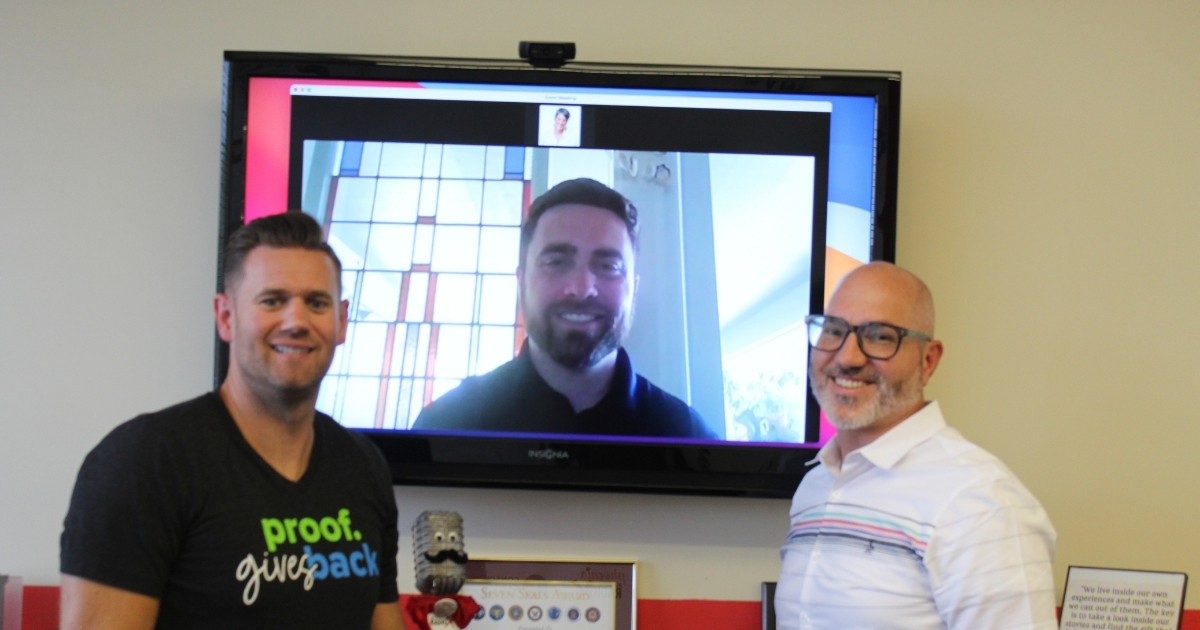
Mike Blake: [00:23:58] And it may take me a while – sorry. Go ahead. I misinterpreted your pause as an end. Please continue.

Alicia Butler Pierre: [00:24:05] Oh. No. I’m sorry. I was just repeating those three points, the leadership, communication, and delegation.

Mike Blake: [00:24:13] And one thing that strikes me about your answer, too, is that give yourself a break too. Is that your employees will take a minute to catch on. And as a business leader, I’ll take a minute to catch on, on how to train. Not all training methods work equally. Not everybody responds to the same training the same way. And those are skills that are in process, our development and process as well.

Alicia Butler Pierre: [00:24:45] That is such a great point. Because even right now with the employees that I have recently taken on, they have different preferred modes of communication. One, we communicate through Slack with another person. This person loves to communicate through Twitter, through direct messaging on Twitter. And then, there’s one more person where everything is email and phone calls. And you do have to make some compromises. And the one thing that I ask is that we’re, at least, able to all come together once a week for a group or a team meeting.
Alicia Butler Pierre: [00:25:23] But in terms of if they just need to get something or let me know of something just kind of on the fly, they have different ways that they prefer to communicate. I should even say that I don’t want to give the appearance that they’re dictating to me how they prefer to communicate. It’s just something that I’ve noticed that of all the different ways that I’ve presented that we can communicate, you can definitely tell where the preference lies for certain people.

Mike Blake: [00:25:53] Yeah. And to the extent that you can make yourself flexible to accommodate that, you know, that can be the right answer. One answer is you can say, “Look, everybody’s got to communicate by email or by Microsoft Teams or whatever. The end.” But if you can’t do that, you can’t work here. And there are companies that will do that. But sometimes the easier thing is, as the leader, change yourself. Say, “Okay. You know what? I can have a couple of windows up on my computer. I can have a second or third monitor added so I can just sort of monitor these things. And just work with people in whatever their kind of natural environment is as long as it’s not disruptive and counterproductive.”

Alicia Butler Pierre: [00:26:39] Right. And the great thing for me is that, this is all coming up as notifications on my phone. So, I don’t even have to be in front of my computer. If someone sends a message through Slack, it automatically comes up as a notification. And I can respond to it right away. The same thing with Twitter. The same thing with email. I can just go and check all of these things really quickly through my phone.
Mike Blake: [00:27:08] Alicia, this has been a great conversation. As always, I want to be respectful of your time. If people want to learn more about how to approach, and assess, and manage growth, what is the best way for them to contact you?

Alicia Butler Pierre: [00:27:23] The absolute best way is through my website, which is aliciabutlerpierre.com. And when they get there, that basically serves as a hub for all of the different things that I have going on. So, if you want to learn more about the podcast, you can get to it from that site. The same for the book as well as my consulting services. There’s also links to all of my social media profiles as well. So, everything is contained within that one website.

Mike Blake: [00:27:54] Very good. One stop shopping.

Alicia Butler Pierre: [00:27:56] That’s right, Mike.

Mike Blake: [00:27:56] So, that’s going to wrap it up for today’s program. I’d like to thank Alicia Butler Pierre so much for joining us and sharing her expertise with us. We’ll be exploring a new topic each week. So, please tune in so that when you’re faced with your next executive decision, you have clear vision when making it. If you enjoy these podcasts, please consider leaving a review with your favorite podcast aggregator. That helps people find us that we can help them. Once again, this is Mike Blake. Our sponsor is Brady Ware & Company. And this has been the Decision Vision podcast.

Tagged With: Alicia Butler Pierre, Brady Ware, Brady Ware & Company, business growth, business infrastructure, controlling business growth, Equilibria, Equilibria Inc., Kasennu, Michael Blake, Mike Blake

  • « Previous Page
  • 1
  • 2
  • 3
  • Next Page »

Business RadioX ® Network


Our Most Recent Episode

CONNECT WITH US

  • Email
  • Facebook
  • LinkedIn
  • Twitter
  • YouTube

Our Mission

We help local business leaders get the word out about the important work they’re doing to serve their market, their community, and their profession.
We support and celebrate business by sharing positive business stories that traditional media ignores. Some media leans left. Some media leans right. We lean business.

Sponsor a Show

Build Relationships and Grow Your Business. Click here for more details.

Partner With Us

Discover More Here

Terms and Conditions
Privacy Policy

Connect with us

Want to keep up with the latest in pro-business news across the network? Follow us on social media for the latest stories!
  • Email
  • Facebook
  • Google+
  • LinkedIn
  • Twitter
  • YouTube

Business RadioX® Headquarters
1000 Abernathy Rd. NE
Building 400, Suite L-10
Sandy Springs, GA 30328

© 2025 Business RadioX ® · Rainmaker Platform

BRXStudioCoversLA

Wait! Don’t Miss an Episode of LA Business Radio

BRXStudioCoversDENVER

Wait! Don’t Miss an Episode of Denver Business Radio

BRXStudioCoversPENSACOLA

Wait! Don’t Miss an Episode of Pensacola Business Radio

BRXStudioCoversBIRMINGHAM

Wait! Don’t Miss an Episode of Birmingham Business Radio

BRXStudioCoversTALLAHASSEE

Wait! Don’t Miss an Episode of Tallahassee Business Radio

BRXStudioCoversRALEIGH

Wait! Don’t Miss an Episode of Raleigh Business Radio

BRXStudioCoversRICHMONDNoWhite

Wait! Don’t Miss an Episode of Richmond Business Radio

BRXStudioCoversNASHVILLENoWhite

Wait! Don’t Miss an Episode of Nashville Business Radio

BRXStudioCoversDETROIT

Wait! Don’t Miss an Episode of Detroit Business Radio

BRXStudioCoversSTLOUIS

Wait! Don’t Miss an Episode of St. Louis Business Radio

BRXStudioCoversCOLUMBUS-small

Wait! Don’t Miss an Episode of Columbus Business Radio

Coachthecoach-08-08

Wait! Don’t Miss an Episode of Coach the Coach

BRXStudioCoversBAYAREA

Wait! Don’t Miss an Episode of Bay Area Business Radio

BRXStudioCoversCHICAGO

Wait! Don’t Miss an Episode of Chicago Business Radio

Wait! Don’t Miss an Episode of Atlanta Business Radio