Business RadioX ®

  • Home
  • Business RadioX ® Communities
    • Southeast
      • Alabama
        • Birmingham
      • Florida
        • Orlando
        • Pensacola
        • South Florida
        • Tampa
        • Tallahassee
      • Georgia
        • Atlanta
        • Cherokee
        • Forsyth
        • Greater Perimeter
        • Gwinnett
        • North Fulton
        • North Georgia
        • Northeast Georgia
        • Rome
        • Savannah
      • Louisiana
        • New Orleans
      • North Carolina
        • Charlotte
        • Raleigh
      • Tennessee
        • Chattanooga
        • Nashville
      • Virginia
        • Richmond
    • South Central
      • Arkansas
        • Northwest Arkansas
    • Midwest
      • Illinois
        • Chicago
      • Michigan
        • Detroit
      • Minnesota
        • Minneapolis St. Paul
      • Missouri
        • St. Louis
      • Ohio
        • Cleveland
        • Columbus
        • Dayton
    • Southwest
      • Arizona
        • Phoenix
        • Tucson
        • Valley
      • Texas
        • Austin
        • Dallas
        • Houston
    • West
      • California
        • Bay Area
        • LA
        • Pasadena
      • Colorado
        • Denver
      • Hawaii
        • Oahu
  • FAQs
  • About Us
    • Our Mission
    • Our Audience
    • Why It Works
    • What People Are Saying
    • BRX in the News
  • Resources
    • BRX Pro Tips
    • B2B Marketing: The 4Rs
    • High Velocity Selling Habits
    • Why Most B2B Media Strategies Fail
    • 9 Reasons To Sponsor A Business RadioX ® Show
  • Partner With Us
  • Veteran Business RadioX ®

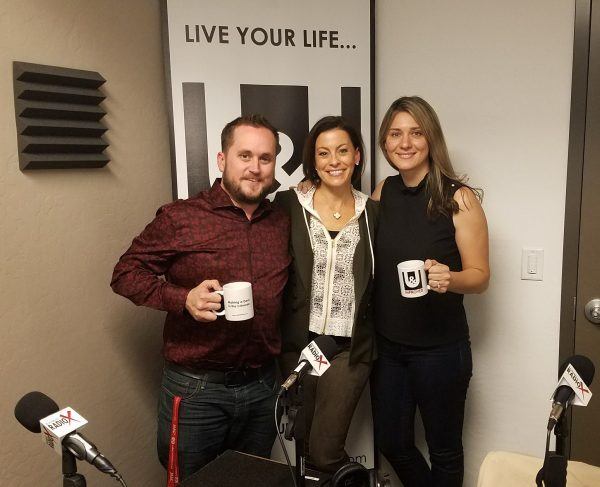
Melissa Sloan with Courtyard by Marriott Duluth Downtown and Paulika Ran with COhatch Duluth

March 14, 2024 by Mike

Gwinnett Business Radio
Melissa Sloan with Courtyard by Marriott Duluth Downtown and Paulika Ran with COhatch Duluth
Loading
00:00 /
RSS Feed
Share
Link
Embed

Download file

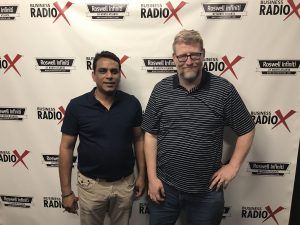
Paulika Ran and Melissa Sloan

Melissa Sloan/Courtyard by Marriott Duluth Downtown
Sleep, play, work, and make yourself at home at Courtyard Atlanta Duluth Downtown. Steeped in history and Southern charm, their brand-new picturesque hotel is ideally located in the heart of the popular downtown Duluth area. Recently named as a “Top 10 City for Best American Values”, Duluth offers a small-town feel with big-city amenities located just outside of Atlanta. Step out on their terrace that overlooks Duluth Town Green and Duluth Festival Center to soak in the local culture. Walk to quaint cafes and restaurants and shop in one-of-a-kind boutiques all within minutes of Courtyard Atlanta Duluth Downtown. Gather and connect in The Bistro, your destination for a variety of cooked-to-order breakfast items, Starbucks coffee, and dinner and drinks served in a comfortable setting nightly. With 2,134 square feet of flexible meeting space and large windows overlooking the city, they offer the perfect venue for meetings and weddings under the Georgia sun.

Paulika Ran/COhatch Duluth

COhatch, a new kind of shared work, social, and family space built on community, offers members the services, activities, and amenities to live a fully integrated life that balances work, family, well-being, community, and giving back. Founded in 2016, COhatch was created through the collaboration of a group of friends who wanted to live out their ideal lives and improve their community (think Town Hall 2.0).

COhatch has 31 locations open or under construction nationwide in Columbus, Cincinnati, Cleveland, and Springfield, OH; Indianapolis, IN; Tampa Bay, FL; Pittsburgh, PA; and now in metro Atlanta, GA with its first location at COhatch Duluth.

Gwinnett Business Radio is presented by


Tagged With: COhatch, COhatch Duluth, Courtyard by Marriott Duluth, Courtyard by Marriott Duluth Downtown, Courtyard Duluth, coworking space, duluth hotel, gwinnett business, Gwinnett Business Radio, melissa sloan, Paulika Ran, regions bank, steven julian

Anish Michael With Firmspace

September 20, 2021 by Jacob Lapera

Chicago Business Radio
Anish Michael With Firmspace
Loading
00:00 /
RSS Feed
Share
Link
Embed

Download file

Firmspace-sponsor-banner

Anish Michael serves as Firmspace‘s Chief Executive Officer. Firmspace is coworking private office space for discerning, achievement-driven professionals and executives

Anish joined Firmspace as its CEO in August 2019 after spending fifteen years as a legal advisor to public and private companies, including serving as Firmspace’s outside legal counsel since the company’s inception.

Anish brings his legal and business acumen to Firmspace in an effort to scale up the company’s niche professional workplace model. Anish manages company direction, growth, and strategy at Firmspace.

In his role as CEO, Anish works to share Firmspace’s strategy and vision with its members, strategic partners, and investors.

Connect with Anish on LinkedIn.

This transcript is machine transcribed by Sonix

TRANSCRIPT

Intro: [00:00:04] Broadcasting live from the Business RadioX studio in Chicago, Illinois, it’s time for Chicago Business Radio brought to you by Firm Space, your private sanctuary for productivity and growth. To learn more, go to Firmspace.com. Now here’s your host.

Max Kantor: [00:00:21] Hey everybody, and welcome to Chicago Business Radio. I’m your host, Max Kantor. And before we dove into the show today, I want to shout out our sponsor firm space without them. We couldn’t be highlighting and sharing these important stories and speaking of firm space. We actually have the CEO of firmspace on the show today. Please welcome Anish. Michael, welcome to the show, Anish.

Anish Michael: [00:00:44] Max, great to be here, thanks for having me.

Max Kantor: [00:00:46] Of course, let’s jump right in. Tell me a little bit about firm space, how you guys serve in the community.

Anish Michael: [00:00:52] Certainly, well, firm space is a flexible office provider for business professionals. We provide private environments that focus on exactly that, the privacy that our members need, the security and the support that they need to to run their businesses. We like to call our concept pro working. It’s really a professional co-working environment and it’s really focused on members that are achievement driven and maybe don’t have a lot of options when it comes to getting their work done and the distraction free environment. So our pro working model gives them that sense of security, privacy and support that they need to accomplish this type of tech work.

Max Kantor: [00:01:38] Now what makes firm SpaceX different from other shared office space companies?

Anish Michael: [00:01:44] Yeah, I would say typically other shared office you generally hear about co-working being from from a traditional standpoint, being a communal environment with open desks that allow for individuals to work that work in environment next to other individuals without much privacy and security. The way we are different is all of our memberships are based on a private office and it allows the professionals that we cater to to really have a distraction free and safe environment to get their work done.

Max Kantor: [00:02:24] It’s funny you say that because I have been in multiple shared office spaces and I feel like it’s always a party. You know, there’s like the ping pong table or the slide, but but what you guys doing are different, and I was looking through your website and to me, there’s almost a sophisticated feel to it. That’s what I felt from looking through your website. So can you share a little bit about your strategy of firm space and how the strategy came to be?

Anish Michael: [00:02:55] Yeah, I know absolutely it, and I’d first say like that. We certainly enjoy a party and getting getting to know others and networking and certainly our environment caters to a networking among our our members when the time is right and appropriate to do that. But we were really founded on the concept of developing a model that worked for the highest level of services from from some urban professionals, mainly lawyers and law firms. And the concept really was generated based on that, and lawyers need a sense of privacy and the ability to focus on their work and service. Their clients in an environment that is going to be distracting isn’t going to compromise the confidentiality of the work that they are working on and the formation that their clients are providing. So that was really the genesis for why we built a model like from space and when we were able to cater to the legal profession, it really allowed us to open the eyes of other professional services and build an environment where it’s sophisticated, it’s professional. It’s meant to keep a focus of getting work done and ultimately being an environment where our clients and our members worry less about the hassles of running the space and more about an environment that they can bring their clients and guests to and be really proud about.

Max Kantor: [00:04:40] So you mentioned lawyers, but what other industries would make good members for firm space?

Anish Michael: [00:04:47] Yeah, sure. In addition to to the to the legal profession financial services consulting real estate, there’s many industries that really fall into the category of needing an environment like ours.

Max Kantor: [00:05:03] You talked about how individuals and members can just bring clients to have a meeting at you guys as offices, and that’s what they focus on. So I’m assuming you have other amenities that kind of help take care of your members like reception areas and mail services, things like that.

Anish Michael: [00:05:21] Yes, we’re full service when it comes to that traditional concept of an office sharing environment. Mail services conference rooms will. Every location will have a board room type conference room that allows for large group gatherings. In addition, we’ll have other smaller conference rooms and hotel rooms that do allow for collaboration when when the when that’s necessary. So there is other amenities in addition to just having that private office environment and all the other basic amenities that you would want in an office environment such as refreshments, the coffee, obviously things of that nature, it’s really more about allowing our members to focus on their business and less about them worrying about the administrative hassles of running an office.

Max Kantor: [00:06:16] Totally, which is great. And you mentioned collaboration and the spaces for collaboration. Do you guys put on any events for your members and how do you support the members in the community?

Anish Michael: [00:06:30] Sure, Max, yeah, definitely want to do things to not only promote our members and their businesses, but also help in the community. Obviously we’re in the middle of challenging times, so we want to make sure we are adhering to the local requirements as it relates to the COVID pandemic. So we’ve done different things. We definitely in terms of our members providing weekly catering services for meals, things of that nature. We’ve even gone to the efforts of making sure we’re being sanitary as we try to provide those types of meals just to make sure everyone’s comfortable in how we do that. But we still want to continue to do that as being a benefit for our members as they come in on a regular basis. And then in terms of for the community, I think we’re new to Chicago or happy to be in a great metropolitan city like like Chicago, and we feel that we are getting our name out there and it’s being recognized over the the last few months since we’ve been open and we’re looking to partner with community partners that that really want to take, take, take initiative and bring in events and other type of formal gatherings to outer space when the time is right. For now, we’re certainly adhering to the COVID mandates that are in place locally, and we are working to provide an atmosphere where our members feel safe and comfortable. Really, the good thing about our environment compared to maybe traditional environments is that we were really built with that social distancing in mind because of the private offices. And so it gives our members comfort to be able to come into their offices, close their door and be able to focus on the task at hand and not worry about some of the some of the things that we all are facing in our daily lives today.

Max Kantor: [00:08:37] Yeah, I got to say you guys were social distancing before it was cool, before it was the cool thing to do. You were ahead of the game there with that one.

Anish Michael: [00:08:45] Yeah, that’s a good way to put it.

Max Kantor: [00:08:47] Is there anything special about the Chicago firm space location it compared to the other firm’s space locations?

Anish Michael: [00:08:54] Well, we it’s unique in the sense that we have three floors at the top of our building at one point forty five South Wales, and it’s great to be at the top of the building. We actually are contiguous with the amenity floor at the very top of the building, so it really gives our members the ability to enjoy their private office environment, but really have a really close step to being on the amenity level of the building, which comes with a workout facility, shower rooms, outdoor terrace when they want to go out and get a fresh breath of air and additional open areas to be able to collaborate with not only their colleagues but guests that they want to invite to the building. It also has a golf simulator up there, so if someone wants to go upstairs and take a quick break from from the daily grind, we think it’s just a great amenity for us and we’re glad to be a part of the building and so close to it.

Max Kantor: [00:09:58] Initially, it seems like you’re not only giving people private office spaces, it’s almost a lifestyle, I mean, you could spend an entire day at the firm space location.

Anish Michael: [00:10:08] Well, yeah, yeah, it’s funny that you say that I think the building and the great group of developers and the landlords that built that with had a really good understanding in mind. Tom Rogic, architects and company who helped develop the the the the building rosette industry. They they really put forth the thought and were able to think through what really makes sense in this part of town, what really is an amenity that people are longing for. They come from a background in building high rise condominiums. And it’s funny because it really does have a great feel, not only of a wonderful office space where where professionals can come and focus on the work, but it gives them the ability to do things that are attractive for everyday living.

Max Kantor: [00:11:10] And we’re talking about the Chicago firm space. But how where are your other firm space locations across the country?

Anish Michael: [00:11:18] Sure, yeah. Be happy to tell you, we currently have five locations at this point, Chicago being our most recent, but we also have locations in Austin, Denver, Houston and Atlanta.

Max Kantor: [00:11:32] And how did you guys end up picking those cities?

Anish Michael: [00:11:37] Well, you know what, it’s it’s a great question, and it’s something that we’re we are really particular about. We do a lot of research up front and make sure we are in cities that where we see a need for our particular concept, right? And that includes growing cities with professionals that have a desire to be in our environment. But it also needs to be in the right location with the ability for our professionals to have the additional amenities not only not only within our space, but not only within the building, but also in the surrounding area, the surrounding block to to really have a complete environment, if you will, for the type of things they want to do on a daily basis. So those things are important to us as we grow and expand, and those are some of the reasons why we’ve made the decisions to be in the cities where we’re currently at.

Max Kantor: [00:12:36] So if there’s a member in one city, say Chicago and they become a member of the Chicago firm space, do they get access to the other firm space locations as well?

Anish Michael: [00:12:47] Absolutely. It’s something that we’ve been wanting to have, and it’s a reason why we’re we’re spread out all over the country at this point in time. We’re wanting to build a network so that our members have the ability to access firm space wherever they may be. So if they happen to be a first base Chicago member and want to head to Denver for a couple of days if there is availability to have an office in the Denver location, our first base Chicago member is more than welcome to use it.

Max Kantor: [00:13:23] What are your different types of memberships for professionals?

Anish Michael: [00:13:28] Yes, it’s a great, great question, Max, because we’ve thought a lot about it with the way the work environment has changed through the pandemic. Our basic membership has been a private office membership where you can get a private office with how many guests are needed and that can range within our locations. But those private office memberships are typically based on a two month, six month or 12 month term. So there’s a lot of flexibility in terms of how long of a duration that our members want. And in addition to that private office, we have other products such as conference room, use day office use, even a firm space hybrid product which piggybacks our private office membership in the sense that we allow for up to three people to use the same office and desk so long as they’re just not working there at the same time. So we decided to bring out that hybrid product for a small fee. It’s always been a two to one ratio for us with our guest. We just bumped it up to a three to one ratio because we feel there’s a demand out there and people are longing for a hybrid work environment. And this is our way to say, Hey, we’re here to try to meet this desire and demand and give give companies a little bit more flexibility in how they want to staff their work environments.

Max Kantor: [00:15:09] Totally. And Aneesh, you sound very passionate about what you do. It sounds like you enjoy being the CEO of Firm Space. So for you, what’s the most rewarding part of the job?

Anish Michael: [00:15:20] Well, it’s great to be a part of a company that’s finding ways to innovate and bring new concepts and solutions to the commercial real estate industry. That’s been fun since day one, something that we’re trying to accomplish and and give people more solutions, more options. But I have to say just the day to day gratitude and fulfillment that I have is just working with my team and just growing something special. And you and I both know that, you know, a product is only good as the people that are around it and able to promote it and support it. And and at the end of the day, while we’re selling office space and giving people a place to work, we’re really here to support their their mission, their business, the things that they’re trying to accomplish. And that’s really at the at the end of the day, what firm space is all about. We are trying to enable people to achieve their very best and it just happens to be in a private office environment. But we’re also here to be an extension of their business and provide the support they need to excel in their day to day work.

Max Kantor: [00:16:39] And so for any professional that’s looking to achieve their very best or even to learn more about firm space in general, what’s the best way they can find you guys?

Anish Michael: [00:16:51] Absolutely the best way is go to our website at WW from Space.com. And for the folks in Chicago, please come check us out. We’re located at one point forty five South Wales in the central loop, right off of the Quincy Loop and in a great place. I think for for many professionals to want to continue and really rejuvenate their their their work, for sure.

Max Kantor: [00:17:20] Anish, thank you so much for being on the show today.

Anish Michael: [00:17:24] Thank you very much, I appreciate you having me.

Max Kantor: [00:17:26] And it’s not every day that I get to talk to the CEO of Firm Space, so I also got to say thank you so much for sponsoring the show. Thanks to firm SpaceX, we’ve been able to talk to amazing businesses across the Chicagoland area, from small theaters to restaurants to everything in between. So a very special thank you for for helping us out being able to highlight these local businesses.

Anish Michael: [00:17:49] You bet. Max, good luck to you.

Max Kantor: [00:17:51] Thank you so much and thanks everyone for listening to another great episode of Chicago Business Radio. I’m your host, Max Cantor, and we’ll see you next time.

Intro: [00:18:01] This episode is Chicago Business Radio has been brought to you by firm SpaceX, your private sanctuary for productivity and growth. To learn more, go to Firme Space.com.

Tagged With: Anish Michael, coworking space, Firmspace

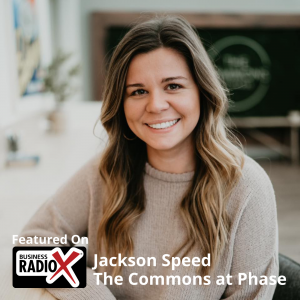
Jackson Speed, The Commons at Phase

December 22, 2020 by John Ray

The Commons at Phase
North Fulton Business Radio
Jackson Speed, The Commons at Phase
Loading
00:00 /
RSS Feed
Share
Link
Embed

Download file

Jackson Speed, The Commons at Phase (North Fulton Business Radio, Episode 316)

Jackson Speed, Community Manager of The Commons at Phase, joins host John Ray to discuss their Alpharetta-based coworking and event space, what distinguishes them from other area coworking locations, and much more. “North Fulton Business Radio” is produced virtually from the North Fulton studio of Business RadioX® in Alpharetta.

Jackson Speed, Community Manager, The Commons at Phase

The Commons at Phase provides space for leaders to shape the future. They offer all the amenities you need as a professional to achieve your dreams. Work collaboratively in their shared coworking spaces or retreat to your private office, all while benefiting from their excellent service and collaborative environment. And with a month-to-month partnership approach, they can flex with you as your organization grows.

Jackson Speed is the Community Manager of The Commons at Phase, aka Phase Commons. It is her role to client face, be the catch-all for members, manage each of their personalized plans and their calendars in reference to booking meeting rooms, or studio space.

Company website

Facebook

Instagram

Questions/Topics Discussed in this Show

  • What is coworking? The history of the concept.
  • Why is it such a big deal in Alpharetta?
  • Demographic of people who could benefit from coworking?
  • What does the membership structure look like at The Commons or coworking in general?
  • What makes The Commons at Phase different from others?
  • What do you anticipate for the future of coworking post-pandemic?
  • How do coworking and events relate and coexist?

North Fulton Business Radio” is hosted by John Ray and produced virtually from the North Fulton studio of Business RadioX® in Alpharetta. You can find the full archive of shows by following this link. The show can be found on all the major podcast apps by searching “North Fulton Business Radio.”

Renasant Bank has humble roots, starting in 1904 as a $100,000 bank in a Lee County, Mississippi, bakery. Since then, Renasant has grown to become one of the Southeast’s strongest financial institutions with over $13 billion in assets and more than 190 banking, lending, wealth management and financial services offices in Mississippi, Alabama, Tennessee, Georgia and Florida. All of Renasant’s success stems from each of their banker’s commitment to investing in their communities as a way of better understanding the people they serve. At Renasant Bank, they understand you because they work and live alongside you every day.

Tagged With: Alpharetta, coworking space, event space, Jackson Speed, Phase Commons, private offices, The Commons at Phase

Alan Crowe with Room2work

August 25, 2020 by angishields

Alan-Crowe-Room2work
Atlanta Business Radio
Alan Crowe with Room2work
Loading
00:00 /
RSS Feed
Share
Link
Embed

Download file

OnPay-Banner

Room2work-logo

Alan-Crowe-Room2workAlan Crowe is the founder of R2W Coworking in Roswell GA. Prior to his current project, Alan was president of SpecPoint, a sales and marketing firm for commercial security.

His experience working alongside contractors at SpecPoint led to the creation of his new niche coworking space that includes office, meeting, and warehouse space.

Connect with Alan on LinkedIn and follow Room2work on Facebook.

What You’ll Learn in This Episode

  • Can Coworking Survive COVID-19?
  • How is Room2work /R2W Coworking adapting to the new normal?
  • What will coworking look like a year from now?
  • Who is a typical coworking member?
  • With millions out of work can coworking spaces help people start a business or “side hustle”
  • What should people consider when picking a coworking space

About Our Sponsor

OnPay’sOnPay-Dots payroll services and HR software give you more time to focus on what’s most important. Rated “Excellent” by PC Magazine, we make it easy to pay employees fast, we automate all payroll taxes, and we even keep all your HR and benefits organized and compliant.

Our award-winning customer service includes an accuracy guarantee, deep integrations with popular accounting software, and we’ll even enter all your employee information for you — whether you have five employees or 500. Take a closer look to see all the ways we can save you time and money in the back office.

Follow OnPay on LinkedIn, Facebook and Twitter.

Tagged With: coworking, coworking space, Room2work

Decision Vision Episode 13: Opportunity Zones – An Interview with Vishay Singh, The GlobeHUB

May 2, 2019 by John Ray

Decision Vision
Decision Vision
Decision Vision Episode 13: Opportunity Zones – An Interview with Vishay Singh, The GlobeHUB
Loading
00:00 /
RSS Feed
Share
Link
Embed

Download file

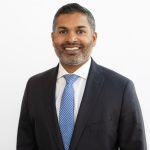
Vishay Singh, Co-Founder of The GlobeHUB, and Michael Blake, Host of “Decision Vision”

Opportunity Zones

What is an opportunity zone? How can operating within an opportunity zone help a business? With numerous opportunity zones across the country, what are the differences entrepreneurs and investors should be aware of? In this edition of “Decision Vision” host Michael Blake, interviews Vishay Singh, Co-Founder of The GlobeHUB, a coworking space located in an opportunity zone in Chamblee, GA.

Vishay Singh, The GlobeHUB

Vishay Singh, The GlobeHUB

Vishay Singh is Co-Founder of The GlobeHUB. The GlobeHUB was established in 2016 by Kevin Henao and Vishay Singh when they felt a calling to make a lasting impact on the startup community. They had a vision to not only inspire the next generation of  entrepreneurs but to provide them the community, funding, mentorship and ecosystem that every business owner requires to succeed. Globe’s coworking spaces offer plug-and-play memberships to accelerate business growth. They understand the power of the tech community and aim to facilitate meaningful connections across our unique member network. The diversity of people and ideas make the world better and makes companies better. It’s time to put your big ideas into motion. GlobeHUB is a tech community that promotes high energy, hard work, and creative innovation. There is no better place to launch your business. Get involved! For more information, go to www.globehub.com.

Michael Blake, Brady Ware & Company

Mike Blake, Host of “Decision Vision”

Michael Blake is Host of the “Decision Vision” podcast series and a Director of Brady Ware & Company. Mike specializes in the valuation of intellectual property-driven firms, such as software firms, aerospace firms and professional services firms, most frequently in the capacity as a transaction advisor, helping clients obtain great outcomes from complex transaction opportunities. He is also a specialist in the appraisal of intellectual properties as stand-alone assets, such as software, trade secrets, and patents.


Mike has been a full-time business appraiser for 13 years with public accounting firms, boutique business appraisal firms, and an owner of his own firm. Prior to that, he spent 8 years in venture capital and investment banking, including transactions in the U.S., Israel, Russia, Ukraine, and Belarus.

Brady Ware & Company

Brady Ware & Company is a regional full-service accounting and advisory firm which helps businesses and entrepreneurs make visions a reality. Brady Ware services clients nationally from its offices in Alpharetta, GA; Columbus and Dayton, OH; and Richmond, IN. The firm is growth minded, committed to the regions in which they operate, and most importantly, they make significant investments in their people and service offerings to meet the changing financial needs of those they are privileged to serve. The firm is dedicated to providing results that make a difference for its clients.

Decision Vision Podcast Series

“Decision Vision” is a podcast covering topics and issues facing small business owners and connecting them with solutions from leading experts. This series is presented by Brady Ware & Company. If you are a decision maker for a small business, we’d love to hear from you. Contact us at decisionvision@bradyware.com and make sure to listen to every Thursday to the “Decision Vision” podcast. Past episodes of “Decision Vision” can be found here. “Decision Vision” is produced and broadcast by Business RadioX®.

Visit Brady Ware & Company on social media:

LinkedIn: https://www.linkedin.com/company/brady-ware/

Facebook: https://www.facebook.com/bradywareCPAs/

Twitter: https://twitter.com/BradyWare

Instagram: https://www.instagram.com/bradywarecompany/


Show Transcript

Intro: [00:00:01] Welcome to Decision Vision, a podcast series focusing on critical business decisions, brought to you by Brady Ware & Company. Brady Ware is a regional, full-service accounting and advisory firm that helps businesses and entrepreneurs make visions a reality.

Michael Blake: [00:00:20] And welcome back to another episode of Decision Vision, a podcast giving you, the listener, clear vision to make great decisions. In each episode, we’re discussing the process of decision making on a different topic. Rather than making recommendations because everyone’s circumstances are different, we’ll talk to subject matter experts about how they would recommend thinking about that decision.

Michael Blake: [00:00:39] Hi. My name is Mike Blake, and I’m your host for today’s program. I’m a Director at Brady Ware & Company, a full-service accounting firm based in Dayton, Ohio, with offices in Dayton; Columbus, Ohio; Richmond, Indiana; and Alpharetta, Georgia, which is where we are recording today. Brady Ware is also sponsoring this podcast. If you like this podcast, please subscribe on your favorite podcast aggregator, and please also consider leaving a review of the podcast as well.

Michael Blake: [00:01:04] So, I’m going to apologize to listeners right off the bat. In Atlanta here, it is the height of allergy season. And, generally speaking, once the pollen count gets above a thousand, the air becomes toxic. So, I’m on a combination of cocktail to, sort of, keep me off my feet. And I don’t have a cough button, but I will try to turn my head if that happens. And if you don’t suffer from allergies, feel blessed that you you don’t suffer from that. But I’m a launch panel guy. We play hurt, and we’re going to continue on through this podcast. We’ll get through the episode.

Michael Blake: [00:01:41] And today, we’re going to talk about opportunity zones. And opportunity zones are newly created, tax-break-driven investment areas that are designed to promote private investment in economically distressed communities. And they’re an interesting topic because – and this is a personal ideological view – I think, anytime we can harness market forces to promote social welfare, I think, that’s a good thing to do. There are actually many of these across the country. And as it turns out, I’m very fortunate to live very close to an opportunity zone. So, I look forward to seeing how that leads to some development of my own community.

Michael Blake: [00:02:20] Joining us today is Vishay Singh, Co-Founder of the Globe Hub, which is Chamblee’s premiere co-working and entrepreneurship facilitation space located a Peachtree-Dekalb Airport. And for those of you not in the Atlanta area, PDK airport is Georgia’s second largest commercial airport. So, when Super Bowl 53 happened here, and all the other billionaires came in on their jets, that’s where they came in.

Michael Blake: [00:02:43] The Globe Hub was established in 2016 by Kevin Henao and Vishay when they felt a calling to make a lasting impact on the startup community. They had a vision to not only inspire the next generation of entrepreneurs but to provide them the community, funding, mentorship, and ecosystem that every business owner requires to succeed. Vishay is a successful serial entrepreneur, whose current venture MapMeLocal. And maybe if we have a few minutes at the end of the podcast, we’ll get a chance to learn a little bit about that as well.

Michael Blake: [00:03:11] Globe Hub’s co-working spaces offer plug-and-play memberships to accelerate business growth. They understand the power of the tech community and aim to facilitate meaningful connections across their unique member network. The diversity of people and ideas makes the world better and makes companies better. They’re a technology community that promotes high energy, hard work, and creative innovation. On a personal note, I’m very proud to say that Brady Ware is a member of the Globe Hub, and I personally find it an excellent resource for my own professional needs. Vishay, welcome to the podcast. Thanks for coming on.

Vishay Singh: [00:03:41] Thank you, Mike. I appreciate it.

Michael Blake: [00:03:43] So, we have a lot to talk about but let’s, sort of, dive right in. Why did you start the Globe Hub? Why do you feel there is a need to create a new co-working space? We’ve got a lot of these things right in Atlanta now. Why do we need a new one?

Vishay Singh: [00:04:04] Actually, I think, for me, it was probably the second step to my needs. It was Kevin, my co-founder, who actually came up with that vision because he spent a lot more time in that building. And the building is in a prime location, as you’re aware. And it is outdated. It had the ’80s look. And Kevin was in a poky hole upstairs, small office, and always had this vision of, “Man. I wish I could just have a bigger space, have larger boardrooms, share it with everybody, and keep my rental down while I’m growing up my business called SameDay Printing.”

Vishay Singh: [00:04:48] And when I got there, I was in Marietta, Georgia, and I had met a bunch of entrepreneurs that wanted to expand with me. And we were like, “Man, we can be in Marietta Georgia. We should get somewhere to more of the inner city, and be where the hype is, and be closer to more millennials, and where the excitement is.”

Vishay Singh: [00:05:08] So, we started looking. And then, when we found 1954 Airport Road, we stumbled upon Kevin, and what he was doing, and we immediately fell in love with it. And, sometimes, entrepreneurs go with gut feel versus just the pure science of why co-working, etcetera. But I think, what we saw instantly, the differences was with that location was you could drive in, you could park, and it was all on the ground floor. You had no hassle of worrying about how to get upstairs or how to get to you office, and how do you park your vehicle, etcetera. You can eliminate all those thought processes and hurdles, as I call them, from your thought process because you’re so focused in what you’re trying to do.

Vishay Singh: [00:05:56] So, you just want to get into a space, and you want to be inspired, and you want to be with a community, and you want to build a business. So, that’s how we decided just to say “Okay, let’s just take what we have and create a Globe Hub,” but we understand that co-working, potentially, could be the red ocean. I think, there’s still a lot of space of it, especially we’re going to talk further about opportunity zones and how our strategy would differ.

Vishay Singh: [00:06:21] But the long story and the short story of it, I always felt that, and I’ve always been passionate about helping entrepreneurs. I just couldn’t figure out whether thinking too small. So, I needed to think bigger, and I needed to think and dream a bit bigger on how to do this. And I think that’s potentially coming together. But that’s when we decide, we said, “Let’s just do it. Let’s just create the space first. Let’s crawl before we dream and drink a lot of beer, and we make nothing happen,” right?

Vishay Singh: [00:06:49] So, we did it. Baby steps first. We got 10,000 square feet. We’ve told community. We’ve flushed that community as well to get more and more of the right entrepreneurs there to be able to, then, create an ecosystem that starts to support itself. And like you said, a system that we’re each another could help each another. We even crowdsource to each another. We crowdfund to each another. When somebody’s stuck and really can’t get any angel money or something, we become the angels. And we all chip in whatever we’ve got in our pockets to help that person get the next contract or the next deal, so that they can get to the next level.

Michael Blake: [00:07:22] I didn’t know that.

Vishay Singh: [00:07:22] That’s exactly what’s goes on in the ecosystem. So, we don’t like — again, it’s not about sitting and waiting. If somebody needs something, and we can’t get it from an outside source, all the guys look in and say, “Let’s see how we could just crowdsource it ourselves.”

Michael Blake: [00:07:37] In a way, it’s kind of a microcosm of the Chamblee area, right? I’ve lived in Chamblee since 2005. And in the last three or four years, somebody figured out that Chamblee has a Marta Station, and it is right at the intersection of 285 and 85, And, of course, the airport there. Chamblee is booming, right?

Vishay Singh: [00:07:56] That’s right.

Michael Blake: [00:07:57] Is that part of the calculus? Was that something you’re excited about with Globe Hub kind of being in the middle of that renaissance that Chamblee’s enjoying now?

Vishay Singh: [00:08:04] Absolutely. I mean, I would say right place, right time. Nothing more than that. A lot of things can happen by accident. I mean, we went into downtown, we went into midtown, we looked at other places before we landed up at the Globe building and met Kevin, as well as the building entrepreneur who owns the building, Robert Muller. And decided, “Man, this is the right place.”

Vishay Singh: [00:08:31] And then, you slowly start to discover, well, it’s a hub zone. And then, what is the hub zone? What does the hub zone mean? And then, next thing is we figured out, there’s this press release and the meeting downtown about opportunity zones. And by the way, we looked on the map, and, boom, we are on an opportunity zone. What does that mean? And how does that potentially help us and help the he entrepreneur within us?

Vishay Singh: [00:08:52] But Chamblee is blooming. That’s another thing that we — It’s as a consequence of Brookhaven being overfull, and Buckhead, and that overflow that’s happening. It’s just a natural consequence, I guess. And I think it’s bound to spread into Doraville and places like that. So, I think that’s exciting to have all that and to see all that flourishing around us, as well as to see the potential of the hub zone area, which is the PDK area and the three-mile radius around it, which needs to now come up with a strategy and a plan on how that’s going to unfold itself and become or join into that overflow of where the Whole Foods is and this building across of Clermont, etcetera. So, very, very exciting stuff going on there.

Michael Blake: [00:09:46] You talked about the serendipity of real estate. So, we moved into Chamblee back in 2005, and I had zero to do with that decision. We just moved back to Atlanta, or I moved to Atlanta, my wife went back. She’d been here. I know nothing about real estate. I’m not even very good of monopoly. So, we’re very fortunate that we happened to move into the right place.

Michael Blake: [00:10:10] And your commitment goes beyond just sort of cheerleading. I mean, you’ve put in us substantial financial stake in this. In making that investment, do you see that as a business opportunity, as well as a social project, or do you see it more as purely a social project?

Vishay Singh: [00:10:28] I think it’s a hybrid. I think the environment does lend itself to being profitable. And it’s not as if we’re not profitable. The ecosystem and being full, we had capacity, we can grow upwards by virtue of membership and monetizing other spaces by being creative. So, we have reached that level of profitability.

Vishay Singh: [00:10:54] Is it highly profitable to just have one of that? Absolutely not. I think it’s the great American model where, typically, like franchises and/or similar sort of businesses where you’re doing one well, you need to duplicate it in order to reach good revenues and reach good valuations. Sometimes, when you look online, and you look at the evaluations of WeWork and Industrious, it’s amazing that they’ve got those numbers, and they’ve got those valuations. So, from that perspective, there’s definitely an opportunity.

Vishay Singh: [00:11:33] And I think, on the other hand, it’s helping entrepreneurs. So, I don’t know if that’s social, but if we look at helping entrepreneurs, the way we do it and by no means, we are in absolute shock triangle. We are having a huge purse string, per se. But with our micro funding methodology, and bootstrapping, and working with entrepreneurs, if they succeed, we succeed.

Vishay Singh: [00:11:59] So, from, that, that’s how we’re landing into – and we’ll talk about it later, I guess – the Founders Institute and why we’re doing that. It’s just tying that up into a mechanism where they could be that risk, the risk of investing time, investing money, and then being rewarded with upsides of one or two of those startups becoming successful in Chamblee.

Michael Blake: [00:12:24] So, you found Globe Hub in 2016. You’re at 1954 Airport Road. A little over a year goes by, next thing you know, they slapped an opportunity zone basically right on top of you.

Vishay Singh: [00:12:37] Absolutely.

Michael Blake: [00:12:38] And you’re right in the middle. It basically covers the Peachtree Dekalb Airport, that mini industrial complex there. Did you know what an opportunity zone was or was going to be? Do you have any idea that was going to happen or is that just you, sort of, woke up one day, and it was like a big present?

Vishay Singh: [00:12:55] That’s exactly what it is. It’s the latter. It just happened. I’ve always been aware of economic zones or development zones. And the opportunity zone by definition means the same thing. But it’s a positive effect. It’s it’s great to be in that. It gives us a larger opportunity because as I was just trying to look online and trying to look on how many opportunity zones actually do have incubators, and so far, possibly may have found one that’s a veteran on somebody up in Virginia that’s fallen into that space, and so have we.

Vishay Singh: [00:13:31] So, it looks like we are one of two that are in the zone, which actually complements and lends ourselves into the strategy of how we were thinking of expanding because what could make us different is our plan now of, actually, working the dream of building entrepreneurs but, perhaps, what we could do is build these further hubs in opportunity zones and work in those cities and create a sustainable environment for startups that are funded and, also, help with the marketing of main streets.

Michael Blake: [00:14:13] So, there is this opportunity zone, and I have to confess, I don’t know a lot about it until a few months ago. What is an opportunity zone? For whom is it an opportunity?

Vishay Singh: [00:14:25] Absolutely. So, I keep this piece of paper here because it’s kind of technical, but we won’t get into technical jargon. But the bottom line, the opportunities is on the left and the right side. So, the left side is taxpayers, and people that have capital gains events, and/or postpone capital gains events because they just simply don’t want to pay the tax on it. It’s an opportunity for them because, then, they could liquidate their position, be it a stock, be it a partnership, be it a sale of a business. And that the gain that they’re supposed to pay immediately could not defer through a 1031 exchange, I think it’s called, for property. If they could not do that, they have this chance now to invest it in an opportunity zone.

Vishay Singh: [00:15:17] And that investment could go two ways. It could go in into a property and enhance a property, and there’s rules sets against that, or it could come into a hub like ours and be invested into startups, in our case, and/or it could be invested into small to medium businesses, even if it’s a restaurant, a mom and pop store that’s doing really good and needs that extra capital. That money could be used. So, on that side, that’s the advantage.

Vishay Singh: [00:15:47] On this side, the opportunity is for entrepreneurs to maybe get out of their basements, and start thinking bigger and bring out the ideas, and really have a good opportunity of having some, if I may call it, venture fund or having some access to angel money that could help them get the small businesses or startups and ignited. And the whole idea is, then, to uplift that community, uplift the environment, and create a sustainable environment that makes it a retainer. It retains entrepreneurs and retains the younger audience, the younger people to stay back home versus go to Silicon Valley and other places.

Michael Blake: [00:16:35] So, this, I think, is a very important point because I’m an economist by training. So, I’ll apologize to everybody for that now. But one of the things that they teach us in economics, at least, until you get to the graduate level is that you, sort of, set taxes aside. All the models assume there’s no taxes, right? And if somebody knows of a place where there’s actually no taxes, please let me know, I’d love to go there. But it calls into focus, the fact that taxes do matter. And I think the way this works, your basic and deferred capital gains for up to 10 years, if I’m not mistaken. Correct?

Vishay Singh: [00:17:10] That’s right.

Michael Blake: [00:17:10] So, that increases the return on the same investment, whether you’re making the opportunity zone or not, at that level of risk. And therefore, it’s going to be more attractive. And it’s not just attractive to the investor but the entrepreneur. I imagine on a certain level, an entrepreneur can make an investment in their own business, right? And that means they get to defer or somehow offset their own capital gains as well.

Vishay Singh: [00:17:39] That’s right, yes. As long as it’s done in the zone, and they’re improving that zone by the definition of those regulations, which is still pending final publication, but it’s almost there, you can absolutely — I think that’s absolutely doable.

Michael Blake: [00:17:55] And any kind of business, it could be an e-commerce business, it could be a service business, it could be a software startup.

Vishay Singh: [00:18:01] Absolutely. From where it stands right now, it seems to be pretty clear that that would be covered. There is pending clarity on the regulations with the IRS. So, we were expecting to be published end of March, but it hasn’t come out as yet. We anticipate hopefully now, May or June. But that was pieces of the actual discussion by the forums that took place in DC, where interested parties went and lobbied further to have clarity that it can cover these broader spectrums.

Michael Blake: [00:18:37] Well, if it gives you any comfort, we have about 50 accountants back in my office, they’re tearing their hair out because the IRS has not even published final guidelines on all of the Tax Cut and Jobs Act at the end of 2017. So, we’re still guessing. And even if you do Turbo Tax for your own taxes now, the program says, “Well, this is what we think it’s going to be, but the regulations aren’t final yet.”

Vishay Singh: [00:19:02] That’s right.

Michael Blake: [00:19:02] So, IRS has a lot of regulations to write. So, are you seeing this impact to Globe Hub? Are you seeing an uptick in interest, in activity? And if so, what does that look like?

Vishay Singh: [00:19:13] Definitely. I mean, we’ve seen a positive impact on it. I think that’s how. I think it’s also contributed us to being at full capacity because it’s definitely encouraging a lot of startup entrepreneurs and a lot of businesses to want to think about how they could be part of the zone, how could they get access to capital. And strangely, a lot of the businesses that come in, it’s not purely just looking at, “How could I just get access to capital?” It’s working out, by definition, complementary to what they trying to do.

Vishay Singh: [00:19:49] So, like Chamblee is growing in that film industry. It’s growing in leaps and bounds with studios and the like. So, we’re finding a lot of inquiries that those entrepreneurs are saying, “We want to set up a studio. We want to set up an office there because we want to launch films. So, we want to raise funds for creating films in Chamblee.” So, we’ve seen quite a bit of that. We’ve seen other entrepreneurs in tech and non-tech come through and make inquiries because they’ve learned or heard about the OZ. And we have the double whammy where you can, also, if you’re in our zone, you’re also a hub zone, which allows you to get some extra points when you qualify to do government contracting as well.

Michael Blake: [00:20:38] Oh.

Vishay Singh: [00:20:38] So, there’s that advantage too.

Michael Blake: [00:20:41] And doing some homework before our conversation today, I looked on a map, and there are lots of these opportunity zones all across the country, right? So, for our listeners that are outside of Atlanta, outside of Georgia, chances are very good. If you live in the United States, you live close to an opportunity zone. Is that accurate? Did I read that correctly?

Vishay Singh: [00:21:01] I think that’s quite correct. If you just Google it and just put up “opportunity zone map,” you’ll get the maps that come up, and you’ll see all the brown dots. It’s spread out throughout the US. And chances are if you are in a major city like Atlanta, there’s one near you. I live in Marietta, and there’s several zones in Marietta, and really good opportunities for building acquisitions and/or rejuvenation of certain buildings, which will turn Marietta around in the next 10 years from what I can see.

Michael Blake: [00:21:38] So, in order to take advantage of an opportunity zone, do you have to apply for a license? Do you have to file anything, or do you have that level of knowledge, or do you just check a box? How do you sort of tell the IRS, “Hey, I’m in an opportunity zone, so give me these benefits”?

Vishay Singh: [00:21:54] Sure. I think it’s not about the — yeah, it’s about a process. There is paperwork, but it’s nothing that I can see that’s a special application. It’s more, “Who is that investor? And does that investor have a capital gain event? And is he or she investing in your business?” And then, there is a form that the investor will fill in and file with the IRS return. And there’s a simple methodology that that could be a partnership or whatever in which they put the money into. So, it’s just transactional like as if you’re investing in any other business.

Vishay Singh: [00:22:33] And then, from you, as a business owner, it’s the basic requirements of, “Do you have an LLC, or do you have a company, or do you have a partnership? And do you have a business license in in that area?” And I think the business license will help confirm that you are in the zone and, perhaps, a lease agreement, or, in our case, we have the membership agreement coupled with a lease agreement, if both are needed. And that’s only for purposes of your accountants, auditors having that to satisfy them.

Vishay Singh: [00:23:01] I don’t think the IRS — the IRS seems to be quite lenient with not being too red tape about this. I think they understand this is a process for entrepreneurs. And I think, finally, America’s getting to understand that entrepreneurs need less red tape and get easier access to money, so that they can run with their business ideas or, at least, one business idea.

Michael Blake: [00:23:27] Yeah. I’m sure there’s a forum for that. I don’t know what the number of the form is, but if you just go to irs.gov, and you do a search for opportunity zone, chances are very good. There’ll be links that pop up, and you can see what the form looks like. And it’s comforting to know this is not a place the IRS is really digging in and making it a massive bureaucratic challenge.

Michael Blake: [00:23:48] So, a lot of listeners, when you hear something like an opportunity zone, you’re creating a tax incentive to invest in a certain area, I think, in many people’s minds, I think, with some fairness, it evokes, “Well, if you have to offer an incentive to invest in a particular area, it must be a disaster area. It must be rat-infested. It must be gang infested. It must be dilapidated,” whatever lousy adjective you have, right? Is that necessarily the case if I’m going into an opportunity hub? Do I need to be prepared to walk into a disaster area?

Vishay Singh: [00:24:25] I think, I’m smiling because, I think, every time when I drive around with Kevin, because he grew up in the neighborhood, and until you’ve lived there, it’s like, that probably aptly describes what Chamblee, Brookhaven was many, many, many years ago. Unfortunately, I didn’t have the privilege of seeing that. But having grown up in South Africa, I’ve seen a lot of that.

Vishay Singh: [00:24:44] So, almost many areas start off like that. And, eventually, the right ideas come about, the right ways of cleaning up a city, the right ways of creating good sustainable economy or businesses in there to sustain the environment, and bringing on better homes, etcetera help build up an area.

Vishay Singh: [00:25:07] So, I think you’re absolutely right, there are those areas. They are definitely part of it. And I think it’s a long, long-term vision in terms of this process that that would happen. And it’s possible that certain pockets of that will happen.

Vishay Singh: [00:25:24] The opportunities within the opportunity zone is what I call the sandwich zones. The sandwich zones are the zones that are kind of like us where we are somewhere in between, where Chamblee is booming, Brookhaven is full out and is doing well. Chamblee is booming, and there’s these pockets in Chamblee that are opportunity zones, and that can be turned around, and compliment the entire ecosystem. So, there’s those.

Vishay Singh: [00:25:53] So, what you have to do is just put a magnifying glass on and look for those because those are going to be easier for you to start a business in and have direct access to a more affluent community or more affluent buyers just around you in the eight-mile radius, right?

Vishay Singh: [00:26:10] And then, those that have, I would say, the entrepreneurs with grit, and gut, and maybe deeper pockets are going to go for the other areas, which could be as bad as what you describe, but they still see a longer-term opportunity in that. And they would come out on the other side and probably redevelop it, or create something about it, or create a new form of sustainable buildings, et cetera, or homes or properties because those things are included.

Vishay Singh: [00:26:40] So, by definition, the IRS has included apartment living or anything to do with some form of commercial mix like live, work, play, etcetera, seems to be covered. So, I think those really deep areas, let’s call it poverty-stricken or crime-ridden, that could be cleaned up could absolutely be done as well.

Vishay Singh: [00:27:05] There’s a lot of that in Macon Georgia. And I’ve been traveling to Macon Georgia back and forth and doing a little bit of spec projects there. And we would love to get into the main streets. Our target, our focus is going to be main streets of Atlanta because we have this whole theory that main streets are sick and we can help fix it by bringing in a Globe Hub into each main street. Maybe not as big as what we have. Maybe a smaller model an express model. But then, collaborating working with those businesses and the city to create some form of digital marketing altogether in one single platform. And that’s where we’ll probably talk a little bit later with the MapMeLocal software.

Michael Blake: [00:27:44] Okay.

Vishay Singh: [00:27:44] Yeah.

Michael Blake: [00:27:44] Good. So, you mentioned in passing, I do want to touch on this. You’re involved in the Founders Institute.

Vishay Singh: [00:27:53] Correct.

Michael Blake: [00:27:54] Am I correct in saying you’re creating the Atlanta Chapter of Founders Institute?

Vishay Singh: [00:27:58] Correct.

Michael Blake: [00:27:58] Is that correct?

Vishay Singh: [00:27:58] Correct, yeah.

Michael Blake: [00:27:59] It’s the first presence in the area.

Vishay Singh: [00:28:01] Correct.

Michael Blake: [00:28:01] What is that? What’s the elevator pitch for Founders Institute?

Vishay Singh: [00:28:03] If I had to just say it simply, it’s designed for people coming out of corporate environment and/or startup entrepreneurs, maybe the one vice versa. But it’s designed for people like that that are thinking about entrepreneurship or wanting to become an entrepreneur, and they just need a way to understand how that entire environment works, and understand what hurdles they will face, and understand, basically, the Founders Institute will give you a really good platform to get you through that.

Vishay Singh: [00:28:45] Founders Institute, basically, in Atlanta, having gone through the process now, by definition, what we’re going to be doing is pulling together very experienced entrepreneurs in Atlanta, in our own environment, from larger companies to smaller companies that have experienced even from bankruptcy to building 100 million companies to come share the experiences with these want-to-be or wannabe entrepreneurs in a 16-week program. The program is well-defined, but it’s the experience of the entrepreneur that’s already gone through it coupled with the theory behind it that will be shared in evening classes to these startup entrepreneurs.

Michael Blake: [00:29:35] So, essentially, that’s the first stage. And the second stage is if you get through all that, you know you want to become an entrepreneur, you don’t particularly drop out, you get through that hard phase, and you know what you’re going to be in for, and you really want to do it, then you go to the next stage of going through the funds instead maybe going up to Silicon Valley and/or looking within the Globe Hub for funding and getting your startup up and running.

Michael Blake: [00:30:00] It’s an interesting approach. You touched upon something that I do when I advise people to the think about entrepreneurship. I feel like I do people the best service when they say, “I think I want to start my own business,” by trying to scare them out of it and try to show them how ugly and how terrifying it is. For every Jeff Bezos out there that is glamorous and is, obviously, enormously successful as a transformative business, there are others that are not that. And even though they may not fail, it’s a slog. It’s probably harder than the day job that you just left. Certainly more stressful than the day job that you just left.

Michael Blake: [00:30:41] And it sounds like you take that approach where, “Hey, you want to be an entrepreneur, great. But before you take the plunge, let’s give you a sort of a little look as to what you’re really signing up for because it’s not all what they publish in Fast Company, for example, or on the magazine.”

Vishay Singh: [00:30:57] Absolutely. It’s an absolute window. Actually, Founders Institute encourages you to keep your day job. Therefore, they put the program on 6:00 in the evening and run it for two hours once a week, so that you can get kick started. Once you go through the program, in that process, you’re then encourage to, “Do you want to incorporate?” And there’s a lawyer that will come, and show you how to incorporate, and get you to take that step.

Vishay Singh: [00:31:19] So, you can take those baby steps towards heading to where you want to be successful. But it is about the truth of it is we want to get you to a point where you don’t — like most of us, entrepreneurs, went through a lot of pain. Even though we did our MBAs and stuff like that, we still go through a lot of pain in growing a business. And that pain is a consequence of maybe not understanding the entire landscape and not having had sufficient coaches, mentors, experienced entrepreneurs like yourself, Michael, and everybody else around us that has had gone through a couple of ventures to say, “You know what, this is what happens. This is my experience. It may not happen to you, but just be aware of this.”.

Vishay Singh: [00:32:06] The academic side is great, but when you get through nuts and bolts, it’s all about you. And entrepreneurship, for me, is, by definition, entering within. That’s how I see entrepreneurship is the moment you become an entrepreneur is actually entering into your own self and challenging your own self into how you’re going to break all these barriers and create a successful business.

Michael Blake: [00:32:31] You mentioned the MBA. So, I have an MBA myself. And I’ve started a couple of businesses. And I found, frankly, the MBA did not teach me a lot of the blocking and tackling. It’s fine. My MBA, at least, would teach me, if I want to go to Wall Street, I want to work for Bain or McKinsey, Home Depot’s corporate department, lots of tools to help you there.

Vishay Singh: [00:32:55] That’s right.

Michael Blake: [00:32:55] That was 20 years ago, my diploma is in a cave painting in France somewhere. But nevertheless, the basic MBA doesn’t necessarily teach you how do you send an invoice, how do you negotiate, how do you set a fee, how do you create a proposal, how do you become an amateur graphics designer, so you’re not just sending dense text things to everybody. And how do you deal with the stress, the loneliness, the thing about you might have a panic attack because you’re not sure how you’re going to make payroll the next four days.

Vishay Singh: [00:33:27] That’s right.

Michael Blake: [00:33:27] So, I think, it’s so real. And even for myself or somebody who has done it, I mentor, I teach entrepreneurship, I’ve helped people in business planning competitions. Even with all that, it’s still punch me in the face and was jarring.

Vishay Singh: [00:33:40] That’s right.

Michael Blake: [00:33:40] So, to whatever extent that the Founders Institute can prepare people for that, for that first punch, if you will, I think that’s going to make all the world a difference because, personally, I felt it. So, I went on the Founders Institute website, again, preparing for this interview, and it turns out the Atlanta part says coming soon.

Vishay Singh: [00:34:05] Sure.

Michael Blake: [00:34:05] So, you can’t necessarily sign up yet. You can’t get on the mailing list, which now I’m on. When do you think you’re going to launch? When are you going to open for business?

Vishay Singh: [00:34:13] The official launch will be May 16th. We’ll have an invitation. We’ll send an invitation. We’ll run some ads as well, adverts and email as you mentioned. And put it on our Globe Hub digital assets. So, 16th of May, we’ll have the first gathering. And then the website and signing up on the website should be, I’d say, after next week. We, ourselves, have to graduate and totally understand how it’s a large portal, and it’s a large organization. It’s a great brand.

Vishay Singh: [00:34:47] Adeo Ressi’s pretty phenomenal entrepreneur himself, the CEO of Founders Institute. And he takes personal pride in making sure it’s him or his COO that works with each new city that comes about. So, we had to go, my team had to go through a six-week process with them. And every week, we had to go through kind of funny assignments that felt like we were back in MBA school, but quite practical and quite relevant because when we finished off, it was like, “Okay, we got it.”.

Vishay Singh: [00:35:18] It is more about understanding the depth of the portal, understanding the depth of an intensity of making sure we communicate the right things to the people, and then making sure that we make an environment that’s going to be exactly what you described. It’s going to be an environment with the right entrepreneurs, sharing the right experiences to people that want to become entrepreneurs in that way.

Vishay Singh: [00:35:40] They’ll have that fail safe. They’ll have the mechanisms to help them achieve success faster even if it could be a small business. I mean, of course, everybody wants to have the big tech idea or the big innovative idea, but if you’ve got a good solid business that you know it’s going to make you 500k to a million, nothing wrong with that.

Michael Blake: [00:36:01] Nothing. And I call those meat and potatoes businesses, right?

Vishay Singh: [00:36:04] That’s it.

Michael Blake: [00:36:04] They’re not necessarily sexy. All they do is make money.

Vishay Singh: [00:36:06] That’s it. That’s it. Nothing wrong with that-

Michael Blake: [00:36:08] Nothing wrong with that.

Vishay Singh: [00:36:09] … because that’s what turns economies, that’s what changes cities, and that’s what creates employment.

Michael Blake: [00:36:15] All right. So, I want to give you a chance to talk a little bit just about MapMeLocal because I know that’s the big venture that you’re involved in now, before we wrap up here. What’s the elevator pitch of MapMeLocal, and kind of where are you with that?

Vishay Singh: [00:36:28] So, yes. It’s pivoting, and it’s growing. MapMeLocal has always had success in the — I would say, the immediate goal was to help small entrepreneurs or somehow help small businesses, especially businesses that had bricks and mortar. We focus on local search and we focus on getting Google My Business right. And besides the Google My Business, a lot of entrepreneurs just don’t stand that behind that, there’s some little piece of SEO work, the little secrets that need to be executed. And then, the calls start to happen, and people start to get this.

Vishay Singh: [00:37:07] So, we’ve always been doing that. And we’ve had success and failure in it. And that’s a good thing because what we’re achieving over time as the service is vertical is to make sure that we are able to help small businesses, and succeed at it, and get them the right amount of local searches that they need, which is their digital billboard at the end of the day.

Vishay Singh: [00:37:34] And that ecosystem is completely changed from your yellow pages, to putting up a billboard sign, and sending out pamphlets, and doing that. Basically, that service is working well but where we pivoting to and we’ve always been getting close to this is we’re building a software that literally pins and maps out events, festivals. And what we want to do is map out main streets in America.

Vishay Singh: [00:38:01] So, that’s MapMeLocal and the idea was first conceived was to how to build something that we could map it out better than Google would and privatize it. In other words, it’s, then, focused for the city, and the city would have absolute control over it, and they’d be able to use it as a marketing tool. And so, with the small businesses, be able to use it as a marketing tool without having to go through spending lots of money to try and get found online.

Michael Blake: [00:38:34] And I’m going to go off the script a little bit because it brings up a question I find really interesting. Local search has been around, has been a topic for, at least, 15 years, and a minimum since the iPhone was introduced, and probably even a bit earlier than that. Why has that been such a hard nut to crack? Nobody’s really figured that out yet. Why?

Vishay Singh: [00:38:57] It’s as a consequence of the evolving technology and the very fact that everything evolves. Just like your website has evolved over time, and people evolve, and people’s behavior evolves as well.

Michael Blake: [00:39:11] Stupid people.

Vishay Singh: [00:39:14] So, everybody changes the way they want to do things, and people want more. Don’t make me think IoT systems ,right? Internet of Things system. So, when you look at your device, the device has grown from typing in something to, “Hey, Siri, tell me where I can get my nearest tacos, or give me the address to RadioX.” That’s how it goes these days. So, voice just changed the environment.

Vishay Singh: [00:39:38] The landscape of local searches has changed, but I wouldn’t say drastically. I would think that because Google is the godfather of it right now, they have their methodology of changing algorithms, and they have the mentality of wanting to do things better every time. So, that kind of impacts on where you’re at.

Vishay Singh: [00:39:59] And then, it’s just broad. The depth of it is just not about Google My Business. It’s about that, plus it’s about your web page where you have your contact us, and you have your pin. And then, it depends on your business. It could be, then, about OpenTable, it could be about Yelp, it could be about Citysearch. So, there’s all these directories, right? And then, there’s these godfathers of the directories as well that enforces axiom, that control data. And it spreads from this.

Vishay Singh: [00:40:28] So, everybody has a role to play in it. And when you think about it as Brabys or the Yellow Pages, that’s why the Yellow Pages existed because nobody could really control it until it got together and published it into one publication. It’s the same thing that’s happening in the internet. So, it’s a question of how do you manage of that? How do you get through all that to make it successful for your business?

Michael Blake: [00:40:55] Okay, I will look forward to seeing the evolution of the post pivot MapMeLocal.

Vishay Singh: [00:41:02] Okay.

Michael Blake: [00:41:03] All right. It’s about time to wrap up. How can people contact you or follow you to learn more about opportunity zones, Globe Hub, Founders, and all these things you’re interested in? How can people follow you?

Vishay Singh: [00:41:12] Absolutely. Just contact us or visit us online at the globehub.com. You will find our social, that’s stable at Instagram. We’ve got Facebook. We’ve got Twitter. I have also mapmelocal.com. You’ll get my personal Facebook and Twitter through mapmelocal. You’ll find me through that. So, those are the best ways to try to contact us or just e-mail me at vishay@theglobehub.com.

Michael Blake: [00:41:45] All right. Well, that’s going to wrap it up for today’s program. I’d like to thank Vishay Singh so much for joining us and sharing his expertise with us.

Michael Blake: [00:41:52] We’ll be exploring a new topic each week. So, please tune in, so that when you’re faced with your next business decision, you have clear vision when making it. If you enjoy this podcast, please consider leaving a review with your favorite podcast aggregator. It helps people find us so that we can help them. Once, again, this is Mike Blake. Our sponsor’s Brady Ware & Company. And this has been the Decision Vision Podcast.

Tagged With: coworking, coworking space, Crowd Funding, Dayton accounting, Dayton business advisory, Dayton CPA, Dayton CPA firm, Doraville, economic development zones, Founder Institute, Founders Institute, GlobeHUB, helping entrepreneurs, hub zone, hubspot, increasing access to capital, Industrious, IRS, Macon, mapmelocal, mapmelocal.com, mapping events, mapping festivals, Michael Blake, micro funding, Mike Blake, opportunity zones, OZ, sandwich zones, startup incubator, startups, tech startups, The GlobeHUB, Vishay Singh, WeWork

Pensacola Business Radio: The Hot Spot on 59- Coworking Space in Foley, AL.

December 19, 2018 by Keith

Pensacola Business Radio
Pensacola Business Radio: The Hot Spot on 59- Coworking Space in Foley, AL.
Loading
00:00 /
RSS Feed
Share
Link
Embed

Download file


Angela Grace

Attorney, Executive Coach and Public Speaker

Angela is a graduate of Vanderbilt University and the Cumberland School of Law in Birmingham, Alabama. Her studies included comparative law at the University of Heidelberg, Germany, undergraduate studies at the University of Regensburg, Germany and tax law at the University of Alabama. Prior to entering law school, Angela worked in Washington, D.C., for U.S. Senator H. John Heinz (R-Pa.) in the office of the Press Secretary. She has accumulated multiple awards including “Best in Bar” for immigration law as well as numerous awards in advocacy. Angela focuses her work on advising – both legal and non-legal, executive search, team building, facilitating governmental support to include incentives and coaching. She has worked in the entire southeastern U.S. and her clients include Porsche Consulting, Lufthansa Technik, Kissimmee Gateway Airport and multiple automotive and aerospace suppliers. Angela also works in the sports arena, frequently assisting pro athletes with endorsement contracts, international tours and forming nonprofits for their philanthropies and helping with events. Angela@GraceCaine.com (205)249-1694


Gary Campbell / Real Estate Entrepreneur

Gary P. Campbell is a native of Bay Minette, Alabama. Gary is a real estate developer who focuses on commercial and multifamily real estate investing. He excels at finding opportunities and structuring favorable deals in the real estate space. Gary is also heavily involved in Opportunity Alabama by putting favorable deals together for all types of investors. He is recognized by his peers as an innovative thinker and exceptional entrepreneur in the world of real estate. His favorite hobbies are working out and real estate.

Tagged With: coworking space, entrepreneur, Entrepreneurs, Entrepreneurship, Expert Interviews, Family Business, Foley, Keith Hoffert, Leadership, marketing, Pensacola Business Radio, Pensacola Chamber of Commerce, Radio Show, Radiox, small business, The Hot Spot on 59

LEADERSHIP LOWDOWN Drena Kusari GM with Lyft and Kyle McIntosh President with Mac6

February 26, 2018 by Karen

Phoenix Business Radio
LEADERSHIP LOWDOWN Drena Kusari GM with Lyft and Kyle McIntosh President with Mac6
Loading
00:00 /
RSS Feed
Share
Link
Embed

Download file

LEADERSHIP LOWDOWN Drena Kusari GM with Lyft and Kyle McIntosh President with Mac6

Drena Kusari oversees growth strategy, marketing and operations and under her leadership, Lyft added over $140 million in Phoenix in the last eighteen months. During Drena’s tenure as the Southwest GM, Lyft grew over 6x in rides, drivers and passengers.
Drena is adamant about engaging Lyft in the community. She propels Lyft’s mission by forging partnerships to support community initiatives and fundraise for underserved communities, women, minorities and LGBTQ. She and her team have worked with 60+ nonprofits, organized food drives, and offered financial education and literacy classes. Drena has developed programs to increase the availability and accessibility of rides partnering with Maricopa County, City of Phoenix, State of Arizona and ASU.  Moreover, Drena has been the key driver of a series of partnerships with iconic brands in Arizona, such as The Phoenix Suns and Mercury, Barrett-Jackson, Phoenix Rising, etc.
Drena was awarded the Young Professional ATHENA, was recognized as Phoenix’s 40 Under 40 and was one of the 2018 Outstanding Women in Business honorees.
Website: https://www.lyft.com/cities/phoenix-az
Facebook: https://www.facebook.com/lyft/
Twitter: https://twitter.com/ridelyftphx
LinkedIn: https://www.linkedin.com/in/drena-kusari-a40a322/
Instagram: @drenakusari
Kyle McIntosh is the President and Creative Excitant of MAC6, which he co-founded in 2011.  MAC6 provides both collaborative work spaces and culture focused leadership programs to businesses looking to break through ceilings, its purpose being to build better communities where people and businesses thrive.  Additionally, Kyle sits on the board of Conscious Capitalism Arizona, a local chapter of the global Conscious Capitalism movement, working to bring the articulation of Conscious Capitalism and business as a force for good into education.  Kyle and MAC6 are active investors in early stage high growth potential businesses, which are creating commensurate impact in the world.
Websites: http://mac6.com/
Facebook: https://www.facebook.com/MAC6Communities
Twitter: https://twitter.com/MAC6Communities

The Leadership Lowdown was created to share the REAL story behind valley leaders’ rise to the top, and the truth about what it takes to TRULY succeed in life and business. Hear the raw stories of these leaders’ journeys…the pitfalls, the victories, and all of the heartaches and triumphs in between.

ABOUT YOUR HOST

Jodi Low is an accomplished corporate trainer, inspirational speaker, and the Founder and CEO of U & Improved. Jodi has trained thousands of entrepreneurs and executives on how to build a booming business, master a mindset for success, and achieve the lifestyle they desire through heart-fueled leadership.

Through U & Improved—an award-winning personal and professional leadership development company based in Scottsdale—Jodi has redefined traditional leadership training by creating a sustainable and actionable model that is personal, challenging and meaningful to each and every individual who enrolls in any of the two-and-a-half-day experiential training classes. She and her elite training team have advanced the charge in heart-based leadership
development and empower U & Improved graduates with knowledge, tools and awareness to immediately be more effective and responsive leaders at work, home and within their communities.

Among her many accomplishments as a Valley leader, Jodi launched a teen leadership program in 2014 to empower young adults to become more confident, motivated and focused stewards of our future. In 2016, she founded a non-profit arm of the company—the U & Improved Leadership Foundation—that makes the program more accessible to deserving teens.

Jodi has been recognized by industry publications and organizations for her work in leadership development and serves as a source of inspiration within the community. In 2015, she was honored as an “Outstanding Women in Business” by the Phoenix Business Journal and by the Phoenix Suns and National Bank of Arizona with the “Amazing Women” award. She has received both the prestigious “Diversity Leader of the Year” and the Scottsdale Chamber of Commerce’s “Sterling Award.” She was also awarded a Silver Stevie Award for Female Entrepreneur of the Year 2015 and was a finalist for the Junior League of Phoenix’s Valley Impact Award. Jodi is a devoted single parent who volunteers her time at her daughters’ school programs and with organizations such as Angel Mamas, where she’s served on the board for three years.

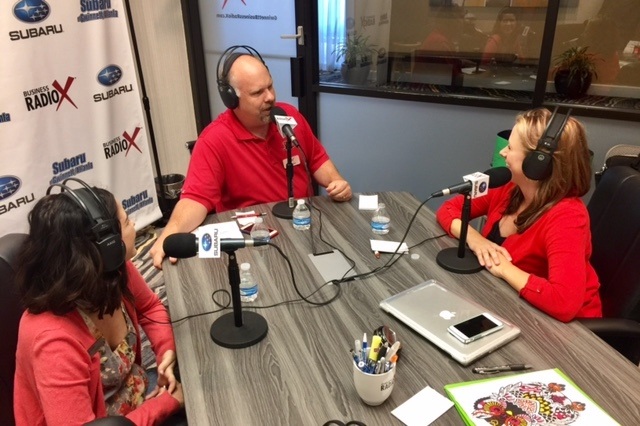

 

Tagged With: coworking space, creating highly effective work teams, creating leaders, doing business for the social good, Drena Kusari, early stage investors, everyday lessons in business, focus on teams development, From Boston to Phoenix, Girl Scouts and Lyft, Goldman Sachs, growing people, gut feel in business, Harvard Business School Graduate, infusionsoft, Instant Credibility, keeping business fun, Kyle McIntosh, leaders volunteering, leadership development, leadership development for high performing teams, Leadership LowDown, Lyft, Lyft brand, Lyft customer service, Lyft driver experience, Lyft General Manager, Lyft growth, Lyft partnerships, Mac 6, Mac 6 Co-Founders, MAC6, manufacturing shared space, MBA Graduate, MBA Graduate Success Story, Occidental College Graduate, partnering with Lyft, personal development program in Phoenix, Phoenix leadership training, positive impact on employees, power of business partnerships, professional development in Arizona, public transportation, quiet occupancy work space, ride sharing, rising to the occasion, serving, space for arizona manufacturers, Startup, team assessments, team tools, tipping point, transportation industry, U & Improved, U and Improved, U the leader, U&Improved, University of Arizona

Regus International and Spaces with Wes Lenci

December 18, 2017 by Karen

Phoenix Business Radio
Regus International and Spaces with Wes Lenci
Loading
00:00 /
RSS Feed
Share
Link
Embed

Download file

Regus International and Spaces with Wes Lenci

Wes Lenci is the Executive Vice President for the Western Region. He’s been with Regus since 2000. With 3000 locations worldwide in 120 countries you can be confident that Regus International has the perfect location for you and your business. Modern furniture and high-speed internet included. Pay one simple price for everything related to your workspace. Add more desk space as you take on new staff. Set up as a project office and cancel your plan at a month’s notice. Regus is all about helping to make your office comfortable, worry-free and flexible no matter how big or small your company!

New to Phoenix in December 2017, is Regus’s sister brand, Spaces! Originating in Amsterdam, Spaces was built on the idea that success breeds more success. That’s why Spaces cultivated a community of members who are thinkers, achievers and imagineers. They’ve built cowork spaces to suit your every need and their energetic staff attends to all the details so you can focus on your next big idea. Spaces is much more than a cowork space.

Spaces in Phoenix @ One Renaissance
Spaces
Regus

Tagged With: corporate movers and shakers, cowork space, coworking space, energetic entrepreneurs, flexible office rentals, flexible office space, freelancers, international workers, mobile movers, project teams, Regus, temporary office space, temporary work space, temporary workspace, trending workspaces, virtual office, virtual offices, Wes Lenci

TIFFANY KRUMINS SHOW: Charity Estes with Cornerstone Coworking

September 22, 2017 by Mike

Gwinnett Studio
Gwinnett Studio
TIFFANY KRUMINS SHOW: Charity Estes with Cornerstone Coworking
Loading
00:00 /
RSS Feed
Share
Link
Embed

Download file

Steven Julian, Charity Estes, Tiffany Krumins

CHARITY ESTES/CORNERSTONE COWORKING

Cornerstone Coworking is a co-working, meeting and event facility. Co-working is about building a community of professionals within their members who are more productive, innovative and successful because they can collaborate. Cornerstone is not only a space to bring in and impress clients, but it’s also a network of businesses sharing new ideas, learning opportunities, and networking possibilities. They also offer a very unique and modern atmosphere that can be transformed to fit your event needs. It is Cornerstone’s goal to truly help their community grow through successful small businesses and creating a professional atmosphere for their members to thrive in.

Loaded 'Skins, Chicken Marsala, Greek Salad, and appetizer plate.
Thank You Pamendis Italian Grill for an amazing spread!

Tagged With: Cornerstone Coworking, coworking, coworking space, networking, Shark Tank, small business, steven julian, Tiffany Krumins, Tiffany Krumins Show

Business RadioX ® Network


Our Most Recent Episode

CONNECT WITH US

  • Email
  • Facebook
  • LinkedIn
  • Twitter
  • YouTube

Our Mission

We help local business leaders get the word out about the important work they’re doing to serve their market, their community, and their profession.

We support and celebrate business by sharing positive business stories that traditional media ignores. Some media leans left. Some media leans right. We lean business.

Sponsor a Show

Build Relationships and Grow Your Business. Click here for more details.

Partner With Us

Discover More Here

Terms and Conditions
Privacy Policy

Connect with us

Want to keep up with the latest in pro-business news across the network? Follow us on social media for the latest stories!
  • Email
  • Facebook
  • Google+
  • LinkedIn
  • Twitter
  • YouTube

Business RadioX® Headquarters
1000 Abernathy Rd. NE
Building 400, Suite L-10
Sandy Springs, GA 30328

© 2025 Business RadioX ® · Rainmaker Platform

BRXStudioCoversLA

Wait! Don’t Miss an Episode of LA Business Radio

BRXStudioCoversDENVER

Wait! Don’t Miss an Episode of Denver Business Radio

BRXStudioCoversPENSACOLA

Wait! Don’t Miss an Episode of Pensacola Business Radio

BRXStudioCoversBIRMINGHAM

Wait! Don’t Miss an Episode of Birmingham Business Radio

BRXStudioCoversTALLAHASSEE

Wait! Don’t Miss an Episode of Tallahassee Business Radio

BRXStudioCoversRALEIGH

Wait! Don’t Miss an Episode of Raleigh Business Radio

BRXStudioCoversRICHMONDNoWhite

Wait! Don’t Miss an Episode of Richmond Business Radio

BRXStudioCoversNASHVILLENoWhite

Wait! Don’t Miss an Episode of Nashville Business Radio

BRXStudioCoversDETROIT

Wait! Don’t Miss an Episode of Detroit Business Radio

BRXStudioCoversSTLOUIS

Wait! Don’t Miss an Episode of St. Louis Business Radio

BRXStudioCoversCOLUMBUS-small

Wait! Don’t Miss an Episode of Columbus Business Radio

Coachthecoach-08-08

Wait! Don’t Miss an Episode of Coach the Coach

BRXStudioCoversBAYAREA

Wait! Don’t Miss an Episode of Bay Area Business Radio

BRXStudioCoversCHICAGO

Wait! Don’t Miss an Episode of Chicago Business Radio

Wait! Don’t Miss an Episode of Atlanta Business Radio