Business RadioX ®

  • Home
  • Business RadioX ® Communities
    • Southeast
      • Alabama
        • Birmingham
      • Florida
        • Orlando
        • Pensacola
        • South Florida
        • Tampa
        • Tallahassee
      • Georgia
        • Atlanta
        • Cherokee
        • Forsyth
        • Greater Perimeter
        • Gwinnett
        • North Fulton
        • North Georgia
        • Northeast Georgia
        • Rome
        • Savannah
      • Louisiana
        • New Orleans
      • North Carolina
        • Charlotte
        • Raleigh
      • Tennessee
        • Chattanooga
        • Nashville
      • Virginia
        • Richmond
    • South Central
      • Arkansas
        • Northwest Arkansas
    • Midwest
      • Illinois
        • Chicago
      • Michigan
        • Detroit
      • Minnesota
        • Minneapolis St. Paul
      • Missouri
        • St. Louis
      • Ohio
        • Cleveland
        • Columbus
        • Dayton
    • Southwest
      • Arizona
        • Phoenix
        • Tucson
        • Valley
      • Texas
        • Austin
        • Dallas
        • Houston
    • West
      • California
        • Bay Area
        • LA
        • Pasadena
      • Colorado
        • Denver
      • Hawaii
        • Oahu
  • FAQs
  • About Us
    • Our Mission
    • Our Audience
    • Why It Works
    • What People Are Saying
    • BRX in the News
  • Resources
    • BRX Pro Tips
    • B2B Marketing: The 4Rs
    • High Velocity Selling Habits
    • Why Most B2B Media Strategies Fail
    • 9 Reasons To Sponsor A Business RadioX ® Show
  • Partner With Us
  • Veteran Business RadioX ®

Decision Vision Episode 28: Should I Raise Angel Capital? – An Interview with Charlie Paparelli, Paparelli Ventures

August 15, 2019 by John Ray

Decision Vision
Decision Vision
Decision Vision Episode 28: Should I Raise Angel Capital? – An Interview with Charlie Paparelli, Paparelli Ventures
Loading
00:00 /
RSS Feed
Share
Link
Embed

Download file

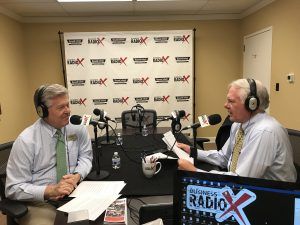
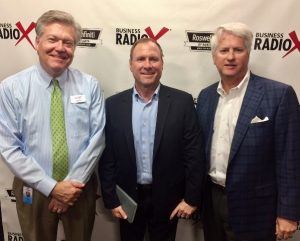
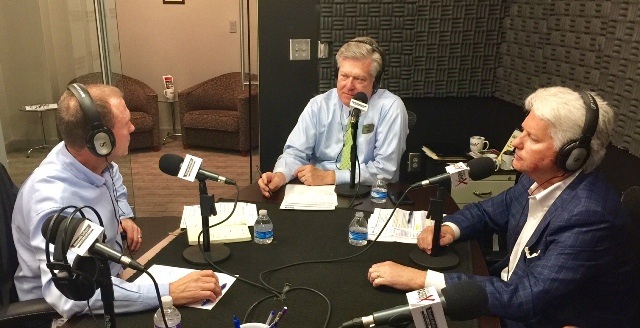
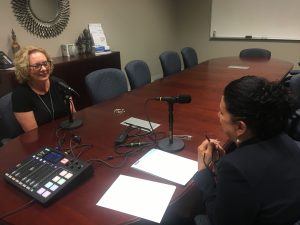
Mike Blake and Charlie Paparelli

Should I Raise Angel Capital?

What are the steps involved in raising angel capital? What traits are angel investors looking for in the founder of a startup? Noted angel investor and startup mentor Charlie Paparelli answers these questions and more in a wide-ranging interview with host Mike Blake. “Decision Vision” is presented by Brady Ware & Company.

Charlie Paparelli, Paparelli Ventures

Charlie Paparelli, Paparelli Ventures

Charlie Paparelli is a twenty-five year professional angel investor focused on helping entrepreneurs achieving their dream of starting and growing their own company. Five years ago, he began sharing his experiences in a twice-weekly blog to entrepreneurs and angel investors at paparelli.com. In addition to his writing, he is a speaker and a coach helping founders and their new teams build enormously valuable companies.

He invested in over 35 entrepreneurs over the last 25 years. He is the Angel in Residence at Georgia Tech’s Atlanta Technology Development Center. He is also a mentor at the Atlanta Tech Village. He is Chairman of the Atlanta High Tech Prayer Breakfast. The Breakfast is in its 28th year. It is the largest networking event in Atlanta technology, and it is an evangelical outreach. He has held many community leadership roles during his 40 year career in Atlanta technology.

Charlie is married to Kathy for 42 years. They have four children and three grandchildren with another on the way. They are members of Church of the Apostles in Atlanta. Charlie is an avid motorcyclist whose current ride is a 2019 BMW R1250RT.

Michael Blake, Brady Ware & Company

Mike Blake, Host of “Decision Vision”

Michael Blake is Host of the “Decision Vision” podcast series and a Director of Brady Ware & Company. Mike specializes in the valuation of intellectual property-driven firms, such as software firms, aerospace firms and professional services firms, most frequently in the capacity as a transaction advisor, helping clients obtain great outcomes from complex transaction opportunities. He is also a specialist in the appraisal of intellectual properties as stand-alone assets, such as software, trade secrets, and patents.

Mike has been a full-time business appraiser for 13 years with public accounting firms, boutique business appraisal firms, and an owner of his own firm. Prior to that, he spent 8 years in venture capital and investment banking, including transactions in the U.S., Israel, Russia, Ukraine, and Belarus.

Brady Ware & Company

Brady Ware & Company is a regional full-service accounting and advisory firm which helps businesses and entrepreneurs make visions a reality. Brady Ware services clients nationally from its offices in Alpharetta, GA; Columbus and Dayton, OH; and Richmond, IN. The firm is growth minded, committed to the regions in which they operate, and most importantly, they make significant investments in their people and service offerings to meet the changing financial needs of those they are privileged to serve. The firm is dedicated to providing results that make a difference for its clients.

Decision Vision Podcast Series

“Decision Vision” is a podcast covering topics and issues facing small business owners and connecting them with solutions from leading experts. This series is presented by Brady Ware & Company. If you are a decision maker for a small business, we’d love to hear from you. Contact us at decisionvision@bradyware.com and make sure to listen to every Thursday to the “Decision Vision” podcast. Past episodes of “Decision Vision” can be found here. “Decision Vision” is produced and broadcast by the North Fulton studio of Business RadioX®.

Visit Brady Ware & Company on social media:

LinkedIn:  https://www.linkedin.com/company/brady-ware/

Facebook: https://www.facebook.com/bradywareCPAs/

Twitter: https://twitter.com/BradyWare

Instagram: https://www.instagram.com/bradywarecompany/

Show Transcript

Intro: [00:00:01] Welcome to Decision Vision, a podcast series focusing on critical business decisions, brought to you by Brady Ware & Company. Brady Ware is a regional, full-service, accounting and advisory board that helps businesses and entrepreneurs make vision a reality.

Michael Blake: [00:00:20] And welcome to Decision Vision, a podcast giving you, the listener, clear vision to make great decisions. In each episode, we discuss the process of decision making on a different topic. Rather than making recommendations because everyone’s circumstances are different, we talk to subject matter experts about how they would recommend thinking about that decision.

Michael Blake: [00:00:37] My name is Mike Blake, and I’m your host for today’s program. I’m a Director at Brady Ware &Company, a full service accounting firm based in Dayton, Ohio, with offices in Dayton; Columbus, Ohio; Richmond, Indiana; and Alpharetta, Georgia, which is where we are recording today. Brady Ware is sponsoring this podcast. If you like this podcast, please subscribe on your favorite podcast aggregator, and please also consider leaving a review of this podcast as well.

Michael Blake: [00:01:01] Our topic today is seeking angel capital. And for those of you who don’t know me, most of you don’t because you’re out somewhere on the internet, I’ve been a cheerleader and advocate in the angel capital world for really as long as I can remember. My first job out of school actually was helping entrepreneurs in the former Soviet Union and in Russia. And at that time, there wasn’t even a term for angel capital. It’s kind of fascinating because the whole business vocabulary was evolving at that time.

Michael Blake: [00:01:34] And  when I moved to Atlanta about 15 years or so ago, I got a taste of the early stage capital scene here. And the one theme that was recurring was you can’t get a deal done here, there’s no angel capital, et cetera, et cetera, et cetera. If you live in Atlanta, it’s tedious. If you don’t, this is news to you. And the thing I, sort of, thought was, well, I saw people making investments in Minsk. And I can’t imagine that investing in Atlanta is harder than investing in Minsk. Maybe I’m wrong, but I can’t imagine it’s that big a difference. There’s got to be something kind of going on here. And as it kind of got more into the community, I was very fortunate, the community embraced me very quickly. I started to learn about the gears and cogs about this.

Michael Blake: [00:02:21] And as I start to learn more about angel capital and early stage investing, in general, and with the travels I’ve had abroad, I came to a conclusion that for all the things that we, as Americans, think make us unique, I’m not sure anything makes us more unique than the angel and venture capital sectors. I’m not sure anything makes us more unique than the way that we support startups. And if you look at at the word “entrepreneurship” in other languages, if you directly translate them, they almost have a sense of doing something semi-devious. If you’re enterprising, that’s not necessarily a good thing. But in the United States, we have a unique cultural facet where the entrepreneur is folk hero. And I can’t think of any other place in the world where we elevate the entrepreneur to that status.

Michael Blake: [00:03:13] And one of the things that makes the entrepreneurial sector go is angel capital. You can’t bootstrap a new car company. You can’t bootstrap a new airplane company, right. And many of the largest companies, the most important inventions in the world that we think of today, at some point, were funded by angel capital. Columbus’s expedition to the new world was funded by Angel Capital called The Royal Family of Spain. Thomas Edison-

Charlie Paparelli: [00:03:53] Queen Isabella.

Michael Blake: [00:03:53] King Ferdinand, who’s with Queen Isabella, right?

Charlie Paparelli: [00:03:56] Yeah.

Michael Blake: [00:03:56] I was going to say King Ferdinand. I knew that was not right, so I choke. It’s Queen Isabella. Thank you. Thomas Edison was funded for the light bulb and for General Electric by a guy named JP Morgan. And so, angel capital pervades almost everything that we think about in terms of the American economic story. And I think if you don’t understand angel capital, you don’t understand a big part about how American business works.

Michael Blake: [00:04:24] And so, here to talk about that is somebody that I’ve known, and, for a long time, I’ve come to respect. He doesn’t even know this, but he’s a spiritual mentor to me. If you don’t ― if you haven’t listened to his or read his emails, get on his email list. There’s how many? I think three times a week. They’re just phenomenal. Not good – great. Required reading. And his name is Charlie Paparelli.

Michael Blake: [00:04:47] Charlie is a 25-year professional angel investor focused on helping entrepreneurs in achieving their dream of starting and growing their own company. Five years ago, he began sharing his experience at a twice-weekly blog – so, it’s twice weekly, just assuming – to entrepreneurs and angel investors at paparelli.com. In addition to his writing, he is a speaker and a coach helping founders and their new teams build enormously valuable companies. He invested in over 35 entrepreneurs over the last 25 years. And we’re going to come back to that.

Michael Blake: [00:05:16] He is the Angel-in-Residence at Georgia Tech’s Atlanta Technology Development Center. He is also a mentor at the Atlanta Tech Village. He is chairman of the Atlanta High Tech Prayer Breakfast, which is the largest pre-6:00 a.m. start event on the Atlanta calendar. Now, that may be a small list, but it is a big deal. That breakfast is in its 28th year. It is the largest networking event in Atlanta technology, and it is an evangelical outreach. And as an aside, whenever I remember, I’ve been to about three or four of those, and one of them was an executive from Apple. Charlie will remind his name. But he’s an executive from Apple who had to come on and talk, I think, a day or two after Steve Jobs passed away, as I recall. And that was some powerful stuff. That was as raw as it gets.

Michael Blake: [00:06:11] Charlie has helped many community leadership roles during his 40-year career in Atlanta technology including Angel Lounge, which is an offshoot of Startup Lounge that serves to educate current and aspiring angel investors in the Atlanta community. Charlie is married to Kathy for 42 years. They have four children and three grandchildren, with another on the way. They are members of Church of the Apostles in Atlanta. And Charlie is an avid motorcyclist whose current ride is a 2019 BMW R125. Nope, that’s wrong. R1250 RT. Got it. That’s a lot of letters and numbers.

Charlie Paparelli: [00:06:46] That’s what it is, yeah.

Michael Blake: [00:06:48] Charlie, thank you so much for coming on the program. I’ve been looking forward to this since we started talking about it several weeks ago.

Charlie Paparelli: [00:06:53] Same here, Mike. I always love the work that you were doing. We started Angel Lounge as an offshoot, as you said, a startup lounge. I wanted to be a part of what you were doing. You’re saying we’re missing this piece. And that’s where we came up with the idea of Angel Lounge.

Michael Blake: [00:07:06] And I think due to that, I think there’s more capital available in Atlanta than there has been because I think you’re making people feel safer and more confident about making those commitments.

Charlie Paparelli: [00:07:17] Yeah. Angel Lounge, we focused Angel Lounge instead of trying to march more companies in front of people, it took us a while to get to the right formula. But the formula that we’re using is, really, our mission is to just help angel investors or those who are interested in becoming angel investors to help make them better investors by sharing each other’s stories and experience with them.

Michael Blake: [00:07:39] So, I’d like to start this podcast with the basic vocabulary question, because I think not everybody knows what angel investing is. They may think it’s venture capital, but angel investing and venture capital are related, but they’re not quite the same, are they?

Charlie Paparelli: [00:07:53] No, they’re very different. If you think about when we ― venture capital, basically, is mutual funds for high-risk investments, all right. So, if you know how mutual funds work, I mean, you have a mutual fund manager, and he has partners, and they raise money to, then, invest that money for other people in mostly public stocks. Public stocks, things that you can get in and out of pretty quickly. So, they might put in 1% to 5% of their own money into that big mutual fund. So, venture capitalists, the difference between them is they’re investing in companies that are privately held companies. And as privately held companies, you can’t get in and out of them quickly. Once you’re in, you’re in forever, okay.

Michael Blake: [00:08:47] Right. That door makes a loud slamming noise.

Charlie Paparelli: [00:08:48] It does, yeah. It’s all ― so, we’re all excited to get in. And then, next thing we’re doing is looking for exits, and we’re driving along the highway, and there are none. You’re just on there, and you hope you don’t run out of gas till you get to that last exit. So, venture capitalists, hopefully, people put money in venture capitalists, and big pension funds put money there simply because it’s a high-risk, high-reward alternative. So, you’ll find some of these big pension funds who will put in maybe up to 3% to 5% of their total fund into high-risk alternatives, of which venture is one of those.

Charlie Paparelli: [00:09:23] Angel investing, on the other hand, that’s like your own money. So, it’s like running your ― it’s like taking whatever money that you thought you wanted to put into higher risk ventures, whether it be $100,000, or $250,000, or some cases, it could be multiple millions of dollars, and you say, “No, I want to be an angel investor. I want to be on the ground. I want to invest in these early-stage startups. I want to work with these entrepreneurs. And I’m willing to risk my personal fortune on this one segment.” So, you have a lot less people, a lot less company — fewer companies that you’ll be spreading that risk across. And so, that makes the risk even higher as an angel investor versus venture capital.

Michael Blake: [00:10:08] Now, I want to clarify one thing just because you happen to be the guest, it only happens to be called an angel investor because that’s a term of art. It has nothing to do with a religious affiliation. Even though you happen to be very open about your faith, there are plenty of people who aren’t that way that are angel investors, right? There’s not a a Christian element to it, necessarily.

Charlie Paparelli: [00:10:28] There’s no Christian element to it. In fact, the term angel investor goes back to people in New York on Broadway who actually wanted to get their shows funded, their new ideas for Broadway shows. And people would come in, and they would ― very wealthy people would liked the idea, and they would fund the show. And those people were called by the producers of those shows angel investors. And that’s where the term ― that’s the genesis of the term angel investor.

Michael Blake: [00:11:00] I had no idea. I did not know that. And the producers, the people who funded Springtime for Hitler were actually angel investors.

Charlie Paparelli: [00:11:07] Oh, you would bring up that example, but, yes, that’s true. Yeah.

Michael Blake: [00:11:10] Well, my wife is Jewish. She’s a big Mel Brooks fan. And I will say, as an aside, by the way, the funniest six minutes in cinema is Springtime for Hitler. Only Mel Brooks can make the Nazis funny. So, we often hear about friends and family as investors. Do they qualify as angels too, or are they sort of a different animal?

Charlie Paparelli: [00:11:29] No, I would call — friends and family, there’s a term called the 3Fs, okay? Family, friends, and fools, okay, are those very, very early stage investors. And when you’re — when an entrepreneur is raising money, the first thing that he’s raising money around or on, as a foundation, is his credibility. Well, the first people that find the person, the entrepreneur, to be credible, especially if it’s his first time being an entrepreneur, is his family. If his family doesn’t think that he or she could do it, then why should anybody else think they should — they’d be able to do it?

Charlie Paparelli: [00:12:11] So, I think that the first round is always friends and family, because they’re other people that say, “Oh, my God. If Mike Blake is starting this company, and Mike is so smart, and I think he’s going to be able to build something great. I have no idea what his idea is. I don’t know what the market is. I don’t know anything. But I know Mike, and I’ll put money behind Mike.” So, I think they are angels. They’re the — they’ve been called fools, but I think what they’re doing — I know what they’re doing. They’re betting on the individual because they have a very deep and long personal relationship with them.

Michael Blake: [00:12:44] So, you bring something up that I want to make sure that we cover because there’s a timeline of maturity here, right? And that friends and family round, if you will, that investment is really banking on the credibility, which means there isn’t a business yet, right. There’s there’s a hope, an idea, right? A story, I guess-

Charlie Paparelli: [00:13:05] Yeah. Just somebody-

Michael Blake: [00:13:05] … in most cases?

Charlie Paparelli: [00:13:06] Most of the time, somebody will come to you and say, “Yeah, this is something that I’ve been doing. I’ve been working for such and such a company for a while.” These are the kind of people that I’ve gotten — I’m attracted to. “I’ve been working in this industry for a while, working for this company for a while. I’m 35 years old. I’ve been through… ” — either “I developed an expertise as a programmer” or “I developed an expertise as a salesperson,” or whatever. “But I know this industry, and I have this idea, and I brought it to my bosses, and no one’s interested in it. And I just can’t let loose of it. And I really want to start a company around it, but I have no idea how to do that. But I think a lot of people will buy whatever I’m going to build or sell.” And that’s kind of how it gets started.

Charlie Paparelli: [00:13:56] And then, the first place they have to go is they have to go to somebody. So, that’s all they have. They have this story. There’s interest and that they — it’s this passion. It’s, sort of, like a God-given idea they can’t let loose of, but they need to be able to feed — they’re 35. They need to be able to feed their family, and they need to start putting money away for college, and all this for the kids, and everything that we all do. They have houses, cars. They’ve got it all. How do they survive? Well, that’s where the angel comes in and says, “We can help you meet your personal expenses at the beginning while you develop — while you unhook from the corporation and your salary,” which is step one. And then, you start building out this idea.

Michael Blake: [00:14:38] You brought something up. I’m going to deviate from a script here because I think that’s — I think it’s important. That 35-year-old, the most — the iconic entrepreneur is somebody who’s in their 20s. To us, they’re basically kids, right. But they actually don’t start most companies, do they?

Charlie Paparelli: [00:14:57] No. You say iconic. What do you mean the iconic?

Michael Blake: [00:14:59] An iconic. Iconic, like the Mark Zuckerbergs, the Bill Gates of the world, Steve Jobs.

Charlie Paparelli: [00:15:05] Oh, I see what you’re saying, yeah.

Michael Blake: [00:15:05] In some case, they actually drop out of school, so they can start whatever it is they’re going to start. But actually, most entrepreneurs look like that 35-year-old, don’t they?

Charlie Paparelli: [00:15:14] Yeah, I think the statistics proved out that it’s somewhere between 35 and 38. And my statistics actually prove out this companies that were successful for me that I invested in, that’s exactly how old people were. So, they have enough. Really, like when I got out of college, I grew up, my father was a middle — he was a train man on the Jersey Central Railroad for 38 years. When I sat around the dinner table, we didn’t talk about business. In fact, I remember I was the first one in my family, first male in my family to actually get a degree from college. And I was getting an accounting degree, and they told us we need to read The Wall Street Journal. I’m reading The Wall Street Journal, and I didn’t even know what I was reading. It didn’t make any sense to me because I had no context or understanding of basic business.

Charlie Paparelli: [00:16:01] So, it’s really, when you come out of school, what do you know about business? What do you know about building a company? What do you know about the disciplines of building a product, the disciplines of launching a product? How to gain — how to hire people? How to do business reviews or reviews for people? Okay. How to properly give a presentation? You don’t know any of this stuff. You have to learn it. And so, that’s why I think those 15 to 18 years out of college, that’s the foundation where you have to prove out your functional expertise, as well as your management expertise.

Michael Blake: [00:16:38] I think the only thing I knew about business was what I remembered from watching that Michael J. Fox movie, The Secret of My Success. That was pretty much it.

Charlie Paparelli: [00:16:46] I don’t remember that.

Michael Blake: [00:16:47] Yeah, nor does anybody else. That’s-

Charlie Paparelli: [00:16:49] Okay.

Michael Blake: [00:16:49] Yeah. So, let’s, sort of, then, now get into the seat of that person that thinks they’ve got that idea, right, and they’re convinced that idea’s got legs, and the company they’re working for is not going to buy it. They sit down, they take you out to lunch, or they sit down for your own office hours at the ATDC. What do you tell them in terms of they’re if going to embark on a venture — I’m sorry, angel capital raising process, what should that entrepreneur be prepared to do?

Charlie Paparelli: [00:17:21] In order to?

Michael Blake: [00:17:24] To raise capital? I’ve got an idea. I need somebody to write me a bigger check than I can write myself. What is that process going to look like?

Charlie Paparelli: [00:17:34] All right. So, I’m going to speak beyond the friends and family.

Michael Blake: [00:17:37] Yeah.

Charlie Paparelli: [00:17:37] So, friends and family is going to provide that bridge to get you from a weekly payroll or weekly salary, if you will, to being an entrepreneur or starting your own business, in effect, okay. So, now, your future and your family’s future is dependent upon you making money. So, tell me again, what are you looking for in this?

Michael Blake: [00:18:03] I’m just looking for the process of raising angel capital, right. I’ve decided I’m going to raise angel capital. What do those steps look like to get from want to raise angel capital to having a check in the bank?

Charlie Paparelli: [00:18:18] All right. Part of this myth, I mean, you talked about entrepreneurs as folk heroes. And there’s a myth around the folk hero that soon as I come up with an idea, the next step is to actually raise capital, okay? Really, the next step is to start building a business. Capital is attracted to businesses. Capital isn’t just attracted to purely ideas, all right. I look back at Facebook, for example. So, when Zuckerberg — what happened with Zuckerberg, he started Facebook, basically, as a freshman at Harvard, I believe was Harvard.

Michael Blake: [00:18:58] I think so, yeah.

Charlie Paparelli: [00:18:59] Yeah. And, sort of, a nerdy guy, wanted to meet people, introvert. He didn’t want to meet people. He want to meet girls. So, what he did is he put together this little site to have people meet each other over this internet. And it was only open to the freshman class at Harvard. And he started to gain traction because there’s a lot of nerds, I guess, that go to Harvard.

Michael Blake: [00:19:30] I think that’s fair.

Charlie Paparelli: [00:19:31] Yeah. And they don’t-

Michael Blake: [00:19:32] I only drove by Harvard when I lived up in Boston, but I think that’s correct.

Charlie Paparelli: [00:19:35] Yeah, all right. Well, they needed to meet each other. So, they didn’t know how to do it. So, they started doing it over the web, this new medium, if you will. And then from there, it started to kind of take off. So, he met people. He became, sort of, a little bit of a rock star in his freshman class and other people in the college. And Harvard said, “Well, what about us as sophomores, and juniors, and seniors, and all that?” And, of course, we always know that seniors always like to pick up freshmen girls, right? That’s kind of how that works. And so, he opened it up, and it just became for Harvard. And then from Harvard, other people started to contact him, and said, “Hey, we’re at MIT. We want to do the same thing. Can you open it up?” So, he started to open up these silos where they couldn’t talk to each other. You can only talk within your educational institution. And from there, it’s sort of just expanded.

Charlie Paparelli: [00:20:27] At some point, people said — he said, “I need to — this thing is so popular now. I need to kind of get some money here, so I can live on and continue to build it out.” And that’s when he got his first venture capital. And by then, he had exposed — he had expanded to high schools, again, siloed. And when he first got some capital in there, it was probably angel money to start with, is they said to him, “Look, why are you doing this siloed approach? Why don’t you just kind of open it up horizontally to anybody who wants to be part of this?” And that was the beginning of Facebook.

Charlie Paparelli: [00:21:00] And that so — he started to build out the attractiveness of the idea and the business model, and that’s what it was. And he had no idea what the business model was going to be when he started. But later, it came about that it was going to be advertising-based because he had captured all of our data, and he was able to sell it to all of the advertisers.

Michael Blake: [00:21:18] Yeah.

Charlie Paparelli: [00:21:19] It worked out really well for him. But the first step, really, is for these — is to think, “I have to build a business.” Don’t think, “I have to raise capital. I have to build a business.” If you build something that looks like it’s going to be a business, that, actually, there’s some buyers out there for whatever service or product that you’re selling, then an angel investor like myself can come in and say, “It looks like this can turn into a big business,” or “This can turn into a $500,000 business, max,” or “Maybe it’s going to be a $5 million business,” then we can size what type of investment it would require. And then, we could figure out what kind of returns that we might possibly get based on the investment we put in.

Michael Blake: [00:22:00] And you and I, I think, both know and have met entrepreneurs that, I think, I’ve gotten that backwards where their business seems to be raising capital.

Charlie Paparelli: [00:22:09] Yeah.

Michael Blake: [00:22:11] That doesn’t work very well, does it?

Charlie Paparelli: [00:22:12] Yeah. One of the things I worry about in our community and other communities is we don’t celebrate. We don’t seem to celebrate the progress that a company makes in their marketplace. But what the news covers is how much money they raised on the last round. Money doesn’t build companies, people build companies.

Michael Blake: [00:22:34] Yeah.

Charlie Paparelli: [00:22:34] So, we should be celebrating, “Oh, my gosh, they did a deal with AT&T.” That should be the news, not that they raised $50 dollars in the last round at a $200 million valuation.

Michael Blake: [00:22:48] Yeah, I agree with that.

Charlie Paparelli: [00:22:50] Yeah, you’re right. So, the end point, what we celebrate is some milestone in the process as opposed to the business successes themselves.

Michael Blake: [00:23:03] So, to  raise money for a small business, angel capital is not necessarily the only game in town. It’s not necessarily the best route to go, right? You could — for example, you might be able to obtain a small business loan, right, or you may be to finance things through credit cards. Can you talk a little bit about what differentiates one opportunity that makes it appropriate for angel capital and what maybe makes another opportunity more appropriate for a small business loan kind of scenario?

Charlie Paparelli: [00:23:34] Yeah. Small business loans and credit cards, they all kind of fall in the same bucket. They’re probably 25% interest type loans.

Michael Blake: [00:23:43] Yeah.

Charlie Paparelli: [00:23:43] So, you’ve got to think of them more like working capital loans. So, I need some — I’m invoicing my — I’m doing a service company, so I’m invoicing my customers. I’ve got a 45 to 60-day, sort of, window before that money comes back in. So. maybe I can use credit cards, and I can use these business loans, if you will, to kind of finance that. But for longtime financing, 25% interest is gonna be quite a burden as you go forward. So, I see those as working capital loans.

Charlie Paparelli: [00:24:17] The angel, the other side is banking. Can I go to a bank and get a loan? Well, if you’ve got enough assets, enough collateral, and enough money in the bank, they’re willing to give you a loan. But most of these people don’t have the credit worthiness to get any meaningful sized loan that’s going to kind of move the needle for the business. So, it forces you into selling stock in your company as opposed to just accumulating debt to kind of go forward. So, with stock, you don’t have debt. You have — you’ve sold off a piece. But, now, you have a partner. And that’s what an angel investor is. They’re a financial partner in the company. So you’ve sold off 30%, or 50%, or whatever the number might be depending upon how early stage you are of your company to this investor who’s now going to be hanging out with you for a very long time.

Michael Blake: [00:25:12] And the timing issue, I think, is so important that an angel investor, if they’re experienced – and not all of them are – understands that doors are slammed shut, and you’re on a highway for a while, right? The bank, maybe they understand the door’s slammed shut, but if you’re going to be on that highway for a long time, that meter runs really quickly, right, as that interest kind of piles up. And it takes cash out of the business. But if you can pay that back fairly quickly, maybe that does make sense. If you have enough cash flow initially to kind of — as you said, as you sell through your inventory or whatnot, maybe it makes sense to do that.

Charlie Paparelli: [00:25:54] Yeah. It depends upon — I guess there’s a couple of things to consider is, what kind of business am I building? If I have to spend a lot of time in order to build out a product, a bank loan is probably not gonna be a good way to go. But if I’m doing a services company, or if I’m a reseller of some type of other products, so I’m really looking to just buy product, and then resell product, bank loans make a heck of a lot of sense because you can keep moving them. You can pay them back, you can take them down, you can do it that way. But if I have this long-term investment that I have to make in order to get set up to build my company, well, bank loans, like you said, accrued interest kind of grows very, very rapidly. And then, you’re kind of under water.

Charlie Paparelli: [00:26:44] The other thing to consider is that, do you know enough about what you’re doing to build a company? So, this is where angels come in too. They’re just not people who come with money, but they come with expertise and network. So, if you could find those kind of what I’ll call smart money angels, then they could bring a lot of value to the business to increase your chances of success and mitigate your risk.

Michael Blake: [00:27:11] I want to drill down on that because I know in your model, I think, your smart money is involved. I think you are involved with a greater degree because you do fewer deals, right? I think, in the intro, I think it said you did 30 deals over 25 years, something of that nature, right?

Charlie Paparelli: [00:27:28] Right.

Michael Blake: [00:27:28] So, you are not — you, yourself, you’re not spreading thin. You are going deep into one or two deals at any given point in time. And correct me if I’m wrong, but I think that’s, sort of, on the deeper end of the spectrum. Not all angels are as involved on a day-to-day basis as an intimate partner as are you. Is that fair?

Charlie Paparelli: [00:27:50] That’s very fair.

Michael Blake: [00:27:52] And then, there’s a spectrum. And then, on the other side — and I’ll just share with the listeners some insider baseball. We often call those doctor and dentist deals, right? Nothing against doctors or dentists, but there’s a stereotype that they have money but not the experience of being angel investors. Often, they’ll make an investment but not be involved, right.

Charlie Paparelli: [00:28:16] But the other side of the reason that doctors and dentists get involved too is there’s a jealousy that the business guys are making all the money.

Michael Blake: [00:28:26] Okay.

Charlie Paparelli: [00:28:26] So, they want to become a business guy and that becomes an easy, sort of, on-ramp angel investing, but it’s a quick way to kind of lose some of their hard-earned, sort of, cash flow too.

Michael Blake: [00:28:37] Yeah. Yeah. Oh, sure. That’s a great way to lose money, right?

Charlie Paparelli: [00:28:40] Yeah.

Michael Blake: [00:28:40] But as somebody who’s seeking angel capital, right, on the one hand, what you’re offering, you’re offering experience, you’re offering expertise, you’re offering support. The other edge of that sword is I got to share the steering wheel, right? There’s built-in, day-to-day, in-your-face accountability with which not everybody in the world is necessarily comfortable, right? And some capital seekers will say, “You know what? You’re telling me this dumb money is just going to write me $100,000 check, and then not bother me? Great. Where do I sign?” What does that funding seeker not getting right? What are they overlooking or what are — yeah. What are they failing to see because they see that “free money?”

Charlie Paparelli: [00:29:29] Yeah. I have people — I had a call just the other day, in fact, somebody who was saying to me this is their third time, actually, starting a company. And, actually, the first two companies, they had exits. So, they figured they had the formula down, they’re just going to be successful. So, this is a guy that has total exits that were equal to $37 million in exit. So, this is a pretty successful guy in health care, in the health care vertical. And he’s saying to me, “You know and understand. You understand how to price these deals out. I don’t have revenue yet in this one. I do have a lot of experience. I’ve got good track record. I think that people should pay a much higher amount of money as angel investors for the stock than I’m going to sell in this company at this stage.”

Charlie Paparelli: [00:30:16] And I said, “Well, you’ve got a choice. If you want people who are going to come in, who are going to add to the credibility of your new company, your idea, and also lock arms with you for any future, sort of — be of value add for any future funding that you’re going to do,” I said, “you’re going to have to — you’re selling to professional angel investors who are going to be asking for — they’re looking for good returns, and they understand how hard it is to build companies. So, you’re going to be pricing your company lower than you would with inexperienced – the doctors and dentists.” You go to doctors and dentists, and they say, “Oh, well, I’m pricing this brand new company, never raised money before, has no revenue, hasn’t built the product yet. We’re going to price it at $10 million.” Okay. And from the outside, you might say, “Wow, that’s a really good deal, $10 millions because I look at the stock market and all those companies have billion dollar valuations. So, this is a great deal.”

Charlie Paparelli: [00:31:14] Whereas an angel investor would probably say, “What did you raise money on your last deal for that first round?” He said, “Well, they got an outsized return because I priced it at $2 billion pre-money.” And I said, “Well, that’s what it was worth. And they didn’t get a ridiculously high sign.” I said, “What was the returns they got?” He said, “They got a 10-time return on their money.” I said, “So, what? So, what? Why does that bother you? You were a success. You made millions of dollars because of these people that put this money in.” He said, “Well, I think that I could make even more.” I said, “Well, how much more money do you want to make?” And he said, “Well, it’s not about the money. It’s about fairness.” And I said, “Oh, so it’s about greed, but it’s not about the money.” You know what I mean? It’s like a ridiculous conversation. So, I would say-

Michael Blake: [00:32:00] This is why I don’t argue with you, by the way.

Charlie Paparelli: [00:32:02] So, what do you like? Yeah. So, what you’re missing out on if you get what we’ll call as inexperienced money as opposed to using the pejorative term, is you’re missing out on the experience. I mean, I’ve been an entrepreneur in my earliest days. We built companies from scratch. We did exits. I worked for corporations. I know what it is to to build leaders. I know how to hire people. I know to help. I have a network of people I can bring to the company. I can make introductions to executives. That’s very valuable. Well, if you’ve got a doctor, and he’s not going to do any of that, he’s going to call you up and say, “So, what happened last week?”

Michael Blake: [00:32:44] Right.

Charlie Paparelli: [00:32:44] You know.

Michael Blake: [00:32:44] Unless somebody faints at the board meeting, that’s great. But otherwise, he’s not going to bring that much to the table, right?

Charlie Paparelli: [00:32:49] Exactly.

Michael Blake: [00:32:49] So-

Charlie Paparelli: [00:32:49] So, that’s what you miss out.

Michael Blake: [00:32:51] And you said something that  I want to touch on because I think this is really important. That 10x return, I don’t think that’s really an outsized return when you consider the risk that’s being taken, right? So, I just posted two days ago on my chart of the day, when you look at venture returns, which is more mature than angel, right, 65% of those deals don’t make their money back, right?

Charlie Paparelli: [00:33:14] Right.

Michael Blake: [00:33:14] So, it’s up to a 1.0x return, which means that’s cash and cash. Best scenario, you get your money back, which means that two-thirds of deals lose money, right?

Charlie Paparelli: [00:33:27] Right.

Michael Blake: [00:33:27] Two-thirds of deals in the S&P 500 do not lose money if you’re just sort of in a broad index, right?

Charlie Paparelli: [00:33:32] Right.

Michael Blake: [00:33:32] So, it’s kind of like drilling for oil that the deals that are successful also kind of got to pay for the deals that weren’t, right? The well that strikes oil also has to pay for the drills you put in that didn’t strike oil.

Charlie Paparelli: [00:33:46] Right.

Michael Blake: [00:33:47] And so, if you’re successful, perhaps you’re thinking, “Boy, you know, 10x returns seems rather greedy.” But from the investor’s standpoint, you got to have that, or you’ve got to have that aspirationally. You have to hit it once in a while or the economics, given the risk and the failure rate, just don’t work out, right?

Charlie Paparelli: [00:34:06] Yes. So, what you wind up with, I think that the average angel that has been doing it for some — let’s say, a 10-year period, I think their returns are somewhere — somebody — this is somebody that presented at Angel Lounge. I think those returns were somewhere around 3% to 6% as an internal rate of return.

Michael Blake: [00:34:26] Oh, my gosh.

Charlie Paparelli: [00:34:26] Well, that’s an awful lot of risk and an awful lot of work, okay, to get those kind of returns. And what happens is when you’re speaking with entrepreneurs, every entrepreneur know his company is going to be a great success, and it’s going to be worth a lot of money. What he doesn’t have is any kind of context to say, “As an angel investor, I’m looking at 20 people that look like you, okay, and I’m seeing — I really understand where the risk is because I’ve talked to people at all different levels. You seem to be the most attractive, but there’s no guarantee that you’re going to be successful.”.

Charlie Paparelli: [00:35:05] That guy I talked about in health care, I said, “You’ve got millions of dollars.” He says — I said, “Why don’t you put your money into this thing if it’s such a good deal?” And he said, “Well, I’ve already put $200,000 in.” And I said, “Well, $200,000 to you is nothing based on the exits that you had. So, you’ve got to be worth more than $15 million.” He goes, “Well, I’m not going to tell you what I’m worth, but you’re not far off.”

Charlie Paparelli: [00:35:28] And then I said, “Well, if this is such a great deal, if it’s so low risk that you’re going to be a success, why would you want to share it with anybody?” And he said, “Well, there’s always a chance that it’s going to fail.” I said, “Well, you didn’t say that in the first 20 minutes of our conversation, you know.” But you see, this is the reality of it. So, I want to take no risk, and I want all the risk to be put on the investors. And I don’t think they should get more than a three-time return if it works.” And I said to him, “Would you invest in that deal?” And he didn’t answer me. But you see, it’s crazy the way these deals get positioned.

Michael Blake: [00:36:06] Well, you know, I think in fairness, it’s sort of in a symmetry of kind of how you look at it. From the entrepreneur’s deal, they have one deal, and that’s it, right? But I want to build on something that you said. Even the deals you invest in, let’s say — I know you don’t do this, but let’s say you’re an angel that’s got money in six deals, right?

Charlie Paparelli: [00:36:26] Yeah.

Michael Blake: [00:36:28] When you put money in those six deals, you didn’t think any of them were going to fail individually. You wouldn’t have put your money in, right? You think that all of them are going to be successful when you put your money in, but you know that four of them are not, or five of them are not, or maybe all six of them are going to lose. You just don’t know which ones.

Charlie Paparelli: [00:36:45] You know, it’s funny that you say that, the four of the six will not be okay. There is such a deep sense of denial. Even me who has been through this that I still think I’ll be six for six. Okay? That’s why we do these deals. You know, I mean, you can’t be an angel investor, and not be idealistic, outsized, idealistic, and outsized hopeful. Otherwise, you wouldn’t do these things.

Michael Blake: [00:37:10] Right.

Charlie Paparelli: [00:37:11] So, that’s what happens.

Michael Blake: [00:37:11] Nobody would ever enlist for the army if they thought they’re the one that’s going to get shot.

Charlie Paparelli: [00:37:15] That’s right. That’s right.

Michael Blake: [00:37:16] You got to have that going in. It just doesn’t make any sense, right? So, how much lead time? I mean, how long do you think — how long does it normally take? Let’s say there’s a successful angel funding process that takes place. As an entrepreneur is thinking about their business plan, how long does that process usually take?

Charlie Paparelli: [00:37:39] Well, it’s a hard question to answer, but if I’d say in general terms, I would say 90 days.

Michael Blake: [00:37:47] Okay.

Charlie Paparelli: [00:37:47] Okay. But it’s highly dependent. If we’re speaking to entrepreneurs and business people here, it’s highly dependent upon the quality of your business. If you are sitting here, and you don’t really have anything, and the idea doesn’t really even solve a clear business problem, you can spend the next two years trying to find the first person that’s going to put money behind that. And in that two years, you’re going to change, change, change, improve, do better until you hit on some business that makes sense based on your expertise. And then, the 90 days will kick in.

Michael Blake: [00:38:23] Right.

Charlie Paparelli: [00:38:23] All right. So, it could be forever to never, okay? Or if you really do, in fact, have something, it could be as quick as 30 days, okay? That happens if you get the first person who has high credibility as an angel in the deal, then it’s a pile-on. Everybody’s got to be in the deal, right, because the credibility went up. If Charlie thinks that Mike has got a really good shot at this, and Charlie’s done a lot of these deals, I’ll put money in that deal. Well, what’s the deal? I don’t even know what it is, but Charlie’s on the deal. I’m going to do the deal. You know, that’s the old thing that we had about the t-shirt for Sig Mosley, right, who was sort of the godfather of angel investing in Atlanta that said “Sig said no.”

Michael Blake: [00:39:08] Yeah.

Charlie Paparelli: [00:39:10] Right? If Sig said no, you were dead.

Michael Blake: [00:39:12] That was already a horse head in your bed, basically.

Charlie Paparelli: [00:39:13] Yeah, exactly. That’s what it was. But if he said yes, everybody wanted in on the deal. They don’t even know what they were investing.

Michael Blake: [00:39:20] Right.

Charlie Paparelli: [00:39:21] That’s the [crosstalk].

Michael Blake: [00:39:22] It could have been alpaca as a service. And if Sig was in, you’re in.

Charlie Paparelli: [00:39:26] That’s it.

Michael Blake: [00:39:26] Now,  saddle me up, right.

Charlie Paparelli: [00:39:28] That was it.

Michael Blake: [00:39:29] So, what do you think about angel groups? There are angel groups out there. We have won the Atlanta Technology Angels, which, as my editorializing, some years are great; some years, you don’t quite know where they are. I don’t think you’ve ever been a very active member as an investor of angel groups, if I’m — correct me if I’m wrong, obviously. But do you have an opinion of angel groups as a place for somebody to go to look for capital?

Charlie Paparelli: [00:39:55] Yeah, I think that angel groups have been — angel groups have been through a process here over the last, I would say 20 years. And it’s taken them that long to get to a model that actually works. And what they’re serving is not entrepreneurs. What they’re serving as passive investors. And passive investors, I always say that wealthy — the passive investors are independently wealthy people. And my definition, personal definition of independently wealthy is I can do whatever I want, whenever I want, which means I have complete control over my time. Well, I might say as a wealthy individual, “I want to be an angel investor.” Well, if all of a sudden, I create a relationship with the entrepreneur, and I put money in, and he sees value in me, well, I might start getting calls like on Saturday morning, which is when I play golf, that this guy lost a big deal, and he just has to meet me for breakfast.

Charlie Paparelli: [00:41:00] Well, what happens is we have all these people that want to do it, but they don’t want to put time in. So, they need somebody to kind of represent them. So, what happened is over the years, these models went from sort of loosely-goosey, “Let’s have a meeting and see who wants to invest,” to actually putting putting in paying dues and paying a group of people to actually vet the deals, present the deals, do the due diligence on the deals, put the terms sheets together, negotiate the term sheets, and then present them to these passive investors. That’s where these groups have gone now. So, if you look at AIM, A-I-M-

Michael Blake: [00:41:38] Yeah, familiar with them.

Charlie Paparelli: [00:41:38] Right? Down in Birmingham. And then, you look also at Matt Dunbar Venture South in Greenville, they have adopted that model. It took them a while to get there, but they’ve adopted the model, and it works because it satisfies the needs and interests of the passive angel investors. So, they have these huge networks of people.

Michael Blake: [00:42:02] And they are funding deals. I know AIM would probably be one of the most active angel investors in Georgia, I think.

Charlie Paparelli: [00:42:10] They are one of. In fact, they started a group here in Atlanta.

Michael Blake: [00:42:16] Oh, okay. I didn’t know that.

Charlie Paparelli: [00:42:17] Yeah, they have their own group. And ATA, the Atlanta Technology Angels, like you said, they’ve had their ups and downs. And so, they haven’t quite had the leadership to kind of build something out longer term. So, they have ebbed and flowed, but they’ve been at a few good deals, you know. Even with this sort of loosey-goosey unstructured model that they have.

Michael Blake: [00:42:38] So, I want to ask you a question I get asked a lot. And that is, from your perspective, how much do business plans and financial models matter? Are they overrated? Are they underrated?

Charlie Paparelli: [00:42:52] Well, I’m a very early stage investor.

Michael Blake: [00:42:55] Right.

Charlie Paparelli: [00:42:55] Right? So, for me, they’re not rated, all right? So, what I look for is my business plan, where we kind of get started, is to say, “Let’s do a three-month forecast. Let’s start with how much money you’re going to spend over that three months.”

Michael Blake: [00:43:11] Got it.

Charlie Paparelli: [00:43:11] “And is there any opportunity for any kind of revenue in that time?” So, really, we’re very granular, okay?  But to sit here and say, “Well, here’s my five-year plan,” I say, “The first thing we need to do is we need to be able to get to cash-flow positive. Then, we can have a plan going forward. But if we can’t get the cash flow positive, that deficit is going to be make up by investors, and investors are going to be part of this drag on you as you try to kind of go forward.” So, I don’t know.

Michael Blake: [00:43:43] And that’s why you like — I mean, in your model, you like to kind of be the only guy, because I think it’s less of a distraction, right?

Charlie Paparelli: [00:43:50] Well, what I’ve done is always — it’s been me and maybe two or three other guys.

Michael Blake: [00:43:56] Okay.

Charlie Paparelli: [00:43:56] But they’re people that I trust. People don’t even know they exist. But I bring them along in some cases. Like one guy, I invite invested in a sales tax business that was selling to telecom, and there was a sales tax prep business, who I called it the ADP of sales tax. Well, I didn’t know telecom buyers. Well, I brought a fellow that’s a very good friend of mine who was a telecom executive, worked for AT&T, fast track guy. I brought him in. He walked me into two deals. Just walked in. One call, boom, we went in, they bought the stuff. Well, that’s really high value.

Michael Blake: [00:44:31] Yeah.

Charlie Paparelli: [00:44:31] So, he knew telecom, and he knew the buyers. So, I understand how to build companies from scratch, and I understand building leadership teams. He was on the other hand. He was the industry expertise that kind of brought us, and he had network like that. Sometimes, I’ll bring in somebody who’s a sales expert in the particular channel, and that would be another guy to kind of bring along that would be very helpful in the deal. So, everybody I bring along has got to be additive to the deal-

Michael Blake: [00:44:59] Okay.

Charlie Paparelli: [00:44:59] … to mitigate the risk and increase chances of success.

Michael Blake: [00:45:04] All right. So, we’re running out of time, but I have two questions I want to ask before we get you out of here and get you back to doing your angel investing. Three founder traits that turn you on?

Charlie Paparelli: [00:45:16] Three founder traits that turn me on. One is that this is the time for this company to start in this person’s life. So, I look at an idea as an arc, and I look at a person’s life as an arc, okay? So, I look at this intersection between where you are in your life as an entrepreneur, and this idea, and where it is in the marketplace. And if there looks like there’s an intersection, I call that, it’s almost like a God moment. It’s a miracle has happened, okay? It’s not artificial. It’s like it had to happen. And I think if we look back at companies like Apple, and Amazon, and Facebook, those are all those kind of moments. And I’m not saying I’ve ever invested in billion-dollar kind of companies, but that’s what I look for in an entrepreneur because it’s very personal. So, it’s not just, “Oh, I was walking down the street, and I came up with this idea.” It has to fit in their life.

Charlie Paparelli: [00:46:12] Secondly is they have to have — for me, they have to have the industry expertise. So, they are 35. So, they do have expertise in a particular functional area. And they also have a lot of experience in that marketplace. So, they have customers they can call on. They have employees who would like to come along with them because they respect them. So, that mitigates risk.

Charlie Paparelli: [00:46:35] And then, lastly, I look for character. And the character I look for, for me, which has been easy to just look for somebody who has a Christian foundation. And the reason for that is, at least, I know what they are supposed to stand for, all right?

Michael Blake: [00:46:54] I know why you’re saying it like that. Okay.

Charlie Paparelli: [00:46:55] There is some level. We’re all hypocrites, we’re all sinners, okay? But there has to be some level of integrity that we can count on. There’s a reason for your [indiscernible]. I say there’s two types of entrepreneurs. There’s those entrepreneurs who believe that there is a God, and it’s them. And there’s other entrepreneurs who realize there is a God, and it’s not them. I invest in the people who know there’s a God, and it’s not them. So, there’s higher level moral authority effect that speaks into their life. When everything’s going well, everybody’s honest, and everybody’s hard working, and everybody believes in helping the other guy. When things get tough, that’s when the values show up. So, I try to get — that last piece of character is very important to me.

Michael Blake: [00:47:41] That’s a great note to kind of wrap things up on. Can people contact you if they have more questions about this angel investing thing?

Charlie Paparelli: [00:47:50] They could write me. That would work.

Michael Blake: [00:47:52] How would they write you?

Charlie Paparelli: [00:47:53] They could send an e-mail to charlie@paparelli.com.

Michael Blake: [00:47:57] Okay.

Charlie Paparelli: [00:47:58] But sign up for the blog at paparelli.com.

Michael Blake: [00:48:03] Yeah.

Charlie Paparelli: [00:48:03] That would be great.

Michael Blake: [00:48:04] Do sign up for it. I kid you not, when it comes out, I read it. I don’t — I can’t remember the last time. It was late. It may have been late once or twice. And when it is, I miss it. So, keep doing. I’m very glad that you do it. It’s very inspirational.

Charlie Paparelli: [00:48:16] Thank you for your support.

Michael Blake: [00:48:16] So, that’s going to wrap it up for today’s program. I’d like to thank Charlie Paparelli so much for joining us and sharing his expertise with us today. We’ll be exploring a new topic each week. So, please tune in, so that when you’re faced with your next business decision, you have clear vision when making it. If you enjoy this podcast, please consider leaving a review with your favorite podcasts aggregator. It helps people find us, so that we can help them. Once again, this is Mike Blake. Our sponsor’s Brady Ware & Company. And this has been the Decision Vision Podcast.

Tagged With: CPa, CPA firm, Dayton accounting, Dayton business advisory, Dayton CPA, Dayton CPA firm, Decision Vision, early stage startups, investing in startups, Michael Blake, Mike Blake, Paparelli Ventures, Startup, startup investing, startups, Venture South

Inspiring Women, Episode 12: Taking Your Business to the Next Level (An Interview with Catherine Lang-Cline)

August 12, 2019 by John Ray

Inspiring Women PodCast with Betty Collins
Inspiring Women, Episode 12: Taking Your Business to the Next Level (An Interview with Catherine Lang-Cline)
Loading
00:00 /
RSS Feed
Share
Link
Embed

Download file

Catherine Lang-Cline and Betty Collins

Taking Your Business to the Next Level

Is your business stuck? What do you need to do to take your business to the next level? Betty Collins, host of the “Inspiring Women” podcast, addresses these issues and more. Betty also interviews Catherine Lang-Cline of Portfolio Creative on the challenges she faced in scaling her business. “Inspiring Women” is presented by Brady Ware & Company.

Catherine Lang-Cline, Portfolio Creative

Catherine Lang-Cline

Catherine Lang-Cline is the President and Co-Creator of Portfolio Creative. Prior to forming Portfolio Creative, Catherine spent more than 20 years in the creative industry as a designer for corporations and ad agencies, both as an employee and as a freelancer. Along with her co-founder Kristen Harris, Catherine felt that there needed to be a place to help artists find work and help clients find talent. They combined their experience and opened Portfolio Creative.

Portfolio Creative connects the best of the best in the creative industry. They connect the best creative clients with the best creative talent. That can come in the form of direct-hire, temp-to-hire, projects with contractors, or other needs. They handle all areas of marketing and advertising. For more information go to the Portfolio Creative website.

Catherine is a Certified Staffing Professional with the American Staffing Association. She serves as a board member for the Greater Columbus Arts Council, the Columbus Chamber of Commerce and is chair of the Chamber’s Small Business Council. She is also an active member of WPO and is currently President of NAWBO Columbus.

Catherine resides in Columbus and enjoys art, traveling, cooking, doing home renovation, and riding motorcycles.

Betty Collins, CPA, Brady Ware & Company and Host of the “Inspiring Women” Podcast

Betty Collins, Brady Ware & Company

Betty Collins is the Office Lead for Brady Ware’s Columbus office and a Shareholder in the firm. Betty joined Brady Ware & Company in 2012 through a merger with Nipps, Brown, Collins & Associates. She started her career in public accounting in 1988. Betty is co-leader of the Long Term Care service team, which helps providers of services to Individuals with Intellectual and Developmental Disabilities and nursing centers establish effective operational models that also maximize available funding. She consults with other small businesses, helping them prosper with advice on general operations management, cash flow optimization, and tax minimization strategies.

In addition, Betty serves on the Board of Directors for Brady Ware and Company. She leads Brady Ware’s Women’s Initiative, a program designed to empower female employees, allowing them to tap into unique resources and unleash their full potential.  Betty helps her colleagues create a work/life balance while inspiring them to set and reach personal and professional goals. The Women’s Initiative promotes women-to-women business relationships for clients and holds an annual conference that supports women business owners, women leaders, and other women who want to succeed. Betty actively participates in women-oriented conferences through speaking engagements and board activity.

Betty is a member of the National Association of Women Business Owners (NAWBO) and she is the President-elect for the Columbus Chapter. Brady Ware also partners with the Women’s Small Business Accelerator (WSBA), an organization designed to help female business owners develop and implement a strong business strategy through education and mentorship, and Betty participates in their mentor match program. She is passionate about WSBA because she believes in their acceleration program and matching women with the right advisors to help them achieve their business ownership goals. Betty supports the WSBA and NAWBO because these organizations deliver resources that help other women-owned and managed businesses thrive.

Betty is a graduate of Mount Vernon Nazarene College, a member of the American Institute of Certified Public Accountants, and a member of the Ohio Society of Certified Public Accountants. Betty is also the Board Chairwoman for the Gahanna Area Chamber of Commerce, and she serves on the Board of the Community Improvement Corporation of Gahanna as Treasurer.

“Inspiring Women” Podcast Series

“Inspiring Women” is THE podcast that advances women toward economic, social and political achievement. The show is hosted by Betty Collins, CPA, and presented by Brady Ware and Company. Brady Ware is committed to empowering women to go their distance in the workplace and at home. Past episodes of “Inspiring Women” can be found here.

Show Transcript

Betty Collins: [00:00:00] Today, this podcast is about going to the next level in your business. We could go on and on about going to the next level in your professional life or in your career, in your company and in your personal life, but today I want to talk really about the business. It’s your business. It’s a woman-owned business, and we’re going to focus on that. For part of the podcast, I’m going to interview Catherine Lang-Cline. She’s with Portfolio Creative, and she has a great story. The reason I chose her is just encouragement.

Betty Collins: [00:00:30] She’s done an amazing job, and it looks easy from the outside, but she’s been through anything probably that you have been through. I have known her through being involved with the National Association of Women Business Owners, the NAWBO Columbus chapter. I had the privilege of serving with her on the board, watching her leadership. It’s no wonder she’s had success. She’s very known in Central Ohio area due to that success, but also just her involvement within the community.

Betty Collins: [00:00:56] I chose the topic today because women are starting businesses at a rapid pace. Here’s some numbers, and this is from the Women’s Business Enterprise National Council, so they’re pretty accurate, and it was done in 2018, so it probably hasn’t changed tremendously. As of 2018, there are 12.3 million owned businesses. When you look back in 1972, when they started tracking this stuff, there was 402,000 businesses, so we go, “Okay, yay! We’ve done some good things.” Here’s a statistic that’s great, women own 4 out of every 10 businesses in the US. That’s pretty significant, considering in 1988 you couldn’t even get your own financing. There was law that finally went into place for that if you were a business owner.

Betty Collins: [00:01:42] Since 2007, the number of women-owned businesses have increased 58 percent, which is better than businesses, overall. Again, we’re going kind of at this rapid pace. Last year, 1,821 businesses started a day, every day, and they were started by women. That’s pretty significant. Sounds really great. Sounds really cool. Women are slightly more likely to start a business than men. Why is that? I don’t know the reasoning behind that, but women have that interest. They have that drive. Women-owned businesses employ 9.2 million people. That is just only, though, eight percent of the private sector, but that’s a lot of people.

Betty Collins: [00:02:29] Women-owned businesses generate $1.8 trillion in revenue, which is about 4.3 percent of the revenue out there. The last one is, that’s really cool, from 2007 up to 2018, total employment by women-owned businesses rose 21 percent so, obviously, we are making some bold moves, some big moves in the marketplace that are changing the marketplace. I always say, when the marketplace works, the country works because households have provision, right? So, it’s just a huge, huge thing, and part of what I like to do in the business world is utilize accounting. Being a CPA is the venue for me to be part of that success. As much as all of these things sound really awesome, women struggle in business, and that’s just a reality.

Betty Collins: [00:03:20] Eighty-eight percent of women-owned businesses generate less than $100,000 in revenue. There could be a lot of things behind that number, so you don’t want to, you know, big doesn’t mean better. It could be what they do. It could be that they’re a sole proprietor, maybe they just got started. You know, when you’re a consultant, you can only consult so many dollars when you’re the actual, like an executive coach, there’s only so much to you get to that. But this group is growing, and it continues. Their revenues are growing. They have a little bit of struggle. And, then, 1.7 percent of women-owned businesses, though, do generate a million dollars in revenue or more.

Betty Collins: [00:03:58] Some people think a million dollars is a lot. Some people think a million dollars is nothing when you have that revenue, and those continue to increase, but women struggle getting to that hundred thousand and then a half a million, then over a million. I don’t know if it’s just all of a sudden you’re over a million, your mindset’s different and everything swoosh, and it just goes happily down the road, but they struggle, and it’s not easy being an entrepreneur whether you are a man or a woman.

Betty Collins: [00:04:25] What are the barriers that most women, you know, feel like are there … I’m going to just say business, in general, I think, but of getting to that next level? A lot of times you are this original, and you have an idea and you’re different and you’re passionate and you might want to do things. I mean, I’m considered a unique CPA because I’m fairly personable. As long as I keep that personal side of Betty Collins, I’m a different CPA. I’m still this original over here, but a lot of times we become copies, and we think we need to transform and be the norm, and a lot of times that takes away from who we are. Capital, less than three percent of venture capital goes to women-owned businesses.

Betty Collins: [00:05:08] I’m trying to ask a different question as to why that is because we know it’s true, but we just don’t really know the why so we can get to the problem of how to solve it. More women use credit cards for capital. Your banker would have a whole conversation about that, where you really should be using a bank and have a relationship with a banker that can give you the right capital, and a lot of times you’d use the wrong start-up money, and then you’re in a credit crisis. Being taking taken serious, that’s a huge thing for women. I do tell women if you want to be not looked at as like a clown, then quit going to the circus.

Betty Collins: [00:05:47] If you want to be taken serious, I mean, I think of Lady Gaga. I will admit this out loud that I went to see A Star is Born and thought, “Man, this singer is amazing,” and I didn’t realize ’til the end when they were doing the credits that it was Lady Gaga, right? She talks about, I wish I was taken more seriously. She’s a talented amazing singer. I mean, she can do all kinds of it, right? You have to sometimes, maybe, be different to be taken serious, but that’s a barrier. Owning your accomplishments, men will own them all day long, but women, they don’t do that as much. “Oh, well, you know, it was a group effort,” and all that kind of stuff. I do the same type of thing but, if you’re going to sell yourself, and you’re going to sell that idea and that stuff to venture capitalists, you own what you have created. We don’t do that well.

Betty Collins: [00:06:40] Building a supportive network. Generally, if you have a bad advisor, you just didn’t know what advisor you probably needed. So, a lot of times, you’ve got to have the right supportive network around you, beyond the banker and even the insurance, you know? It’s why I have a supportive network like NAWBO, or that I give to an organization like the WSBA. Because, when you build those networks, they definitely work for everyone that’s involved. And, then, balancing personal and professional life. That’s a barrier not just for moms. That should be a barrier for parents, that should be a barrier for everybody trying to get that stuff working out. You will never have the perfect balance. It’s a myth. You just won’t, so you have to decide which is more important and how you want it to go.

Betty Collins: [00:07:23] The last barrier that, I think, that’s out there is just fear. Nobody wants to fail, and there’s a lot of risk in being an entrepreneur, and so women really have more of an issue with fear. I think men ignore fear, maybe, I don’t know, or they just don’t let you know it’s there. Let me ask you this question before we kind of talk with Catherine. Where are you in the mix for owning a business? Maybe you have the idea, or maybe there’s a passion, or maybe that idea is now on paper and it could become real, or maybe the start-up has actually started and you’re going, “What was I thinking?” Maybe you’ve made it through two or three years and you’re going, “Wow, is there ever going to be light at the end of the tunnel?” There will be. You might be at the stage where, “I want this to be worth it.”

Betty Collins: [00:08:11] I can tell you right now, one reason I’m a business owner is because I have a piece of stock and one day I will sell that stock. It has to be worth something, right? I’m not going to do all this for nothing. Maybe you think bigger is better. There has to be more. More is always better, and then you’re finding out we grew it too fast, we’re too big, and we’ve lost our identities. Maybe legacy is becoming a familiar word, kind of a scary word but, for me, I really hope legacy is not something I run from, but maybe you’re in that stage of “I want another generation to do this,” or, hopefully, what I did had some impact or, maybe, you’re just ready to sell. It’s time to go to the beach. It’s time to get those premium dollars. You might be anywhere in this mix and you may need to go to different levels, but it all is still, I think, the same principles of getting to that next level.

Betty Collins: [00:09:00] You also have to ask yourself what keeps you up at night? Then you’ll know why you’re not getting to the next level. That’s, as an advisor, I probably try to apply that to my business owners the most. What keeps you up at night? It could be that you don’t have any talent to hire. It could be that your line of credit has to renew again, and you’re going “Will it renew?” And payroll needs to be met again. It’s already Friday and it’s two weeks ago. Maybe your business partner who you thought you could do and be in business with forever, their personal life is completely out of control. Guess what? You’re married when that’s your partner. So, you know, these are things that keep you up, maybe bad advisors and now you realize you have them. You’re not keeping up with competition.

Betty Collins: [00:09:43] I had an interesting conversation with someone the other day who’s just been around forever doing something, and she said to me, “I’m behind. I didn’t do what I needed to, and now I’m trying to catch up,” or maybe there’s just not capital available for what you do, and you’re kind of tied. These are things that where are you in business, and what are the things that keep you up at night? Probably you’re not alone if you start talking to other businesses around you. The business community and the importance of the marketplace is too crucial to let those things get you down. You’re too crucial to, hey, go to that next level, so it plays an important part in our marketplace and for those around you.

Betty Collins: [00:10:24] Someone who has done this with just ease is Catherine Lang-Cline, and she is the owner of Portfolio Creative. She’s really admired in our community and respected because her leadership skills, she does make it look easy, but she hasn’t always been that, so I welcome you to the podcast today. I’m glad that you are with us.

Catherine Lang-Cline: [00:10:44] Thank you. I’m very excited to be here.

Betty Collins: [00:10:44] Yes. You said yes immediately, so I was grateful for that. I’d like to start with talking about your company today, so give my audience an overview of here we are now.

Catherine Lang-Cline: [00:10:58] Okay. Well, Portfolio Creative has been around for about 14 years now. We do staffing and recruiting for anything in the advertising and marketing field. In a good year, we can have as much as $9 million in revenue. On average, were around six. Essentially, we just work in the Columbus region, and we are now starting to push out to Cleveland and Cincinnati. We do have some placements in Pittsburgh, and we have worked in New York because, essentially, if people call us, we’ll try and find them someone. Sometimes, people that we used to work with move to those places and ask if we can still do it in that area, so that kind of has helped us grown as well.

Betty Collins: [00:11:36] Oh, that’s great. How many employees do you have today, just approximately?

Catherine Lang-Cline: [00:11:39] Right now, we have about 10, and that includes myself and my business owner. The people that we place, that ranges by season, so that can be anywhere from like 60 to 100 people.

Betty Collins: [00:11:48] Okay, so back when you were ready to start this, talk about your idea and that glass of wine. Tell us about that moment.

Catherine Lang-Cline: [00:11:58] I don’t remember necessarily wine being involved, but I can tell you how I did start.

Betty Collins: [00:12:03] Okay.

Catherine Lang-Cline: [00:12:04] Essentially, both Kristen Harris, my business partner and I, worked for the The Limited Brands, so we had been in marketing and advertising for years and years. She mostly works with corporate America, and I kind of jumped between corporate and freelance, so I knew exactly what it was like to kind of be on my own and how to bill properly and find work at the same time. At that time, I was freelancing for her. Our paths had crossed again, and this time I was working with her as, you know, kind of her contract employee.

Catherine Lang-Cline: [00:12:36] She came up to me and she said, “I spend half my time looking for great, creative talent, and if there was only a service that I could farm this out to, that would be great.” And then, maybe, like the next day she came back and said, “Now, would you use a company like this if you were looking for freelance work?” I was like, “Absolutely.” When I lived in Chicago, I worked for companies like that all the time. I would let them know when I was available, they would find me work, I’d find work on my own, and it was a really, really great way to kind of back fill your pipeline.

Betty Collins: [00:13:03] Sure.

Catherine Lang-Cline: [00:13:05] She was like, “Great, you know how to do this, so I would love to have a partner to try this.” Essentially, we found this book that was called “Six Weeks ‘Til Startup.” It was really more … and I cannot remember the author, but it’s on Amazon, and it’s essentially a workbook that you fill out. It took us more like six months to start up because we were both working at the same time, and we also had to decide, well, when are we going to pull the trigger on this? We picked January 1st of 2005. As an accountant, you’ll appreciate that our books are always based on a calendar versus fiscal year.

Betty Collins: [00:13:36] Yes.

Catherine Lang-Cline: [00:13:36] That worked out well for us because we’re designers, you know, we had not worked in a business, but the reason I mentioned where we both work from, it was that it was a great place to learn about business. When people talk about starting their own business, I’m like, “Where have you worked before?” Because you can teach yourself on someone else’s dime, for the most part, how to run a business. Anyway, so we went through this workbook, which, essentially, went through the process of setting up a business. I would really recommend it to anybody, especially, if they have a business partner, to kind of make sure that you’re on the same page because we have been incredibly lucky that 14 years later, we still get along fantastic.

Betty Collins: [00:14:15] Sure.

Catherine Lang-Cline: [00:14:15] Some of that formula is, everything that I wanted to do, she did not want to do, and everything that she wanted to do, I did not want to do.

Betty Collins: [00:14:23] Perfect.

Catherine Lang-Cline: [00:14:23] Which worked out really great, so it wasn’t everybody was doing sales, or everybody was trying to place talent. I love the sales, she loved finding the talent, and we both stayed in our lane. Actually, going through the workbook, that really helped, too, because it took you step by step as far as what would your mission be for this company? What do you value? How do you vision the company? And you can run into a partner that, and there’s nothing wrong with either scenario, that one, wants, anytime there’s money being made, they want to reinvest in the business, they want to hire more people, and another one wants to buy a boat. If you are that skewed in where you would like the business to go, then yeah, it’s time to have a conversation, and maybe it’s not a good partnership. People also start their businesses with their very best friend. I always like to joke that Kristen and I are not friends. We are business partners.

Betty Collins: [00:15:09] That’s a different thing. That’s good.

Catherine Lang-Cline: [00:15:10] While we would probably do very fine out socially, but we very rarely socialize, and we really did not know each other beyond our work experience and ethics that we found each other. I said, “You know what? Kristen’s always been a hard worker, and I think she would be a great business partner,” and she thought the same of me, so that’s how we kind of started.

Betty Collins: [00:15:32] Okay.

Catherine Lang-Cline: [00:15:32] And then everything else just came like, “Well, what do you have? Well, I have a computer and you have a printer and a fax machine,” because back then we needed a fax machine.

Betty Collins: [00:15:39] Right. Do we have those now? I don’t know if we have those now.

Catherine Lang-Cline: [00:15:41] We don’t anymore.

Betty Collins: [00:15:44] You don’t need them. Well, I mean, what I do like you hearing it saying is, so when we’re talking about the mix of people that are listening to the audience today, there was some thought before you opened doors.

Catherine Lang-Cline: [00:15:55] A lot of thought.

Betty Collins: [00:15:56] There was a lot of planning, so you knew, you know, I guess you could call it marriage counseling. You still might get a divorce.

Catherine Lang-Cline: [00:16:02] Exactly, or Pre-Cana or whatever (inaudible) good marriage.

Betty Collins: [00:16:02] Right, but you had really thought through some good things.

Catherine Lang-Cline: [00:16:10] Yes.

Betty Collins: [00:16:11] So the idea becoming reality was there was a lot of discussion. It wasn’t just, “Here’s my shingle, let’s go.”

Catherine Lang-Cline: [00:16:17] Right, right.

Betty Collins: [00:16:18] Okay.

Catherine Lang-Cline: [00:16:19] Of course, at that time, because you talked a little bit about, you know, funding and things like that.

Betty Collins: [00:16:23] Yeah.

Catherine Lang-Cline: [00:16:25] A lot of it was all, it was all bootstrapped. I mean, Kristin had some money, some cash to start. I was still working part of the time. You know, you’re finding talent to place and, in some instances, I would say, “Well, if I can’t find you the perfect person, it’ll be me. I will come by and do it.”

Betty Collins: [00:16:40] Right.

Catherine Lang-Cline: [00:16:40] There was at least twice that I had to go and do that where, you know, our database was not that deep, and I wanted everyone to have the perfect person to do it and, in some cases, these were my past clients, so I felt I had to kind of handhold it through until I find someone as good as me or better to take the job on.

Betty Collins: [00:16:57] Well, when did you realize that, “Wow, so we talked it through,” because some people think, “I’ve created my LLC with the State of Ohio, everything’s ready to go,” which is not how it works. At what point did you decide, I mean, “We have the idea. We’ve started up, and this is great. We’re off and going?” But when did you decide let’s make this worth our time? When did you see, maybe, give us a time period, how events fell out? When did it become like, “We’re going to make this worth our time”?

Catherine Lang-Cline: [00:17:32] Well, I don’t know how realistic this is for everyone, but for us, we decided that after six months, if we cannot pay ourselves, we were just gonna get a job.

Betty Collins: [00:17:42] Okay.

Catherine Lang-Cline: [00:17:42] We had a lot of networking experience at that point, so we figure we could get a job anywhere, I suppose, at that point. But that was the first finish line we had to cross before we knew this was a real business, and six months came along and we could, so we’re like, “Okay, I guess we’re doing this.” After that point, that’s when we realized, you know, we’re gonna have to start being a little more brave and getting larger clients and get really connected to the people that we know that we used to work with that were now in those companies and find our champions and just kind of went after it and said, “Based on how you know me and how I work and what I can produce, could you take a chance on this?” And we had a number of people that just, essentially, just walked us right into HR or right to the diversity person and got us signed up.

Betty Collins: [00:18:28] So, your mindset changed pretty quickly into this?

Catherine Lang-Cline: [00:18:32] Yeah. Once we realized … because we thought if we paid ourselves, people were buying it, you know?

Betty Collins: [00:18:37] Right. You got Kool-Aid, and they’re drinking it.

Catherine Lang-Cline: [00:18:39] Yeah, exactly. We felt a lot more confident and (inaudible) said hey, “Let’s just keep this momentum going,” and it was just a while, just the two of us, until we started, you know, having a little more success, a little more work, and then we started, you know, hiring interns and part-time people to kind of help with things.

Betty Collins: [00:18:56] When you started expanding and you started getting to, “Hey, now I’ve got a payroll to meet, or I’ve got some volunteer interns. This is awesome,” but what was the hardest transition about, “Man, it was just Kristen and I, we could do these things, now I’ve got an office full of people.” What were those challenges for you?

Catherine Lang-Cline: [00:19:18] One of the larger challenges was delegation, I will say that, because who else is going to do it better than me?

Betty Collins: [00:19:25] Right, right. Right. I am.

Catherine Lang-Cline: [00:19:28] I loved, for example, this is always one of my favorite stories. I love keeping the books. There’s nothing more fun than, you know, when the checks come in and you get to add them up and run them to the bank and things like that. It got to the point where it’s like, “Well, I could probably delegate that.” You know, someone had said to me early on, “Catherine, you need to focus on the things that only you can do, and then you have to hire people that can do these things better or at least get them off your plate,” so that’s kind of where we started with our hiring of people. People that could do the paperwork, people that could do the books, people that could, you know, handle the paychecks and things like that. I would stick with the selling and the relationships and the client, you know, partnerships and things like that.

Betty Collins: [00:20:08] The things that really generated the checks that were going into the bank, right?

Catherine Lang-Cline: [00:20:11] Absolutely.

Betty Collins: [00:20:11] That’s where the business owner is. But I do want it be known that she liked accounting.

Catherine Lang-Cline: [00:20:17] I did. I really did.

Betty Collins: [00:20:18] We have to say that.

Catherine Lang-Cline: [00:20:20] QuickBooks is an amazing thing still to this day.

Betty Collins: [00:20:21] It is.

Catherine Lang-Cline: [00:20:23] That was definitely one. And, then, as we started growing, too, because it is a business where you have to pay people before you get paid, based on the size of the company. I think it’s the larger the company, it’s the longer you have to wait for the check. We had to figure out how we were going to start financing this, because once we started getting into big companies, corporations, it was, you know, like thousands and thousands of dollars, and we couldn’t … Again, we went to the banks, and I can tell you that, you know, unless you can really prove that you’re credible … and you think about that with anything, if a relative comes to you and asks for money and you’re like, “Oh, I don’t know if I like this idea,” they’re not going to loan you the money.

Catherine Lang-Cline: [00:21:01] So, we found a factoring company that would help us, and that is a great way to kind of help you through some of the more challenging times just because they will buy out your invoice, essentially, and they’ll handle … you get the money right away and, essentially, when they get paid, then you get the rest of the money, and they keep a little smidge of it for their time. That works out for about a year, I want to say, until we started being cash rich enough where we could handle it. At that point, once we got to about a million dollars, we then went back to the bank and then suddenly we were friends.

Betty Collins: [00:21:31] Yeah, you were their best client. Right.

Catherine Lang-Cline: [00:21:33] Then, with the help of the SBA, we were able to get a line of credit, and that’s always been kind of the slush fund, if you will. If we are waiting for some money to come in, we’ll just take out the line of credit and then pay it back once the check comes in.

Betty Collins: [00:21:48] Well, I mean, so you go from the idea to you have a passion, you see a need because you’re living in the need, right, and then you get it started. It sounds like things, really, went off fairly quickly for you.

Catherine Lang-Cline: [00:21:59] Mm-hmm.

Betty Collins: [00:22:01] But then you realized, “I got to have bigger clients.” I mean, you can have, you know, 100 $10-clients, or you can have 10 $100-dollar clients.

Catherine Lang-Cline: [00:22:07] Yes.

Betty Collins: [00:22:07] You know, that’s the better way to go. I’m sure you were seeing this growth, but what probably, at this point, were some game changers that just maybe took you off the charts or went, “Wow!” You can look back and go, “That was a game changer”?

Catherine Lang-Cline: [00:22:24] The game changers come when you have a client that everybody’s heard of. Like, for us, we were from The Limited, and we knew a lot of people there, so we found a champion in there to get us in, and we had them within our first year of business.

Betty Collins: [00:22:37] That’s big.

Catherine Lang-Cline: [00:22:38] I know people, you know, really like, “Oh, if I could only work with The Limited.” The difference that made it work, too, was that not only do we have a champion, but we knew exactly what they wanted. We came from their marketing department. We knew exactly what they needed. We knew the right person to go in there, so it was somewhat of an easy sell. It wasn’t like we were coming in and now trying to sell them, you know, office supplies or something because we would have absolutely no experience with that, and we had to work, you know, a couple partnerships and they let us dip our toe in at first. But, for us, if we had five people placed there, it was like Christmas. It had grown exponentially since then because we were able to prove it and keep delivering and you can’t fail once you’re at that level too. A lot of it, I think, also came from just a belief in what we did too. You had talked about how sometimes women will get scared in business and things like that. I can, honestly, say I never have been. I just figured it was worth a try.

Betty Collins: [00:23:33] Yeah.

Catherine Lang-Cline: [00:23:33] It was also a little bit of almost like a math problem, too, “Okay, that didn’t work this time, so what else can we try to get in there. Now, how can we try…” you know, you’re just poking at all these different angles. “Who do we know? Who can we find? What networking event will they be at? Who’s a friend of a friend that could get me in there?” Because it was never a “No,” it was a “No, not yet,” or, “No, not now,” and I just felt like, well, why wouldn’t they want to work with us, you know? For me, it was just no question, we were just gonna get in there and we were just gonna do it, and I just hoped that Kristen was able to handle everything I threw back at her and she did, so.

Betty Collins: [00:24:10] Yeah, but I like the fact one of the barriers we talked about was owning, kind of owning your success, owning your idea, believing in that, and it sounds like you had no issue with that.

Catherine Lang-Cline: [00:24:18] Right. A lot of people might think, “Oh, I’m not like that,” but everybody kind of is. I think you have to kind of get over your own personal hump with that too. I had that as well. My life could be its own podcast, you know, as far as some of the struggles that I’ve gone through and, you know, a past marriage and, you know, things like that.

Betty Collins: [00:24:37] Sure.

Catherine Lang-Cline: [00:24:37] Some of the things that changed my life, that really kind of helped, is that I had that great support team. It started initially with, at that time, my boyfriend, who then became my husband. I had said, you know, “I have this crazy idea, I’m going to start a business,” and the first words out of his mouth were, “Oh, I think you’d be great at that.”

Betty Collins: [00:24:55] Awesome.

Catherine Lang-Cline: [00:24:56] And people who were surrounding me said, “Yeah, I think you could do that,” and then when I started, I don’t know, kind of getting more and more into it, you do start connecting with, you know, like the people at NAWBO and other people who run a business, and you find out that a lot of your worries are the same worries that they had, especially at start-up or they run into a certain crisis, which, you know, scares you because you’re not sure how you can handle it.

Betty Collins: [00:25:20] Right.

Catherine Lang-Cline: [00:25:20] But, then, you have people beside you that you can talk to and say, “What do you do in this situation?” And they’re like, “You know? Nothing. It’s going to be fine.”

Betty Collins: [00:25:25] Right.

Catherine Lang-Cline: [00:25:26] We lost a client, and I was able reach out to one of my NAWBO sisters, and she’s like, “Oh, yeah, that happened to us too,” and I’m like, “Well, what did you do?” You know, as I’m still sweating, and she said, “You get more clients,” it was just that simple.

Betty Collins: [00:25:43] Oh, okay. Thank you.

Catherine Lang-Cline: [00:25:45] Oh, okay. The fact that it happened to her and she’s super successful, it took all the sting out of it.

Betty Collins: [00:25:50] Yeah.

Catherine Lang-Cline: [00:25:51] So, then I just knew, you know, all right, then I just have to get more clients and it kind of made the ship a little more right at that point.

Betty Collins: [00:25:58] Well, there’s all kinds of people listening today who are, you know, business owners. You’ve been through all kinds of things, but what is the best advice you give to a business owner who is struggling or they’re just stuck? Like, “Man, you know, Kristen and I came together over six months and then we, all of a sudden, we were the bank’s best friend, and then, you know, hey, we got some big names in,” but then you kind of came to this plateau, you get stuck. What would be the advice you would say about that?

Catherine Lang-Cline: [00:26:26] Just start thinking about things differently. You know, you have to change something to get change. If you keep everything status quo, it will stay status quo, and status quo is a very safe place to be because it works. We could stay at a certain level and be perfectly fine with it. You know, you had mentioned that some of the revenue that women have reached and that’s the average. When I have a bad day, sometimes I think, you know, I have a multi-million-dollar business, and that’s kind of unheard of for a woman-owned business. There’s a lot that just don’t reach that and so, at that point, I’m just like, “Well, I’ve just got to figure this out then,” because clearly, it’s working. Something just has gone off track a little bit, and we have to just try different marketing. We have to try different networking events. We have to try different people. We have to try different cities. So, it’s always problem solving and trying to keep ahead of whatever the latest trend is.

Betty Collins: [00:27:22] I was just talking to someone today and we were trying to solve a problem, and I said, “Maybe we’re just asking the wrong question.”

Catherine Lang-Cline: [00:27:27] Right. Right.

Betty Collins: [00:27:28] Let’s think about what other questions are out there that surround this? I know when I merged my business from a small company to Brady, where in 2012, it was very nerve racking, but I was in that plateau. I was in that stock. This was it. I knew what my next 10 years was going to look like, right? Brady, where I’ve never known what my next 10 years was going to look like, but I did have to ask, step back, what am I going to do differently because I don’t want to stay here?

Catherine Lang-Cline: [00:27:57] Mm-hmm. Yes.

Betty Collins: [00:27:58] Because I believe, you know, my coach will tell you you’re either going forward or you’re going backward, you’re not going to stay right there.

Catherine Lang-Cline: [00:28:04] Yeah. Actually, what you did was definitely a viable option. I mean, merging with other companies, or (inaudible) is a different way of rethinking it. You know, if I have this backing me, I know I can take this farther.

Betty Collins: [00:28:16] Yes.

Catherine Lang-Cline: [00:28:16] So, yeah, it could be advisors, it could be partners, it could be anything but, yeah, it’s really just sitting around and kind of figuring out what is (inaudible) because you might be in an area, too, where you are just tapped out of people, which we have thought of too. Have we talked to everybody? Is this as big as we get? Are we going to be happy with this? Are we going to push it further?

Betty Collins: [00:28:33] Right.

Catherine Lang-Cline: [00:28:33] That changes day to day.

Betty Collins: [00:28:35] Sure.

Catherine Lang-Cline: [00:28:35] Because, sometimes, you know, it’s good to stay in the easy part.

Betty Collins: [00:28:37] Yes.

Catherine Lang-Cline: [00:28:38] But, every once in a while, we’re like, “Let’s just see what happens if,” and that’s just how we grow.

Betty Collins: [00:28:45] Well, share with the audience just the memories or events, something that really impacted your success today, you know, something that you can go, you always, when you’re having a bad day or you’re plateauing, you can go back to that moment.

Catherine Lang-Cline: [00:29:01] Probably the first time we were on the Fast 50 list. I never thought of, at all, about having an award-winning company. At that point, it’s like, you know what? It’s not me that thinks it’s great, me and Kristen, other people are thinking we’re doing a great job too. That is reflected in, you know, a few other awards that we have received too, where it’s like, you know what? People are seeing that we’re making a difference, and so that also helps you kind of raise your game, too, because once you get that first award, you’re like, “Okay, well, can we stay on that list for next year? Can we keep the growth going? What else should we be, you know, trying to get or obtain,” or things like that?

Catherine Lang-Cline: [00:29:41] That’s also how we kind of got more into community involvement, too. We started getting super grateful with how the community was welcoming us, and we’re like we have to give back, and with that becomes a lot of reward, too, just by your growth potential. You know, being on boards, I think, you won’t believe how much you grow when you’re on a board. Volunteer work, you know, things like that. Writing blogs, you know, just to show your expertise in a blog or a podcast or things like that. It’s all that little stuff that kind of helps you own your space, and then people think of you first when things come up.

Betty Collins: [00:30:21] They do. Well, I’m sure there’s a next level, and this isn’t a question on the list, but I’ll ask it anyways. Do you see a next level? Something you are like, “Man, if I could just do that”?

Catherine Lang-Cline: [00:30:30] Oh, gosh. There’s so much I want to do, especially because I have been gifted, I will say, access, to a lot of different opportunities. I would still, on a personal level, would like to break through the corporate board ceiling. That’s one thing that’s on my list of to-do’s. As far as the company itself, I think, I would like to just have it to have a continued, steady growth. I’d like to see it, you know, reach $10 million. That’s been a goal of ours for a while.

Betty Collins: [00:30:58] Sure.

Catherine Lang-Cline: [00:30:58] We talked about, you know, topping off again. It’s like I’d like to reach $10 million but, in the long run, that’s just a number. You know, we have a great team. You know, I’m in good health. You know, there’s nothing that I really need, need. My family’s great. So, sometimes, I’m like, you know, “Don’t rock the boat. Be happy with what you got,” but then, every once in a while, like I said, you’re like, “You know, $10 million would be kind of good bragging rights.”

Betty Collins: [00:31:25] Exactly. They’d be awesome. But there are those things that, I mean, we just learned with Elise Mitchell about the destination versus the journey-

Catherine Lang-Cline: [00:31:34] Yeah. Oh, the journey is so great.

Betty Collins: [00:31:35] Right. You have to have that destination thing out there, though.

Catherine Lang-Cline: [00:31:35] That would, probably, be the one thing that I would add, too, to anybody who starts a business is really kind of enjoy the journey, and every part of it, like the pitfalls and the peaks. I mean, all of it is you learn so freaking much in all of that, and then you can go out and you can help others, you can mentor others. You can be that person that just says, “Oh, you just get more clients,” you know?

Betty Collins: [00:31:59] Right. And they go, “Oh, well, if she said that, I’m sure it’s true.”

Catherine Lang-Cline: [00:32:02] “That happened to her, like, really, I can do it too,” which is definitely reassuring.

Betty Collins: [00:32:07] Yeah.

Catherine Lang-Cline: [00:32:07] The one thing, too, that I would also kind of mention about women business owners, too, is I run into a lot, because I have had the opportunity to mentor a couple, where they kind of feel like they’re a little unworthy of, or scared of, kind of getting super successful, and the reasons are really kind of interesting and, in many cases, true. They don’t want to fail. I mean, I think that women do treat failure a little differently than men do and kind of getting over that. But, then, also, I think they’re afraid of losing friends and family.

Betty Collins: [00:32:39] Sure.

Catherine Lang-Cline: [00:32:39] That was one thing that I had heard a couple of times where if I own a million-dollar business, “How’s my family and friends going to treat me? Am I going to always have to pick up the check? Are they going to always come to me for money? Are they going to call me, ‘Well, you know, Miss Moneybags over there,'” you know? And I have experienced some of that. You have to be prepared that some people are not going to like this new version of you, and anybody that’s kinda holding you back, you might have to think about just kind of not seeing so much, and it’s hard when it’s family or you’re your best, best friends, but there’s a lot of women out there that are more than happy to, you know, enjoy a glass of wine with you, too, so you really have to find your cheerleaders and hang around them.

Betty Collins: [00:33:22] One thing my husband and I talk about a lot is just, because I kind of run into it with my family as well, a little bit of, “Well, she owns that company.” You don’t know how much I own. You don’t know anything about me, okay, but it’s important that, as women, we share in your success and be glad for it, you know?

Catherine Lang-Cline: [00:33:40] Yes.

Betty Collins: [00:33:40] And we say, “Yes, this is all good,” or help that person get to have the success that you’ve had. That’s okay to do.

Catherine Lang-Cline: [00:33:48] Absolutely.

Betty Collins: [00:33:48] Well, I so appreciate you coming today.

Catherine Lang-Cline: [00:33:51] Thank you, again, for having me.

Betty Collins: [00:33:52] You’ve been really insightful. I know that, statistically, we have about 90,000 downloads of my podcast.

Catherine Lang-Cline: [00:33:59] Oh, nice!

Betty Collins: [00:33:59] So, this will go out, and we will be out there telling your story. But, you know, going to the next level, whether it’s your professional career, because you’re not maybe a business owner or you’re a parent or, you know, you’re in certain phases of your life, get with people that you see that the level you would like to be with and get there, and so that’s why we had Catherine come today. So, going to that next level, wherever you are in the mix, don’t let those barriers get you. I’m Betty Collins, and I appreciate your time today.

Tagged With: CPa, CPA firm, Dayton accounting, Dayton business advisory, Dayton CPA, Dayton CPA firm, delegating tasks, Delegation, factoring, fear, financing the business, Inspiring Women, Inspiring Women podcast, NAWBO, NAWBO Columbus Chapter, scaling the business, small business financing, The Limited, woman owned business, women entrepreneurs, Women in Business, Women in Leadership, women-owned businesses

Charlie Jones, Marshall Jones & Co.

May 28, 2019 by John Ray

North Fulton Business Radio
Charlie Jones, Marshall Jones & Co.
Loading
00:00 /
RSS Feed
Share
Link
Embed

Download file

Host John Ray and Charlie Jones, Marshall Jones
Charlie Jones, Marshall Jones

Charlie Jones is the co-founder of Marshall Jones & Co. Marshall Jones is a 35-year-old Atlanta CPA firm with offices in Alpharetta and the Buckhead area of Atlanta. The firm has 20 professionals who specialize in serving privately owned businesses, nonprofit organizations, and high income or otherwise wealthy individuals. Their corporate clients are in the construction, nonprofit, real estate, professional services and distribution industries. Marshall Jones provides year end financial statement audits, reviews and compilation services. The firm’s tax department provides planning, consultation and tax return preparation services.  The outsourced bookkeeping department provides all back office functions such as bill paying, payroll, bank reconciliation, and general ledger maintenance and financial statement preparation.  The firm’s core values are integrity, technical competence, responsiveness and proactivity.

As Senior Partner, Charlie focuses on client relationships and business development. Charlie has performed peer reviews for other CPA firms since 1990 in 9 states. He performs reviews for firms with 5-50 professionals. He became a member of the Georgia Society of CPA’s Review Acceptance Board in early 2019. Charlie’s career has consisted of auditing, contract controllership, systems and other consulting. He ensures that the firm maintains the critical quality necessary to effectively serve our clients. He holds a strong knowledge in real estate, construction, technology, distribution, government, and non profit industries. Charlie has also lead many projects in Sarbanes Oxley internal control compliance for several public companies. In addition he has been a frequent lecturer and trainer in this and other audit related areas.


“North Fulton Business Radio” is broadcast from the North Fulton studio of Business RadioX®, located inside Renasant Bank in Alpharetta. Renasant Bank has humble roots, starting in 1904 as a $100,000 bank in a Lee County, Mississippi, bakery. Since then, Renasant has grown to become one of the Southeast’s strongest financial institutions with approximately $12.9 billion in assets and more than 190 banking, lending, wealth management and financial services offices in Mississippi, Alabama, Tennessee, Georgia and Florida. All of Renasant’s success stems from each of their banker’s commitment to investing in their communities as a way of better understanding the people they serve. At Renasant Bank, they understand you because they work and live alongside you every day.

Tagged With: contract CFO, CPA Alpharetta, CPA firm, former NFL players, gender diversity, Marshall Jones, Marshall Jones & Co., Marshall Jones CPA, millennials, Millennials successful in Business, outside audit, outsourced bookkeeping, outsourced cfo, payroll, renasant bank, Sarbanes-Oxley, tax advice, tax advisor

FRAZIER & DEETER’S BUSINESS BEAT: Bill Doyle and Wes Connors with Workiva

January 15, 2019 by John Ray

Business Beat
Business Beat
FRAZIER & DEETER'S BUSINESS BEAT: Bill Doyle and Wes Connors with Workiva
Loading
00:00 /
RSS Feed
Share
Link
Embed

Download file

Roger Lusby, Wes Connors, Bill Doyle, and Jason Sammons

Bill Doyle and Wes Connors with Workiva

Workiva, the leading cloud provider of connected data, reporting, and compliance solutions, is used by thousands of enterprises across 120 countries, including more than 75 percent of Fortune 500® companies, and by government agencies. Our customers have linked over five billion data elements to trust their data, reduce risk, and save time. Bill Doyle is the Director of Strategic Partnerships, while Wes Connors serves as Strategic Account Director, Southeast Region.


Frazier & Deeter

The Alpharetta office of Frazier & Deeter is home to a thriving CPA tax practice and Employee Benefit Plan Services group. CPAs and advisors in the Frazier & Deeter Alpharetta office serve clients across North Georgia and around the country with services such as personal tax planning, estate planning, business tax planning, business tax compliance, state and local tax planning, financial statement reviews, financial statement audits, employee benefit plan audits, internal audit outsourcing, cyber security, data privacy, SOX and other regulatory compliance, mergers and acquisitions and more. Alpharetta CPAs serve clients ranging from business owners and executives to large corporations.

Roger Lusby, host of Frazier & Deeter’s Business Beat, is the Alpharetta Office Managing Partner for Frazier & Deeter.  Jason Sammons is a Partner in the Process, Risk & Governance Practice of Frazier & Deeter.

LinkedIn: https://www.linkedin.com/company/frazier-&-deeter-llc/
Facebook: https://www.facebook.com/FrazierDeeter
Twitter: https://twitter.com/frazierdeeter

Past episodes of Frazier & Deeter’s Business Beat


Tagged With: CPa, CPA advisors, CPA Alpharetta, CPA firm, Fortune 500 companies, Frazier & Deeter's Business Beat, Frazier Deeter, internal controls, Partner at Frazier & Deeter, PE-owned companies, public companies, regulations, reporting, reporting regulations, risk controls, Roger Lusby, Sarbanes-Oxley, SOX, timely information, Wes Connors

FRAZIER & DEETER’S BUSINESS BEAT: Daniel Peck from TAB Retail Remodeling

November 20, 2018 by John Ray

Business Beat
Business Beat
FRAZIER & DEETER'S BUSINESS BEAT: Daniel Peck from TAB Retail Remodeling
Loading
00:00 /
RSS Feed
Share
Link
Embed

Download file

Courtney Mishoe, Daniel Peck, Roger Lusby

Daniel Peck/TAB Retail Remodeling

TAB Retail Remodeling, Inc. specialize in crew specific interior remodel of big box retailers. They handle everything from merchandising, fixture install/breakdown, fixture anchoring, millwork, and graphics.

TAB Retail Remodeling has always operated with a competitive spirit, never settling for any thing less than being the best. Their merchandising, carpentry, racking, fixturing, and graphics teams are continuously required to fine tune their trades. TAB’s corporate management team has complete knowledge of and ability to perform all of their services offered.

Frazier & Deeter

The Alpharetta office of Frazier & Deeter is home to a thriving CPA tax practice and Employee Benefit Plan Services group. CPAs and advisors in the Frazier & Deeter Alpharetta office serve clients across North Georgia and around the country with services such as personal tax planning, estate planning, business tax planning, business tax compliance, state and local tax planning, financial statement reviews, financial statement audits, employee benefit plan audits, internal audit outsourcing, cyber security, data privacy, SOX and other regulatory compliance, mergers and acquisitions and more. Alpharetta CPAs serve clients ranging from business owners and executives to large corporations.

Roger Lusby, host of “Frazier & Deeter’s Business Beat,” is the Alpharetta Office Managing Partner for Frazier & Deeter.

LinkedIn: https://www.linkedin.com/company/frazier-&-deeter-llc/
Facebook: https://www.facebook.com/FrazierDeeter
Twitter: https://twitter.com/frazierdeeter

Tagged With: Courtney Mishoe, CPa, CPA advisors, CPA Alpharetta, CPA firm, Daniel Peck, fixture breakdown, fixture install, Frazier & Deeter's Business Beat, Frazier Deeter, graphics, merchandising, millwork, Partner at Frazier & Deeter, Roger Lusby, TAB Retail Remodeling

STRATEGIC INSIGHTS RADIO: Reno Borgognoni and Reno Borgognoni Jr. from RMBCPA

October 19, 2018 by Mike

Gwinnett Studio
Gwinnett Studio
STRATEGIC INSIGHTS RADIO: Reno Borgognoni and Reno Borgognoni Jr. from RMBCPA
Loading
00:00 /
RSS Feed
Share
Link
Embed

Download file

Reno Borgognoni, David Wilkins, Reno Borgognoni Jr.

Reno Borgognoni

Reno has over 30 years of experience in Accounting and Finance. After an internship as a staff accountant in a CPA firm, Reno began his career in Healthcare services in 1982, with a proven track record of accomplishments. Beginning as a Staff Accountant with one of the nation’s largest and leading healthcare providers, Beverly Enterprises, and progressing upwards to a Director of Finance and Management Information Services position. Reno joined with some close Beverly colleagues and spun off a new affiliate of Beverly, called ADVINET, introducing the first national preferred-provider network of sub-acute healthcare providers coupled with a nurse-staffed patient case management service. Successful in its market entrance, ADVINET was acquired by an insurance firm within just 4 years of operation.

Focused on his passion for his profession, Reno began public practice as a CPA, in May of 1988, in conjunction with his corporate career. Experiencing a relocation from Georgia to Arkansas in 1992 and then back to Georgia in 1999, the public practice endured and continues to grow.

Reno serves, since 1999, as the Chief Financial Officer and Board Member of a legacy client (and employer) MD&E, Inc., an IT staffing firm in Johns Creek, GA. Reno serves, since 2017, as the Chief Accounting Officer of Needle Wrieless Solutions, LLC, A Wireless IT consutling firm. This “Big Business” and executive level experience provides Reno a diversity of knowledge enabling him,and his firm, to provide higher levels of support to his clients today. Reno has obtained the following FINRA licenses: Series 6 – Investment Company Products/Variable Contracts Representative; Series 7 – General Securities Representative; Series 63 – Uniform Securities Agent State Law Exam; and Series 65 – NASAA-Investment Advisor’s Law Exam. Reno continues to operate the accounting, tax preparation and investment advisory services firm (nicknamed: RMBCPA) while offering fractional CFO services to clients of all sizes.

Reno Borgognoni Jr.

Reno Jr has shown an interest in accounting since high school. During his high school career, he took all business classes offered! Reno Jr graduated with a BBA in Accounting from the Coles College of Business at Kennesaw State University. By year-end 2015, Reno Jr completed the additional thirty hours of post-degree credit required to sit for the CPA exam, and continues to work towards that goal. Reno Jr joined the firm in January 2016, and handles monthly accounting services, sales and property taxes, and personal and small business income taxes.


Tagged With: consulting, CPa, CPA firm, david wilkins, marketing, reno borgognoni, Reno Borgognoni Jr., Reno M. Borgognoni CPA, rmbcpa, small business taxes, sterling rose consulting corp, strategic insights radio, tax cuts, Taxes

FRAZIER & DEETER’S BUSINESS BEAT: Tim Lusby & Michael Rozmajzl with JRL Energy/JRL Coal

September 18, 2018 by John Ray

Business-Beat-iTunes-Cover1500
Business Beat
FRAZIER & DEETER'S BUSINESS BEAT: Tim Lusby & Michael Rozmajzl with JRL Energy/JRL Coal
Loading
00:00 /
RSS Feed
Share
Link
Embed

Download file

John Ray, Roger Lusby, Micahel Rozmajzl, Tim Lusby

Tim Lusby and Michael Rozmajzl/JRL Energy & JRL Coal

JRL Coal, Inc. (JRL) is a vertically integrated coal enterprise. JRL invested significantly in its turn-key capacity to extract clean coal using advance technology, efficiently cleanse and prepare coal in their state-of-the-art coal processing plant, responsibly store overburden in self-maintained refuse impoundment, and timely load and deliver coal through their new tipple and CSX rail loadout.

JRL recently acquired the assets and mining reserves, known as the Coalgood Operations, from Alpha Natural Resources. These assets and operations are located Southeast of the city of Harlan in Harlan County, Kentucky. The coal reserves located at this operation lie within the Middlesboro Syncline, a prominent geologic feature in the Southeast Kentucky. This region is known to possess high quality thermal and high vol metallurgical grade bituminous coal. This region is also known for producing coal with very low chlorine content (average of 200ppm or less).

The operations located at Coalgood have a long history. Coal mining began at the operation in the early 1920’s in the Harlan coal bed. Underground mining continued at the operation through the 1960’s in the Harlan and Limestone coal beds. Surface mining began in the 1960’s in the Harlan, Creech, Wallins, and Limestone coal beds. Underground mining continued in the Creech, Whitesburg, Wallins, Smith and Limestone coal beds until 1990’s. The operation has been idle since 2012, but JRL has recently reactivated surface and deep mining operations in the Whitesburg, Wallins, Smith, Wax, and Limestone coal beds.

Frazier & Deeter

The Alpharetta office of Frazier & Deeter is home to a thriving CPA tax practice and Employee Benefit Plan Services group. CPAs and advisors in the Frazier & Deeter Alpharetta office serve clients across North Georgia and around the country with services such as personal tax planning, estate planning, business tax planning, business tax compliance, state and local tax planning, financial statement reviews, financial statement audits, employee benefit plan audits, internal audit outsourcing, cyber security, data privacy, SOX and other regulatory compliance, mergers and acquisitions and more. Alpharetta CPAs serve clients ranging from business owners and executives to large corporations.

Roger Lusby, host of “Frazier & Deeter’s Business Beat,” is the Alpharetta Office Managing Partner Partner for Frazier & Deeter.

LinkedIn: https://www.linkedin.com/company/frazier-&-deeter-llc/
Facebook: https://www.facebook.com/FrazierDeeter
Twitter: https://twitter.com/frazierdeeter

Tagged With: CPa, CPA firm, Frazier Deeter, Michael Rozmajzl, Tim Lusby

FRAZIER & DEETER’S BUSINESS BEAT: Frank Broniec with Broniec Associates

July 17, 2018 by John Ray

Business Beat
Business Beat
FRAZIER & DEETER'S BUSINESS BEAT: Frank Broniec with Broniec Associates
Loading
00:00 /
RSS Feed
Share
Link
Embed

Download file

Frank Broniec and Roger Lusby

Frank Broniec with Broniec Associates

Broniec Associates performs accounts payable auditing and consulting services for large companies across the globe. They apply their expertise to make their clients more efficient and profitable. They distinguish themselves by their focus on integrity and quality of service.


Frazier & Deeter

The Alpharetta office of Frazier & Deeter is home to a thriving CPA tax practice and Employee Benefit Plan Services group. CPAs and advisors in the Frazier & Deeter Alpharetta office serve clients across North Georgia and around the country with services such as personal tax planning, estate planning, business tax planning, business tax compliance, state and local tax planning, financial statement reviews, financial statement audits, employee benefit plan audits, internal audit outsourcing, cyber security, data privacy, SOX and other regulatory compliance, mergers and acquisitions and more. Alpharetta CPAs serve clients ranging from business owners and executives to large corporations.

Roger Lusby, host of “Frazier & Deeter’s Business Beat,” is the Alpharetta Office Managing Partner Partner for Frazier & Deeter.

LinkedIn: https://www.linkedin.com/company/frazier-&-deeter-llc/
Facebook: https://www.facebook.com/FrazierDeeter
Twitter: https://twitter.com/frazierdeeter


Tagged With: CPa, CPA firm, frank broniec, Frazier & Deeter's Business Beat, Frazier Deeter, Roger Lusby

FRAZIER & DEETER’S BUSINESS BEAT: Doug Guthrie with COMCAST

May 15, 2018 by John Ray

Business-Beat-iTunes-Cover1500
Business Beat
FRAZIER & DEETER'S BUSINESS BEAT: Doug Guthrie with COMCAST
Loading
00:00 /
RSS Feed
Share
Link
Embed

Download file

John Ray, Doug Guthrie, Roger Lusby

Doug Guthrie/COMCAST

Comcast Residential and Business Services
Innovation in Technology & Entertainment

With Xfinity, Comcast delivers the best in TV, Internet, voice, mobile, and home management, all working together to give customers instant access to the things that matter most – anywhere, anytime.

Frazier & Deeter

The Alpharetta office of Frazier & Deeter is home to a thriving CPA tax practice and Employee Benefit Plan Services group. CPAs and advisors in the Frazier & Deeter Alpharetta office serve clients across North Georgia and around the country with services such as personal tax planning, estate planning, business tax planning, business tax compliance, state and local tax planning, financial statement reviews, financial statement audits, employee benefit plan audits, internal audit outsourcing, cyber security, data privacy, SOX and other regulatory compliance, mergers and acquisitions and more. Alpharetta CPAs serve clients ranging from business owners and executives to large corporations.

Roger Lusby, host of “Frazier & Deeter’s Business Beat,” is the Alpharetta Office Managing Partner Partner for Frazier & Deeter.

LinkedIn: https://www.linkedin.com/company/frazier-&-deeter-llc/
Facebook: https://www.facebook.com/FrazierDeeter
Twitter: https://twitter.com/frazierdeeter

Tagged With: CPa, CPA firm, Doug Guthrie, Douglas R. Guthrie, Frazier Deeter, high speed internet, home management, Roger Lusby, tv

  • « Previous Page
  • 1
  • …
  • 3
  • 4
  • 5
  • 6
  • Next Page »

Business RadioX ® Network


Our Most Recent Episode

CONNECT WITH US

  • Email
  • Facebook
  • LinkedIn
  • Twitter
  • YouTube

Our Mission

We help local business leaders get the word out about the important work they’re doing to serve their market, their community, and their profession.

We support and celebrate business by sharing positive business stories that traditional media ignores. Some media leans left. Some media leans right. We lean business.

Sponsor a Show

Build Relationships and Grow Your Business. Click here for more details.

Partner With Us

Discover More Here

Terms and Conditions
Privacy Policy

Connect with us

Want to keep up with the latest in pro-business news across the network? Follow us on social media for the latest stories!
  • Email
  • Facebook
  • Google+
  • LinkedIn
  • Twitter
  • YouTube

Business RadioX® Headquarters
1000 Abernathy Rd. NE
Building 400, Suite L-10
Sandy Springs, GA 30328

© 2025 Business RadioX ® · Rainmaker Platform

BRXStudioCoversLA

Wait! Don’t Miss an Episode of LA Business Radio

BRXStudioCoversDENVER

Wait! Don’t Miss an Episode of Denver Business Radio

BRXStudioCoversPENSACOLA

Wait! Don’t Miss an Episode of Pensacola Business Radio

BRXStudioCoversBIRMINGHAM

Wait! Don’t Miss an Episode of Birmingham Business Radio

BRXStudioCoversTALLAHASSEE

Wait! Don’t Miss an Episode of Tallahassee Business Radio

BRXStudioCoversRALEIGH

Wait! Don’t Miss an Episode of Raleigh Business Radio

BRXStudioCoversRICHMONDNoWhite

Wait! Don’t Miss an Episode of Richmond Business Radio

BRXStudioCoversNASHVILLENoWhite

Wait! Don’t Miss an Episode of Nashville Business Radio

BRXStudioCoversDETROIT

Wait! Don’t Miss an Episode of Detroit Business Radio

BRXStudioCoversSTLOUIS

Wait! Don’t Miss an Episode of St. Louis Business Radio

BRXStudioCoversCOLUMBUS-small

Wait! Don’t Miss an Episode of Columbus Business Radio

Coachthecoach-08-08

Wait! Don’t Miss an Episode of Coach the Coach

BRXStudioCoversBAYAREA

Wait! Don’t Miss an Episode of Bay Area Business Radio

BRXStudioCoversCHICAGO

Wait! Don’t Miss an Episode of Chicago Business Radio

Wait! Don’t Miss an Episode of Atlanta Business Radio